


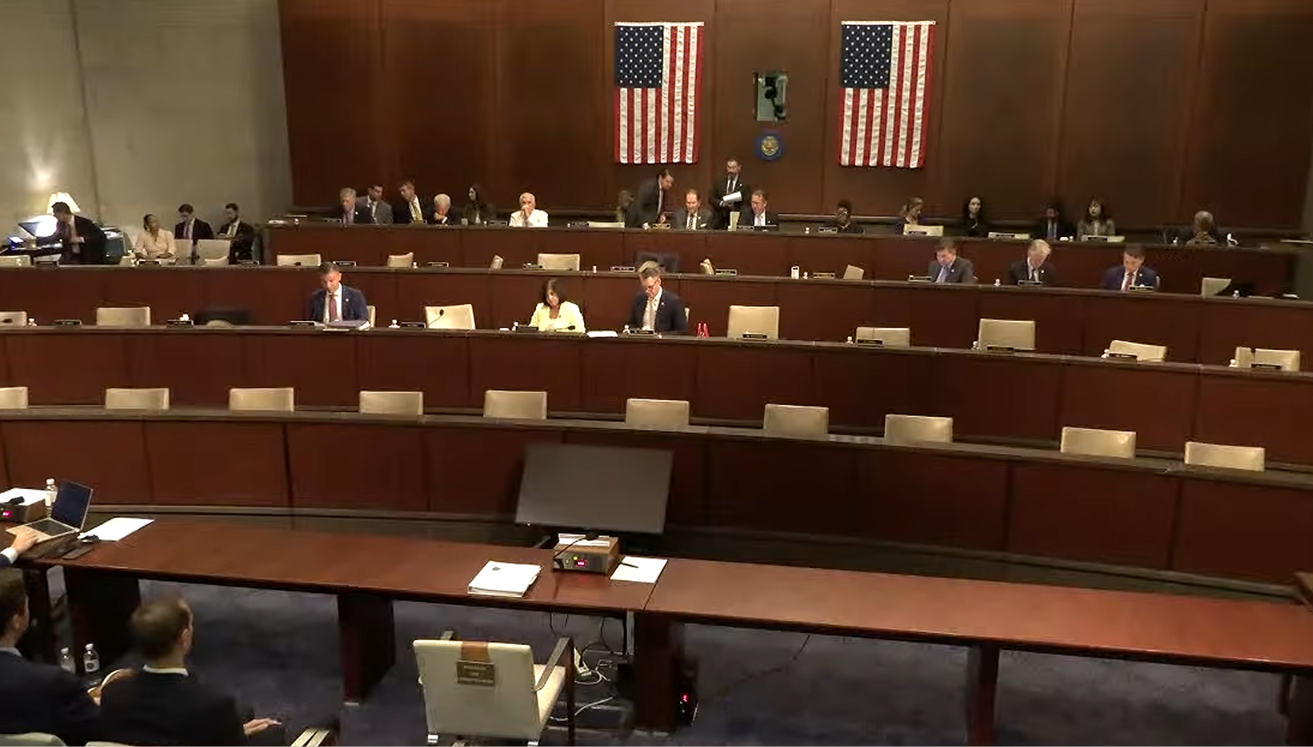
Current law means Medicare can only cover preventive services as authorized by Congress or recommended by the U.S. Preventive Services Task Force. The Alzheimer’s Screening and Prevention (ASAP) Act creates a path for Medicare to cover FDA-approved or cleared blood tests, which help with early detection of Alzheimer’s.
Gannon Murphy is a volunteer advocate with the Alzheimer’s Association, serving as Vice Chair of the Georgia chapter’s Board of Directors. As he advocates, he can’t help but think about his Pops, who for years left his primary care check-up with a clean bill of health despite concerns. Michael Murphy would pass his physical and cognitive tests, his son says, and yet still feel he was “not operating on all cylinders.”
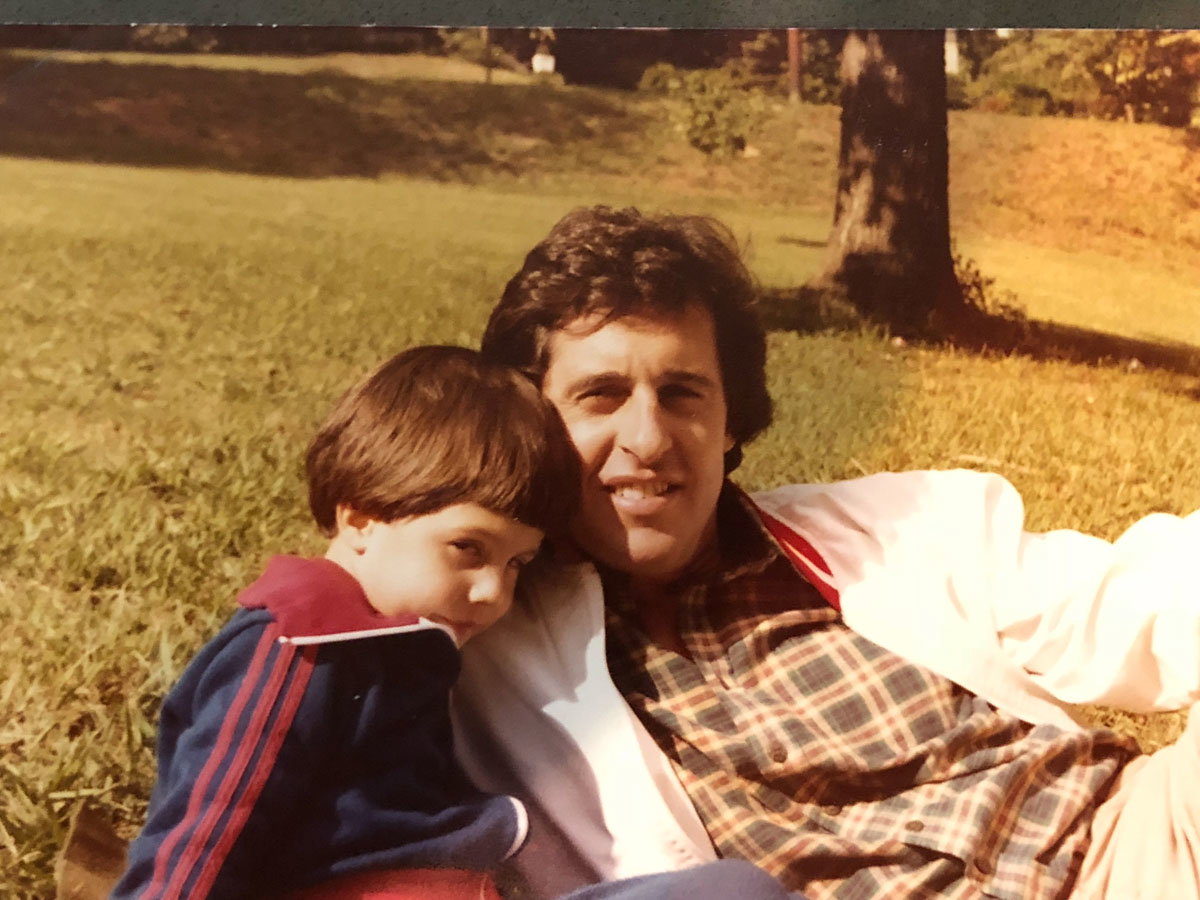
Courtesy of Gannon Murphy.
“He would come in…and say, ‘Listen, I just don’t think it’s right. I should go get another physical,’” Murphy says, and the cycle would continue. His family, meanwhile, saw the changes.
“My dad was a self-described numbers man, proud of his ability to spot-check math in his head,” Murphy says. “When novels got hard to follow from one chapter to the next, we noticed, and when he put the newspaper down for good, there was no doubt we had crossed a line.”
It took approximately five years, his son says, before Michael Murphy was diagnosed with Alzheimer’s in 2018. He passed away last year, surrounded by family in his hospital room with Dean Martin and Elvis playing in the background.
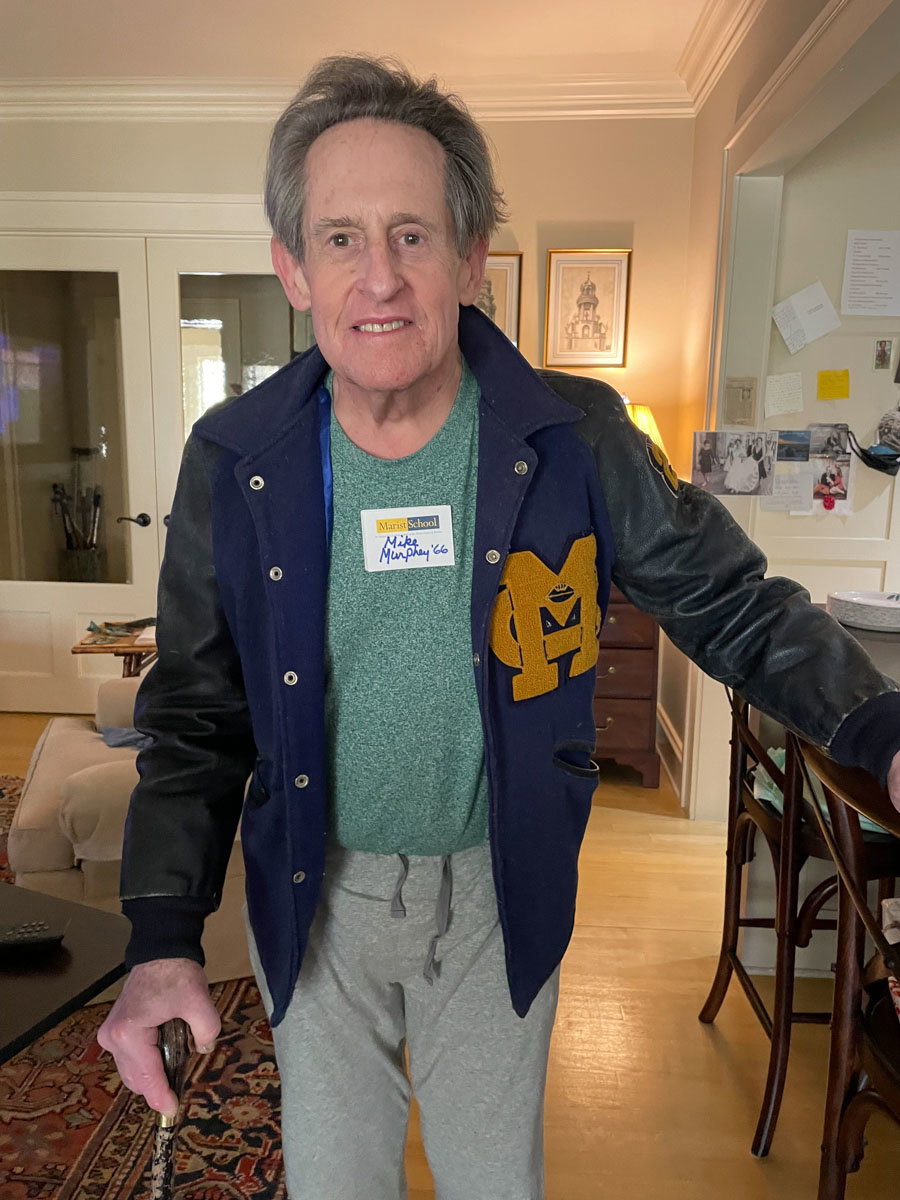
Courtesy of Gannon Murphy.
“In his brief moments of lucidity, he recognized each of us and felt our kisses on his forehead and cheek,” Murphy says, and amid such loss, he remains committed to speaking up for others. The blood tests, the first of which was cleared by the U.S. Food and Drug Administration in May 2025, weren’t available when his family struggled for answers—yet now offer a chance for earlier diagnosis, treatment, and care planning.
“I’m seeing the benefits in real time,” Murphy says, “people that are able to delay the signs and symptoms, but none of that’s available if the diagnosis doesn’t exist.”
The blood tests mark a less expensive and less invasive alternative to a spinal tap or amyloid PET scan, both of which are traditionally used to detect pathology indicating Alzheimer’s. The new blood tests only require a simple blood draw and can reliably predict whether those established tests would detect Alzheimer’s-related pathology, Dr. James Lah, Director of the Cognitive Neurology Program at Emory’s Goizueta Brain Health Institute, says.

Courtesy of Gannon Murphy.
“They’re very good tests,” he adds, “and they’re obviously much more accessible.”
There is a caveat. Lah notes that current FDA-approved and cleared tests are intended only for people experiencing mild symptoms. That said, “having these tests available and covered…is going to be important to do now.” As Alzheimer’s research continues, Lah says there may be a need within the next couple of years for expanded testing of healthy people, “if we get to a point where we can clearly say that there are treatments that can help delay or prevent disease. We’re just not quite there yet.”
In the meantime, the ASAP Act is on the move. On September 15, the legislation was part of a U.S. House Energy and Commerce Subcommittee hearing; the following day, the bill unanimously passed out of the Ways and Means Committee with provisions limiting coverage to people at elevated risk, although lawmakers noted specifics need to be defined. The committee describes the coverage as “transitional” until a traditional coverage decision is issued.
The bill may continue evolving but ultimately must pass both the full House and the Senate before the 119th Congress ends. With more than 230 cosponsors in the House and beyond 50 in the Senate, there’s bipartisan support.
Murphy, meanwhile, has pursued a range of tests for himself given his father, aunt and grandfather all had Alzheimer’s. He’s spent time and resources he knows not everyone has. But with continued innovation and such legislation on the table, “there’s so much hope right now.”
“We’re finally in an era,” he says, “where given early diagnosis, people have a shot.”
The Alzheimer’s Association offers a free 24/7 Helpline (800-272-3900) offering support for people living with dementia, caregivers, families and the public.