



Photograph by Heidi Harris
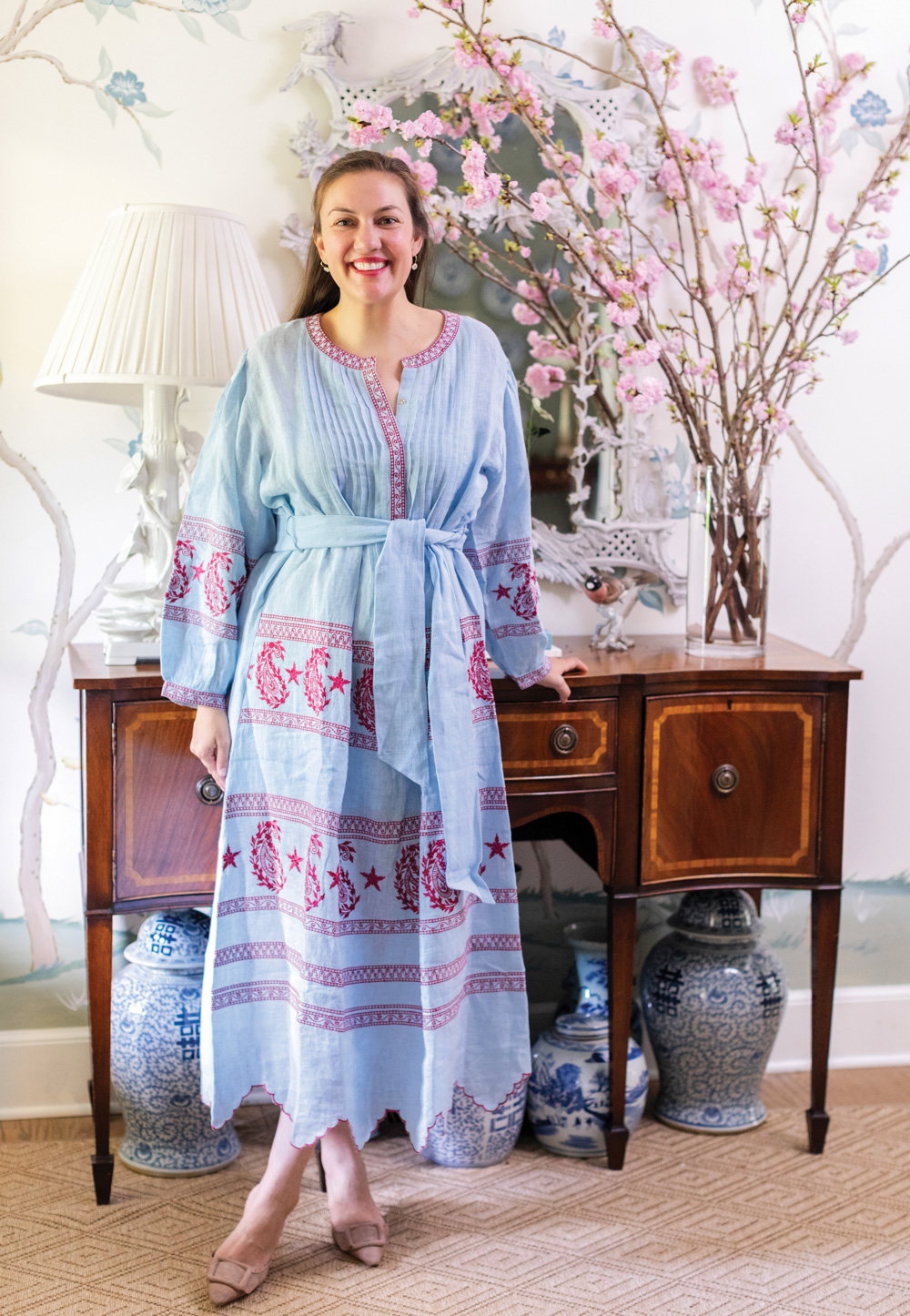
Elizabeth Cook is an Atlanta-based design enthusiast, entrepreneur, content creator, and influencer who is known for her expertise in finding discounted antiques, vintage decor, and designer items. The Columbus, Georgia, native first realized she had a flair for thrifting as a child. “My grandmother loved museums and design centers and exposed me to beautiful interiors and decorative arts,” she says. “My mother, on the other hand, could spend an entire day hopping from one thrift store to the next. Looking back, I realize I received two valuable educations—one in design and the other in the thrill of the hunt.”
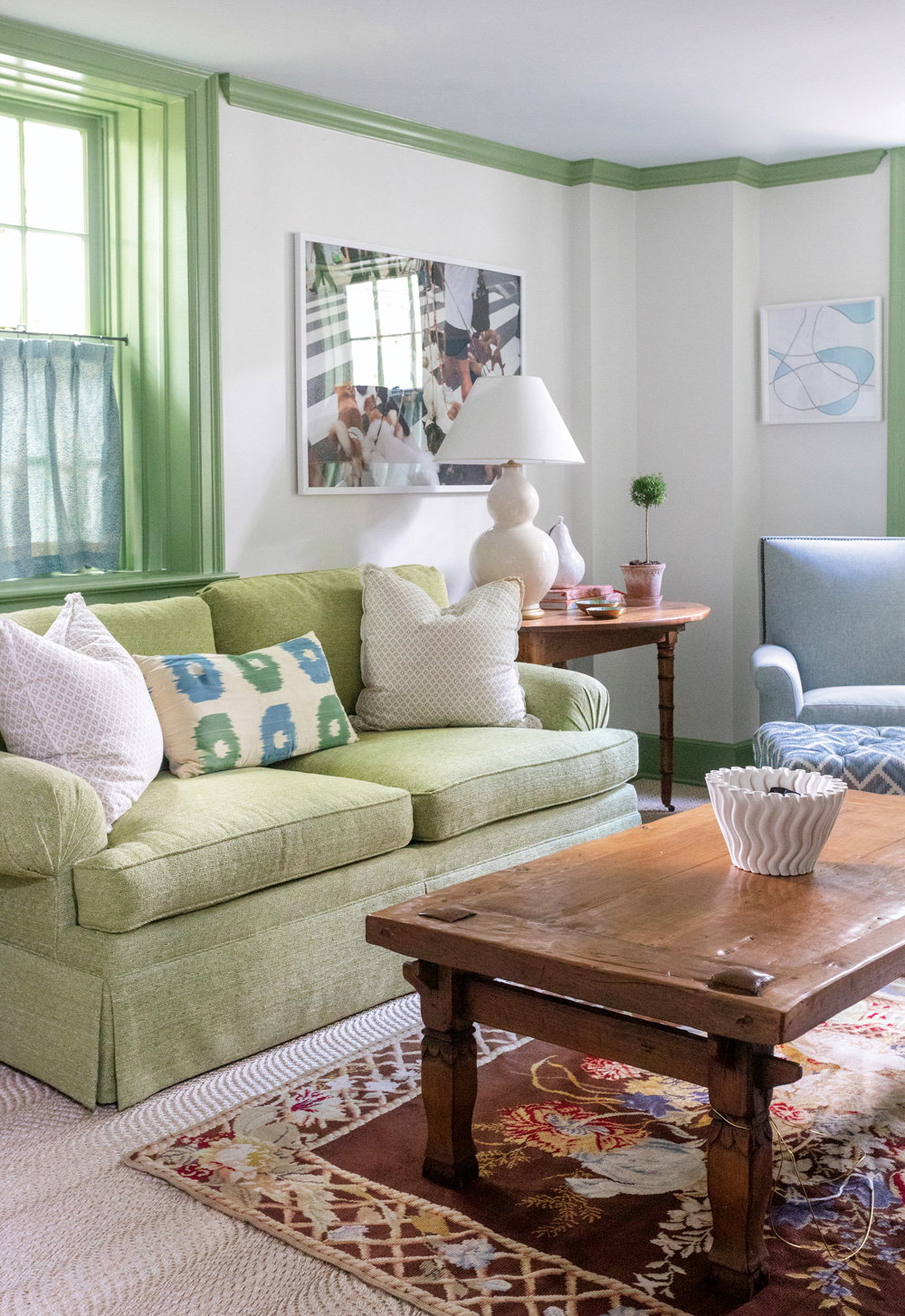
Elizabeth attended Southern Methodist University, where she studied sociology, and later the Parsons School of Design, where she studied accessory design. She has built businesses in public relations, consulting, and content creation, but throughout every career chapter she has maintained a passion for finding beautiful items with history, character, and personality. She recently purchased her first house and is working to transform it into a dream home on a budget, she says, noting that it includes a mix of thrifted finds, online auction purchases, estate sale discoveries, and sample sale scores. “My decorating style is classic but not predictable. I love storied objects and want a home to feel collected rather than decorated.”
Last year, Elizabeth launched a Substack newsletter, in which she regularly shares advice and discount codes with her subscribers. As for the future, she hopes to continue building resources that make collecting, decorating, and living beautifully more accessible to everyone. “I’ve made it my mission to help people discover that great design doesn’t have to come with a luxury price tag,” she says.
Photograph by Heidi Harris
Photograph by Heidi Harris
We recently talked with Elizabeth about her thrifting philosophy, sourcing secrets, and design inspiration. We also got her best advice on how to shop without overspending.
Georgia Design: What’s the difference between thrifting and antique shopping?
Elizabeth Cook: To me, thrifting is the broadest category. It usually involves shopping secondhand stores where inventory turns over quickly and includes everything from furniture to housewares. Antique shopping tends to be more curated, and the pieces are often older and rarer. The thrill of thrifting is the surprise; the thrill of antique shopping is the education. When I walk into an antique store, I’m often learning about a period, a maker, or a style.
Georgia Design: Estate sales, auctions, and sample sales—do you have a preference? And how exactly do they differ?
Elizabeth: Each one offers a different experience. Estate sales are deeply personal. You’re stepping into someone’s home and getting a glimpse into how they lived. Auctions are ideal when you’re looking for something specific, and online platforms have opened up a world that was previously reserved for dealers and designers. I’ve purchased everything from furniture to fabric through auctions. Sample sales are different because the merchandise is typically new. They’re great for accessories and home goods, but they don’t offer the history that makes estate sales and auctions so exciting. If I had to choose a favorite, it would be estate sales because some of my best finds—and best stories—have come from them.
Georgia Design: The terms vintage and antique are often used interchangeably. Is there a difference?
Elizabeth: Yes. Generally speaking, an antique is at least 100 years old. Vintage refers to items that are older and representative of a particular era but don’t meet the 100-year threshold.
Georgia Design: Can you negotiate with vendors?
Elizabeth: Absolutely, but respectfully. Antique dealers and estate sale operators expect reasonable negotiation, especially on higher-priced items or when you’re purchasing multiple pieces. At estate sales, you can potentially negotiate on the final day, dependent on the consignor terms.
Photograph by Heidi Harris
Georgia Design: What should buyers look for before purchasing an item?
Elizabeth: Always inspect condition carefully. For furniture, look for structural issues, water damage, repairs, and signs of woodworm or insect activity. For ceramics and glass, check for chips, cracks, and restoration work. With artwork, look for signatures, labels, or provenance when available. I encourage people to flip things over. The underside often tells the story. You’ll find maker’s marks, stamps, dates, labels, and clues about authenticity. A quick Google image search is also helpful and easy.
Georgia Design: What should you ask a seller about pieces you’re interested in?
Elizabeth: Whenever possible, learn about the history. How did the seller acquire the piece? Who owned it? Has it been restored? Even if the answers don’t change your decision, the stories make the pieces more meaningful.
Georgia Design: What are the best cities in Georgia for thrifting, estate sales, and antique shopping?
Elizabeth: Atlanta is hard to beat because of its size and inventory turnover. The estate sale scene is fantastic, and there are excellent antique dealers throughout the city. Savannah is another favorite because of its rich history and architecture. The antiques there often have wonderful provenance and Southern character. Madison is an underrated gem. It’s one of Georgia’s most beautiful historic towns and has some fantastic antique shops. I’d also put Thomasville on the list for anyone who enjoys traditional Southern antiques.
Georgia Design: Name three items you can get through thrifting that can cost-effectively elevate your home.
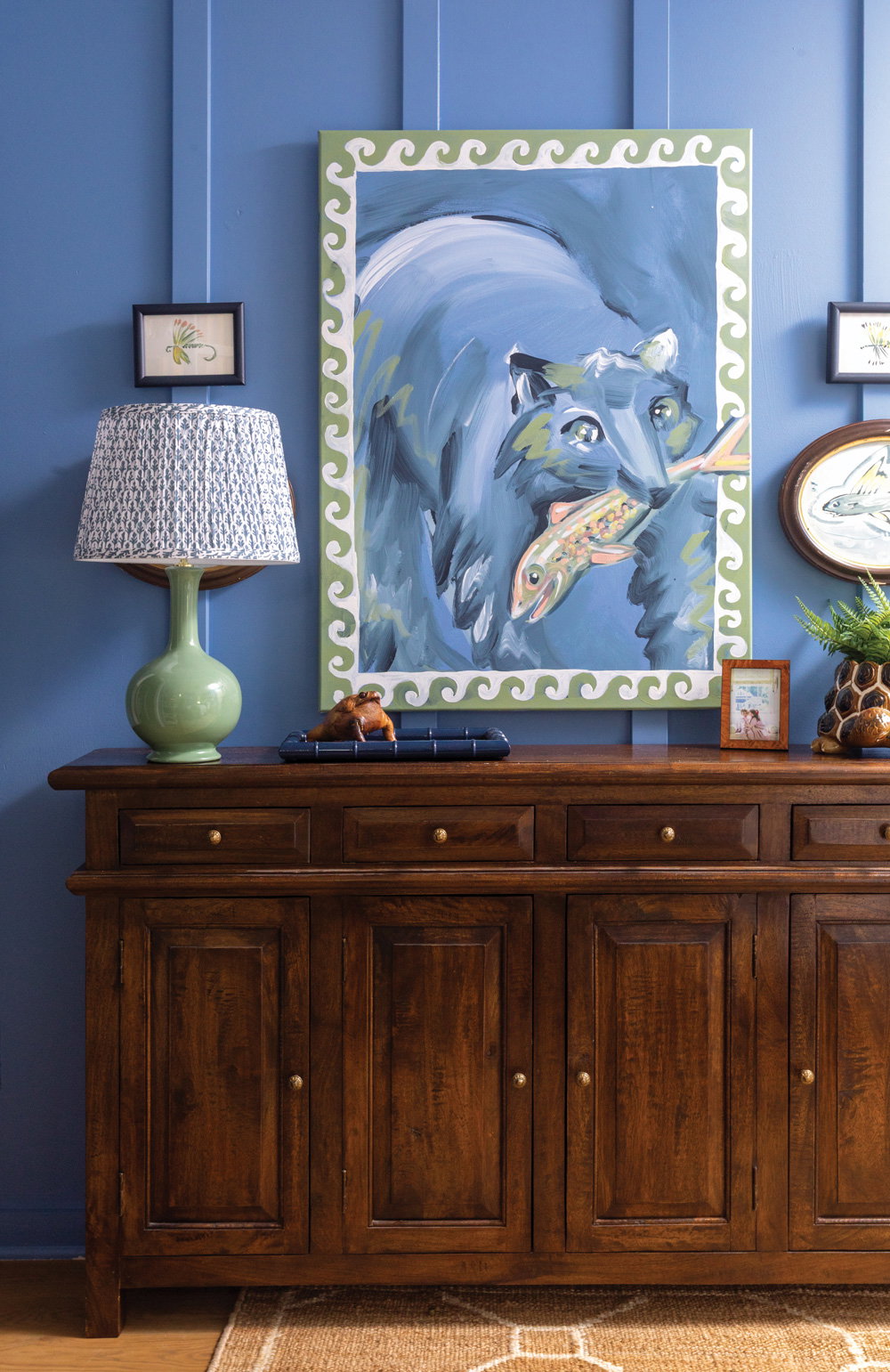
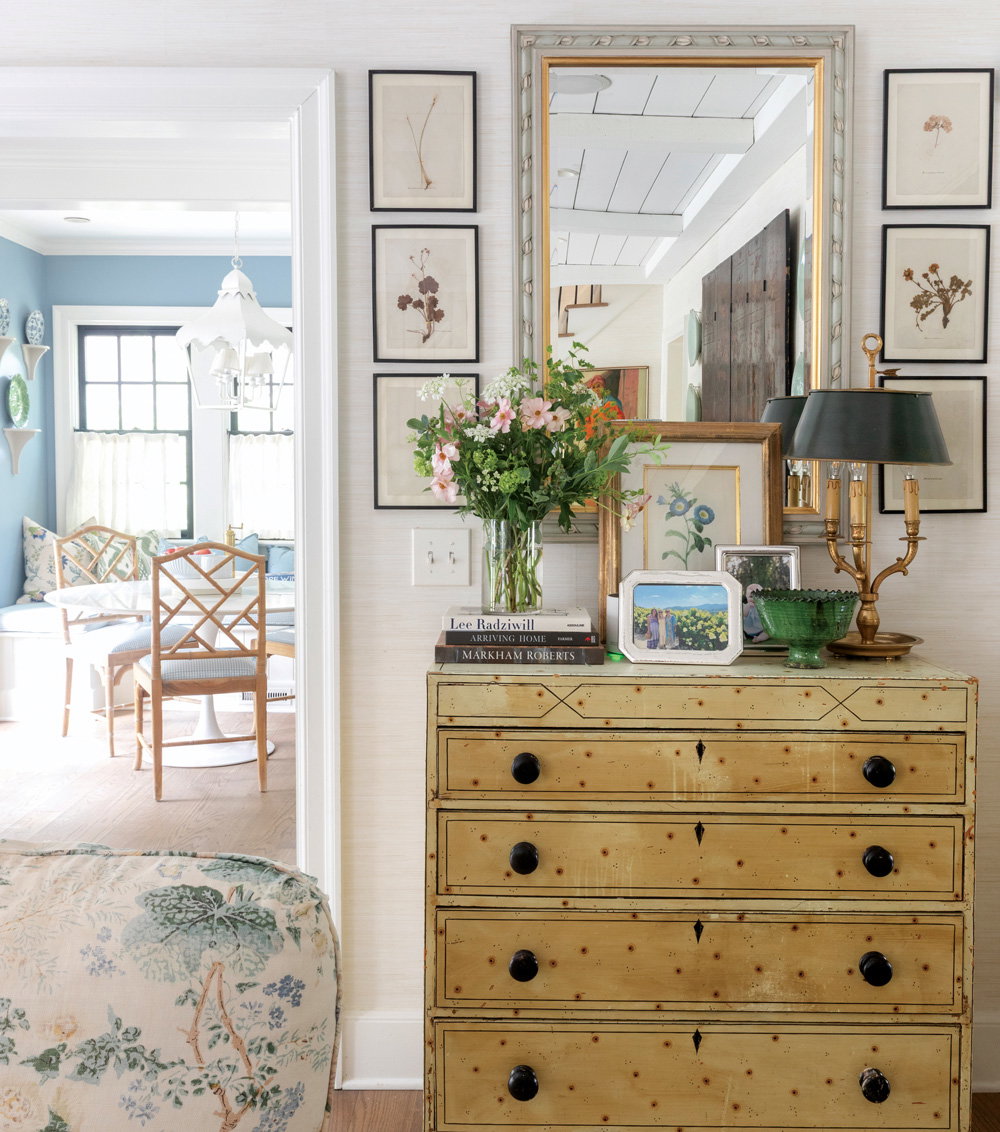
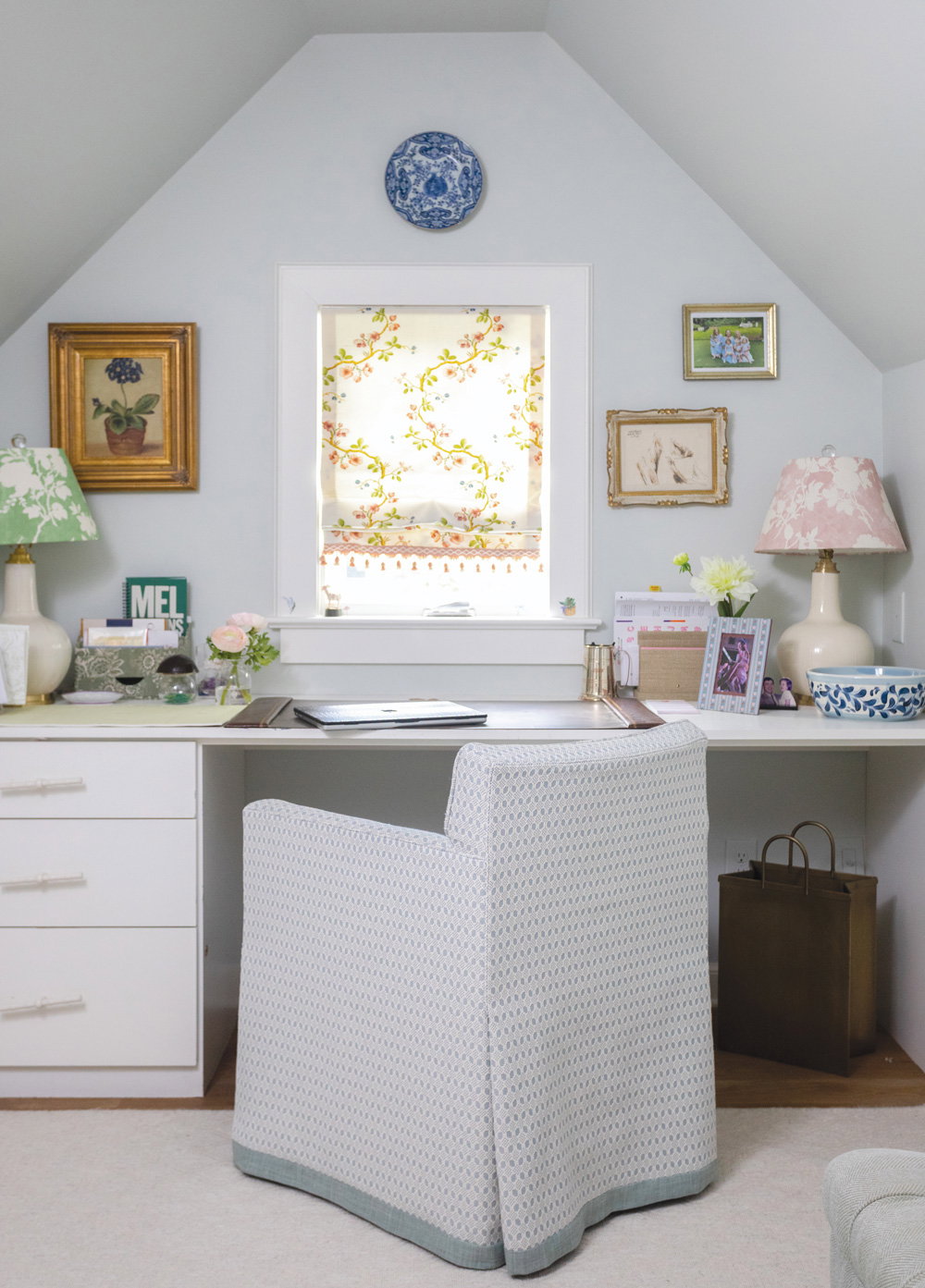
Elizabeth: First would be lamps. Vintage lamps are often better made than new ones and can transform a room. Second is artwork. Original art and framed prints add personality and are often available for a fraction of gallery prices. And third would be small pieces of furniture like side tables, stools, and benches. Those items often present the biggest value.
Photograph by Heidi Harris
Georgia Design: Is it true that you can even purchase plants at estate sales?
Elizabeth: Absolutely. For me, it started with an estate sale at the late Charles Loudermilk’s property in Atlanta. While exploring the grounds, I was struck by the variety of plants—azaleas, tea olives, gardenias, and more—that had been lovingly maintained and were available at a fraction of retail cost. With the help of the on-site landscaping crew, I was able to purchase and relocate a large portion of those plants to my own home. They have survived beautifully, and what makes them so special is that they’re mature, established specimens with years of growth and character behind them. I also sourced pre-owned pea gravel, which became the foundation for a DIY alfresco dining area in my backyard. Over time, I’ve layered in additional estate-sale finds, including fig trees, boxwoods, and even a Summer Classics outdoor dining table. A cedar shake birdhouse from a Holland MacRae warehouse sale became the finishing touch.
Georgia Design: What’s the best item you’ve scored through thrifting? And what’s the one item you’re still hoping to find?
Elizabeth: Some of my favorite scores have been antique furniture pieces that anchor a room and look like they’ve always belonged there. The item I’m always searching for is the next great painting. Original artwork is what excites me most because it’s completely unique and can transform a space instantly.
Georgia Design: How about your favorite estate sale find?
Elizabeth: One of my favorite estate sale finds happened in Atlanta. I stumbled upon two large Pierre Frey Sans Papillons curtain panels and nine rolls of matching wallpaper. I paid around $400 for the curtains and about $10 per roll for the wallpaper. While I was shopping, I noticed a gentleman carrying a pair of beautiful, framed intaglios. He clearly knew what he was doing, so I introduced myself and showed him my find. As it turned out, he was a well-known Atlanta designer who owned a showroom at ADAC. He immediately offered me double what I had paid! That experience taught me two things: first, don’t underestimate what you’re looking at; and second, don’t be afraid to talk to people at estate sales. Some of the most knowledgeable collectors and designers are walking the same rooms.
Georgia Design: What’s your best advice for someone who is just getting started?
Elizabeth: Begin by shopping often rather than spending a lot. The people who consistently find incredible pieces aren’t necessarily luckier; they simply look more frequently. Also, learn to focus on quality over category. I don’t care whether something comes from a thrift store, an auction house, or a luxury showroom. But I do care whether it’s well-made, useful, and beautiful. One of my earliest Atlanta estate sale purchases was an upholstered club chair covered in a Quadrille fabric. I bought it because I loved the statement it made, and I couldn’t believe the price. When it no longer worked in my home, I sold it for a profit. Great design often holds value in a way that mass-produced furniture doesn’t. Also, stop assuming that luxury items are only available through luxury retailers. Estate sales and auctions are full of opportunities. Finally, and most importantly, buy the things you genuinely love. The best homes aren’t built in a weekend; they’re layered one meaningful find at a time.