

Courtesy of City of Hapeville
Seven miles south of downtown, and bordering Hartsfield-Jackson Atlanta International Airport, lies Hapeville. Part of the Tri-Cities area, Hapeville is home to Delta Air Lines’ headquarters and flight museum and to Porsche Cars North America, whose driver-development track adds the occasional rev to the city’s soundtrack. It is also famously the birthplace of the Chick-fil-A sandwich, first served at Hapeville’s Dwarf House in 1946.
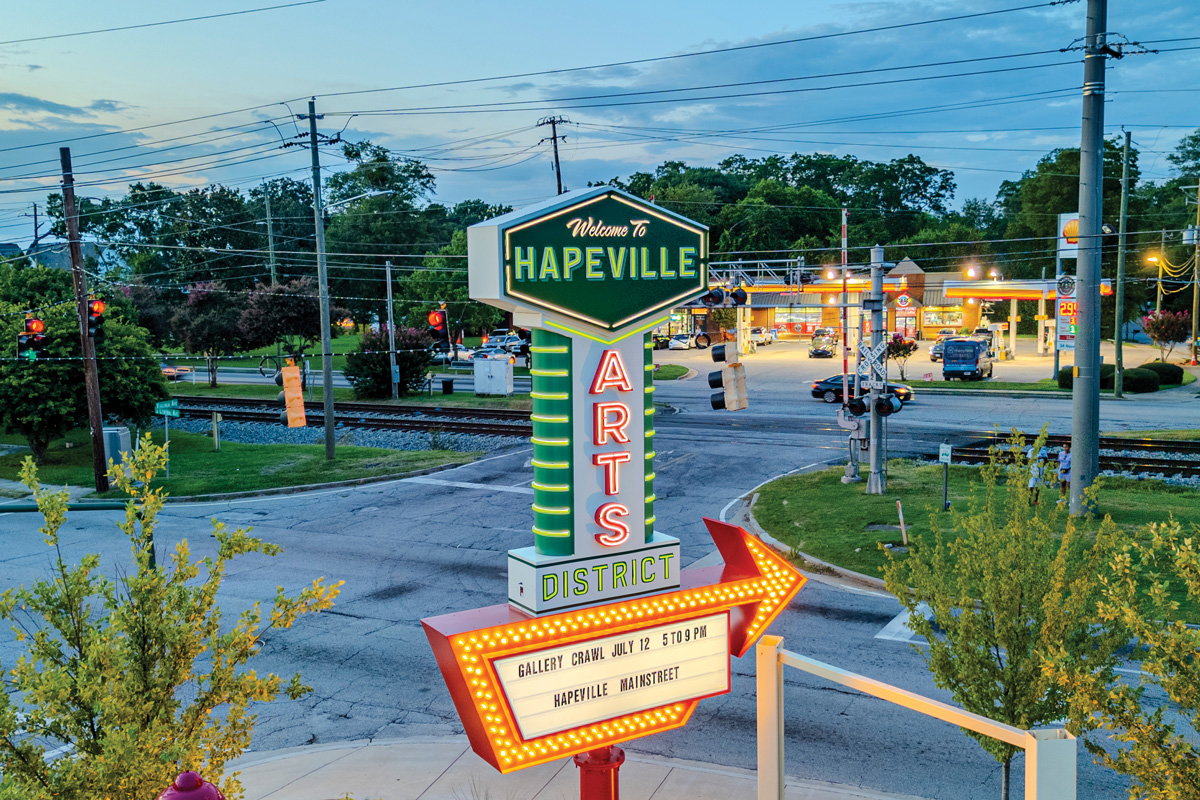
Hapeville was incorporated as a city in 1891, a time when railways defined the region. Along North Central and South Central avenues, railroad tracks run down the center of the historic commercial district; the tracks follow the Hightower (Etowah) Trail used by the Muscogee (Creek) Nation.
A must-see stop along the tracks is the Hapeville Depot Museum. The quaint warehouse, which dates to 1890, is filled with historic exhibits and artifacts, including old uniforms and hard hats and even recorded oral-history interviews with workers at the former Ford Motor Assembly Plant. You’ll also find an Atlanta Speedway pennant commemorating Coca-Cola heir Asa Candler Jr.’s failed racetrack nearby.
Why it’s hopping:
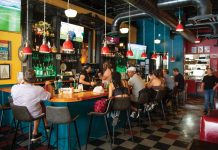
Hapeville residents embrace its thriving arts scene and eclectic dining options. Tight-knit neighbors gather to chat about civic matters and art installations as much as the weather, a lost hound, or an ornery rooster.
The established residential area is still home to a handful of fourth-generation Hapevillians who remember when the I-75 and I-85 interstates were new. It consists of early-1900s bungalows, historic cottages, and midcentury brick ranch homes. More modern construction includes Craftsman-inspired dwellings. The downtown area, listed on the National Register of Historic Places, is characterized by classic commercial brick structures, including the block that’s home to 100-year-old pharmacy Chapman Drug Company.
Several independently owned retail stores dot the charming main drag. Impossible Moon Book Shop sits next to Beer Girl Growlers & Bottleshop, which hosts events such as mahjong happy hours, backgammon nights, and five-mile full-moon bike rides through town. Across the tracks, 2000 A.D. Inc. is a charming gift and floral shop located inside Hapeville’s oldest home, a High Queen Anne Victorian built in the late 1800s. The surrounding gardens, with string lights, a koi pond, and decorative planters, are detour-worthy and open to the public.

Courtesy of Dewey and Douglas McGeoch
Who calls it home:
Best known for their comedy drag duo, Olive and Agatha, Dewey and Douglas McGeoch have lived in Hapeville for eight years. After winning an arts grant from the city, the couple spent this summer as artists in residence at one of Hapeville’s two studio-art spaces made from converted shipping containers.
Their finished project, a hand-built theater (made of cardboard and inspired by children’s playhouses), will debut at this month’s Gallery Crawl, a free drink-and-stroll exploration of downtown’s Arts Alley. Both artists are Florida natives and former New Yorkers. “Because we moved here directly from Manhattan, our favorite aspect of living in Hapeville is that we know our neighbors,” Dewey says. “In Manhattan, you live atop one another but rarely even know who lives on the other side of the wall.”
How the community gathers:
Hapeville boasts a diverse population and spirit of inclusivity that extends to immigrants. According to Adrienne Senter, planning and economic development director for the City of Hapeville, the city has long been home to one of the region’s largest Latino communities. “The Latino community contributes significantly to Hapeville’s local economy through small businesses, restaurants, cultural events, entrepreneurship, and civic involvement,” Senter says.
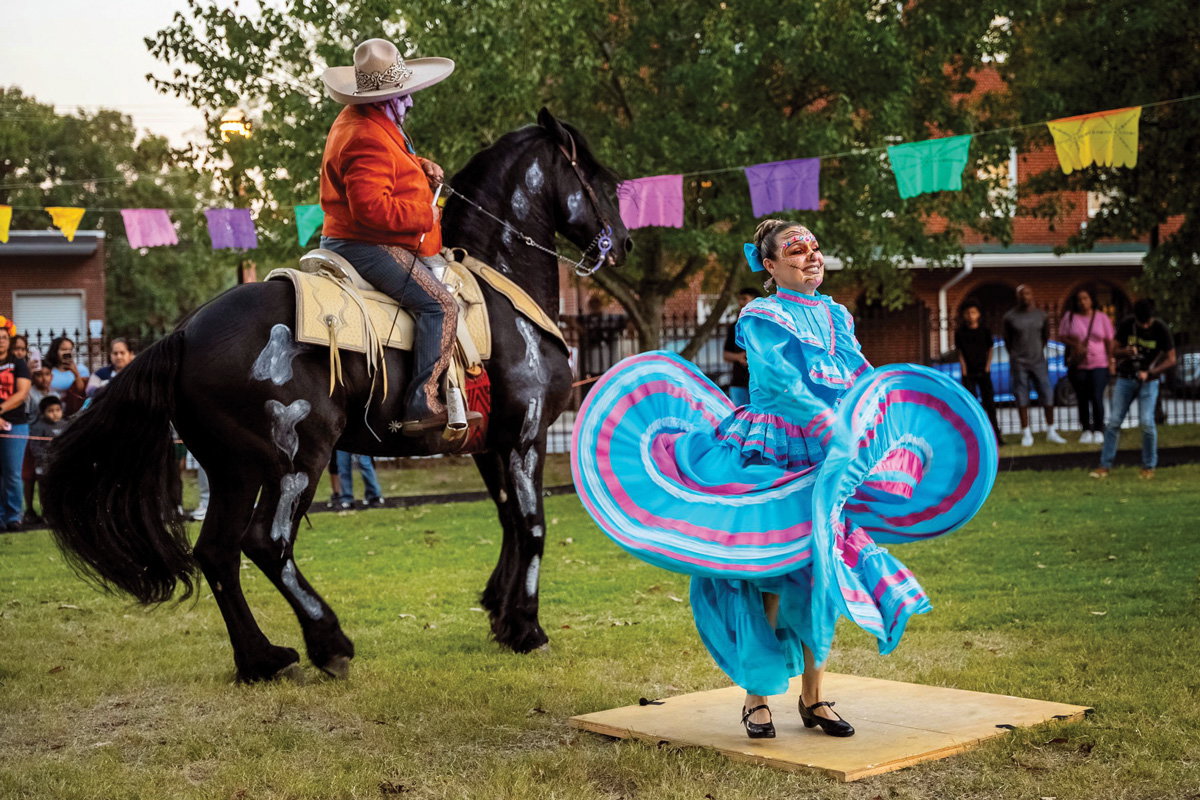
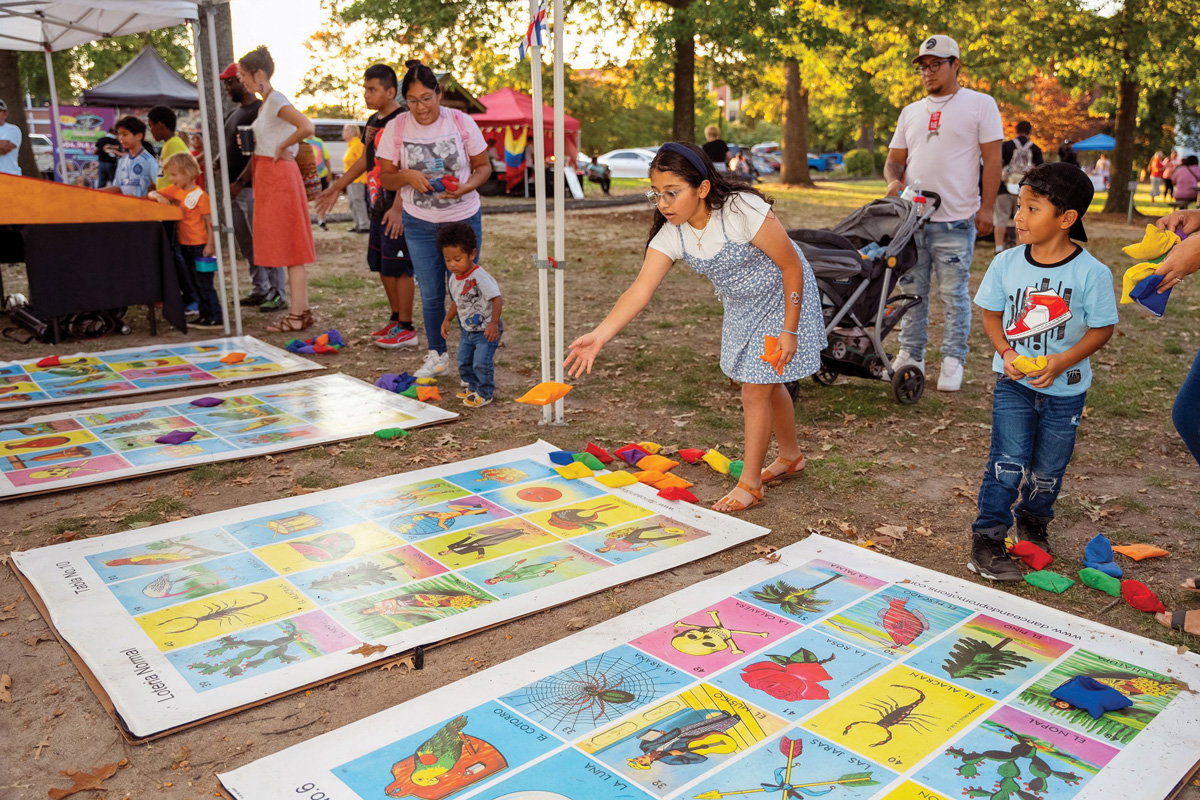
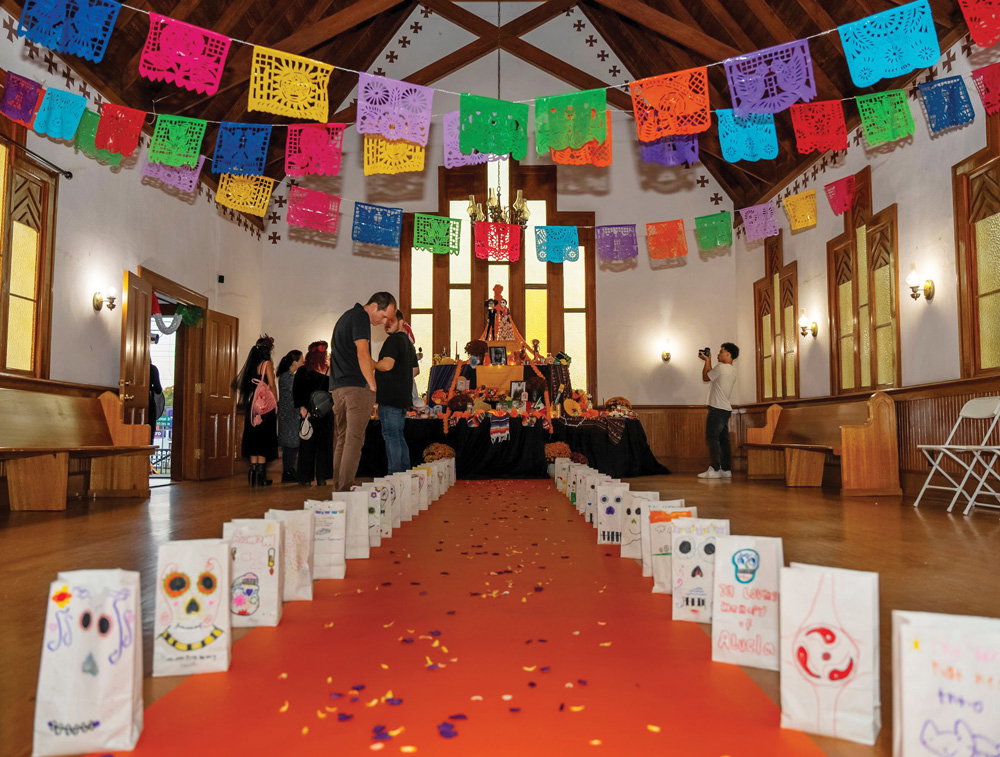
Among Hapeville’s signature fall events is October’s Día de Muertos (Day of the Dead) Celebration, which includes traditional Mexican foods, such as pan de muerto, tamales and mole; folk-dance performances; costumed “skeletons” on horseback; and a community altar (ofrenda) at the 1895 Christ Church and Carriage House.
Photograph by Grace First Photography
Photograph by Grace First Photography
Photograph by Grace First Photography
Día de Muertos Celebration
Date: Saturday, October 24
Cost: Free
Location: Jess Lucas Park
Good to know: Free Friday evening workshops at the local rec center lead up to the festival: Learn about traditional Mexican crafts and create beautiful offerings for your ofrenda. Registration is required; sign up on the City of Hapeville website.
Neighborhoods Lost
As Atlanta grew through the 20th century, entire neighborhoods were sacrificed for major public works projects and redevelopment. Near Hapeville, the ever-expanding Hartsfield-Jackson Atlanta International Airport has consumed acres of land where communities once stood. Multiple College Park subdivisions were cleared in the 1970s to make room for a major runway expansion. When it came time to build a fifth runway in 2001, the airport had to find a way to avoid disrupting Hart and Flat Rock cemeteries, both more than 150 years old.
Many neighborhoods were lost to Atlanta’s mid-century growth. Lightning, situated where the Georgia World Congress Center and Mercedes-Benz Stadium now stand, was a historically Black community west of downtown. Buttermilk Bottom, northeast of downtown, is now home to Central Park and the former Civic Center site.
These communities live on through the descendants of their former residents and a small collection of vintage photos, many of which are available to view via the Atlanta History Center’s digital collections. —Athina Vilamitjana
This article appears in our September 2026 issue.