

Photograph by Eli Joshua Ade
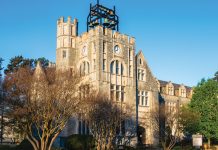
During the last week of June 2025, Atlanta University Center (AUC) students spotted a new school on campus. A “Welcome to Hillman College” banner hung across the entrance of Clark Atlanta University, fanning the rumor that A Different World, NBC’s The Cosby Show spin-off about college life, would return more than 30 years after ending in 1993.
By November, Hollywood trade publications confirmed that Netflix, which had already begun streaming the original series, had put in a series order for what it is calling “the sequel” (rather than a reboot) to A Different World. The new season’s September 24 release is the same premiere date as the pilot’s in 1987. Atlanta, home to the largest cluster of historically Black colleges and universities, or HBCUs, in the nation (Morehouse, Spelman, Clark Atlanta University, and Morris Brown), shaped the original series through its HBCU history and now serves as the foundation for the sequel. It also became the backdrop, with much of the sequel shot here and an estimated 30 percent of the show’s extras cast with students at the AUC.
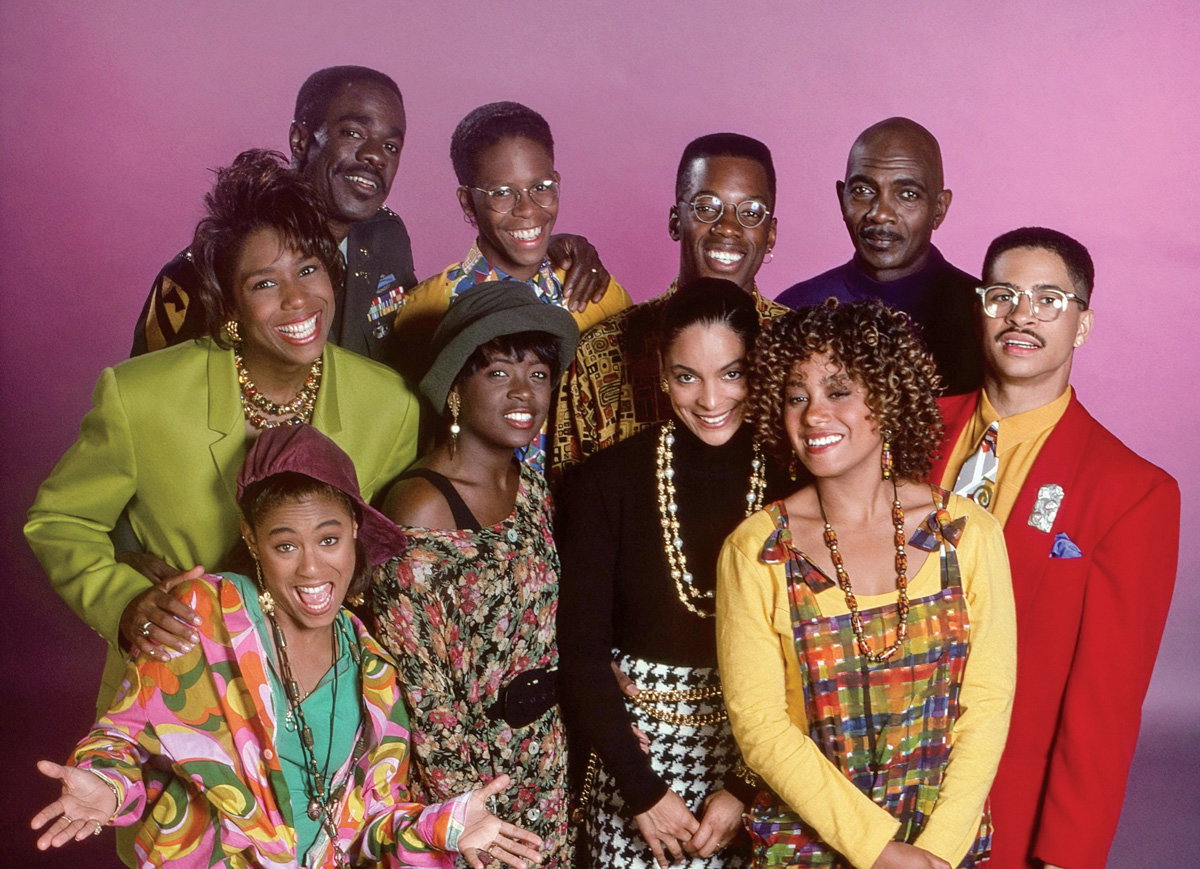
Until A Different World debuted, much of the country was unfamiliar with HBCU life. The fictional Hillman College was first mentioned in The Cosby Show as the alma mater of Cliff and Clair Huxtable, but the spin-off, which initially focused on their daughter Denise (played by Lisa Bonet) as she matriculated at the same school, went much further in this world. The original six seasons of A Different World brought the AUC to the small screen—it showed up in a number of exterior shots for the school. Still, the show almost didn’t make it past its first season after an onslaught of poor reviews.
“[The show] wasn’t true,” says Atlanta’s own Jasmine Guy, who played iconic Southern belle Whitley Gilbert in the original and reprises her role in the sequel, now as a parent sending her daughter to college. Guy has a deep connection to the city’s HBCUs: Her father, Reverend Dr. William Vincent Guy, taught at his alma mater, Morehouse College, and led the Friendship Baptist Church, where Atlanta classes for Morehouse and Spelman were first held in the late 1800s.
Guy says the first season focused on everything but what should have been its heart and soul: the Black college experience. One of the first season’s biggest missteps, for critics and viewers, was never explaining how Maggie, Denise’s young White roommate with seemingly zero Black cultural awareness, ended up at Hillman. The show was so off-base, Guy tried to quit but contractually couldn’t.
Courtesy of Netflix
Daniel Delgado Jr / Netflix
Courtesy of Netflix
Photograph by Quantrell Colbert / Netflix
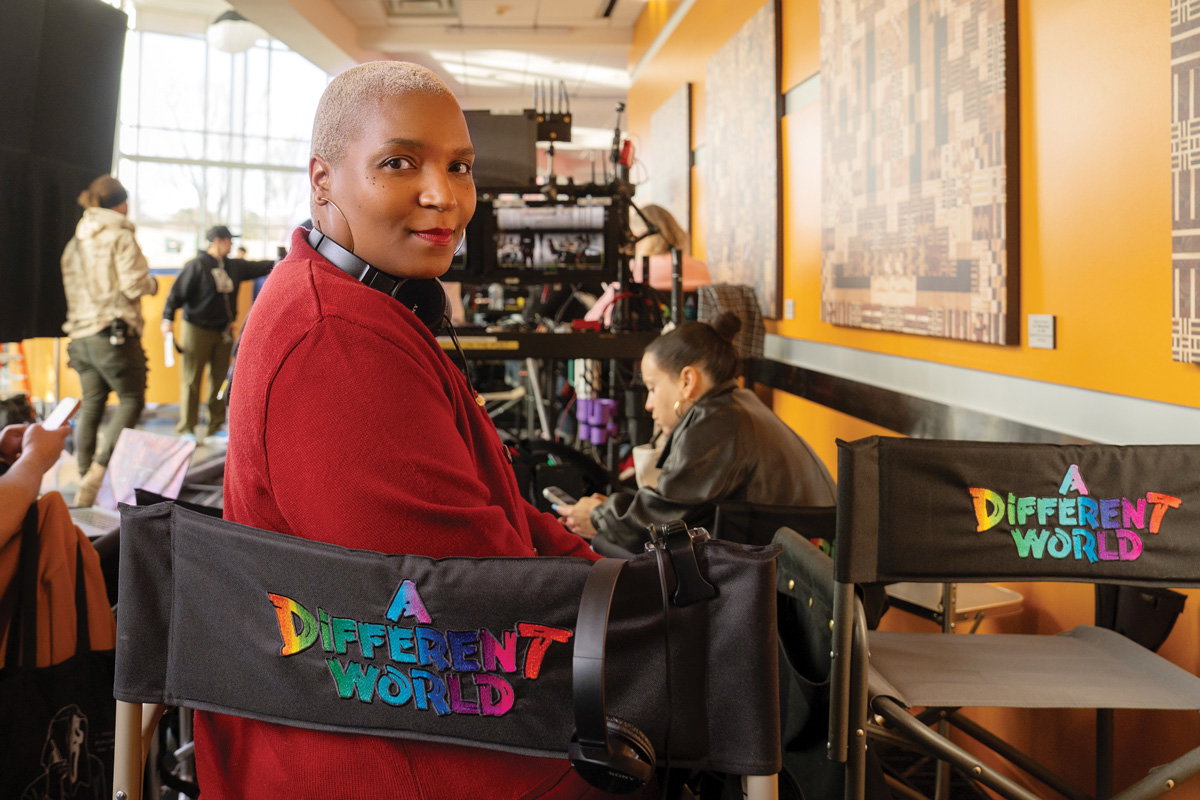
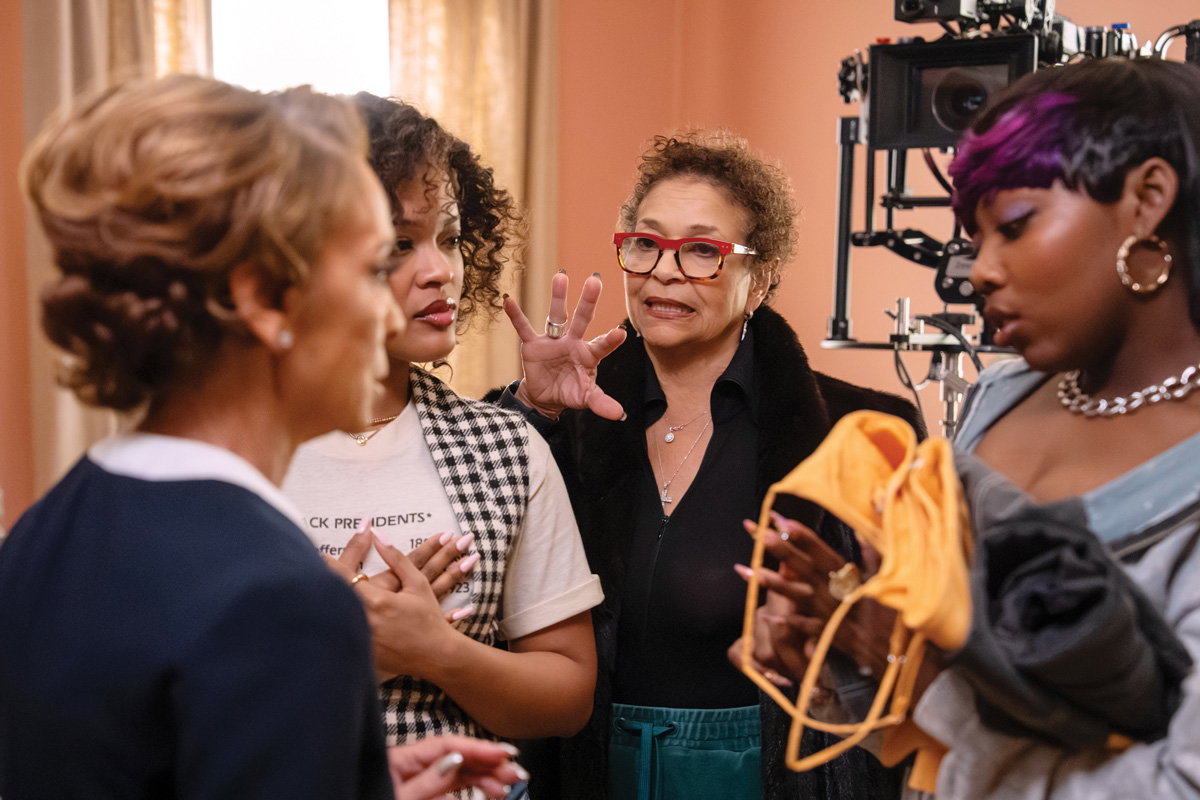
That changed in season two, when Debbie Allen, who graduated from Howard University joined A Different World as director and producer. Allen transformed the show into a quintessential depiction of HBCU life. “The second season was more authentic, more real,” Guy says.
Allen leaned into the characters’ distinctive relationships. Guy’s portrayal of rich, snooty, yet lovable Whitley with a deep twang made her an icon of ’90s television. “[Guy] created this wonderful character. She created Whitley,” says Allen, who returns to the show as director and executive producer.
The show also focused on the slow-burn romance between Whitley and Kadeem Hardison’s flip-top-glasses–wearing Dwayne Wayne, which became an enduring symbol of Black love.
Allen pushed boundaries through the show’s representations of current issues, such as the AIDS epidemic and the 1992 Los Angeles riots. She turned the show’s classmates into a chosen family, such as Wayne with Darryl M. Bell’s Ron Johnson and the unlikely bond between Cree Summer’s hippie and protest-loving Freddie Brooks and Charnele Brown’s Kimberly Reese, a driven, aspiring doctor.
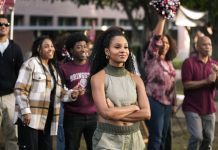
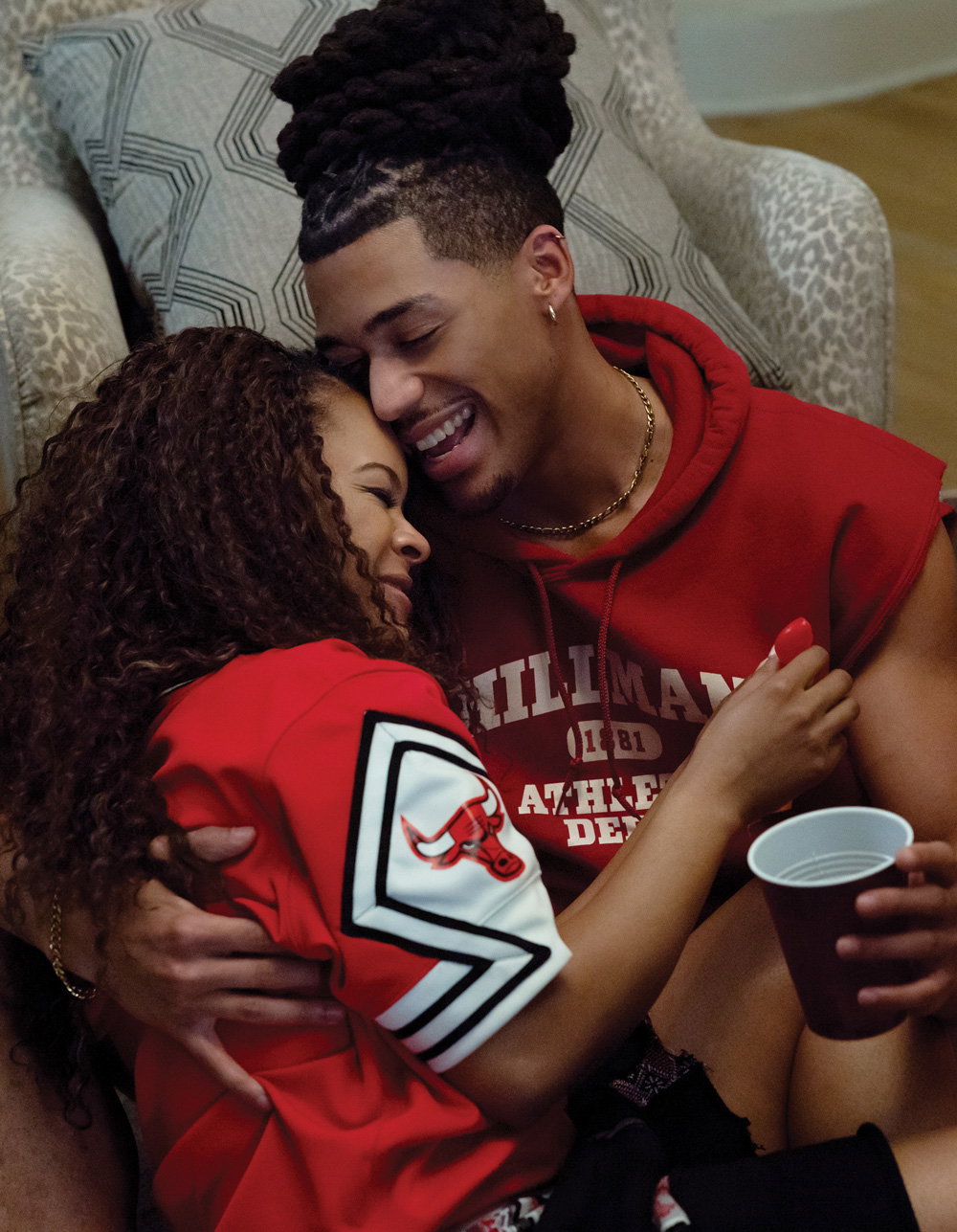
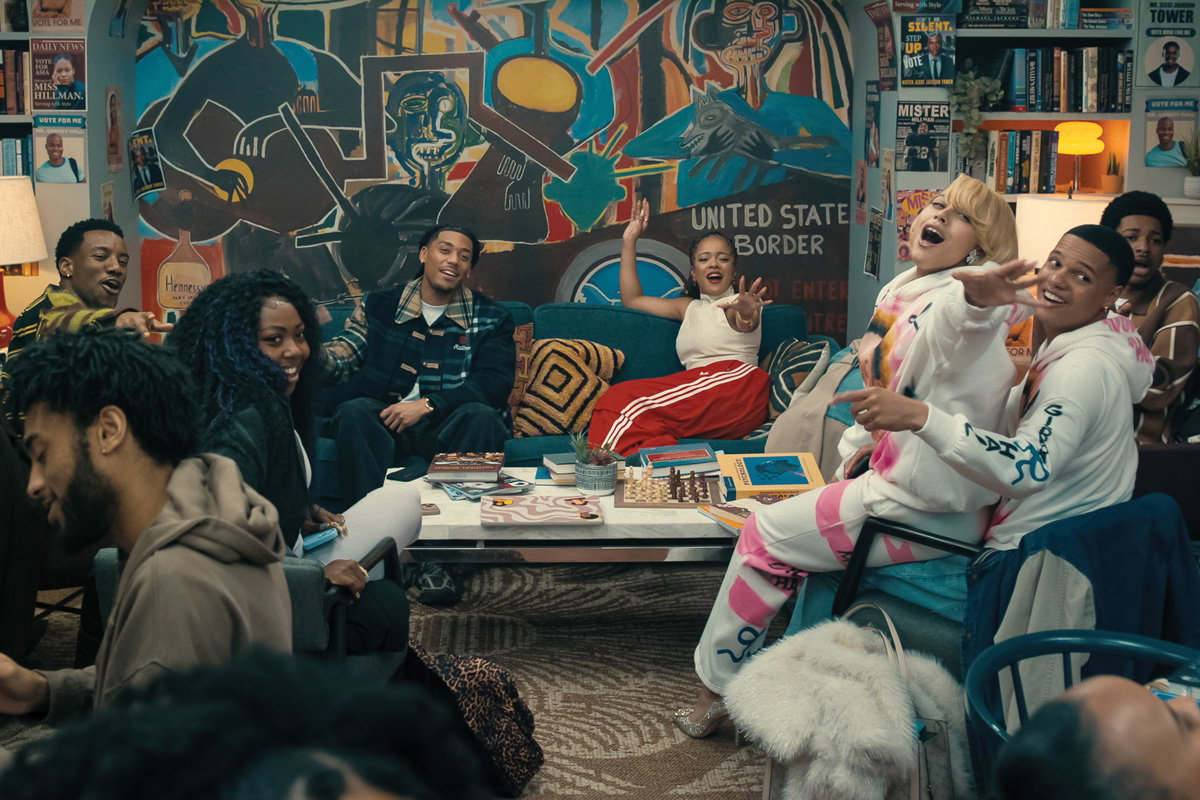
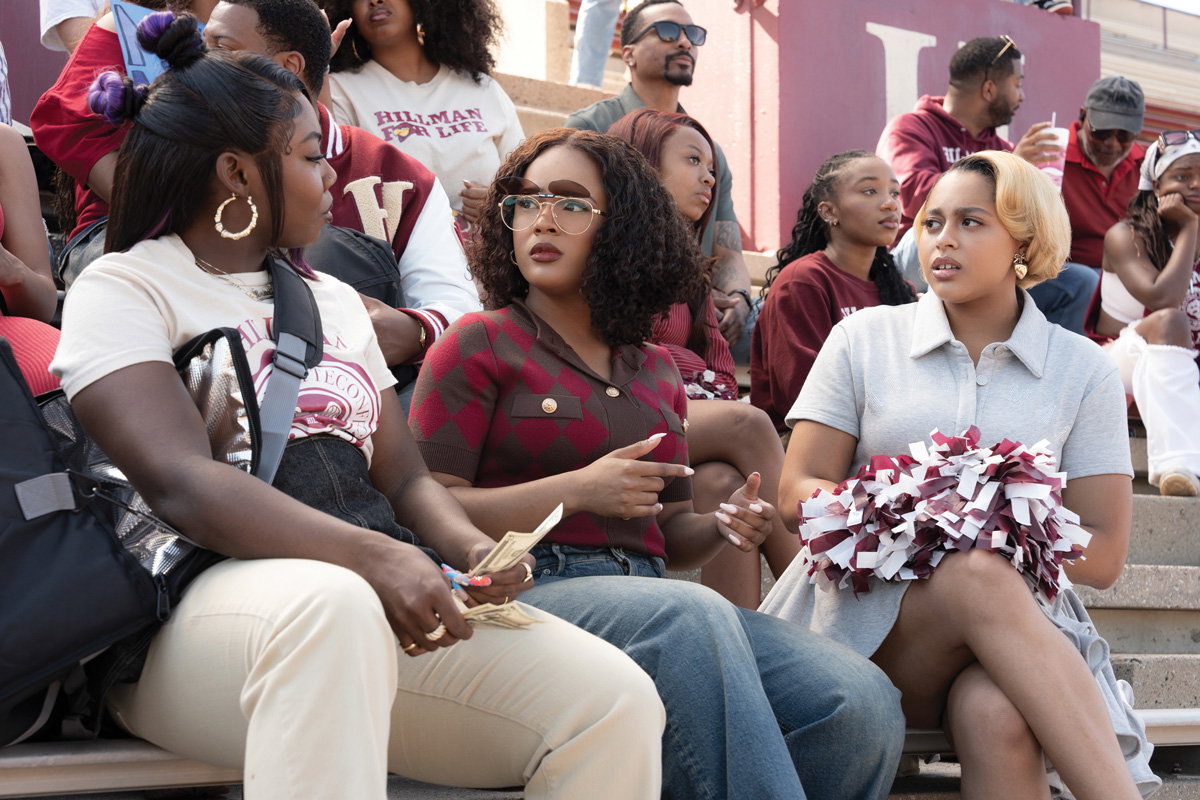
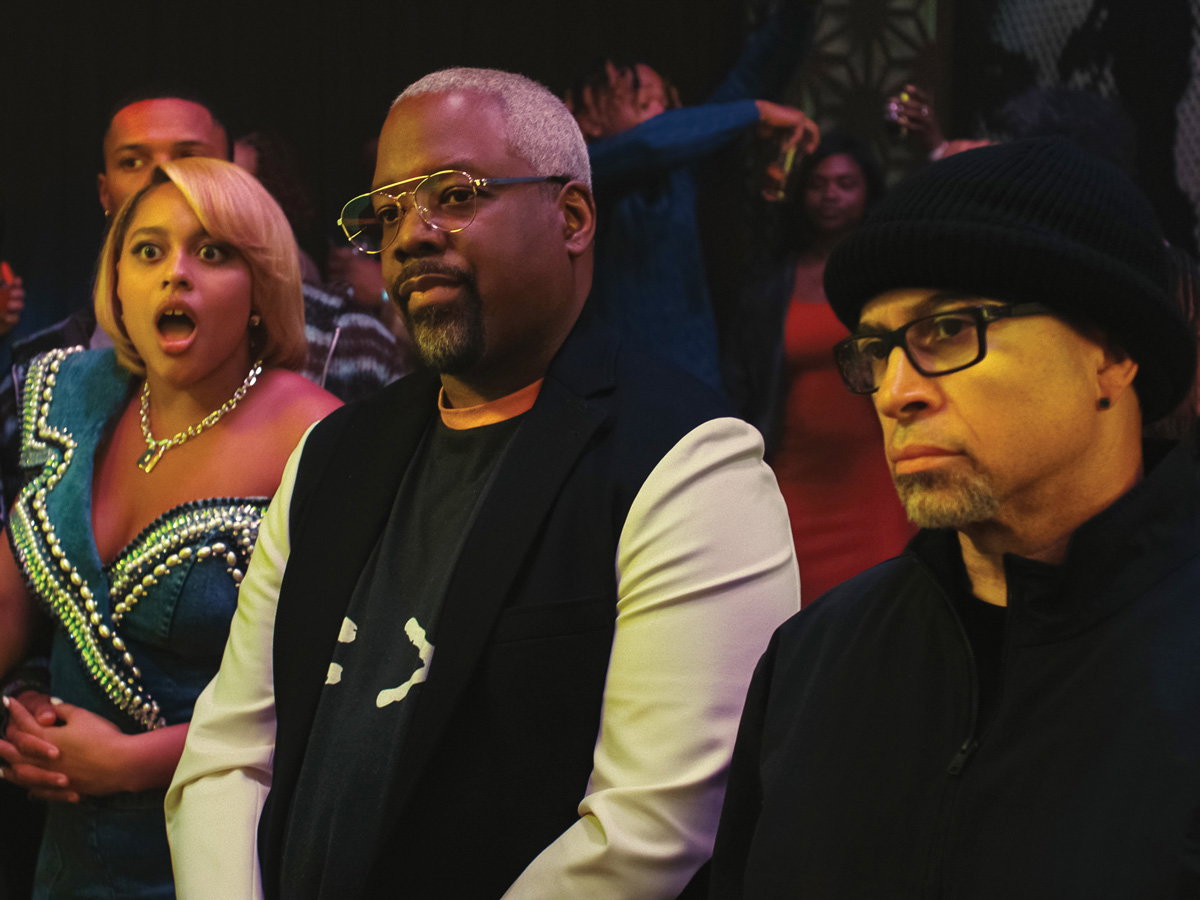
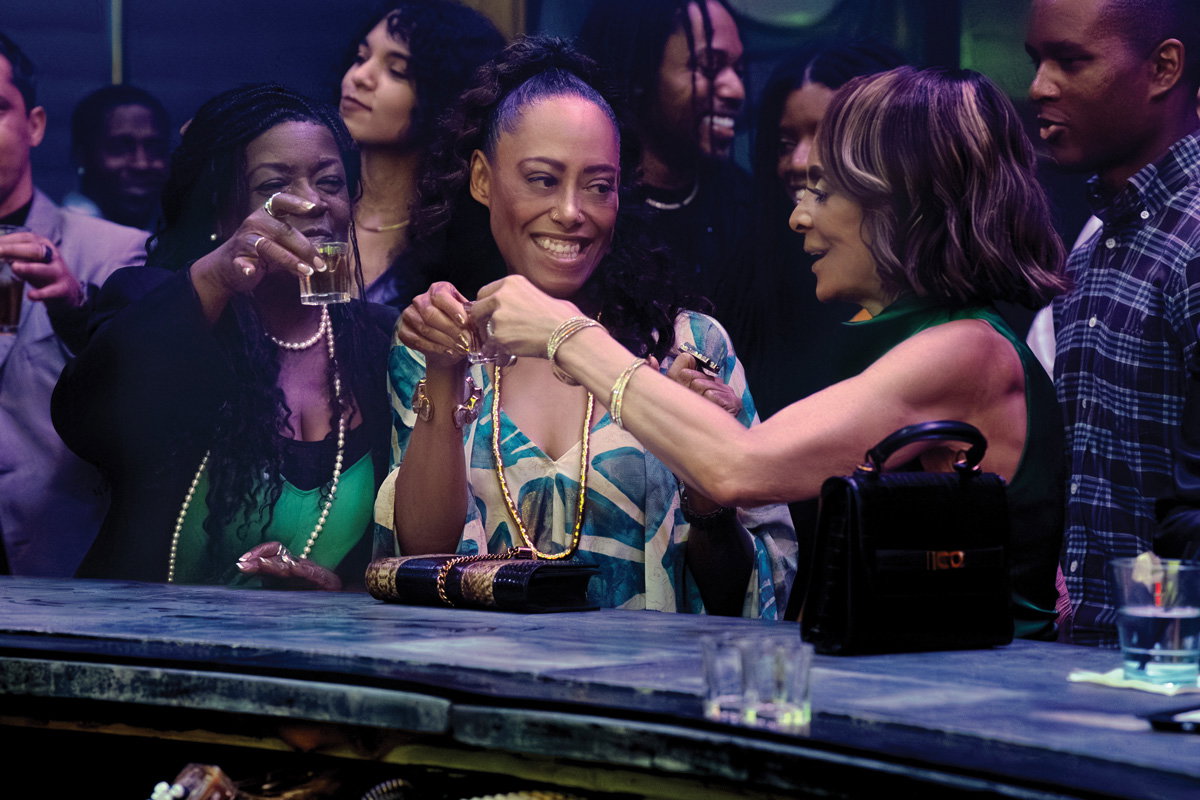
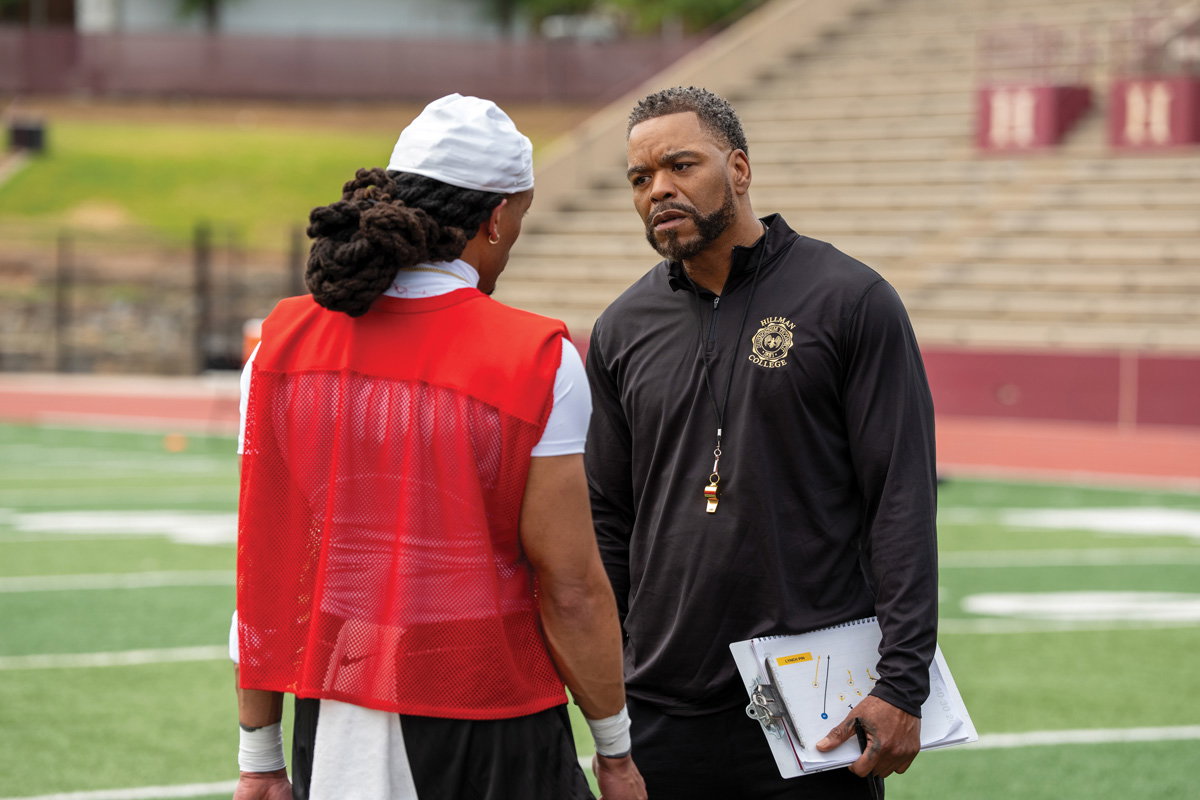
Netflix reenters this world through that sense of community with Whitley and Dwayne’s youngest daughter, Deborah (played by Tony-winning Hell’s Kitchen actress, Maleah Joi Moon), in her freshman year at Hillman. Much of the OG cast returns (Jada Pinkett Smith among them), with several new cast members played by actors with HBCU connections.
Photograph by Daniel Delgado Jr / Netflix
Courtesy of Netflix
Courtesy of Netflix
Photography by Gary Null / ©NBC / courtesy of Everett Collection
“We wanted to pay homage to the original series and carry the legacy through,” says Atlanta resident Felicia Pride, the sequel’s showrunner.
This time around, Allen and Pride didn’t want to repeat the original series’ awkward beginnings. Beyond filming at the AUC, they hired its students as production assistants and partnered with the props department at the Russell Innovation Center for Entrepreneurs to highlight Atlanta Black-owned businesses. Costume designer Provi Fulp-Ramphal, a Clark Atlanta alum, included items from local brands such as men’s clothing boutique Koss Atelier, luxury fashion house Luwiza Moda, and Fabulina Designs’ jewelry collection.
Netflix also collaborated with an HBCU student council, which consulted with the show’s writers and advised on storylines and issues facing today’s HBCU students. “We have ICE coming on college campuses. We have the financial situation, the demolition of DEI across the board, voting rights,” Allen says. She hopes the show’s takes on contemporary issues “will initiate new possibilities [of activism] for young people across this country and the world.”
For Guy, it was heartening to work with so many Atlanta students. “These babies from the AU Center . . . off the chain,” she says. “I’m like, These are the extras? Just beautiful, stunning, showing up, being professional. I felt like a proud mama.”
Photograph by Danyel Jones
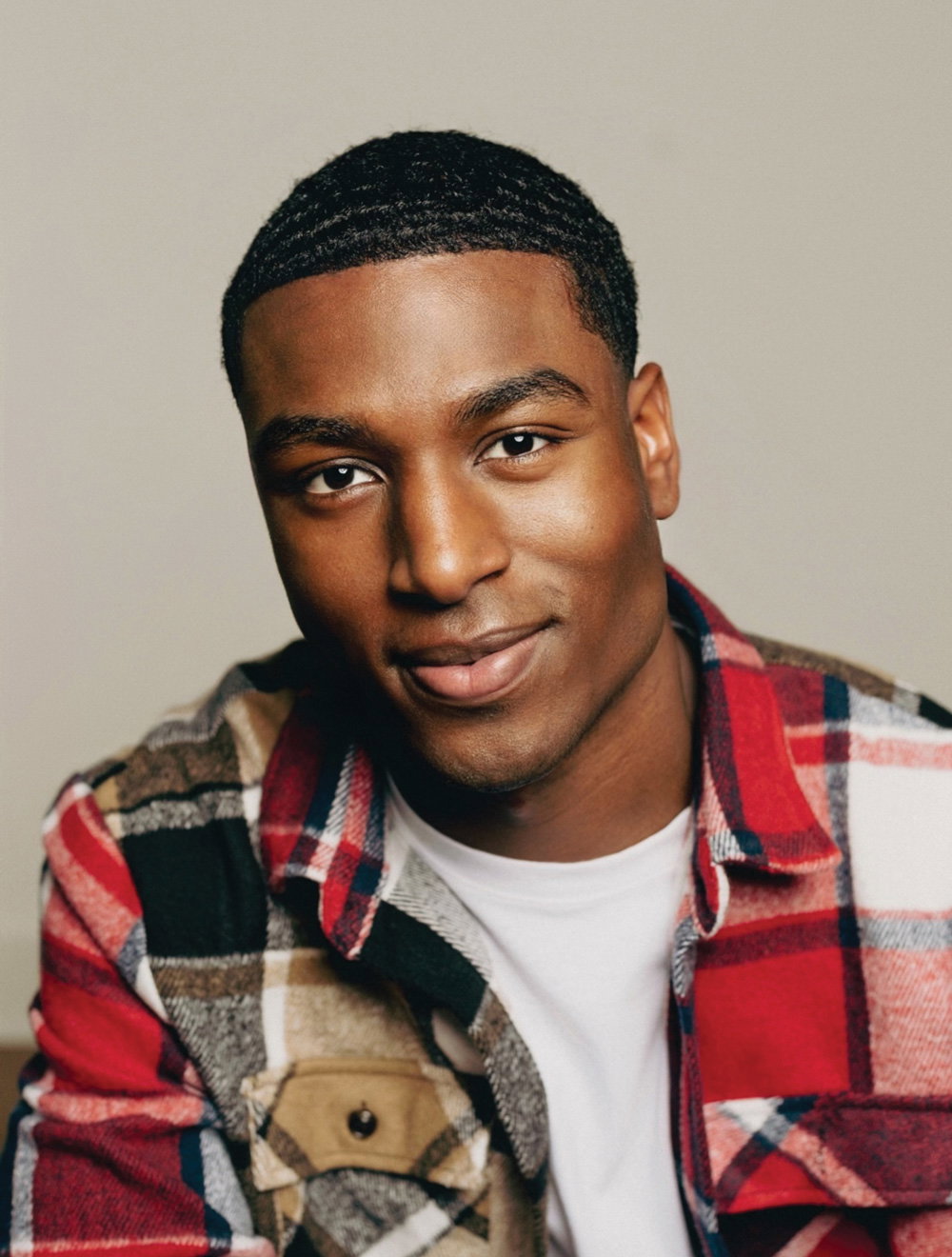
Recent Morehouse alum Dasan Frazier appears in the role of Xavier, a campus livestreamer. Art imitates life: Frazier, an actor and influencer with more than 1 million TikTok followers, has filmed viral videos showcasing HBCU student life. “It’s A Different World,” he says. “To not only grow up and want to be at a school like that, doing it, but to also get on the show—the same one with the same OGs and great actors and creators—it was a dream come true.”
The return of the show, for Guy and the creators, is an invitation to a new generation of Black people. “It was a joy to be able to say, ‘We’re going to do A Different World again,’” Guy says. “But we’re making it with the young people who are now going to [the real] Hillman.”
This article appears in our September 2026 issue.