


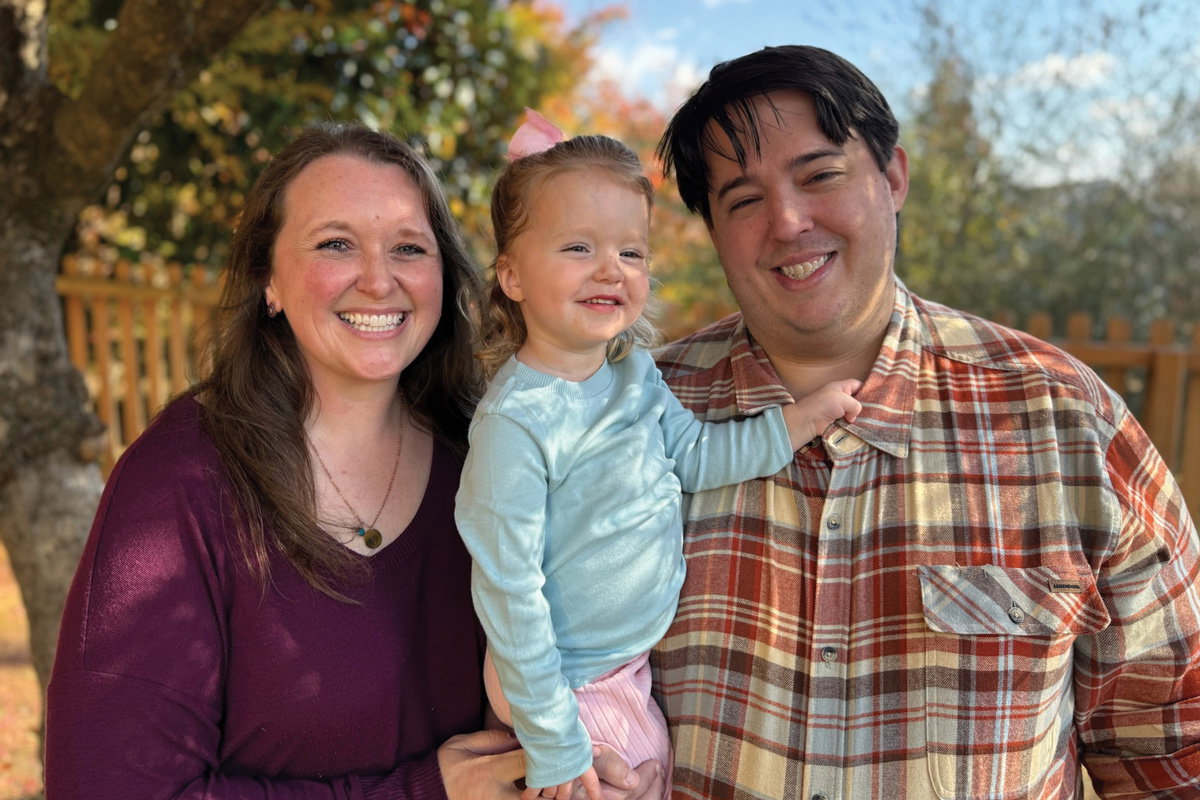
Courtesy of the Ross family
Maeve Ross was 13 months old when her mother, Nicole, brought her to the doctor to have her distended belly checked. After blood work and an X-ray, they were on their way home when a nurse called with instructions to immediately head to the hospital. A few days later, Maeve started chemotherapy for neuroblastoma—a tumor that forms in nerve tissue—and life for the Ross family changed forever.
For decades, childhood cancer has existed in a frustrating paradox. Cancer remains the leading disease-related cause of death for children in the United States, yet pediatric cancers receive about 5 percent of federal research funding, in part due to the low rates of childhood cancer relative to adult cases. While survival rates have improved dramatically for some diagnoses, many childhood cancers still lack effective treatments, leaving families facing unimaginable uncertainty.
One Atlanta organization has spent the past 50 years working to change that reality. Founded in 1975, Cure Childhood Cancer funds pediatric cancer research and provides financial support for the families of children fighting cancer. Today, Cure’s major focus is precision medicine—a cutting-edge approach that uses patients’ genetic profiles to identify the most effective therapies for their diagnosis. In 2017, the nonprofit launched a precision medicine initiative at the Aflac Cancer and Blood Disorders Center at Children’s Healthcare of Atlanta and has since funneled more than $16 million into developing this approach.
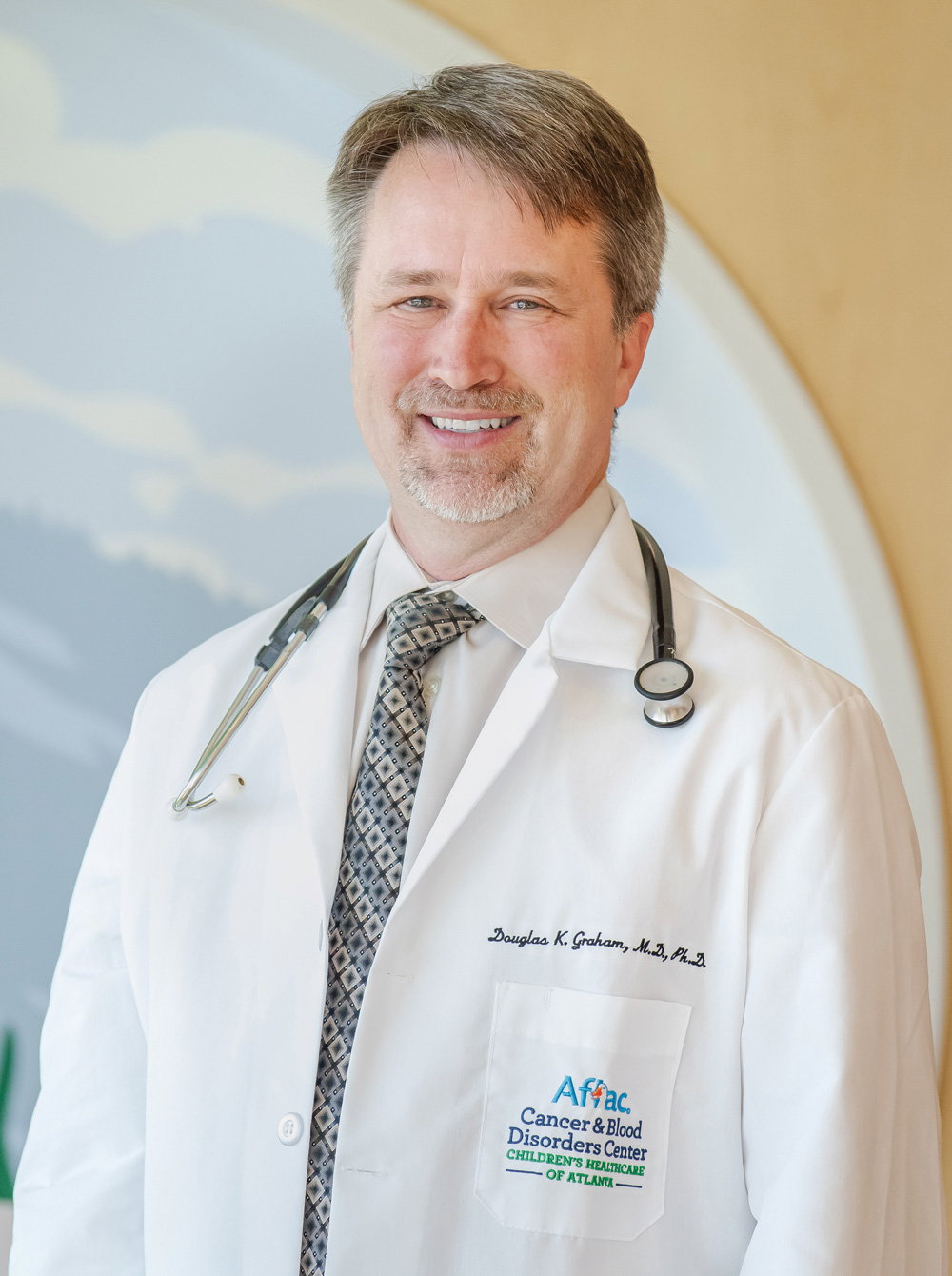
Courtesy of Cure
“How can we directly target the cancerous cell and not hurt some of the normal healthy cells as well?” says Dr. Douglas Graham, a pediatric oncologist and chief of the Aflac center. “That’s part of the idea behind precision medicine.”
These advances were key to Maeve’s treatment: The Aflac medical team analyzed Maeve’s cells, identifying a rare mutation that made her tumors more resistant to chemotherapy. In response, the team developed a specially tailored therapy to kill the cancer with a mix of chemotherapy and immunotherapy, halting the growth of tumors in her abdomen and leg.
Now three years old, Maeve is thriving: She attends half-day preschool and in June took a trip with her family to Disneyland, courtesy of the Make-a-Wish Foundation.
“Every day we worried about her future,” Nicole says. “But to see everything turn around in just three months because of precision medicine—it absolutely amazes me, the power of this research.”
This article appears in our September 2026 issue.