


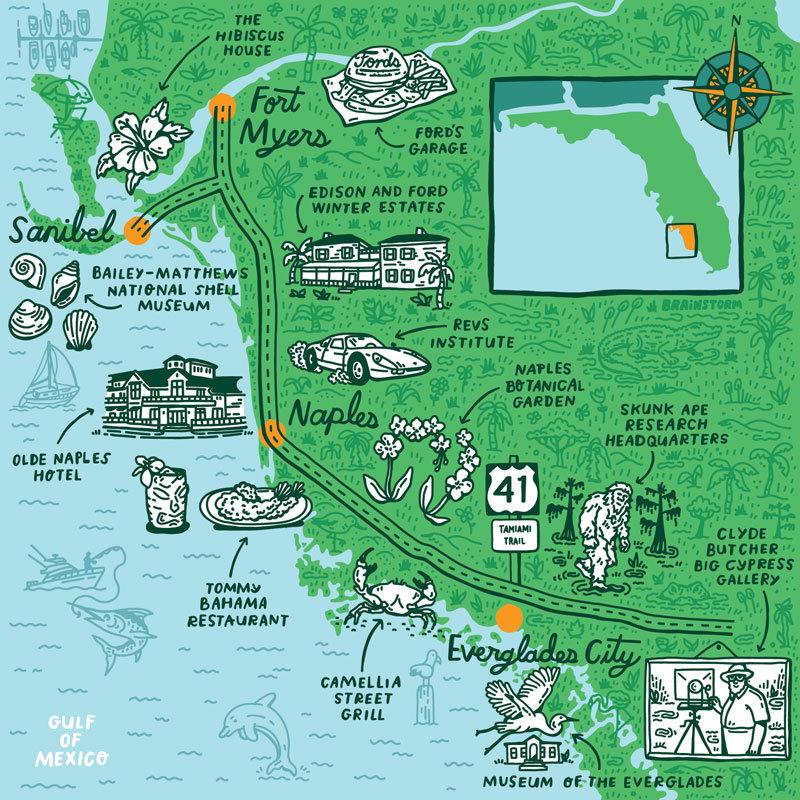
Illustration by Brainstorm
It could be argued that the American road trip was born in 1914 when Henry Ford and Thomas Edison gathered family and friends at their winter estates in Fort Myers, Florida, and embarked on an auto expedition of the Everglades about 100 miles south. The following year, a highway that would connect the cities of Tampa and Miami and include their wilderness route was proposed. Carving the road through the marshes and swamps of south Florida—rife with mosquitos, alligators, and snakes—took more than a dozen grueling years and was regarded as a feat of engineering on par with the construction of the Panama Canal.
When the 284-mile Tamiami Trail opened in 1928, motorists flocked to Southwest Florida and the area’s tourism industry was catapulted to new heights. Almost a century later, a journey along a western portion of the highway (also known as U.S. Route 41) from historic Fort Myers through swank Naples to rustic Everglades City and Big Cypress Swamp promises a mind-bending range of attractions and experiences, from posh to primeval.
• • •
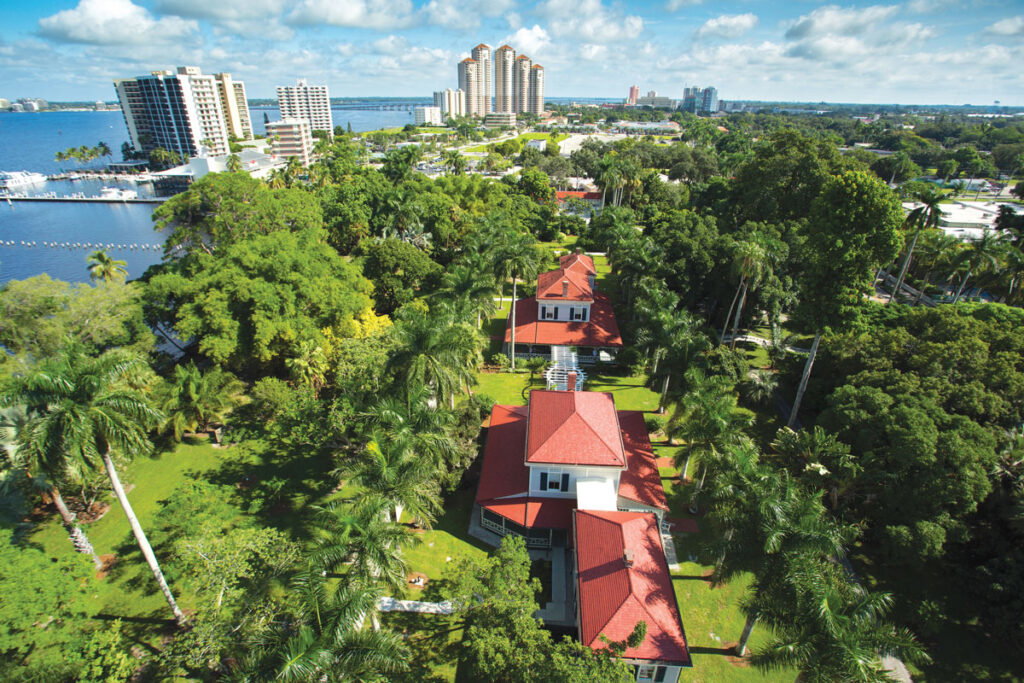
Photograph courtesy of Lee County Visitor & Convention Bureau
Edison and Ford Winter Estates
Set alongside the Caloosahatchee River in Fort Myers, the winter homes of Thomas Edison and Henry Ford constitute the heart of this 20-acre historic site. In addition to the meticulously preserved houses restored to their 1929 appearance (and, in the case of the Edison residence and guest lodge, containing original furnishings), visitors can tour the lab where Edison tested thousands of plants in search of a domestic source of rubber. The grounds feature more than 1,700 trees and bushes from around the globe, including a massive, century-old banyan tree regarded as the largest in the continental United States.
Photograph courtesy of the Hibiscus House
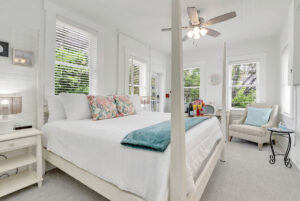
Built in 1912 by lumber baron William H. Dowling, this two-story heart-pine house was famously sawed in half and floated down the Caloosahatchee River by barge in 1946 then reconstructed on its current site less than half a mile from the Edison and Ford estates. Today, it’s home to a warm and welcoming five-room inn owned and operated by mother-daughter team Lisette and Lisette Puebla. Airy, light-filled suites feature classic coastal design, large bathrooms, and private entrances, and a charming Latin cafe in the front of the inn serves Cuban coffee and Puebla family favorites, such as guava pastelitos.
Photograph courtesy of Ford's Garage
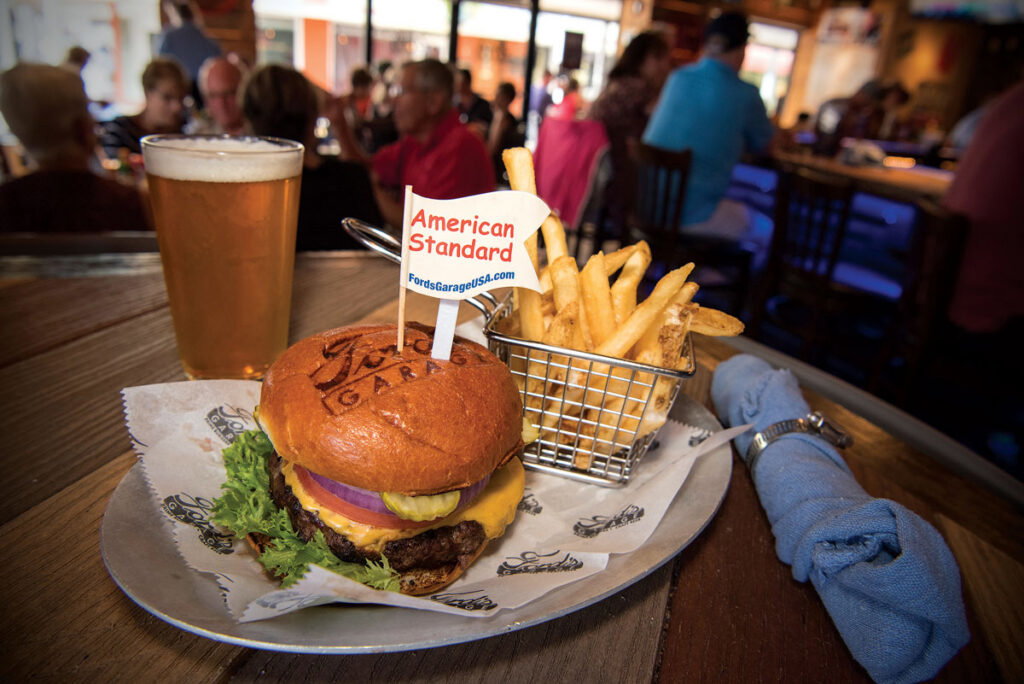
While this high-octane restaurant chain now operates more than 30 locations, Fort Myers rolled out the original burger joint in 2012 just a couple of miles from Ford’s former home. The dining room conjures a 1920s-era service station, complete with a vintage Ford on a lift above the bar and servers donning blue mechanic shirts. Favorite versions of the specialty half-pound burgers include Ford’s Signature, a bacon cheeseburger with bourbon barbecue sauce, and the Estate Burger with smoked gouda, onion straws, and white truffle bacon aioli. A funnel tower of onion rings and a pint of Fort Myers Brewing’s High 5 IPA are essential add-ons.
Bailey-Matthews National Shell Museum & Aquarium
Photograph courtesy of Bailey-Matthews National Shell Museum & Aquarium
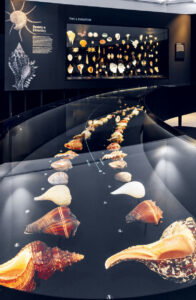
It’s wholly fitting that Sanibel Island is home to the only accredited museum in the nation dedicated to shells, as Southwest Florida is known for the extraordinary number and variety of seashells that wash up on its shores. The spectacular Great Hall of Shells showcasing thousands of ornate and colorful scallops, cones, cowries, and murexes from around the world is the undeniable piece de resistance. But exhibits about mollusks and aquariums featuring live clams, conchs, snails, and a giant Pacific octopus (yes, the octopus is a mollusk) provide a deeper understanding of the second largest group of animals on Earth.
Photograph courtesy of Olde Naples Hotel
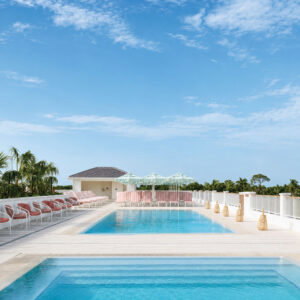
After a decade of planning and development, this 109-room luxury hotel opened in May on the site of the original 1889 Naples Hotel, the city’s first hotel, which hosted guests for 90 years. Like its predecessor, the property has established itself as the heart of the historic Third Street South neighborhood, the birthplace of Naples, and has become a gathering place for locals, as well. While the expansive suites, rooftop pool, full-service spa, and lively bistro offer guests plenty of reasons to remain on-site, upscale boutiques, fine-dining restaurants, and the beach are just steps away.
Photograph courtesy of Marco Island and the Everglades CVB
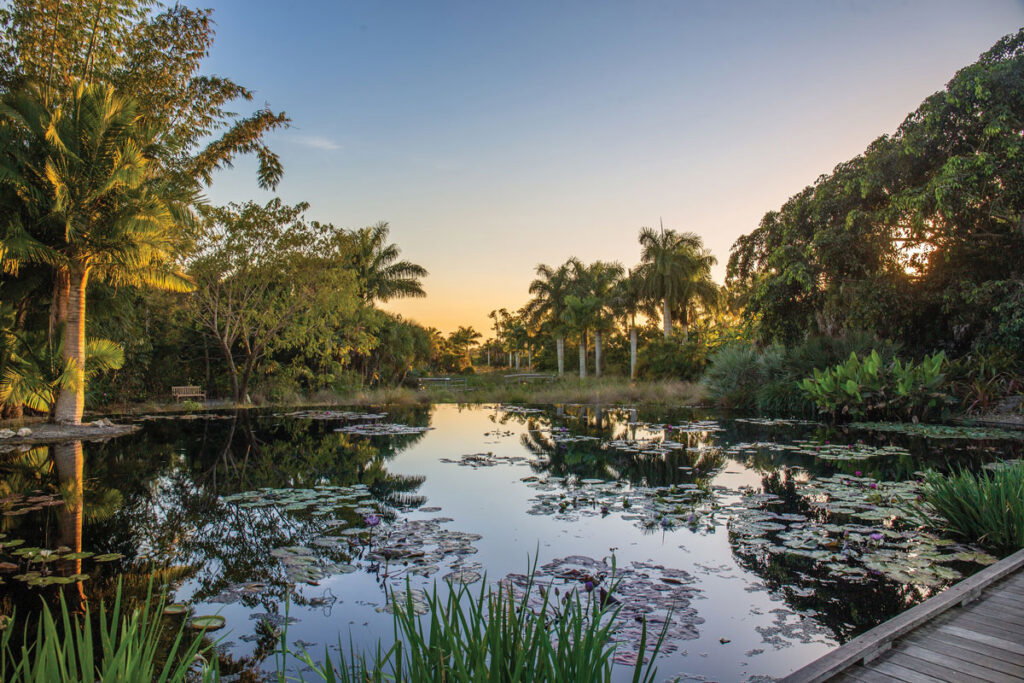
Opened to the public in 2009, this 170-acre garden is renowned for its showcasing of tropical plants from around the world, including 1,400 palms, 300 ancient cycads, and some 2,000 orchids, many of which are endangered. The periwinkle and fuchsia blossoms and electric green pads of waterlilies fill more than two acres of dark, mirror-like pools and ponds, and an otherworldly, almost Seussian succulent garden featuring silvery, spiky cacti, baobabs, agaves, and aloes offers respite from the vibrant greens. Native habitats—pine and palmetto flatlands, brackish marshes, and mangrove forests—take center stage on a winding one-mile lakeside trail.
Regarded as one of the finest automotive museums in the world, this Naples institution displays more than 100 rare cars in its expansive three-story complex: a 1909 Ford Model T Touring car, American racers such as the 1963 Chevrolet Corvette Grand Sport, and European Grand Prix and sports cars from Mercedes-Benz and Ferrari. There’s an entire gallery dedicated to landmark Porsches. The museum also tells the fascinating story of the automobile’s impact on human culture and its role in creating the modern world. Reserve tickets in advance and, if time allows, opt for the two-hour guided tour.
Photograph courtesy of Tommy Bahama Restaurant
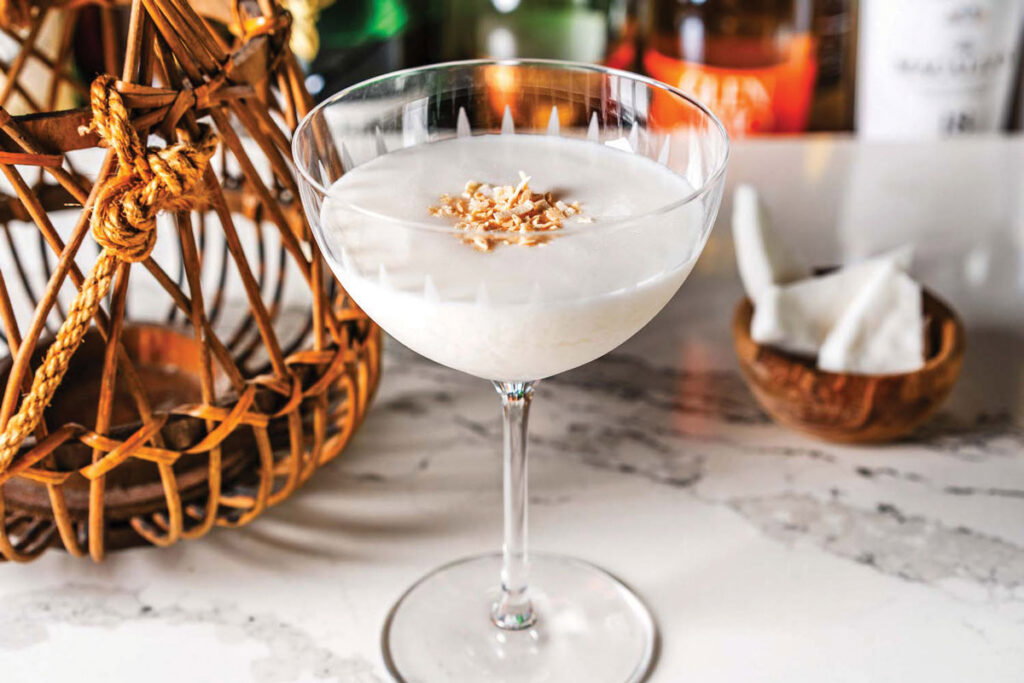
The island-inspired lifestyle brand opened its first restaurant in Naples in 1995 (its first retail store debuted next door the following year). And while the company now operates more than 160 stores worldwide, as well as 30 bars and restaurants, the original locations continue to draw crowds. Snag a table on the covered patio alongside bustling Third Street South, and indulge in cocktails and dishes that have become classics over the last three decades: the Coconut Cloud Martini, the coconut shrimp with papaya-mango chutney, and the Piña Colada Cake featuring crushed pineapple and white chocolate mousse between four rum-soaked layers of cake.
Situated in a former laundry that catered to hoteliers and well-to-do visitors who ventured to Southwest Florida following the completion of the Tamiami Trail, this Everglades City institution tells the stories of the people who called this frontier home. Begin with the history of the Seminole and Miccosukee tribes, whose descendants still reside in the area, and the pioneers who settled in the mid-1800s. Meet larger-than-life figures such as Barron Gift Collier, the powerful tycoon behind the Tamiami Trail, and Loren “Totch” Brown, a legendary fisherman and alligator poacher. And check out exhibits on early resorts, sport fishing, and hurricanes.
Photograph courtesy of Camellia Street Grill
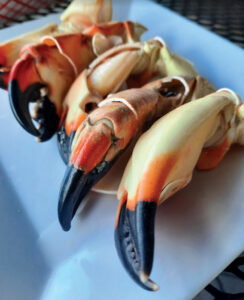
Once a favorite destination for wealthy sportsmen and adventurers, the tiny fishing village of Everglades City today enjoys another claim to fame: It’s the Stone Crab Capital of the World. For those fortunate enough to visit during stone crab season (October 15 through May 1), lunch or dinner at Camellia Street Grill is a must. Order a dozen claws fresh from the boat, find a table in the open-air dining room, and watch the airboats cruise the Barron River on excursions into mangrove forests and coastal marshes.
Skunk Ape Research Headquarters
Dave Shealy, the founder of this one-of-a-kind attraction in Ochopee, is considered the leading authority on the Skunk Ape, a legendary bipedal primate sometimes referred to as the Everglades Sasquatch. Stop in to meet Dave or his brother, Jack, and hear their stories of sightings as well as tips for increasing your chances of a spotting. Check out the small menagerie of native reptiles and pick up Skunk Ape merchandise, as well as a copy of the official field guide, which includes a recounting of Dave’s encounters, information about the elusive species, and recommendations on planning an expedition and casting footprints.
Photograph courtesy of Clyde Butcher Big Cypress Gallery
Clyde Butcher Big Cypress Gallery
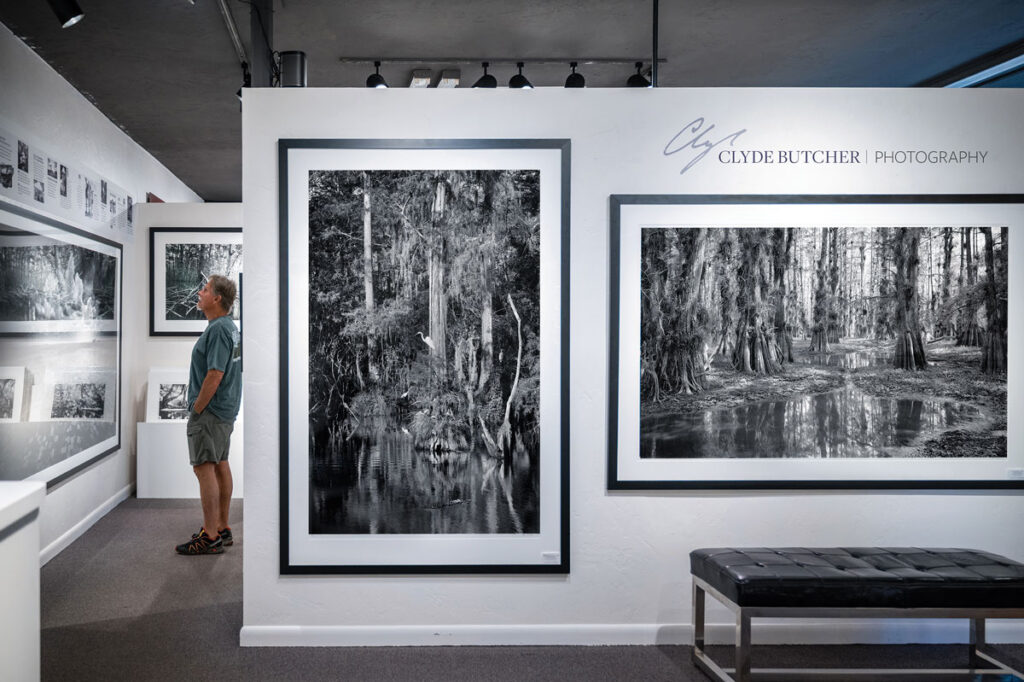
Often called the Ansel Adams of Florida, Butcher has spent more than four decades photographing Florida landscapes, and in 2024, President Joe Biden presented him with the National Medal of the Arts. The gallery, which he and his wife, Niki (also a photographer and artist), opened in 1993 in the heart of Big Cypress National Preserve, showcases the photographs he’s captured in the depths of the Everglades with antique large format cameras and developed in a traditional darkroom. The gallery also offers naturalist-guided swamp tours of the 13 surrounding acres, which the Butchers called home for 20 years, as well as overnight stays in their former residence, a two-bedroom swamp cottage.
This article appears in the Fall 2026 issue of Southbound.