

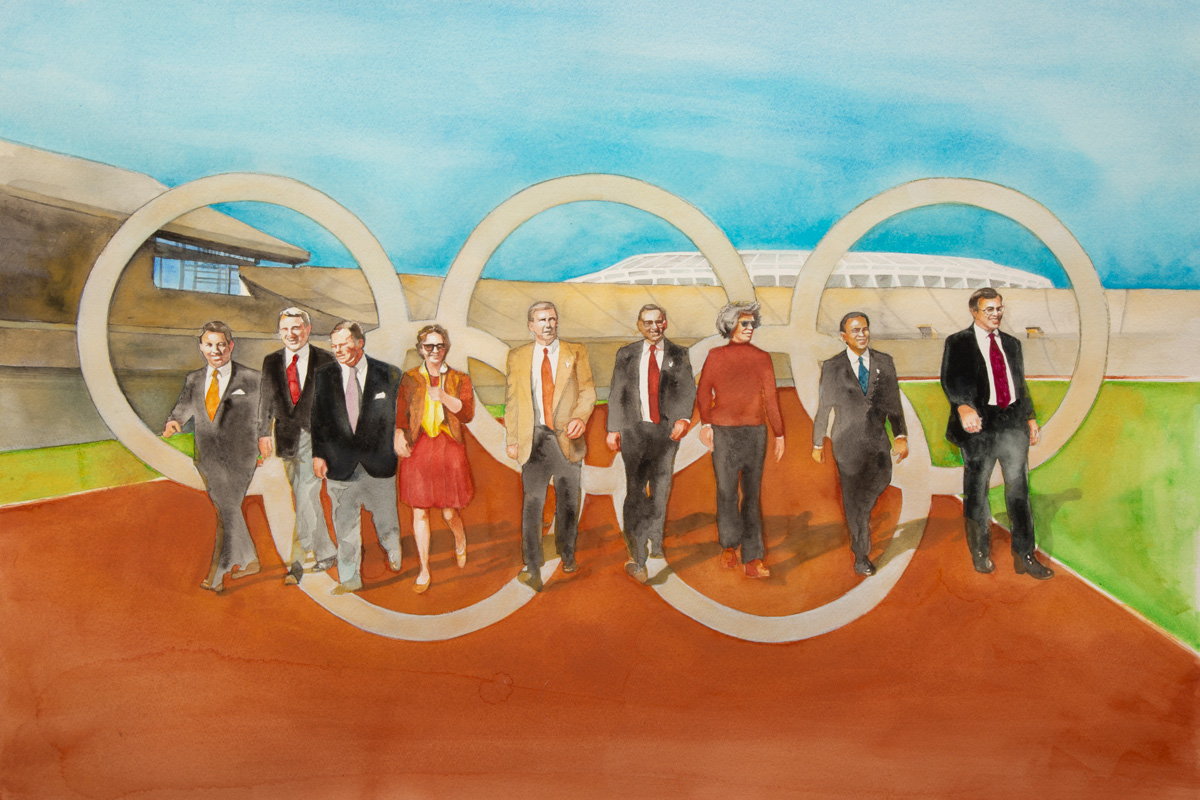
Illustration by Brad Copeland
Billy Payne and his wife, Martha, watched the 2026 Winter Olympics last February with a perspective few others share. “We were sitting there saying, ‘Do you remember doing this?’” Payne says, “and ‘Can you imagine how nervous these people are?’”
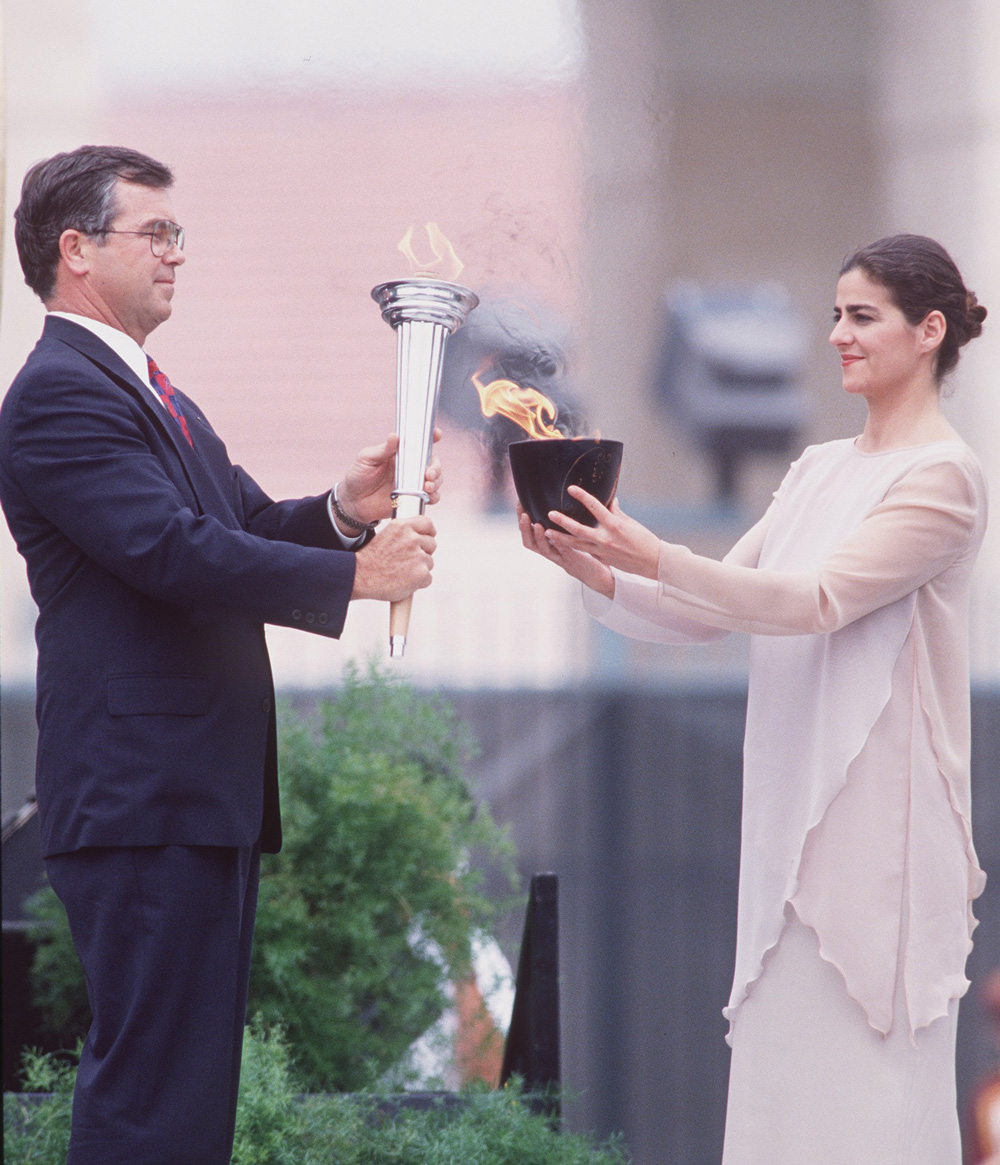
It’s been 30 years since Payne presided over the 1996 Atlanta Olympic Games. “Coming out of the blue, a relatively unknown city of the American South, the way we introduced our wonderful city to the world and the way people did it passionately is really the grandest and greatest memory that I continue to have,” Payne says.
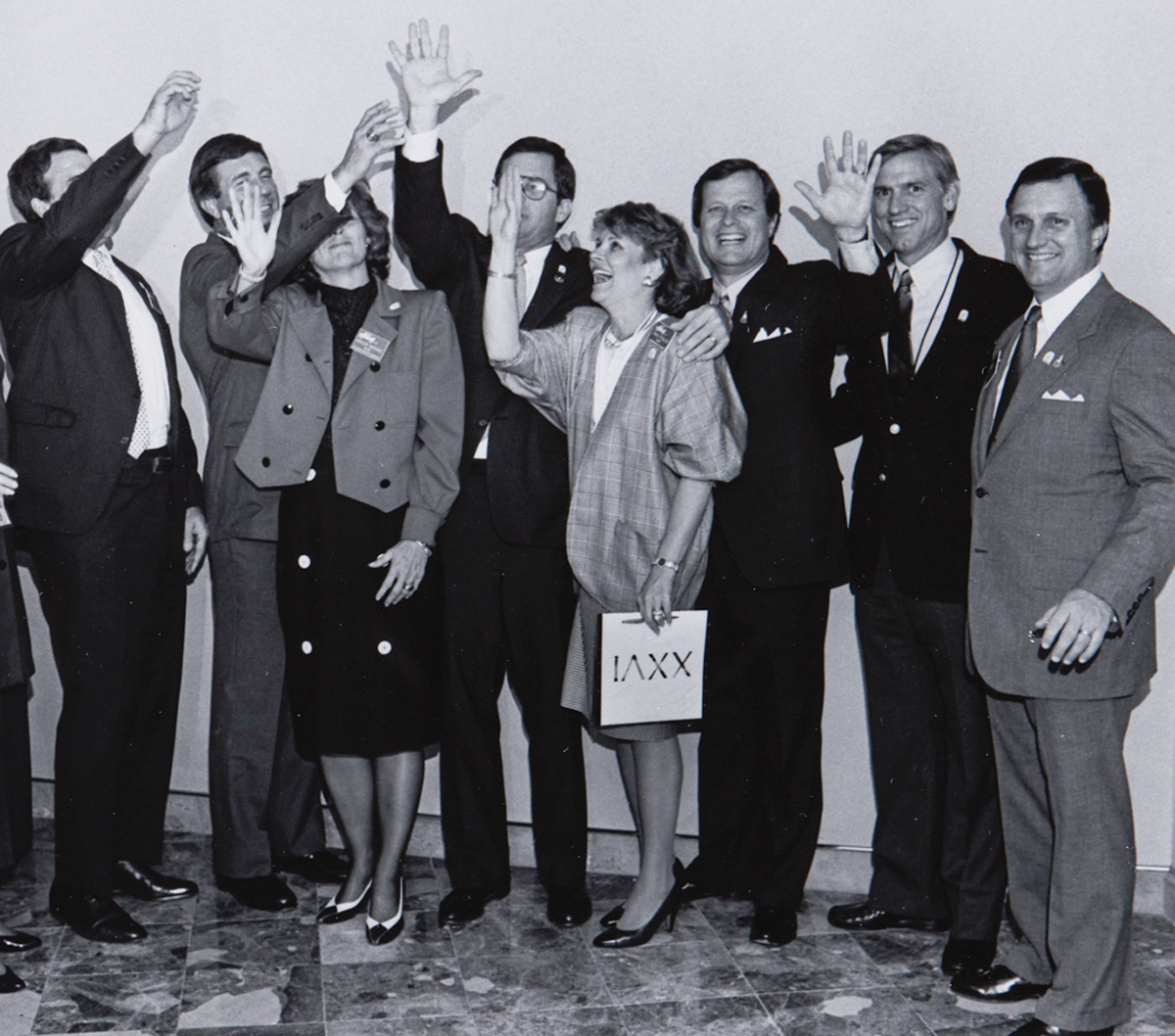
He hatched his idea for Atlanta’s Olympic bid in 1987, enlisting Mayor Andrew Young and a core group of friends and fundraisers who became known as the Atlanta Nine to travel the world winning over members of the International Olympic Committee (IOC).
One of those nine was Horace Sibley. “The Atlanta press called us the ‘Crazy Atlanta Nine’ because victory was thought to be so improbable,” he says.
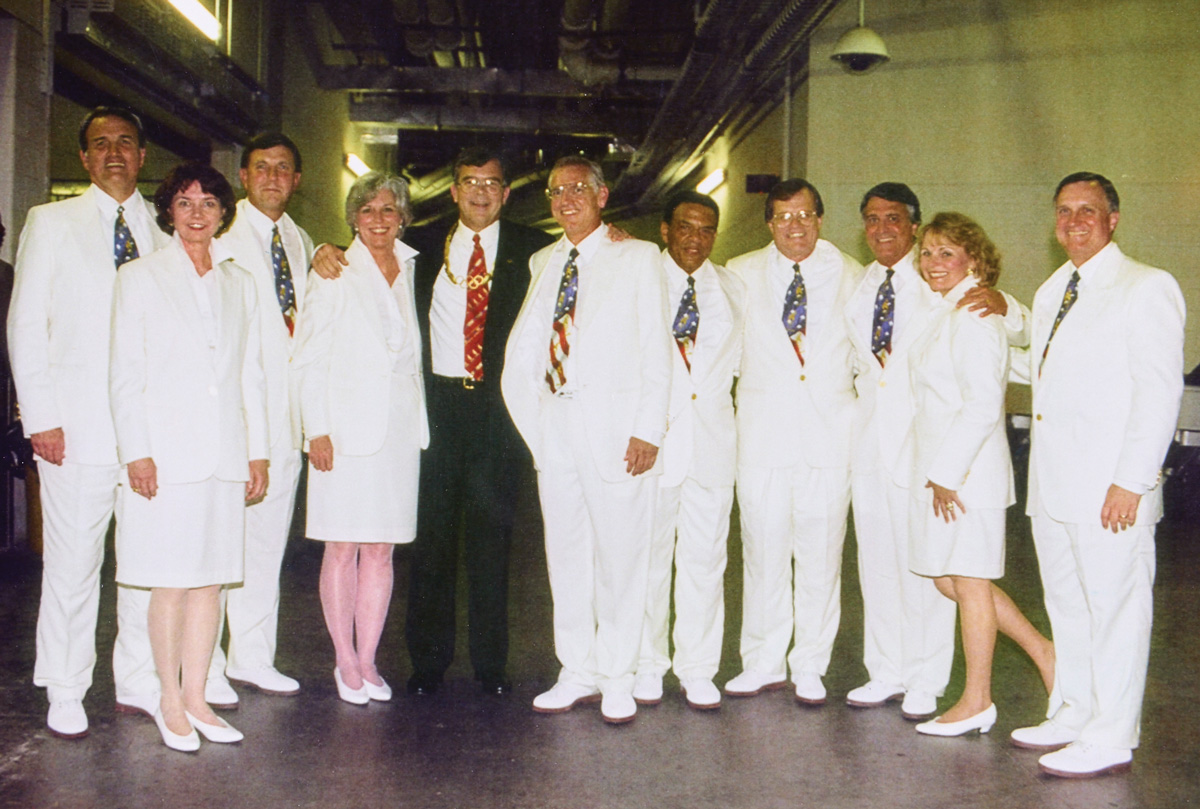
Courtesy of the Kenan Research Center at the Atlanta History Center
Photograph by Dave Dawson
Athens, Greece, was the front-runner to host the Centennial Olympic Games, with Belgrade, Yugoslavia; Birmingham, England; Melbourne, Australia; and Toronto, Canada, also bidding. It ultimately came down to Atlanta and Athens, and Georgia’s capital city emerged victorious.
Young says that while Atlanta always aimed to be world class—even building the world’s biggest airport terminal in 1980—it took the Olympics to solidify its place on the global stage. “I think Atlanta hosting the Games made us truly an international city,” he says.
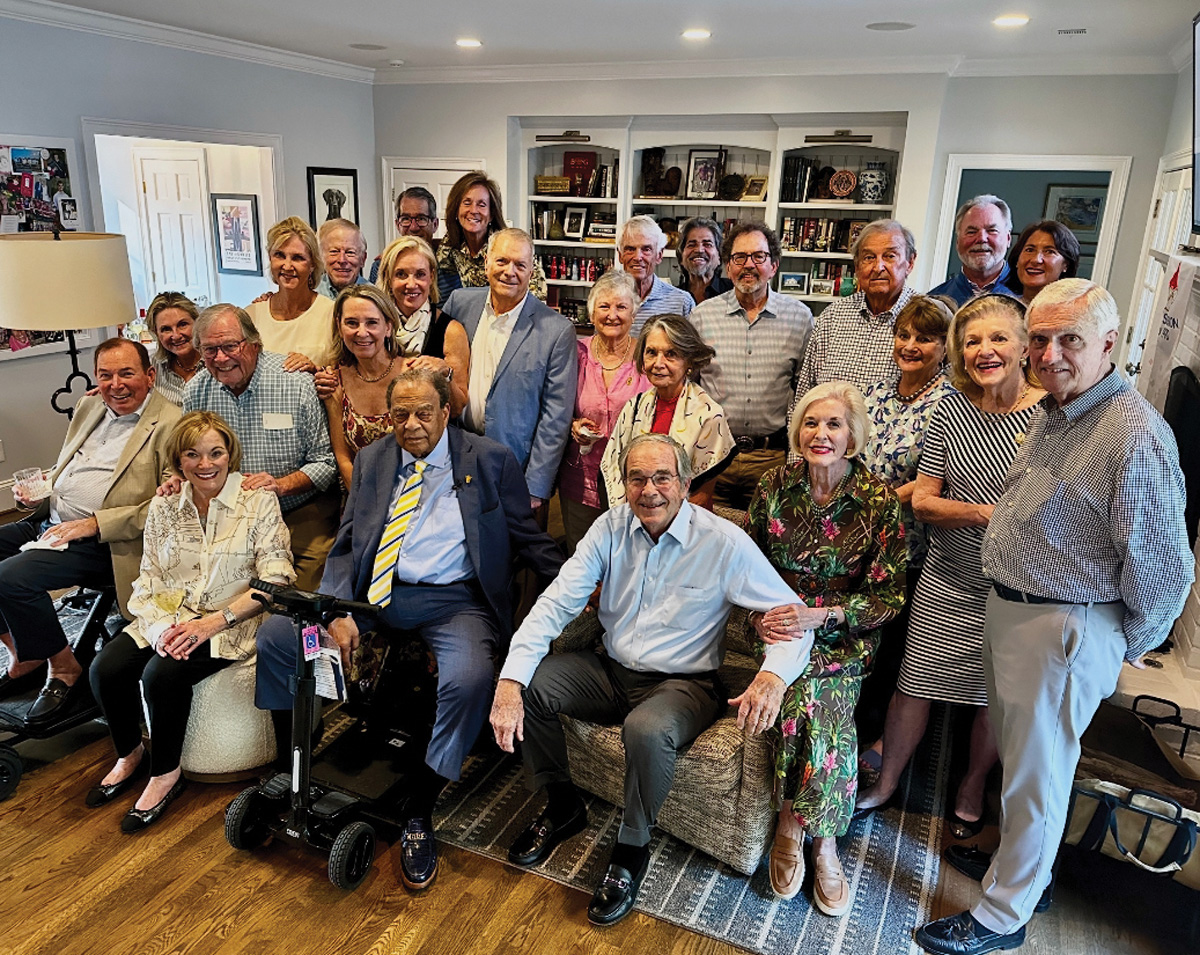
Susan Watson, who worked in hospitality for the bid, has been instrumental in organizing Olympic anniversary events, plus smaller reunions for the bid team, including one last September at her home to commemorate 35 years since the historic vote. “When we see each other, it’s like old home week,” says former Atlanta mayor Shirley Franklin, who worked as a policy advisor for the bid. “We have so many fond memories.”
The tight-knit group has lost three of the Nine: Bobby Rearden in 2015, Charlie Shaffer in 2021, and Tim Christian in 2024. But their contributions to pulling off an upset of Olympian proportions will never be forgotten. “If you’re fortunate to have wonderful family and friends who also happen to be immensely talented, then you can make any dream come true,” Payne says. “And that kind of sums up the Atlanta Games.”
Photograph by J.D. Cuban
Photograph courtesy of Billy Payne
Billy Payne
Then: Bid committee founder, Atlanta Committee for the Olympic Games president and CEO
Now: Real estate executive and philanthropist
It’s part of Olympic lore: After completing a 1987 fundraising effort for St. Luke’s Presbyterian Church in Dunwoody, Payne, a real estate attorney, was looking for another challenge. “It was a crazy idea that I had on a Sunday afternoon that for some unknown reason resulted ultimately in the Centennial Olympic Games,” says Payne, now 78.
Actually, the reasons are multifold. Payne, a former All-American football player for the University of Georgia, knew how to put together a winning team. He also had the tenacity to become the first bid chief to lead an organizing committee, the Atlanta Committee for the Olympic Games.
He says he shares the credit with not only his team, but also the locals who got behind their efforts. “I’m grateful that throughout the bidding process and the Games themselves, Atlantans and Georgians made significant sacrifices to make it all happen,” he says.
After the Olympics, Payne, who calls himself a “4:00-in-the-morning-in-the-office guy, and I’m having a hard time breaking that habit even now,” hit the snooze button. “I’m not sure how many consecutive days I slept or didn’t get out of bed, but it was a bunch,” says Payne, who lives with his wife Martha in North Buckhead. “I think the first conscious thought I had was that it’s time for me to pay some attention to being a good husband and father and grandfather because I had abandoned that for about 10 years.” He is now also a great-grandfather.
In 2006, he returned to the public eye, this time with Georgia’s other famous sporting event, The Masters golf tournament. Payne was chairman of Augusta National Golf Club for 11 years, with Condoleezza Rice and Darla Moore becoming the first female members during his tenure.
Payne also partnered with his son in a real estate company and says he and Martha “are significant participants in the nonprofit community.”
Recently, he was asked to advise the Los Angeles committee that successfully bid for the 2028 Olympic Games. “Mostly, I was telling them, ‘Just chill out,’” Payne says with a laugh. “Be careful, it’ll kill you—just the worry and the anticipation.”
 Peter Candler
Then: Atlanta Nine member
Now: Retired
Candler remembers when his fishing buddy Billy Payne brought him on board to help bid for the Olympics. “We probably had no business doing what we were doing, but we did it anyway,” says Candler, who lobbied IOC members around the world on Atlanta’s behalf.
Once Atlanta won the Games, Candler returned to his job as an insurance executive. He was an excellent golfer, playing frequently at East Lake Golf Club and Peachtree Golf Club. He was also active with the American Cancer Society and his church.
Now 85, Candler lives in Peachtree Hills with his wife. “The Olympics made my life more exciting than almost anything else I could have done,” he says. “It was one of the greatest adventures Billy or I decided to do.”
Courtesy of the Kenan Research Center at the Atlanta History Center
Photograph by Lynsey Weatherspoon
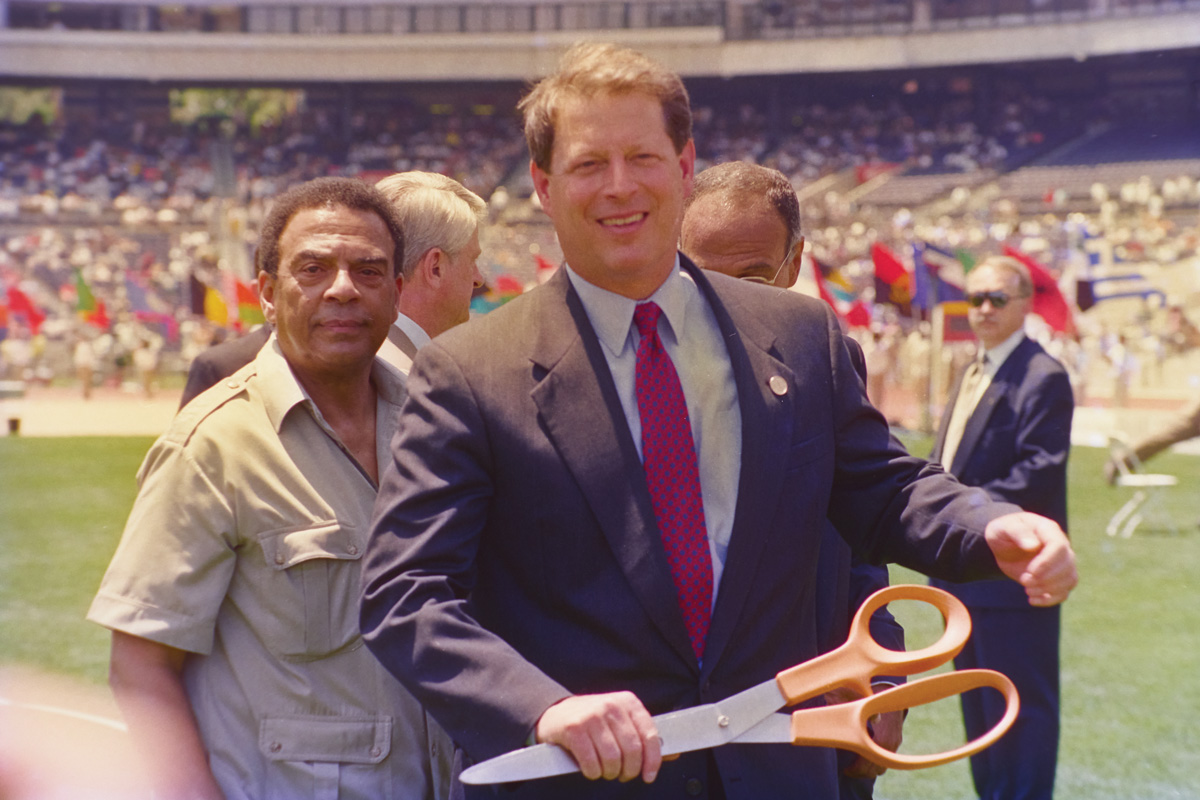
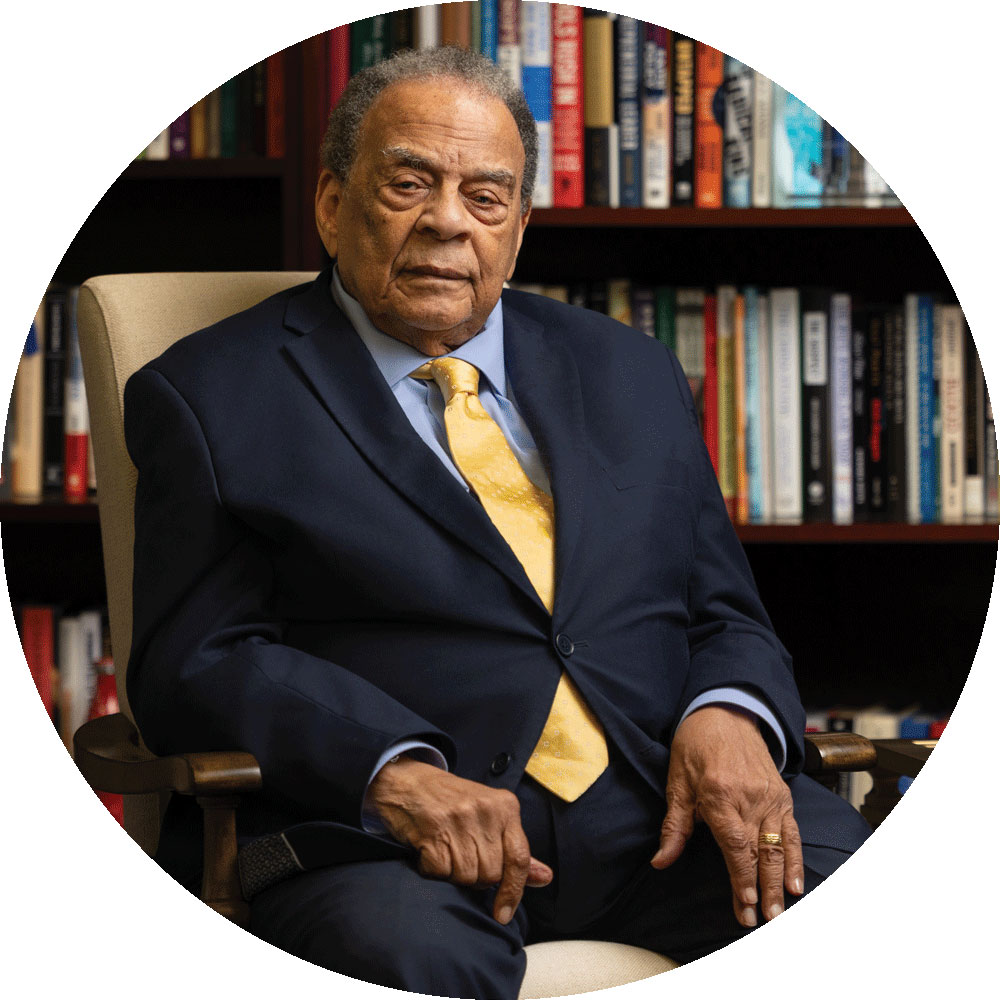
Andrew Young
Then: Bid Committee chairman, Atlanta Committee for the Olympic Games co-chairman
Now: Andrew J. Young Foundation founder and chairman
Now 94 years old, Young had his first brush with the Olympics when he was four. “My daddy took me to see the Olympics in a segregated theater in New Orleans,” he recalls of the newsreel footage. “He took me because he liked the way [Black Olympic champion] Jesse Owens handled himself.” Adolf Hitler refused to shake the hands of Black champions, but Young says that Owens let his skills do the talking. “The mantra I was raised on was Don’t get mad, get smart,” he says.
That mantra has served him well. Although Young calls himself an “Olympic wannabe” whose hopes of making the 1952 Olympic team as a sprinter never came to fruition, he gave all he had for civil rights and became a U.S. congressman, an ambassador to the United Nations, and the mayor of Atlanta.
When Payne approached Young in 1987 about trying to make Atlanta the host city for the Centennial Olympic Games, Young didn’t hesitate. “It seemed like everything in my life was leading up to that moment,” he says.
Young’s influence was key to Atlanta’s success. When he saw the list of 85 IOC members, he noted how many had consulates in Atlanta and how many were from African countries he had visited. “I figured we could get 55,” he says. They got 51—but it was enough. When IOC President Juan Antonio Samaranch announced that the Games were awarded to . . . “The city of Atlanta!” Young says, “I didn’t know whether to scream or cry.”
The Games required Young to stretch himself in many ways, but perhaps none so meaningful as delivering the inspirational speech to reopen Centennial Olympic Park after the 1996 bombing. “So we say to those who suffered here, we assure you that your suffering was not in vain,” he said on July 31, 1996. “We’re sure that the 21st century will remember the joy, the wonderful celebration, the vitality of the people of the earth gathered in this park, and that we will define the future. Not with bitterness, not alienation, but with joy, happiness.”
Since the Games, he has focused on humanitarian work, first at the behest of Jimmy Carter, Bill Clinton, and Nelson Mandela, and now through the Andrew J. Young Foundation. “When I turned 75, I realized I need to think about how to get into heaven,” Young says. “And so the first thing we decided was to feed the hungry.” A farm near his home in Southwest Atlanta, where he lives with his wife, grows vegetables and raises fish for the food insecure through Forever Young Aquaponics.
“I figure the Lord and this city have been so good to me that, as long as I’m able, I just keep on doing what I’ve been doing,” Young says. “And even when I don’t know what I’m doing, it seems to work out.”
Courtesy of Charline Battle
Courtesy of Charline Battle
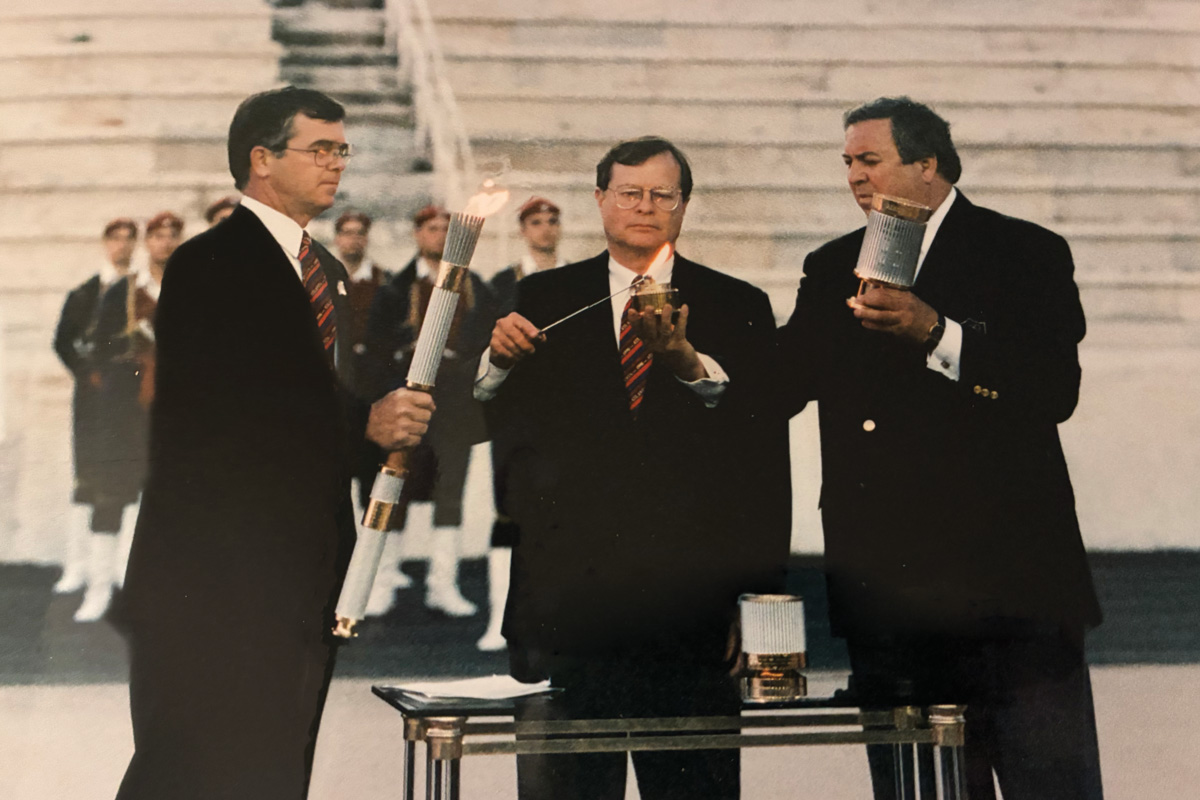
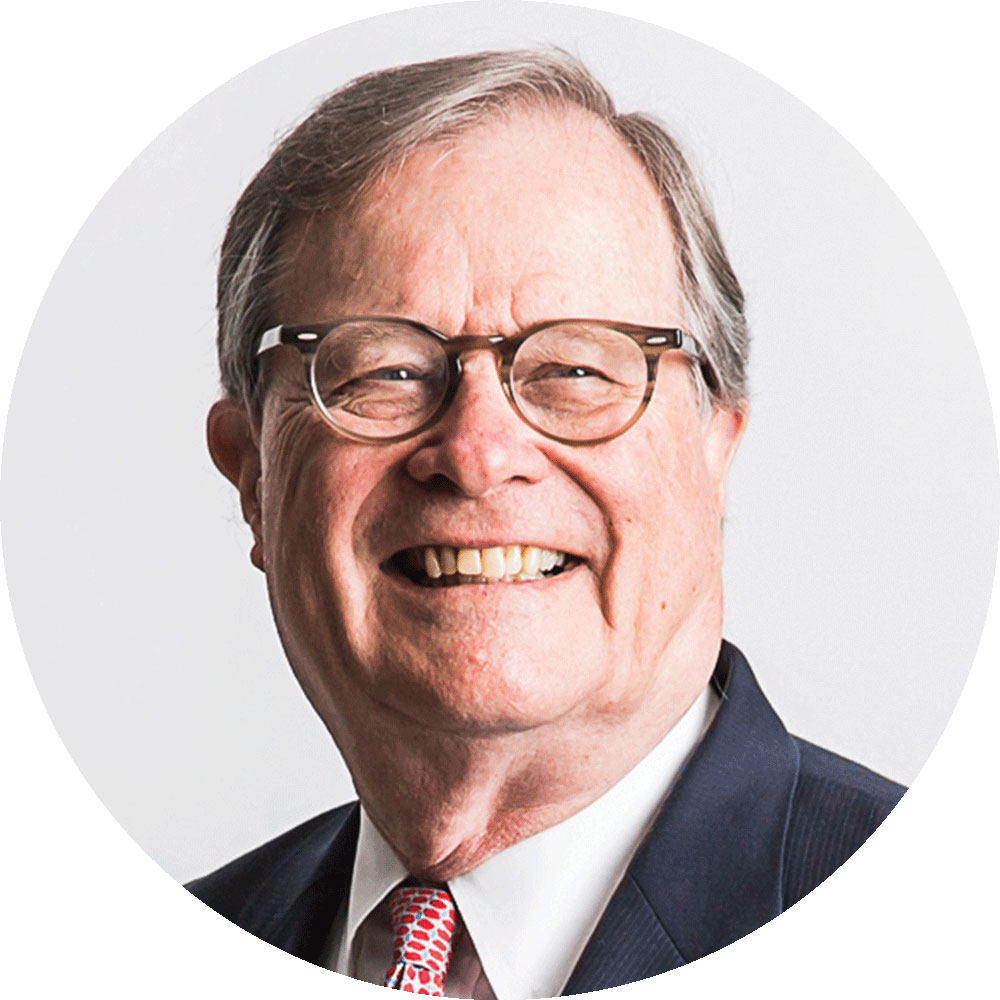
Charlie Battle
Then: Atlanta Nine member
Now: Retired
How many folks can say they have a “great Bulgarian swimsuit story?” Battle certainly does. It goes like this: During the course of his 70-country Olympic bid campaign, Battle, now 83, had to borrow a (very) ill-fitting suit to swim at IOC member Ivan Slavkov’s lakefront home near Sofia. “I didn’t feel real great in that swimsuit or look real great,” Battle says. When he later told the story to The New York Times, the reporter wrote that he was “cavorting in . . . racing togs normally worn by men of half his age and twice his athletic ability.”
Battle was much more comfortable taking Slavkov to a Georgia-Florida football game in 1989, even though a Bulgarian associate demanded, “Explain to me this ‘Dawgs!’”
“The one thing Billy [Payne] knew from the start was this wasn’t about stadiums and airports. It was about people,” says Battle, a lawyer who served as the Atlanta bid committee’s director of international relations. “It was about winning friends and creating relationships and showing IOC members that you’re the kind of people they can trust.”
Battle says many of the experiences he had working on the Olympics were unique: For example, he’s convinced he’s the only person who has flown from Tirana, Albania, to Ulaanbaatar, Mongolia, via Vienna and Moscow. He also had the singular task of devising a ceremony to give Muhammad Ali a gold medal to replace the one he lost from 1960.
Post-Olympics, Battle led Central Atlanta Progress and started Respite Care Atlanta with late Atlanta Nine member Charlie Shaffer and Shaffer’s wife, Harriet. He also continued practicing with a law firm. Olympic bid committees sought him out, and he consulted with Beijing (2008), Vancouver (2010), New York (2012), Sochi (2014), Chicago (2016), PyeongChang (2018), and Istanbul (2020).
“You’ve got to understand that every culture is different,” says Battle, who lives with his wife in Buckhead. “So, they’re not going to do it like Atlanta. I used to laugh—with Beijing, I talked about the importance of volunteers for the bid and I was thinking, That’s a foreign concept in China.”
Battle says he was “lucky to be a lawyer, but I never was really meant to be a lawyer. So I was happy that the Olympics came along.”
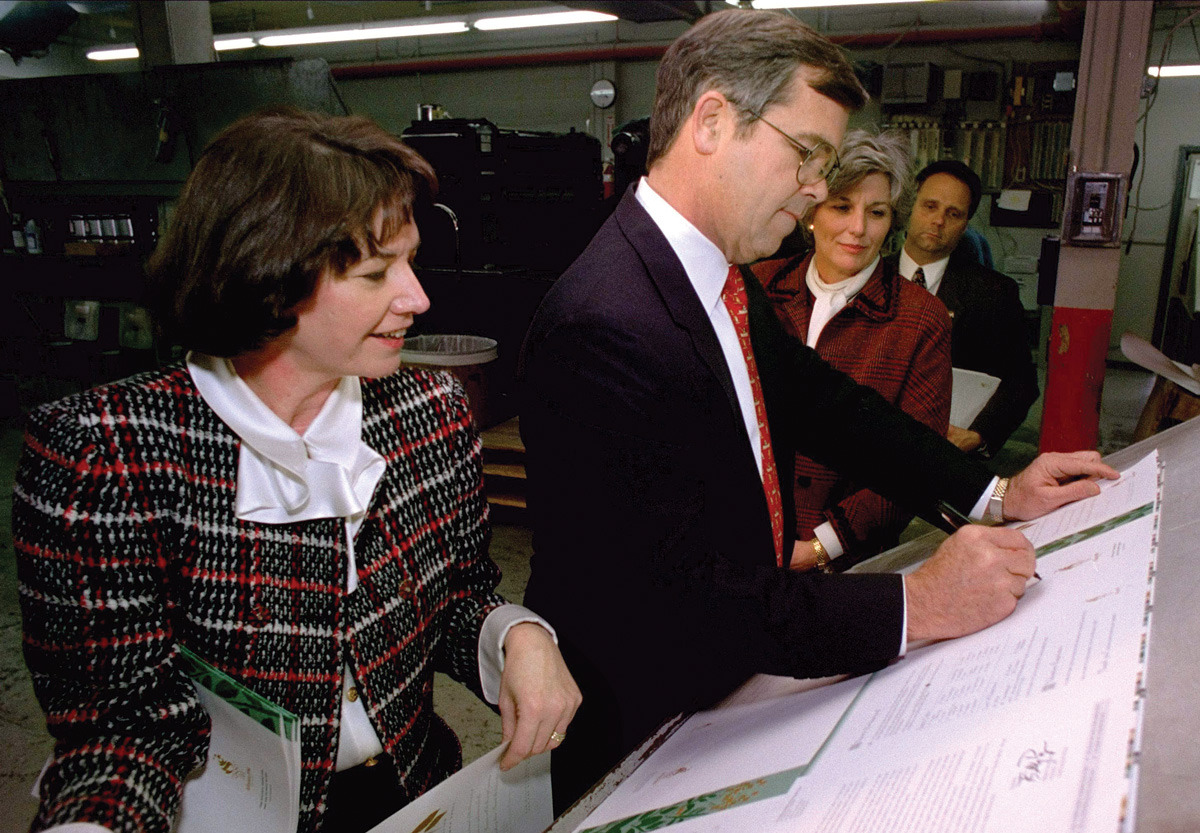
Photograph by Associated Press
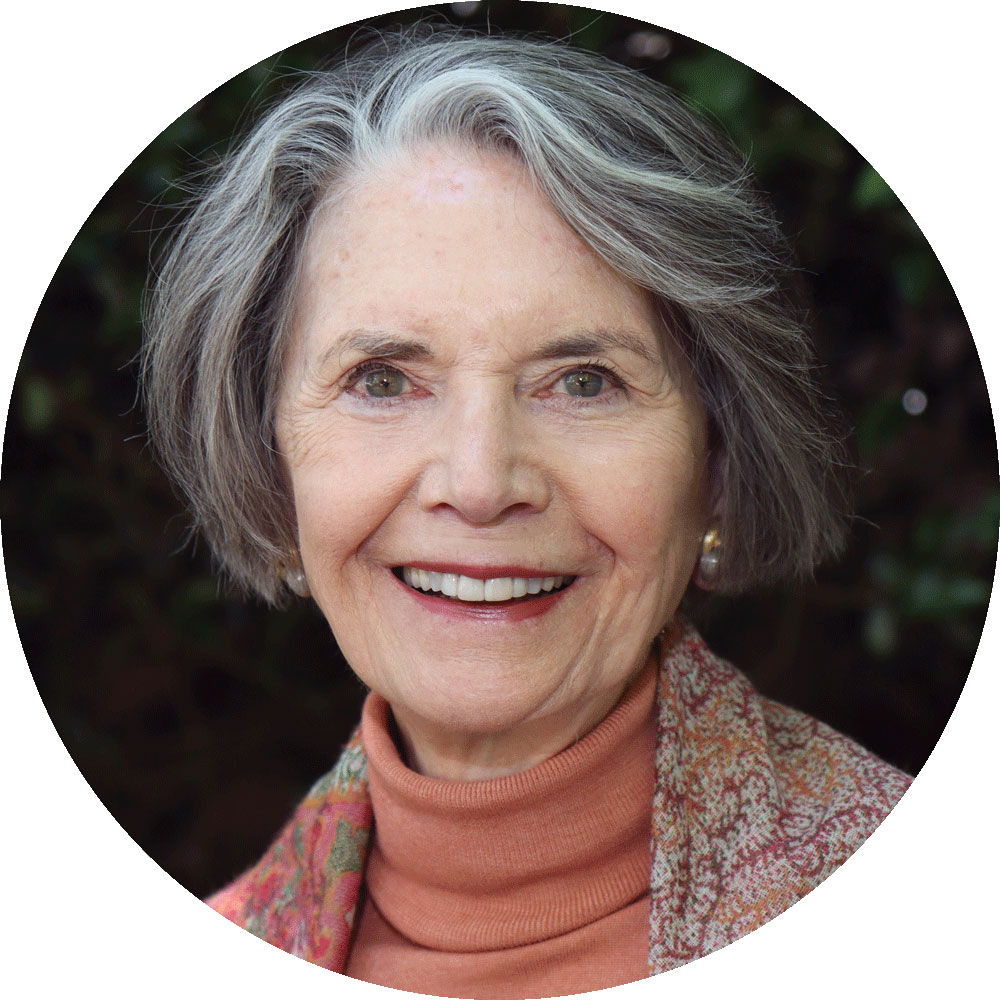
Courtesy of Linda Stephenson
Linda Stephenson
Then: Atlanta Nine member
Now: Retired
After Stephenson helped secure Atlanta as the host city for the 1996 Olympic Games, she immediately moved into a new role: overseeing 50,000 volunteers, the Cultural Olympiad, and Olympic youth and education programs. “I still hear occasionally from people who participated in one of those programs,” says Stephenson, now 80. “They will say, ‘It changed my life.’”
Post-Games, Stephenson helped close the Atlanta Olympics office, transferring the Games memorabilia to the Atlanta History Center, where it’s still on view. She served on the History Center’s Board of Trustees, helped plan its one-year Olympic anniversary program called Let the Memories Begin, and took part in creating its initial Olympic-experience exhibit, which opened in 2006. (A new exhibit replaced it in 2020.)
For 20 years, Stephenson was also vice chairman for hospitality at the Tour Championship at East Lake Golf Club, an experience she says mirrored her time with the Olympics. “There were a lot of the same people that joined us to take on volunteer roles at the Tour Championship who had been part of the Games,” she says.
Today, she lives in Brookhaven with her husband and enjoys traveling, meeting with her book club, volunteering, and playing bridge.
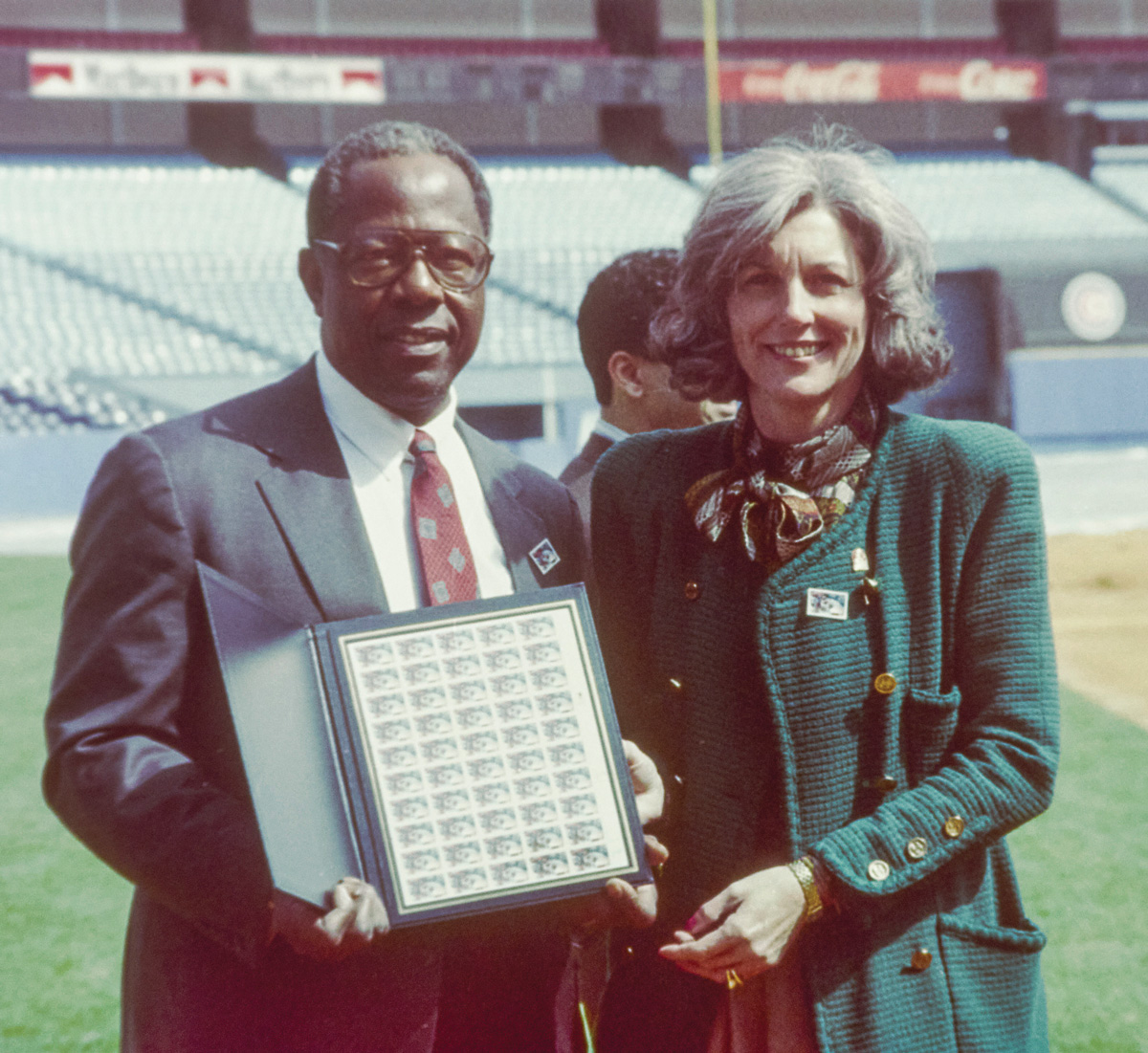
Courtesy of the Kenan Research Center at the Atlanta History Center
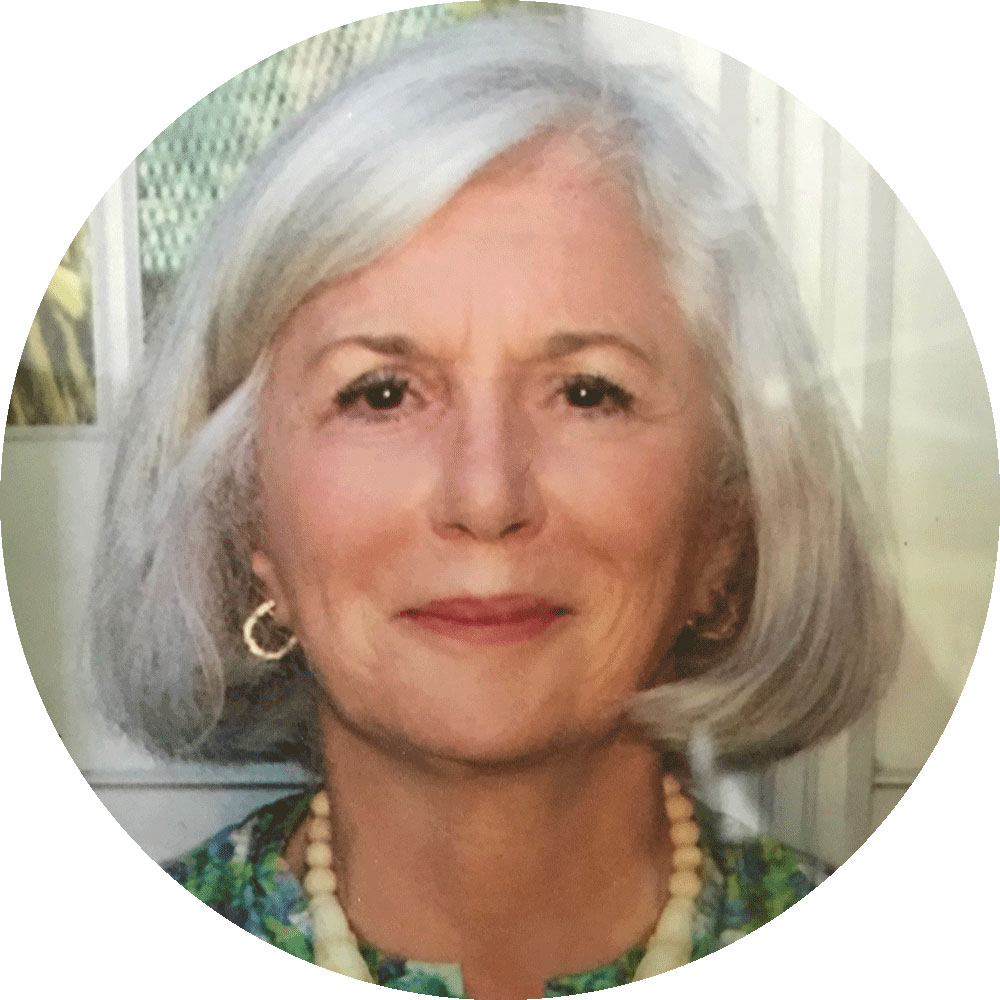
Courtesy of Ginger Watkins
Ginger Watkins
Then: Atlanta Nine member
Now: Gasparilla Island Bridge Authority Board member
Early in the bid effort, Watkins’s work would not strike anyone as exciting: She was tasked with researching and editing stacks of materials about potential Olympic venues. Having been recruited by Peter Candler, “I didn’t even meet Billy [Payne] for three months,” she says. “But he sent me stuff by fax, and I would edit and send it back to him.”
Watkins, now 79, eventually oversaw a staggering number of Olympic items: ceremonies, creative services, the look of the Games, special events, guest services, and the torch relay. She also kept a hand in editing, overseeing every manual for the 26 sports. “That’s what I always thought was my gift,” she says, “that I could take a bunch of facts and make them interesting so that the reader got what was important.”
Watkins and her team always felt the weight of their myriad responsibilities. “We used to laugh, Are we there yet? Like kids in the backseat of the car,” she says. “Well, on Opening Ceremonies night, we were there.”
After the Olympics, Watkins stayed on to edit the three-volume Official Report of the Centennial Olympic Games. She then founded Wings Publishers, editing and formatting about 40 books on topics ranging from trucking to dog training and family history. She finished editing her last book about two years ago.
In 2006, Watkins moved to Boca Grande, Florida, to be closer to family. She remains active, serving on the Gasparilla Island Bridge Authority Board. “I like having a mission that is very well-stated,” Watkins says of her Bridge Authority role. She felt the same way about the Olympics: “We were putting in untold hours every day,” she says. “But then you would have such an uplifting moment that it would make it all worth it.”
Courtesy of Cindy Fowler
Courtesy of Cindy Fowler
Cindy Fowler
Then: Atlanta Nine member
Now: Retired
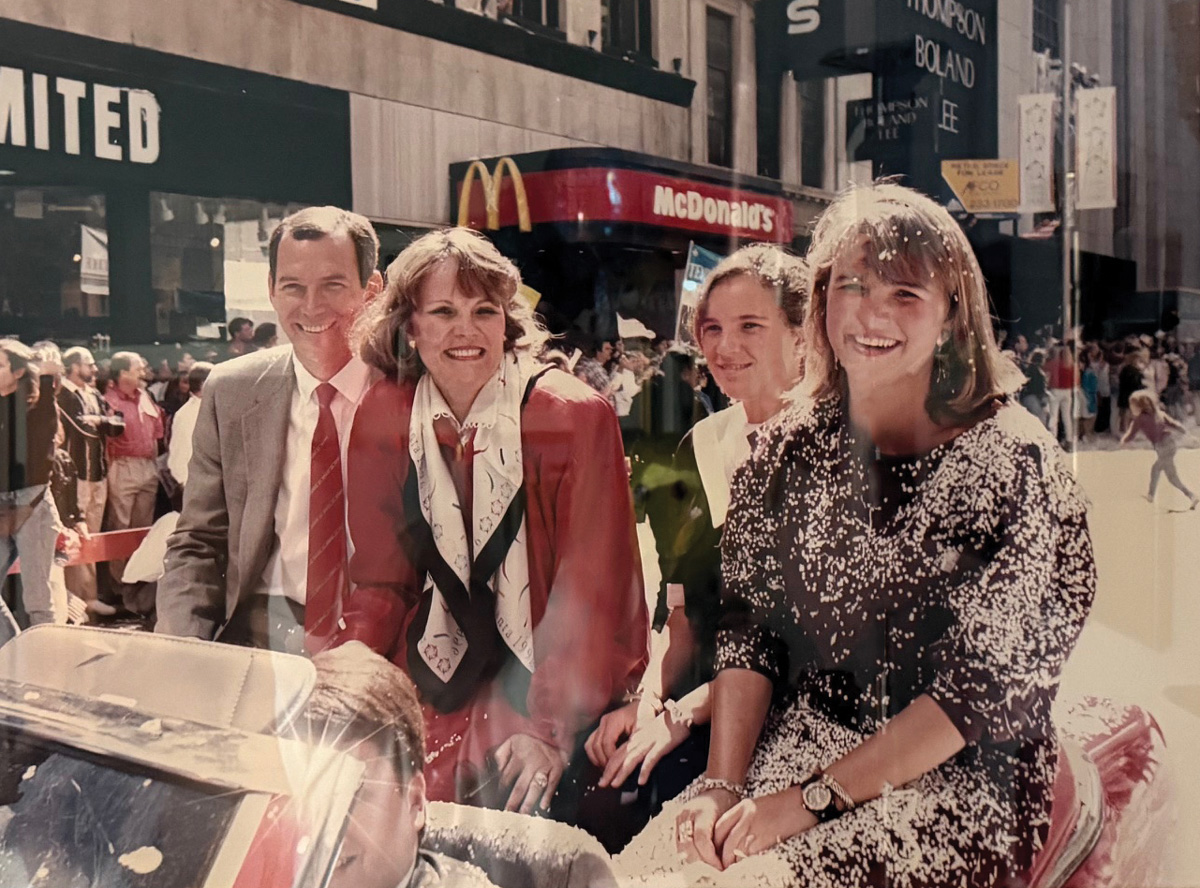
When Fowler joined the Atlanta Nine, she was the longtime owner of a destination management company, Presenting Atlanta, and her expertise made her essential to the Olympic bid campaign. “I sure understood how to highlight the South,” says Fowler, 83.
She invited her favorite gospel chorus to perform for IOC members, introduced them to Melly Meadows, a Scarlett O’Hara look-alike (“but Melly was much sweeter,” she says), and found a caterer who could craft the Olympic logo and Atlanta skyline out of fruit, vegetables, and bread.
Fowler returned to Presenting Atlanta after the bid effort, and in 2007, she joined forces with Billy Payne again when he became chairman of Augusta National Golf Club, organizing the annual Masters party for the international press and the Sunday dinner for the champion.
Fowler also did philanthropic work for City of Refuge and the Shepherd Center and traveled extensively. Today, she and her husband of 60 years live in Peachtree Hills and also have a home on Sea Island. “I think it’s time for me to enjoy a slower life,” she says.
Courtesy of the Kenan Research Center at the Atlanta History Center
Courtesy of Sipa USA via AP
Shirley Franklin
Then: Senior policy adviser for community and local government relations
Now: Community mentor
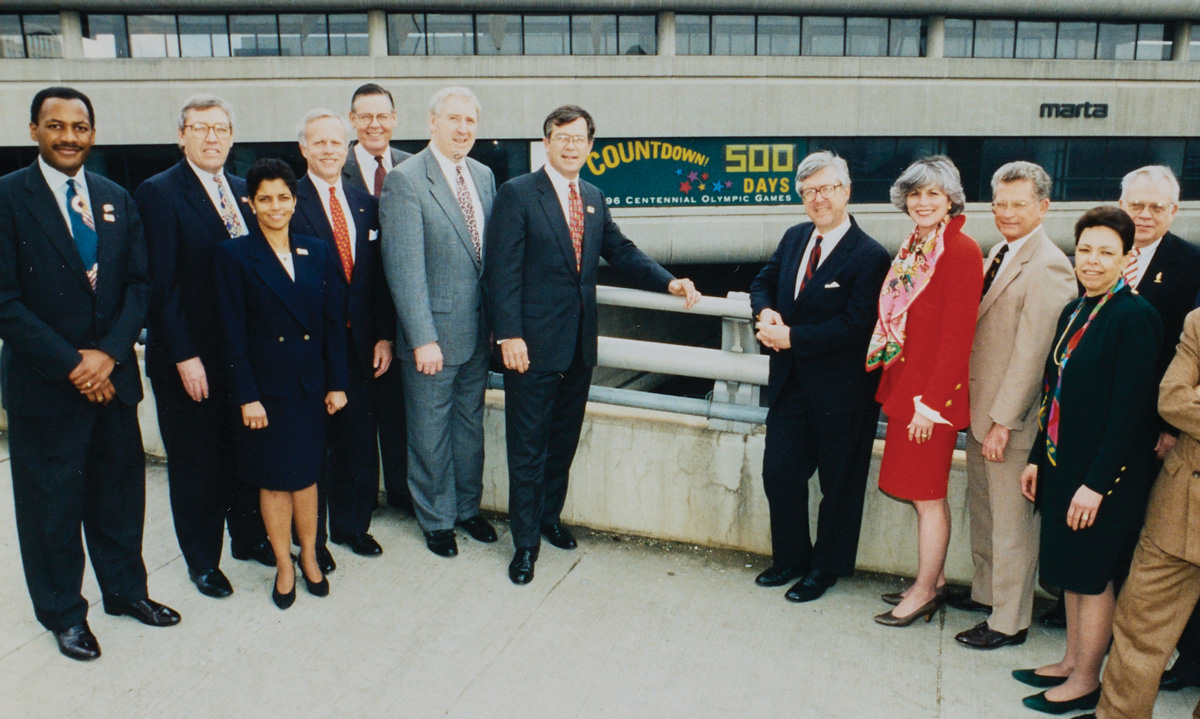
Long before she became Atlanta’s first female mayor, Franklin, 81, learned consensus building and strategic planning strategies by working under former Atlanta mayors Andrew Young and Maynard Jackson. She honed those skills during the run-up to the Games: In addition to managing community and local government relations, she was part of the small committee planning the Opening and Closing Ceremonies.
“There was a time when some of us were talking about, ‘Oh, we’ll be glad when it’s over,’” she says, “and then I realized, We’re rushing our lives. We really need to savor this time. So I slowed down and enjoyed even the challenges.”
In 1999, Franklin began considering a race of her own—for mayor. She served two terms starting in 2002, and she says that her time in office was influenced by the Games. “We modeled some of what we did in terms of community engagement and consensus around the Olympics,” says Franklin, who is proud of launching the Clean Water Atlanta initiative. She has had a handful of conversations with Los Angeles Mayor Karen Bass and others associated with the upcoming Los Angeles 2028 Olympics.
Since Franklin retired, she has volunteered with young people as part of a school leadership program at Benjamin E. Mays High School. Westside Reservoir Park and Central Avenue have been renamed in her honor. A wing of the National Center for Civil and Human Rights also bears her name, and she received a Profile in Courage Award from the John F. Kennedy Library Foundation.
Still, she says plenty of things haven’t changed for her since 1996. “I live in the same house [in Southwest Atlanta],” Franklin says. “I get up every morning thinking about decluttering my life. I still have my [Olympics] uniform, my hat—don’t we all.”
Courtesy of the Kenan Research Center at the Atlanta History Center
Courtesy of Horace Sibley
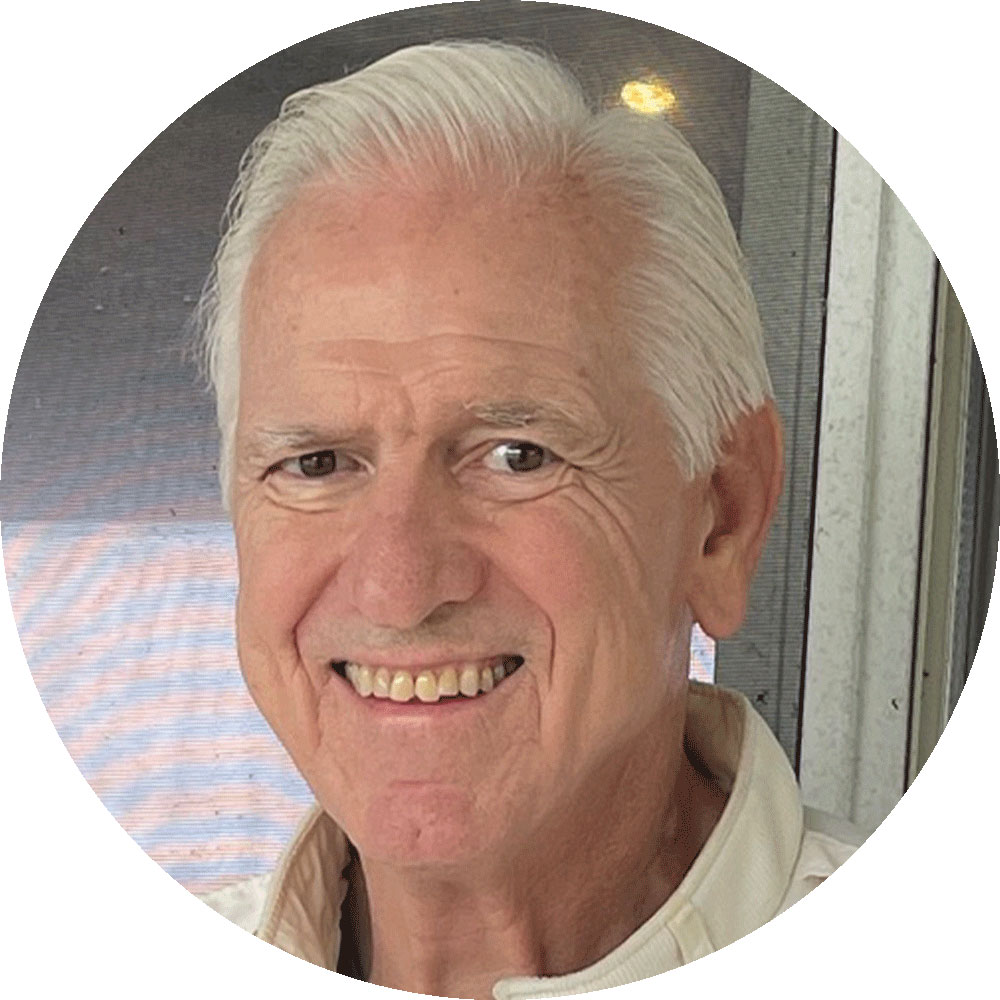
Horace Sibley
Then: Atlanta Nine member
Now: Retired
Sibley was a high-powered attorney with King & Spalding when he was tapped to help Atlanta with its Olympic bid. He says that effort “demonstrated the importance of positive thinking, creativity, personal relationships, and ‘Southern hospitality’ in pursuing an important goal.”
He returned to his law firm after the campaign and retired in 2002. Mayor Shirley Franklin promptly asked Sibley to head an Atlanta homelessness task force; a three-month commitment extended to seven years. With Sibley as chair, the regional commission provided more than 2,000 housing units, established the Gateway Center with its host of services, and reunified 10,000 homeless people with family members.
Today, Sibley lives with his wife on the South Carolina coast near Georgetown. “In our 87th year, our most pressing decision each day is which porch to sit on,” he says. “Do we want to look through the magnificent limbs of the beautiful South Carolina live oak trees, which reach in all directions to the sky, or do we want to look over the marsh and watch the eagles soar while the ducks, white pelicans, and blue heron swim by? Tough choices.”
Courtesy of George Hirthler
Courtesy of George Hirthler
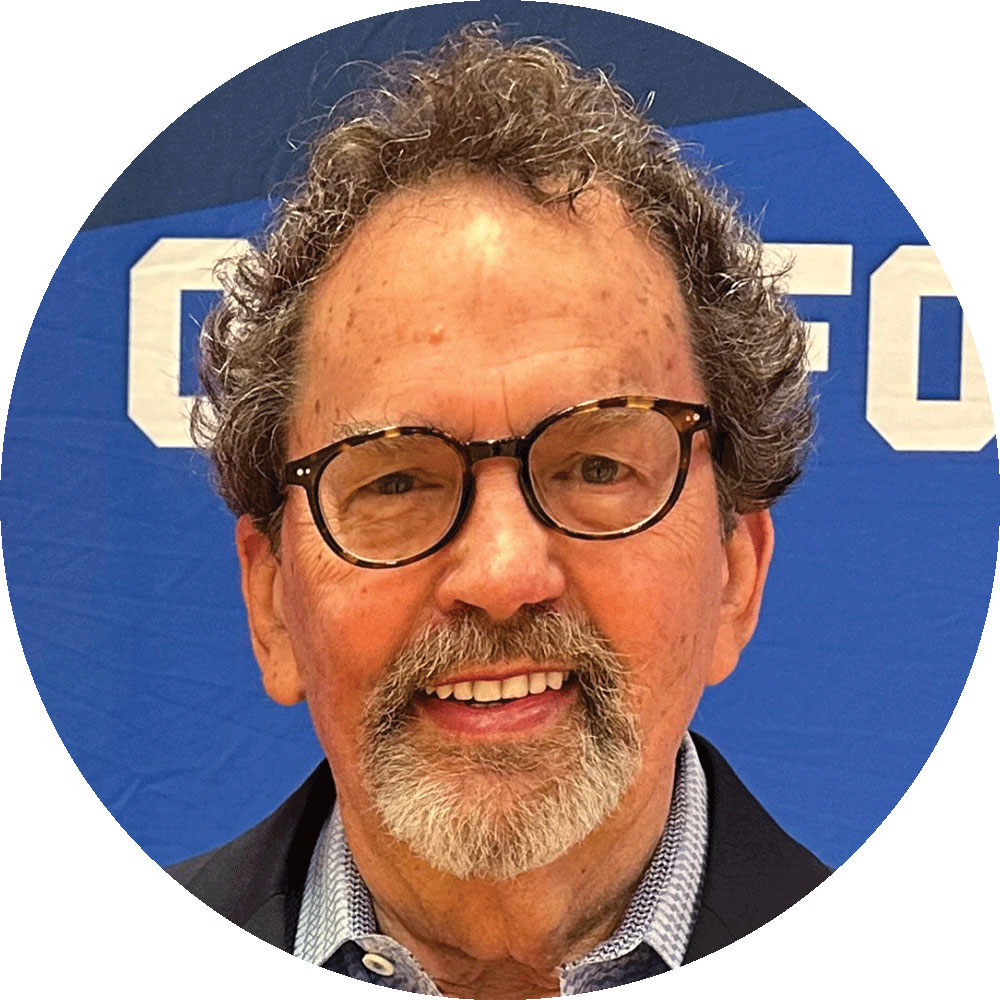
George Hirthler
Then: Lead Olympic bid writer
Now: Writer and documentarian
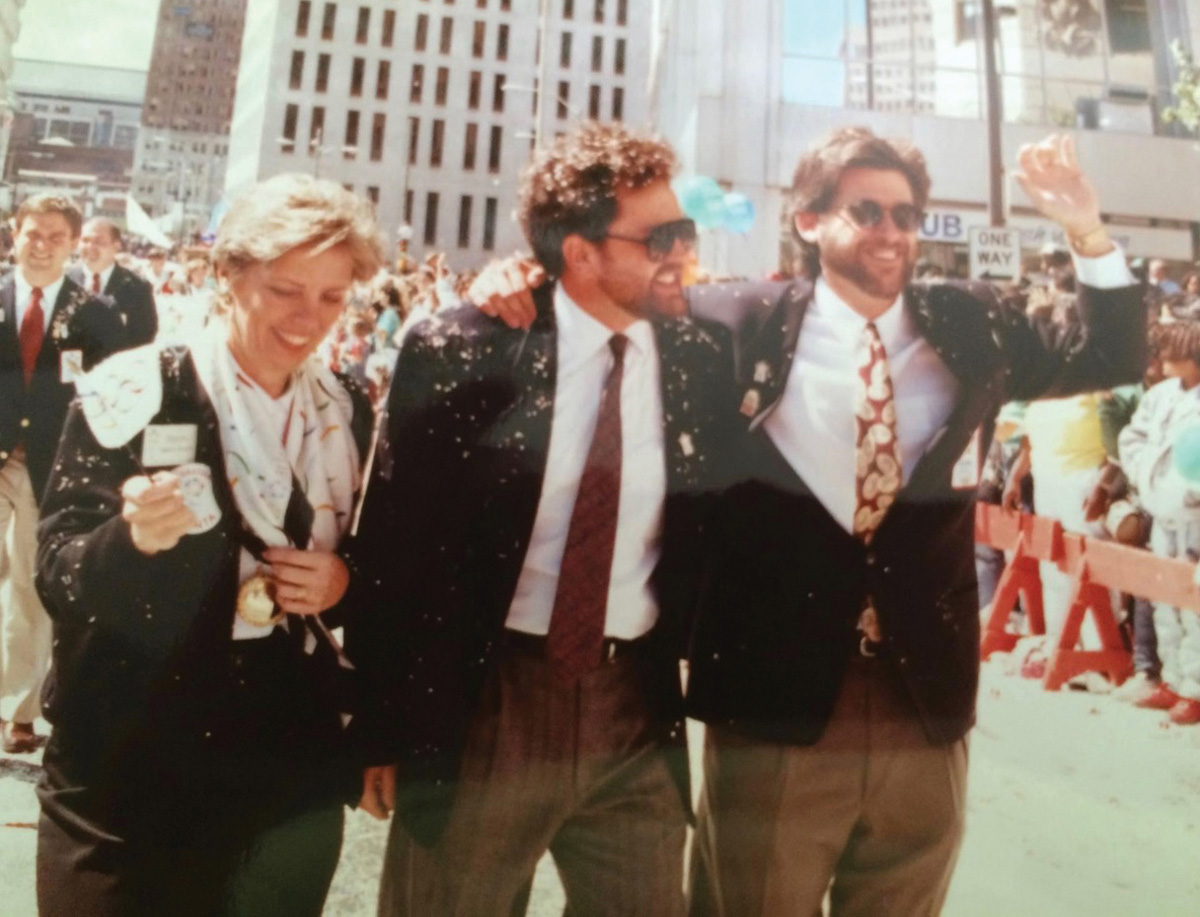
The peace movement has attracted Hirthler since his days as an antiwar protester in the ’60s. He thought he’d left that life behind upon entering the advertising business in Atlanta in 1973. Then designer Brad Copeland recruited Hirthler to become the lead writer for Atlanta’s Olympic bid, and Hirthler made his first visit to the Olympic World Library in Switzerland. “I looked at the mustachioed face of [modern Olympic Games founder] Pierre de Coubertin,” Hirthler says, “and I felt like peace had come calling again. I didn’t have to march against something; I had to march for something.”
Hirthler, 78, who lives with his wife in Druid Hills, has since worked on 10 more Olympic bids, including the winning bids of Beijing 2008—for which he wrote the slogan “One World, One Dream”—Vancouver 2010, and Los Angeles 2028.
He has become an expert on the life of Coubertin, using it as the basis of his novel, The Idealist. He also penned an award-winning biography on Coubertin, Genius of Sport, which inspired a current exhibit at the U.S. Olympic & Paralympic Museum in Colorado Springs. Hirthler’s efforts led to the erection of the Coubertin statue in Centennial Olympic Park in 1996.
Hirthler returned to his Atlanta Olympics roots with the 2025 Emmy–winning documentary, The Games in Black & White, which explores the friendship between Billy Payne and Andrew Young. He is now working on a documentary about trailblazing U.S. IOC member Anita DeFrantz.
The Olympic movement, Hirthler says, “is just such a powerful force of unity in a world that is fraught with division and conflict.”
Courtesy of Brad Copeland
 Brad Copeland
Then: Olympic designer
Now: Painter
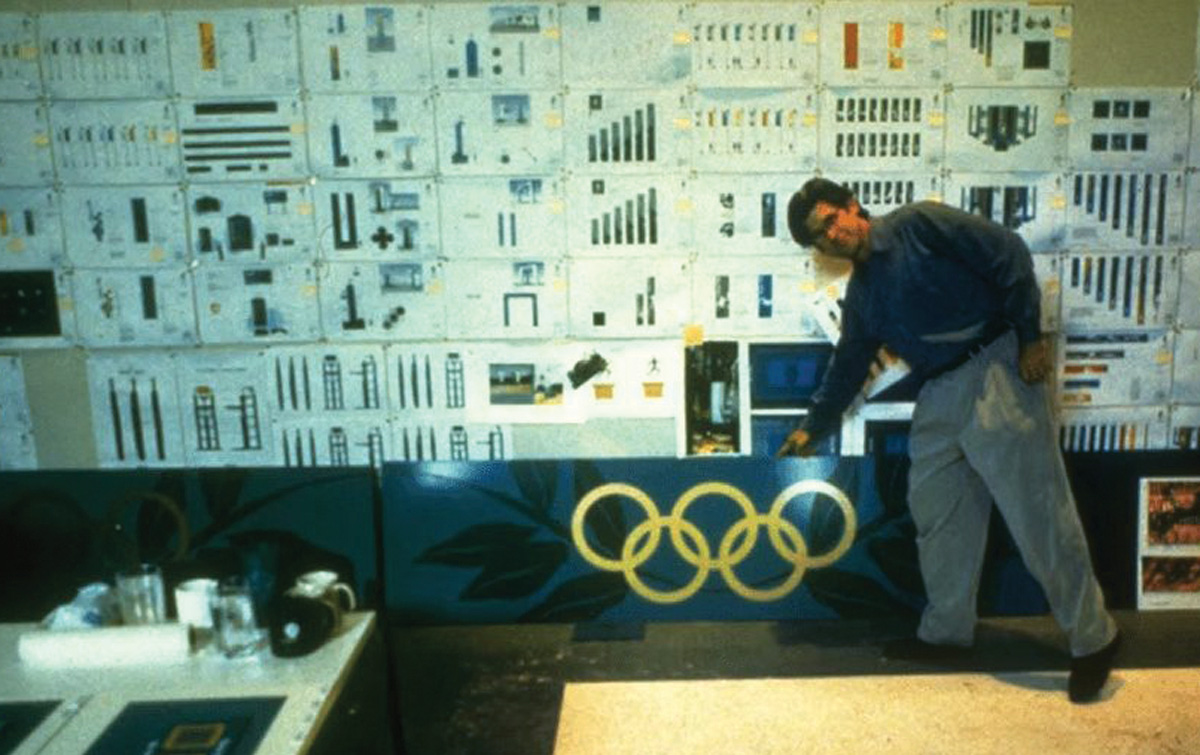
Atlanta’s iconic Olympic bid logo, a circle of 5 A’s, was Copeland’s “15 minutes of fame and glory,” he says. To his chagrin, a new logo eventually replaced the A’s to connect the city to the Olympic Centennial. However, Copeland made his mark again with the 1996 Quilt of Leaves design theme, a pervasive piece of branding that blended Atlanta’s reputation as a “city in a forest” with Southern quilting traditions. The IOC took note, hiring him to become the Look of the Games adviser for every Olympics from Nagano in 1998 through PyeongChang in 2018.
“The Games didn’t just influence my career. They changed my life,” says Copeland, 74, who lives in South Buckhead with his labrador-hound mix, Elvis. “[Before 1996], I had never been out of the country.” He has since traveled 3 million miles and visited 31 countries.
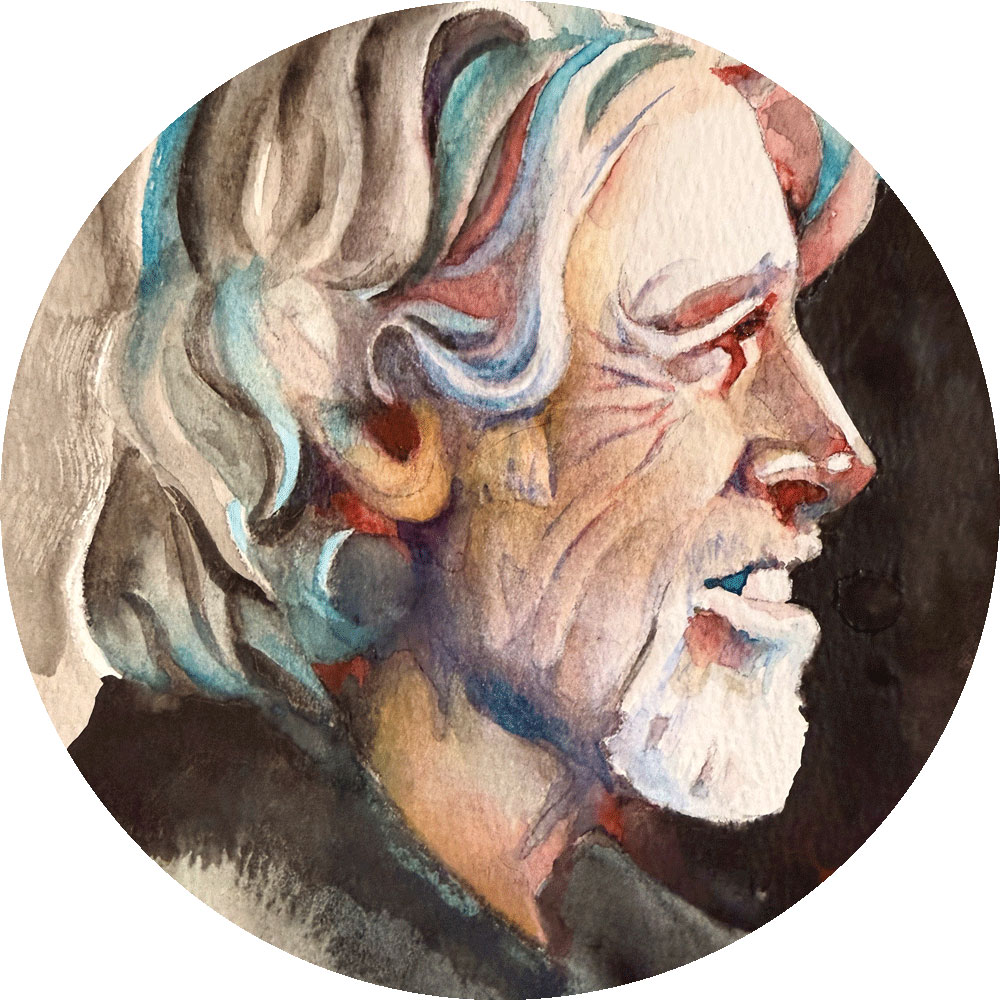
Copeland’s post–Atlanta Olympic career also included forming a design and communications firm with George Hirthler and paying tribute to U.S. military heroes by creating the brand identity for the Medal of Honor Valor Trail. Now retired, he spends much of his time painting—but the Olympics still aren’t far from his mind. “I may paint,” he says, “some of the great faces of the Atlanta Games.”

Izzy
Then: Olympic Mascot
Now: Very much retired
He was called a blue blob and a dancing slug, and those were some of the nicer names. Whenever the bug-eyed Atlanta Olympics mascot called Whatizit—later shortened to Izzy—appeared, the world turned up its nose. Billy Payne had chosen Izzy because it could be computer animated, but it’s now virtually dormant. “I’ve not even thought about Izzy,” says Ginger Watkins, whose department oversaw the character, “except that I have a costume, and periodically one of my grandchildren will put it on and dance around in it.”
Courtesy of the Kenan Research Center at the Atlanta History Center
Photograph courtesy of Bob Brennan
Bob Brennan
Then: Press chief
Now: Retired
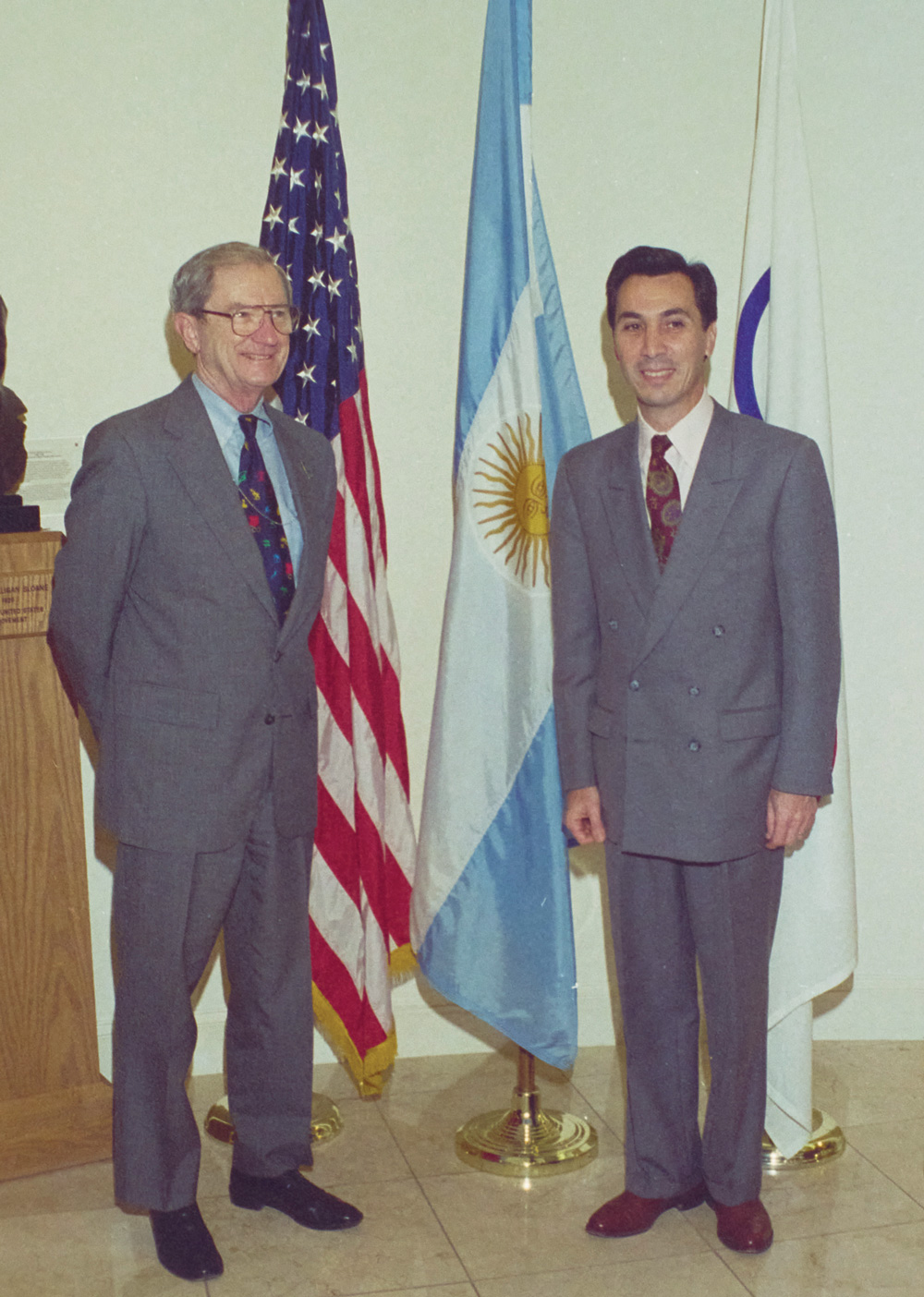
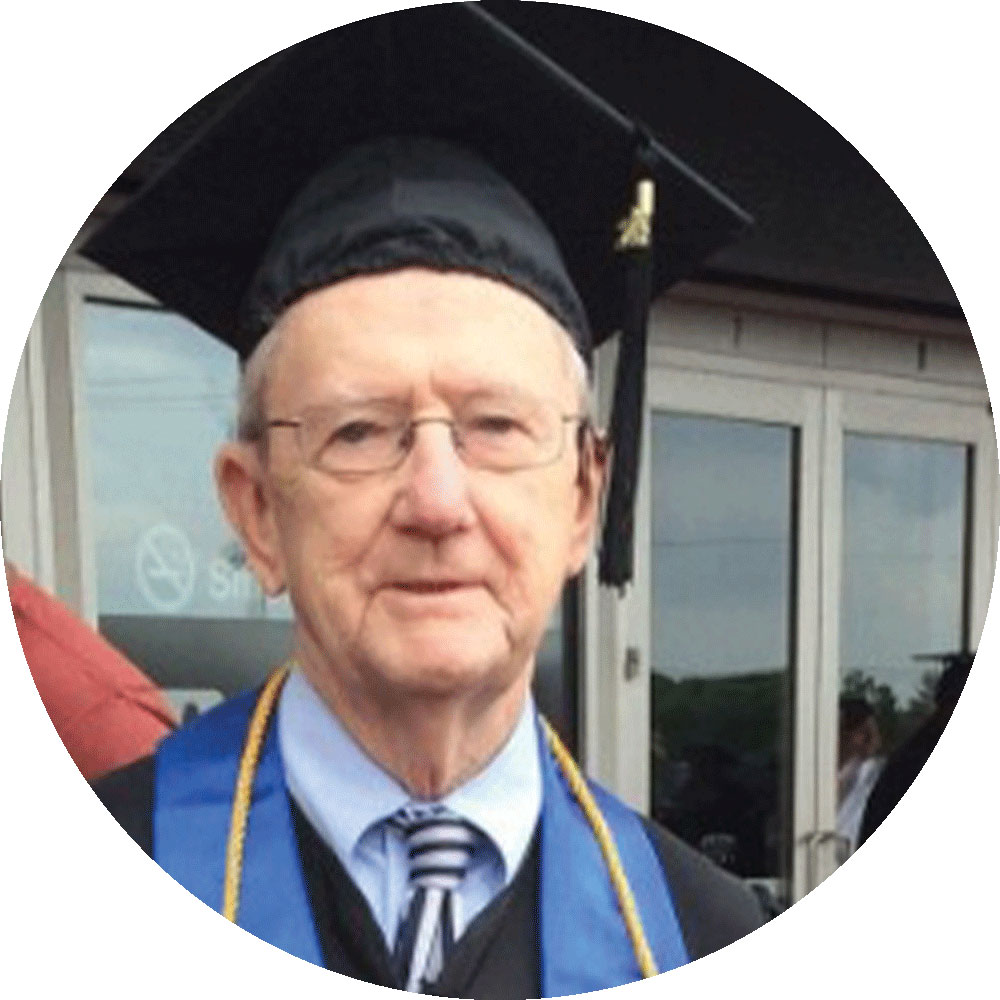
Nearing retirement in 1989, Brennan joined the Atlanta bid committee as a loaned MARTA public relations executive and then stayed on for the Games as its spokesperson. “It was the final act of my career,” the 97-year-old says. After the Olympic bombing, Brennan was awakened at 1:30 a.m. and went to the office, where Billy Payne assured him the Games would go on. “I wanted to make sure I had all the information available and transmitted that as efficiently and quickly as I could,” he says.
After his Olympic role, Brennan served as president of the Atlanta Track Club Board of Directors from 1983 to 1985. He was also the finish-line announcer for the Peachtree Road Race for 25 years, through 2006. And he volunteered with the Atlanta Botanical Garden, earning the Volunteer of the Year award in 2000.
He also went back to school. Brennan—who lives in Midtown with former Atlanta Track Club executive director Julia Emmons—had left college early to begin working in broadcasting, but at 85, he earned his bachelor’s degree in English from Georgia State University. “Unlike most of my classmates,” Brennan says, “my commencement was an ending, not a beginning with a bright future and dreams of a new and vibrant life. I have had dreams enough.”
Courtesy of Susan Watson
Courtesy of Susan Watson
Susan Watson
Then: Olympic events and hospitality
Now: Philanthropist
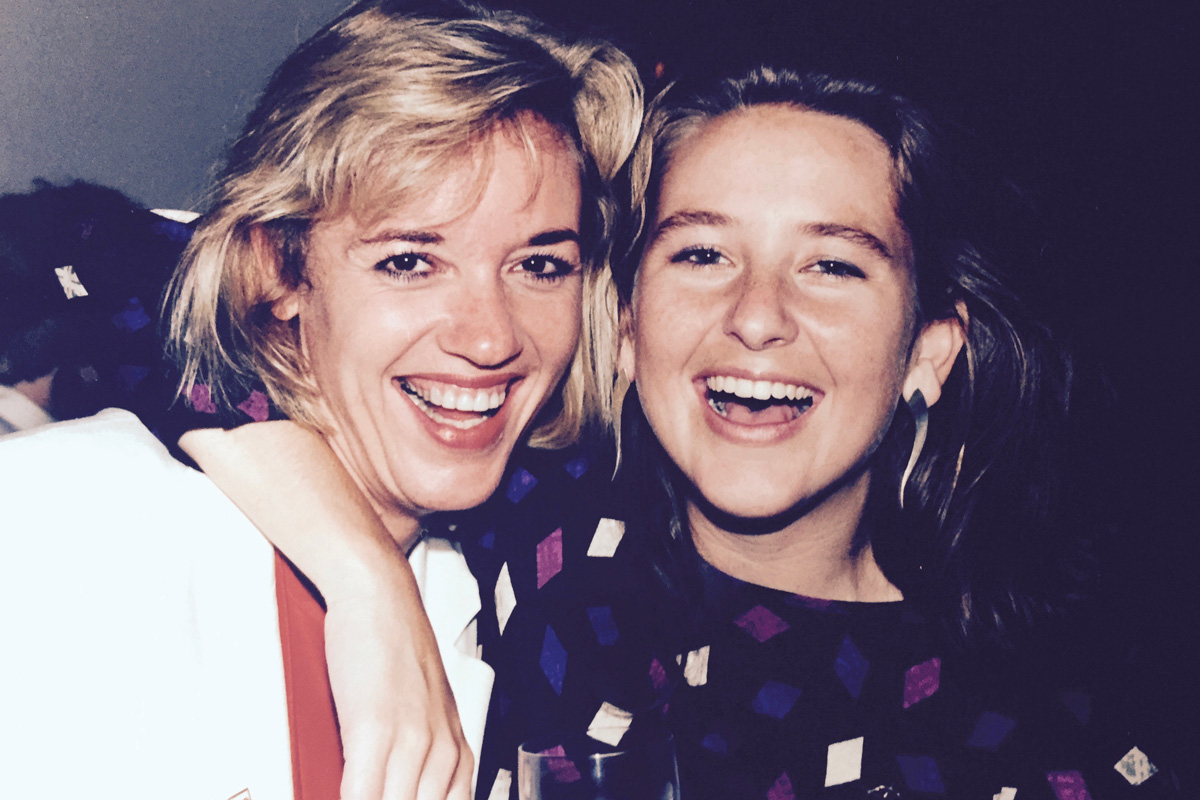
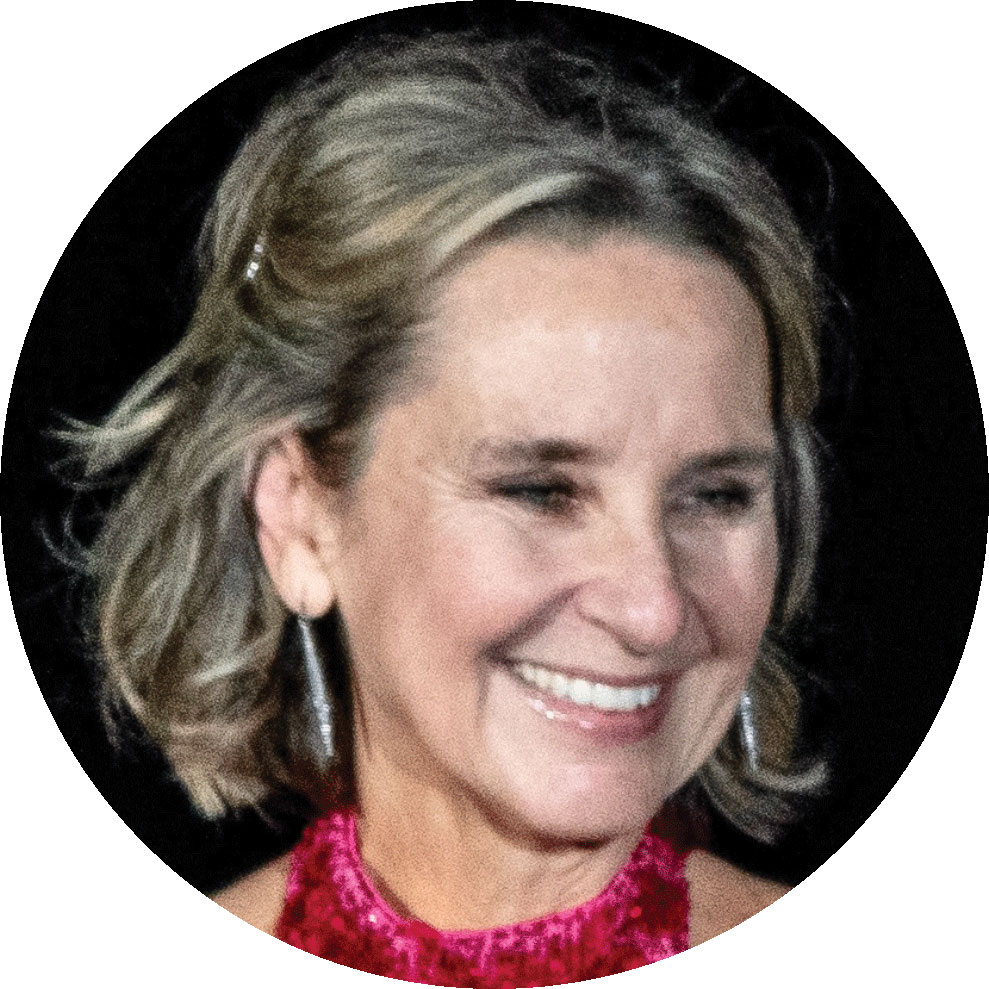
A former figure skater who dreamed of making it to the 1984 Olympics, Watson instead glided onto the Atlanta bid team and became indispensable. She would often work 18-hour days, helping with VIP experiences for IOC members, public events, and merchandising. “I am very naturally organized, sort of a grace-under-pressure strength,” 60-year-old Watson says. “But the reality is, I was 22 years old, and everyone else was in their 40s, and they had families to go home to and I didn’t.”
After the IOC awarded the Games to Atlanta, Watson had to rush to plan the victory party—the winning city’s responsibility—with the hotel staff in Tokyo. “Billy wouldn’t let me do it before the vote,” she says, “because he didn’t want to jinx the whole thing.”
Watson went on to partner with the IOC—which she calls “the dream job for my background.” She also consulted on Beijing’s winning 2008 bid, forming a team that included former Atlanta colleague Charlie Battle.
Watson now lives with her husband in Buckhead and is a partner in Legacy Ventures, a real estate company. In 2017, she cofounded the nonprofit Daughters Against Alzheimer’s, which has raised more than $9 million for research through an annual lip-sync competition called Battle for the Brain. She says her work with the 1996 Olympics taught her to aim high. “You’ve got to think big and get outside your comfort zone and go for it, and that’s what we did with Battle for the Brain,” she says. “You really do feel like you’re making a difference.”
This article appears in our July 2026 issue.