
Home 2015

Archives

5 reasons to love Chamblee

0
Chamblee
Photograph by Lauren Taylor Watt
Mike Plummer
Mike Plummer,
restaurateur

Illustration by Joel Kimmel

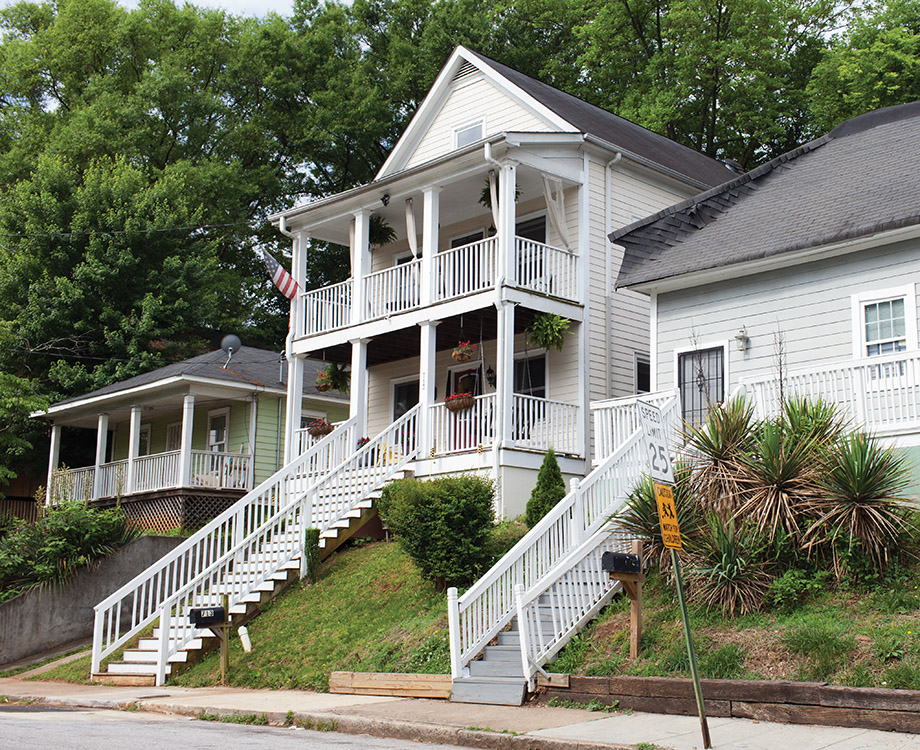
With residents hailing from around the world, Chamblee is one of Georgia’s most multicultural communities, and it continues to grow. Since incorporating in 1908, the city has gone through a number of incarnations: first as a small rail center, then as home to an Army training base in WWI and a Naval Air base in WWII, and now as a hub for Latino and Asian immigrants. After annexing a handful of nearby neighborhoods in 2013, the city added 12,000 residents. “It’s very relaxed; you have a lot of different people,” says 41-year-old restaurateur Mike Plummer, who runs the local restaurant Southbound and has plans to open two more nearby. “There’s a lot of opportunity.”

Chamblee
Photograph by Lauren Taylor Watt

Planes, trains, and automobiles
Thirteen miles from downtown, Chamblee is a transit nexus for the northeast metro area. Trains rattle by businesses on Peachtree Road, and commuters can hop on MARTA’s Gold Line or find easy access to I-285, I-85, and Buford Highway. It’s also home to Georgia’s second-busiest air terminal, DeKalb Peachtree Airport.

Family fun
At 45 acres, Keswick Park is the largest of Chamblee’s six parks and includes trails, sports fields, a dog park, and playgrounds. Plummer’s favorite place to take family is the aviation-themed playground at DeKalb Peachtree Airport, where kids can ride mini planes while watching real take-offs and landings.

Southbound
Smoked short rib at Southbound

Photograph by Lauren Taylor Watt

Dining hub
Chamblee’s restaurants reflect the diversity of its population. “We live in one of the most fantastic food areas of town because we have access to Buford Highway,” Plummer says. The dining scene has recently grown to include spots like Plummer’s Southbound, which opened in a former Masonic lodge as the neighborhood’s first farm-to-table restaurant in 2014, as well as chocolatier Maison Robert and Vintage Pizzeria.

Indie spirit
Plummer is part of a thriving small business community that’s hoping to turn Chamblee into a destination for those outside of DeKalb County. He regularly collaborates with other local shops: Eric Brown, owner of wine store Le Caveau, consulted on Southbound’s wine list, and tea shop Zen Tea supplies some of its beverages. In 2014 Plummer cofounded the Chamblee Chamber of Commerce to help guide new business owners—like Lisa Hladish, who owns Paper Daisies Stationery, a custom wedding invite shop.
Chamblee
Photograph by Lauren Taylor Watt

Period pieces
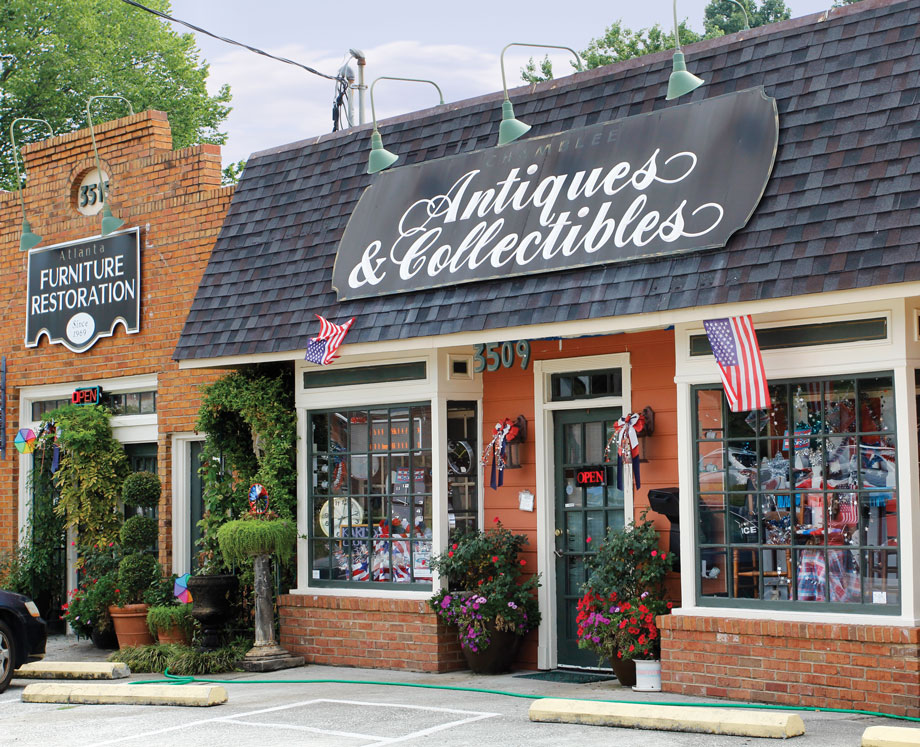
Antique Row stretches out from Peachtree Road and Broad Street. Find art nouveau at the Antique Factory—where film scouts peruse for props—and midcentury modern at the Ice House, Plummer’s favorite vintage source.

This article originally appeared in our September 2015 issue.

Six reasons to love Mechanicsville

0

Mechanicsville Atlanta, GA

Mechanicsville
“Everyone’s talking about attracting a major corporation headquarters or another tech village.” Micah Rowland, community activist

Illustration by Joel Kimmel

The neighborhood takes its name from rail workers in the 1880s, but it was also home to many prosperous Jewish merchants and, later, influential African American entrepreneurs. But by 1990 the area had lost nearly 70 percent of its population thanks to the construction of the interstates and Atlanta–Fulton County Stadium (and then Turner Field). The so-called urban renewal decimated local homes and businesses. Today many residents are optimistic that the Braves’ 2017 move to Cobb County could bring new attention and investment to the area, says Micah Rowland, former chair of the Neighborhood Planning Unit that includes Mechanicsville. “We’re waiting to see what’s in store.”

Central Location
Mechanicsville residents get more than just a free fireworks show, courtesy of Turner Field, through next season; they also have one of the best views of the Gold Dome and downtown. With the Connector and I-20 flanking the area and Garnett Station less than a mile’s walk, most of the city is 10 to 20 minutes away.

Mechanicsville Atlanta, GA
Skyline View

Cohesive Spirit
The NPU includes Adair Park, Capitol Gateway, Peoplestown, Pittsburgh, and Summerhill. Interstates split the area, but it still feels like one community. Families have lived in the shotguns and two-story homes for decades, but newer residents have been welcomed too; Rowland moved into a contemporary loft in 2006.

Leading Change
The Dunbar Center houses nonprofits, including the Annie E. Casey Foundation. Rowland recalls how his own nonprofit was embraced by the neighborhood: “People open doors and welcome new leadership.”

Mechanicsville Atlanta, GA
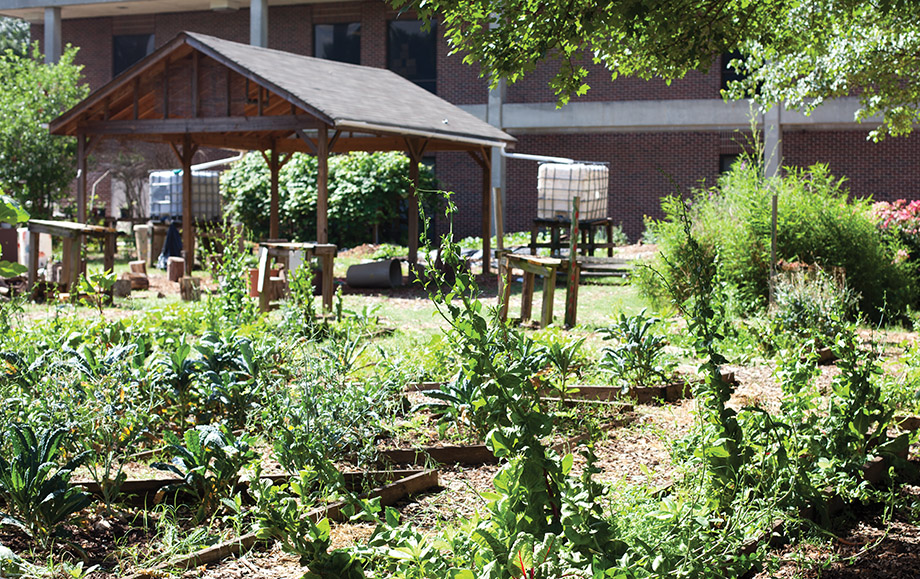
The community garden in Rosa Burney Park

Beautifying Light
The community garden in Rosa Burney Park produces squash, tomatoes, and melons, offering fresh food to an area with no major grocery stores. For years the area has had more than its share of vacant lots, but residents are working to fill them with more community gardens. Rights 2 Life Foundation, a nonprofit that Rowland heads, plans to open gardens in each of the six neighborhoods near Turner Field by 2016.

Future Potential
Even though Rowland is sad to lose the Braves, he’s hopeful about the future. So far developers have floated projects like a GSU football stadium. Any development will benefit the neighborhood, he says, especially if it keeps opportunities within the community. What he’d really like to see? “A reconnection of the old street grid with housing, shopping such as grocery and affordable retail, and a transportation hub.”

Mechanicsville Atlanta, GA
Barbecue from Tom, Dick & Hank

Down-home dishes
Barbecue joint Tom, Dick & Hank recently opened a sit-down location on Ralph David Abernathy Boulevard.

Photographs by Kaylinn Gilstrap

This article originally appeared in our July 2015 issue.

Lakefront living: HGTV’s Egypt Sherrod picks three great Atlanta-area neighborhoods on the water

Lakefront LivingRecent listing: White columns at Berkeley Lake
Wooded 9,567-square-foot estate with lake view and three master suites. Listed for $974,900.

There’s something about living on water that calms the soul, and you don’t have to leave Atlanta to do it. Many metro neighborhoods are built next to private or public reservoirs, from quaint, Tudor-themed Avondale Estates near Decatur to the 40 different neighborhoods around Lake Windward in Alpharetta. Life on the lake makes every day feel like a vacation. Here are three of my favorite lakefront spots:

Launched in the 1950s as a summer retreat, Berkeley Lake centers on an 88-acre private lake. Home styles range from cottages to sprawling estates. This Gwinnett community is only 20 miles from the heart of Atlanta, with easy access to major highways. Fish, kayak, canoe, paddleboard, or ride around on a pontoon (boat speeds restricted). The community organizes parties with live music, movie nights on the beach, Fourth of July celebrations, and other fun activities. Prices range from $400,000 to $1.6 million near the water.

Lakefront LivingRecent listing: Backyard boating in Acworth
This four-bedroom, 2.5-bath home comes with a wraparound porch and you own floating dock on Lake Allatoona. Listed for $429,900.

Acworth is nestled between Lake Allatoona and Lake Acworth in the foothills of the North Georgia mountains, earning the town the nickname “Lake City.” The area is a magnet for outdoor enthusiasts who enjoy swimming, fishing, boating, sailing, water-skiing, camping, hiking, or hanging out on the white sand public beach. Shoppers enjoy the historic downtown, which offers antique and flea markets, boutiques, and restaurants serving a variety of cuisines, from classic Italian to spicy Cajun. Cauble Park is home to many annual events, including a summer concert series, Smoke on the Lake BBQ Festival, ski competitions, and a Fourth of July fireworks show. Home styles here include Victorians, classic bungalows, and new construction. Prices commonly range from the high $100s to the $700s.

Lakefront LivingRecent Listing: Green fairways at Lake Spivey
Three-bedroom, 2.5-bath home on the first green at Lake Spivey Country Club. Listed for $235,000.

The neighborhoods around Lake Spivey, the largest private lake in Georgia, are in affordable Clayton and Henry counties, only 20 minutes from Atlanta’s downtown. Home to celebrities from Monica Pearson to T.I. and Olympic swimmer Steve Lundquist, Spivey has also served as a backdrop for movies, road races, and concerts. Residents enjoy cruising on pontoon boats, water-skiing, wakeboarding, canoeing, kayaking, tubing, swimming, and fishing. Every Fourth of July, the civic association puts on a fireworks display for area residents. Prices range from the $200s for a kiss of lakefront to $5 million for grand waterfront estates.

Egypt Sherrod is the host of HGTV’s highly rated Property Virgins, CEO of the Egypt Sherrod Real Estate Group, and author of Keep Calm . . . It’s Just Real Estate: Your No-Stress Guide to Buying a Home. egyptsherrodrealestate.com

Illustrations by Brown Bird Design 

This article originally appeared in the Summer 2015 issue of Atlanta Magazine’s HOME.

Reynoldstown A to Z

Animation by James Burns

Graphic designer and SCAD Atlanta motion media professor James Burns was walking through his Cabbagetown neighborhood one afternoon when he spotted a distinctive numeral tacked on a telephone pole. “It was a great looking ‘two,’ and seeing it made me think that it would be interesting to see if I find a full set of numbers while I was out walking,” he said. So he snapped a photo and then scouted numbers—storefronts, mailboxes, even trashcans—as he walked, and put together a complete set from zero to nine. When he got home, he created an animated gif of the number sequence. “It was interesting, watching the numbers flip through, somehow it felt like walking around the neighborhood,” he says. “A community’s personality can really be reflected in signs and typography.”

Thinking that a similar assignment would be interesting to give to his students, Burns tested the project himself, shooting the alphabet in sequence walking through Cabbagetown and Sweet Auburn. When he saw Atlanta magazine’s new series of neighborhood profiles (disclosure: He is married to deputy editor Rebecca Burns) he contacted the series editor, Mary Logan Bikoff, and pitched animated alphabets to accompany the articles. She liked the idea, and asked him to start with the May profile of Reynoldstown.

To capture Reynoldstown in type, Burns walked six miles up and down its streets, spotting letters on everything from a church sign and graffiti to a steel plant and the WonderRoot community arts center. You can find the location of each letter on the map below.

0515_reynoldstownposter_jburns_oneuseonlyThe Project in Poster Form
Burns put together a poster of the Reynoldstown alphabet. You can enter a drawing to win a signed print of the poster. Click here for details

Six reasons to love Reynoldstown

As the southern leg of the Atlanta BeltLine’s Eastside Trail inches toward construction, get ready to rediscover one of the city’s oldest neighborhoods, just south of Inman Park and within a mile of Cabbagetown’s Carroll Street businesses. Settled after the Civil War by freed slaves who rebuilt the train tracks at the nearby rail yard (now CSX), Reynoldstown now enjoys a growing diversity, which is what prompted Chris Appleton—executive director of the arts nonprofit WonderRoot—to make his home there nine years ago.

WonderRoot's Chris Appleton, Reynoldstown resident
Chris Appleton, founder of WonderRoot

Illustration by Joel Kimmel

Civic duty
The Reynolds­town Civic Improvement League (RCIL) was organized in 1952 to involve the community in politics, from helping black residents register to vote to keeping out a toll road. RCIL’s big event, back this year after a hiatus, is the Wheelbarrow Festival, which celebrates the neighborhood’s can-do attitude.

Contemporary townhomes in Reynoldstown
Contemporary townhomes

Photograph by John E. McDonald

Eclectic vibe
Circa-1880s Queen Anne–style homes and early-20th-century shotguns and bungalows put the neighborhood in the National Register of Historic Places in 2003. More recently, modern lofts and contemporary homes have sprouted up amid the Baptist churches and the Stein Steel yard, providing a mix of styles.

Dynamic diversity
The area was predominantly black when it was founded, but many original residents moved when the railroad industry declined after WWII. After the Olympics, intown living began to boom again; from 2000 to 2013, the neighborhood’s median home value increased by 44 percent. Today Appleton says his street is home to young couples and families who’ve lived there for decades.

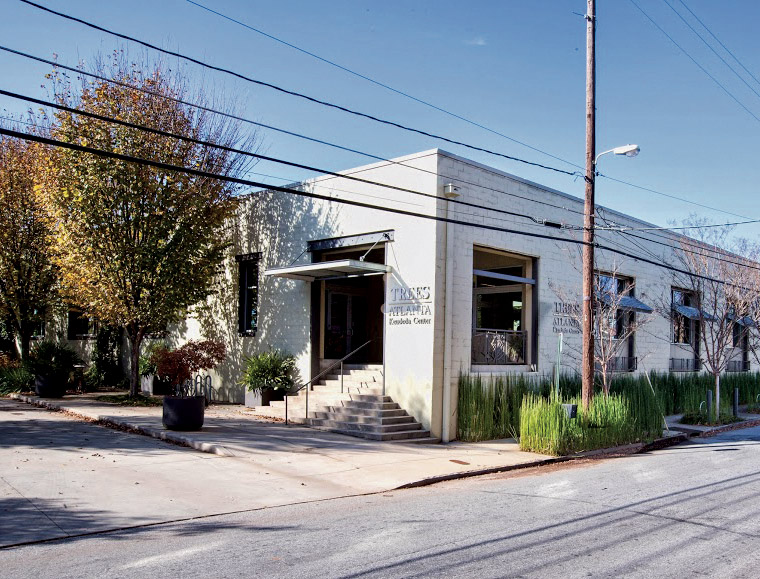
Trees Atlanta in Reynoldstown
Trees Atlanta

Photograph by Sphereographic

Nonprofit nexus
Do-good organizations are drawn to the neighborhood’s spirit, says Appleton. Among other nonprofits, it’s home to the LEED-Platinum Trees Atlanta Kendeda Center, the new Atlanta Habitat for Humanity headquarters, and Resources for Residents & Communities, which helps people find affordable housing.

H. Harper Station in Reynoldstown
H. Harper Station

Photograph by John E. McDonald

Local hangouts
Memorial Drive is home to beloved meat-and-three Home Grown and craft cocktail haven H. Harper Station, whose owner, Jerry Slater, lives in the neighborhood. ParkGrounds is a cafe/dog park serving people and mutts.

Bridging the gap
WonderRoot and RCIL are partnering on an art project, What Are People For?, featuring historical and contemporary residents’ contributions. “It can serve as a bridge for dialogue between newer and older residents.”

Reynoldstown
Animation by James Burns

Contest: Win a Reynoldstown poster Graphic designer and SCAD Atlanta motion media professor James Burns captured the gritty, colorful feel of Reynoldstown in letters spotted around the neighborhood. Enter to win a print here.

This article originally appeared in our May 2015 issue.
6 reasons to love Whittier Mill Village

0
Photograph by Caroline C. Kilgore
Illustration by Joel Kimmel

Tucked between the Chattahoochee River and Bolton Road south of Vinings, Whittier Mill Village was built to house workers for the nearby textile mill during the cotton boom of the 1890s. It’s one of Atlanta’s oldest neighborhoods—and, comprising 30 acres and roughly 110 homes, it’s also one of the smallest. Judy Pratt, who works in interiors and has lived in the neighborhood since 1983, shares her favorite things about the village, where three generations of her family live.

Parktoberfest
Parktoberfest

Photograph by Matthew Montemayor Photography

Celebration central
Every New Year’s Eve, neighbors open their homes for an around-the-world-style bash. Come autumn, locals square off in a chili cook-off, and the biggest event of the year, Parktoberfest, features local beer, food, and music. Funds raised go to upkeep of the park.

Fighting spirit
After the mill closed in 1971, the area declined and part of the neighborhood was almost made a landfill. But in 1994 residents won its National Register Historic District status.

The mill tower ruins

Photograph by Caroline C. Kilgore

A link to the past
The area retains much of its late-19th-century charm, and new homes are built to look architecturally similar to the original cottages and bungalows, complete with hipped roofs and front porches. Twenty-two-acre Whittier Mill Park houses the original mill tower and other ruins.

Lifetimebonds
In his memoir, The Chattahoochee Boys, J. Slater Baker writes about his scrappy childhood in the village in the 1940s and 1950s, which included baseball games and swimming in Proctor Creek. The friendships of “the boys” continue to this day.

Arts scene
The village’s bygone-era quality draws creatives like nationally recognized interior designer Barbara Westbrook, whose clients include Chicago Cubs pitcher Jon Lester and his wife, Farrah. Pratt, who has sewn for Westbrook, touts nearby Eat.Sleep.Knit., a yarn shop and nod to the neighborhood’s textile roots.

Easy acccess
This tight-knit northwest Atlanta community is located by the river right off I-285, providing a straight shot to the airport, and it’s just a 15-minute jaunt to Buckhead shops and restaurants.

This article originally appeared in our March 2015 issue.

8 reasons to love Avondale Estates

0
A Tudor-style home within walking distance of downtown

Photograph by Allyson Busch

Founded in 1924 and named for the birthplace of William Shakespeare, this quiet neighborhood eight miles east of Atlanta has long been known for its Tudor-style architecture. Its neighbor, Decatur, may be larger, but the city is stepping into its own, with big ambitions for food, entertainment, and public schools. Nick Purdy of Wild Heaven Craft Beers shares the reasons he calls it home.

Nick Purdy, longtime resident of Avondale Estates and president and founder of  Wild Heaven Craft Beers
Nick Purdy, longtime resident of Avondale Estates and president and founder of Wild Heaven Craft Beers

Illustration by Joel Kimmel

Government that works
“Talk to any business owner and they’ll say they’re fighting their government, but in Avondale Estates, we’ve gotten nothing but support,” Purdy says. When Purdy’s brewery opened its doors last summer, then-mayor Ed Rieker hosted a ribbon-cutting ceremony that brought out city councilmen and other local leaders. Elsewhere, government officials have helped business owners find low-interest financing through the Georgia Cities Foundation.

Intown living—with space
Find bigger lots than many other intown neighborhoods, so you don’t have to trade space for an ITP address. “That’s one thing that helped us decide between here and Decatur,” says Purdy, who moved to Avondale Estates in 2005.

Creative company
There’s a community of smart and artistic residents who work at major local companies, including Turner, the CDC, and the Brick Store Pub in Decatur, one of the city’s top watering holes.

The Bishop’s Southern Picnic Board

Photograph courtesy of Bishop

Comeback kid
New restaurants the Bishop and Pallookaville Fine Foods are resuscitating the historic downtown Tudor Village with comfort foods and kitsch, respectively. “Pallookaville is like a comic book come to life,” Purdy says. Next up: The old Towne Cinema will be transformed into a music venue called Avondale Theatre, with the first of three phases expected to be completed this year.

Mom and Pop
It’s not uncommon for younger generations to buy houses down the street from their parents and maintain the institutions their families set up, from a neighborhood co-op for babysitting to the community pig roast.

Soon to be a 500-seat music venue

Photograph by Allyson Busch

School startup
In 2010, a group including lawyers, educators, and business leaders joined to found the Museum School, a charter school that brings a museum concept of discovery and exploration to learning. “It gave the neighborhood an opportunity for a school that’s locally controlled and high quality,” Purdy says.

Festival seasons
Like the rest of Atlanta, Avondale Estates loves its festivals. Art-B-Que, which is in late spring, and AutumnFest are two annual outdoor celebrations that draw in locals with music, art, and food.

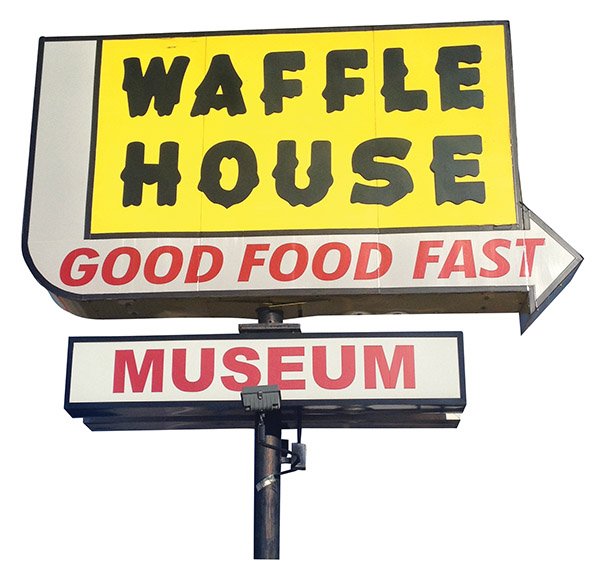
Photograph courtesy of Waffle House

Great sights
“There’s amazing architectural diversity,” Purdy says. “You have the Tudor-style buildings downtown and modern houses farther out.” One claim to fame: the first Waffle House, which now houses a museum.

This article originally appeared in our January 2015 issue.
Neighborhood: Alpharetta

Photograph by Meredith Baker

Encompassing twenty-seven square miles and three zip codes, in the far reaches of northern Fulton County, Alpharetta is very OTP. Some may think of Alpharetta as a sprawling place full of McMansions and restaurant chains, but city planners are working to create a pedestrian-friendly downtown, sort of how Smyrna reinvented itself by building a new city center that attracted restaurants, townhouses, and hip hangouts. In 2012, Forbes named Alpharetta one of the friendliest places to live.

See and Do
There’s more than concerts at Verizon Wireless Amphitheatre. The park system includes the Big Creek Greenway—an eight-mile-long, twelve-foot-wide wooded path that is packed with walkers, bicyclists, and dogs. The new TopGolf is a three-floor entertainment complex where microchips track each shot. And coming in October from the developers of Atlantic Station, Avalon will be OTP’s buzziest walkable community. The multiuse development will have a fourteen-screen movie theater, a hotel, courtyard homes, and rental lofts. Dozens of impressive, upmarket shops will open, ranging from Anthropologie to Vineyard Vines.

Living Here
Also set to open this fall, the city center downtown will be home to a brand-new library, city hall, park, and town green. Several restaurants and shops, like Tin Roof Kitchen, Hop Alley Brew Pub, and Salt, have already popped up nearby, with more on the horizon for later development phases. Want to live within walking distance? Victoria Square is a sixty-nine-townhome development right around the corner. The primary Alpharetta housing options are newer swim/tennis neighborhoods, country club homes, and a smattering of equestrian properties abutting adjacent horse country Milton.

Report card
Median home value: $292,785*
5-Yr Appreciation: 3/5 stars
School Quality: 3/5 stars
Walkability: 2/5 stars
Safety: 3/5 stars
Hip & Trendy: 3/5 stars
Luxury Index: 5/5 stars

Ratings versus national averages by NeighborhoodScout.com. NeighborhoodScout.com is the most widely used neighborhood search engine in the world. It is owned by Location Inc., a leading builder and source of location-based data and tools for businesses and consumers nationwide. *$207,028 Atlanta overall

This article originally appeared in our August 2014 issue.

Neighborhood: Norcross

Photographs by Chriss Clark

One of metro Atlanta’s loveliest suburban downtowns is tucked away from the sprawl between Peachtree Industrial Boulevard and Buford Highway in Gwinnett County, just out of view of motorists. Founded in 1870, historic Norcross is less a vestige of yesteryear than a thriving city center that happens to have a barber pole and a train depot.

See & Do
New landscaping, brick crosswalks, and twinkling tree lights have beautified the downtown in recent years. Find all the staples—coffeehouse, tavern, antiques store, quirky shops, community theater—plus an authentic Cuban restaurant, Mojitos (35 South Peachtree Street). Day-trippers should grab lunch at Bleu House Market (62 College Street). Bookending downtown are Lillian Webb Park, with its stunning stepped fountain and splash pad, and historic Thrasher Park, where trains trundle by.

Living Here
Victorian, antebellum, and Craftsman homes surround the retail district. More than 200 homes will break ground in 2014 and must meet rigorous guidelines to maintain the historic flavor. One such development is Adam’s Vineyard, to be built around decades-old muscadine vines planted by the late Colonel John Adams, a community stalwart.

Hollywood Hub
The historic district has provided a bucolic setting for A Walk in the Woods, starring Robert Redford, and ABC’s Resurrection. Nearby, The Hunger Games: Mockingjay and Fast & Furious 7 took over an unused industrial lot. At press time, the Jacoby Group expected to close on the lot in August, with plans for the largest media production complex outside California.

“A great variety of people live, work, and play in and around the historic center, and there is a wonderful supportive vibe in town. People say hi to each other on the street; all the businesses support each other—there’s a cultural richness here.”
—Nicole Adams, co-owner of Bleu House Market (her grandfather was born in the home that now houses the market, and Colonel John Adams was her great-great-uncle)

Report card
Median home value: $136,492
5-Yr Appreciation: 1/5 stars
School Quality: 3/5 stars
Walkability: 3/5 stars
Safety: 1/5 stars
Hip & Trendy: 3/5 stars
Multicultural Friendly: 5/5 stars

Ratings versus national averages by NeighborhoodScout.com. NeighborhoodScout.com is the most widely used neighborhood search engine in the world. It is owned by Location Inc., a leading builder and source of location-based data and tools for businesses and consumers nationwide.

This article originally appeared in our July 2014 issue.

Neighborhood: Kirkwood

As recently as the late 1990s, the DeKalb County neighborhood of Kirkwood was known for street-corner drug deals, blatant prostitution, and a crumbling central business district. An influx of families and commercial investment has softened Kirkwood’s hard edge, resulting in an urban village of roughly 5,000 people that residents call harmoniously diverse.

History
Incorporated in 1899, Kirkwood flourished as an early streetcar suburb but suffered in an era of urban decline in the 1970s. Middle-class residents began trickling back thirty years ago, drawn by proximity to Downtown, two MARTA stations, and a rich vein of Craftsman and Victorian homes on the National Register of Historic Places.

See and do
On the northern fringe, Sun in My Belly is a bona fide brunch destination, while on the south end, Ann’s Snack Bar is home to the famous “Ghetto Burger”—once heralded by the Wall Street Journal as America’s best burger. To burn off calories, there are several well-kept parks, refurbished rec centers, and a multiuse path along the old streetcar line.

Local events
Signature festivals are the Wine Stroll in September and the Spring Fling on May 17, a kid-friendly shindig at Bessie Branham Park with art vendors, live music, craft beer, and a barbecue cook-off. After dark, the Fling morphs into a street festival and showcase for the burgeoning business district.

“When push comes to shove, there are no better neighbors anywhere. There’s such a mix of everybody, and we all have our opinions about everything, but when somebody needs something, the people in the neighborhood are there. We call ourselves ‘Mayberry in the city.’” —Margie Yondorf, Kirkwood-based Realtor and nineteen-year resident

Report card
Median home value: $217,604
5-Yr Appreciation: 5/5 stars
School Quality: 2/5 stars
Walkability: 5/5 stars
Safety: 1/5 stars
Hip & Trendy: 5/5 stars
Gay Friendly: 5/5 stars

Ratings versus national averages by NeighborhoodScout.com. NeighborhoodScout.com is the most widely used neighborhood search engine in the world. It is owned by Location Inc., a leading builder and source of location-based data and tools for businesses and consumers nationwide.

This article originally appeared in our May 2014 issue.

Follow Us

69,386FansLike
144,836FollowersFollow
493,480FollowersFollow

NEWSLETTERS