

Courtesy of Adair Park Today
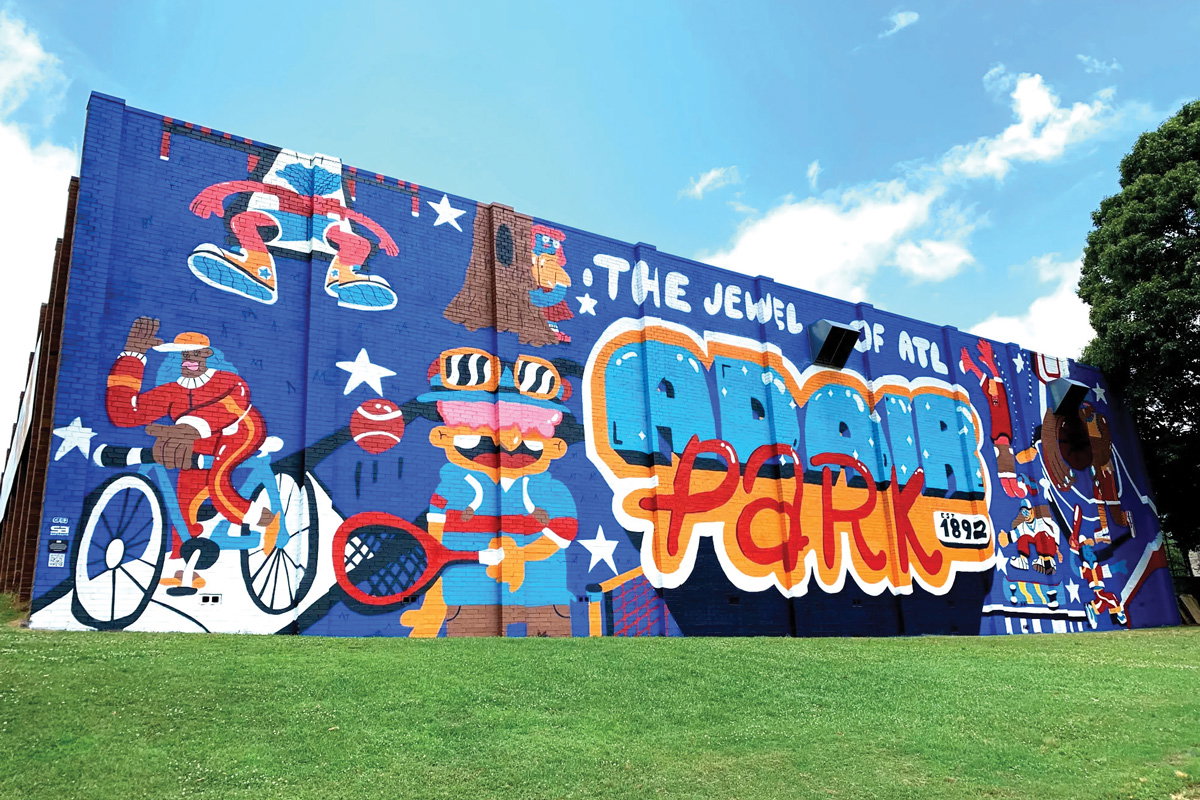
A slender, thumb-shaped tract of southwest Atlanta, Adair Park is only four blocks at its widest. Bordered by Metropolitan Avenue on one side and the Murphy Avenue railroad tracks on the other, this historic neighborhood has developed a close-knit community of its very own.
Adair Park was developed as one of Atlanta’s first “trolley neighborhoods” in the late 19th century, and it retains many of its original folk Victorian and Craftsman homes, standing alongside tidy, tree-lined streets bookended by two large parks. With a prime intown location adjacent to the Atlanta Beltline Southwest Trail, Adair Park offers a mix of historic charm—it’s on the National Register of Historic Places—and proximity to Atlanta’s liveliest happenings.
Its namesake park has become a key gathering spot for Atlanta: It’s now the launch point for the annual Atlanta Beltline Lantern Parade, held this year on September 19. On October 3, Adair Park hosts Porches & Pies, its marquee celebration, which welcomes competitive bakers—and hungry taste-testers—for a multi-award pie contest.
Why it’s hopping:
Originally a segregated suburb, Adair Park underwent rapid transformation in the 1960s, when many White homeowners sold rather than tolerate integration. Much of the neighborhood became rental properties, and negligent landlords, plus general disinvestment by the city, contributed to Adair Park’s decline. Those factors came to a head during the 2008 financial crisis, when foreclosed homes in the neighborhood were auctioned off on the courthouse steps.
But Jeanne Mills, who lives in the same Catherine Street house where she grew up, says those bleak times led to new growth: Many of those derelict homes were lovingly restored by new families, who put down roots that helped revive Adair Park. “That has really stabilized the community, one house at a time,” Mills says.
Adair Park appeals with its handsome homes, leafy parks, and proximity to the best of Atlanta’s city living. The Southside Beltline runs across the bottom of the neighborhood, and adaptive reuse projects have sprung up around the area. These include artist housing at the Academy Lofts—where Mills attended primary school–and Abrams Fixtures, a mixed-use development built in a 1920s brick industrial complex. Abrams is home to several of the city’s best new eateries, including the sandwich spot Sammy’s, Leonard Yu’s Michelin-recommended Ryokou, and the zodiac-inspired bar and small-plates restaurant Seventh House.
Courtesy of Adair Park Today
Who calls it home:
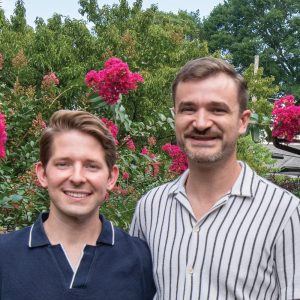
Prices have climbed everywhere, but with an average home price under $400,000, Adair Park still offers historic houses at more affordable rates (for now). When Austin Spriggs-Haverkamp and his husband, Nate, moved to Atlanta from Wichita, Kansas, several friends recommended the neighborhood: “We immediately fell in love,” says Austin. In 2021, they purchased a 1920 bungalow across the street from Beulah Colbert Park, formerly Adair Park II.
“I never expected this sense of community when moving to a big city,” says Austin, who volunteers with the neighborhood’s community organization, Adair Park Today. “I’m constantly in awe of how close people are.” Adair Park Today helps organize neighborhood social events and fundraisers. The money raised goes toward park-beautification projects and a housing relief fund that helps struggling neighbors cover property taxes and other housing costs—an attempt to shield older, legacy residents from the impacts of gentrification.
How the community gathers:
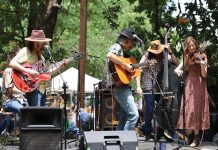
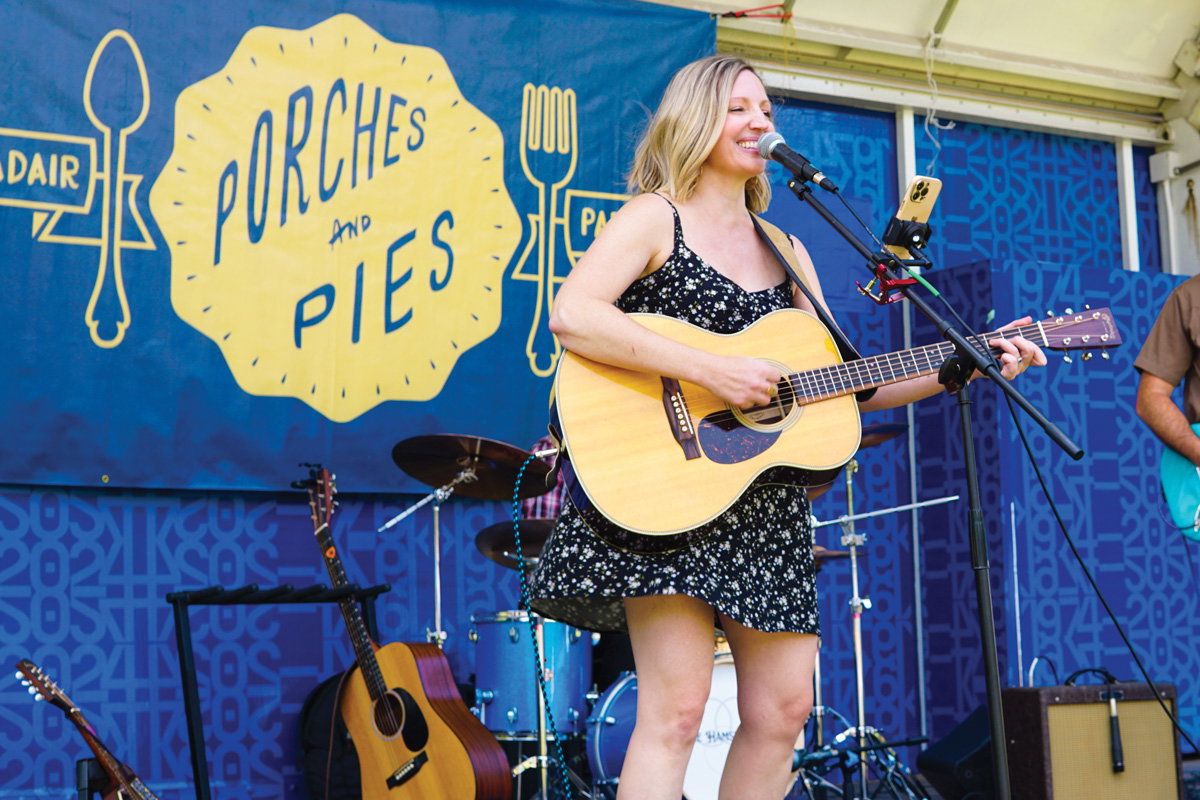
In early October, Adair Park hosts its 12th annual Porches & Pies festival, during which bakers of all stripes—professionals, amateurs, and kids—present their best pies for a blue-ribbon judges panel. (A $15 ticket lets regular folks taste-test and vote for the People’s Choice winner.) The event, which also features live music and artist vendors, kicks off with a local high-school marching band. The pie-eating competition is always a spectacle: Last year’s champion was a teenager in a hot-dog costume.
Porches & Pies, which started as an informal neighborhood pie contest and became a fundraiser for Adair Park Today, quickly outgrew the “porches” part of its name. It’s since moved to the neighborhood’s namesake park, where last year it welcomed about 3,000 visitors, with more expected this year. Many Adair Park neighbors pitch in to pull it off, says Austin: “My husband will definitely be there helping out, whether he knows it yet or not!”
Courtesy of Adair Park Today
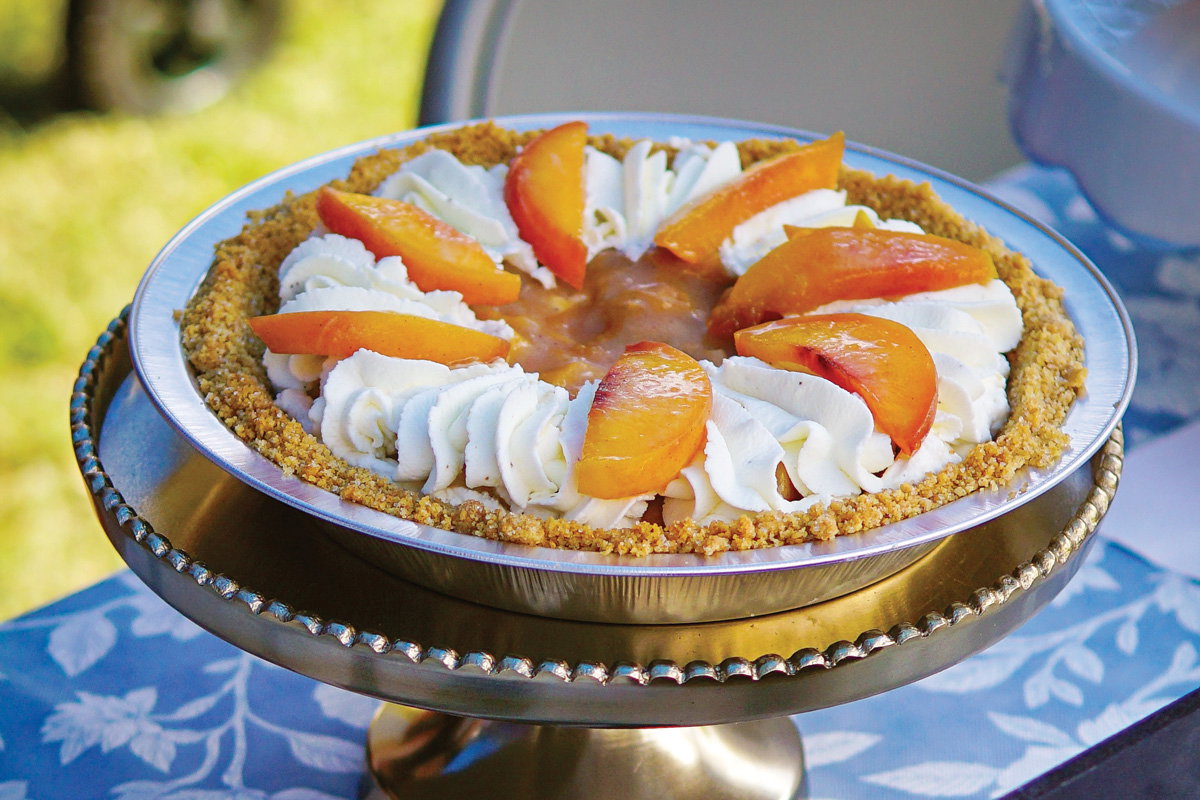
Courtesy of Adair Park Today
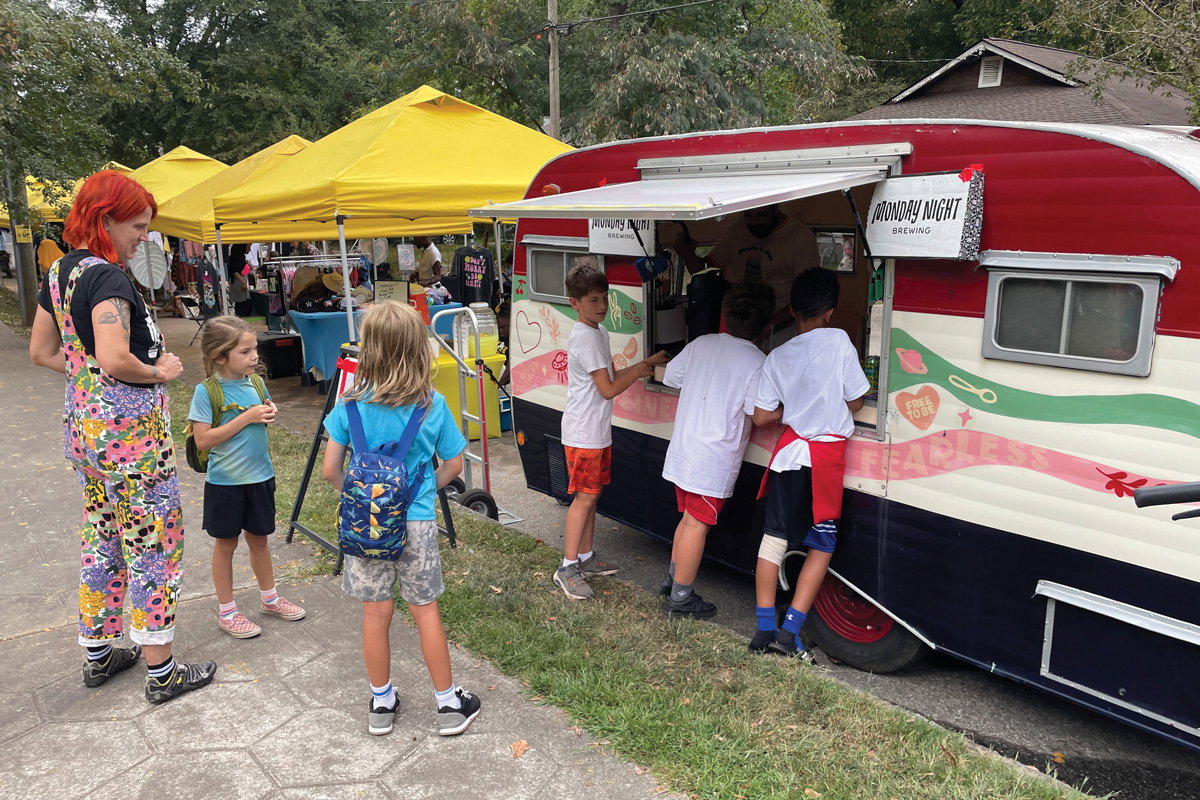
Courtesy of Adair Park Today
Porches & Pies
Date: Saturday, October 3
Cost: For $15, you can sample 10 pie-contest entries and vote for the People’s Choice winner; general festival entry is free.
Location: Adair Park I
Good to know: It’s easy to access the festival directly from the Southwest Beltline via the Allene Avenue crossing.
Neighborhood Signs Decoded
Around Atlanta, neighborhood pride is often displayed from a sign on the front porch. It’s not clear where this tradition began—Inman Park’s butterfly signs, which first appeared in the 1970s, may have been the first—but more than a dozen communities now display their own designs. The painted signs are usually made by crafty locals and sold at fundraisers for the neighborhood association. Here are a few of our favorites:
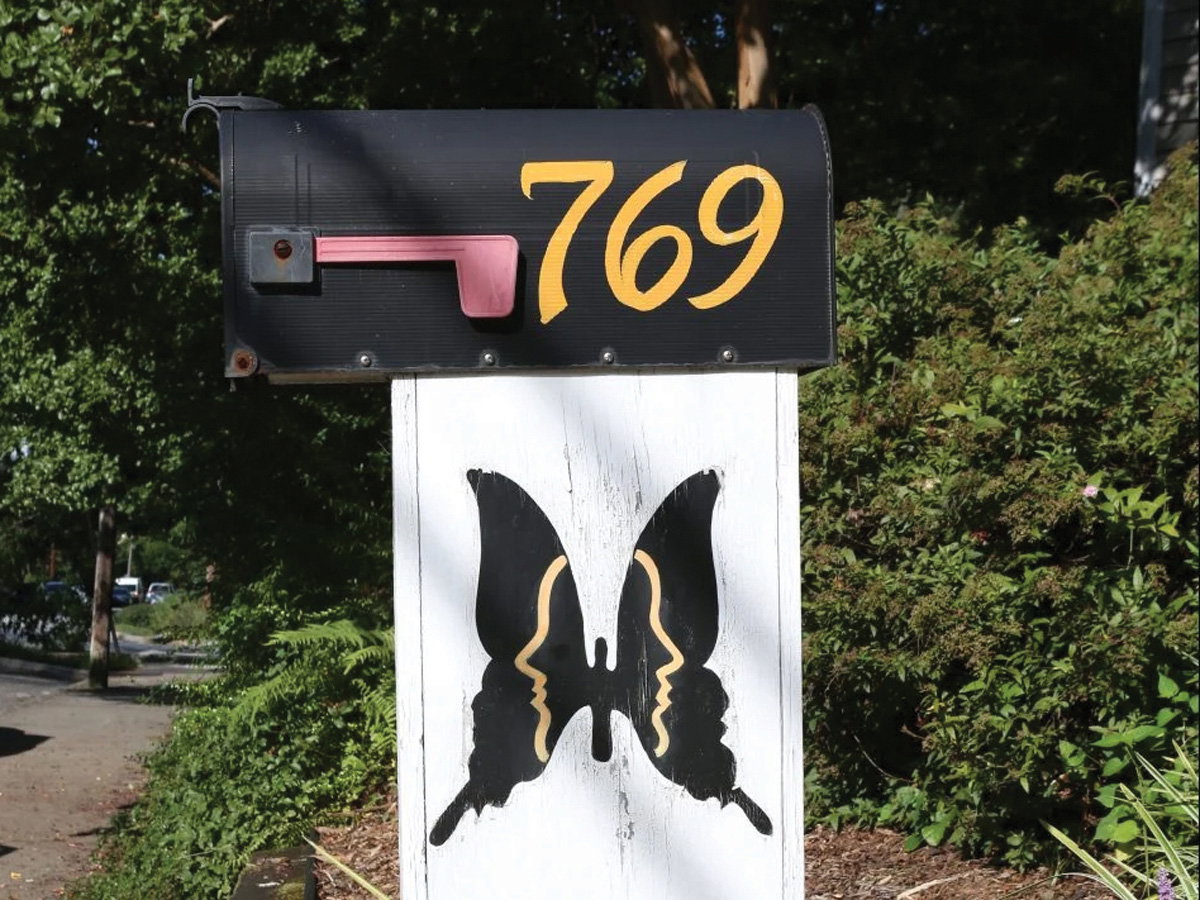
Courtesy of Inman Park Civic Neighborhood Association
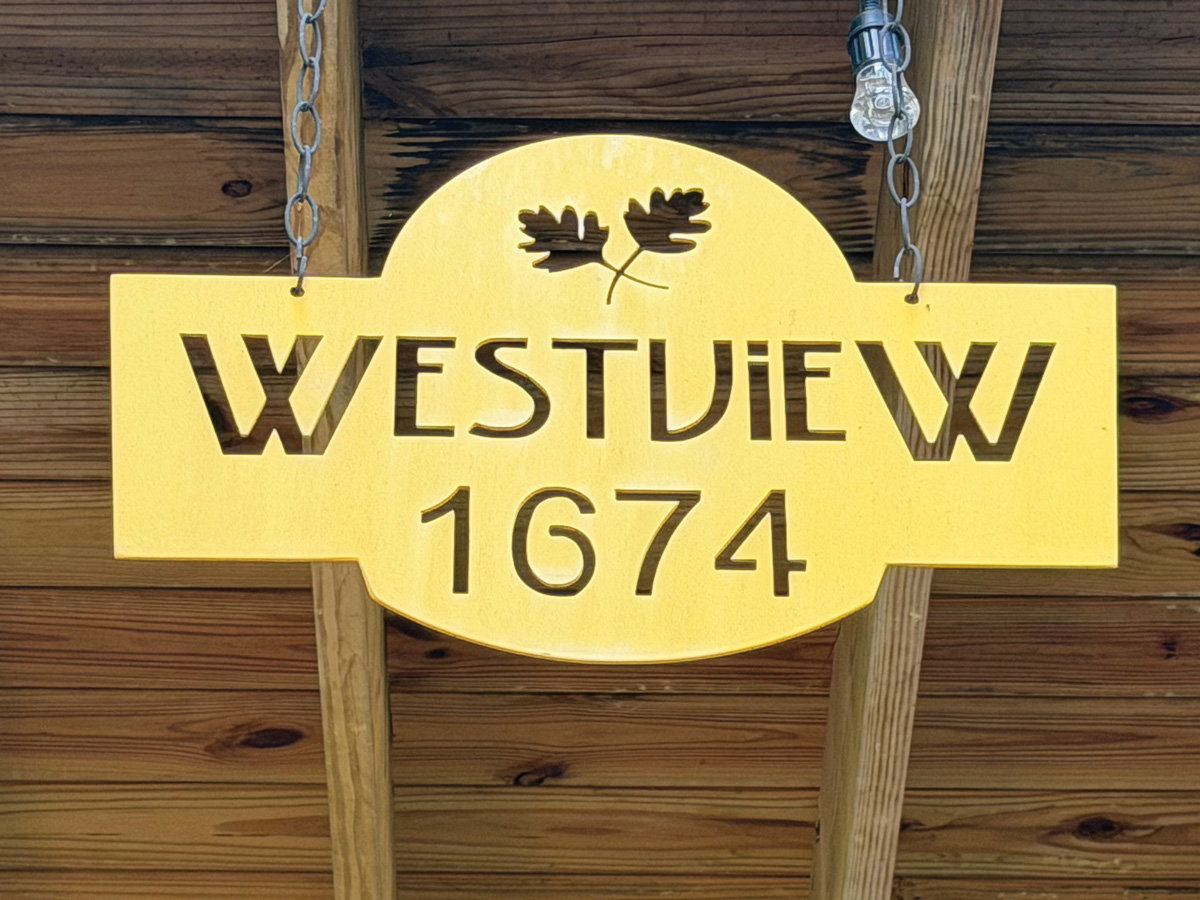
Courtesy of Westview Neighborhood Association
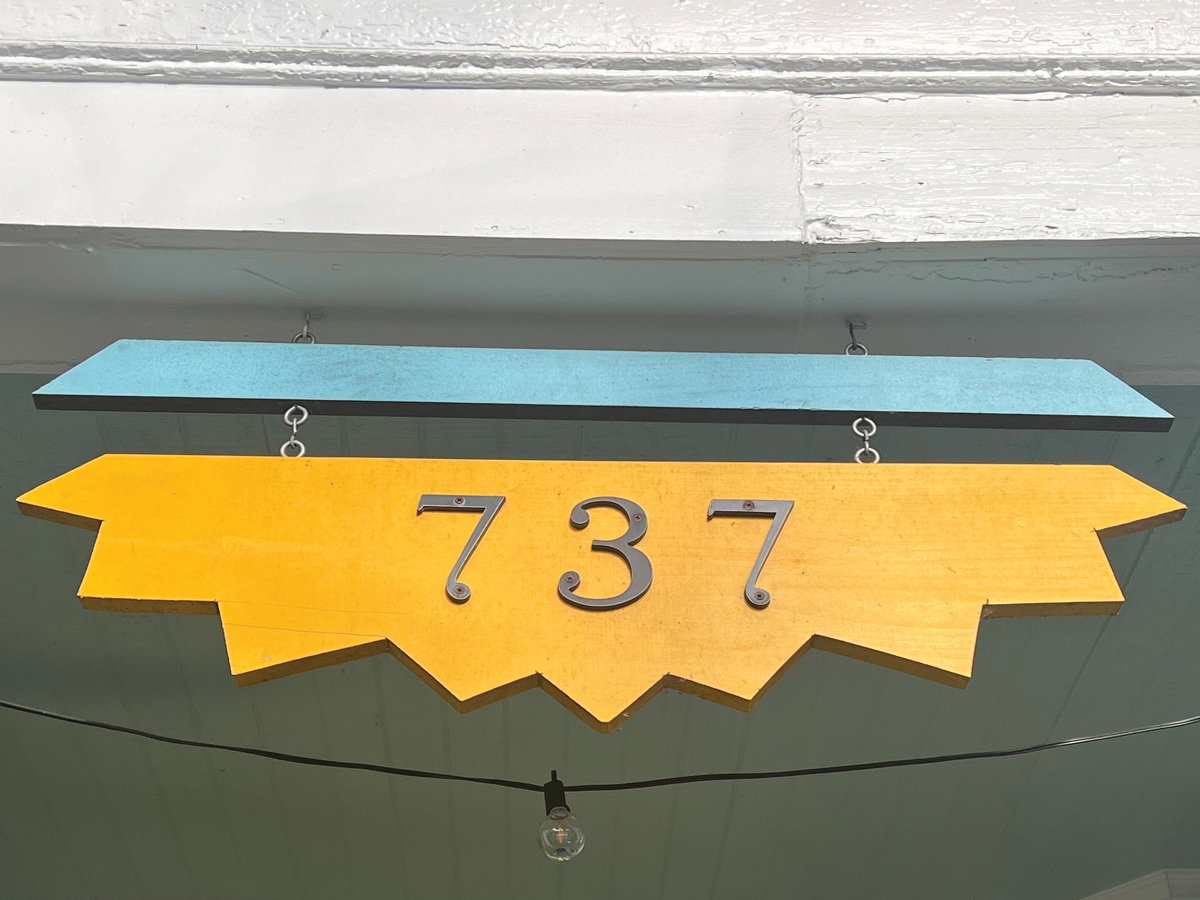
Courtesy of Grant Park Neighborhood Association
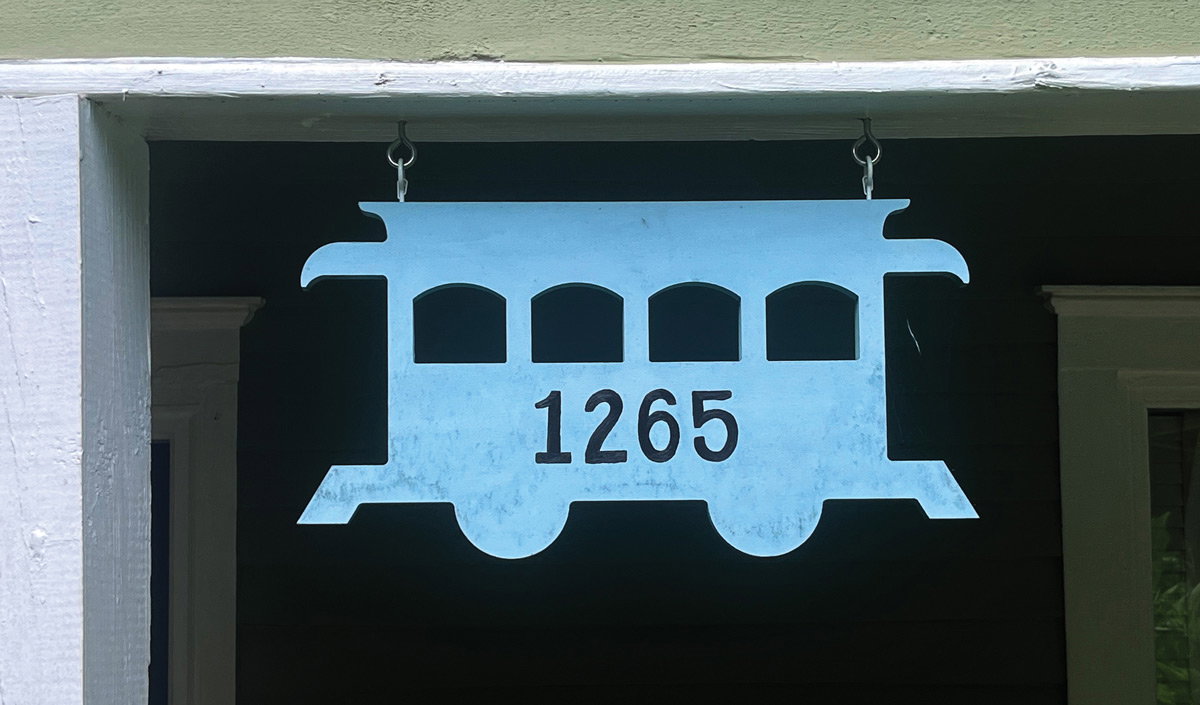
Ormewood Park Neighborhood Association
This article appears in our September 2026 issue.