



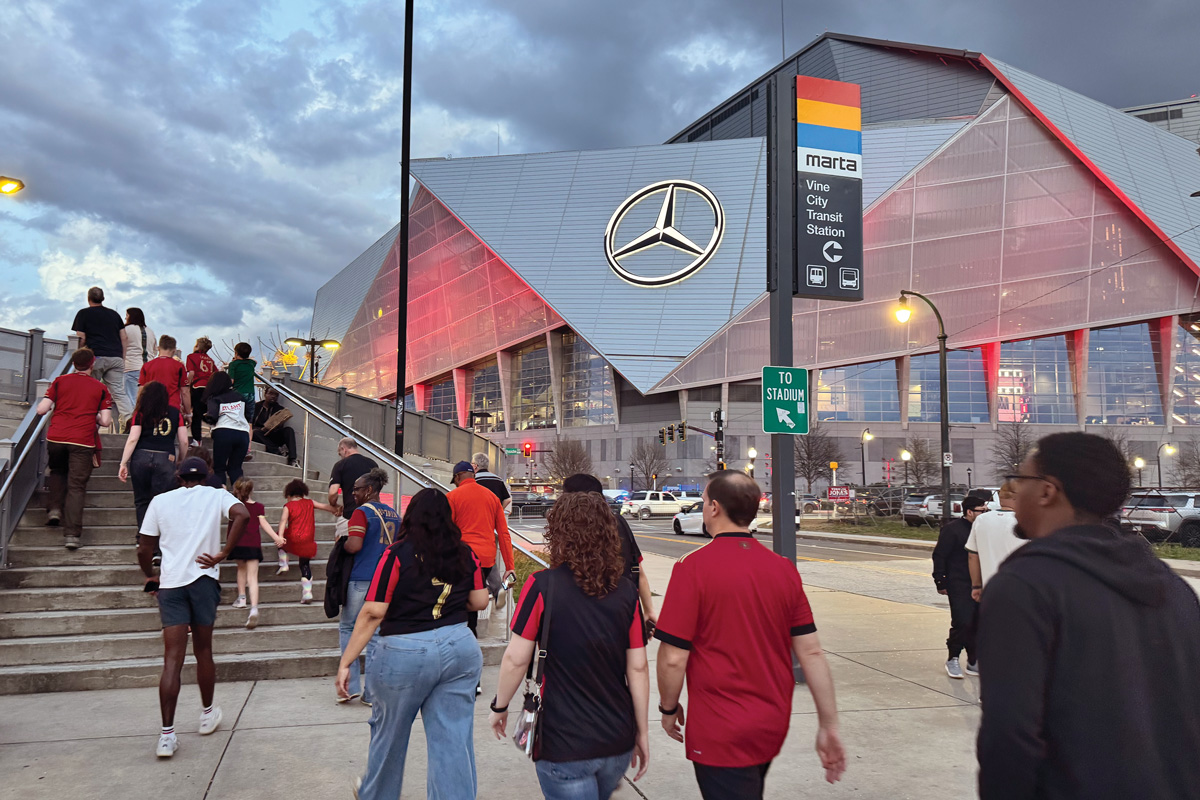
 Recall the 2019 Super Bowl in Atlanta. Traffic woes dominated local headlines, with MARTA receiving much of the blame. More than 100 bus drivers called out sick as part of an ongoing labor dispute, and even though rail-service usage surged, clogged downtown streets snarled MARTA’s street-level service (as seen in the Super Bowl’s most visible failure: streetcars stuck in car traffic).
This summer, prepare for the same super-sized crowds and traffic—and multiply it by eight. With the arrival of the FIFA World Cup 2026, the city’s transit authority faces 34 days of soccer madness with an estimated 500,000 international visitors. Is MARTA ready?
The agency’s deputy general manager Rhonda Allen says yes, though she admits, “It’s unprecedented, the number of riders we’re expecting.”
Allen oversees operations and led transit planning for the Super Bowl. For the World Cup, she will coordinate across agencies to align transit service with the city’s matchday logistics.
On a typical weekday, about 205,000 riders use MARTA. On matchdays, the agency expects an additional 45,000 riders. To handle it, MARTA is running its rail system more than Atlantans are used to. Trains will arrive as frequently as every five minutes—closer to the typical schedule of global transit than to Atlanta’s usual cadence of every 10 minutes during rush hours. Extra trains will be stashed on “pocket tracks,” for when crowds spike.
For the World Cup, Allen says MARTA’s crime units will operate from an off-site crime center with live camera feeds that allow officers to dispatch quickly if issues arrive. MARTA will also dispatch hundreds of additional volunteers to help visitors. Officials are tapping retirees and reassigning staff to bolster maintenance, security, and customer services.
Courtesy of MARTA
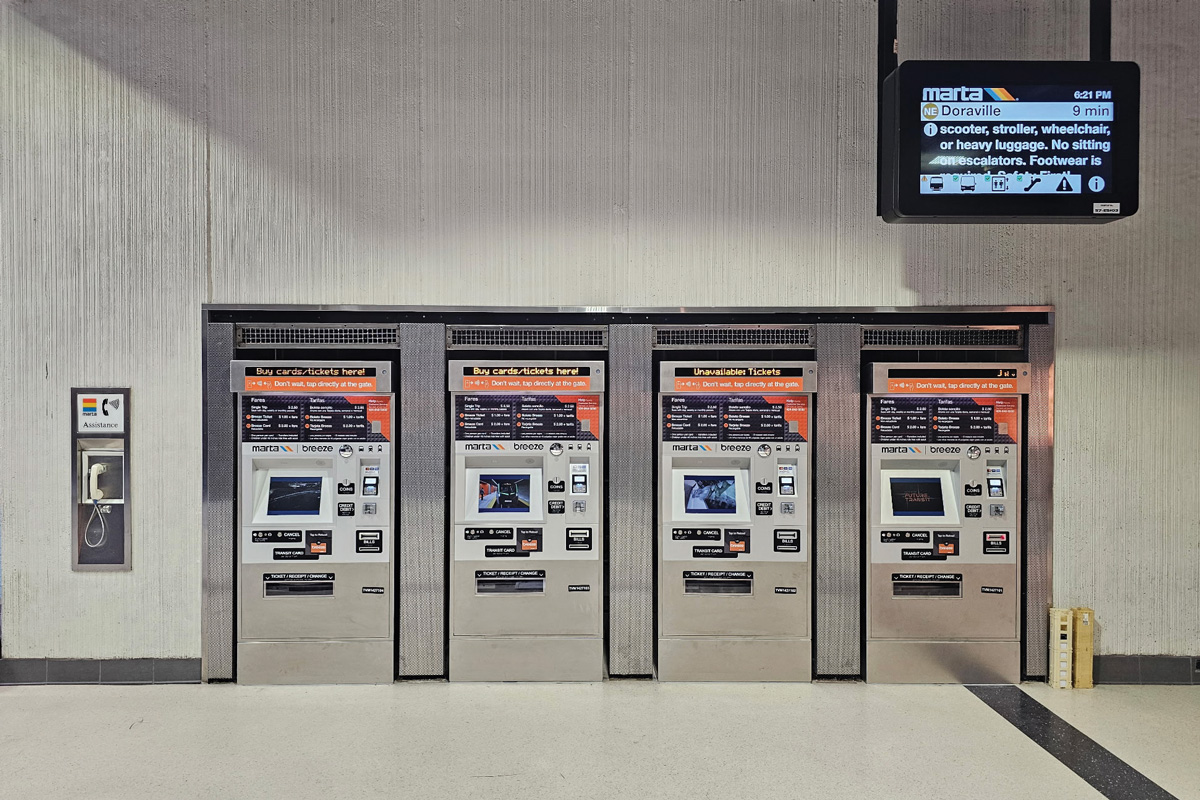
All of it comes as MARTA undergoes major changes: a redesigned bus network with new routes and more buses, a revamped fare system called Better Breeze that allows riders to tap credit cards directly at the gate, and the rollout of a fleet of 56 railcars. The new trains are expected to be in service ahead of the World Cup, featuring open gangways, onboard charging stations, and digital displays showing routes.
But even the best-laid plans will contend with street-level realities, as evidenced by 2019’s Super Bowl traffic troubles. Allen says MARTA is working with state and local traffic managers to prioritize buses and streetcars wherever possible to keep visitors moving when train stations are slammed. The transit network might be swamped, but it’ll still beat driving, she says: “There will be far fewer parking spaces than what you see during a normal event.”
Even longtime MARTA critics see reasons for optimism. “I have been impressed by how well MARTA has risen to the challenge for the biggest events,” says Darin Givens, cofounder of urbanist advocacy nonprofit ThreadATL, which has often criticized the agency’s long-term priorities—from its handling of the Five Points station overhaul to where it invests limited transit dollars.
Givens anticipates problems at the margins: A glitch or a late train could easily cause delays. “I expect there will be some problems here and there,” he says. “But I trust them to pull off a boost in service.”
Allen, for her part, hopes MARTA leaves a lasting impression, especially on Atlantans who don’t often ride. “The way we can change behavior is by giving them a great experience,” she says. If MARTA delivers during the World Cup, Allen hopes would-be riders think, Maybe I should try this Monday through Friday.
This article appears in our June 2026 issue.