


Photograph courtesy of Zoo Atlanta
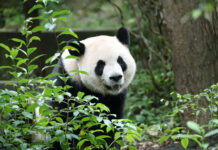
Elephants at Zoo Atlanta are locavores just like the rest of us. They may originate from Africa, but the trees in their diet come from just a few miles away thanks to a new partnership with the Atlanta Beltline.
As the Beltline prepares to open segments 2 and 3 of the Southside Trail—running 1.9 miles from west of I-75/85 to Boulevard—workers have been clearing trees and shrubs to pave future paths. Instead of just turning these plants into woodchips, they’ve been given a second life as food for animals at Zoo Atlanta. Known as browse, these fresh branches and leaves nourish animals across the zoo, from goats to giraffes.

Photograph courtesy of Zoo Atlanta
The project was a no-brainer for the Beltline to participate in. “Collaborating with the zoo this way helps us achieve our goal of sustainability,” says Kevin Burke, the Beltline’s director of design. “We’re providing food for the animals and bringing these two Atlanta organizations into a closer collaboration. The collaboration sold itself.”
The partnership started in September 2024 with contractor Reeves Young helping to clear the foliage over a six-week period. The zoo accepted deciduous hardwood trees like sweetgum and oak and particular shrubs, including hibiscus and Elaegnus—and even a few invasive species such as Chinese privet. “Most tree species we use can be fed to all animal departments, with a few exceptions,” say Jared Cinkaj and Kristen Mastalski, Zoo Atlanta Browse Team. While every animal has a preference, elm and mulberry trees are fan favorites.

Photograph courtesy of Zoo Atlanta
While most browse was fed within 24 hours of being cut, the zoo does have long-term storage options available. A large freezer kept the browse fresh as the winter months descended. But both the Beltline and the zoo want this to be an ongoing project. For his part, Burke plans to meet with other planners and architects to encourage them to conserve browse during their construction projects. The zoo will be ready.
“Our program thrives on partnerships like the one we have with Beltline,” say Cinkay and Nastalski. “Without the help of organizations like them donating browse, we wouldn’t be able to provide nearly as much browse and enrichment for the animals.”

Photograph courtesy of Zoo Atlanta