


Photography by Gregory Miller
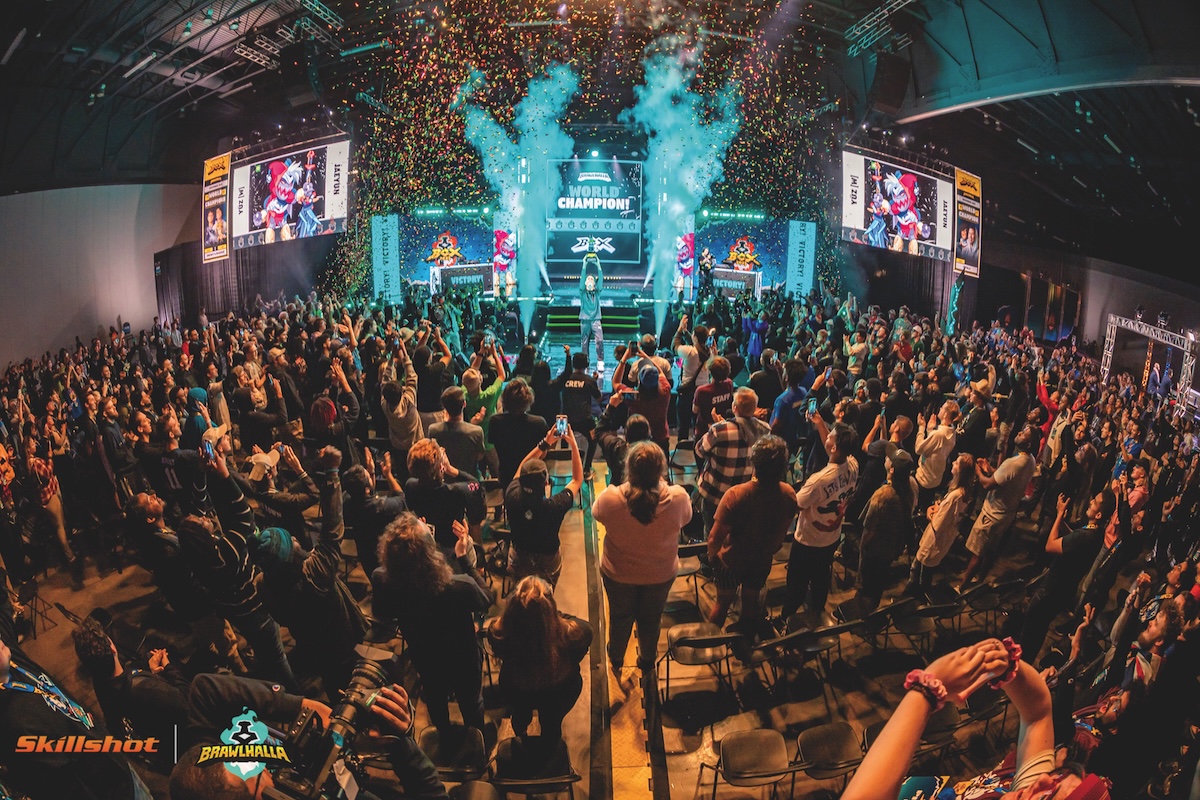
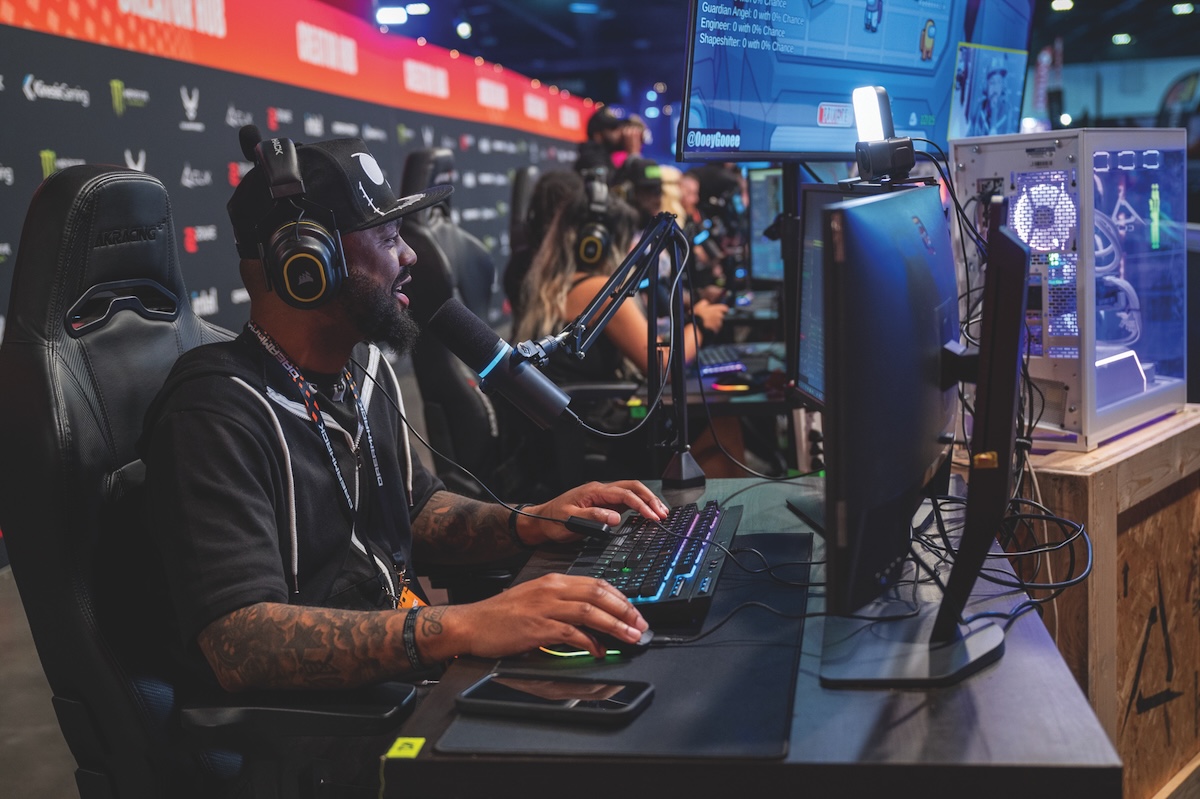
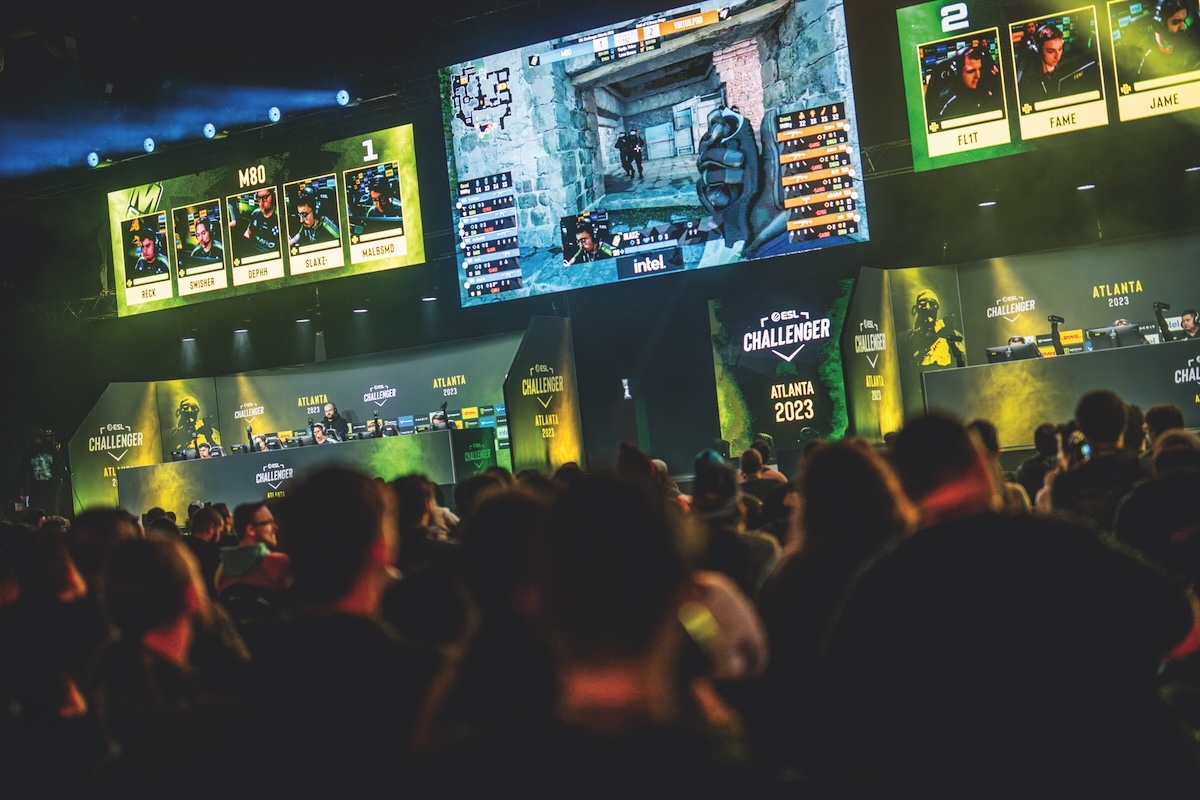
Atlanta has cemented itself as one of the top sports cities in the nation. The Braves, Falcons, and Hawks have called it home for more than a half-century, and the city has hosted numerous major sporting events, from Super Bowls and Final Fours to the recent College Football Playoff National Championship. Atlanta is also the epicenter of a competitive sport you might not know: esports. Each year, Atlanta hosts some of the biggest gaming and electronic sports events in the world, including DreamHack, the world’s largest digital festival, which draws nearly 40,000 esports enthusiasts to the Georgia World Congress Center every November.
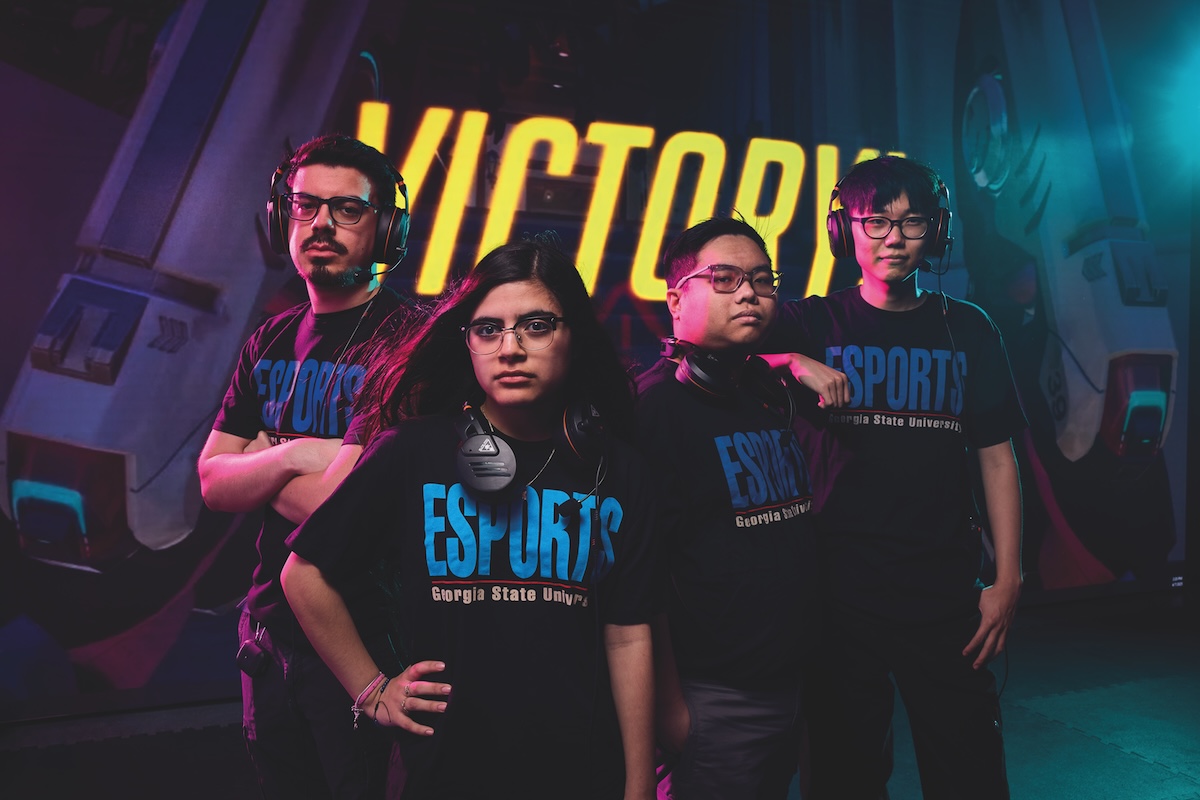
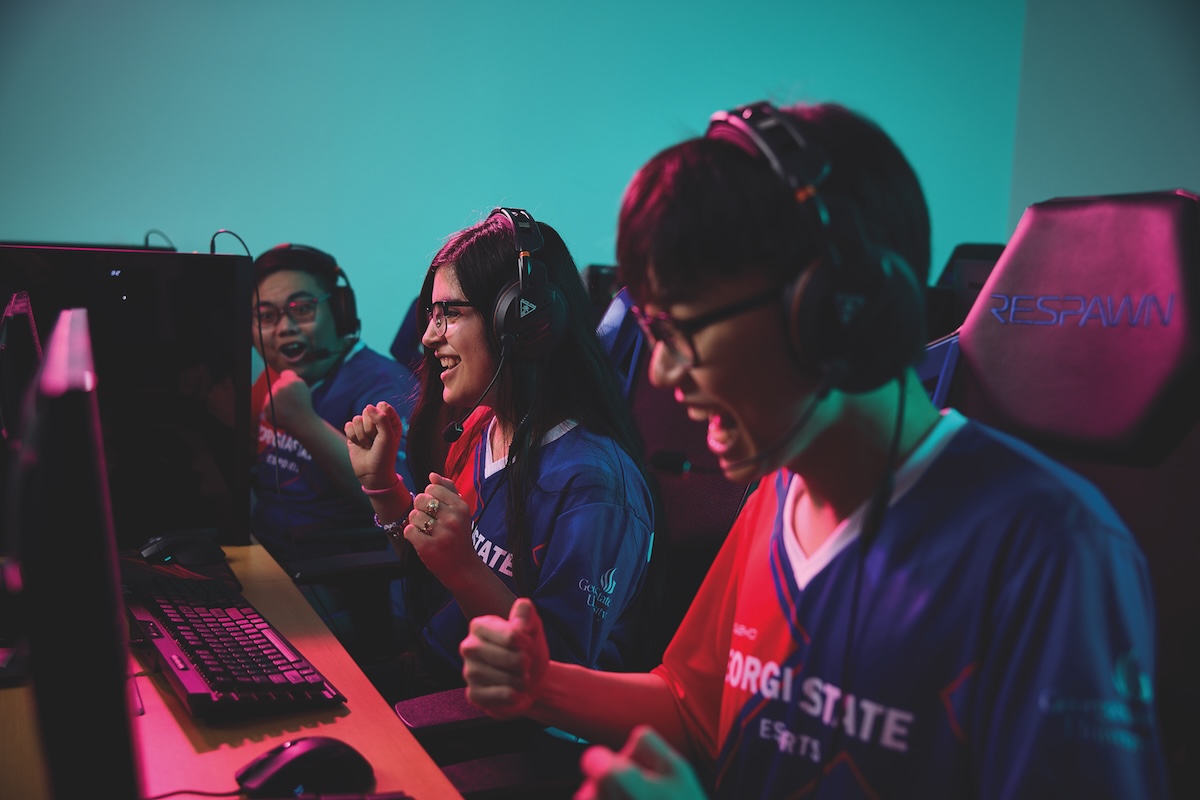
In addition, Georgia State University ranks among the top 10 college varsity esports programs in the country, with teams competing in a variety of games such as League of Legends and Overwatch 2. There are currently 15 esports athletes on scholarship at GSU, which has won three national championships in Smite, an online multiplayer battle game, since the program was founded in 2017.
“We were the first university in Georgia to offer any kind of varsity esports program,” says GSU Esports Program Coordinator Lucas Bailey. Esports at the collegiate level is still very young—the first program in the country was offered by Pennsylvania’s Robert Morris University in 2014. There are now more than 300 nationwide, says Bailey.
THE NEXT BIG THING
Brennen Dicker is the executive director of the Creative Media Industries Institute at Georgia State, where the university’s varsity esports program resides. His background is in film and television, but in 2016 he attended DreamHack for the first time. “I’d never seen anything like it before,” he says. “I’d been to plenty of live sporting events and even did some sports broadcasting in Chicago. But when I saw all these young people watching their favorite esports players on these giant screens, it dawned on me that this was going to be huge.”
Photography by Gregory Miller
As chair of the Atlanta Esports Alliance, a division of the Metro Atlanta Chamber, gaming industry veteran Todd Harris has had a front-row seat to watch the growth of esports over the past decade. “Atlanta is broadly recognized as the esports capital of the nation,” says Harris. In addition to hosting major gaming and esports events, the city is home to several global game publishers and esports team franchises, including the Atlanta FaZe and Ghost Gaming. Georgia was also one of the first states to recognize and support esports as sanctioned high school competitions.
“For years now, Atlanta has led in hosting large traditional sports events,” says Harris. “Now we’re leading in this new emerging area of esports. We’re super excited that these worlds are coming together.”
A GROWING INDUSTRY
According to the Georgia Game Developers Association (GGDA), there are currently 189 game companies employing more than 5,000 workers in Georgia. The gaming industry generates more than $550 million in annual gross revenue and has an overall statewide economic impact of more than $1 billion. Meanwhile, the global gaming industry tops $200 billion, making it the largest entertainment industry in the world. “This is bigger than the film, television, and music industries combined,” says Harris.
Photography by Gregory Miller
Andrew Greenberg, a veteran game developer and president of the GGDA, attributes much of Atlanta’s leadership in gaming and esports to the large presence of game developers, including Hi-Rez Studios and Ghost Launchpad, and esports production companies like Skillshot Media. “The state legislature was also very proactive when they included gaming in the Entertainment Industry Investment Act, which provides generous tax credits for video game development as well as film and television production,” Greenberg says.
In addition, Atlanta has long hosted huge events like Dragon Con and MomoCon, two of the world’s largest multimedia and pop culture conventions. It also boasts a strong technology infrastructure thanks to universities including GSU, Georgia Tech, Emory University, and SCAD.
“These schools had a lot of students who really wanted to participate in gaming and esports,” says Dicker. This interest led Harris and Greenberg to launch the Georgia Esports League (GEL) as a college esports property in 2017. The first GEL State Championship Finals were held in October of that year with college teams competing in Paladins and Brawlhalla, two popular games developed in Georgia. The University of Georgia took first place in both competitions while Kennesaw State University came in second.
Georgia’s Got Game
Esports and gaming have a huge impact on the state:
HISTORY OF GAMING
Esports has its origins in the original Atari video games of the 1970s, such as Pong, Tank, and Combat. “I remember our family getting our first Pong game, and it was fascinating,” says Dicker. “My friends and I lived at the video arcade just pouring quarters into video games.”
In 1980, Atari hosted the first Space Invaders Championship in New York City, attracting around 10,000 players. This competition is widely viewed as the precursor to today’s esports mega-competitions. “It showed that a lot of people would come together to watch organized video game competitions,” says Dicker.
Video games got more and more sophisticated throughout the ’80s and ’90s as computer speeds and capabilities advanced. When the internet and streaming came along in the 2000s, players could compete virtually without any physical boundaries. Ever-faster internet connections and platforms devoted to live-streaming esports like Twitch also played a part in ushering in the esports boom we’ve seen over the past two decades.
According to Bailey, esports really started taking off in the 2010s with online games like League of Legends and Overwatch. “These games were designed and formatted from the ground up to be played against others in esports competition,” he says. “Competitive esports teams, at both the professional and college levels, have naturally grown out of this.”
Not surprisingly, esports and gaming are dominated by young people. “Current estimates are that 85 percent of U.S. teens play video games and four in 10 consider themselves gamers,” says Bailey. “They not only enjoy playing games, but they also like watching really good players.” This is no different from traditional sports like tennis and golf. “People who play these sports like to watch the absolute best compete,” says Bailey.
CAREER OPPORTUNITIES
The career path for an aspiring young esports player is very different from most other athletes. “With esports, it’s much easier to compete directly against the world’s top players as an amateur and move your way up the ranking ladder,” Bailey explains. “If you’re that talented, you’re probably getting noticed, scouted, and recruited by professional teams before graduating high school.”
Most of GSU’s varsity esports players fall into one of two camps. “Most of them just enjoy playing,” says Bailey. “They’re very talented, but not at the level it takes to be a professional. And then there are others who want to make esports a career, but not necessarily as a player.”
Dicker compares the number of talented young gamers who become pros to the number of young basketball players who make it to the NBA. “It’s a tiny percentage and a very short career for those who do make it due to burnout and physical strain, especially repetitive strain injuries,” he says. “But there are a lot of other esports career paths these students can pursue.”
Harris tells students that while the chances of going pro and making big bucks as a gamer are very low, there are plenty of other career opportunities in esports. “There are a whole bunch of jobs supporting every LeBron James or Trae Young,” he says, referencing NBA superstars. These include coaches, agents, commentators, producers, referees, game designers, content creators, social media managers, and influencers. “We host events that help our students get experience in all aspects of esports so they can make connections that launch them into the job market,” says Bailey.
Greenberg believes that esports have paved the way for some students to pursue careers in IT, cybersecurity, game development, and other tech fields that otherwise may not have caught their attention. “Esports and game development go hand in hand,” he says. “Most of the people making games love playing them, and many players want to develop games. The growth trajectory is almost limitless.”
Meanwhile, most of the players who do make it to the pros probably don’t fit the common stereotype of a gamer. “These are real athletes,” says Dicker. “You have to be in great condition to play these games for eight to 10 hours a day.”
Courtesy of DreamHack Atlanta
Courtesy DreamHack
GAMING FOR GOOD
Harris has a vision and passion for esports that he calls “gaming for good.” “When done right, gaming and esports can help develop valuable skills and character traits in young people,” he says. “In the same way parents might send their kid to basketball camp knowing they probably won’t play in the NBA, parents can get kids involved in organized esports to help develop their discipline, social, communication, and emotional skills.”
“This [esports) is bigger than the film, television, and music industries combined.”
—Todd Harris
Georgia can lead the way forward in esports in two ways, says Harris: “First, by continuing to develop the esports ecosystem we’ve built, from middle school through high school, college, and professional.” The second way revolves around the business and economic model of esports.
Harris explains: “With traditional sports, the revenue model is something like 40 percent corporate sponsorships, 40 percent media and broadcast rights, and 20 percent tickets and merchandise. But most esports content is viewed for free, so broadcast isn’t part of the equation. This means we need some of the great corporations headquartered in Georgia to help sponsor and underwrite esports competitions.”
“Our goal,” says Greenberg, “is to make sure that Georgia remains a leader in what I believe will be the media of the 21st century.”