Dotted with coconut palms, Little Palm Island never has more than 60 guests at a time
Courtesy of Little Palm Island
IT’S SAID WE LIVE IN THE INFORMATION AGE. Some call it the Age of Artificial Intelligence. Whatever we name it, the “thing” at the center of this age, pulling each of us toward itself like an invisible magnet, is isolation—even when we’re one-half of a couple. We find ourselves sitting across tables from one another but scrolling on our phones. Exiting the front door as the other enters. Texting each other from across the house.
To find our way back to each other, we must fight this magnetic pull—and that sometimes requires dramatic steps. Like going together to a private island with no cars, no TVs in the rooms, and no kids allowed. Spending a few days on a beachside daybed overlooking the Atlantic. Sitting down to a sunset dinner at a candlelit table in the sand. Sleeping in a thatch-roof bungalow as crickets call out rhythmically into the night.
There’s only one private-resort island in the United States, and that’s Little Palm. A four-acre oasis in the Florida Keys, it is accessible only by boat or seaplane. It is not inexpensive—rates start at $2,500 per night—but it backs up its price with pretty hefty credentials: It’s Florida’s only Michelin Three-Key Resort and the state’s only Relais & Chateaux property, another accolade that means its culinary offerings match its top-tier accommodations.
Spa treatments include ritual bath experiences
Courtesy of Little Palm Island
Little Palm Island has been a private retreat since the 1950s, when it was purchased from a single owner by a company helmed by then-Key West Sheriff John Spottswood. The sheriff made the island his personal fishing camp, and when he later served as a United States senator, his political pals—including President Harry Truman—often visited him there.
In 1962, Warner Bros. selected the island to film PT 109, a wartime drama about President John F. Kennedy, who was piloting a PT-109 torpedo boat during World War II when it was struck by Japanese forces. Local lore has it that JFK’s father, Joseph Kennedy, decided that if his son ever traveled to the film set, he shouldn’t be bothered by the sound of generators. So that year, he arranged for electrical wires to be strung three-and-a-half miles to Little Palm Island from the nearest key. While the president never made it to the island powered in his honor, the photos from PT 109 adorning the resort’s dining room pay homage to this quirky bit of history.
Over the years, several hurricanes have bulldozed the Keys; that, in turn, has led to multimillion-dollar restorations on Little Palm that have kept the property at the top of Florida’s competitive luxury-resort landscape. The well-maintained bungalows feature bamboo vaulted ceilings and British West Indies–style decor (think four-poster beds draped in mosquito netting, woven rattan chairs, and palm prints). The bungalows’ outdoor spaces allow couples to relax in privacy, whether on decks with copper soaking tubs or on docks with lounge chairs overlooking the mangroves. Romance Suites have their own beach firepits, which the staff lights every night—the perfect setting for stargazing (a favorite pastime here, as there’s no light pollution).
While breakfasts and lunches on the island are casual, evening meals in The Dining Room are an elegant affair. Start with a Rum Runner at the open-air bar, then have a seat on the oceanfront veranda or at a table on the sand. Service is friendly but unintrusive so guests can enjoy quiet conversation and sunset views as they indulge in dishes like Hamachi crudo, watermelon gazpacho, and local Florida grouper.
For some, a stay on a private island needs only a pool, a cabana, and a book—and Little Palm has those (even the books, on loan). Others who prefer a bit of adventure will find plenty of options. Kayaks and stand-up paddleboards may be steered around the mangroves, where small lemon sharks wriggle past and great blue herons take flight. The island also has its own dive shop and arranges trips to nearby Looe Key Reef for scuba diving and snorkeling. Couples may also want to sail on the resort’s Boston Whalers to nearby sandbars, where it’s possible to wade in the turquoise waters for hours without seeing another soul.
A trip to Little Palm Island feels like a step toward intimacy—the very opposite of isolation. It’s a place to look the person we love in the eyes, talk to each other, and give each other the best gift any of us has: time. As we live our lives in this hectic world, going somewhere remote as a couple isn’t a mere luxury; it’s a way to protect what binds us.
Its 30 thatch-roof bungalows have island-chic decor
Getting there Fly to Key West, then take an Uber 30 miles to Little Torch Key. You’ll check in at the Shore Station, then board a boat for a 15-minute ride to the island.
Rates Two-night minimum stay; rates start at $2,500 per night.
Why it’s worth it It’s the only private-island resort in the United States and has a Swiss Family Robinson atmosphere—if the Robinsons were uberwealthy.
THE TROPICAL PARADISE of Costa Rica may seem a million miles away, but the truth is, the country’s natural wonders are astonishingly easy to visit. A four-hour direct flight on Delta takes you from Atlanta to Liberia in northwest Costa Rica. From there, it’s an hour to the breathtaking beaches of the Guanacaste coast, which dot a 400-mile stretch of the Pacific Ocean like jewels. There are myriad beaches worth a visit up and down the so-called Gold Coast, which range from surf-bum favorites like Tamarindo to the shell-covered stunner Conchal. But if you’re looking for natural beauty alongside unforgettable luxury hospitality, point your compass northwest toward the Papagayo Peninsula, where you’ll find a Four Seasons experience unlike any other.
Fifteen miles long and studded with seven beaches carved out among lush hillsides, this entire peninsula is dedicated to low-density, sustainable eco-tourism. Per Costa Rican law, 70 percent of its land must be preserved as green space, which means abundant native wildlife—from howler monkeys and giant spiny-tailed iguanas to the glamorous long-tailed motmot bird—can be spotted passing between old-growth mangroves and teak trees.
Wake up with a movement session at Four Seasons Peninsula Papagayo’s wellness shala, which offers spectacular panoramic views of the Pacific Ocean
Courtesy of Four Seasons Resort Peninsula Papagayo
The Four Seasons Resort Peninsula Papagayo, Costa Rica, the first resort to open here (in 2004), was designed to complement its wild surroundings. Costa Rican architect Ronald Zürcher Gurdián defied the Spanish colonial style popular among the country’s other luxury hotels of the era. Instead, he opted for an understated, nature-hued design that blends in with its surroundings to the point of being invisible: From afar, the entire resort seems to disappear into the peninsula’s thick greenery. (So committed was Gurdián to this effort, he told Architectural Digest, that he scooped up a sample of peninsular dirt and sent it to the paint factory to make sure the building exteriors matched sufficiently.)
Such harmonic design extends to the accommodations, which are utterly private, opening onto peaceful ocean views bordered by natural greenery. That’s true whether you’ve booked a basic room (they start at $1,200) or something more: The resort offers larger rooms with amenities such as plunge pools and outdoor showers, as well as multiroom residences and entire villas adjacent to the main property that have access to the full resort (up to $30,000 a night).
If you’ve come for a romantic getaway, you don’t have to look much further than an evening stroll on the beach: The Guanacaste coast boasts some of the world’s most spectacular sunsets. That said, Four Seasons offers other ways to slow down and reconnect with each other.
In the evening, reconnect with a bespoke three-course beachfront dinner while taking in a Costa Rican sunset
Courtesy of Four Seasons Resort Peninsula Papagayo
Opt for a “Perfect Day for Two,” in which the concierge staff creates a custom itinerary based on your preferences. Start the morning at the wellness shala: A yogi’s dream, this beautiful open-air studio is positioned on one of the peninsula’s highest hills and boasts nearly 360-degree views of the ocean below. As you sweat it out on your mat, look for surprise guests, whether it’s geckos climbing the blond wood columns or a black hawk landing on a nearby branch. Then take breakfast on the Bahia restaurant patio, where in the trees above, handsome blue magpie jays show off their impressive head plumage (be warned, it’s a distraction to try to steal your breakfast).
From there, options abound. Costa Rica offers endless beauty and adventure, and the Four Seasons can deliver almost any experience, whether it’s kayaking through nearby mangrove forests, learning to make handmade chocolate from native cacao, or cruising by boat to a surfing lesson at nearby Santa Rosa. In the afternoon, try a Rainforest couple’s massage at the spa, or explore more bespoke treatment options inspired by the local ecology, such as a volcanic mud mask sourced from nearby Arenal.
For dinner, stroll down to the Virador Beach Club, arguably the resort’s best restaurant, with a casual, oceanside vibe. Chef Khaled Natour’s Middle Eastern and Mediterranean menu is a bold choice for Costa Rica (land of arroz y frijoles and superlative tropical fruit), but he’ll win you over easily with classics such as creamy red-pepper muhammara spread and a simmering kofta bil forn (spiced meat casserole). Some dishes, like the peppery sea bass carpaccio and snapper Marrakech, make excellent use of Costa Rica’s plentiful local seafood.
If you want to take your romantic voyage to the next level, however, indulge in a “Virador Sunset Experience,” which is so much more than supper on the beach. Beneath a canopy of bistro lights, surrounded by flowers and candles, you’ll recline on pillows while lingering over a three-course meal. Take in the sunset over the ocean, the shore birds settling in for the night, and even—if you’re extra lucky—the baby turtles hatching from the sand and finding their way to the sea. You won’t connect only with each other: You’ll connect with Costa Rica’s pura vida energy, at once peaceful and wild, which makes this country so special.
Getting there Fly to Liberia Guanacaste Airport, then rent a car or arrange Four Seasons transport; travel time to the resort is about 45 minutes.
Rates Start at $1,200 per night.
Why it’s worth it Spend your days immersed in the beauty of one of the most biodiverse countries on earth, then dream about it all night from your famously comfortable Four Seasons bed.
Have kids? No problem. Don’t despair: Romance is possible even on a family trip. Four Seasons’ masterstroke may be paying thoughtful attention to its youngest guests while giving parents time to themselves. For younger kids, the property boasts an unreasonably fun play space, full of whimsical nooks and stocked with toys galore, where kids ages four and up can be dropped off to play under the supervision of staff childcare providers. There’s also a teen clubhouse, Tuanis (that’s “cool” in Costa Rican slang, but your teenager totally already knew that). New this year is nearby Papagayo Park, a 10-minute shuttle bus from the resort: It’s a water park, skate park, art classroom, and play zone, all rolled into one, with ice cream and lunch spots (plus copious free sunscreen). For a night out, you can also hire a Four Seasons–staffed babysitter, who can come directly to your room.
Noah Fearnley plays Carolyn Bessette’s boyfriend Michael Bergin on FX’s series Love Story.
Courtesy of FX
Noah Fearnley, who just wrapped a shoot in Atlanta, played Carolyn Bessette’s boyfriend Michael Bergin in the hit FX anthology series Love Story. Here, he shares the Southern cities he enjoys visiting.
What’s your favorite travel destination in the South? Tampa! I got hurt playing college football at Endicott College, and my dreams were crushed into a million pieces. I transferred to the University of Tampa because I was offered a lacrosse scholarship, and I ended up loving it. I’ve moved around a lot in my life: Connecticut, New York, Boston, Miami, and now Los Angeles. And I think Tampa is one of the greatest places in the country. It’s so beautiful, and the weather is so perfect that people don’t even look down at their phones. I’ve actually thought about moving back.
What’s your Tampa highlight? The Riverwalk. It’s a miles-long trail along the Hillsborough River with lots of restaurants and shops. I love being near water. My highlight was always Gasparilla, which is basically a parade of pirates. A massive pirate ship arrives, and thousands of people come out to celebrate and have all these festivities. It’s always a fun party. If you’re in the area, you go.
What other places in the South stand out? I just finished shooting a movie in Atlanta, and it was my first time there! We filmed in Brookhaven, Dunwoody, Decatur, and Gresham Park. North Atlanta reminded me of a mini L.A.—there’s a big-city vibe, except it’s more condensed and a bit rural.
Overall, what do you love about the South? There is a kindness among the locals, like 24/7. I also love the chill slowness compared to L.A. and New York. My stress level comes down, like, five notches.
The First African Baptist Church on Cumberland Island entered the public consciousness when John F. Kennedy Jr. and Carolyn Bessette were married there in the fall of 1996.
Photograph by Denis Reggie
“How many dwellings were constructed is not known, however a log building that served as both church and school was constructed in 1893 on two adjoining lots designated as church lots in a plat of the area. The present First African Baptist Church stands on the same property. Little is known of these first residences, all of which have disappeared.”
—National Register of Historic Places Inventory, 1978
THE WOODEN STEPS HAVE BEEN REPLACED, but the windows remain painted over, and the small cross made of sticks and twine still rests discreetly on the altar, a little off plumb. In this tiny chapel on the north end of Georgia’s largest barrier island, there’s no running water or electricity; just 10 simple pews and a delicate arch cut into the white weatherboard siding. The doors creak when they open.
Thirty years ago, only a handful of people knew the First African Baptist Church on Cumberland Island existed. Those who did probably either lived or worked on the island (whose year-round population is still fewer than 40 people). Then came the fall 1996 photo—her gloved hand outstretched, him kissing it, both newlyweds beaming in the candlelit doorway—and the tabloid feeding frenzy the couple never fully escaped. The entire world focused its gaze on First African Baptist and Cumberland Island because both places were now connected to them: John F. Kennedy Jr. and Carolyn Bessette-Kennedy, the brightest and most reluctant stars in the ’90s parasocial firmament.
Originally constructed in 1893, the First African Baptist Church was rebuilt in 1937 in a Gullah Geechee village. It has no air conditioning or electricity and only 10 pews.
Photograph by Andrew Cebulka
That reluctance informs much of Love Story, Ryan Murphy’s 2026 multipart TV drama, which reimagines the couple’s relationship before they died in a tragic 1999 plane crash off Martha’s Vineyard, along with Carolyn’s sister Lauren Bessette. It is the most-watched limited series in FX history, with more than 65 million global streaming hours. Predictably, the show has reanimated the media’s obsession with the Kennedys, spawning gauzy listicles on everything from John’s headbands to Carolyn’s favorite shade of lipstick. Some critics have praised the show for its nuance and sensitivity. Others have panned it as a “forgettable elegy for Gen X.” The surviving Kennedys, who weren’t consulted for the show, aren’t happy about any of it—Jack Schlossberg, John’s nephew, called it a “grotesque display.”
So, as I stand under the chapel’s red tin roof on a rainy morning, I’m thinking about what we remember, what we forget, and what endures either way. I am also thinking about the meaning, the fascination, and the nostalgia this church holds for thousands of people who have never been here—not because of the hands that built it, but because of a single flashbulb moment. How it lit a screen onto which the world projected its fantasies and fairy tales.
Up ahead, several members of a tour group mull over the show’s plot points, some of which are accurate, many of which are not. (The wedding episode wasn’t filmed here, but in a replica chapel the crew built in upstate New York.) Did the couple wake up on the beach the day of the wedding? (No. They stayed in separate private houses before moving to the island’s only hotel, Greyfield Inn.) Was John late to the ceremony? (Yes, he forgot his father’s cuff links.) What about Carolyn’s difficulty with her famous slip dress? (The designer, Narciso Rodriguez, slid it over her head using a silk scarf to avoid disrupting her makeup. To borrow a phrase from local tour guide Jona Kennison, “Y’all, to try to put on a slip dress is like trying to put on a wet bathing suit.”)
This is what we do to celebrities—what we’ve always done, and what we can’t help but do—we make them into paper dolls we can cut out and carry with us. And it is what we have always done to the Kennedys, from the most superficial details of their lives to the most unspeakable losses, whether they participated in their own celebrity or not.
Which brings us to what we remember: The wedding. The photo. The cover of People magazine. An event that required a level of discretion unprecedented for the time. John’s assistant, RoseMarie Terenzio, printed the programs after hours at the offices of George magazine; the food and wine were shipped to the island under secret names. The 40 guests didn’t know where they were going until they arrived at the dock in nearby St. Mary’s and were ferried nearly two miles across an intracoastal waterway.
The person most responsible for the wedding’s success was John’s friend, the artist and jewelry designer Gogo Ferguson. Ferguson is the great-great-granddaughter of industrialist Thomas Carnegie (the younger brother of Andrew Carnegie) and his wife, Lucy, who once owned 90 percent of the island. As Gogo explained to one of John’s biographers in 2021, “The only gift we could actually give them is their privacy.”
“She kept it quiet, and she didn’t even tell me,” Gogo’s brother, Jamie Ferguson, told me recently. “But as soon as word got out, there were helicopters. It was crazy.”
Jamie smiled patiently when I asked him about the occasion. He wasn’t on the island for the wedding, but even if he had been, the family has generally agreed not to talk about it. “I seek out ignorance,” he said about that particular topic. “And if I don’t seek it, it’s there kind of naturally.”
Indeed. For a place that has been occupied for at least 4,000 years—first by the Timucua and other Indigenous peoples, then by the Spanish, the French, the British, and the Gullah Geechee—one wedding is the blink of an eye.
• • •
If you are looking for privacy, Cumberland Island remains one of the only places where you can find it. Despite being larger than Manhattan, it has never been commercially developed. There are no golf courses, condos, shops, or restaurants. There are no bridges to the mainland and no paved roads. The only way to get here is via boat or private plane. When Congress designated the island a national seashore in 1972, the National Park Service capped the number of visitors at 300 a day; it typically receives less than 60,000 a year. (To put that in perspective, Amelia Island, just south of Cumberland, gets more than 1 million visitors, and Jekyll Island, to the north, welcomes more than three times that.)
Overnight visitors have two types of lodging options: campground sites, which require permits and reservations, or the aforementioned Greyfield Inn, which accommodates 32 guests at a time. With its moody private library and candlelit multicourse dinners, Greyfield is as beautifully appointed as you could ask for—maybe even more so, as there are no TVs or Wi-Fi. According to Ava Ferguson, Jamie’s daughter and the inn’s current manager, there never will be. “It’s just so different from the rest of the world,” she tells me, “and I think people can feel that as soon as they step off the boat.”
You are more likely to encounter wild horses or armadillos on the forest paths of Cumberland than you are other people. Traveling here is like cutting a cord; whatever happens in the rest of the world stays there. “The island teaches you the value of patience,” Sam Candler, a Cumberland landowner and the great-great-grandson of Coca-Cola founder Asa Candler, told The New Yorker’s John McPhee in 1971. “The sea oats come back. Dunes that are washed down will return. You’ve got to have some places that are hard to get to.”
The library contains century-old books
Photograph by Peter Frank Edwards
Rooms have antique furnishings but no televisions
Photograph by Peter Frank Edwards
Greyfield’s guests enjoy meals incorporating produce from the inn’s garden
Courtesy of Greyfield Inn
All of that is by design, because the modern history of Cumberland Island is also the history of extraordinary privilege. During the 1880s, it became a favored retreat for the titans of the Gilded Age, most notably the Carnegies, who built lavish mansions among the live oaks. The largest, Dungeness, rambled over 36,000 square feet before it burned down in 1959, leaving behind an eerie skeleton of ruins.
Two Carnegie mansions are still very much intact and open to the public. They rise, Brigadoon-like, from the green shade. When Thomas Carnegie died at the age of 43 in 1886, his widow, Lucy Carnegie, consolidated her husband’s landholdings and bought up almost everything else, effectively turning the island into her own private empire. She built a staggering estate for each of her children, in hopes they would stay close. The first, Plum Orchard (22,000 square feet), was built for her son George in 1898. The second, Greyfield (15,000 square feet and now the Greyfield Inn), was built for her daughter Margaret in 1900.
The Kennedys could have been married in either of these places (or at High Point, the 1,000-acre Candler compound on the island’s northern tip). All would have been easier than putting, say, Ted Kennedy and Christiane Amanpour in pickup trucks with Chippendale chairs in the back and shuttling them to a church almost 20 miles north of Greyfield. The bumpy journey took them along sand-lane roads, over several rickety bridges, across swamps and salt marshes, through a tunnel of live oaks and cat palms to a wooden chapel at the center of a vanished community.
So, why this church?
That’s the story the tabloids didn’t tell. That’s the part we forget.
• • •
It’s still raining when I wrap a green poncho around my shoulders and step outside, into a muddy clearing surrounded by a few garden plots and former animal pens. These are the last remnants of the village once known as the Settlement, which was established by formerly enslaved Gullah Geechee people after the Civil War. Built in 1937, this building is not the original First African Baptist Church—that was a rough-hewn log cabin erected on the same site in 1893, which eventually crumbled.
The church’s roots can be traced to the late 18th century, to Catherine “Caty” Greene-Miller, the widow of Revolutionary War general Nathanael Greene, and her second husband, Phineas Miller, who transformed Cumberland from a strategic military outpost into a sprawling Sea Island cotton plantation. Other plantations followed, all worked by enslaved people. By 1861, Cumberland’s population had swelled to more than 500 residents, at least 400 of whom were Black. They spoke their own language, later known as Gullah or Geechee, and retained their African ancestors’ spiritual practices as best they could, gathering in small cabins known as “praise houses” and cloaking their rituals in Christian symbols. Many either fled Cumberland or were displaced when Union forces occupied nearby Fernandina, Florida, in 1862.
What little we know of their lives, we know because of figures like Primus Mitchell, who was born into slavery on Cumberland’s Rayfield Plantation sometime around 1825. He was nine years old when he, his sister Judah, and 51 other enslaved Gullah Geechee people were sold to the island’s wealthiest planter, Robert Stafford. According to historian Mary Bullard, Judah was likely the mother of at least two of Stafford’s children.
Primus appears to have been highly devout and worshipped at a community church two miles north of Stafford’s plantation. At least once during the Civil War, he had the opportunity to leave Cumberland and didn’t, even as Confederate raiders roamed the island, and the rest of his family had to flee. “I think Mitchell considered the old church his responsibility and tried to protect it,” Bullard writes in Cumberland Island: A History.
The ruins of Dungeness, which burned under suspicious circumstances in 1959
Photograph by Getty Images
Between 1862 and 1864, Mitchell did leave—or was forced to. He served on two Confederate warships before Emancipation. After, he fought for the Union aboard at least two other ships. But Mitchell returned to Cumberland in 1874. Letters and archival documents refer to him as an exhorter, or lay preacher, who blended Baptist Christian doctrine with his own charms and divinations. “This journey from and back to the island tells me that he was a man that took the Exodus to freedom that he was aware of from the Bible,” Marquetta Goodwine—who, in 2002, was elected Queen Quet, chieftess of the Gullah Geechee Nation—explained to me recently. “However, he may have found that going out into the rest of the area was not the ‘Promised Land’ that he expected.”
By then, only a handful of Mitchell’s fellow freedmen were left on Cumberland, and many were tenant farmers in a community they called Brick Hill. They didn’t stay there long. Within a few years, their White landlord, Silas Fordham, kicked them all out, hoping to sell his holdings to the new generation of wealthy White industrialists.
They moved farther north and paid $16 each for lots 50 feet long and 100 feet wide. On this five-acre tract, they raised hogs and chickens and grew corn, melon, and okra. Some worked for what was then the High Point Hotel. Thus, the Settlement was born.
But it had no church, which Primus desperately wanted. “As his cultural world crumbled around him,” Bullard writes, “Primus struggled even harder to uphold his religious values.”
So imagine what it must have meant to him in 1893, when he and his sons-in-law scraped together the money to buy two lots for a new chapel, which they built from scavenged logs and timber. To know, after a lifetime of displacement, that he and his neighbors could worship as they wished on land no one could take from them.
Wild horses roam free on the island
Photograph by Getty Images
Primus died in 1917. By the 1930s, the original First African Baptist was crumbling. Its pastor, Reverend L.S. Morrison, was a Jamaican immigrant who married a Gullah Geechee woman from Florida. Morrison and his congregation designed and built the current First African Baptist with wood repurposed from a house razed in nearby High Point.
Which is how we arrive at the answer to the question: Why this church?
Because of April 4, 1968. The day Martin Luther King Jr. was assassinated in Memphis. Then-presidential candidate Robert F. Kennedy delivered one of his most famous and passionate speeches to a mostly African American crowd in Indianapolis, urging all his fellow citizens to turn back the cresting wave of hatred that threatened to engulf them. Three months later, he, too, would be dead—shot in the kitchen of the Ambassador Hotel in Los Angeles. According to a story his nephew John F. Kennedy Jr. was told years after, the people of Cumberland Island gathered at First African Baptist to remember him.
That’s why this church meant something to John.
Is that story about the church gathering true? We don’t know. The recorded history of the Settlement began to fade in the mid-20th centuryas its residents either died or moved to the mainland. Some people’s lives are exhaustively chronicled; others dissolve from the ledgers.
So, if you arrived from the mainland, as I did, knowing very little about this place or this church beyond the two famous people once captured in its doorway, remember all the people who passed through that doorway before them, and the ones who came after. After nearly a century of quiet obscurity, punctuated by one moment of dizzying fame, this old church remains.
Built in 1900, the Greyfield Inn is where John F. Kennedy Jr. and Carolyn Bessette-Kennedy spent their first night as a married couple
Getting there Fly to either Brunswick, Georgia, or Jacksonville, Florida, then take one of two ferries to Cumberland Island. The first runs from the visitor center in downtown St. Mary’s, Georgia, and the second, which is reserved for guests of Greyfield Inn, departs from the dock in Fernandina Beach, Florida. Both require reservations in advance.
Where to Stay Greyfield Inn. Room rates include overnight parking in Fernandina Beach, private ferry to and from Cumberland Island, all meals, pantry snacks, guided tours, and the use of bicycles and kayaks (dinner wine pairings and use of the inn’s honor bar are additional). Rates begin at $995 per night; a two-night minimum stay is required.
Worth Noting Cell reception is very limited on the island, and there is no Wi-Fi at the inn, but landlines and office internet are available for emergencies.
Don’t Miss While it is possible to see First African Baptist Church via bicycle, the ride is very long (almost 20 miles from the inn, one way) and winds through rough terrain. The best way to visit it is on Greyfield’s North End Natural & Cultural History Tour (four hours, lunch included, reserved for Greyfield guests) or the Land & Legacies Tour ($65, five to six hours, open to the general public).
Bobby Rearden, Charlie Shaffer, Charlie Battle, Linda Stephenson, Tim Christian, Horace Sibley, Ginger Watkins, Andrew Young, and Billy Payne walk the “first lap” of the 1996 Olympics
Illustration by Brad Copeland
Billy Payne and his wife, Martha, watched the 2026 Winter Olympics last February with a perspective few others share. “We were sitting there saying, ‘Do you remember doing this?’” Payne says, “and ‘Can you imagine how nervous these people are?’”
It’s been 30 years since Payne presided over the 1996 Atlanta Olympic Games. “Coming out of the blue, a relatively unknown city of the American South, the way we introduced our wonderful city to the world and the way people did it passionately is really the grandest and greatest memory that I continue to have,” Payne says.
He hatched his idea for Atlanta’s Olympic bid in 1987, enlisting Mayor Andrew Young and a core group of friends and fundraisers who became known as the Atlanta Nine to travel the world winning over members of the International Olympic Committee (IOC).
One of those nine was Horace Sibley. “The Atlanta press called us the ‘Crazy Atlanta Nine’ because victory was thought to be so improbable,” he says.
At the 1996 Olympics Closing Ceremony: Charlie Shaffer, Linda Stephenson, Tim Christian, Ginger Watkins, Billy Payne, Horace Sibley, Andrew Young, Charlie Battle, Bobby Rearden, Cindy Fowler, and Peter Candler
Courtesy of the Kenan Research Center at the Atlanta History Center
A party celebrating the 35th anniversary of Atlanta winning the vote to host the Games: (front row) Bill Fowler, Cindy Fowler, Andrew Young, Billy Payne, Martha Payne, Shannon Candler, Peter Candler; (second row) Kay Lee, Charlie Battle, Susan Watson, Linda Stephenson, Lola Battle; (third row) Jane Steward, Nancy Thomas, Harry Shuman, Sandy Jernigan, George Hirthler, Ralph Jernigan; (fourth row) Ross Henderson, Mason Stephenson, Mike Plant, Mary Plant; (fifth row) Jeff Cravens, Cathy Cravens, Victor Rodriguez
Photograph by Dave Dawson
Athens, Greece, was the front-runner to host the Centennial Olympic Games, with Belgrade, Yugoslavia; Birmingham, England; Melbourne, Australia; and Toronto, Canada, also bidding. It ultimately came down to Atlanta and Athens, and Georgia’s capital city emerged victorious.
Young says that while Atlanta always aimed to be world class—even building the world’s biggest airport terminal in 1980—it took the Olympics to solidify its place on the global stage. “I think Atlanta hosting the Games made us truly an international city,” he says.
Susan Watson, who worked in hospitality for the bid, has been instrumental in organizing Olympic anniversary events, plus smaller reunions for the bid team, including one last September at her home to commemorate 35 years since the historic vote. “When we see each other, it’s like old home week,” says former Atlanta mayor Shirley Franklin, who worked as a policy advisor for the bid. “We have so many fond memories.”
The tight-knit group has lost three of the Nine: Bobby Rearden in 2015, Charlie Shaffer in 2021, and Tim Christian in 2024. But their contributions to pulling off an upset of Olympian proportions will never be forgotten. “If you’re fortunate to have wonderful family and friends who also happen to be immensely talented, then you can make any dream come true,” Payne says. “And that kind of sums up the Atlanta Games.”
Billy Payne lights the Olympic torch from the original Athens flame presented by the Greek High Priestess Maria Pambouki
Photograph by J.D. Cuban
Payne in a recent photo
Photograph courtesy of Billy Payne
Billy Payne
Then: Bid committee founder, Atlanta Committee for the Olympic Games president and CEO Now: Real estate executive and philanthropist
It’s part of Olympic lore: After completing a 1987 fundraising effort for St. Luke’s Presbyterian Church in Dunwoody, Payne, a real estate attorney, was looking for another challenge. “It was a crazy idea that I had on a Sunday afternoon that for some unknown reason resulted ultimately in the Centennial Olympic Games,” says Payne, now 78.
Actually, the reasons are multifold. Payne, a former All-American football player for the University of Georgia, knew how to put together a winning team. He also had the tenacity to become the first bid chief to lead an organizing committee, the Atlanta Committee for the Olympic Games.
He says he shares the credit with not only his team, but also the locals who got behind their efforts. “I’m grateful that throughout the bidding process and the Games themselves, Atlantans and Georgians made significant sacrifices to make it all happen,” he says.
After the Olympics, Payne, who calls himself a “4:00-in-the-morning-in-the-office guy, and I’m having a hard time breaking that habit even now,” hit the snooze button. “I’m not sure how many consecutive days I slept or didn’t get out of bed, but it was a bunch,” says Payne, who lives with his wife Martha in North Buckhead. “I think the first conscious thought I had was that it’s time for me to pay some attention to being a good husband and father and grandfather because I had abandoned that for about 10 years.” He is now also a great-grandfather.
In 2006, he returned to the public eye, this time with Georgia’s other famous sporting event, The Masters golf tournament. Payne was chairman of Augusta National Golf Club for 11 years, with Condoleezza Rice and Darla Moore becoming the first female members during his tenure.
Payne also partnered with his son in a real estate company and says he and Martha “are significant participants in the nonprofit community.”
Recently, he was asked to advise the Los Angeles committee that successfully bid for the 2028 Olympic Games. “Mostly, I was telling them, ‘Just chill out,’” Payne says with a laugh. “Be careful, it’ll kill you—just the worry and the anticipation.”
PeterCandler
Then: Atlanta Nine member Now: Retired
Candler remembers when his fishing buddy Billy Payne brought him on board to help bid for the Olympics. “We probably had no business doing what we were doing, but we did it anyway,” says Candler, who lobbied IOC members around the world on Atlanta’s behalf.
Once Atlanta won the Games, Candler returned to his job as an insurance executive. He was an excellent golfer, playing frequently at East Lake Golf Club and Peachtree Golf Club. He was also active with the American Cancer Society and his church.
Now 85, Candler lives in Peachtree Hills with his wife. “The Olympics made my life more exciting than almost anything else I could have done,” he says. “It was one of the greatest adventures Billy or I decided to do.”
Mayor Andrew Young with Vice President Al Gore at the opening of the Olympic Stadium in 1996
Courtesy of the Kenan Research Center at the Atlanta History Center
Andrew Young in May 2026
Photograph by Lynsey Weatherspoon
AndrewYoung
Then: Bid Committee chairman, Atlanta Committee for the Olympic Games co-chairman Now:Andrew J. Young Foundation founder and chairman
Now 94 years old, Young had his first brush with the Olympics when he was four. “My daddy took me to see the Olympics in a segregated theater in New Orleans,” he recalls of the newsreel footage. “He took me because he liked the way [Black Olympic champion] Jesse Owens handled himself.” Adolf Hitler refused to shake the hands of Black champions, but Young says that Owens let his skills do the talking. “The mantra I was raised on was Don’t get mad, get smart,” he says.
That mantra has served him well. Although Young calls himself an “Olympic wannabe” whose hopes of making the 1952 Olympic team as a sprinter never came to fruition, he gave all he had for civil rights and became a U.S. congressman, an ambassador to the United Nations, and the mayor of Atlanta.
When Payne approached Young in 1987 about trying to make Atlanta the host city for the Centennial Olympic Games, Young didn’t hesitate. “It seemed like everything in my life was leading up to that moment,” he says.
Young’s influence was key to Atlanta’s success. When he saw the list of 85 IOC members, he noted how many had consulates in Atlanta and how many were from African countries he had visited. “I figured we could get 55,” he says. They got 51—but it was enough. When IOC President Juan Antonio Samaranch announced that the Games were awarded to. . .“The city of Atlanta!” Young says, “I didn’t know whether to scream or cry.”
The Games required Young to stretch himself in many ways, but perhaps none so meaningful as delivering the inspirational speech to reopen Centennial Olympic Park after the 1996 bombing. “So we say to those who suffered here, we assure you that your suffering was not in vain,” he said on July 31, 1996. “We’re sure that the 21st century will remember the joy, the wonderful celebration, the vitality of the people of the earth gathered in this park, and that we will define the future. Not with bitterness, not alienation, but with joy, happiness.”
Since the Games, he has focused on humanitarian work, first at the behest of Jimmy Carter, Bill Clinton, and Nelson Mandela, and now through the Andrew J. Young Foundation. “When I turned 75, I realized I need to think about how to get into heaven,” Young says. “And so the first thing we decided was to feed the hungry.” A farm near his home in Southwest Atlanta, where he lives with his wife, grows vegetables and raises fish for the food insecure through Forever Young Aquaponics.
“I figure the Lord and this city have been so good to me that, as long as I’m able, I just keep on doing what I’ve been doing,” Young says. “And even when I don’t know what I’m doing, it seems to work out.”
Billy Payne, Charlie Battle, and a Hellenic Olympic Committee representative transfer the Olympic flame in Athens, Greece, in 1996
Courtesy of Charline Battle
Charlie Battle in 2024
Courtesy of Charline Battle
CharlieBattle
Then: Atlanta Nine member Now: Retired
How many folks can say they have a “great Bulgarian swimsuit story?” Battle certainly does. It goes like this: During the course of his 70-country Olympic bid campaign, Battle, now 83, had to borrow a (very) ill-fitting suit to swim at IOC member Ivan Slavkov’s lakefront home near Sofia. “I didn’t feel real great in that swimsuit or look real great,” Battle says. When he later told the story to The New York Times, the reporter wrote that he was “cavorting in . . . racing togs normally worn by men of half his age and twice his athletic ability.”
Battle was much more comfortable taking Slavkov to a Georgia-Florida football game in 1989, even though a Bulgarian associate demanded, “Explain to me this ‘Dawgs!’”
“The one thing Billy [Payne] knew from the start was this wasn’t about stadiums and airports. It was about people,” says Battle, a lawyer who served as the Atlanta bid committee’s director of international relations. “It was about winning friends and creating relationships and showing IOC members that you’re the kind of people they can trust.”
Battle says many of the experiences he had working on the Olympics were unique: For example, he’s convinced he’s the only person who has flown from Tirana, Albania, to Ulaanbaatar, Mongolia, via Vienna and Moscow. He also had the singular task of devising a ceremony to give Muhammad Ali a gold medal to replace the one he lost from 1960.
Post-Olympics, Battle led Central Atlanta Progress and started Respite Care Atlanta with late Atlanta Nine member Charlie Shaffer and Shaffer’s wife, Harriet. He also continued practicing with a law firm. Olympic bid committees sought him out, and he consulted with Beijing (2008), Vancouver (2010), New York (2012), Sochi (2014), Chicago (2016), PyeongChang (2018), and Istanbul (2020).
“You’ve got to understand that every culture is different,” says Battle, who lives with his wife in Buckhead. “So, they’re not going to do it like Atlanta. I used to laugh—with Beijing, I talked about the importance of volunteers for the bid and I was thinking, That’s a foreign concept in China.”
Battle says he was “lucky to be a lawyer, but I never was really meant to be a lawyer. So I was happy that the Olympics came along.”
Linda Stephenson, Billy Payne, and Ginger Watkins look at Olympic volunteer applications in 1995
Photograph by Associated Press
Stephenson in 2026
Courtesy of Linda Stephenson
LindaStephenson
Then: Atlanta Nine member Now: Retired
After Stephenson helped secure Atlanta as the host city for the 1996 Olympic Games, she immediately moved into a new role: overseeing 50,000 volunteers, the Cultural Olympiad, and Olympic youth and education programs. “I still hear occasionally from people who participated in one of those programs,” says Stephenson, now 80. “They will say, ‘It changed my life.’”
Post-Games, Stephenson helped close the Atlanta Olympics office, transferring the Games memorabilia to the Atlanta History Center, where it’s still on view. She served on the History Center’s Board of Trustees, helped plan its one-year Olympic anniversary program called Let the Memories Begin, and took part in creating its initial Olympic-experience exhibit, which opened in 2006. (A new exhibit replaced it in 2020.)
For 20 years, Stephenson was also vice chairman for hospitality at the Tour Championship at East Lake Golf Club, an experience she says mirrored her time with the Olympics. “There were a lot of the same people that joined us to take on volunteer roles at the Tour Championship who had been part of the Games,” she says.
Today, she lives in Brookhaven with her husband and enjoys traveling, meeting with her book club, volunteering, and playing bridge.
“It was very special for me to get to stand with and shake the hand of Hank Aaron,” says Ginger Watkins, who joined Aaron at the introduction of the 1996 Olympic Games Stamp
Courtesy of the Kenan Research Center at the Atlanta History Center
Watkins in 2025
Courtesy of Ginger Watkins
GingerWatkins
Then: Atlanta Nine member Now: Gasparilla Island Bridge Authority Board member
Early in the bid effort, Watkins’s work would not strike anyone as exciting: She was tasked with researching and editing stacks of materials about potential Olympic venues. Having been recruited by Peter Candler, “I didn’t even meet Billy [Payne] for three months,” she says. “But he sent me stuff by fax, and I would edit and send it back to him.”
Watkins, now 79, eventually oversaw a staggering number of Olympic items: ceremonies, creative services, the look of the Games, special events, guest services, and the torch relay. She also kept a hand in editing, overseeing every manual for the 26 sports. “That’s what I always thought was my gift,” she says, “that I could take a bunch of facts and make them interesting so that the reader got what was important.”
Watkins and her team always felt the weight of their myriad responsibilities. “We used to laugh, Are we there yet? Like kids in the backseat of the car,” she says. “Well, on Opening Ceremonies night, we were there.”
After the Olympics, Watkins stayed on to edit the three-volume Official Report of the Centennial Olympic Games. She then founded Wings Publishers, editing and formatting about 40 books on topics ranging from trucking to dog training and family history. She finished editing her last book about two years ago.
In 2006, Watkins moved to Boca Grande, Florida, to be closer to family. She remains active, serving on the Gasparilla Island Bridge Authority Board. “I like having a mission that is very well-stated,” Watkins says of her Bridge Authority role. She felt the same way about the Olympics: “We were putting in untold hours every day,” she says. “But then you would have such an uplifting moment that it would make it all worth it.”
Bill Fowler, Cindy Fowler, Mallory Fowler, and Julie Rackley (nee Fowler) at the 1990 Atlanta parade celebrating the winning Olympic bid
Courtesy of Cindy Fowler
Cindy Fowler in 2025
Courtesy of Cindy Fowler
Cindy Fowler
Then: Atlanta Nine member Now: Retired
When Fowler joined the Atlanta Nine, she was the longtime owner of a destination management company, Presenting Atlanta, and her expertise made her essential to the Olympic bid campaign. “I sure understood how to highlight the South,” says Fowler, 83.
She invited her favorite gospel chorus to perform for IOC members, introduced them to Melly Meadows, a Scarlett O’Hara look-alike (“but Melly was much sweeter,” she says), and found a caterer who could craft the Olympic logo and Atlanta skyline out of fruit, vegetables, and bread.
Fowler returned to Presenting Atlanta after the bid effort, and in 2007, she joined forces with Billy Payne again when he became chairman of Augusta National Golf Club, organizing the annual Masters party for the international press and the Sunday dinner for the champion.
Fowler also did philanthropic work for City of Refuge and the Shepherd Center and traveled extensively. Today, she and her husband of 60 years live in Peachtree Hills and also have a home on Sea Island. “I think it’s time for me to enjoy a slower life,” she says.
At a 1995 MARTA Olympic event: Sears Collins, Doug Bowles, Shirley Franklin, Rod Knowles, Dick Yarbrough, Dave Maggard, Billy Payne, A.D. Frazier, Ginger Watkins, Bill Moss, Doris Stallworth, Sherman Day
Courtesy of the Kenan Research Center at the Atlanta History Center
Shirley Franklin in 2025
Courtesy of Sipa USA via AP
ShirleyFranklin
Then: Senior policy adviser for community and local government relations Now: Community mentor
Long before she became Atlanta’s first female mayor, Franklin, 81, learned consensus building and strategic planning strategies by working under former Atlanta mayors Andrew Young and Maynard Jackson. She honed those skills during the run-up to the Games: In addition to managing community and local government relations, she was part of the small committee planning the Opening and Closing Ceremonies.
“There was a time when some of us were talking about, ‘Oh, we’ll be glad when it’s over,’” she says, “and then I realized, We’re rushing our lives. We really need to savor this time. So I slowed down and enjoyed even the challenges.”
In 1999, Franklin began considering a race of her own—for mayor. She served two terms starting in 2002, and she says that her time in office was influenced by the Games. “We modeled some of what we did in terms of community engagement and consensus around the Olympics,” says Franklin, who is proud of launching the Clean Water Atlanta initiative. She has had a handful of conversations with Los Angeles Mayor Karen Bass and others associated with the upcoming Los Angeles 2028 Olympics.
Since Franklin retired, she has volunteered with young people as part of a school leadership program at Benjamin E. Mays High School. Westside Reservoir Park and Central Avenue have been renamed in her honor. A wing of the National Center for Civil and Human Rights also bears her name, and she received a Profile in Courage Award from the John F. Kennedy Library Foundation.
Still, she says plenty of things haven’t changed for her since 1996. “I live in the same house [in Southwest Atlanta],” Franklin says. “I get up every morning thinking about decluttering my life. I still have my [Olympics] uniform, my hat—don’t we all.”
Charlie Shaffer, Tim Christian, Ginger Watkins, Billy Payne, Cindy Fowler, Charlie Battle, Horace Sibley, and Peter Candler in 1987
Courtesy of the Kenan Research Center at the Atlanta History Center
Horace Sibley in 2026
Courtesy of Horace Sibley
HoraceSibley
Then: Atlanta Nine member Now: Retired
Sibley was a high-powered attorney with King & Spalding when he was tapped to help Atlanta with its Olympic bid. He says that effort “demonstrated the importance of positive thinking, creativity, personal relationships, and ‘Southern hospitality’ in pursuing an important goal.”
He returned to his law firm after the campaign and retired in 2002. Mayor Shirley Franklin promptly asked Sibley to head an Atlanta homelessness task force; a three-month commitment extended to seven years. With Sibley as chair, the regional commission provided more than 2,000 housing units, established the Gateway Center with its host of services, and reunified 10,000 homeless people with family members.
Today, Sibley lives with his wife on the South Carolina coast near Georgetown. “In our 87th year, our most pressing decision each day is which porch to sit on,” he says. “Do we want to look through the magnificent limbs of the beautiful South Carolina live oak trees, which reach in all directions to the sky, or do we want to look over the marsh and watch the eagles soar while the ducks, white pelicans, and blue heron swim by? Tough choices.”
Olympic bid volunteer Dory Watkins, George Hirthler, and Brad Copeland at the 1990 downtown Atlanta parade celebrating the city’s winning Olympic bid
Courtesy of George Hirthler
Hirthler in 2026
Courtesy of George Hirthler
GeorgeHirthler
Then: Lead Olympic bid writer Now: Writer and documentarian
The peace movement has attracted Hirthler since his days as an antiwar protester in the ’60s. He thought he’d left that life behind upon entering the advertising business in Atlanta in 1973. Then designer Brad Copeland recruited Hirthler to become the lead writer for Atlanta’s Olympic bid, and Hirthler made his first visit to the Olympic World Library in Switzerland. “I looked at the mustachioed face of [modern Olympic Games founder] Pierre de Coubertin,” Hirthler says, “and I felt like peace had come calling again. I didn’t have to march against something; I had to march for something.”
Hirthler, 78, who lives with his wife in Druid Hills, has since worked on 10 more Olympic bids, including the winning bids of Beijing 2008—for which he wrote the slogan “One World, One Dream”—Vancouver 2010, and Los Angeles 2028.
He has become an expert on the life of Coubertin, using it as the basis of his novel, The Idealist. He also penned an award-winning biography on Coubertin, Genius of Sport, which inspired a current exhibit at the U.S. Olympic & Paralympic Museum in Colorado Springs. Hirthler’s efforts led to the erection of the Coubertin statue in Centennial Olympic Park in 1996.
Hirthler returned to his Atlanta Olympics roots with the 2025 Emmy–winning documentary, The Games in Black & White, which explores the friendship between Billy Payne and Andrew Young. He is now working on a documentary about trailblazing U.S. IOC member Anita DeFrantz.
The Olympic movement, Hirthler says, “is just such a powerful force of unity in a world that is fraught with division and conflict.”
Brad Copeland at his Midtown office, which served as the Look of the Games design headquarters
Courtesy of Brad Copeland
Brad Copeland
Then: Olympic designer Now: Painter
Atlanta’s iconic Olympic bid logo, a circle of 5 A’s, was Copeland’s “15 minutes of fame and glory,” he says. To his chagrin, a new logo eventually replaced the A’s to connect the city to the Olympic Centennial. However, Copeland made his mark again with the 1996 Quilt of Leaves design theme, a pervasive piece of branding that blended Atlanta’s reputation as a “city in a forest” with Southern quilting traditions. The IOC took note, hiring him to become the Look of the Games adviser for every Olympics from Nagano in 1998 through PyeongChang in 2018.
“The Games didn’t just influence my career. They changed my life,” says Copeland, 74, who lives in South Buckhead with his labrador-hound mix, Elvis. “[Before 1996], I had never been out of the country.” He has since traveled 3 million miles and visited 31 countries.
Copeland’s post–Atlanta Olympic career also included forming a design and communications firm with George Hirthler and paying tribute to U.S. military heroes by creating the brand identity for the Medal of Honor Valor Trail. Now retired, he spends much of his time painting—but the Olympics still aren’t far from his mind. “I may paint,” he says, “some of the great faces of the Atlanta Games.”
Izzy
Then: Olympic Mascot Now: Very much retired
He was called a blue blob and a dancing slug, and those were some of the nicer names. Whenever the bug-eyed Atlanta Olympics mascot called Whatizit—later shortened to Izzy—appeared, the world turned up its nose. Billy Payne had chosen Izzy because it could be computer animated, but it’s now virtually dormant. “I’ve not even thought about Izzy,” says Ginger Watkins, whose department oversaw the character, “except that I have a costume, and periodically one of my grandchildren will put it on and dance around in it.”
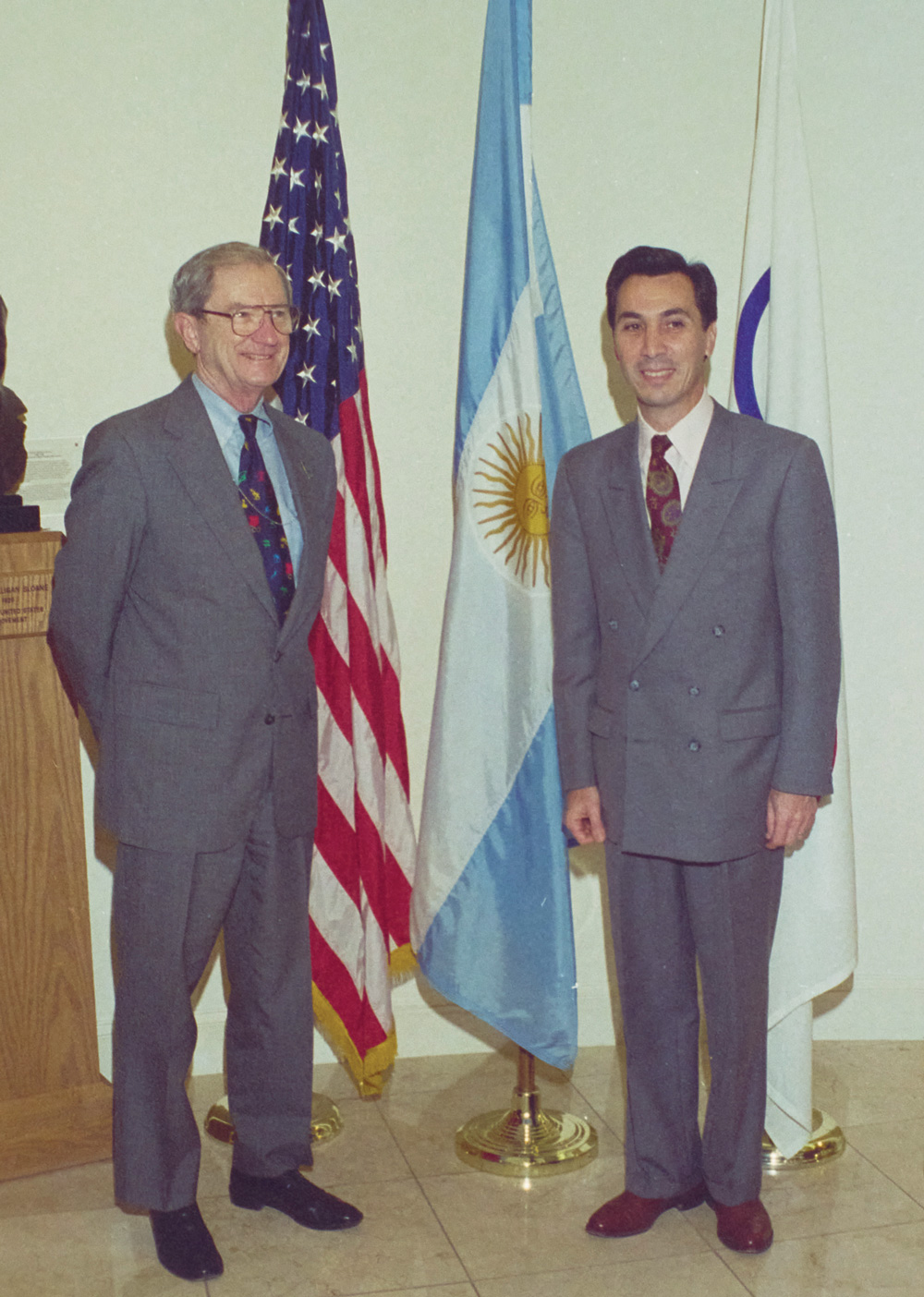
Bob Brennan with an Argentinian diplomat in 1992
Courtesy of the Kenan Research Center at the Atlanta History Center
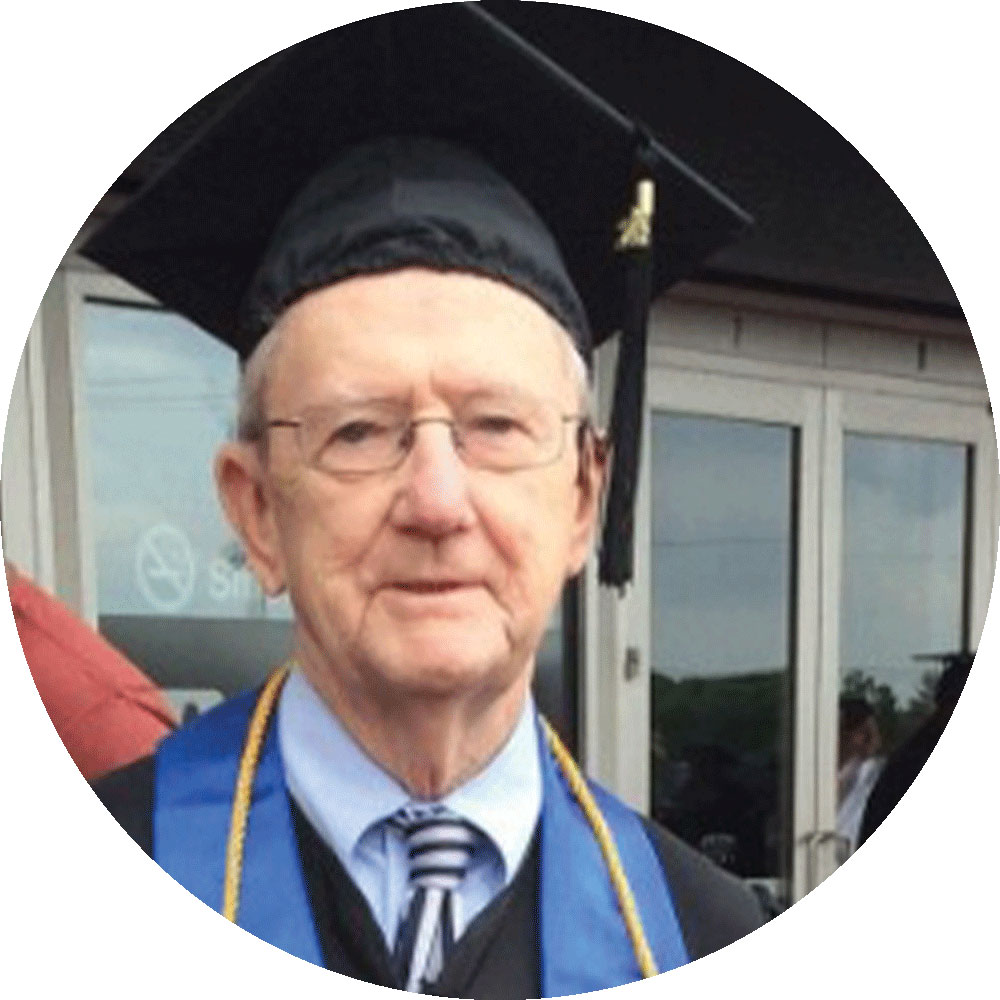
Brennan at his college graduation at age 85
Photograph courtesy of Bob Brennan
BobBrennan
Then: Press chief Now: Retired
Nearing retirement in 1989, Brennan joined the Atlanta bid committee as a loaned MARTA public relations executive and then stayed on for the Games as its spokesperson. “It was the final act of my career,” the 97-year-old says. After the Olympic bombing, Brennan was awakened at 1:30 a.m. and went to the office, where Billy Payne assured him the Games would go on. “I wanted to make sure I had all the information available and transmitted that as efficiently and quickly as I could,” he says.
After his Olympic role, Brennan served as president of the Atlanta Track Club Board of Directors from 1983 to 1985. He was also the finish-line announcer for the Peachtree Road Race for 25 years, through 2006. And he volunteered with the Atlanta Botanical Garden, earning the Volunteer of the Year award in 2000.
He also went back to school. Brennan—who lives in Midtown with former Atlanta Track Club executive director Julia Emmons—had left college early to begin working in broadcasting, but at 85, he earned his bachelor’s degree in English from Georgia State University. “Unlike most of my classmates,” Brennan says, “my commencement was an ending, not a beginning with a bright future and dreams of a new and vibrant life. I have had dreams enough.”
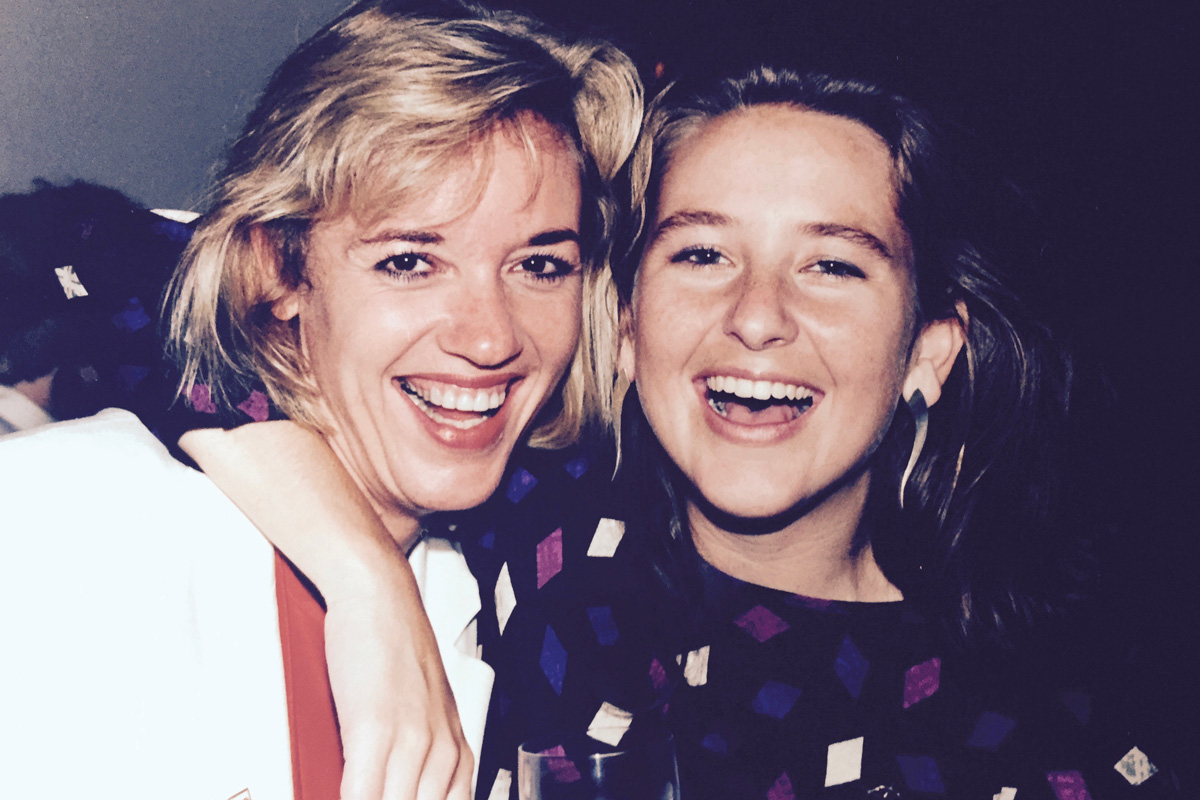
Atlanta Committee for the Olympic Games member Nancy Thomas and Susan Watson in Tokyo the night Atlanta was announced as the next Olympic city
Courtesy of Susan Watson
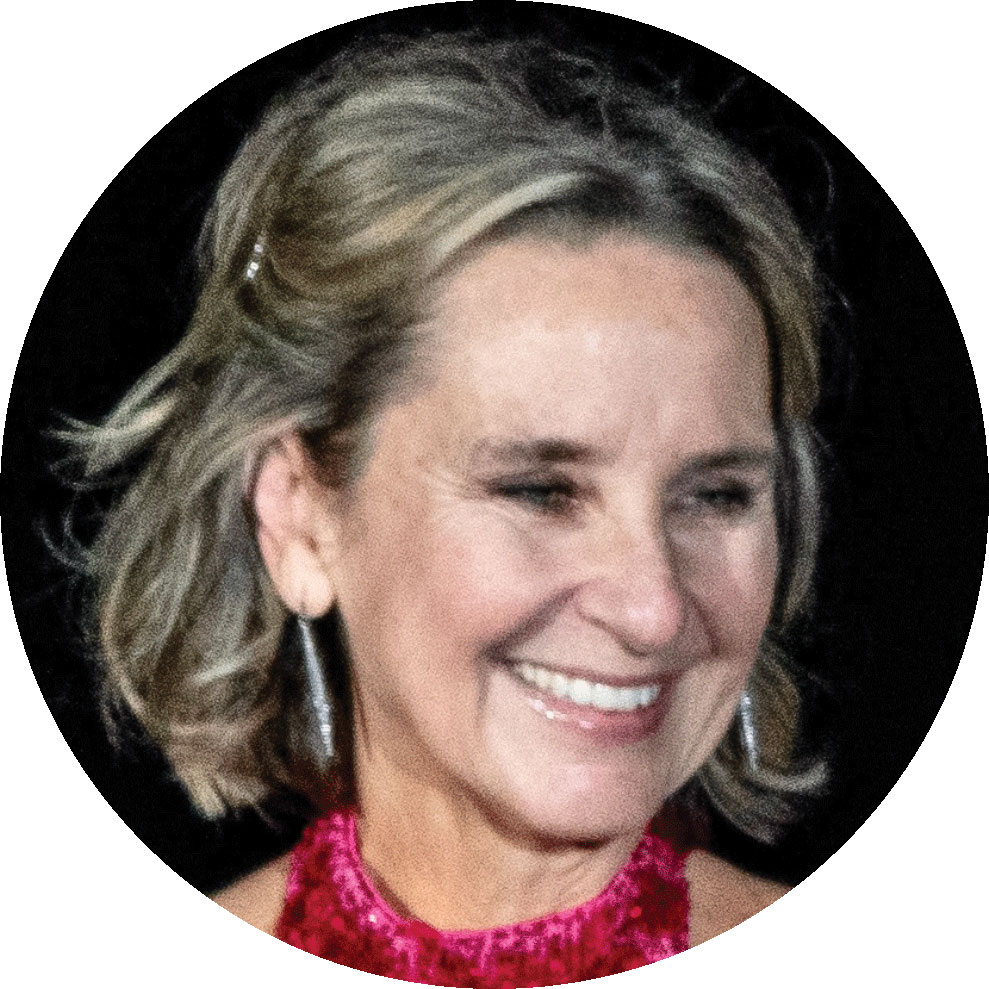
Watson in 2024
Courtesy of Susan Watson
SusanWatson
Then: Olympic events and hospitality Now: Philanthropist
A former figure skater who dreamed of making it to the 1984 Olympics, Watson instead glided onto the Atlanta bid team and became indispensable. She would often work 18-hour days, helping with VIP experiences for IOC members, public events, and merchandising. “I am very naturally organized, sort of a grace-under-pressure strength,” 60-year-old Watson says. “But the reality is, I was 22 years old, and everyone else was in their 40s, and they had families to go home to and I didn’t.”
After the IOC awarded the Games to Atlanta, Watson had to rush to plan the victory party—the winning city’s responsibility—with the hotel staff in Tokyo. “Billy wouldn’t let me do it before the vote,” she says, “because he didn’t want to jinx the whole thing.”
Watson went on to partner with the IOC—which she calls “the dream job for my background.” She also consulted on Beijing’s winning 2008 bid, forming a team that included former Atlanta colleague Charlie Battle.
Watson now lives with her husband in Buckhead and is a partner in Legacy Ventures, a real estate company. In 2017, she cofounded the nonprofit Daughters Against Alzheimer’s, which has raised more than $9 million for research through an annual lip-sync competition called Battle for the Brain. She says her work with the 1996 Olympics taught her to aim high. “You’ve got to think big and get outside your comfort zone and go for it, and that’s what we did with Battle for the Brain,” she says. “You really do feel like you’re making a difference.”
Halftime is when you can finally slow down and enjoy some well-earned snacks and bevs. The choices of where to eat and drink have never been greater downtown. Here are some shiny new additions. We’ve listed each restaurant’s walking time from Atlanta Stadium (Mercedes-Benz Stadium) so you can make the most of your day.
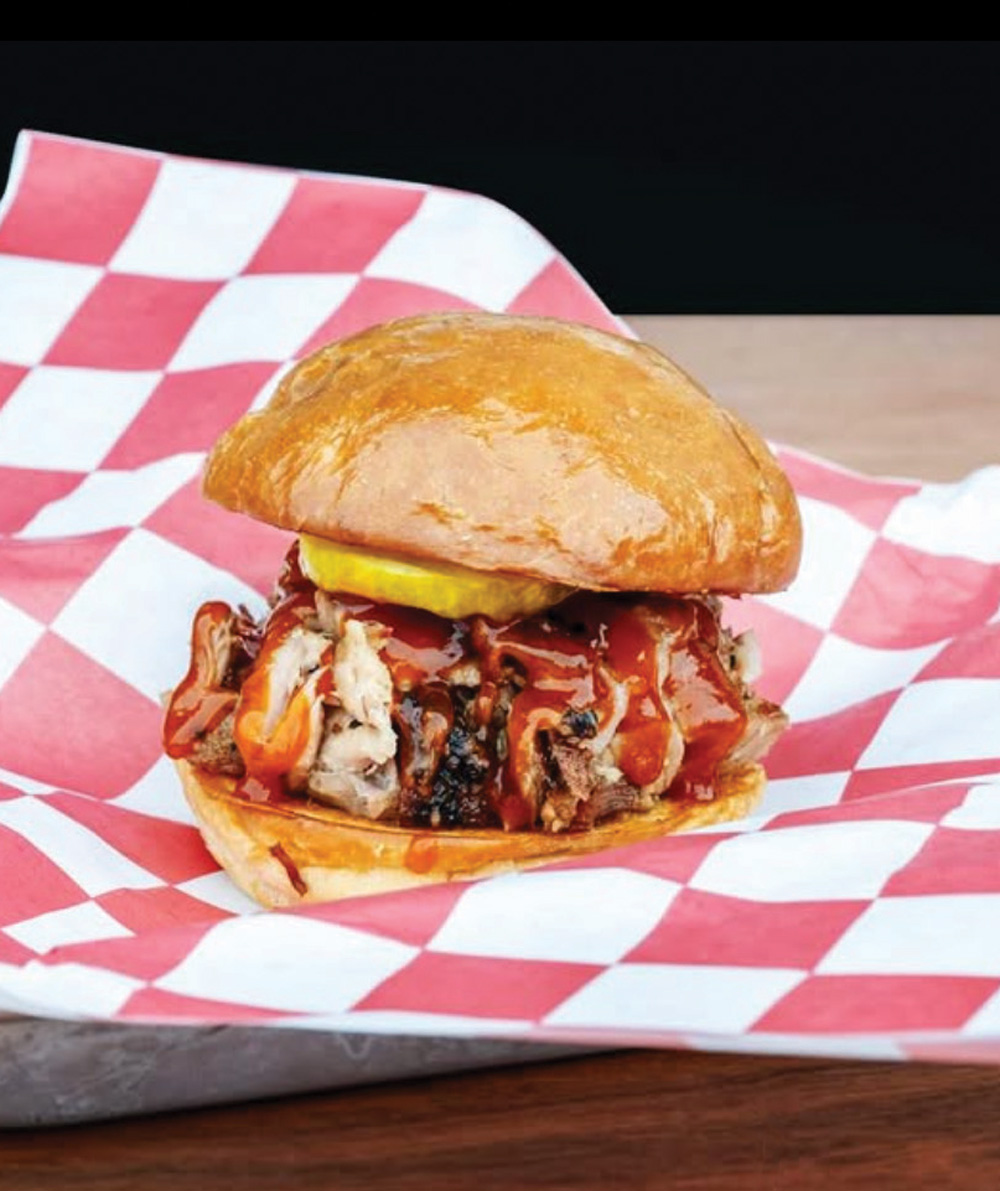
9-minute walk The World Cup calls for world-class fare, and the team behind Broad Street BBQ (who also created Sammy’s in Adair Park) is bringing its A-game. Jason Furst and Sam Pinner serve Southern barbecue—think smoked pork sandwiches, brisket platters, and wings—at this counter-service joint, adjacent to the Five Points MARTA station on Broad Street in the historic South Downtown neighborhood. Opening June 1, they’ll have traditional sides such as baked beans, mac ’n’ cheese, and hoecakes. Collard green lasagna stands out as a twist on the familiar. There’s also a 16-seat zigzag bar, where cocktails and local beer take center field. Prefer to dine outdoors? A takeout window lets you take your meal to a greenspace.
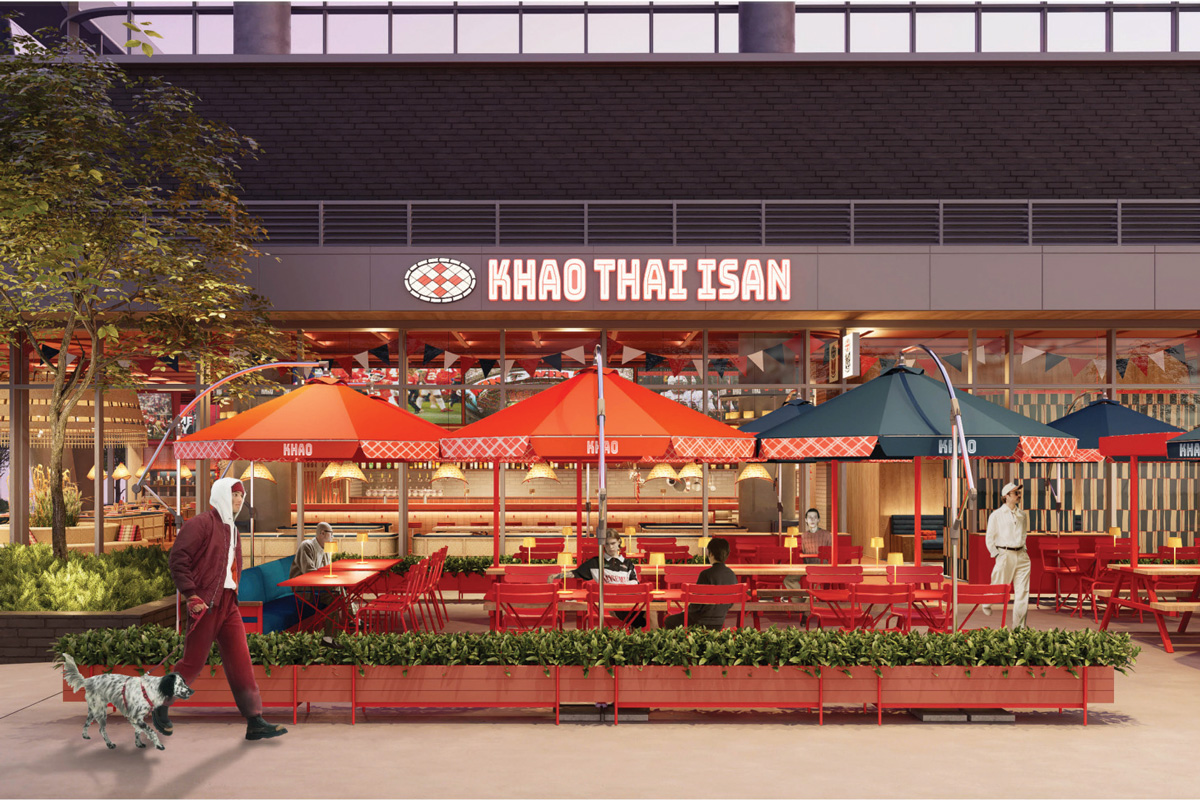
10-minute walk Niki and Tanya Pattharakositkul, the sisters behind 26 Thai, Blackjack, and Pink Lotus, bring the bold flavors of northeastern Thailand to downtown. Khao Thai Isan is at Centennial Yards, the brand-new development near Atlanta Stadium. The upscale restaurant focuses on Isan regional cuisine, known for its vibrant, spice-forward dishes. Expect a menu built around shareable plates and Isan specialties, such as laab duck with roasted rice powder and Crying Tiger beef (grilled, marinated beef with tamarind dipping sauce). Saunter up to the bar and order Thai and Laotian beers on tap, craft cocktails, or beer towers meant for a group.
15-minute walk General Muir chef Todd Ginsberg and Bloom Roadside founder Josh Kim wanted in on the South Downtown action; on June 7, they’ll launch Kitchen Counter, a diner-inspired, counter-service spot on Mitchell Street. Enjoy breakfast all day, including sausage-and-egg sandwiches, bagels and cream cheese with nova lox, and hash browns slathered in cheese with onions and peppers. After 10 a.m., lunch options include Asian specialties such as congee and bibimbap salad as well as toasted sandwiches, including a tuna melt and a roast beef with cheddar. Hot tip: Order the Pick 2 with Ginsberg’s matzo ball soup. It’s a fun twist on what you find at the General Muir.
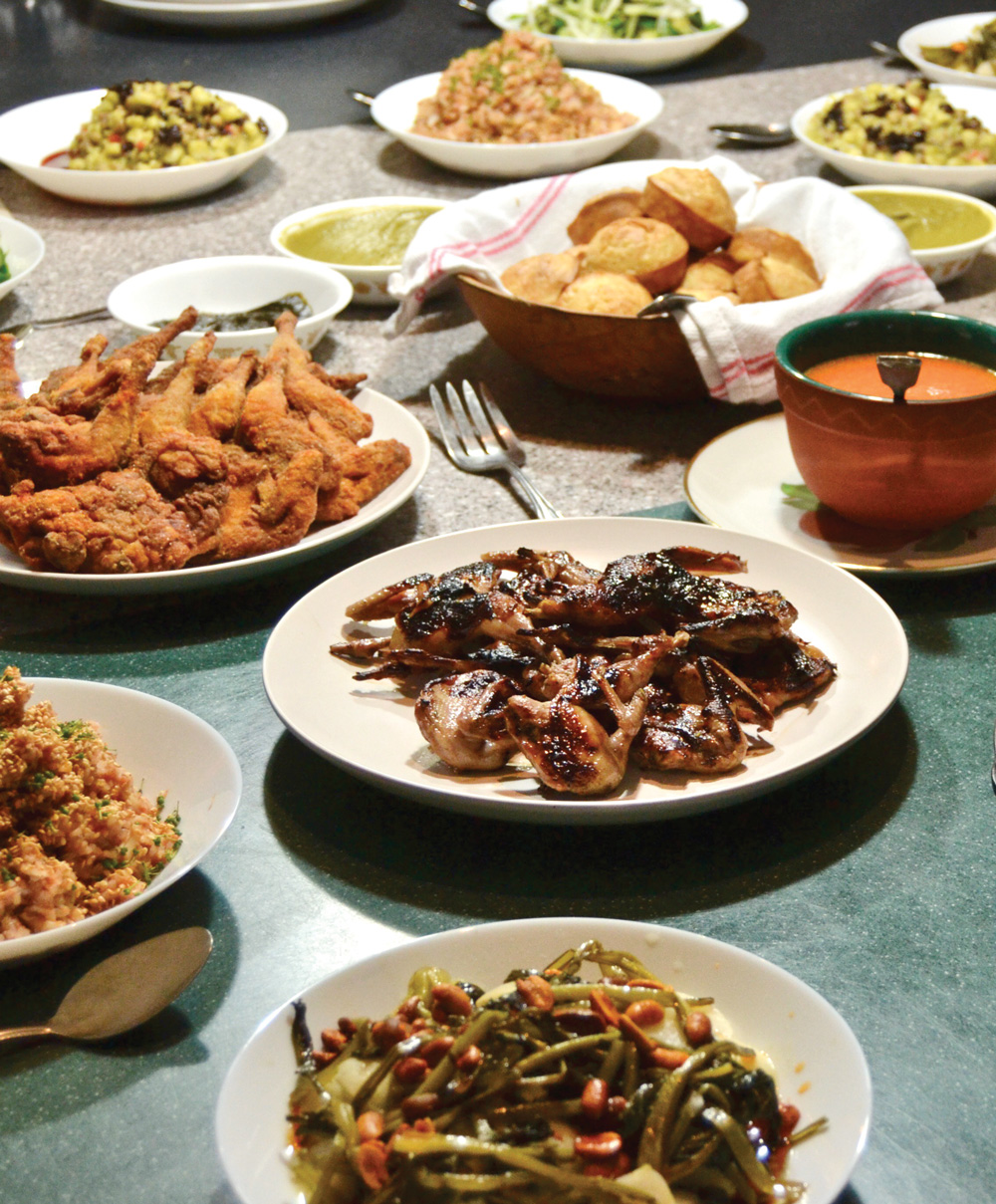
14-minute walk After years as a pop-up, The Plate Sale has evolved into Mule Train, a Southern-driven restaurant on Broad Street in South Downtown. Husband-and-wife team Michael and Shyretha Sheats will spotlight dishes built around vegetables, beans, and locally sourced meats. The menu may feature items like butter beans, root vegetables, fried quail, and whole roasted pork or duck, encouraging a mix-and-match approach at the table. Lunch follows a classic meat-and-three model, while dinner shifts to both a la carte and four- to six-course prix fixe menus. The addition of a full bar positions Mule Train as a neighborhood gathering place for a casual sit-down experience.
10-minute walk The Irish Exit brings the atmosphere of an authentic Irish pub (albeit a large one—4,735 square feet) to Centennial Yards. Created by the team behind New York’s celebrated bar The Dead Rabbit, the pub pours pints of Guinness, Dead Rabbit’s Irish Coffee, and craft cocktails. The food is comforting and crowd-friendly—traditional ham-and-cheese toasties, sausage rolls, flatbreads—ideal for prematch bites, postwork drinks, and World Cup crowds looking to linger.
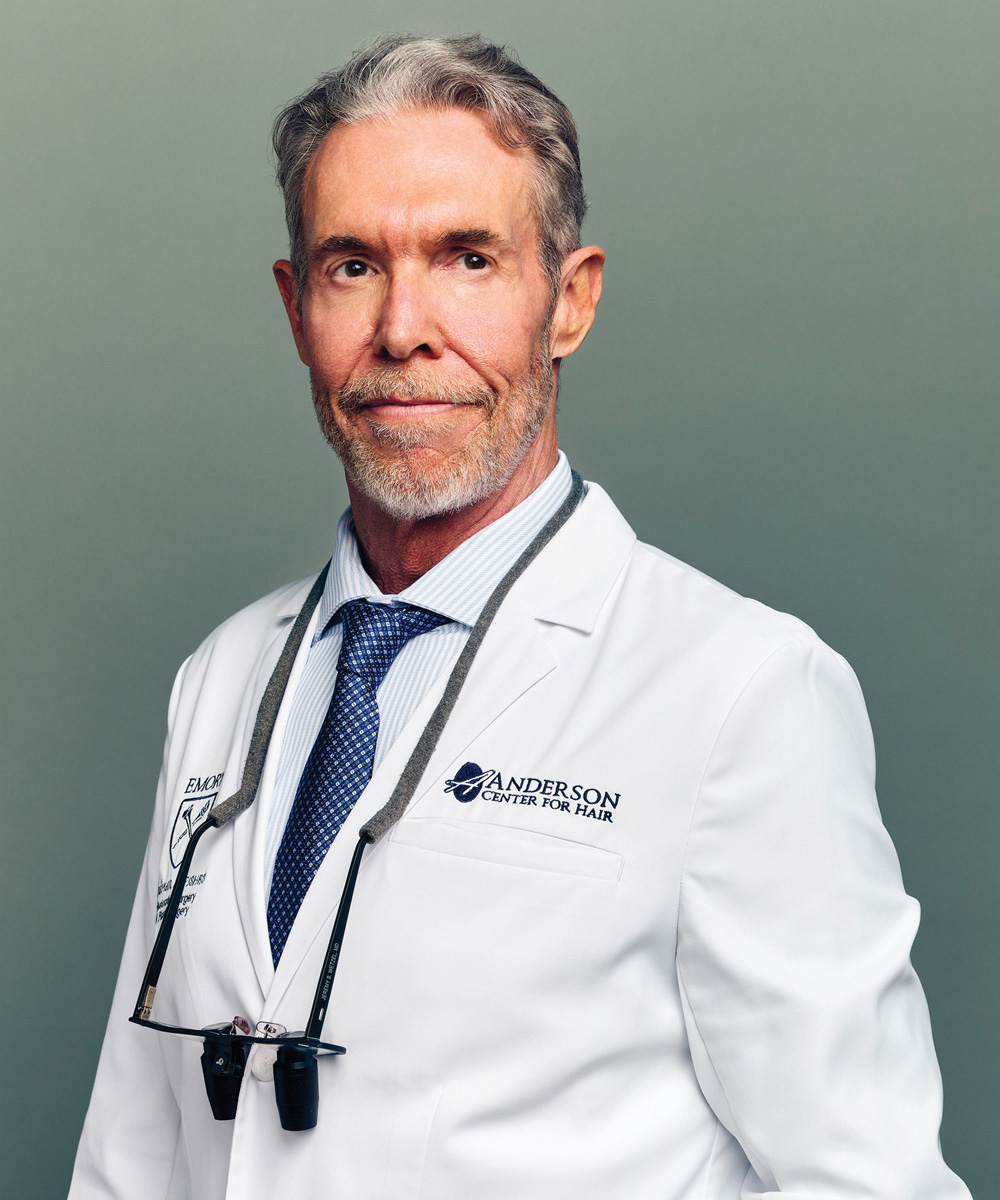
Did a real-life or fictional doctor inspire you to choose your profession?
I didn’t grow up inspired by a specific doctor; I grew up as an artist. From a young age, drawing was my world. I took art classes every semester through high school and college and later worked as a medical illustrator during my training at the University of Michigan. At one point, I seriously considered becoming an artist full-time, but my parents encouraged me to pursue something more stable.
When I was about 14 or 15 years old, I was at a friend’s house, talking to his father, an infectious disease specialist. I told him I was thinking about becoming a doctor but had no idea what kind. He didn’t give me a long explanation. He simply asked, “Can you draw?” That question caught me completely off guard. I told him drawing was the one thing I knew I was good at. Without hesitation, he said, “You should be a plastic surgeon. You’d be good at it.”
In that moment, everything clicked. It made sense to me. I internalized that suggestion as though it was written in the sky. I had discovered a path where art and science weren’t competing; they were working together.
What led you to your specialty?
I spent a short period observing a hair restoration surgeon in Michigan, and what I saw immediately stood apart from everything else I had trained to do. In most facial plastic procedures, the work is highly technical and precise, but it didn’t feel creative to me. Hair restoration was different. Designing and creating recipient sites felt like building something from nothing, almost like pointillism, where each tiny placement contributes to a larger, natural result.
Once I made the decision to commit fully, I moved to Beverly Hills to train under Dr. Bill Rassman, one of the pioneers of the field, and focused my entire career on advancing hair restoration surgery.
Is there a patient who stands out because they reminded you of why you wanted to become a doctor?
One patient who stands out came to see me when I was early in my career and practicing in Beverly Hills. Let’s call him Mr. Dempsey.
Mr. Dempsey was 77 years old and about 5 feet 6 inches tall. His hair was entirely white, and he had a receded frontal hairline. When we sat down to talk about his goals, he slid a photo across the table. It was a picture of a young Elvis Presley. That was what he wanted.
We moved forward with the procedure, and about a year later, he came back to see me. He walked in with a full white pompadour, styled just like Elvis’s in the photo he’d shown me. After we sat down, he looked at me and said in a serious tone, “Dr. Anderson, I want you to know that this is the best thing that has ever happened to me.”
That’s when I pushed back. I told him, at his stage of life, with children and great-grandchildren, it was hard to imagine this could truly be the very best. But he was completely sincere. He said it without hesitation: “No, I’m quite serious about that. This is the best thing that has ever happened to me.”
That moment stayed with me. It was a transformation to him that he considered a pinnacle in his life’s experience, even at his age.
Hair isn’t about age and it isn’t about vanity. When you restore it, you’re restoring something deeply tied to identity, and the impact can be far more powerful than most people expect.
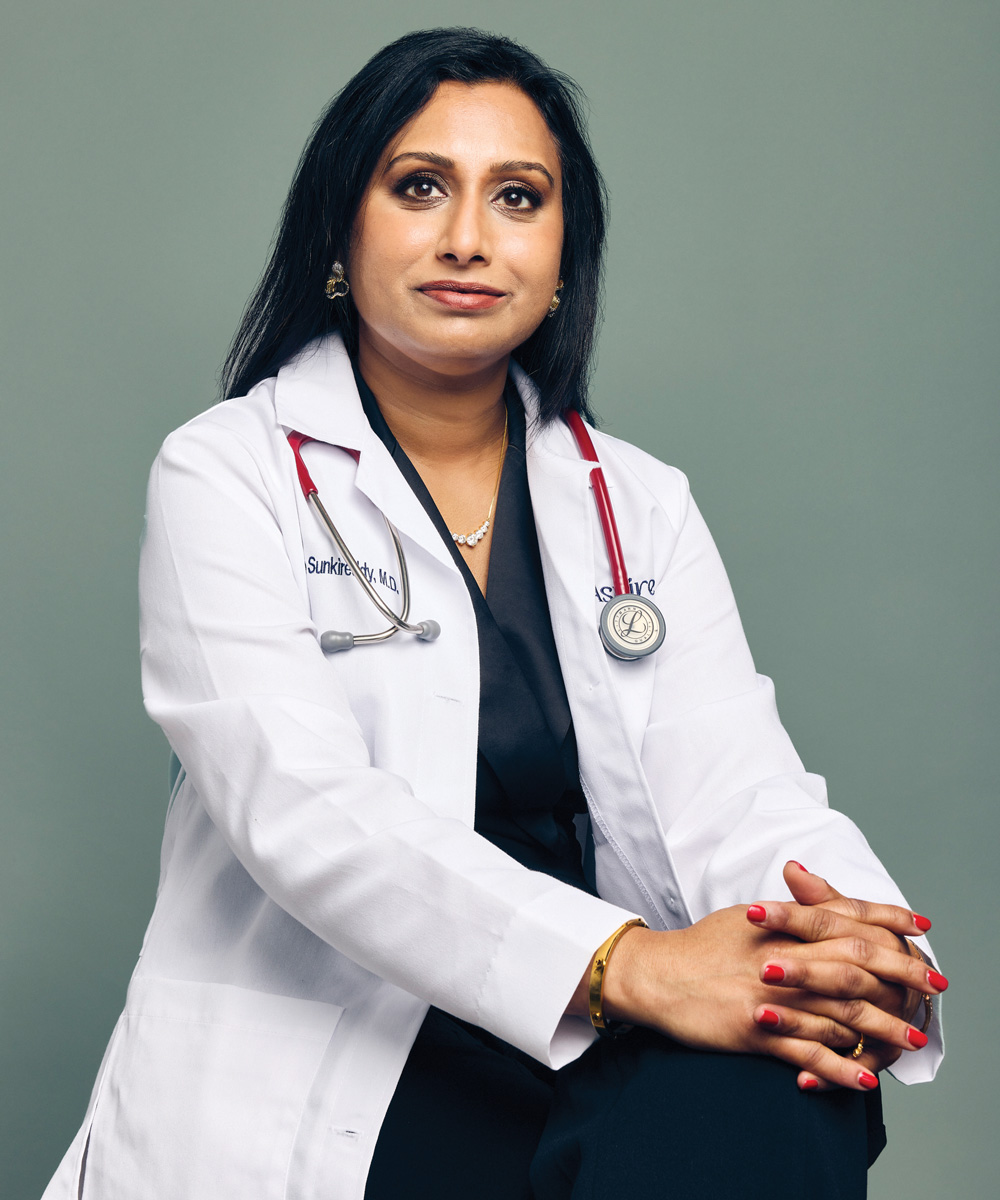
Nandini Sunkireddy, MD
Family medicine, lifestyle medicine, obesity medicine, and menopause care Aspire Medical Group
Who or what inspired you to become a doctor?
My inspiration to become a doctor began with my mother. She once dreamed of becoming a physician herself, but growing up in rural India, circumstances didn’t allow her to pursue that path.
Is there a “medical mystery” you’ve solved that involved a patient with symptoms that didn’t suggest an obvious diagnosis?
One case that felt like a true medical mystery was a woman in her mid-40s who came to me after months of unanswered questions and mounting anxiety. Her primary complaint was persistent palpitations. She had already done everything right: She’d seen cardiology and endocrinology and had undergone an echocardiogram, stress testing, and a full cardiac workup. Everything came back normal.
Yet her symptoms were very real—and worsening.
When she walked into my clinic, what stood out wasn’t just her symptoms, but also her story. I asked her to complete a detailed menopause questionnaire, and suddenly, the pieces started to come together. Along with palpitations, she had subtle symptoms she hadn’t connected to her other health problems: sleep disturbances, mood changes, fatigue.
What looked like a cardiac mystery was actually her body transitioning through perimenopause.
After a thorough discussion, we started her on hormone replacement therapy, reassuring her with current evidence supporting its safety when appropriately prescribed. When she returned a month later, the transformation was remarkable. Her palpitations had resolved, her anxiety had lifted, and she finally felt like herself again.
What is one routine you wish your patients would adopt to take better care of themselves?
I wish every patient would fiercely protect seven to nine hours of quality sleep each night. Sleep is not optional—it is the most powerful medicine your body has.
In those hours of deep and REM sleep, your body does its most critical work: Hormones reset, the brain clears toxins, cells repair, and your immune system rebuilds. This is when true healing happens.
When you cut corners on sleep, you’re not just tired the next day—you’re setting off a cascade. Hunger hormones rise, cravings increase, cortisol surges, and over time this fuels weight gain, diabetes, heart disease, and burnout.
Sleep is the ultimate performance enhancer, the most potent antioxidant, and the simplest longevity tool we have. You cannot out-exercise or out-diet poor sleep.
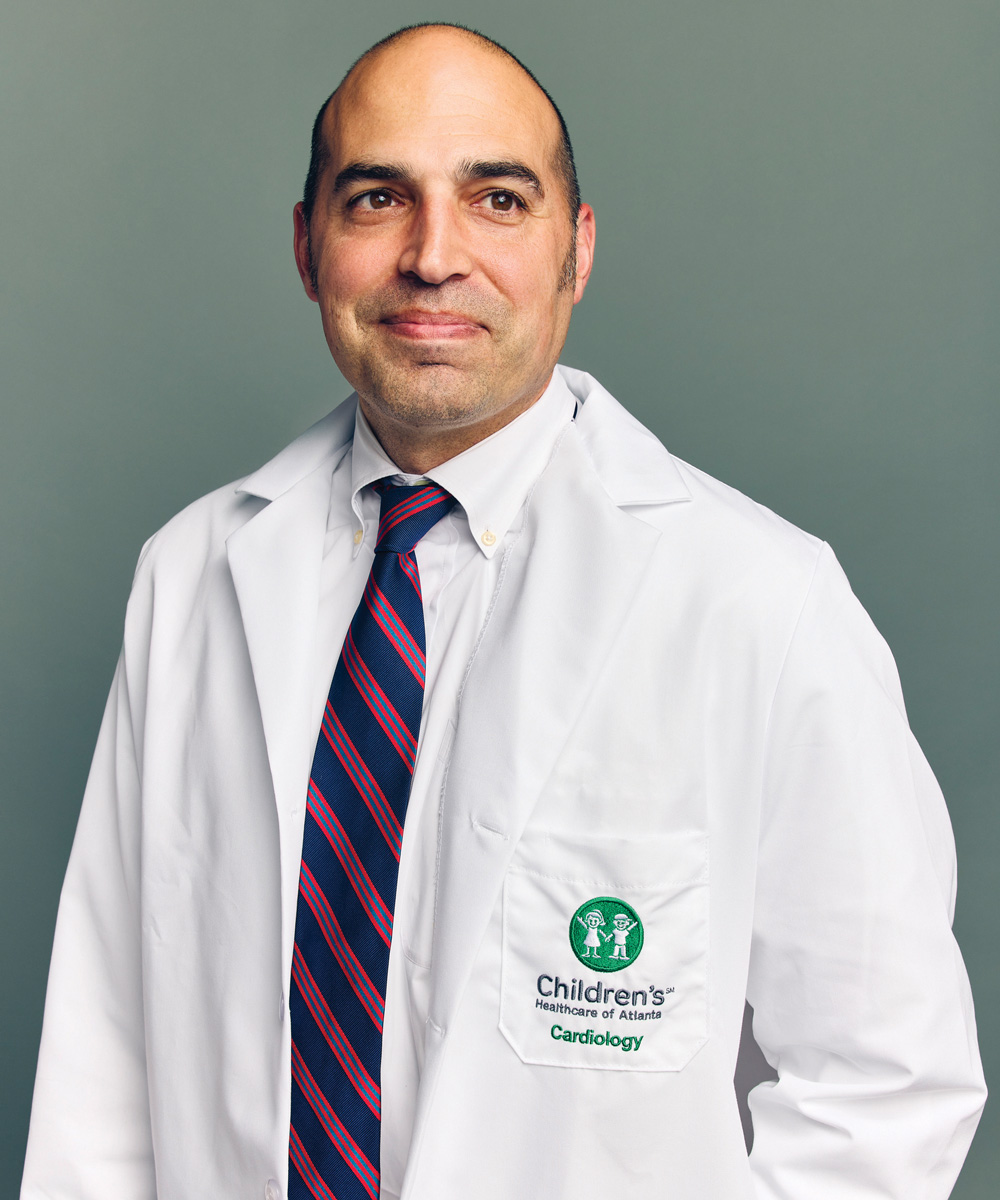
What made you decide to become a doctor?
I grew up in Atlanta and was in a severe car accident when I was 15. I was taken to Children’s Healthcare of Atlanta at Scottish Rite, and the physician’s assistant who worked on me in the ER was wonderful (his name was Dane). He had the task of pulling glass out of my knee, foot, chin, and more for the better part of an hour, and during that time, he kept the conversation lighthearted. I actually remember laugh-ing during some of the procedures. It was at that time that I thought, Perhaps this is what I should do with my life. Now, 30 years later, I have the privilege of working for Children’s Healthcare of Atlanta to provide cardiac care to patients from all over the region.
Why pediatric cardiology?
I was on a rotation in medical school with adult cardiology, and a 23-year-old patient with severe congenital heart disease came into the hospital. He had undergone numerous surgeries to try to reroute his blood flow to get his heart to effectively pump blood to his body. I asked the cardiology fellow to explain his prior surgeries to me and how his blood flowed to his body. He said that he didn’t know and that we needed to call the pediatric cardiologist. Dr. Bill Strong then came in to see the patient and drew a picture of his heart, explaining all of his prior surgeries in detail. From that moment, I was fascinated with pediatric cardiology.
Is there a patient who has stood out to you?
I have had the honor of taking care of one of the bravest people I know, Slohn Walsh. She is now a 15-year-old who has undergone five heart surgeries, with her first two occurring during infancy. She has had a number of challenges over the course of her life, including an unheard-of complication related to one of her surgeries in infancy, and she ended up needing a mitral valve replacement requiring lifelong blood thinners, then a pacemaker, and, most recently, a heart transplant. She is now thriving and taking much less medicine than before. She faced all these surgeries with a resilience and grit that I continue to admire.
What is it about your profession you love most?
In pediatric medicine, our patients may need significant surgeries, but when they recover, they may leave the hospital skipping or smiling and holding a balloon. This is hard to come by in adult medicine.
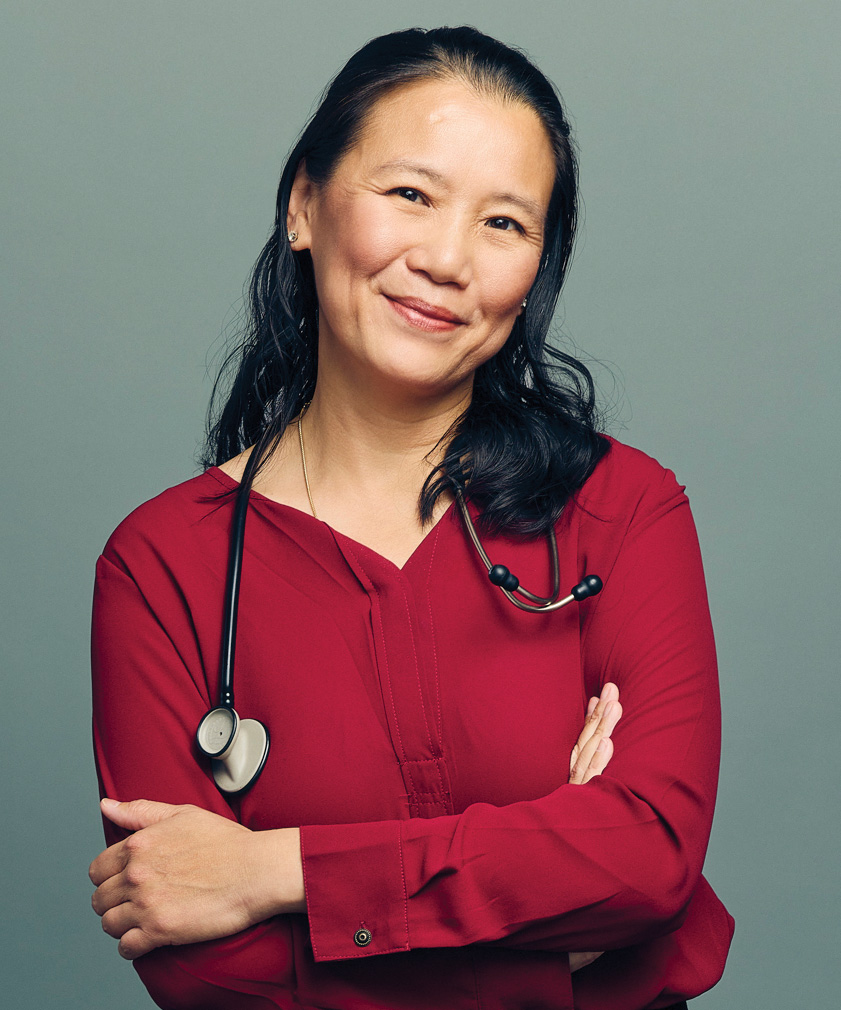
Who or what inspired you to become a doctor?
Although my parents were not physicians, medicine was part of our everyday lives. They often spoke about Eastern and Western medicines—comparing philosophies and treatments—and chose what they believed were the safest options for their daughters.
As a child, I simply experienced their care. It wasn’t until much later that I realized that they were practicing what we now recognize as lifestyle medicine—long before it became a formal specialty.
Have you ever solved a “medical mystery”?
Yes. A patient who had seen multiple specialists for a chronic cough for over five years had been diagnosed with allergies, sinusitis, and asthma. She received multiple courses of antibiotics and steroids without improvement. She was then treated for reflux, yet her cough persisted, despite all these medications.
I saw her as a transfer of care for worsening asthma related to her cough. After reviewing her history, I realized her symptoms were not consistent with an asthma-related cough but rather with laryngopharyngeal reflux. Although she had been on reflux medication, it was ineffective. She underwent a procedure to control the reflux, and her cough resolved.
This realization allowed me to step down her asthma medications and discontinue the repeated courses of oral prednisone she had been receiving for years.
Who or what inspired you to become a doctor?
Not one specific person, but more an experience. Growing up in Ghana, I volunteered in an HIV clinic at a time when there was still a lot of stigma around the disease. What stayed with me was the compassion the physicians showed and the way they treated patients with dignity. That really shaped how I think about care. I was also the youngest in my family and was loved on a lot, so that sense of showing up for others was instilled in me early. Medicine felt like a natural extension of that.
What led you to your specialty?
I was drawn to family medicine because it is one of the few fields where you can really understand the full picture of someone’s health. I also liked that it was a specialty you could shape. There is room for clinical care, leadership, advocacy, and evolving your focus over time. That flexibility is something that still guides how I practice.
I am also board certified in obesity medicine. While some physicians move away from primary care once they focus on obesity medicine, I have found that I actually prefer to continue as my patients’ primary care physician. It allows me to care for the whole picture rather than just one aspect of their health.
Have you ever solved a “medical mystery”?
Earlier this year, a toddler was referred to my pediatric ENT clinic for headaches—not a common complaint in such a young patient. Imaging had, thankfully, ruled out any scary brain masses, but the parents still didn’t have any answers. They had several referrals out to different specialties to get to the bottom of it, but I just happened to be the first one to see him. He’d had some ear infections, but they did not seem to add up to what was causing his symptoms. The only thing that stood out to me was how he appeared a little pale. After thinking about it more later that evening, I called his mom back and told her I was going to get some labs. His mom then revealed to me that the child had been having abdominal pain and fatigue. We discovered he was severely anemic, and that was the root cause of all his symptoms. After a blood transfusion and iron supplements, this child had a complete turnaround.
It was a reminder of three things for me: Don’t forget to look at the whole patient; trust your instinct if something appears off; and listen to the parents, because they know their child and know when something is wrong.
What led you to your specialty?
Music has always been a passion of mine and has been involved in many of my life’s big decisions. At the same time, I was also interested in the sciences and wanted to help others. I made the decision early in college to pursue medicine and fill my spare time with music instead. If I wasn’t studying organic chemistry or cell biology, I was playing gigs with my band or jamming with the school’s jazz combo. I quickly learned that playing bass guitar on the weekends was not going to be enough to get me into medical school, and luckily, I found a summer position as a medical assistant in a local otolaryngologist’s office.
The more I learned about otolaryngology, the more I realized how I could combine my interests in music and medicine in one study. The ear has always interested me as an organ; after all, it is the vital component to hearing music. Before even applying to medical school, I had already decided I was going to specialize in otolaryngology. During my training, I realized I enjoyed working with kids and focused my training on pediatric hearing loss. Now I have the ability to help kids with the gift of hearing, and there is nothing more rewarding.
Did a real-life or fictional doctor inspire you to become a doctor?
I know the actor has had serious troubles in real life, but without that hindsight, the character of Dr. Huxtable on The Cosby Show was a big source of inspiration. At the time, it was rare to see Black men as physicians. Plus he was a “fun dad,” which I also aspire to be.
Have any of your patients reminded you of why you wanted to become a doctor?
I had one patient who was a stage actor and dancer, but an ankle injury and subsequent surgery resulted in debilitating nerve pain that made even walking difficult. I treated her with an implantable device called a spinal cord stimulator, and she was able to dance again! Any time I’m able to return a patient’s joy for life, it reminds me why I do what I do.
What’s one story from your medical career that has stuck with you?
Prior to coming to Atlanta and entering into private practice, I was a lieutenant commander in the United States Navy and deployed to both Iraq and Afghanistan. During my final deployment to Afghanistan, I served in the role of a trauma anesthesiologist. One after-noon, we received several casualties from a gun fight, including enemy combatants. Despite them inflicting harm on our U.S. soldiers, the rules of war dictated that I care for them as well. It was a harrowing experience but emphasized to me that all life is worth saving.
If you weren’t a doctor, what would you be instead?
I think I’d be a comedian. I love making people laugh! Thanks to Instagram, I’ve got an outlet to make funny, lighthearted videos. Pain relief with some comic relief. Laughter really is the best medicine.
What led you to become a doctor?
I’m a nice Jewish boy from New York; it was expected of me. My uncle was a doctor, but unfortunately he died before I was born; still, I grew up with stories of him. Marcus Welby, M.D. on TV was one role model. Another great role model as a doctor was Dr. Bombay on Bewitched.
Everyone loves a good story. Have you had an emergency situation outside the office that you had to deal with?
One that comes to mind was when I was flying back from a vacation in London. There was a scared young boy who was on his way to Disney World in Orlando, changing planes in Atlanta. He lacerated his chin before boarding but didn’t tell his parents till an hour into the flight because he was afraid he wouldn’t get to go to Disney World. The flight attendant asked if there was a doctor on board, and a few of us answered the call. We then compared education and training and agreed I’d be the best to handle this.
I made a bandage using a feminine hygiene pad and an eye mask from first class; I also arranged ice cream for the child from first class. They had Tylenol on board, but when I asked the parents how much he weighed, they gave his weight in stones. Once we figured out the appropriate dose, I told him to go directly on to Orlando, to not cancel the trip. I also told his family how to get a plastic surgeon to sew him up once they arrived there.
What led you to your specialty?
When I was 15, my family played an integral part in saving the life of a 12-year-old boy. He and two friends were admiring a new shotgun when it was accidentally discharged, resulting in significant facial injuries. It was only by the grace of God that we happened to drive by just in time to help the boys and rush the victim to the hospital. The details of this event will forever be etched into my memory; it’s as vivid today as it was on the day of the accident. I can still visualize the traumatized face. After multiple surgeries and extensive therapy, I later learned he not only survived but has minimal physical evidence of this trauma and grew up to be a flourishing member of society. This is the day I knew I was meant to be a surgeon because I wanted to be a part of this miracle of medicine.
I went on to specialize in the field of thoracic surgery. It is a beautiful specialty because it incorporates the full spectrum of care. There are some patients with acute problems, which we treat immediately. Then there are the cancer patients with whom we develop long-term relationships during the journey of a surgical cure followed by close surveillance. I have a particular passion for cancer patients and their families. It is an honor to be a part of their journey and walk with them every step of the way.
If you weren’t a doctor, what would you be instead?
During my training, I always used to hear the phrase: “You are swimming with the sharks. Don’t let them smell any blood in the water.” Everything was high stakes from all aspects (faculty, coresidents, patients, cases), so you could never show fear or weakness. It is ironic though that this phrase came up in my surgical career, because I have wanted to study sharks since I was old enough to read. There are so many mysteries surrounding these powerful and majestic creatures. Throughout the years, I have spent time reading about sharks, drawing them, and giving talks about them. One of the highlights of my life was traveling to South Africa, where many of the Discovery Shark Week specials are filmed. I went cage diving and came face-to-face with multiple great white sharks and even had the pleasure of petting one of them.
Is there a patient who stands out because they reminded you of why you wanted to become a doctor?
One patient had been body-shamed her entire life and couldn’t lose weight despite diet and exercise. But with the right medication and lifestyle changes, she lost over 100 pounds and transformed her outlook and mood. In the patient’s own words: “Weight loss has helped me become a better person, mother, and wife.”
What is your biggest challenge in medicine?
I will say the biggest challenge is with coverage for medicine from insurance companies. The patients want it, insurance declines it, and then patients seek it from unknown vendors or a buddy at the gym. (Yes, that is a true story.) Unfortunately, people forget this is not a supplement—it is an actual medication that needs a physician to prescribe and monitor.
Did a real-life or fictional doctor inspire you to become a doctor?
When I was in high school, I got the opportunity to volunteer at a small clinic in a low socio-economic area of Karachi, Pakistan. A team of family-medicine physicians ran that clinic, which provided free healthcare to the community. Their service to patients, including going above and beyond with limited resources, showed me that medicine at its core is an act of service.
A Grove Park family hosts community parties and tailgates for Cabo Verde’s first World Cup.
Photograph by Growl Bros.
Cabo Verde
The tiny West African island nation has approximately the same population as the City of Atlanta (about 520,000) and qualified for its first World Cup this year. In anticipation of seeing Cabo Verde compete on a global stage, the small diaspora community here in Atlanta has built a series of events to show off its national pride.
“Nobody knows what Cabo Verde is, so this feels like the moment to share our culture,” says Grove Park resident Tricia Cardoso, whose mother came to the United States from Cabo Verde in the 1990s. With the help of cousins and her two sisters, she has outfitted her backyard patio to host public events every third Saturday, complete with a full bar, a grilling station, and live music. They often serve cachupa, a traditional slow-cooked stew. “We are a people who enjoy ourselves, so we wanted to host to share our meals, our music, our dance.” she says.
Cardoso plans to throw a World Cup tailgate before Cabo Verde’s group-stage game against Spain June 15. Purchase tickets on the Cape Verdeans of Atlanta Facebook page.
Spain
World Cup favorite Spain plays two group-stage matches in Atlanta, on June 15 against Cabo Verde and June 21 against Saudi Arabia. The Spanish culture is already alive and well at Spanish restaurants across the metro, and they are prepared to host guests this summer.
Barcelona Wine Bar in Inman Park has World Cup–dedicated happy hours, and Midtown’s Sebastián Pintxos Bar and Old Fourth Ward’s Buena Vida Tapas Bar both host watch parties for Spain’s matches. The Buckhead location of Eclipse di Luna has added outdoor TVs and partnered with Telemundo to bring live bands alongside watch parties.
Haiti
This is Haiti’s first time in the World Cup since 1974, and the island nation’s arrival coincides with many Caribbean and African diaspora festivals in Atlanta.
Uzbekistan, which plays in Atlanta June 27 against the Democratic Republic of the Congo, is the only nation that chose Atlanta for its World Cup home base. The Central Asian team will train at Atlanta United’s Children’s Healthcare training ground in Marietta, with select training sessions likely open to the public.
In Alpharetta, an outpost of one of the most lauded Central Asian restaurants in the country is Laghman Express. Its Brooklyn location routinely earns honors from The New York Times, and its Alpharetta location offers the same authentic Uzbek fare. The restaurant hosts watch parties on its patio for the Uzbekistan match in Atlanta.
Halftime is when you can finally slow down and enjoy some well-earned snacks and bevs. The choices of where to eat and drink have never been greater downtown. Here are some of the classics Atlantans loved even before the World Cup. We’ve listed each restaurant’s walking time from Atlanta Stadium (Mercedes-Benz Stadium) so you can make the most of your day.
12-minute walk Paschal’s is the kind of place where history and a well-executed plate arrive at the table together. Founded in 1947 by brothers James and Robert Paschal, it remains one of Atlanta’s most significant dining institutions, with deep ties to the city’s civil rights history. Throughout the 1960s, Dr. Martin Luther King Jr. frequented the original location with other civil rights leaders to plan and organize. The current Castleberry Hill space, opened in 2002, is grand, with soaring ceilings and an open dining room. The menu leans into tradition with its signature gumbo, fried green tomatoes, and catfish fingers to start, followed by the famed 1947 fried chicken plate that to this day uses the same secret recipe of its founders.
11-minute walk Park Bar operates as a true local’s pub across from Centennial Olympic Park. Opened in 2012 and anchored by a well-worn bar, the brick-walled space fills up quickly on game days. The menu lists elevated bar fare, including chopped salads and rotating monthly burger specials, with bestsellers like the Cumberland burger topped with house-made bourbon-bacon jam and melted Brie. In 2023, we named it the city’s Best Sports Bar.
17-minute walk A Broad Street staple since 1986, Reuben’s Deli bills itself as Atlanta’s only New York–style deli. Owner Claudio Furgiuele, who has run the shop since 2002, has built a loyal following around made-to-order sandwiches, homemade soups, and salads. First-timers should start with the namesake Reuben, which they stack high with corned beef, sauerkraut, Swiss, and Thousand Island dressing on grilled rye. Regulars know to ask for the Old Tuesday, a secret menu favorite with turkey, provolone, capicola, pepperoni, and Greek mayo. “My favorite part is yelling your order,” one customer says, a nod to the deli’s fast-paced “counter culture.”
3-minute walk Across the street from Atlanta Stadium, Restaurant 10 definitely has location on its side, but proximity is only part of the appeal. Atlanta restaurateur William Platt opened the Northside Drive restaurant in 2020, and it draws crowds with its fan-favorite menu and lively sports-bar atmosphere. Shrimp po’ boys, Philly cheesesteaks, and angus burgers are served in a space that welcomes big groups. A manager who goes by the name E says the turkey wings and the turkey ribs are the restaurant’s bestsellers. For dessert, she recommends the Hennessy bread pudding: “It’s so good!”
20-minute walk Since opening in 2016, Atlanta Breakfast Club has defined downtown breakfast. Owned by chef Anthony Sanders and Osiris Ballard, the always-packed restaurant has built its reputation on Southern brunch staples done right, from peach-cobbler chicken and waffles to fried green tomato BLTs and build-your-own breakfast sandwiches. For a quicker, no-frills breakfast option closer to the stadium, try Rosie’s Coffee Cafe, known for its pancake platters and specialty coffees.
The FIFA Fan Festival occupies Centennial Olympic Park this summer.
Photograph Courtesy of Wink/Solomon
Centennial Olympic Park
Thirty years after the 1996 Summer Olympics, Centennial Olympic Park is once again a hub for a global sporting event in Atlanta. The official FIFA Fan Festival is held in the park for 16 days of the month-long tournament. With capacity for 15,000 local fans, families, and international visitors, the event offers a taste of the tournament’s excitement, whether you have in-stadium tickets or not: this includes live games on a big screen, local food vendors, a crafts market, and a playground with games for kids. General admission is free to reserve for individual days; VIP ticket packages cost up to $325.
“The FIFA Fan Festival really is that epicenter of global soccer culture,” says Atilla Meijs, executive producer of Atlanta’s Fan Festival. “We want to show what this city and state have to offer to visitors while also making locals feel like their family.”
Centennial Yards
Giant screens on lawns aren’t the only way to watch World Cup games. Now, in Atlanta, you can also spectate in a LED dome called Cosm. The much-anticipated “shared reality venue” is located in Centennial Yards, the development at the site formerly known as the Gulch, and it is downtown’s newest residential and entertainment complex to serve the crowds of Mercedes-Benz.
Cosm is a mini version of the Las Vegas Sphere, with a 12K-LED display for games, music, and other live events. Cosm’s complex also encompasses The Hall (a sports bar) and The Deck (a rooftop venue with a view of Mercedes-Benz Stadium).
Entertainment Districts
Crowds of thousands of people at Centennial Olympic Park may be overwhelming for some people; several other downtown “districts” offer slightly less-packed alternatives. The Center, formerly the CNN Center, opens its food hall and atrium days before the World Cup begins. The redevelopment is blocks from the stadium, and an atrium space of 24,000 square feet features Atlanta’s “largest” full bar.
Near several downtown hotels and Peachtree Center, 207 Peachtree is another development opening this summer. The historic building at the corner of Peachtree Street and Andrew Young International Boulevard has live music, a sports club with a panoramic TV, and a rooftop lounge. The South Downtown neighborhood also hosts an open-air food festival, Smorgasburg Atlanta, with local vendors every Saturday.


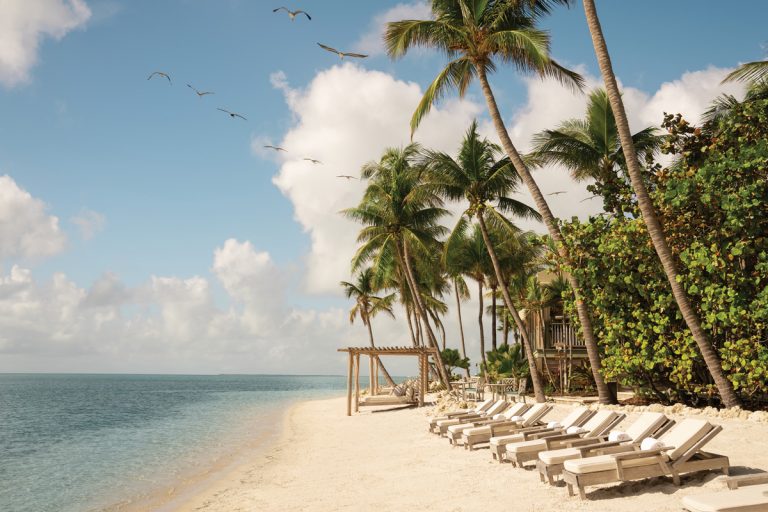
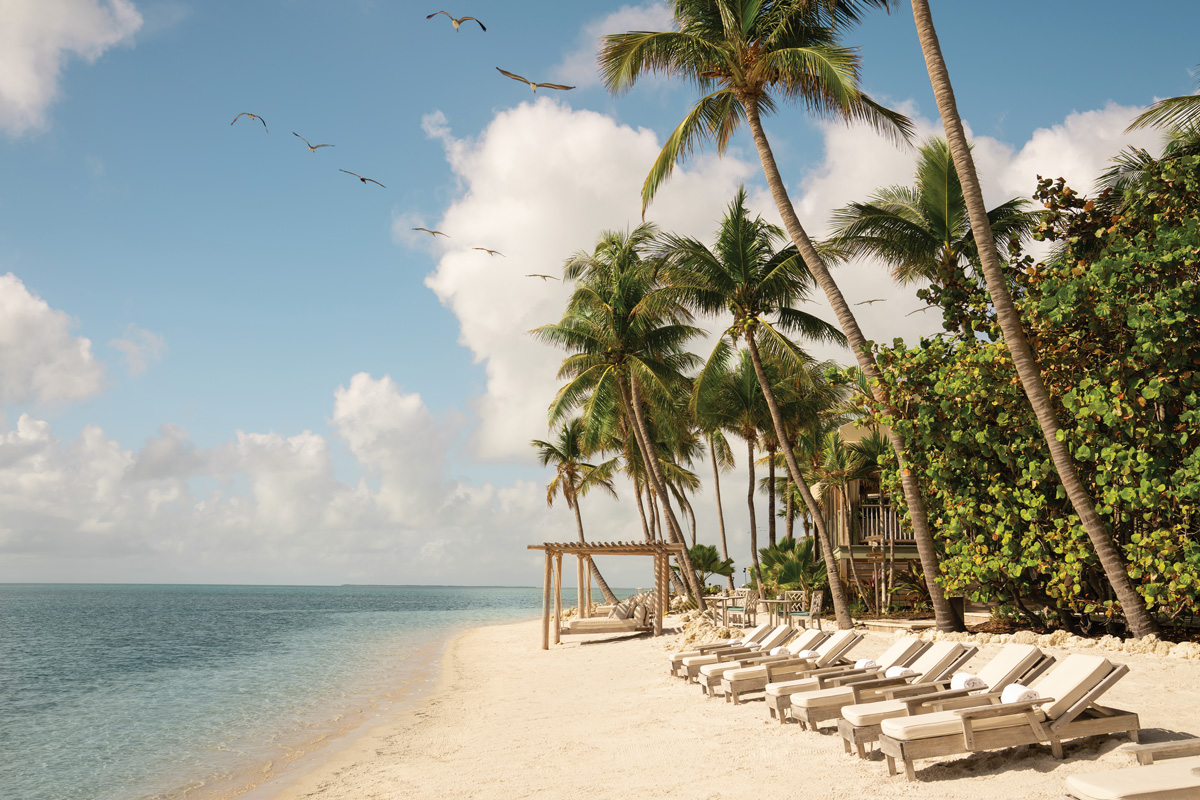
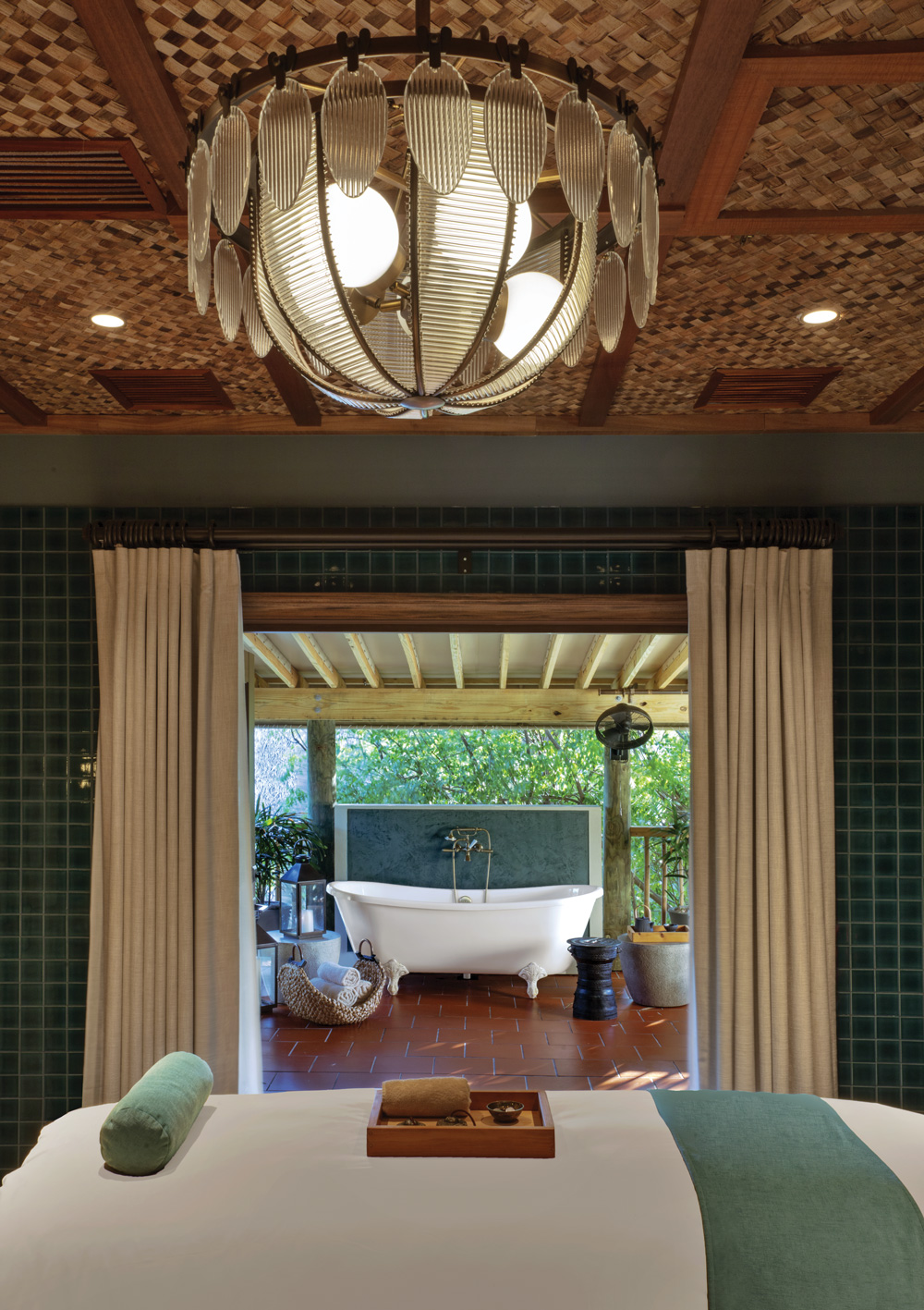
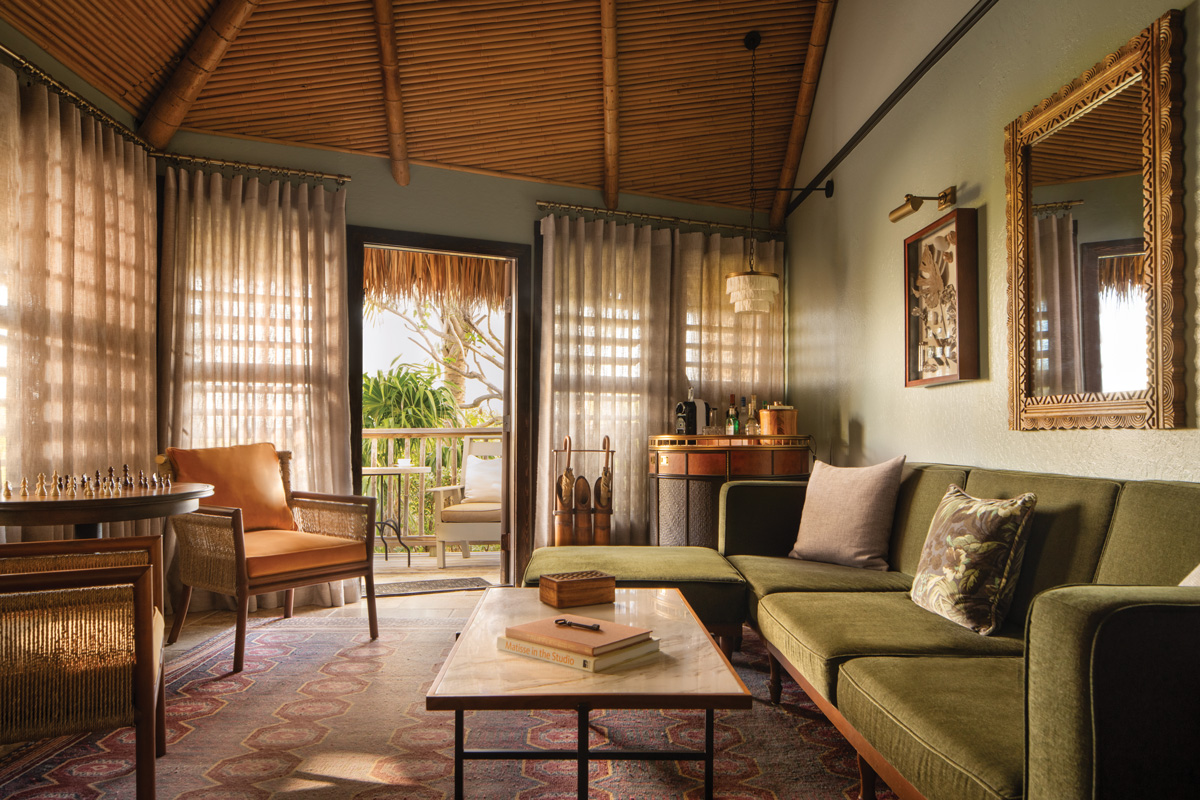
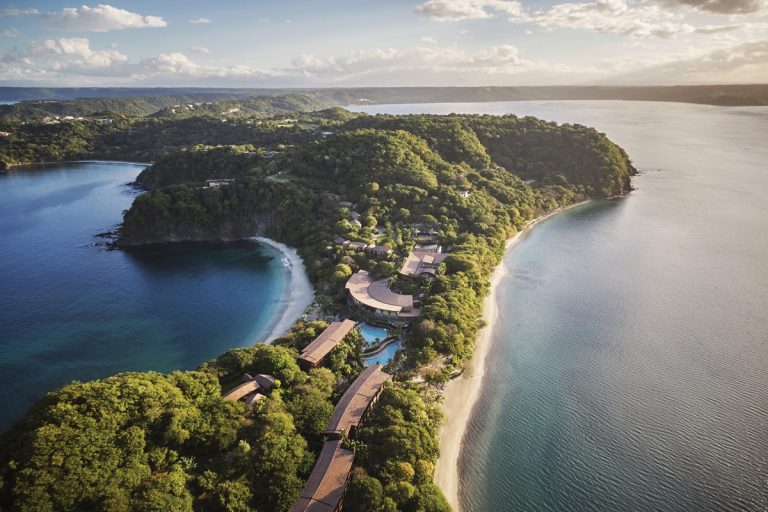
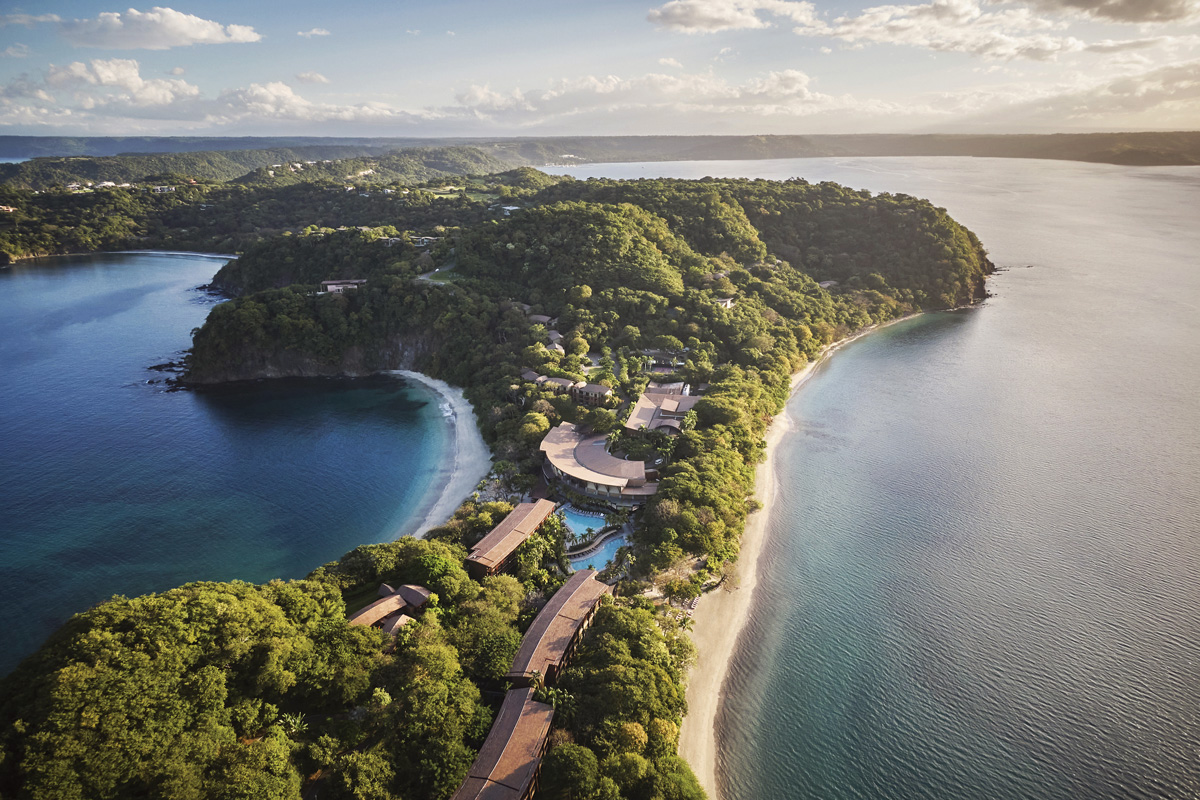 THE TROPICAL PARADISE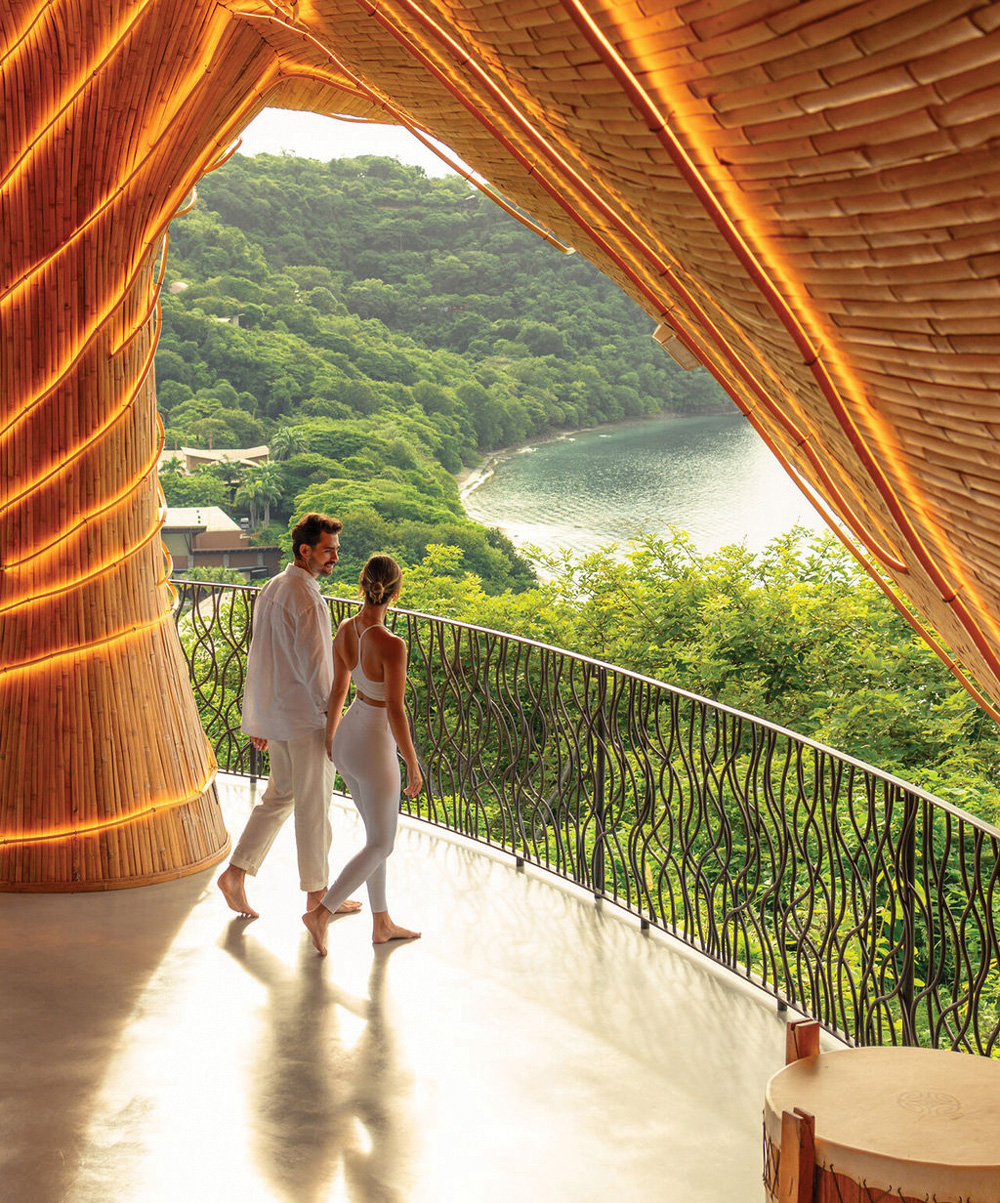
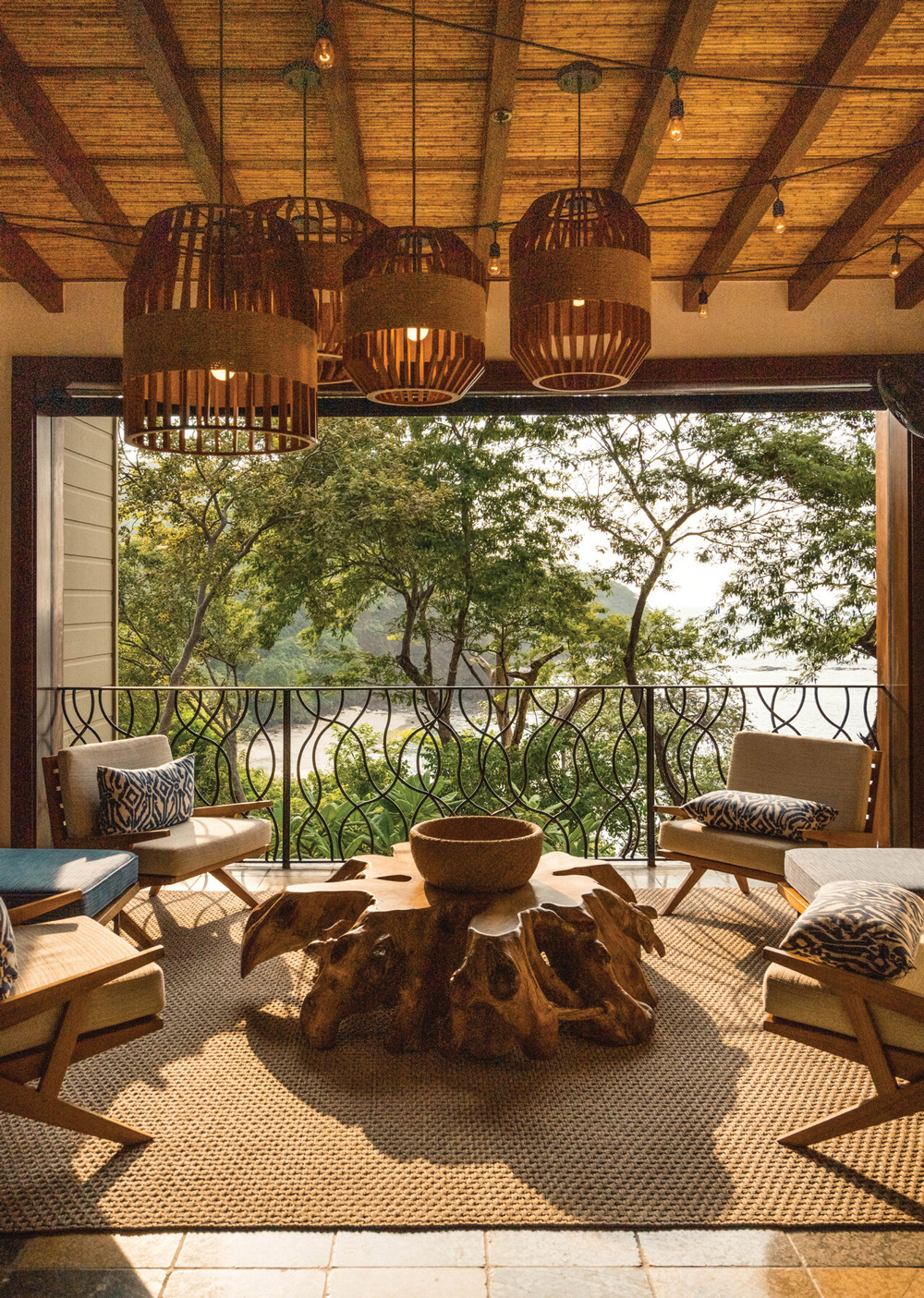
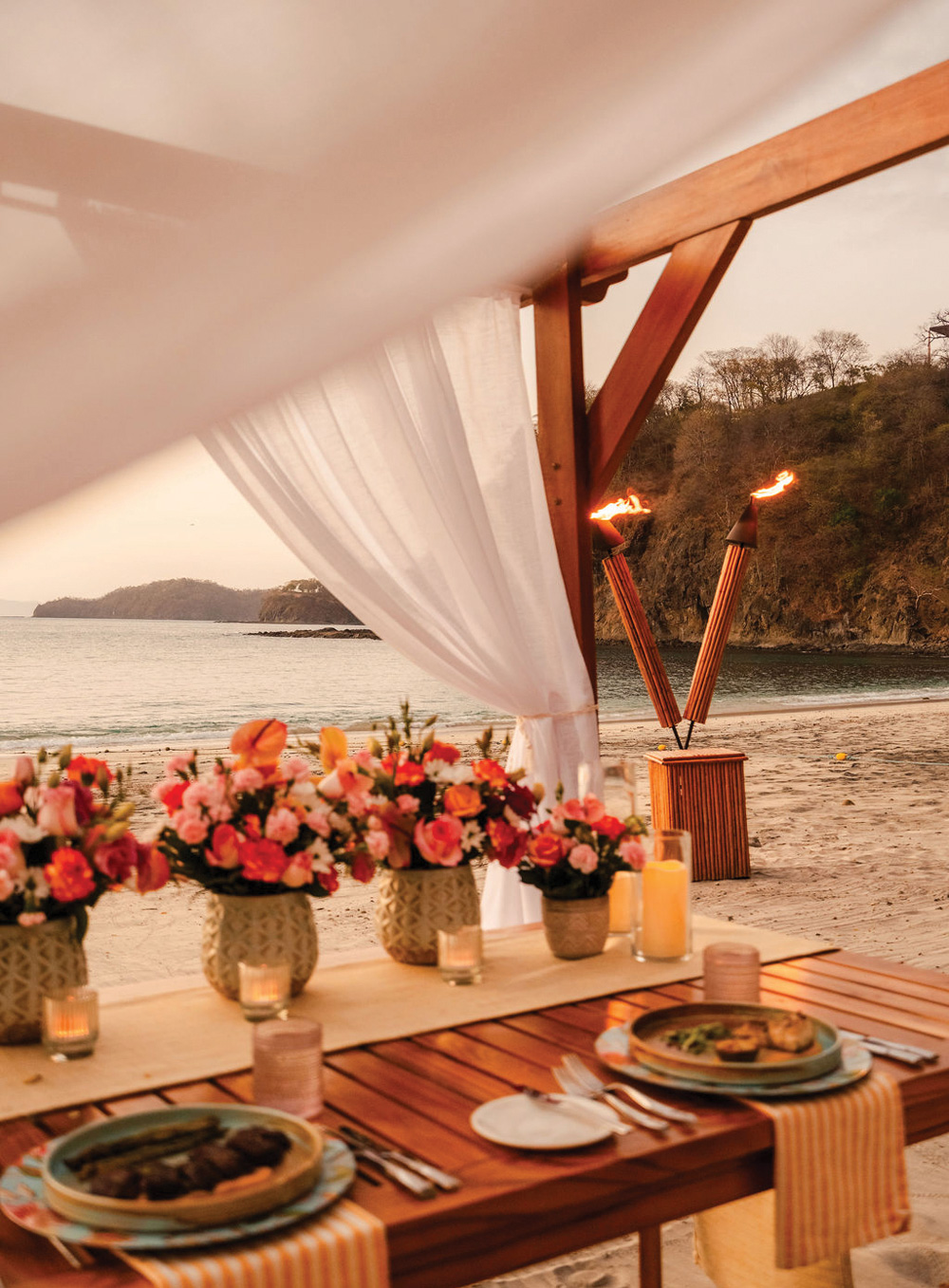



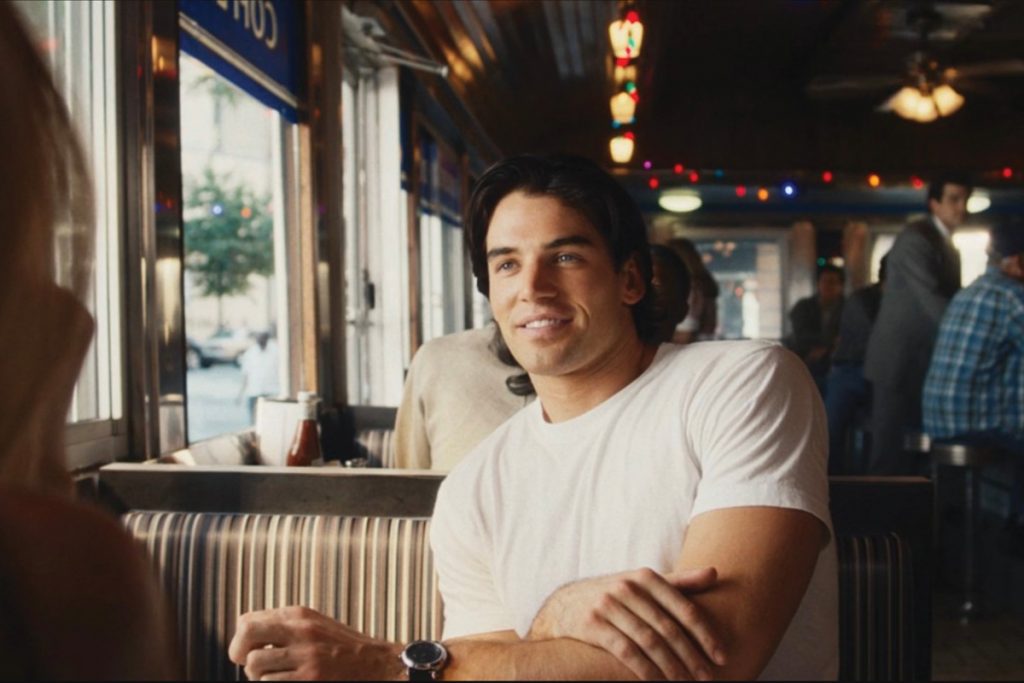
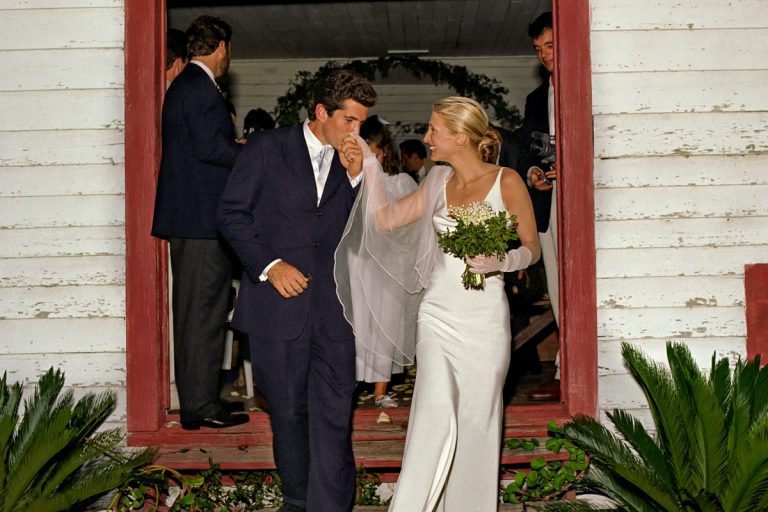
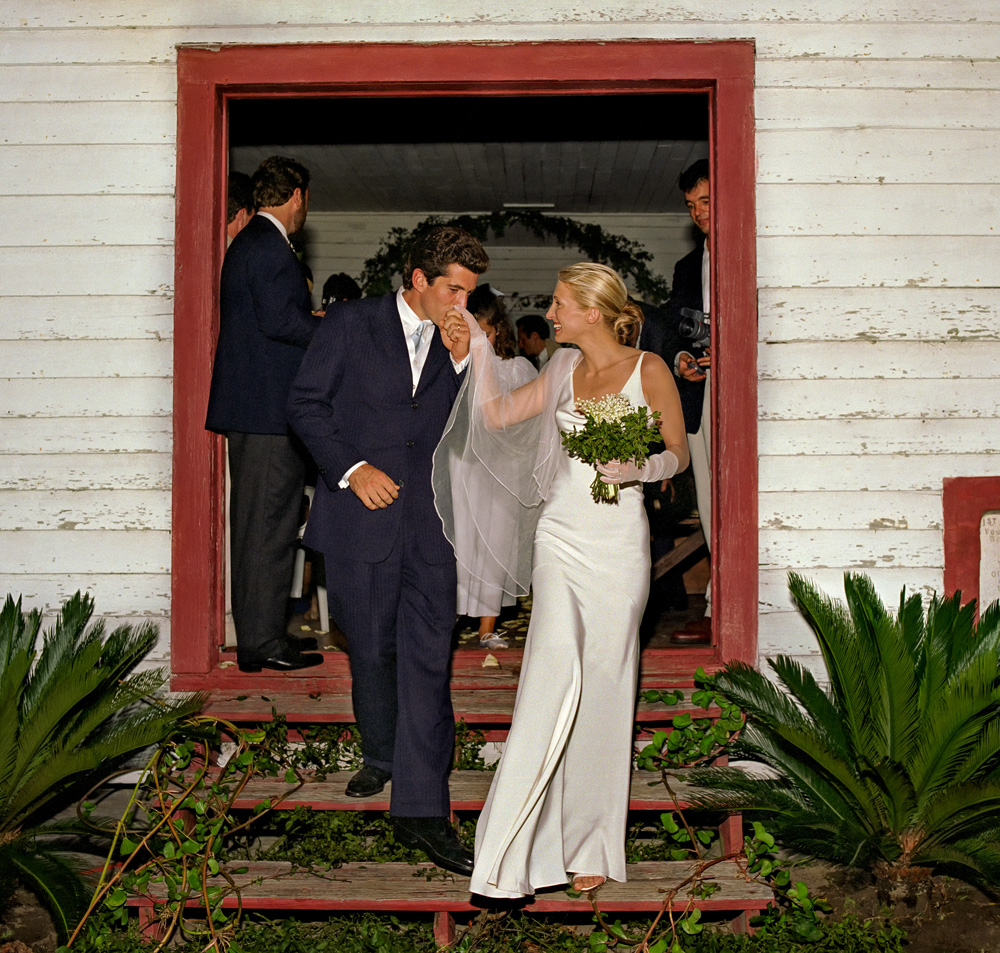
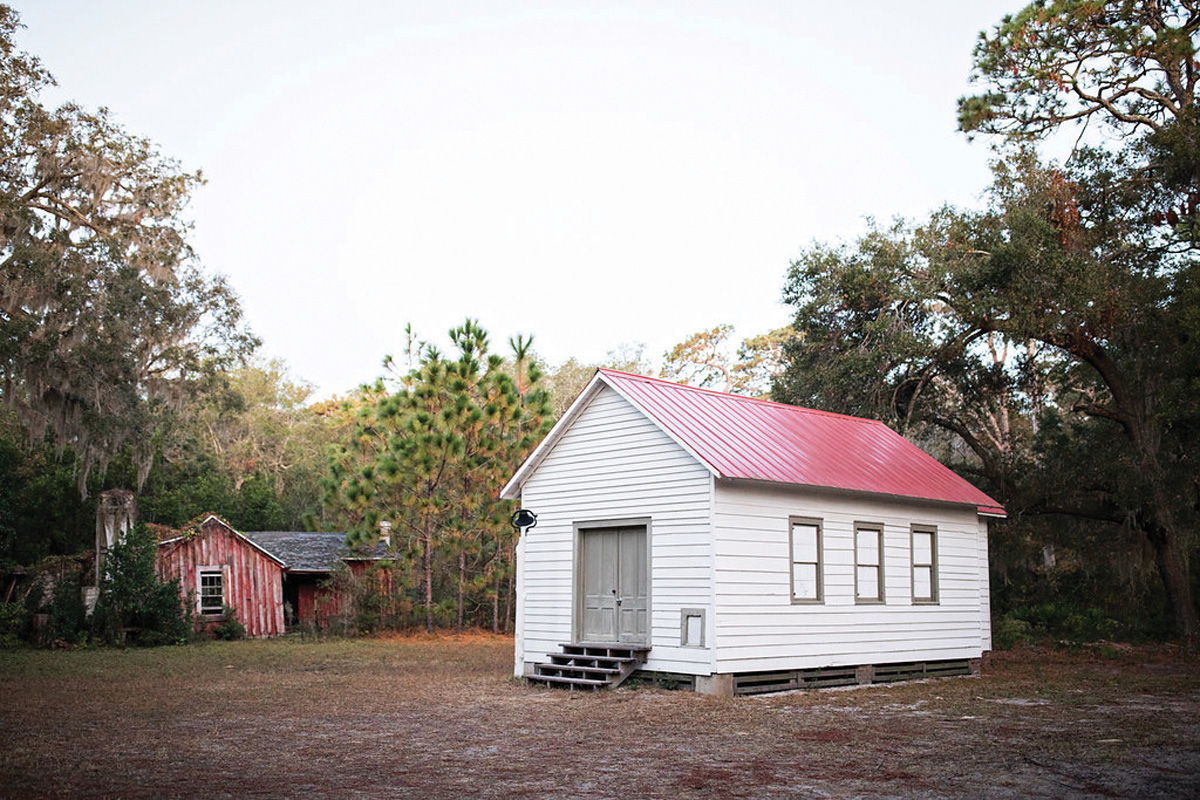
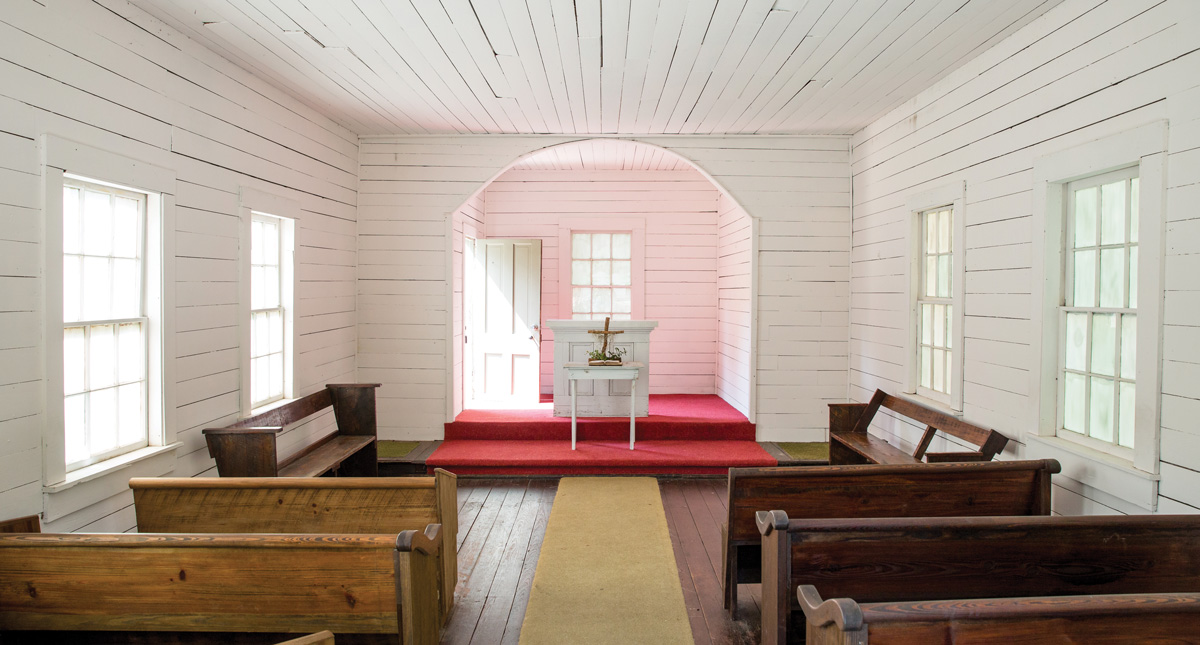
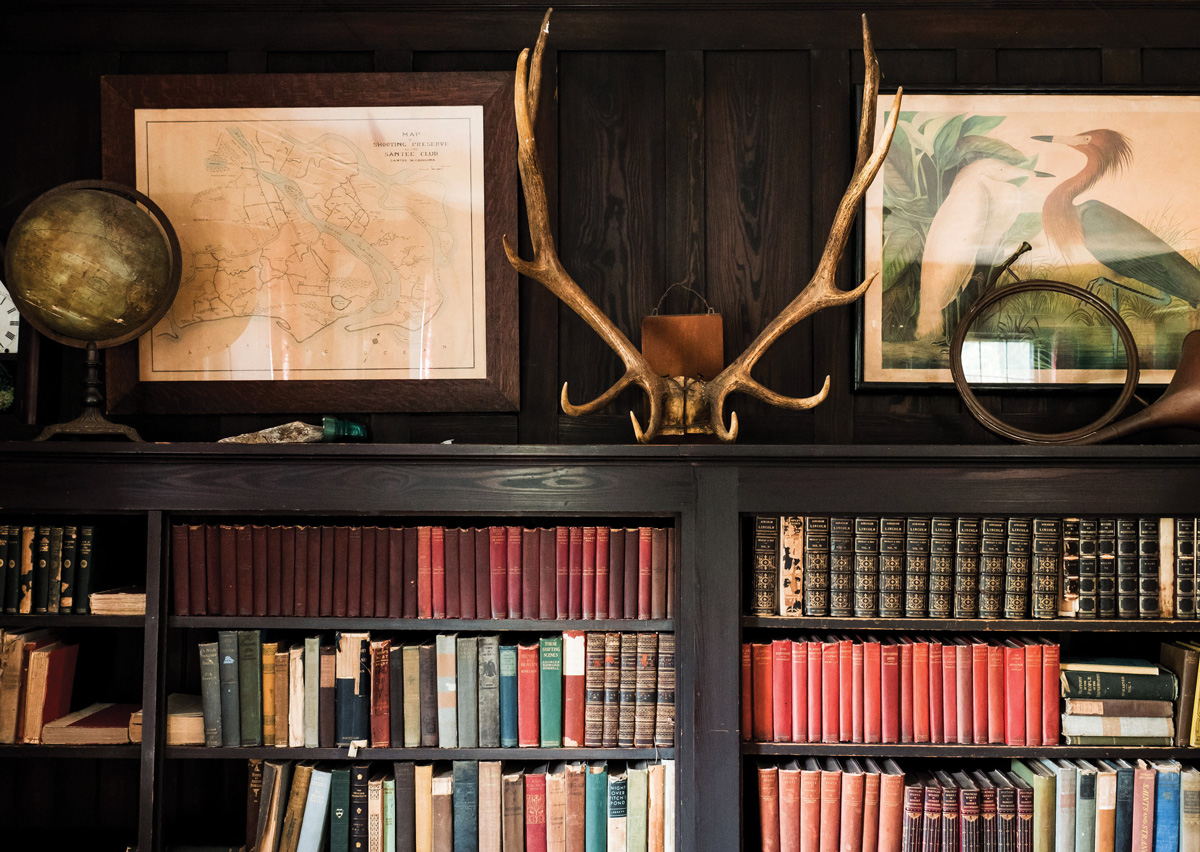
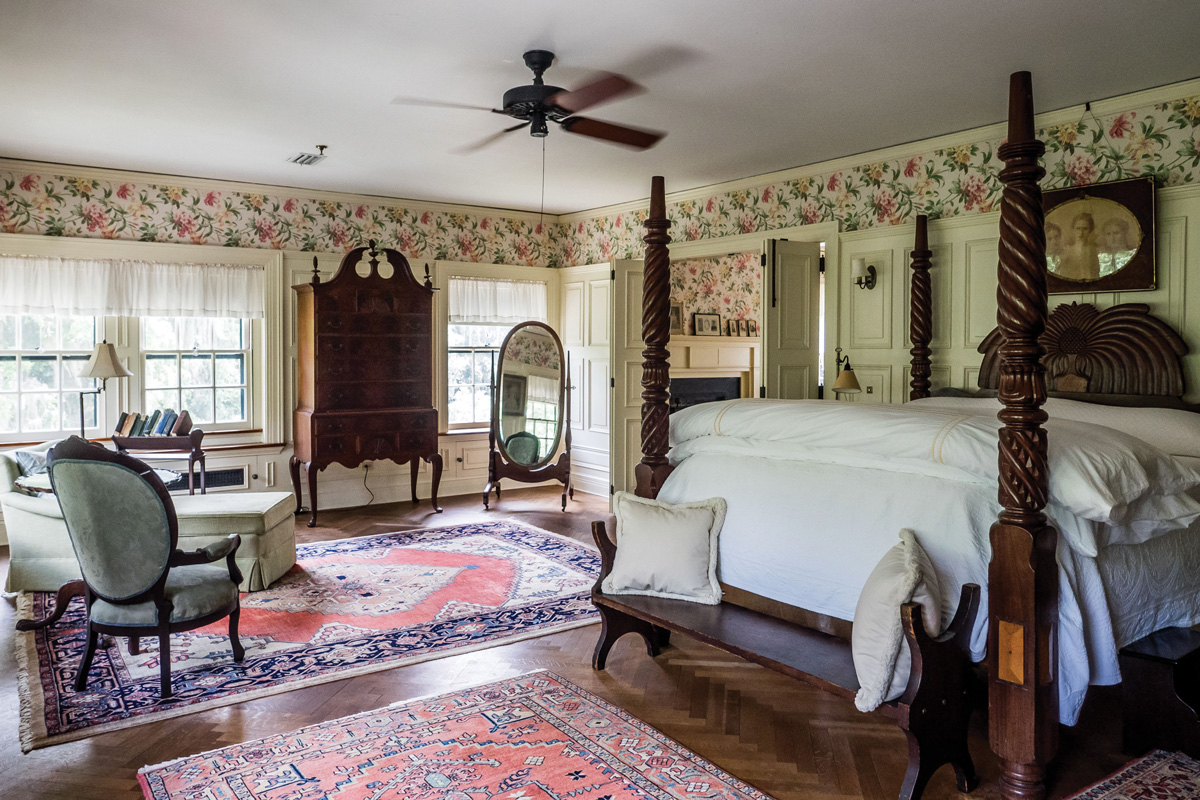
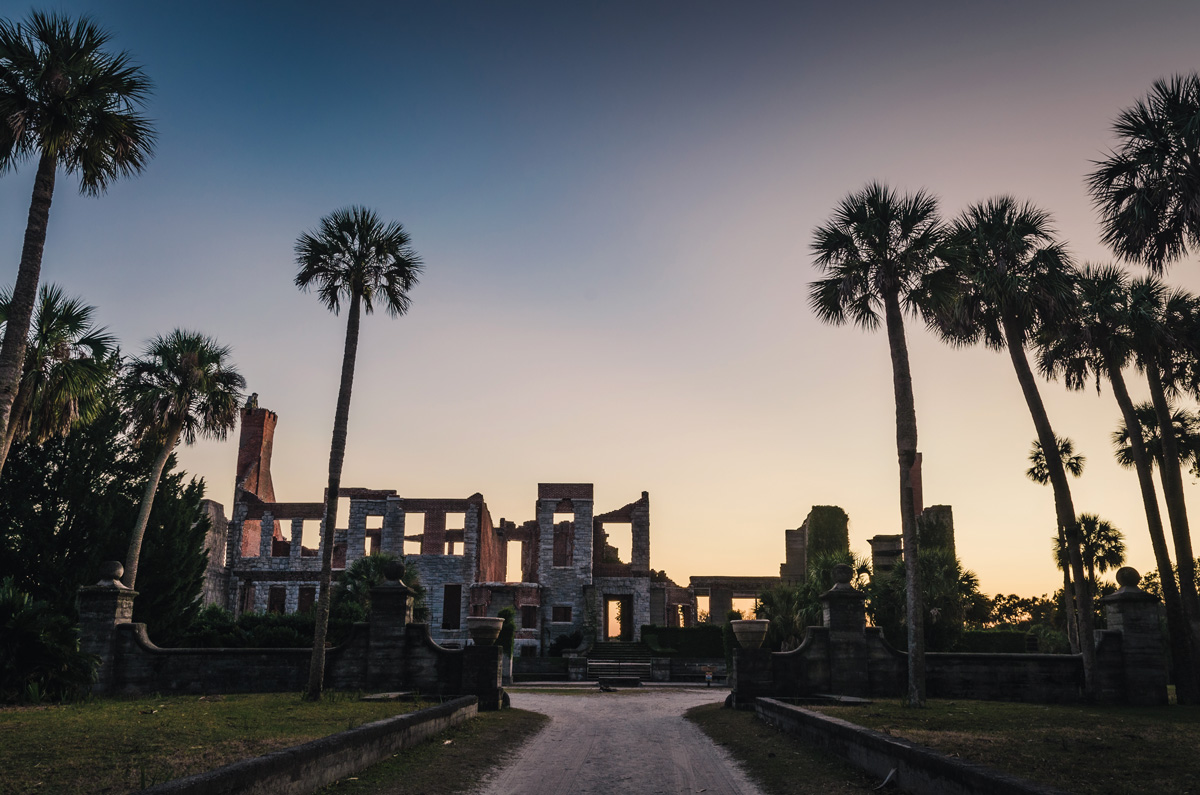
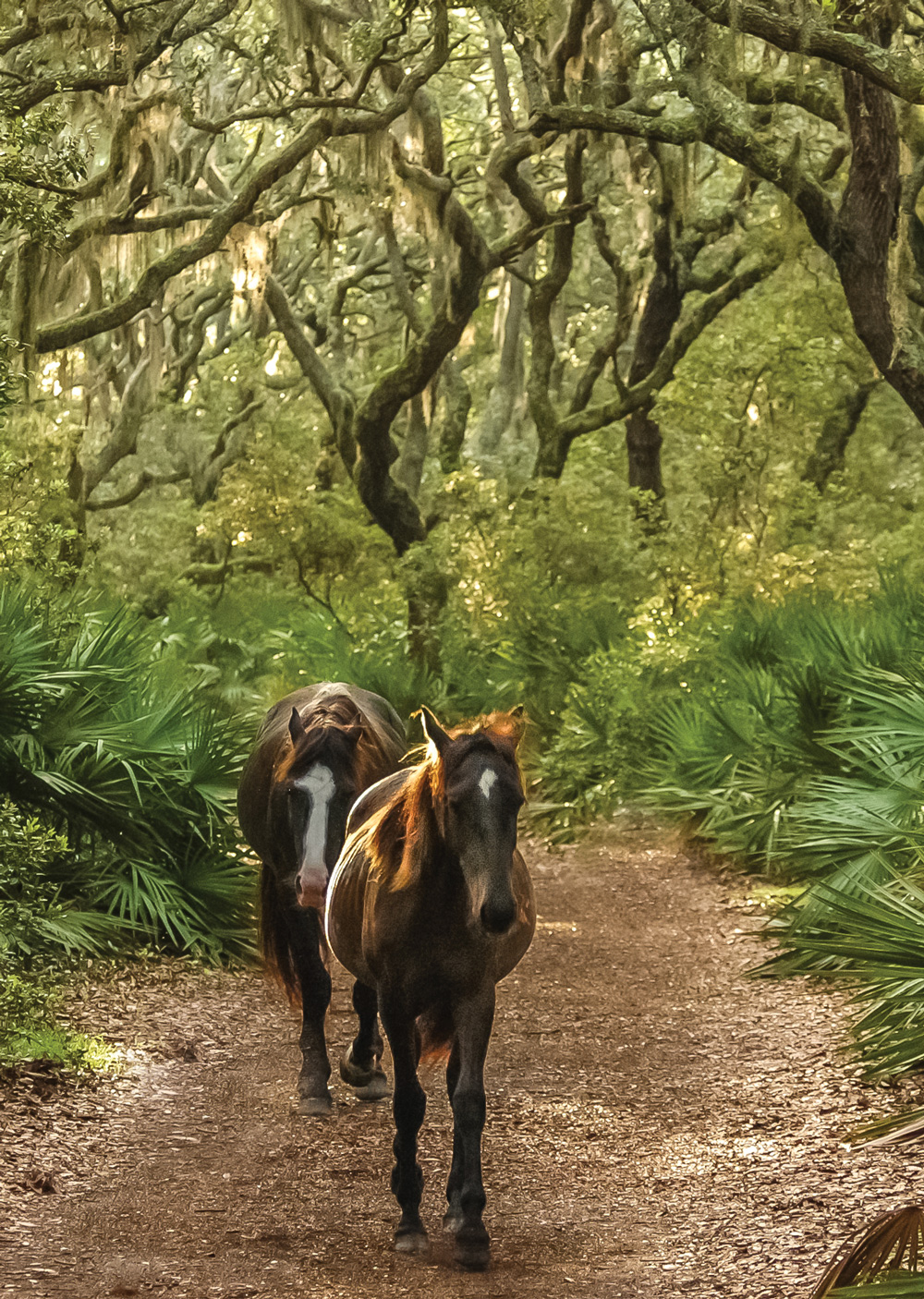
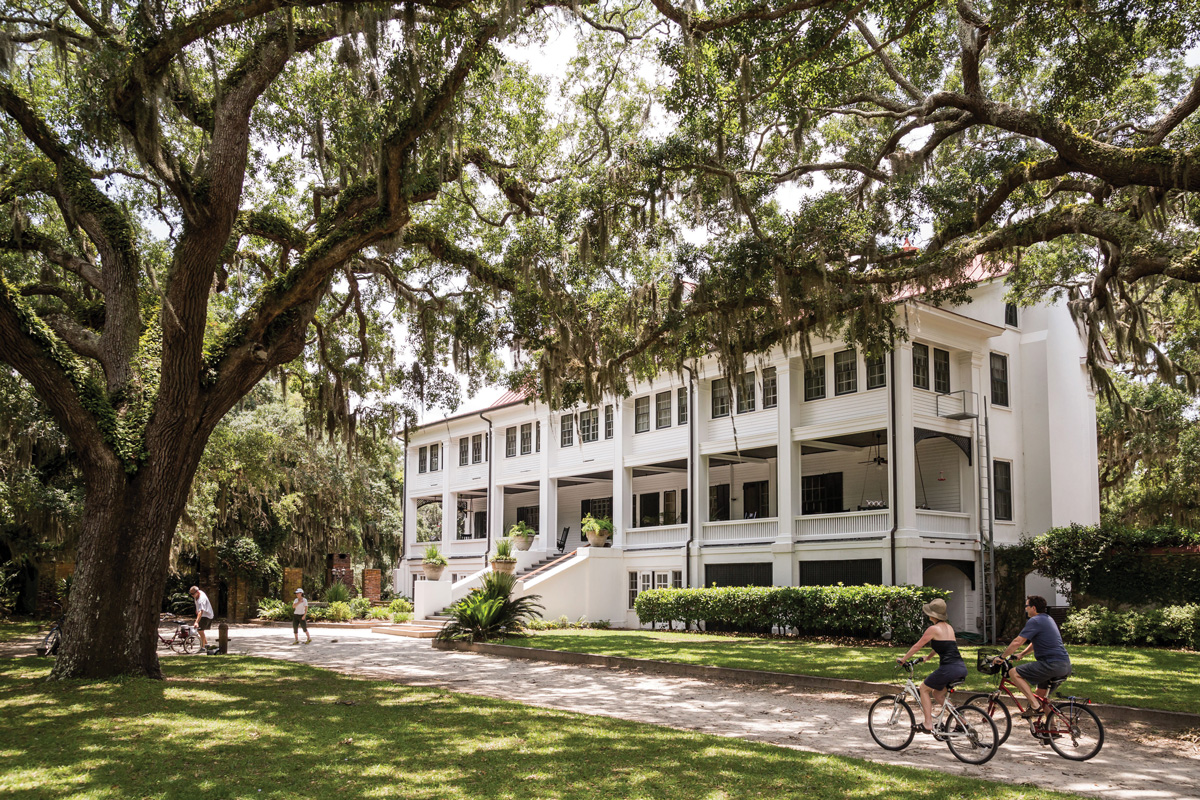
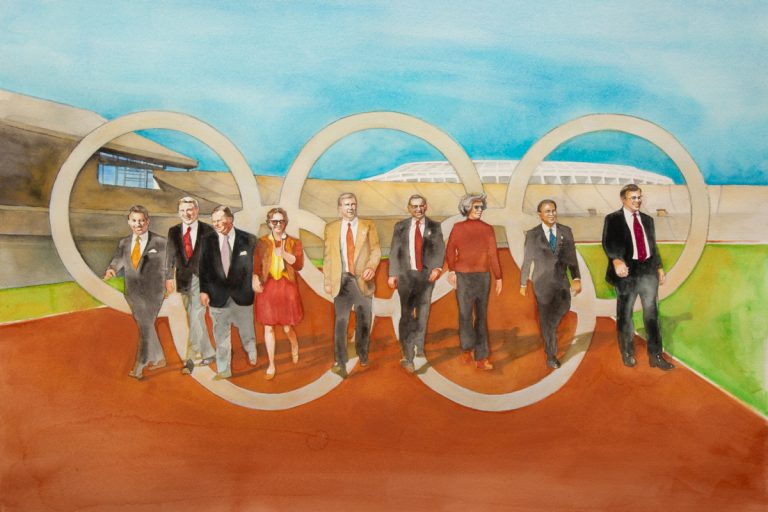
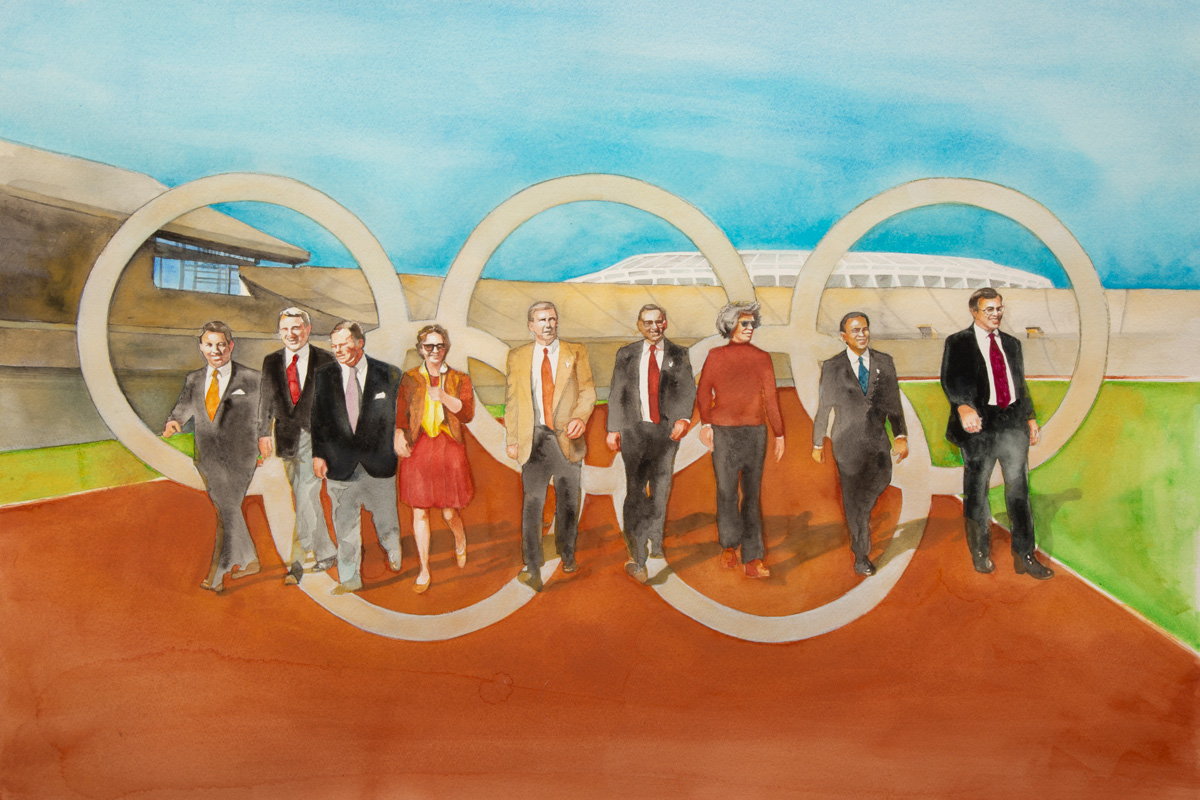
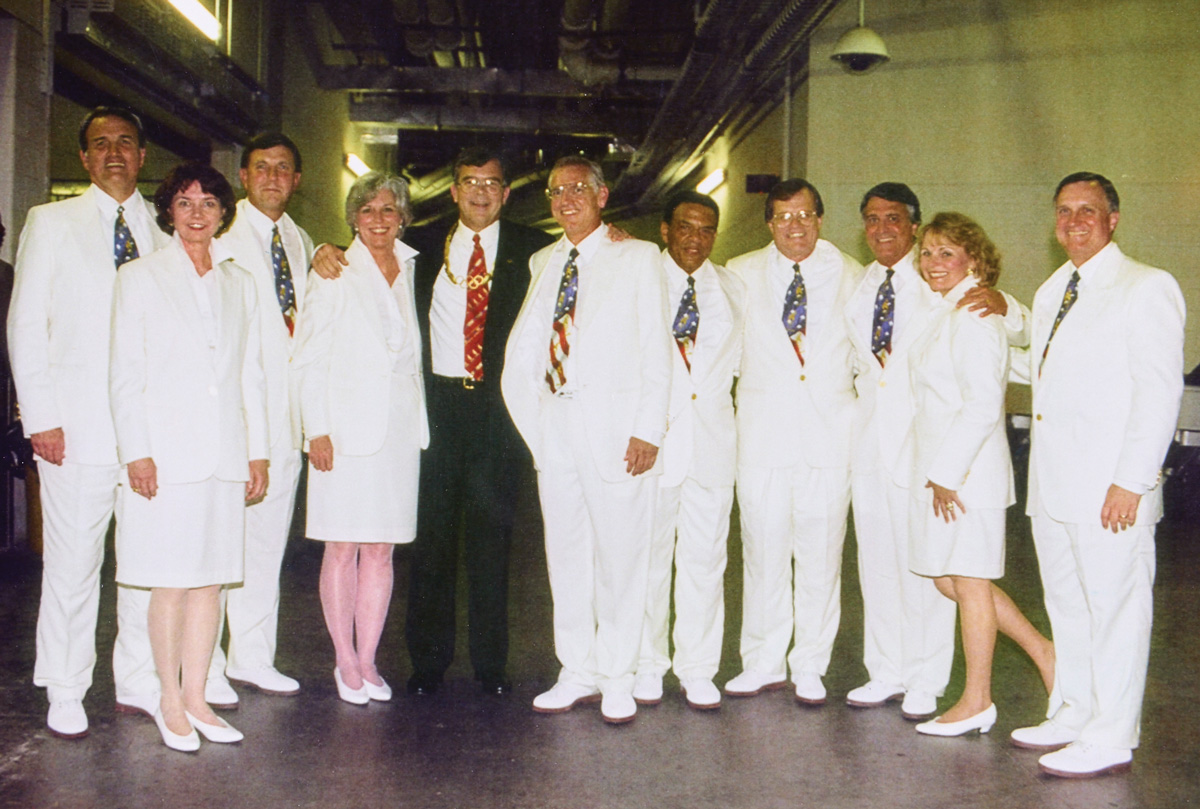
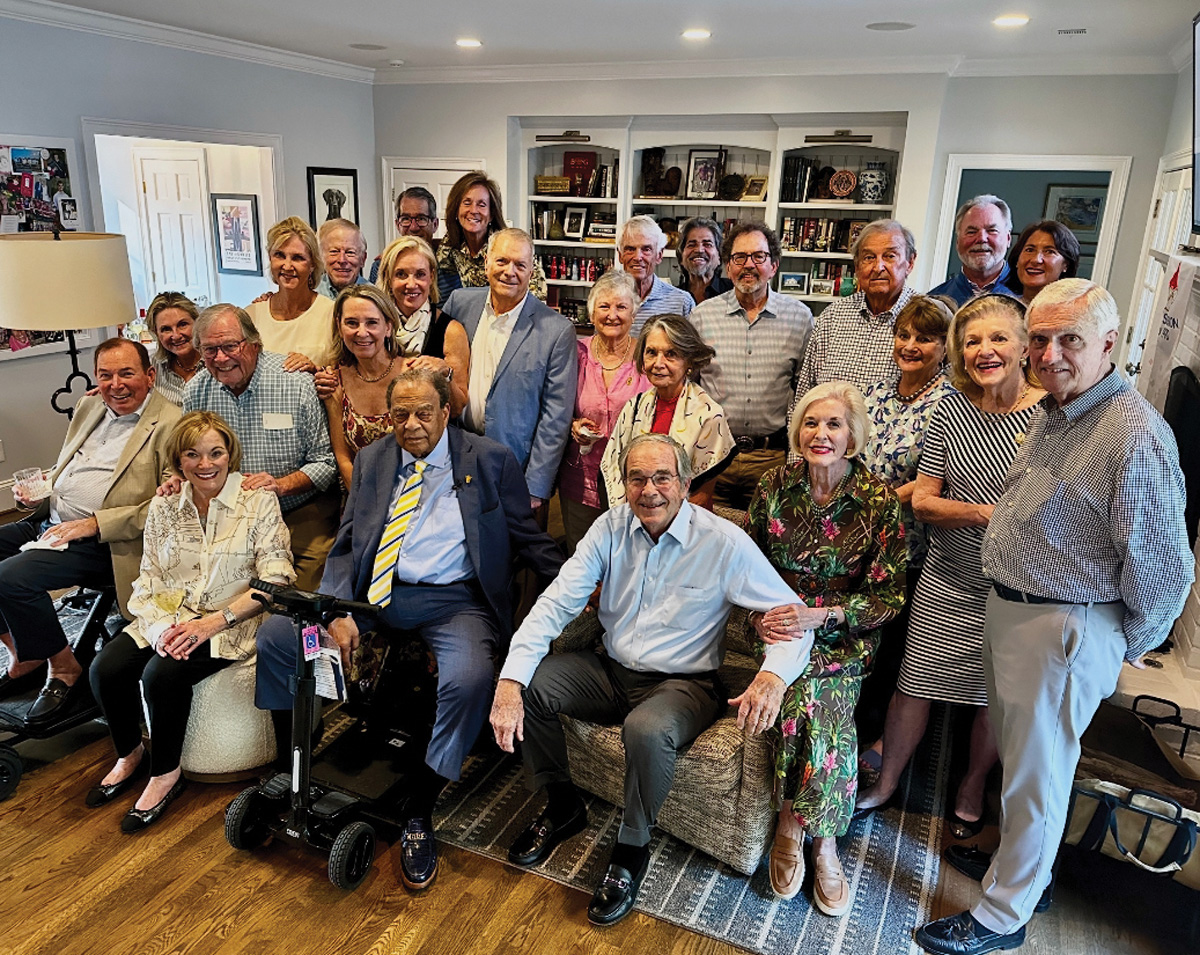
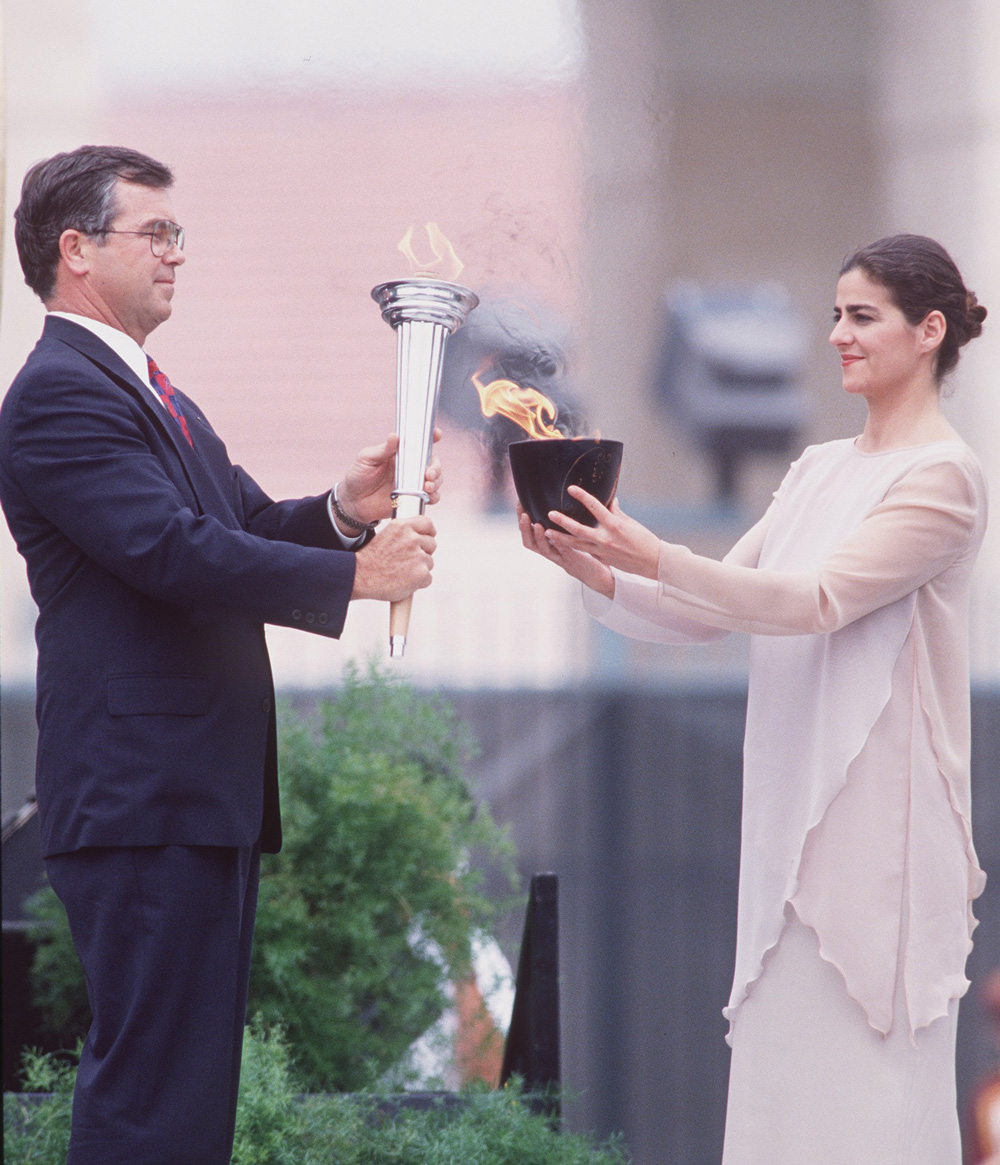
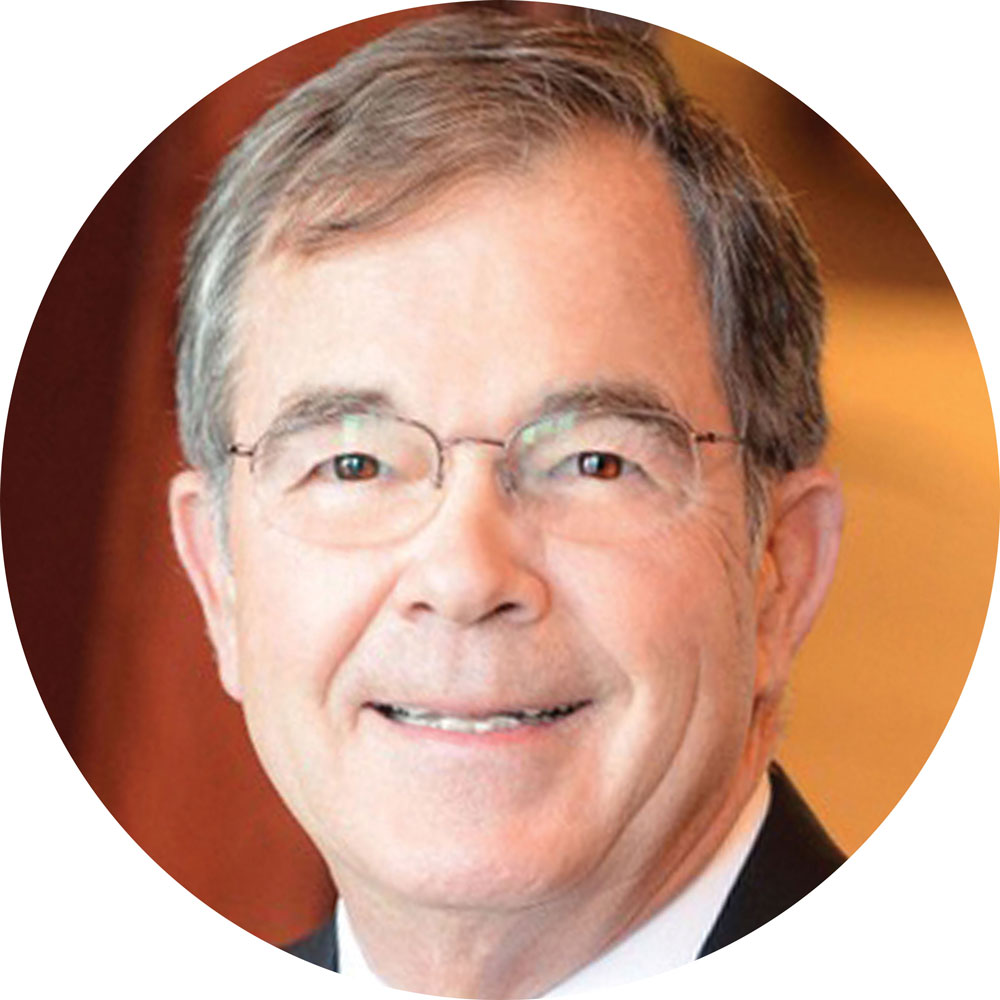
 Peter
Peter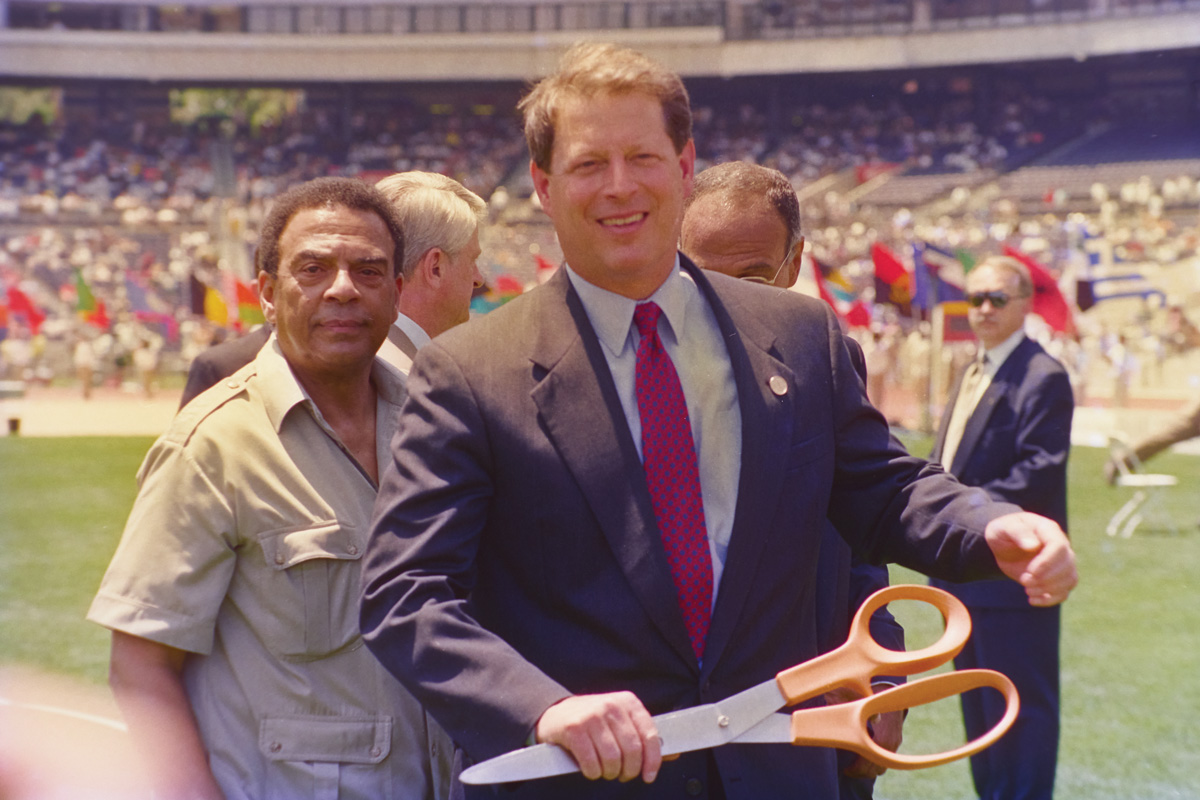
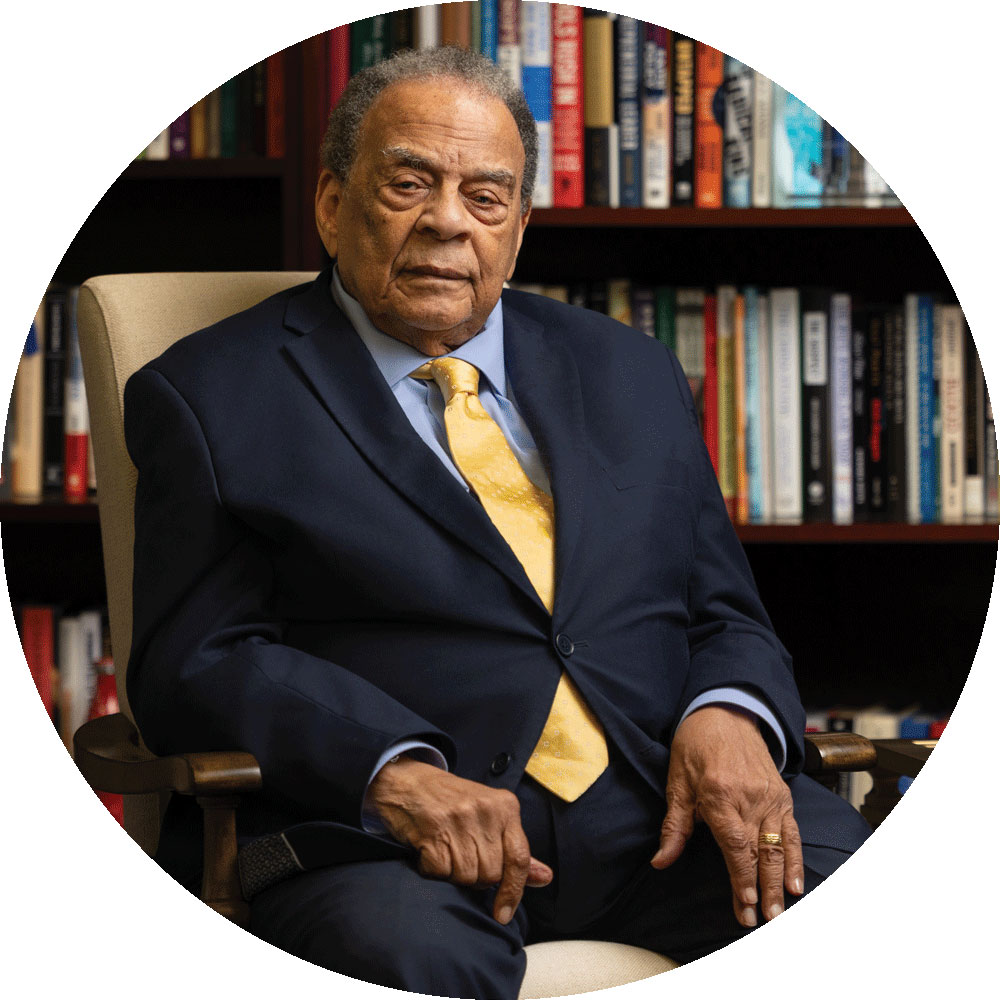
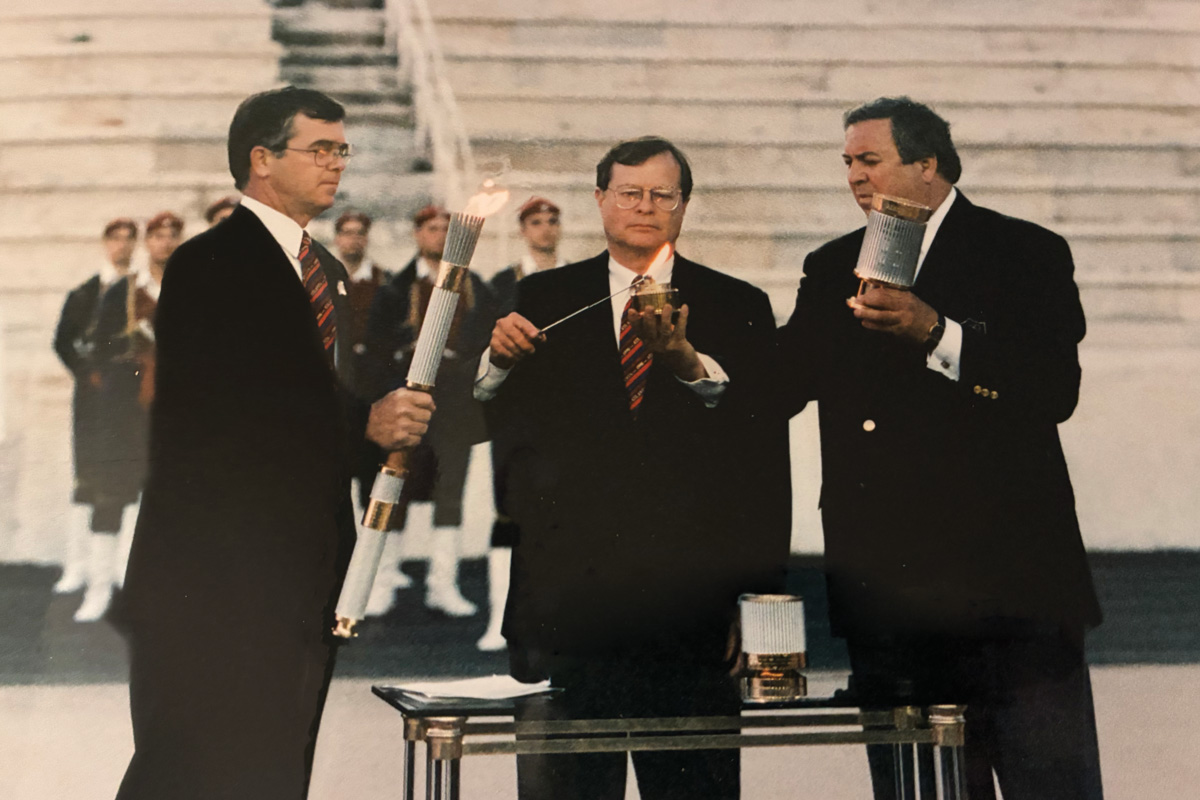
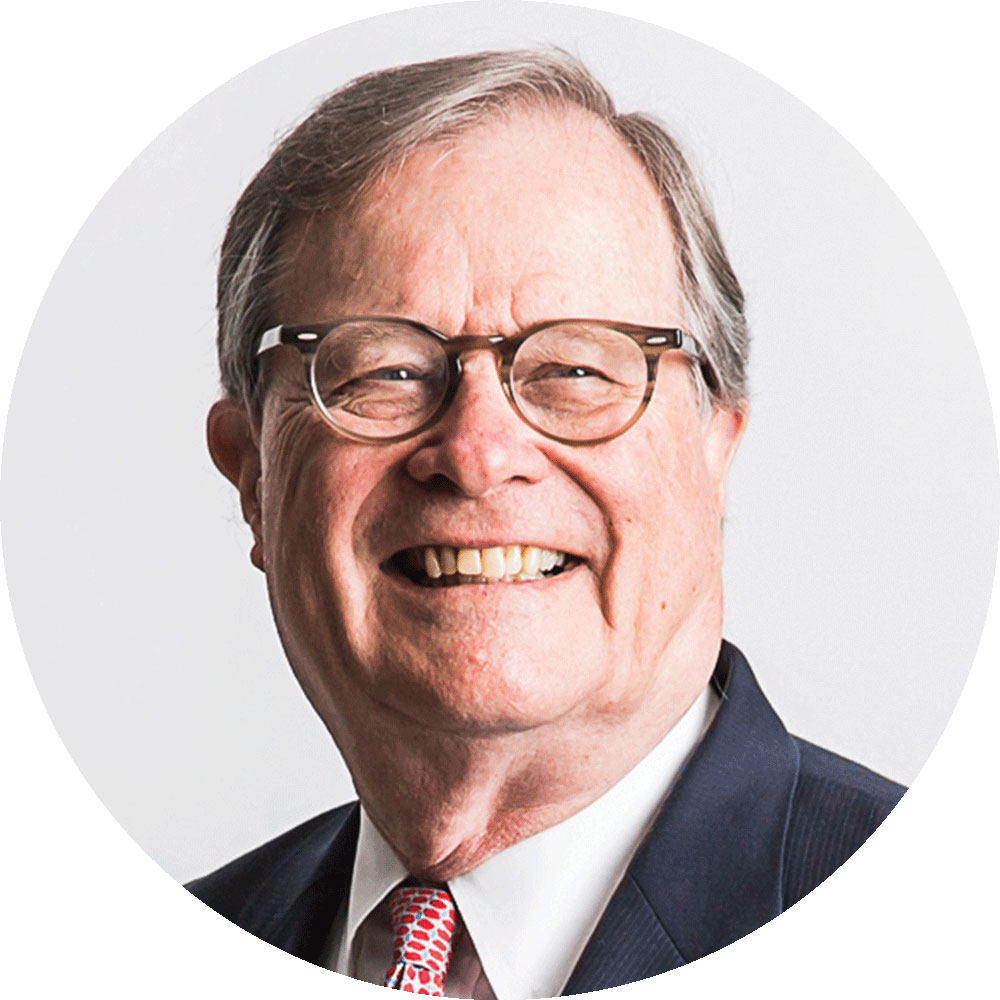
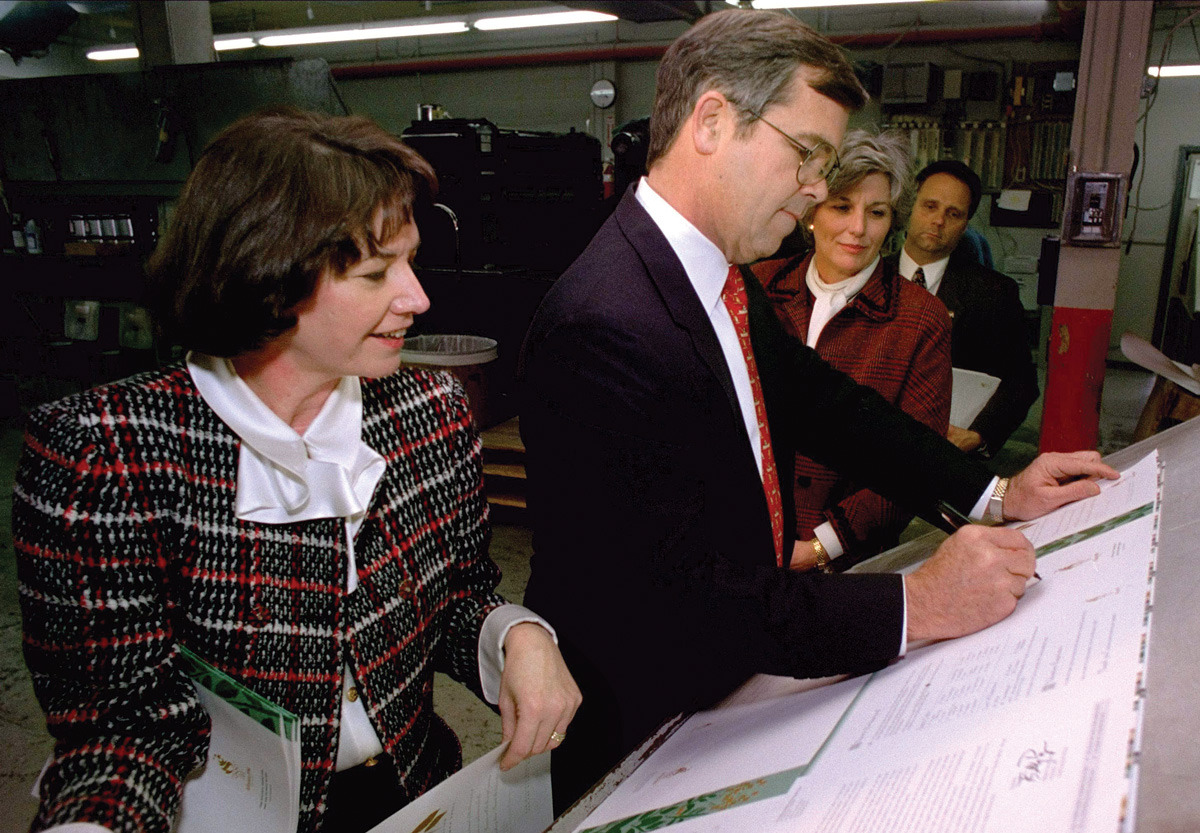
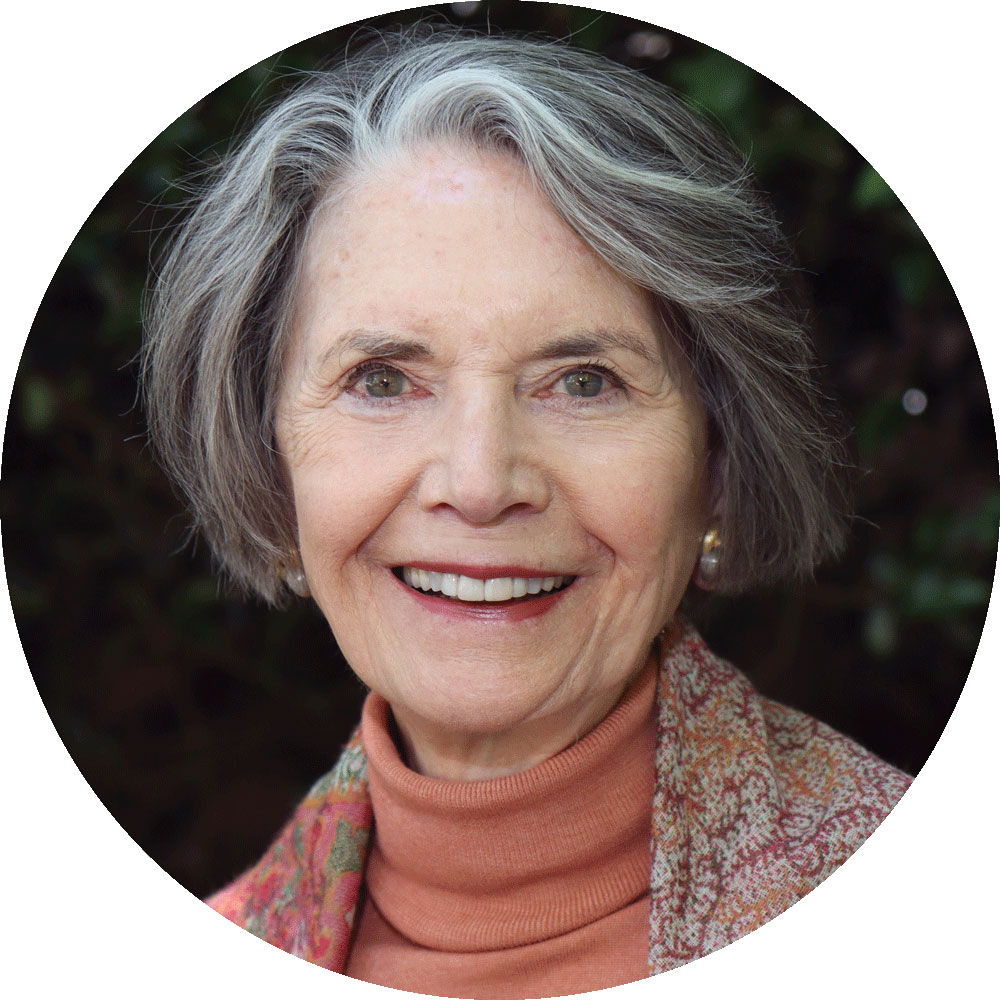
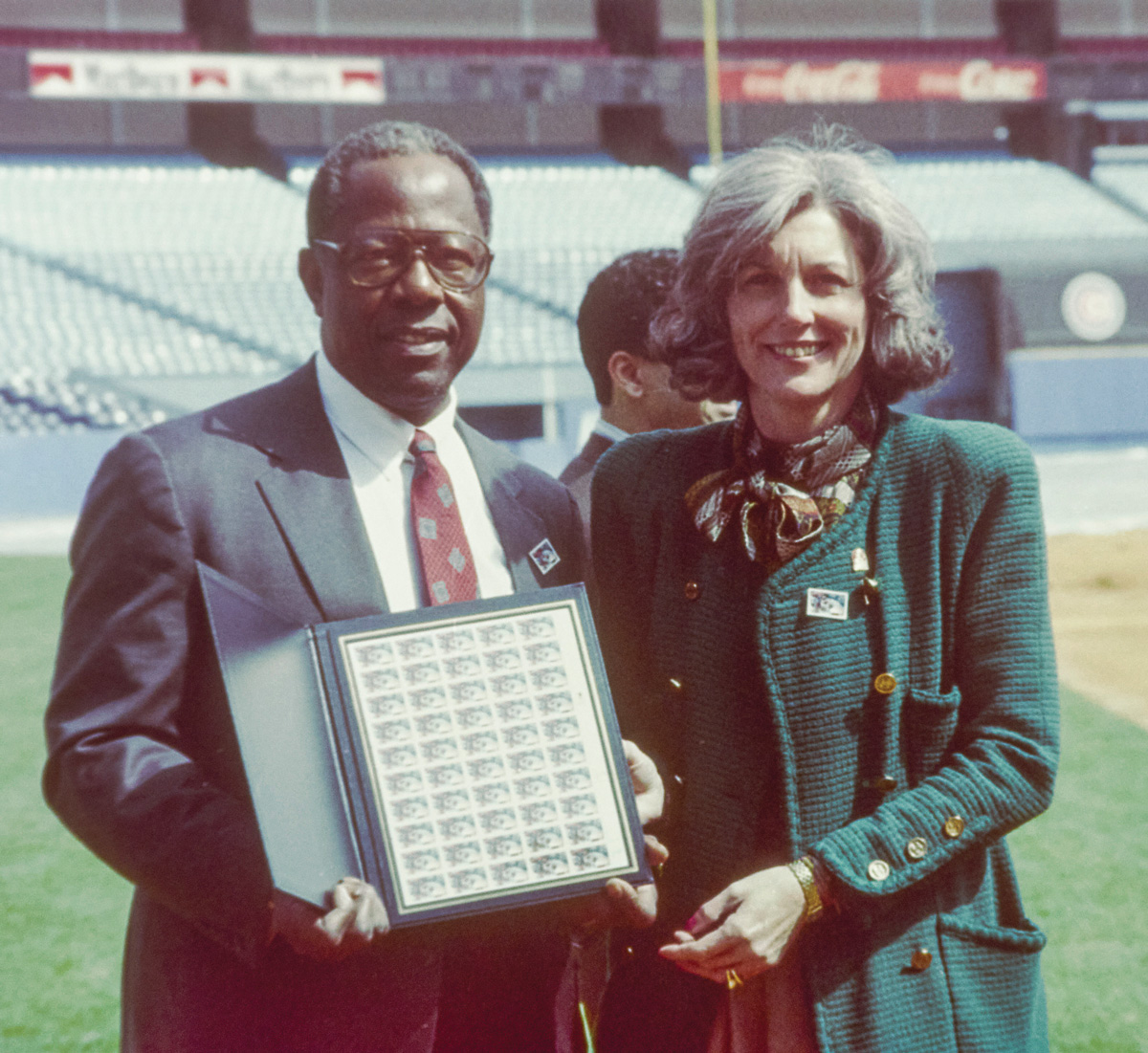
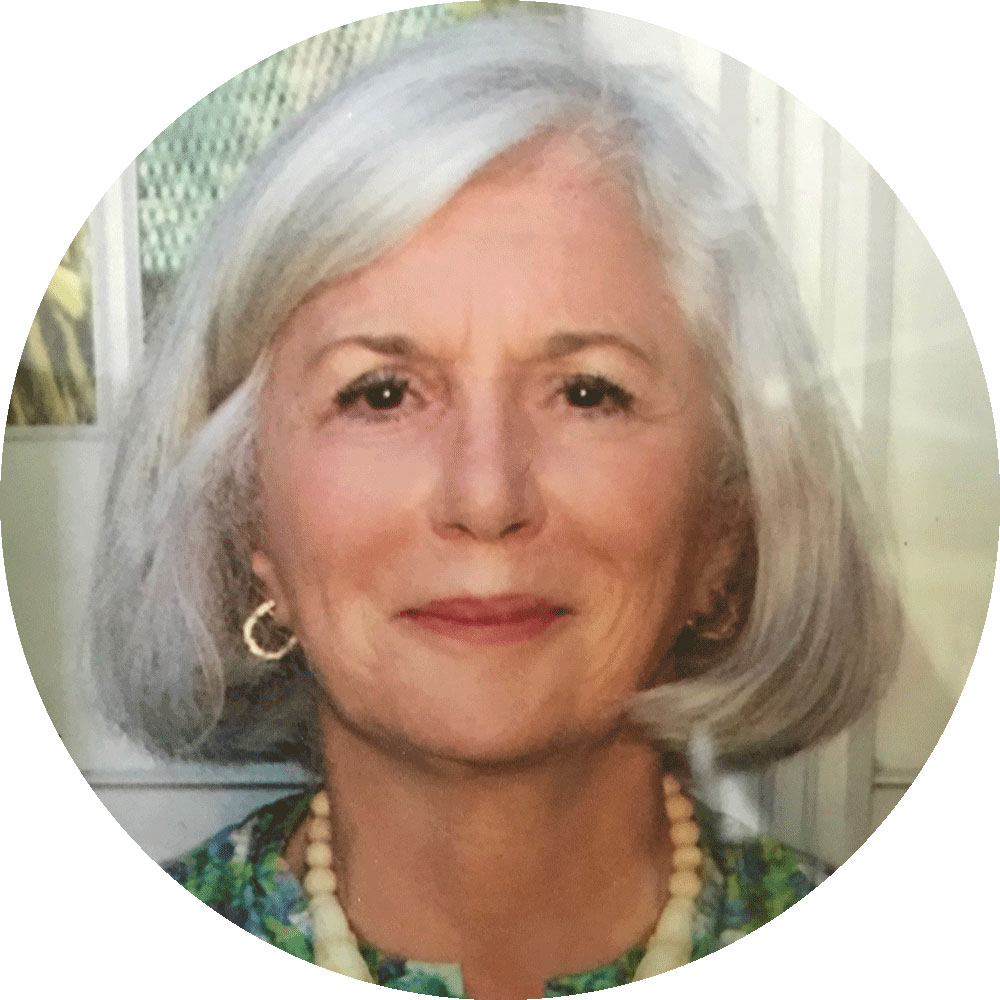
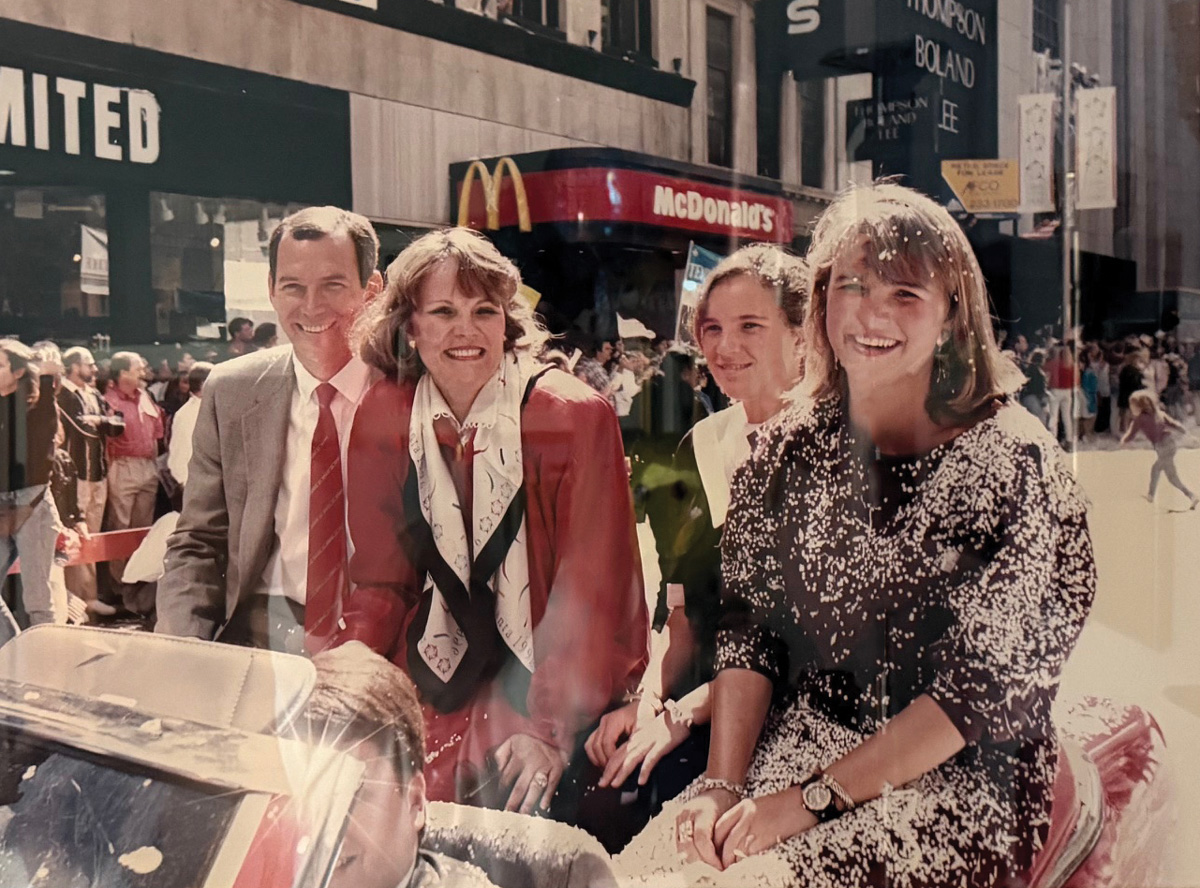
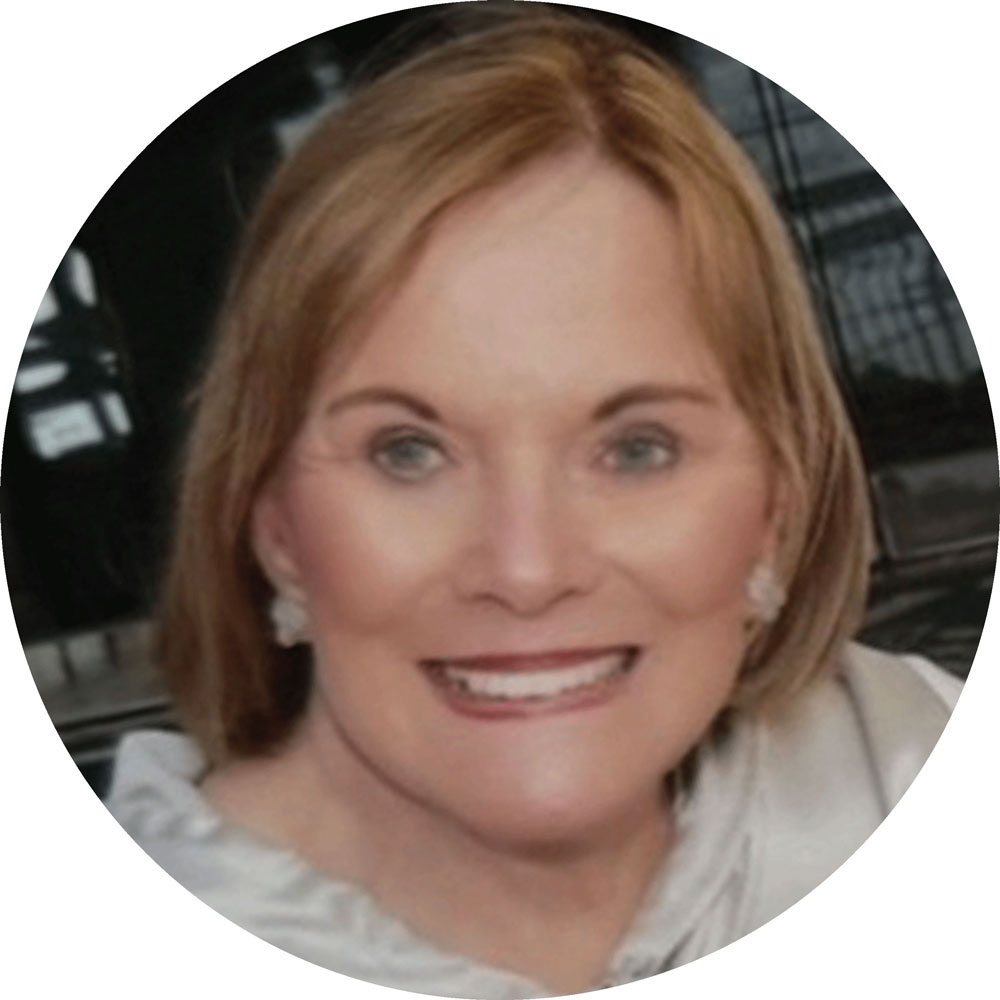
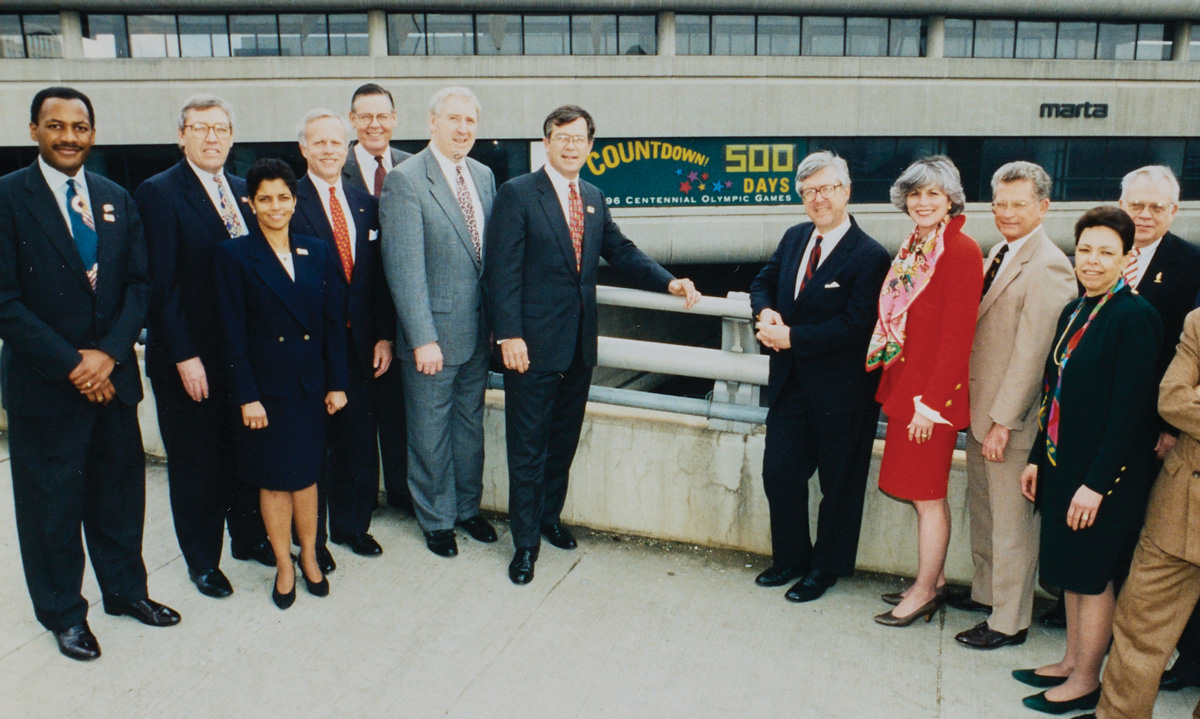
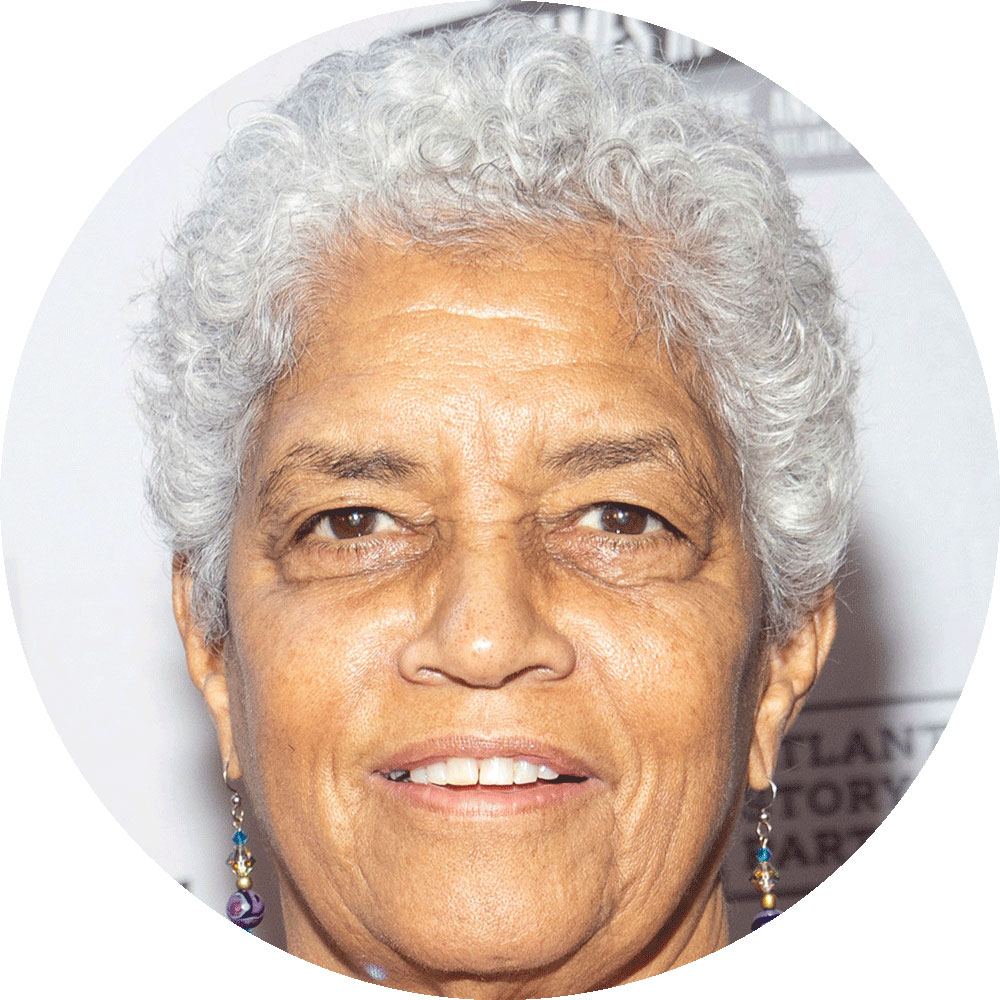
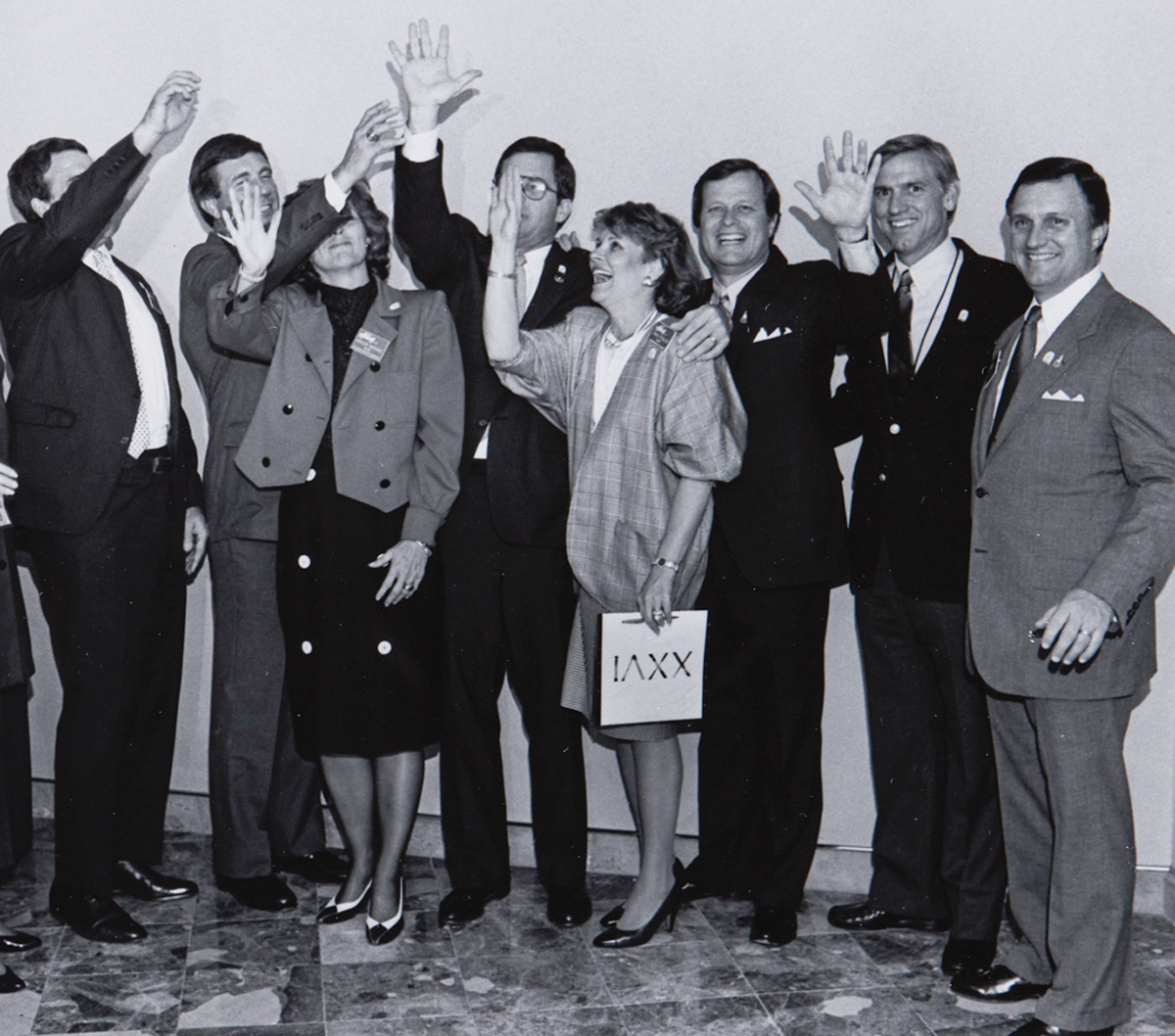
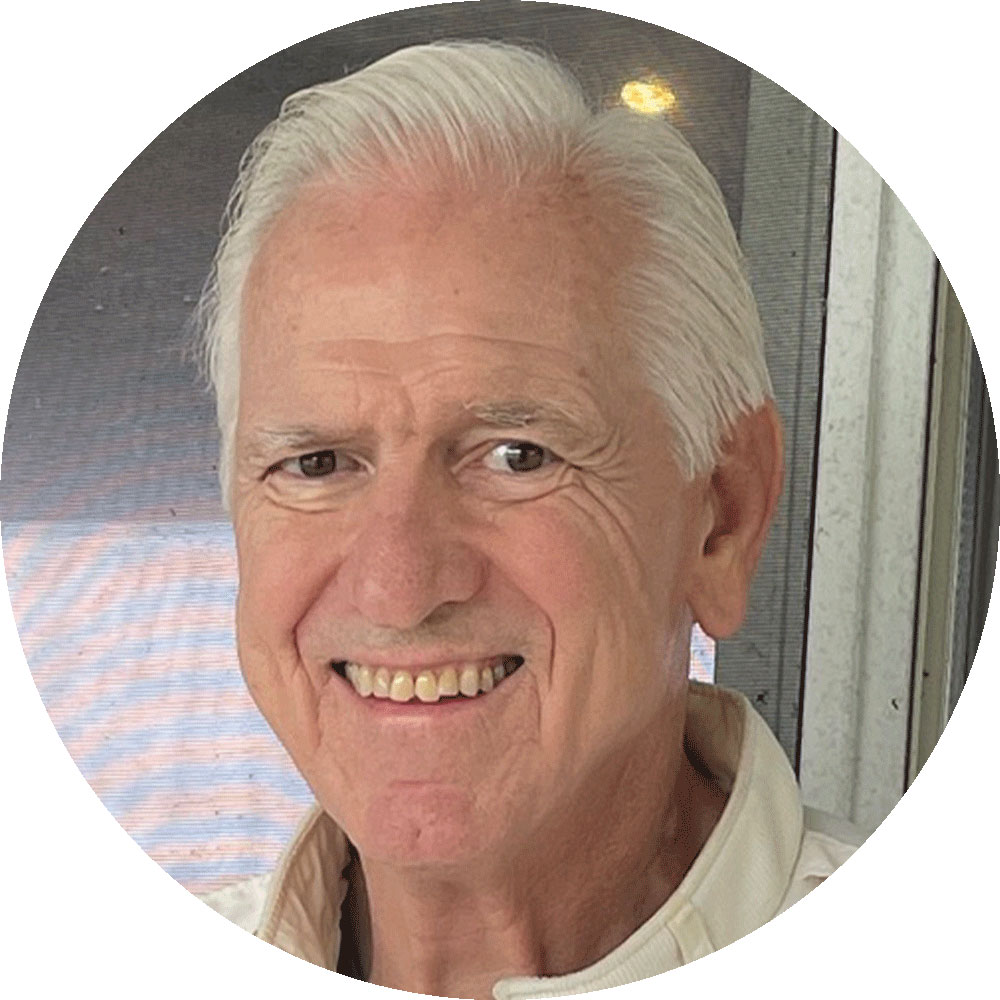
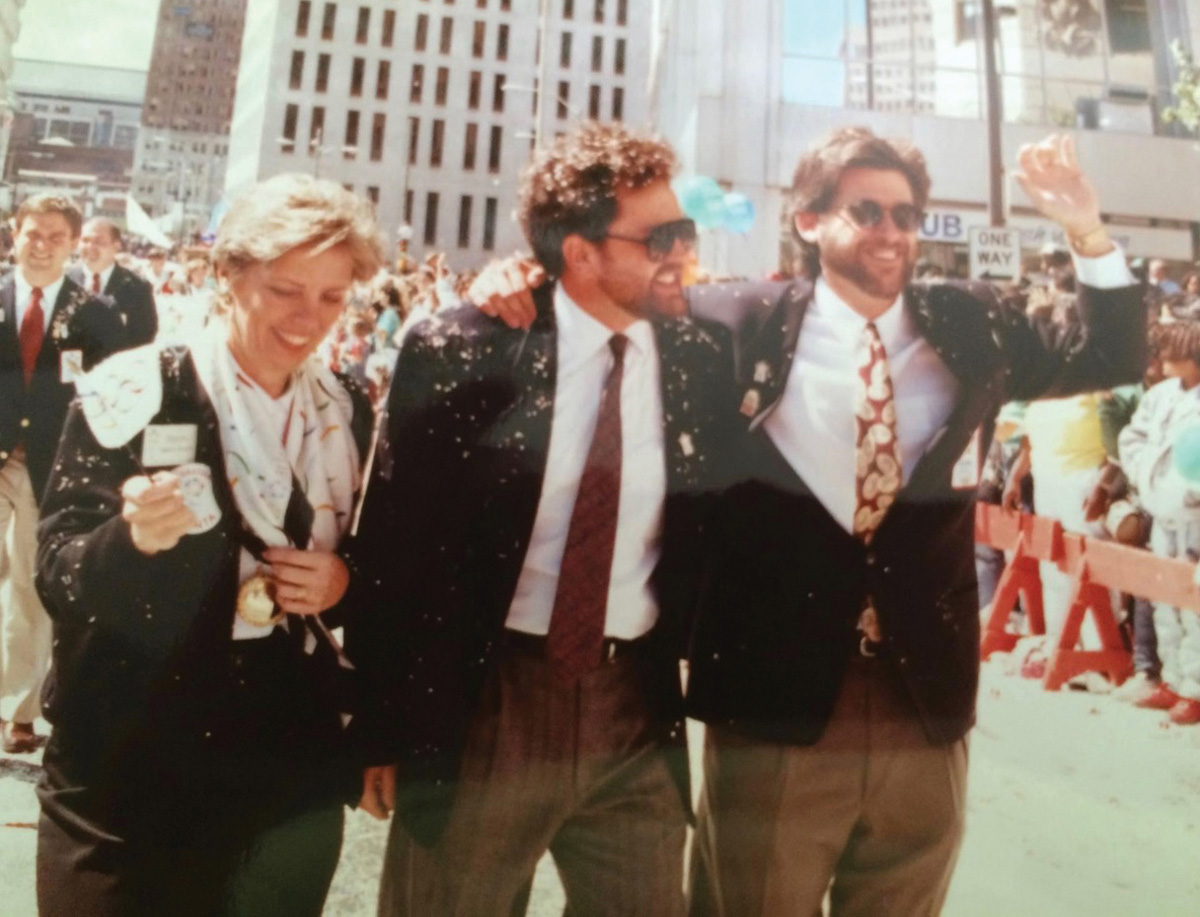
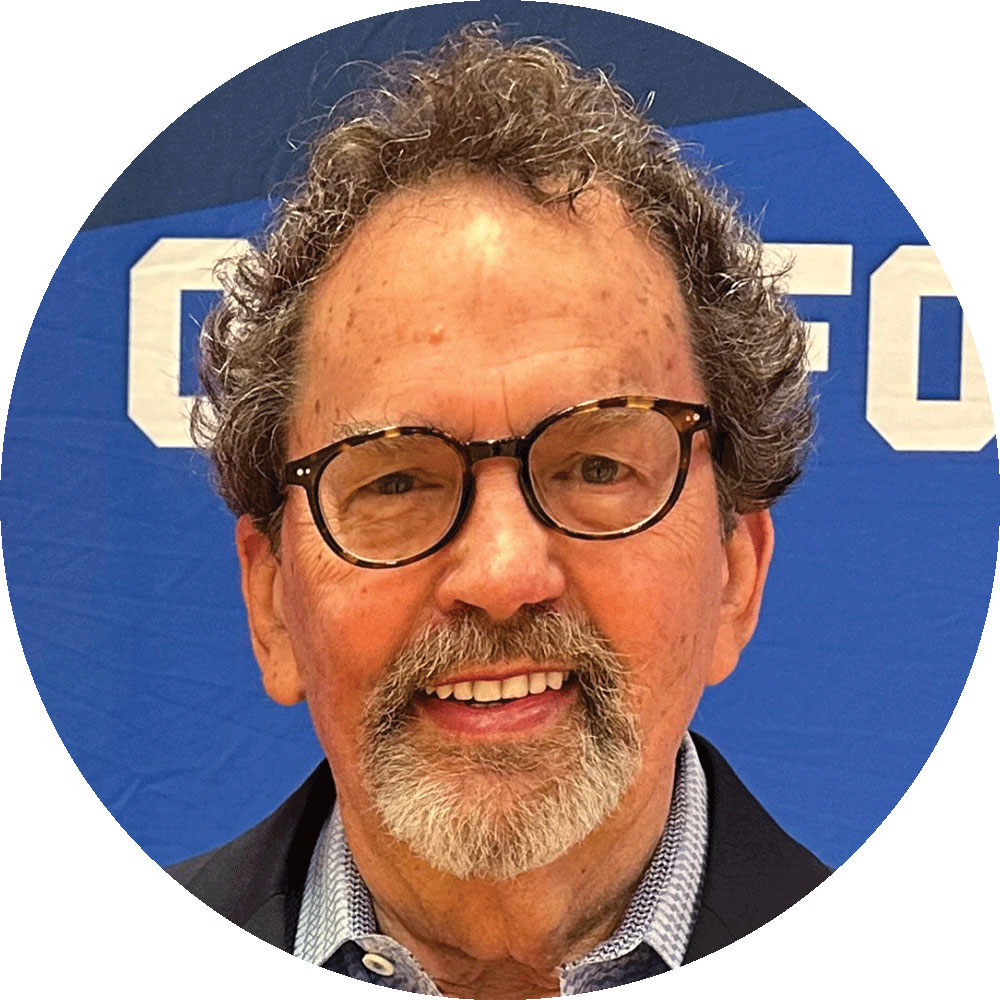
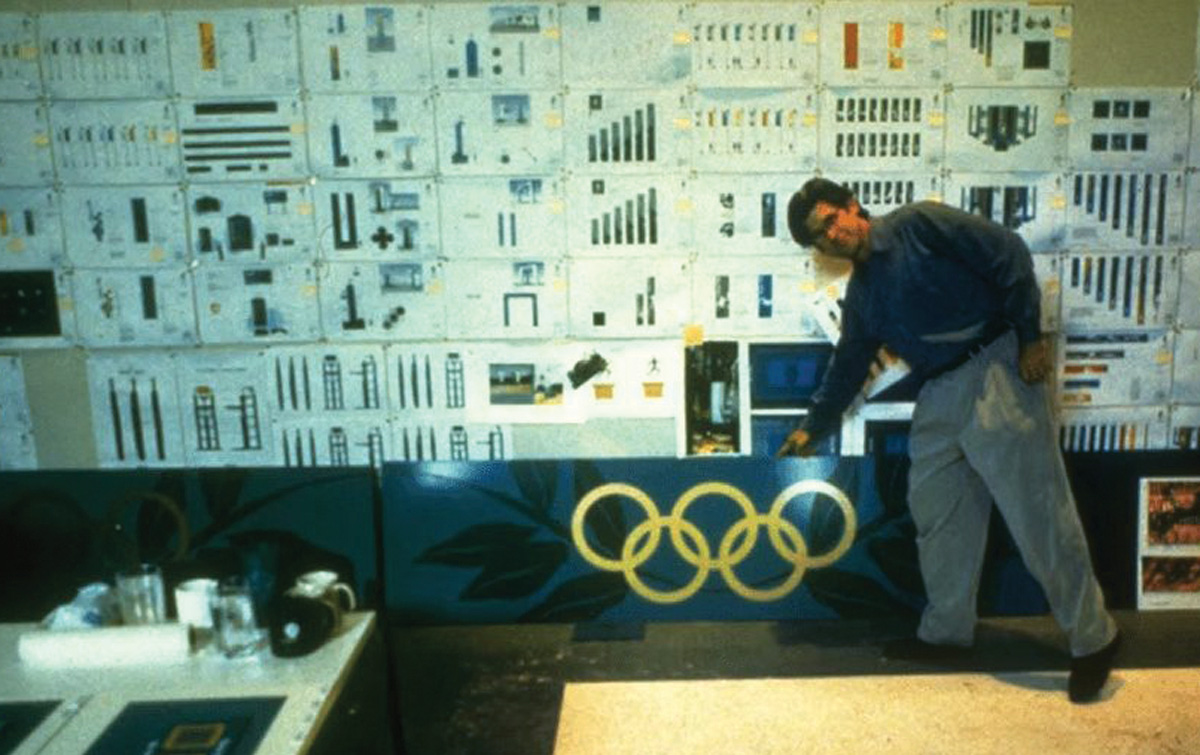
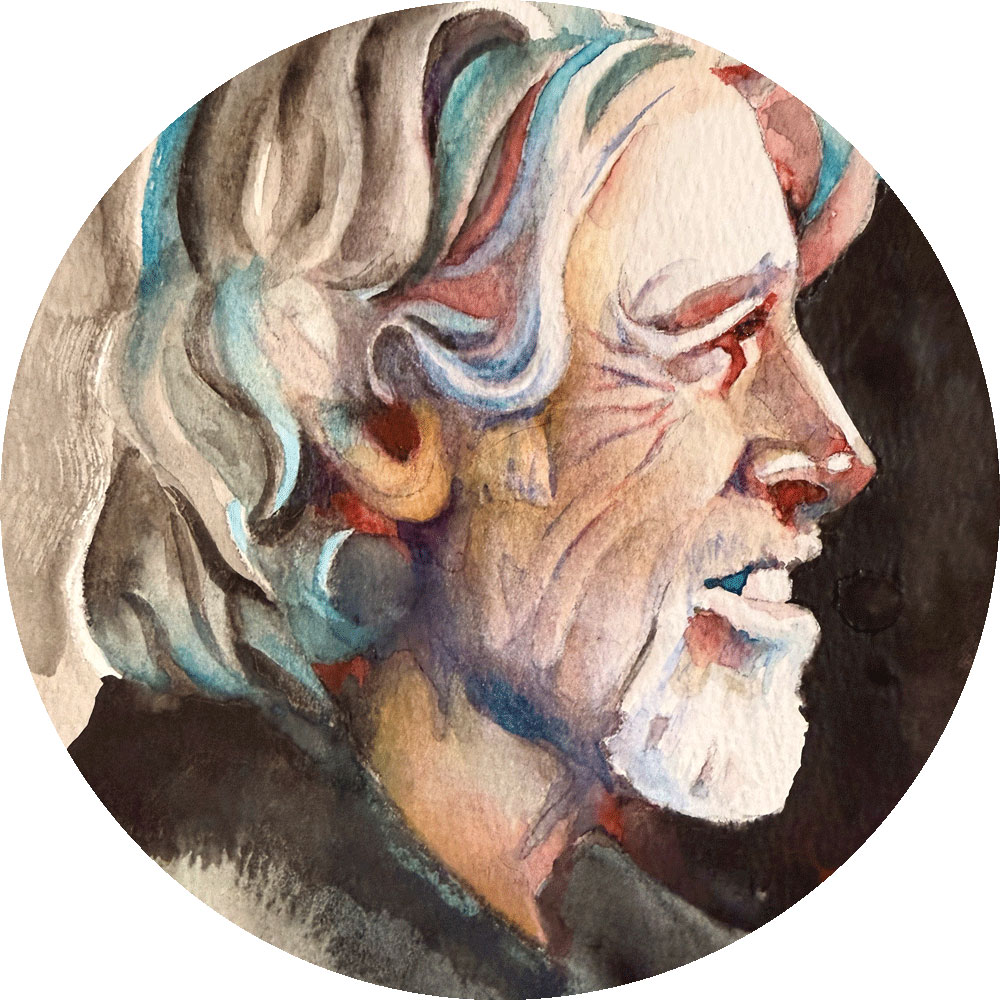 Brad
Brad