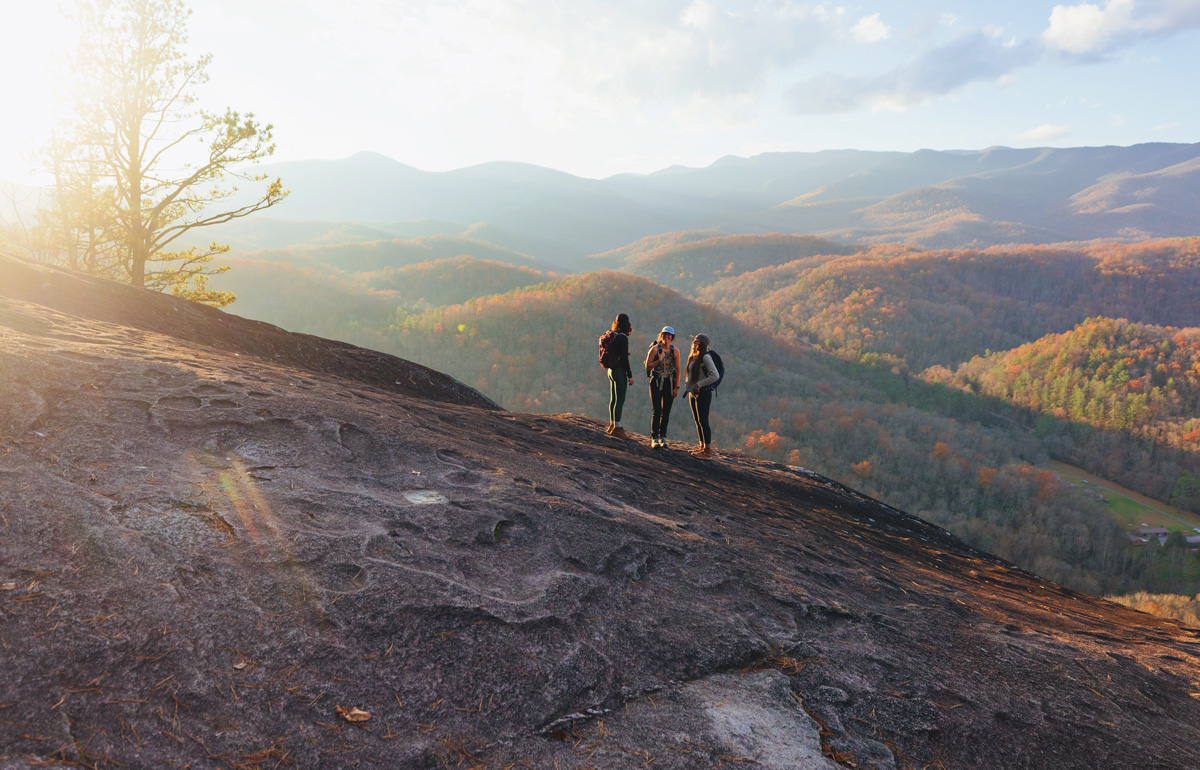
Dahlonega, a picturesque mountain town known for its Hallmark movie charm, is preparing to welcome the Christmas spirit in the heart of summer. A Small Town Christmas, a three-day convention featuring beloved Hallmark holiday film stars and festive activities, will take place July 25-27.
The inaugural event, presented by Georgia-based convention company Decade Days, transforms the University of North Georgia’s Convocation Center into a winter wonderland complete with celebrity meet-and-greets, themed panels, and holiday activities that celebrate the magic of seasonal movies.
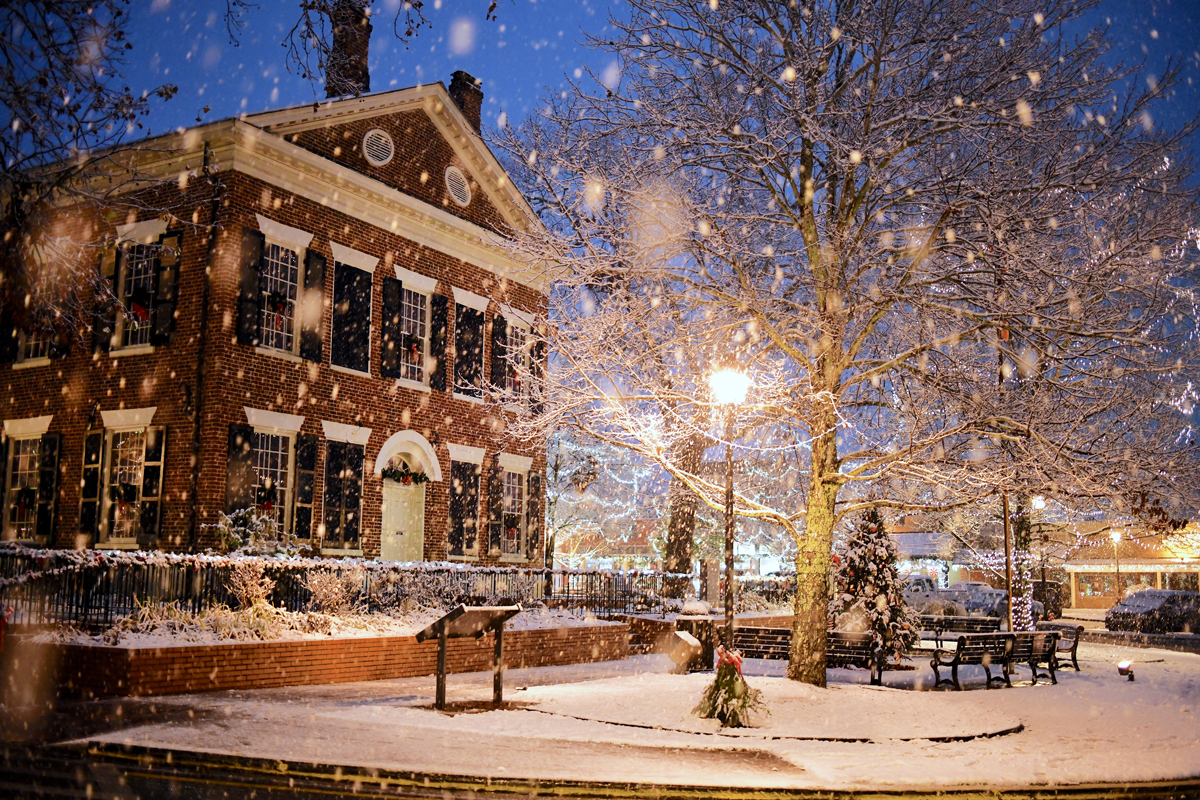
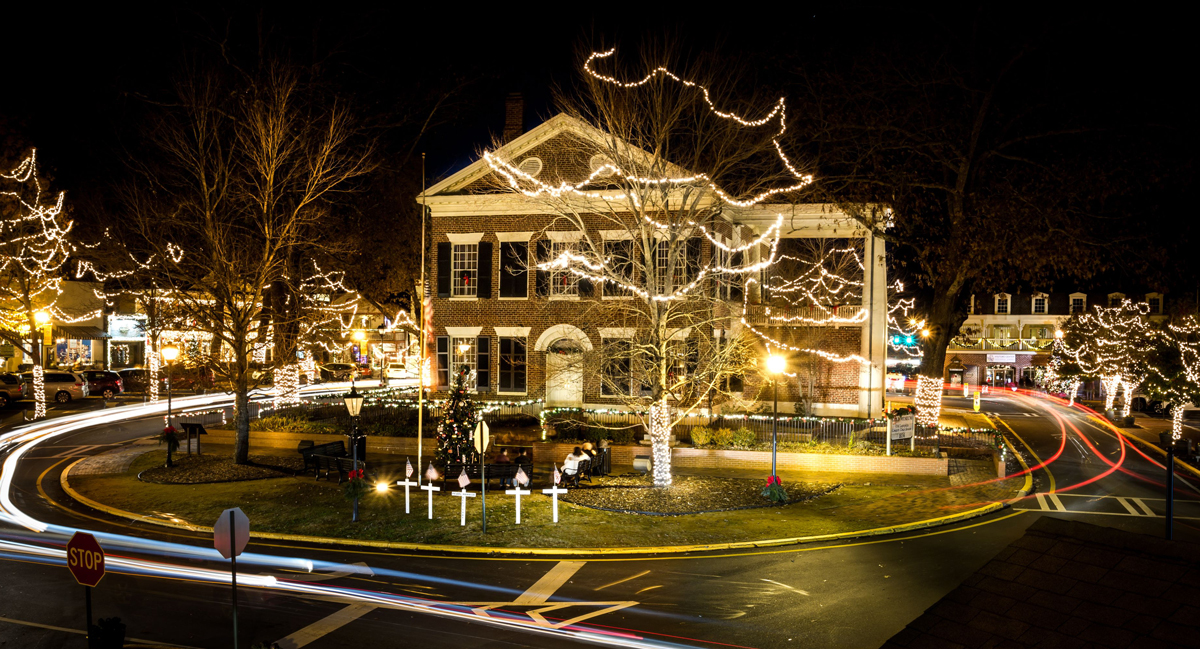
Downtown Dahlonega during the holidays
Photograph by Cottrell Photography
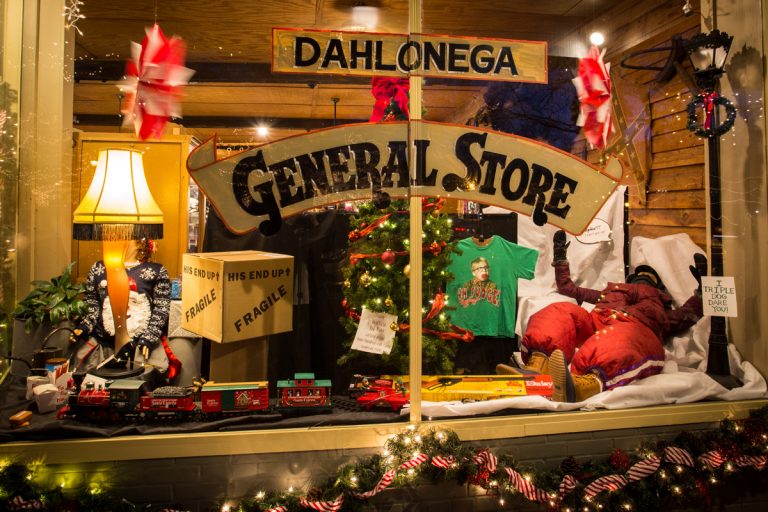
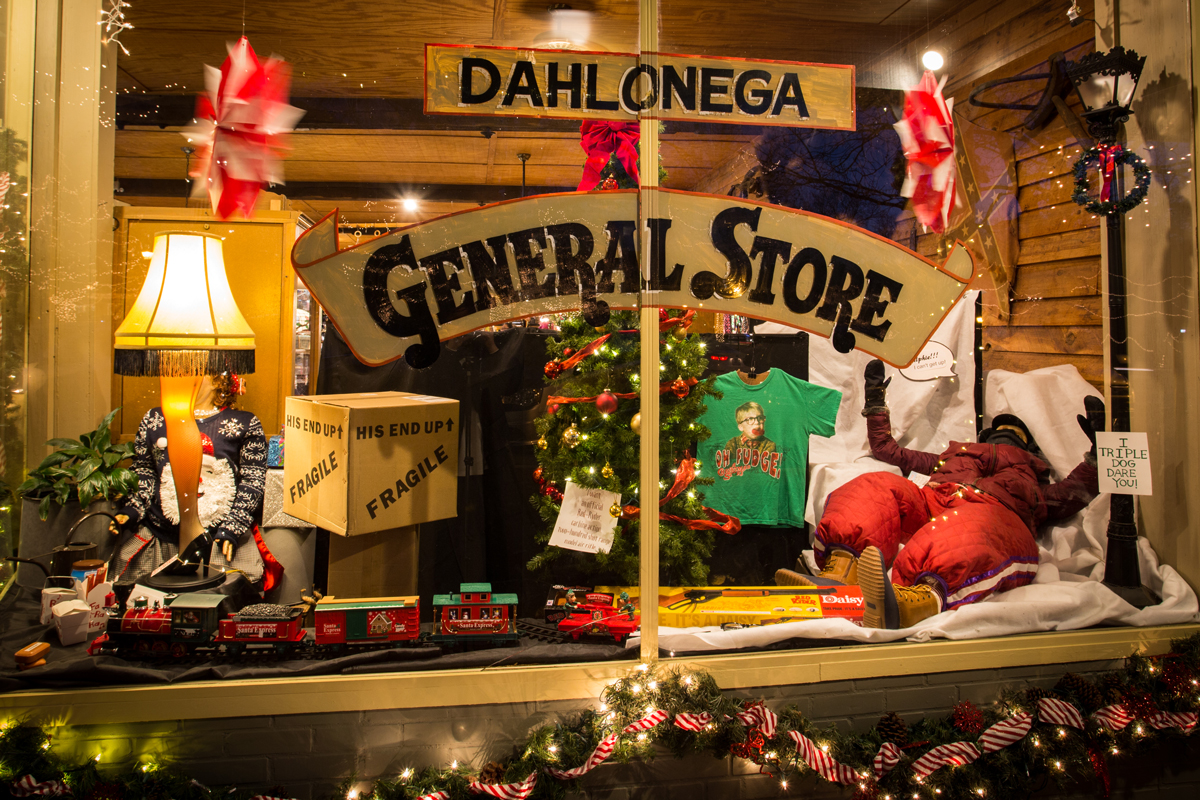
“It’s going to be a taste of what we offer during Christmas,” explains Sam McDuffie, executive director of the Dahlonega Lumpkin County Visitors Bureau. “We’ll pull our Christmas decor out of the attic and decorate for that weekend.”
The star-studded lineup includes well-known performers like Gilmore Girls and One Tree Hill fan favorite Chad Michael Murray and Desperate Housewives and John Tucker Must Die actor Jesse Metcalfe. Some attending celebrities appeared in films shot locally, including Michael Rady and Taylor Cole, stars of Christmas in Homestead, one of the most recognized Hallmark movies filmed in Dahlonega.
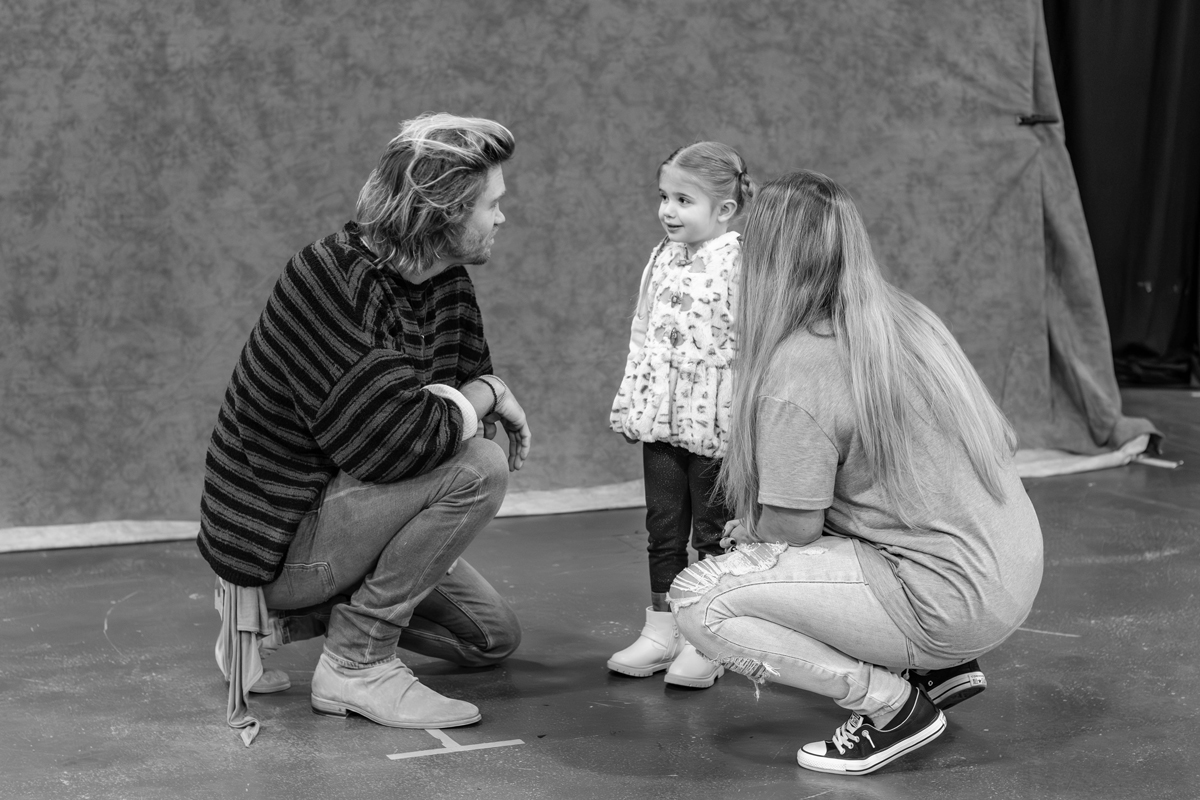
Actor Chad Michael Murry greets fans at a Decade Days event.
Photograph by Sklae Photography
Decade Days owner and event organizer Autumn Dawn Nierode says the inspiration for the convention was her small-town childhood. “Christmas is already busy, so it’s fun to do an event when everyone isn’t already coming into the town; it makes it extra special. [Attendees] get to go into the town to shop or try one of the bars or restaurants. That’s what I love about it.”
True to Nierode’s concept, twenty local businesses are participating in the passport program called “Taste of Christmas.” These shops are bringing back seasonal specialties typically reserved for the traditional holiday season. Visitors can sample peppermint bark from Paul Thomas Chocolates, Christmas fudge from the Fudge Factory, and seasonal teas from Tea Rabbits.
The weekend will feature family-friendly activities including sleigh hayrides, ornament-making workshops, holiday karaoke, breakfast with Santa, and festive pop-up events throughout downtown Dahlonega’s historic square. Plus, the event’s timing couldn’t be better for families looking for one last summer adventure. “It’s basically the last hoorah before our local schools start,” McDuffie points out. “What better way to end summer than with a Christmas in July event?”
Downtown Dahlonega during the holidays
Photograph by Michelle Kraft Deblois
With nearly 1,000 tickets sold, the convention has exceeded early expectations and generated significant excitement throughout the community. Nierode strives to keep her event intimate to maximize celebrity encounters, creating an atmosphere where stars genuinely connect with attendees. “They do karaoke [at the karaoke party], and they hang out with fans. They love it,” she says. This personal approach is particularly evident with one of the event’s most popular guests, Chad Michael Murray, who Nierode says is exceptionally attentive to fans. “The lines are long for him, but it’s because he’s taking the time to get to know each fan to make them feel special.” The event includes both ticketed activities at the Convocation Center and free events around town, making it accessible to various audiences.
A Small Town Christmas is at the University of North Georgia Convocation Center and downtown Dahlonega from July 25-27, 2025. Tickets are available online, with free events also available throughout the town.
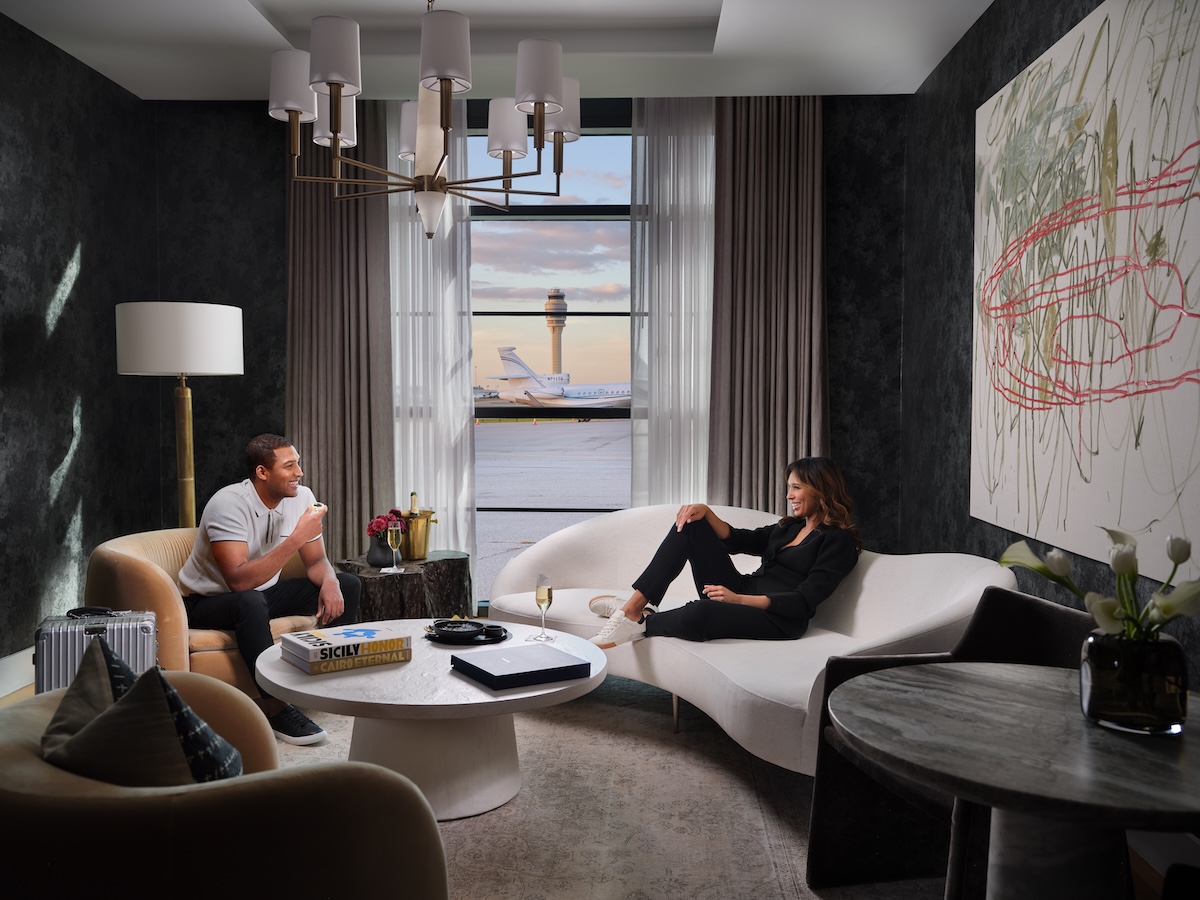
I am eating caviar on toast at 10 am. I am sipping champagne. I am doing these things in a private suite before my flight out of Hartsfield-Jackson. This utterly ruinous experience is courtesy of PS ATL, the Atlanta airport’s standalone private terminal.
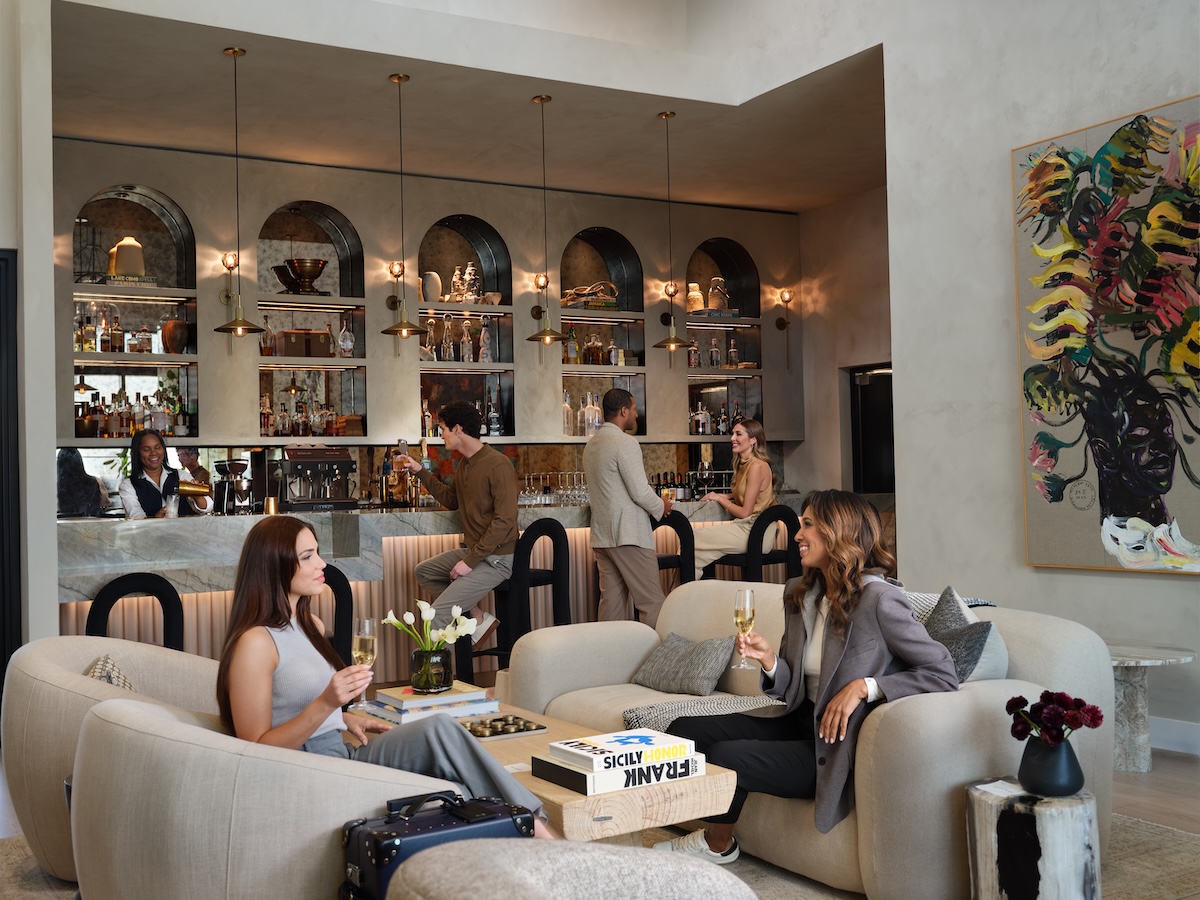
The PS ATL salon
Photo courtesy of PS
The PS ATL experience is not inexpensive. All-access members pay a $4,850 annual fee, then $3,650 for up to four people to enjoy a private suite before their flight. Non-members pay $4,950 for the same. There are less expensive (though still pricey) options for those who opt for PS’s salon, or high-end lounge. Currently, the only PS locations outside Atlanta are in Los Angeles and Paris.
PS costs a lot of money, but it delivers an entirely over-the-top experience. It’s located in its own standalone building, so I didn’t have to go anywhere near the main terminal. Once I arrived, I handed my luggage to a team of porters, who tagged it all and checked it onto my flight. Then, I gave my keys to the valets, who are not only keeping my car while I’m away—they’re detailing it too.
Now I’m ensconced in my private suite, complete with a large-screen TV, sleek couches, and floor-to-ceiling windows overlooking the airport’s runways. My private bathroom is stocked with travel-sized shampoos and toothbrushes; the mini-fridge is jammed with sparkling water, beer, wine, and cheeses. On the marble countertops, there are baskets of chips, displays of ear buds and chargers, bowls of candy. All of it for the taking. (Why didn’t I bring an empty carry-on for this haul?)
Still nibbling on caviar, I peruse the menu for a proper meal. Just because it sounds cool, I opt for the chicken sausage and waffles with aerated bacon cream, bacon powder, and hot maple syrup. Why the heck not?
When my food arrives, I kick off my shoes, lean back into the couch, and savor bite after bite of my salty-sweet breakfast. I channel surf for a little while. I check the time. Ugh. My plane leaves soon. I pick up one of the suite’s empty “travel-snack” boxes and fill it with loot from the countertop: a bar of Atlanta-made Xocolatl chocolate, a bag of truffle potato chips, individually wrapped chocolate-chip cookies.
Then I hear a knock. “Ready to go through security?” PS ATL’s concierge asks.
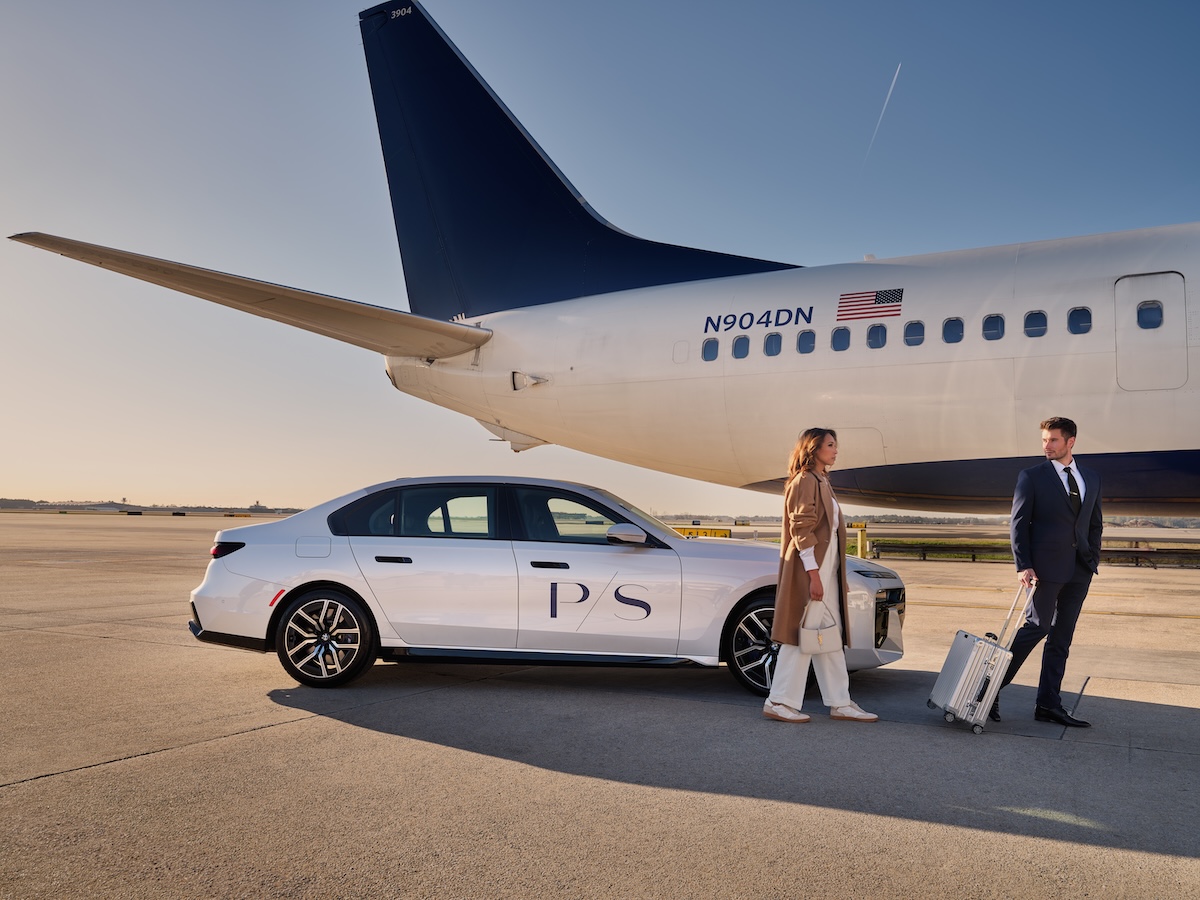
I’m not, but I must, and the process is so simple it makes me laugh out loud. PS ATL has its own TSA security line, and getting through it takes exactly two minutes. Snack box in hand, I exit the security area and find myself in a carport where a black BMW awaits. It’s quite an experience driving through the airfields of the world’s busiest airport, passing 757s and ground-support equipment until we reach my Delta plane.
PS ATL’s aircraft chauffeur
Photo courtesy of PS
“Here we are,” my driver tells me, even though it’s obvious, and I get out of the car. My plane looks massive from this vantage point. I climb a flight of stairs to the jet bridge entrance—the place right by the airplane door, where people check strollers. Then I make my way to my seat on the plane. I look out the window and see the BMW driving away. My upcoming vacation feels somewhat irrelevant; I’m pretty sure the best part of my trip just took place.
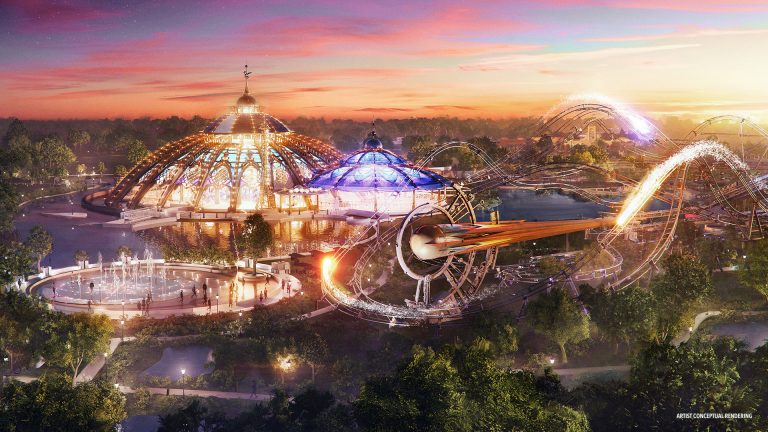
It’s been more than 25 years since a new theme park opened in Orlando—which, coincidentally, is about how long it’s been since I moved from Central Florida to Atlanta. A roller-coaster lover by birth (growing up, we always had Florida-resident season passes to the parks), now a travel writer by trade, I was more than a little excited to check out Universal Epic Universe before it opens to the public May 22.
Now that I’m back, I’ve compiled 5 things you need to know:
Come for the overall experience, not the coasters.
The Métro-Floo Corridor at the Ministry of Magic ride
Photo courtesy of Universal
Epic Universe is Universal Orlando’s largest theme park, packing more than 50 experiences into 750 acres. There are five themed worlds: The Wizarding World of Harry Potter—Ministry of Magic, Super Nintendo World, How to Train Your Dragon—Isle of Berk, Celestial Park, and Dark Universe.
These worlds have 11 rides between them, including four roller coasters. For context, Six Flags Over Georgia has 12 roller coasters. So, if you’re coming here for a major adrenaline fix, you’re going to leave unsatisfied.
What Epic Universe does, er, epically is immerse you into the movies to which it pays homage. The Harry Potter world, for example, is set in 1920s Paris, in the era of the Fantastic Beasts films. This world has just one ride—Battle at the Ministry—and its queue alone is about the most jaw-dropping thing I have ever seen. (It makes the famous queue at Islands of Adventure’s VelociCoaster seem like a snore.) Step inside the Métro-Floo in Paris, and after emerging from a puff of green smoke, find yourself in a replica of the British Ministry of Magic. The soaring atrium is covered with more than 80,000 subway tiles and showcases a restored Fountain of Magical Brethren. Winding corridors feature high-tech video walls and animatronic figures. All told, the queue is nearly a half-mile long, and every inch is designed to distract you from your not-so-magical wait. (More on that later.)
Splurge on an Express Pass.
Stardust Racers
Photo courtesy of Universal
If you’re going to drive six hours or brave Hartsfield-Jackson to go to Epic Universe, you really should invest in an Express Pass. Depending on the day, it’ll cost between $130 and $330 per person, on top of the $139-$199 adult single-day ticket price. But considering the fact it significantly reduces the wait times at rides like Stardust Racers (the park’s most intense coaster); Monsters Unchained (a Frankenstein motion-simulator ride which is having a viral moment due to its next-level animatronics); and Hiccup’s Wing Gliders (a super-fun coaster that, in my opinion, is not getting its due), it’s well worth it. Of the park’s 11 rides, eight are included in the Express Pass.
One biggie that’s not included is the aforementioned Battle at the Ministry. That, my friends, is its own animal with its own virtual queue (which is kind of a misleading title, since you still have to wait once you arrive). Much has been written about how to successfully join the virtual line and make it onto the ride (here’s one helpful blog), and since the virtual queue wasn’t in place while I was there, I won’t add my two cents. I do advise researching this before your day at the park.
Consider buying a band. Or a wand. Or both.
Super Nintendo World
Photo courtesy of Universal
To enter Super Nintendo World, step into a portal resembling the franchise’s iconic green pipe, take an escalator up a level, and find yourself in Princess Peach’s Castle overlooking Mushroom Kingdom. The place sounds like the game, with Nintendo music theme songs playing and ding! ding! coming from every direction. The dings are courtesy of the many guests who purchased the park’s $42 Power-Up Bands, which activate games and effects around this world. If they win enough coins in the challenges, they’re eligible to infiltrate Bowser Jr.’s lair and take part in the Bowser Jr. Shadow Showdown. (If you don’t know what this is, you probably shouldn’t spend the money on a band.)
Super Nintendo World Power-Up Bands
Photo courtesy of Universal
Over in Harry Potter’s world, the big optional purchase is an interactive wand, which allows guests to communicate with animatronics and shop windows throughout the world. The first-gen wand is $65, and prices go up from there.
The Wizarding World of Harry Potter—Ministry of Magic interactive wands
Photo courtesy of Universal
You don’t have to buy either of these items to enjoy the worlds (I didn’t), but it’s good to know they exist—it helps make sense of all the band-wearing, wand-toting folks running around their respective worlds.
Come ready to eat (and drink).
Butterbeer Crepe in The Wizarding World of Harry Potter—Ministry of Magic
Photo courtesy of Universal
Epic Universe has more than 30 dining locations, and they’re usually themed according to the world in which they’re located. Over at Café L’air de La Sirene in Harry Potter World, the book’s famous Butterbeer has been turned into the Bièraubeurre Crepe. More of a dessert than a breakfast item, it’s stuffed with Bavarian cream and topped with Butterbeer whipped cream, strawberries, and a drizzle of Butterbeer caramel sauce.
In How to Train Your Dragon World, the viral mac-and-cheese cone is probably best eaten after you’ve finished all the roller coasters you plan to ride for the day. It’s basically a cone of garlic bread stuffed with macaroni and cheese, then topped with goldfish crackers or pulled pork with peanut-bacon jam. Don’t forget your Tums.
Epic Universe has two full-service restaurants, Atlantic (seafood and steaks) and the Blue Dragon Pan-Asian Restaurant. If you go during a busy time of year, you’ll want to make reservations ahead of time.
Ready for a drink? You’re likely only a few steps from a place you can buy one. Celestial Park alone has four walk-up bars. That’s before you enter a restaurant, most of which sell alcohol too. (Word to the wise: Don’t go too crazy; Orlando can get searingly hot, and critics are complaining that Epic Universe doesn’t have a whole lot of shade. Booze + the blazing sun aren’t a great combo.)
Try to stay at Helios.
Universal Helios Grand Hotel
Photo courtesy of Universal
Epic Universe is four miles/15 minutes from the original Universal Studios campus, which contains Universal Studios, Islands of Adventure, and CityWalk. If you want to stay near Epic, you have 3 Universal hotel options: Universal Helios Grand Hotel, Universal Stella Nova Resort, and Universal Terra Luna Resort. Now that I’ve been to Epic Universe, I definitely advise you stay at Helios.
It’s dubbed “the crown jewel of Epic Universe,” and it’s easy to see why. It’s not just near the theme park; it’s literally in the theme park. Hotel guests can walk through a dedicated park entrance near the lobby and find themselves smack in the middle of the action. The hotel’s rooftop bar has 360-degree views of the attractions, and park-view rooms offer a look at all the twinkling lights. When you’re ready to cool off, there’s a huge pool with underwater speakers and poolside cabanas. All of this comes at a price—roughly $400 a night—but compared with some Disney resorts (I’m looking at you, Grand Floridian), that’s a steal.
I did not stay at Helios, opting instead for Stella Nova. It doesn’t look like any hotel I’ve ever seen … part spaceship, part cruise ship, part cosmic lizard. Appearance aside, it was perfectly fine, with a 10-minute walking path to the park, but once I saw Helios, I instantly regretted not staying there. It absolutely would have enhanced the experience.
So there you have it, my five top tips for navigating Universal Epic Universe. If you’re headed there this summer, I hope you have an epic time.
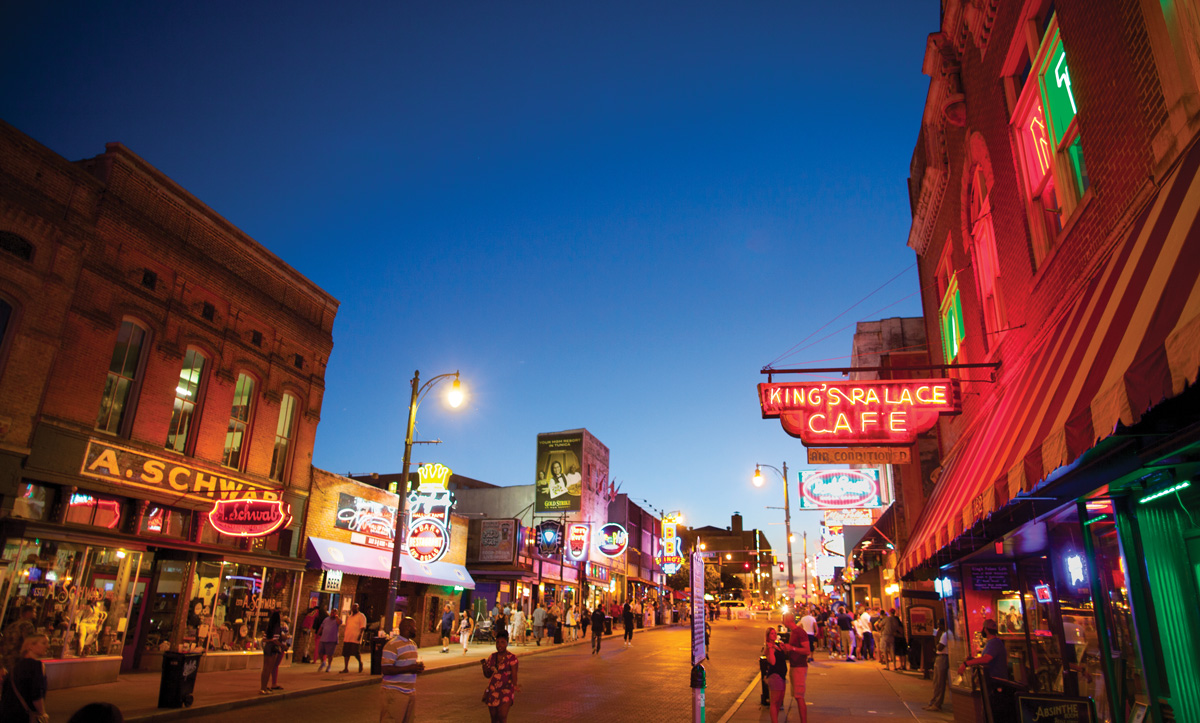
Memphis, the unofficial capital city of the Mississippi Delta, is widely renowned for two things: blues and barbecue. The two Memphis institutions are tightly connected—each a result of the Great Migration of the early 20th century. That historic exodus of millions of Black men and women from the rural South to urban centers turned the city into a crossroads of culture. Every spring, the monthlong festival Memphis in May celebrates the city’s signature food and music.
When rural Southerners arrived, they brought with them time-honored methods of smoking and seasoning meats from Texas, Louisiana, and Arkansas. In Memphis, these spicy ways to barbecue intersected with the sweeter, saucier Midwestern styles from Kansas City and St. Louis.
You can explore the tangy, finger-licking results at the 47th annual World Championship Barbecue Cooking Contest (May 14–17), a four-day team competition in Liberty Park where some of the world’s premier pitmasters serve up saucy pork ribs, shoulders, and whole hog, as well as chicken wings and other nonpork options. The cooks may be vying for their share of the $150,000 prize money, but the real winners are those of us who get to sample the finest smoked meats and sauces in the land.
Memphis blues is an ideal accompaniment for your barbecue adventure. Like the food, the music is an amalgam of Deep South tradition (raw acoustic guitar and soulful storytelling) and the uptown styles of jazz and ragtime. The musical style not only spawned the electric blues of local scions, including B.B. King, but also turned out to be the roots of rock ’n’ roll.
Sun Studio
Photograph by Getty Images
Graceland
Photograph by Getty Images
Stax Museum of American Soul Music
Photograph courtesy of The Stax Museum of American Soul Music
Memphis is considered the birthplace of rock. And while Beale Street Blues Festival—which once brought legendary blues, rock, and R&B acts to Memphis in May—has been put on pause, there are still many ways to celebrate the city’s musical heritage. Sun Studio (706 Union Avenue) is on the U.S. National Register of Historic Places for its role in launching the recording careers of Johnny Cash, Jerry Lee Lewis, Carl Perkins and, of course, Elvis Presley.
Speaking of the King, you can also tour Presley’s famous 1960s and 1970s time-capsule mansion, Graceland (3764 Elvis Presley Boulevard), and peruse the jeweled jumpsuits, classic cars, and green shag carpet—installed on the walls and ceiling. Memphis was also a hotbed for soul, and the Stax Museum of American Soul Music (926 East McLemore Avenue) invites guests to stroll past more than 2,000 artifacts, including records, stage costumes, instruments, and vintage recording equipment.
These tours offer not only a firsthand glimpse of Memphis’s rich musical heritage, but also a great chance to walk off all that barbecue.
Peabody Memphis
Photograph by The Peabody Memphis
Where to stay
The Peabody Memphis (149 Union Avenue) is a local icon, opened in 1869 and listed on the National Register of Historic Places. Its luxury is enough for five resident North American mallards, who waddle through the lobby twice a day to the thrill of guests.
Live like the King in The Guest House at Graceland (3600 Elvis Presley Boulevard), an AAA Four Diamond hotel with the design supervised by none other than Priscilla Presley. Themed rooms include the Vegas-styled King’s Suites and TCB (Taking Care of Business) Suites with dining and living room areas.
Where to eat
For a zesty twist on Memphis-style barbecue, hit Charlie Vergos Rendezvous (52 South Second Street), a local institution for its unique dry-rub ribs. Start with the Rendezvous Special, a plate of sausage, peppers, cheese, and pickles dusted with the signature seasoning—a can’t-miss dish.
Looking for a break from BBQ? Didn’t think so. Cozy Corner Restaurant (735 North Parkway) is an informal local favorite that has been doling out sandwiches, meat plates, and dinners with all the trimmings since 1977. Owner Desiree Robinson is a member of the American Royal Barbecue Hall of Fame. Save the salads for when you get home.
Photograph by Robert Rausch/The New York Times/Redux
As a destination, Montgomery is a journey in contrasts. The Alabama capital is both a proud epicenter of the mid-20th-century civil rights movement and a landscape curiously steeped in Confederate memory. Here, history isn’t merely preserved; it is powerfully experienced.
The Legacy Sites loom large in a built environment that embraces collective memory and thus helps shape who we are—and what we can become. Created by the Equal Justice Initiative under the leadership of Bryan Stevenson, the sites include the Legacy Museum, the National Memorial for Peace and Justice, and Freedom Monument Sculpture Park, each offering a soul-stirring, self-guided exploration of history, resilience, and progress.
This immersive experience traverses the harrowing history of slavery, lynching, and segregation through the fight for civil rights and into the present-day scourge of mass incarceration. Unfolding at a contemplative pace, the sojourn avoids flattening the Black experience as one of only suffering: It celebrates excellence, ingenuity, and creativity in the face of policies, laws, and social norms that conspire to thwart progress. Together, these sites represent a physical and emotional reckoning with the United States’ past, illustrating how it continues to shape our future.
The Legacy Museum (400 North Court Street) story starts with the transatlantic slave trade. Deft use of technology underscores the torment of humans trafficked across the Atlantic Ocean from Africa to the New World. One heartbreaking exhibit on the domestic slave trade uses motion-activated holograms of adults and children sharing hauntingly personal stories of being sold in the Deep South.
Exhibits skillfully deploy timelines, art, video, audio, and other technologies. In gallery after gallery, the intentionality of systemic racism and the drumbeat of imposed Black racial inferiority are on display. But so are examples of African Americans’ embrace of what historian Dr. Daina Ramey Berry calls “soul value,” an inherent sense of self-worth that enslaved people possessed as a kind of spiritual resilience.
One particularly poignant exhibit features jars of soil collected from sites around the country where more than 4,400 Black people were lynched in acts of racial terror between 1877 and 1950. This prepares visitors for the journey to the National Memorial for Peace and Justice (417 Caroline Street), also known as the National Lynching Memorial. The six-acre site honors those murdered for simply existing in Black bodies. More than 800 Corten steel monuments represent each county where a racial terror lynching occurred.
Simone Leigh’s Brick House
Photograph by Equal Justice Initiative ∕ Human Pictures
Mothers of Gynecology Monument
Photograph by Equal Justice Initiative ∕ Human Pictures
A 20-minute boat ride along the Alabama River to the 17-acre Freedom Monument Sculpture Park (831 Walker Street) reveals artifacts, artworks, and stories of the enslaved. Brick House, artist Simone Leigh’s 16-foot-tall bronze bust of a Black woman, greets visitors at the entrance. Look for Nikesha Breeze’s 108 Death Masks: A Communal Prayer for Peace and Justice, a large-scale ceramic tribute to millions of lives lost during enslavement, and the 43-foot-tall, 155-foot-long National Monument to Freedom.
Be sure to visit artist Michelle Browder’s powerful Mothers of Gynecology Monument (17 Mildred Street). Towering 15 feet tall, this striking collection of metal statues is adorned with Adinkra symbols, each carrying deep cultural and spiritual significance. The monument honors Anarcha, Lucy, and Betsey—three enslaved teenagers who endured unimaginable suffering as subjects of experimental surgeries by Dr. J. Marion Sims, often lauded as the “father of gynecology.”
In a striking contradiction to a statue of Sims that stands at the State Capitol, this monument serves as a profound counternarrative, acknowledging the resilience, sacrifice, and unrecognized medical contributions of these teens.
These powerful landmarks are more than educational; they are a call to action. They invite visitors to confront the legacy of racial injustice and imagine a more equitable future.
Where to eat
Savor authentic Southern flavors at Pannie-George’s Kitchen inside the Legacy Museum, or enjoy classic barbecue at Dreamland Bar-B-Que (12 West Jefferson Street).
Five years ago, New Orleans was turned upside down by Covid. Last year, however, confirmed a postpandemic renaissance and a tourism boom—a return for New Orleans as a prime destination location. The city had record or near-record attendance for Mardi Gras and the Jazz Fest, among other events, as if the entire world were crawling out of a dark cave and sought New Orleans as a place to bask in the glow of sunshine again.
On New Year’s Eve, the city was again knocked to its feet, this time by a terrorist attack, which killed 14 people celebrating on Bourbon Street, along with the perpetrator. But New Orleans’ now-trademark resilience can be found anew as it prepares for another season of major events, including the Super Bowl, which was within weeks of Mardi Gras (March 4), and spring events such as the French Quarter Festival (April 10–13) and the New Orleans Jazz and Heritage Festival (April 24–27, May 1–4).
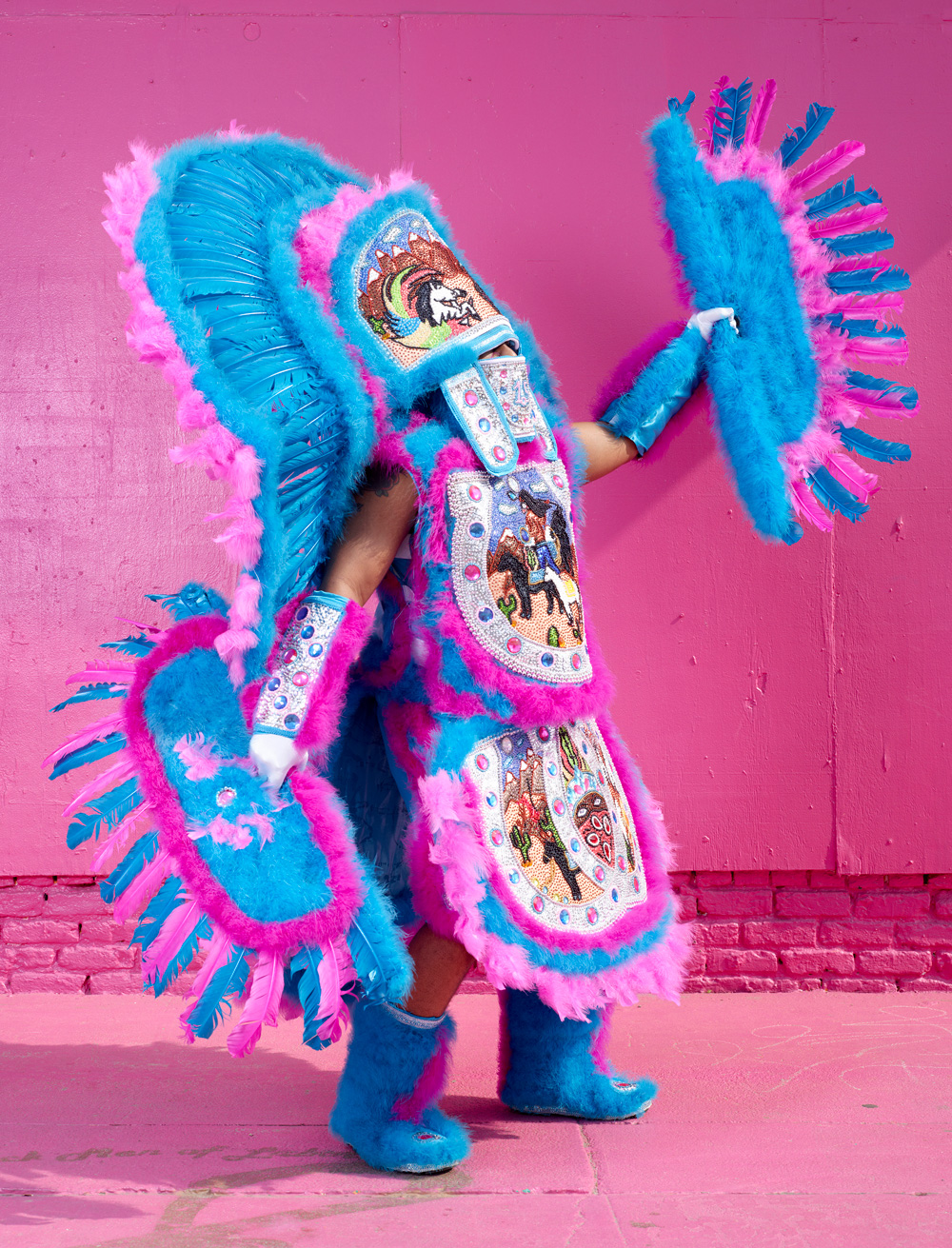
You can’t miss the Mardi Gras Indians in New Orleans
Photograph by Spy boy, Mohawk hunters, New Orleans, 2014 From the CIMARRON (2014-2019) Charles Fréger. Thames&Hudson
The overarching narrative for the Big Easy seems to be that everything old is new again. The most notable trends include multipurpose boutique hotels that seek to revitalize old, historic buildings and feature high-end cuisine and sensuous lounges; restaurants that either embrace more varied cuisines or reimagine older legacies; bars that take the craft cocktail revolution to an entirely new level; and live-music venues that balance the needs of loyal middle-class locals with well-heeled tourists and conventioneers.
Black culture has for centuries been part of the backbone of New Orleans but increasingly is becoming more centered in the cultural economy. Black-owned businesses and cultural spaces thrive more than ever in New Orleans. Backatown Coffee Parlour (301 Basin Street), perched on the border of the French Quarter and Treme, became so vital as a gathering spot that owner Alonzo Knox found himself running for, and winning, a seat in the Louisiana State Legislature.
DJ Johnson has converted Baldwin & Co. Coffee + Bookstore (1030 Elysian Fields Avenue) from a neighborhood po’ boy shop into not only an homage to the Black writer and intellectual James Baldwin, but also a space for author appearances and readings. Artist Brandan “BMike” Odums’s gallery StudioBE (2940 Royal Street), housed in a 36,000-square-foot warehouse about 12 blocks downriver from the French Quarter, is named after his first solo project of massive, graffiti-style works.
Whitney Plantation
Photograph by Elsa Hahne
Malik Bartholomew’s Know NOLA Tours explores Black heritage in the city and New Orleans’ African diasporic culture, featuring an overview of the city’s integral role in the Atlantic slave trade with stops at such cultural touchstones as Congo Square, across from the French Quarter. Whitney Plantation in Edgard, a 30-minute drive from the city, offers a historically accurate depiction of life for enslaved people.
New Orleans continues to add, and add onto, a range of attractions around its downtown core. Start with Vue Orleans, at the foot of Canal Street, atop the former World Trade Center, which offers a 360-degree, 4D interactive interpretation of the city’s history and culture.
Both The National World War II Museum in the Warehouse District (945 Magazine Street) and The Historic New Orleans Collection in the French Quarter (520 Royal Street) recently went through major expansions. The former’s Liberation Pavilion showcases exhibits on the Holocaust and the postwar years, while the latter’s new campus has expanded its footprint by more than 35,000 square feet and doubled its publicly available spaces.
Where to stay Hotel Peter and Paul (2317 Burgundy Street) is a converted Catholic church, convent, rectory, and school in Faubourg Marigny. It blends history and modernity with uniquely designed and themed rooms, the elegant Elysian Bar (with an expansive dining menu), and even a yoga space.
Hotel Saint Vincent (1507 Magazine Street) honors the building’s former role as an orphanage in the Lower Garden District. It features multiple cocktail and dining spaces (including the San Lorenzo restaurant) and even a Sunday flea market.
Dakar NOLA
Photograph by Jeremy Tauriac
Where to eat Dakar NOLA (3814 Magazine Street) turned heads in 2022 when it opened in a renovated Uptown shotgun house. Chef Serigne Mbaye’s fusion of Creole and his native Senegal cuisines is served as a seven-course tasting menu that is meant to be shared. Dakar NOLA spun heads yet again when it was honored with the 2024 James Beard Award for Best New Restaurant.
The Bell (3125 Esplanade Avenue) is just a stone’s throw from the fairgrounds that host Jazz Fest. The Creole cottage has been reimagined as a British pub, with chef Marcus Jacobs’s menu dancing between standard pub fare and local flavors (fishmonger’s pie, Louisiana shrimp with Marie Rose sauce).
When Hurricane Helene carved a path across the Southeast last September, it left what may be its deepest marks in western North Carolina. Here, tourism is king, pouring billions into the region’s economy, and Asheville’s unrealized fall season saw an estimated $584 million washed away. But today, six months removed from the devastation, Asheville and western North Carolina are welcoming visitors.
“We’re open. The Asheville area welcomes you back,” says Vic Isley, president and CEO of Explore Asheville. “Plan a return trip with heart and be part of the comeback.”
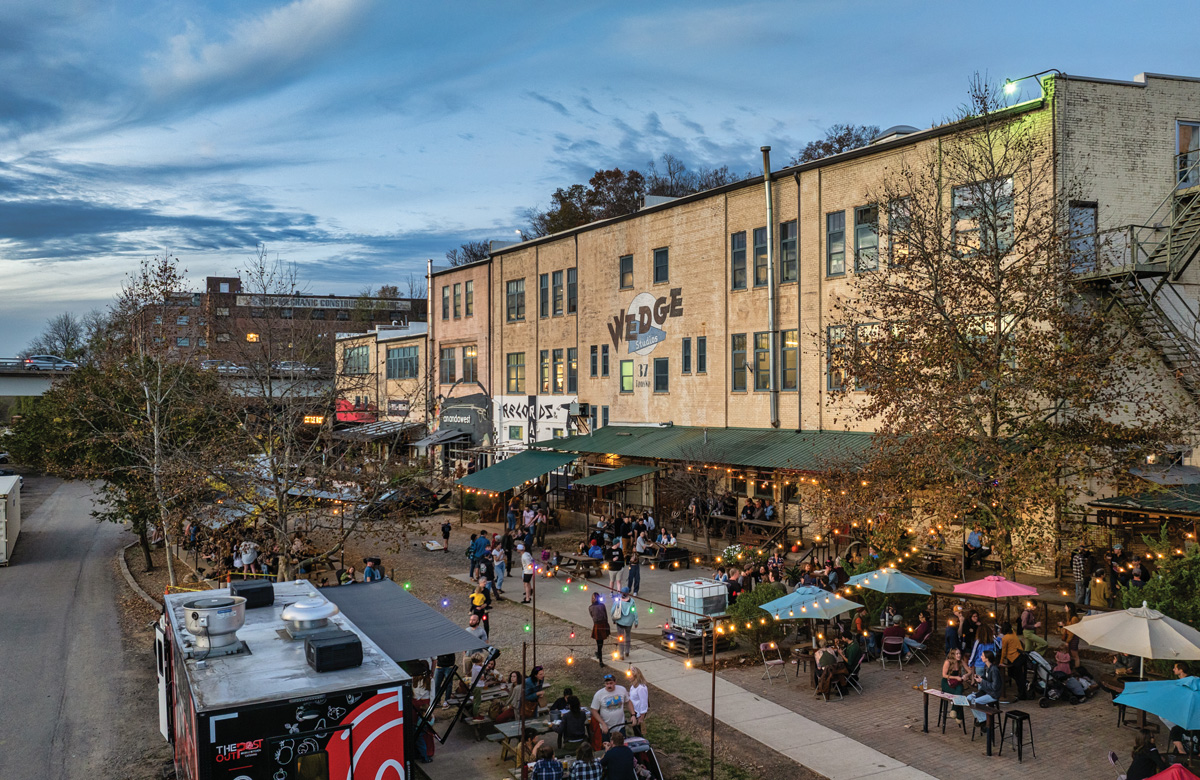
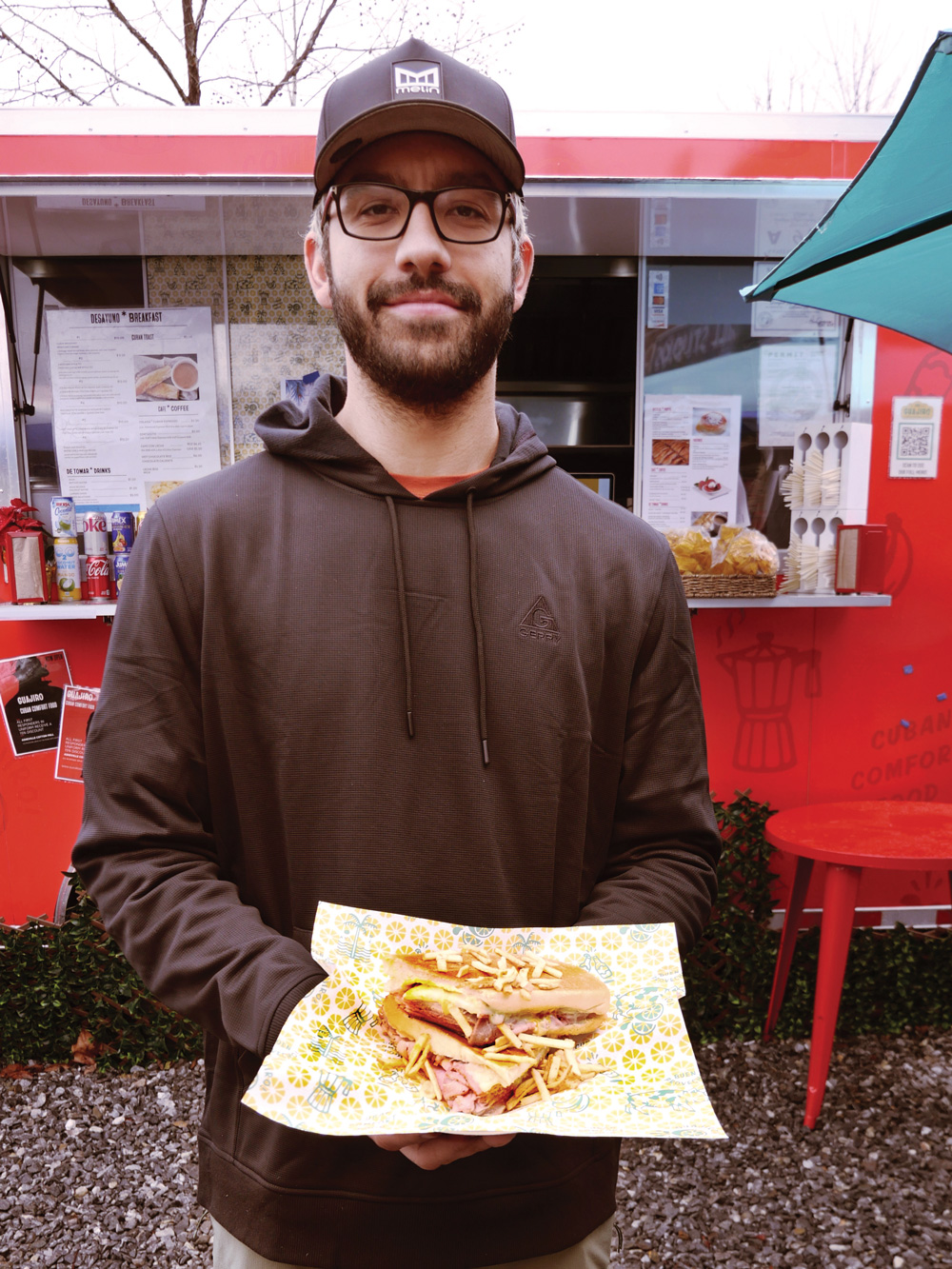
For Chris Barroso, chef-owner of Guajiro Cuban Comfort Food in Asheville, the September flood brought monumental change. He’d recently shuttered his food truck and opened El Patio de Guajiro in the River Arts District (RAD) at the Cotton Mill Studios, which his parents own. Now the new restaurant is closed, and the food truck has returned to Hi-Wire Brewing’s Biltmore Village brewery and taproom.
“The night the storm hit, I drove down to the truck at 3 a.m., hoping to salvage anything we could,” he says. “By the time I made it, water was up to my thighs.” What he found was total devastation.
Four and a half weeks of demolition and cleanup at the Cotton Mill helped his parents and their tenants get back to normal. But only after a microgrant from Explore Asheville, a GoFundMe campaign, personal savings, and a family loan was Barroso able to get back in his food truck.
Asheville’s gallery-filled arts epicenter was especially hard-hit by Helene’s flooding: More than 700 artists lost studio space, gallery representation, and even whole bodies of work. Jeffrey Burroughs, jewelry artist and president of the River Arts District Association, said the artists and community rallied to recover as much as possible. “The day after the storm, we had hundreds of volunteers working to clear mud, save art, and reopen the upper part of the River Arts District,” Burroughs says.
Galleries across town made space for displaced artists, and the owners of The Radical, a hotel in the district, donated a downtown space for a temporary gallery. But the most remarkable part of the River Arts District rebound came two weeks after the floods.
“We put together RADfest as a sort of soft relaunch of the district,” says Burroughs. “Seventy artists set up an outdoor gallery, and in two days more than 10,000 people came to look, buy, and support us.”
Amy Michaelson Kelly, owner of The Radical, reported that the hotel experienced operational delays but no significant damage. The hotel’s planned restaurant and rooftop bar are temporarily on hold, but the aim is to open this spring. According to Kelly, the floods and rebound efforts “brought the community closer. We’re more tightly knit now, and the hopeful, determined, creative spirit of the community is shining strong.”
The culinary force behind The Radical’s forthcoming restaurant, chef Jacob Sessoms, is likewise optimistic, saying, “Spring brings newness and rebirth, and we’re looking forward to the new growth spring brings this year.” Sessoms will be part of that new growth, thanks to Cooks for Carolina, a fundraiser he helped organize in New Orleans that netted $130,000 to benefit Asheville’s restaurants.
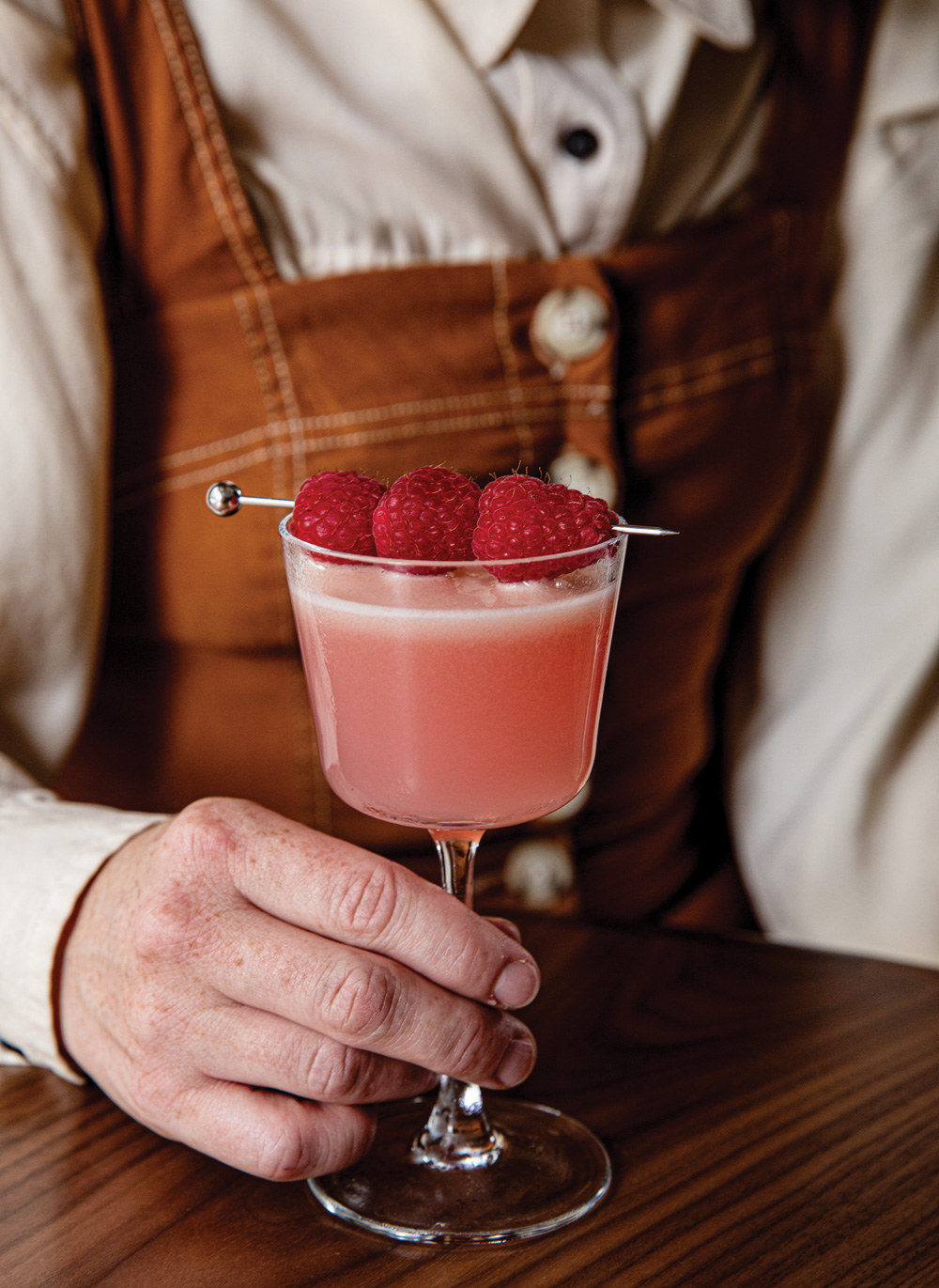
Downtown’s Flat Iron Hotel and its restaurant, Luminosa, were back on their feet quickly, delivering to meet what food and beverage director Sarah Charles Hereford called “the community’s desire for normalcy.” Initially, Luminosa offered counter service only, serving fine dining in takeout containers until the kitchen could operate normally.
“We were one of the first to fully reopen,” says Hereford. “Since mid-October we’ve been blessed with the support of locals and visitors who wanted to come and support Asheville.”
In 2025, that’s what the city and the region need: support from visitors. Mountain lovers returning to a favorite place, first-time visitors exploring the outdoors, gourmands and artists seeking Asheville’s culinary and creative scenes . . . all have a part to play in the rebound of this incredible place, and in the writing of its next chapter.
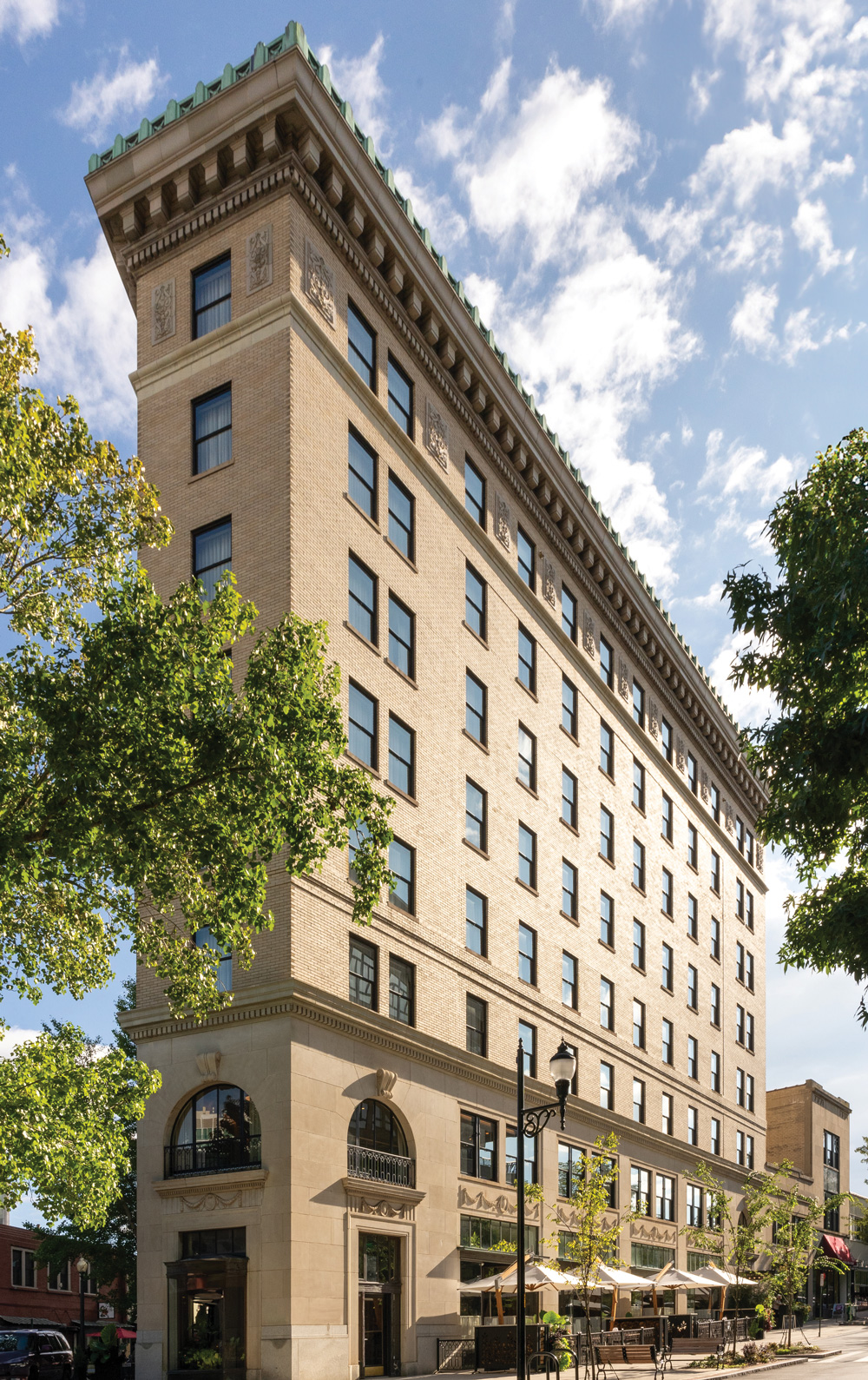
The Flat Iron Hotel
Photograph by Shane Dawson
Where to stay The Flat Iron Hotel (20 Battery Park Avenue) offers a chic stay thanks to the architecture and design reminiscent of the Roaring ’20s. From its location near Grove Arcade, the Flat Iron puts you within an easy walk of downtown’s shops, galleries, and restaurants.
Make the River Arts District your home base and stay at The Radical (95 Roberts Street). This funky, art-filled boutique hotel at the north end of the RAD connects you to the artsy heart of Asheville and its triumphant resurgence.
Guajiro Cuban Comfort Food
Photograph by ExploreAsheville.com
Where to eat
Fine dining doesn’t get much finer than Luminosa (20 Battery Park Avenue), where Italian and modern Appalachian meets wood-fired excellence. Bone marrow tater tots, coal roasted potatoes, and fresh pasta make for a rich meal.
Bourbon is an American institution. Distilled by farmers primarily from domestic corn (at least 51 percent by law) and aged in charred oak barrels since the late 1700s, it is one of our few pure contributions to world spirits. In 1964, Congress declared that for any whiskey to be labeled “bourbon,” it must be a “distinctive product of the United States.” Contrary to popular belief, bourbon can come from any U.S. state—not just Kentucky.
Most discerning drinkers, however, consider Kentucky bourbon by far the best. And Kentucky certainly produces the most: 95 percent of the world’s bourbon springs forth from the more than 100 distilleries in the Bluegrass State. Most of those establishments, many of them historic, are clustered in the northern part of the state, between Louisville and the capital of Lexington. This concentration presents a unique travel opportunity for tourists to do a day trip through the Ohio River Valley and sample some of the finest whiskey on the planet.
The Kentucky Bourbon Trail is a group of 56 northern Kentucky distilleries that offers tours, tastings, and other educational opportunities and exhibits. But since you can’t see them all in one day or even one weekend, we’ve plotted an itinerary of highlights: Start in Louisville and head south to James B. Beam Distilling Co. (568 Happy Hollow Road, Clermont). One of the oldest (founded in 1795) and most famous names in bourbon, Jim Beam also includes more prestigious brands—Booker’s, Baker’s, Knob Creek, Basil Hayden—so it’s a one-stop distillery.
Maker’s Mark
Photograph by Kentucky Distillers’ Association
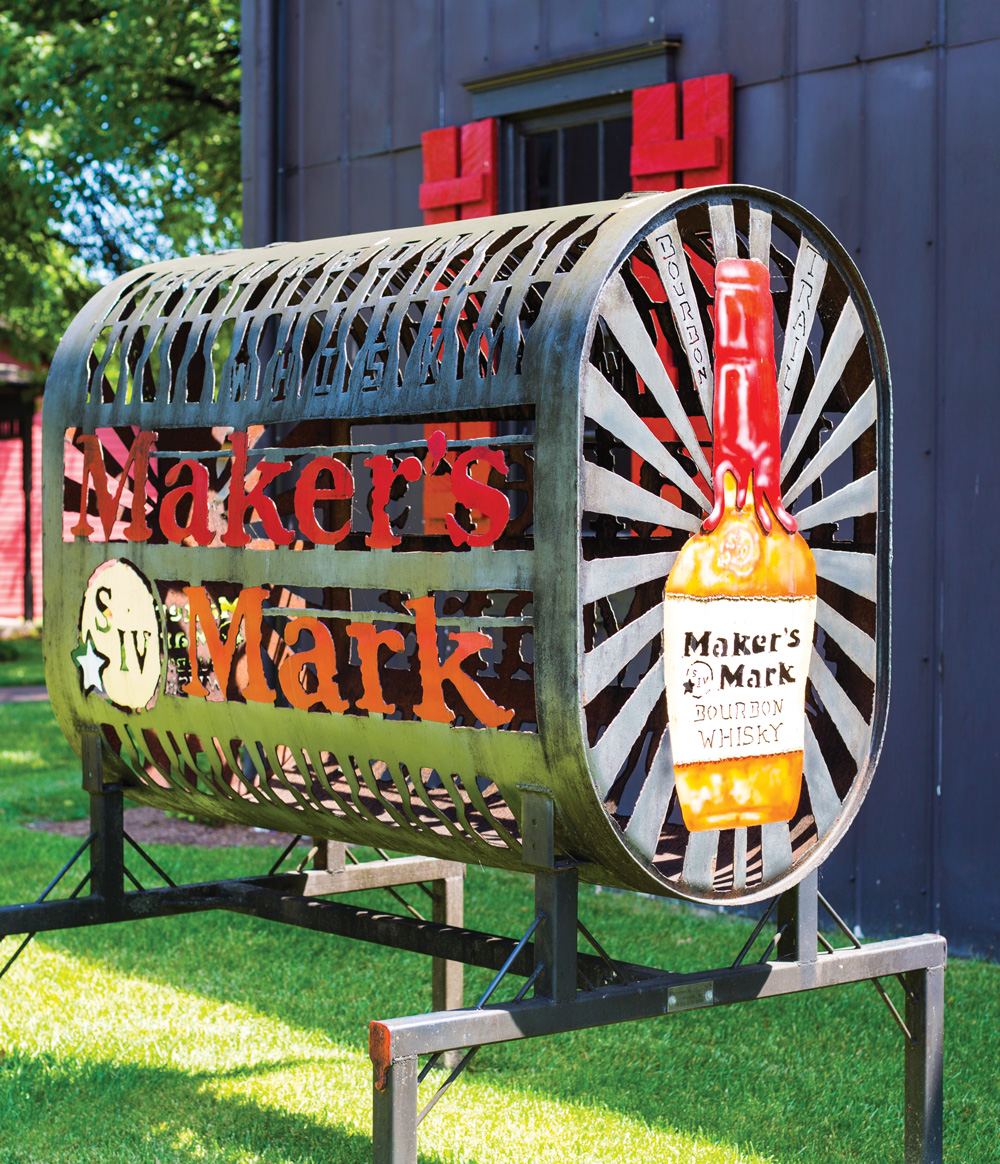
Still, you should go about 25 minutes south to Bardstown, the so-called Bourbon Capital of the World, where several distilleries await. We suggest Willett Distillery (1869 Loretto Road), an independent, family-owned operation that sits on a sprawling and historic estate. Next, hit Maker’s Mark (3350 Burkes Spring Road, Loretto) for a behind-the-scenes look at how real bourbon is made. (Guests on the specialty tours get to dip their own bottles in the iconic red wax.)
You can finish your journey in Frankfort at Buffalo Trace Distillery (113 Great Buffalo Trace). Though not part of the Bourbon Trail, it’s one of the oldest continuously operating distilleries in the U.S., dating back to 1775, and offers several in-depth tours that we wouldn’t recommend missing. All tours are complimentary (though registration is encouraged) and come with a free sample.
It goes without saying that when embarking on your bourbon trail, you should appoint (and heftily reward) your designated driver. Don’t worry—there also are local companies that provide transportation and tour guides.
The Seelbach Hilton
Photograph by Kentucky Distillers’ Association
Where to stay The Galt House (140 North Fourth Street) is a downtown Louisville classic and favorite spot of derbygoers. This Ohio River–front jewel has been recently renovated. It also gives easy access to the city’s Urban Bourbon Trail and even houses one of the best bourbon bars, Jockey Silks, on the off chance you’re still thirsty.
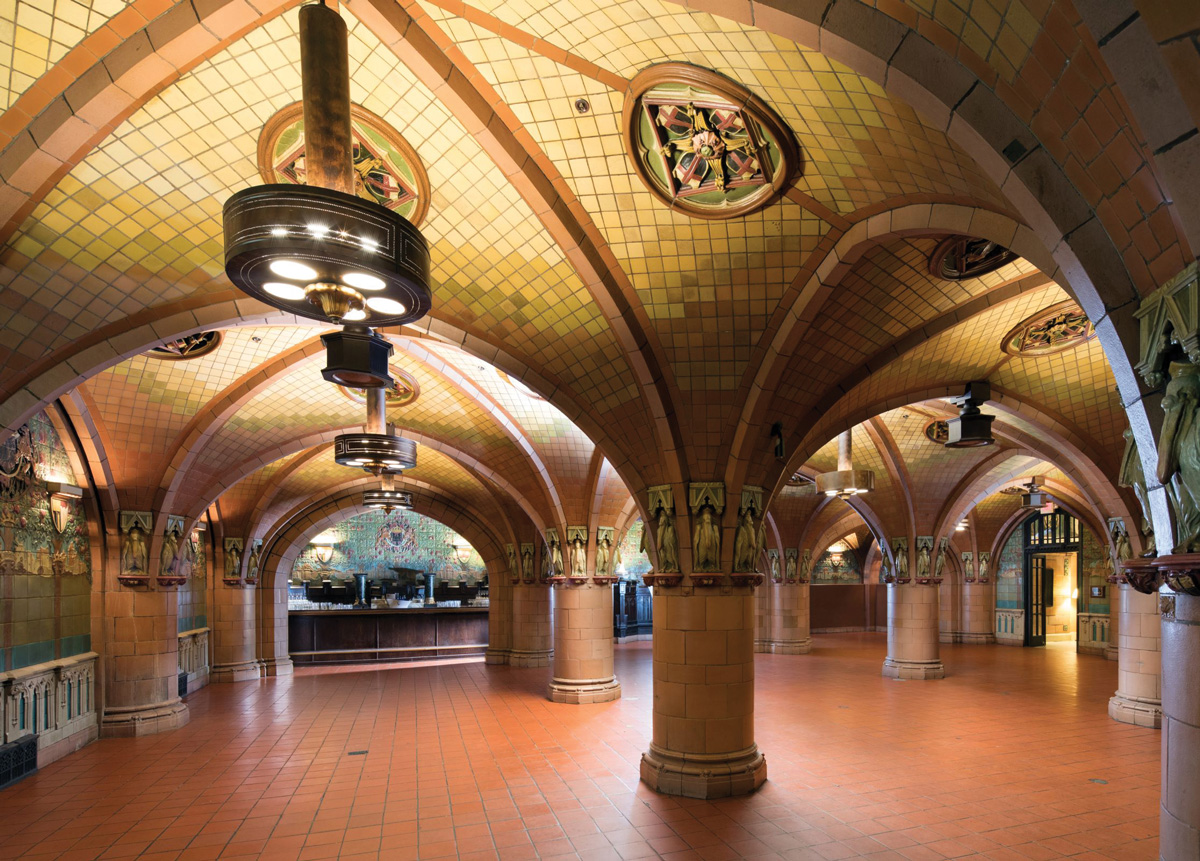
Built in 1905, The Seelbach Hilton (500 South Fourth Street) in Louisville is a luxury hotel that gives off more of a decadent, Roaring ’20s vibe, with its Beaux-Arts baroque architecture and opulent columned marble lobby, accented with dark mahogany and bronze. Al Capone used to stay here, as did author F. Scott Fitzgerald.
Where to eat
Located in the 21C Museum Hotel in Louisville, the decor of Proof on Main (702 West Main Street) looks as if the exhibits of the hotel spilled into the dining room, where colorful, flowery walls are crowded with eclectic classical paintings and portraiture. The menu is the real work of art, featuring Southern- and Appalachian-inspired cuisine.
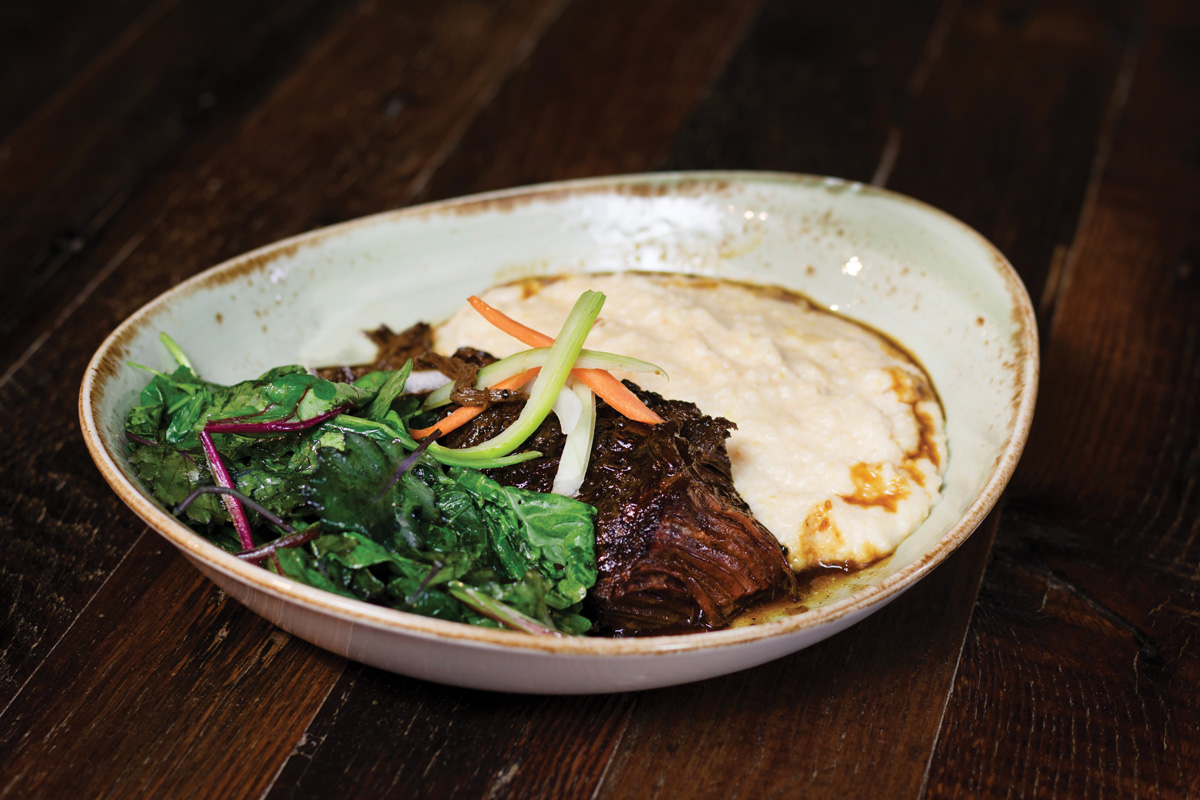
At the OBC Kitchen (3373 Tates Creek Road) in Lexington, fortify yourself with some brunch before you start drinking whiskey, or cap off your trip with a classic dinner of shrimp and grits or cola-braised short ribs. This eatery is another stop on the trail, with centuries-old barnwood and, of course, an extensive list of fine bourbon.
Photograph by Visit Beaufort, Port Royal and the Sea Islands
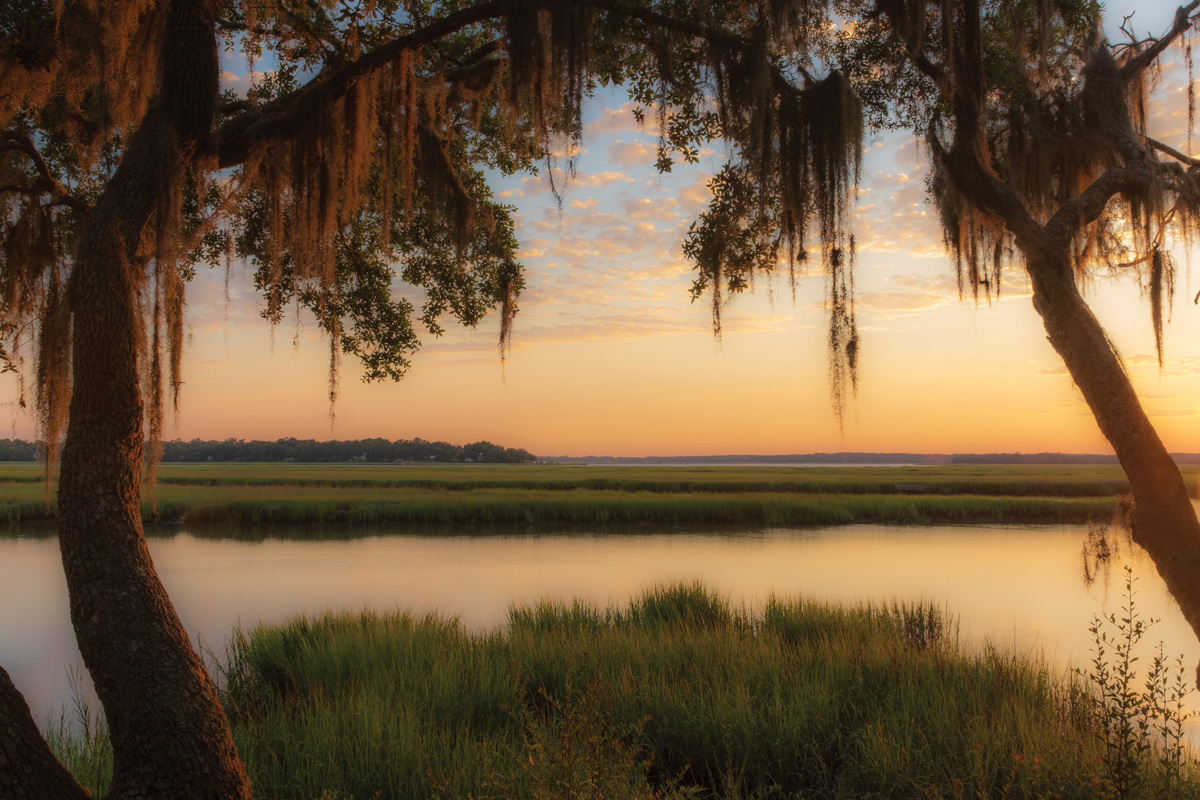
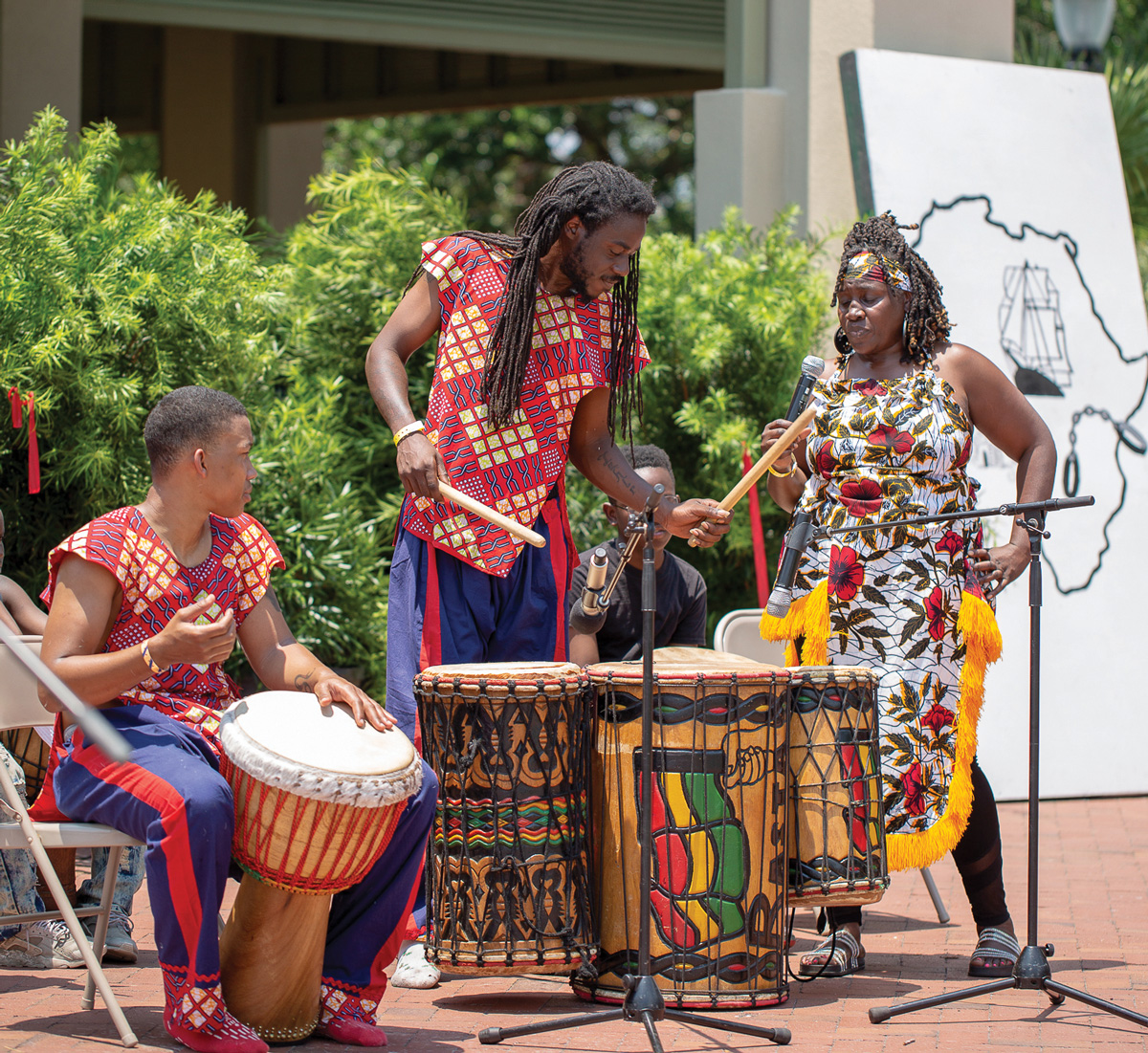
Every year over Memorial Day weekend, against the backdrop of the bucolic Beaufort River and under the shade of swaying palmetto trees, the Beaufort waterfront comes alive with the colors, sounds, and tastes of West Africa. You can almost feel the music before you hear it—the pounding percussion of complex African American beats as history comes to life with The Original Gullah Festival at the Henry C. Chambers Waterfront Park.
It is a celebration of hope, history, and the magnificent Gullah culture. “It’s a time of fellowship and it’s a time of learning and teaching,” says festival president Thomas Roy Hicks II. “We provide a platform for descendants of the Gullah community to communicate our history through food, dance, music, and storytelling.” This year’s festival will include a somber note, as the Gullah community continues to mourn the loss of seven residents of nearby Sapelo Island, who died in a gangway collapse at a Gullah Geechee celebration there in October.
The Gullah are descendants of enslaved Africans, brought from West and Central African countries to the Carolinas and Florida to toil on plantations along the coastal waterways. They brought specialized skills in rice cultivation and, as they commingled, created a dazzlingly rich cultural heritage. Because the enslaved people hailed from different regions of Africa, they created an English-based Creole language and shared strong traditions around spirituality, family, food, art, and music.
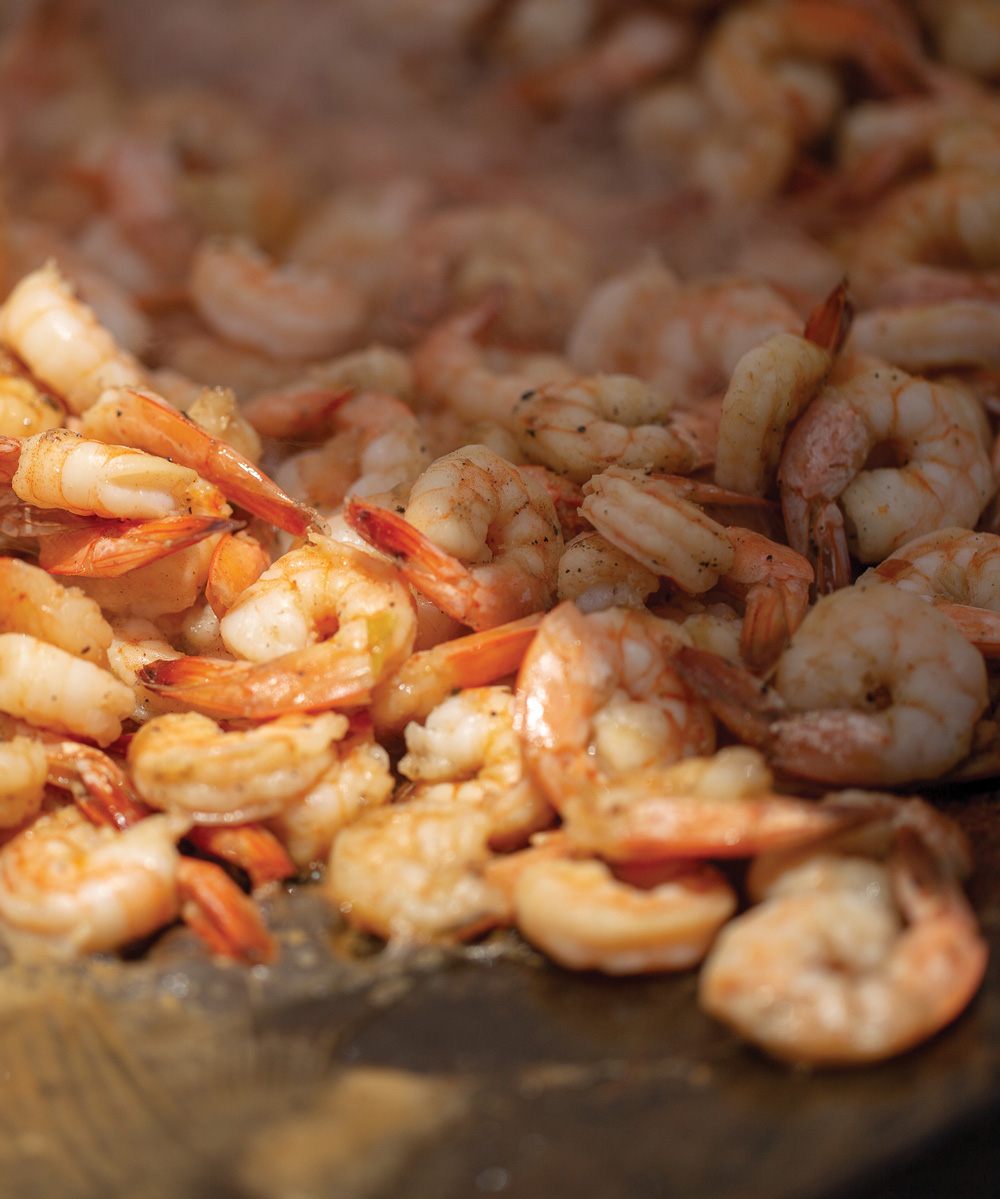
The Original Gullah Festival is a feel-good—and free—three-day party, held annually since 1986 (save for two years during the Covid-19 pandemic). Visitors come from all over the United States to enjoy Gullah cuisine, including Lowcountry boil (a one-pot taste explosion of seafood, sausage, corn, potatoes, and Old Bay seasoning), Hoppin’ John (traditionally made with red peas, ham hock, and Carolina gold rice), and sweets such as chewies (molasses-infused brownies with pecans).
The stage features a full roster of performances, including interpretive dancing, African drumming, and talks about Gullah history and culture.
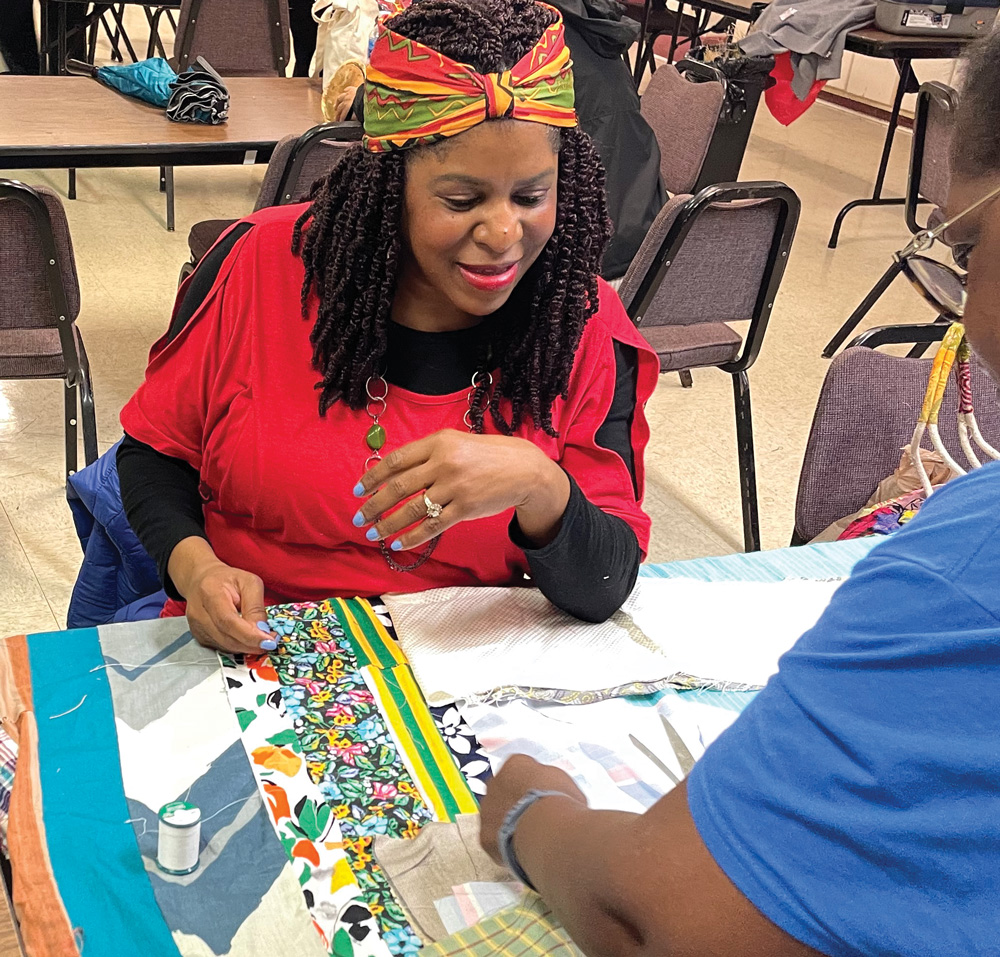
Workshops are available, generally for a small fee, to learn about and make traditional crafts, including decorative sweetgrass baskets, which were used for harvesting fruit and rice; handsewn Gullah “strip quilts,” traditionally made using nonuniform strips of whatever scrap fabric was available; and a shekere—a handheld percussion instrument made from a dried gourd, fishnet, and shells. Vendors sell everything from colorful crafts to specialty pies and African clothing.
Hicks says the festival is about community and inclusivity. It’s an alcohol-free event and has a play area for kids and plenty of space to dance and chat with the locals to learn about the Gullah culture and its role in American history.
Sunday, the final day of the festival, kicks off in the morning with the Hour of Power, a worship service that can lift anyone’s soul, regardless of race, history, or spiritual affinity. “This is where our ancestors started,” says Hicks. “This is our chance to honor them, share their stories, and celebrate all that we have accomplished.”
Rhett House Inn
Photograph by Caroline Brammlet
Where to stay
The Beaufort Inn (809 Port Republic Street) is a charming hotel that includes several historic buildings surrounding the pink 1897 Wallace Smith mansion, which is filled with 19th-century furnishings and modern amenities. The inn offers a variety of accommodations from two-bedroom suites to stand-alone cottages, with open courtyards, verandas for sweet tea sippin’, plush linens, and shared spaces. The inn is walking distance to the festival at Waterfront Park.
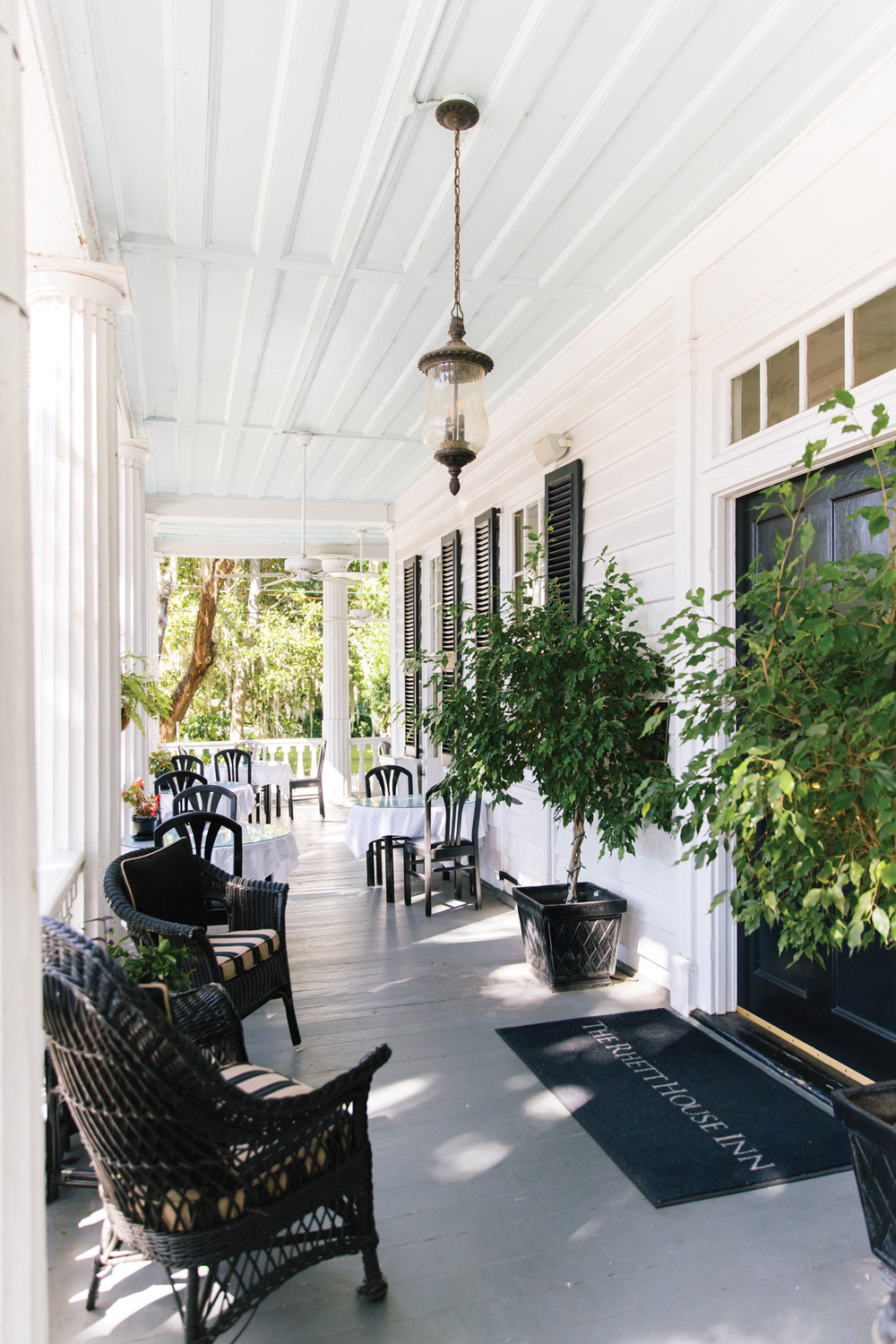
Barbra Streisand stayed at the Rhett House Inn (1009 Craven Street) during the filming of The Prince of Tides, absorbing the Lowcountry history of this 1820 Greek Revival house in the heart of the historic district. Also walking distance to Waterfront Park, it includes 10 luxury rooms in the main house, plus a handful of “cottage” rooms across the street.
Where to eat
A lively atmosphere, a pet-friendly patio, and giant portions make Blackstone’s Cafe (205 Scott Street) the best place in town for a full breakfast or early lunch. Located a block off the waterfront, this casual place features such local favorites as corned beef hash brisket, Cajun shrimp and grits, and big, juicy burgers.
With outdoor seating right on the waterfront, Plums Restaurant (904 Bay Street) is a favorite for people-watching and delicious Lowcountry cuisine. Slurp on some peel-and-eat shrimp or Lowcountry gumbo and sip on a strawberry lemonade while watching the world float by.
An image of the Horsehead Nebula (right), and its celestial surroundings, taken at Deerlick Astronomy Village
Photograph by Ed Albin
“There’s nothing quite like the beauty of a spectacular night sky,” says Atlanta astronomer Ed Albin. He’s lucky enough to see one a few times a month at the Deerlick Astronomy Village in Taliaferro County, about 100 miles east of Atlanta. There, one can find some of the darkest skies on the entire East Coast, a vast firmament glittering with celestial bodies, similar to Arizona’s Kitt Peak National Observatory or McDonald Observatory in West Texas. But both those sites are perched on mountains nearly 7,000 feet high; Deerlick, a mere 600 feet above sea level, is nevertheless so dark and clear that with a telescope you can spot Saturn’s rings and the moons that orbit Jupiter.
Along with a few dozen other part- and full-time residents, Albin—who was the planetarium astronomer at the Fernbank Science Center for nearly three decades—has his own observatory with a retractable roof at the village. From there, he gazes up at the Milky Way with its hundreds of billions of stars, observes the fiery tails of comets and colossal clouds of nebulae, and captures images of the moon’s ancient craters. Albin also dabbles in radio astronomy, which he explains is “basically observing the night sky at a longer wavelength.” Radio astronomers sweep different parts of the sky, hoping to catch a signal from another civilization. “Astronomers have been doing this since around 1960,” he says. “We haven’t gotten a signal yet, but most of us who observe the sky feel there must be life out there. So we keep trying. It’s kind of like casting a fishing line and hoping for a bite.”
Groups of students visit Deerlick during the school year, and scouting troops often come to camp overnight. “It’s fantastic to witness their awe,” says Albin, “because they have never truly seen a dark sky.” In fact, according to longtime resident Jane Kuehn, “Ninety-five percent of the world has not seen what we see.” There is simply too much light pollution in the towns and cities where most of us live. In Atlanta, the problem is so bad that the Cornell Lab of Ornithology ranked it the fourth most dangerous city for fall-migrating birds.
This dark-sky community was born in 2006, when five members of the Atlanta Astronomy Club went looking for a place free of light pollution. Taliaferro County fit the bill. The group bought 90 acres there, developed 28 parcels to lease or sell, and cleared an 11-acre grassy area they named “Grier’s Field,” where visitors can set up tents or RVs. They named their new village “Deerlick,” after a cluster of galaxies found in the constellation Pegasus.
In this community of star lovers, darkness is next to godliness. The village has no streetlights, homes must use blackout curtains, and red LED lights mark the gravel roads. Residents even convinced the nearby town of Sharon to change its streetlights to
downward-facing LEDs, reducing light pollution even further.
Kuehn, who is now 78, recalls her first visit in the fall of 2007, when she and her husband came to Deerlick’s annual Peach State Star Gaze event, hosted by the Atlanta Astronomy Club. “About 100 or 150 people come for the week,” Kuehn says, “and it’s considered the South’s most famous star party. I was absolutely enthralled with the ambience and the people.” She and her husband bought a lot the next year, and later moved to Deerlick full time. Between 5 and 20 members of the Grier’s Field group, which includes residents and visitors alike, show up each month to chat and watch the skies for the new moon.
“I’ve been known to go out at two or three in the morning,” says Deerlick resident and observing field manager Dan Ford, “and stay out until the break of dawn.” Living in Deerlick Village gives you a different perspective on the world, Ford says: “You sense that the universe is unending, and our earth is just a little dot in the sky. It puts you in a different frame of mind.”
How to get there: Drive east on I-20 to 383 Constellation Lane in Crawfordville, Georgia. Upcoming events: Peach State Star Gaze: September 29 to October 6; Radio Astronomy Star Party: October 17 to 20. Where to stay: You can camp or rent at Grier’s Field by purchasing a membership, or camp at the nearby 1,100-acre A.H. Stephens State Park in Crawfordville.