Home 2026

Archives

Lyla Lila’s chef Craig Richards’s new restaurant Elise at Woodruff Arts Center is a welcomed second act

0
An abstract painting by Tommy Taylor defines the main dining room

Photograph by Martha Williams

As diners and social media consumers, we’ve become accustomed to the culinary theater of smoke, edible glitter, and deconstruction—meals that demand your full attention. So, when you slip into a room that refuses to scream at you, instead offering a gentle, velvet-padded exhale of absolute competence, it feels like a relief.

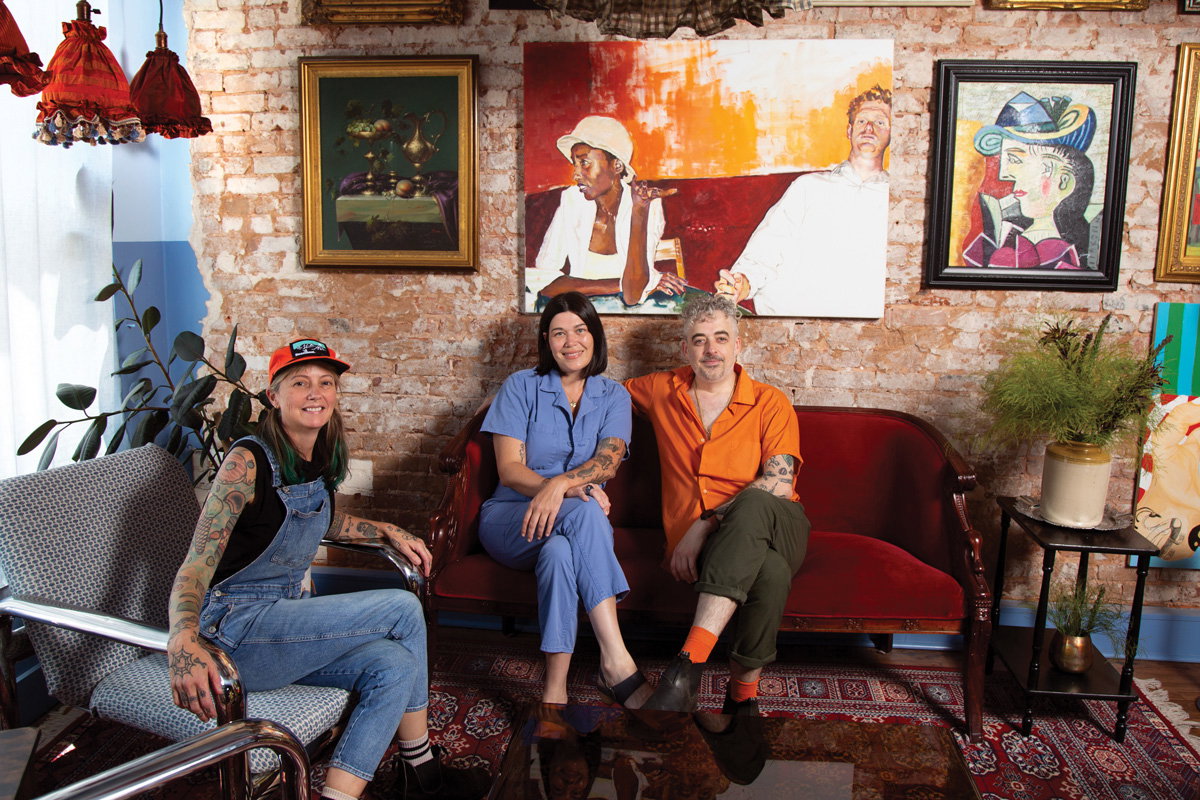
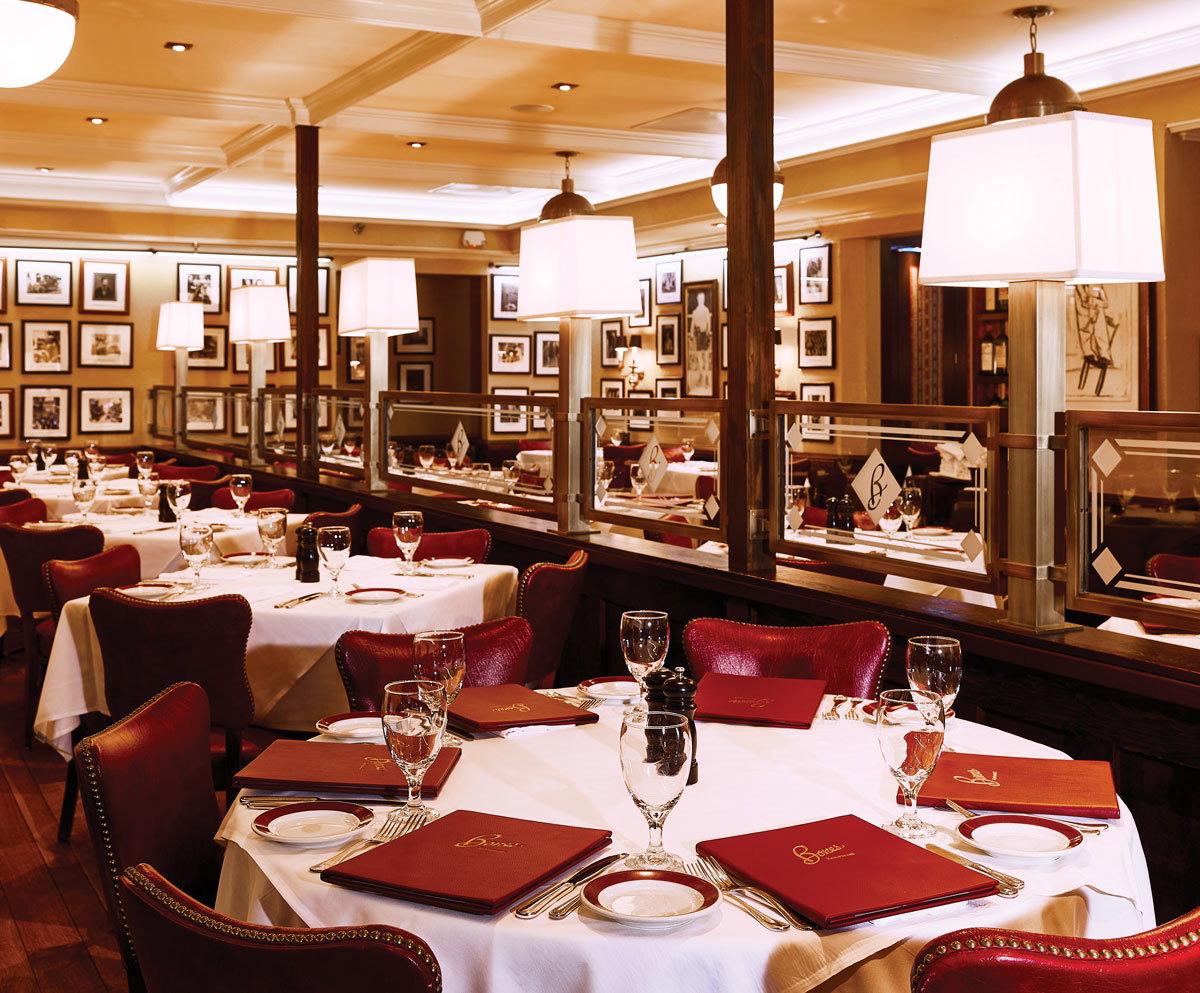
This is the territory claimed by Elise, the airy, light-drenched second act from Craig Richards, chef-owner of Midtown’s Michelin-recommended Lyla Lila. Housed on the Woodruff Arts Center campus in the former Table 1280 space, Elise functions as a gallery in its own right. Towering windows cast soft light across commissioned artworks, plush banquettes hold you a little longer than you intended to stay, and the hum of jazz is dialed in to match the afternoon. It’s a beautiful place to exist.

Compared with Lyla Lila’s southern European cuisine that emphasizes pasta, Elise maps a slightly different geography, with a broader French-Italian landscape. Across both the lunch and dinner menus, Richards delivers Italian-inspired comfort food executed with the kind of ironclad French technique that ensures every emulsion is seamless and every jus glossy. Nothing leaps off the plate or shocks the palate, but that’s not the point. The kitchen isn’t trying to reinvent the wheel, but to polish it to the sheen of the room’s design. For me, the real highlights belonged to the luxury of a long, stolen lunch.

Seated at a white-tablecloth two-top by myself, I started with smoked oysters ($28) with crisp panisse batons (chickpea fritters) and vegetables beautifully transformed into soup ($9) that was punched up with herb oil. A pristine salad ($15) lets local, peppery greens shine with a very light champagne vinaigrette, but it’s the peaches (in season on my visit) that play the starring role. Cutting into shatteringly crisp artichokes ($15) yields a soft interior to dip in a disappointing mint aioli. I would have preferred a vibrant lemon flavor. Don’t let the check arrive without ordering dessert. The chocolate mousse with a waft of Scotch and a touch of olive oil is as worthy as the lemon tart with blueberry-peppercorn dust.

Lunchtime draws solo diners, ladies who lunch, and the business-meeting set. The wine list is heavy on French staples sprinkled with biodynamic curiosities for the adventurous drinker. A suggested Pierre Gerbais extra brut champagne had nectarine aromas and a persistent, patient bubble I watched as closely as the art. The champagne arrived via staff whose hospitality was knowledgeable and free of pretense.

As for dinner, you’ll find a procession of reliable dishes, and menu headings like “A touch of sun” and “To spoon and twirl” read like poetry. A mound of meaty, cool morsels of tuna tartare ($25) with saffron aioli, sumac, and pickled strawberry matched the red dining room. Crispy vegetable tempura turned up tender artichoke hearts, fresh snap peas, and earthy maitake mushrooms in the lightest of batters.

peaches and beets shine in a seasonal salad
Peaches and beets shine in a seasonal salad

Courtesy of Elise

A lemon tart on a plate next to a fork
A lemon tart invites lingering

Photograph by Martha Williams

The housemade pastas carry the requisite al dente snap. Ordering half sizes is a pro move to experience red winebraised beef and smoked sheep’s milk ricotta tucked side by side into ravioli doppio ($38). The duck breast balances crispy skin with tender meat, rich yet delicate. Roast chicken ($39) is homey, golden, and textbook-perfect with sauteed chanterelles, its pan sauce reason enough to order the housemade sourdough ($7). For the beef bourguignon, Richards uses brisket for a full-bodied flavor that edges toward barbecue smokiness. While I would have preferred a more traditional take, my dinner date thought the brisket made it better. The meat is slow braised into tender bites and served alongside decadent pommes puree.

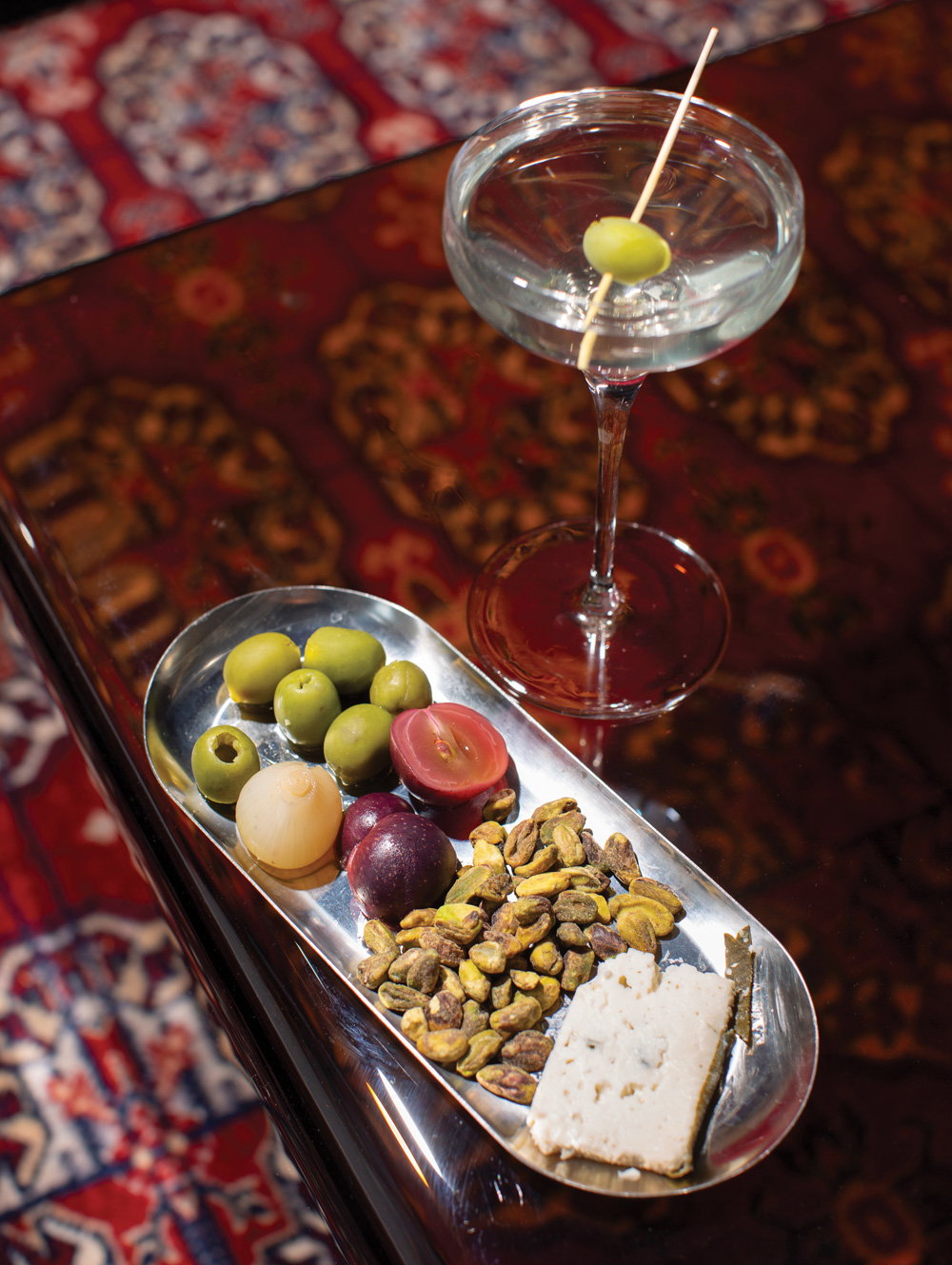
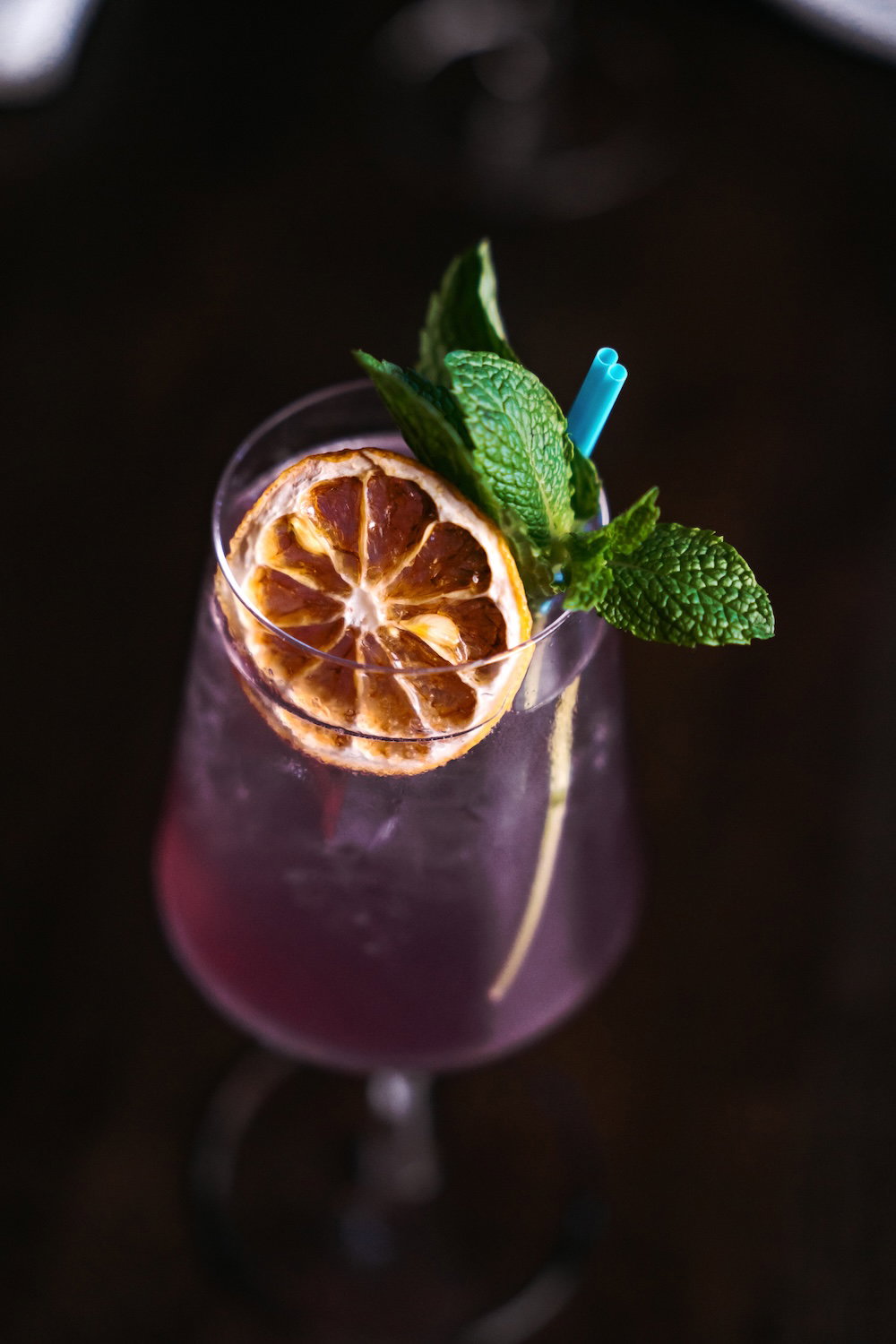
The cocktail program at the intimate bar is a lesson in restraint: A menu of low-proof vermouth beverages, listed by ingredients only, treats the fortified wine as the protagonist, not an afterthought. My favorite paired Islay Scotch with rich, bitter-leaning Italian vermouth for a savory-smoky profile.

One practical note: Parking can be pricey and is not discounted for diners ($18 at lunch and $25 at dinner), so budget for it, or take MARTA and walk across the street.

In the end, Elise asks to be remembered not for any single dish, but for how a few well-chosen ingredients and intentional design can become something refined. That’s a rarer trick than a revelatory bite, and a harder one to fake.

This article appears in our September 2026 issue.

The verdict on 2 new Atlanta restaurants: The Chai Box Cafe and Eats

0
A garden-inspired mural, spiced teas

Photograph courtesy of The Chai Box Cafe | Photographer Kate Blohm

the signature Rose Pista Tart set the mood at The Chai Box Cafe
The signature Rose Pista Tart set the mood at The Chai Box Cafe

Photograph courtesy of The Chai Box Cafe | Photographer Kate Blohm

The Chai Box Cafe

Upper Westside
@thechaibox

It’s been 10 years since Monica Sunny launched her popular online company, The Chai Box, delivering loose-leaf blends, concentrates, and spice sets to customers worldwide. Now she’s put down roots on Howell Mill Road with The Chai Box Cafe, Atlanta’s first-ever chai-focused cafe. A classic masala chai (chai means “tea” in Hindi) comes hot or iced, infused with warm flavors of cardamom, cinnamon, and cloves. Variations include the floral Hill Station chai or the ginger Punjaban Party. Base chais are a steal at $5, with creamy cardamom malai (spiced cream scooped cold onto the hot chai so it melts, floating, on the top) options available for an extra $1.

The pastry showstopper is the Rose Pista Tart (a buttery tart with pistachio filling, topped with cardamom and rose cream and sprinkled with dried rose and pistachio bits, $8), with rich layers that melt in your mouth. For something savory, consider the Samosa Croissant, a light pastry with a spicy samosa filling (potatoes, peas, and onion seasoned with cumin, coriander, ginger, and chili, $7). —Makenna Carlton


Eats offers pasta and standbys like jerk chicken with veggies and cornbread

Photograph by Martha Williams

Eats

West End
@eatsatwildheaven

When Eats, the beloved meat-and-three fixture on Ponce de Leon Avenue, announced its closing last year, the line was out the door for days as regulars waited for one last cafeteria-style supper. Soon enough, though, word came that the culinary team—headed by kitchen manager Levi Nichols—had found a new home within Wild Heaven Beer at the Lee + White complex, steps from the Beltline’s Westside Trail.

A crosstown move is risky, but the Eats crew seems to have faith in the allure of the cafeteria’s bohemian vibe and straightforward menu staples: turkey meatloaf, jerk chicken, barbecue chicken, and lasagna, to name a few. The dining room at the back of the cavernous space resembles a movie-set replica of its former self, with the same red wooden booths, musician portraits, indie artworks, and a multicolor collage of car license plates—even the same retro melamine trays. And the familiar Eats neon sign is there, too. It’s a comfort. Bonus: Parking is free with validation. —Vené Franco

This article appears in our September 2026 issue.

Fuyuhiko Ito’s new robata grill and sushi restaurant Sozou now open at Spring Quarter

0
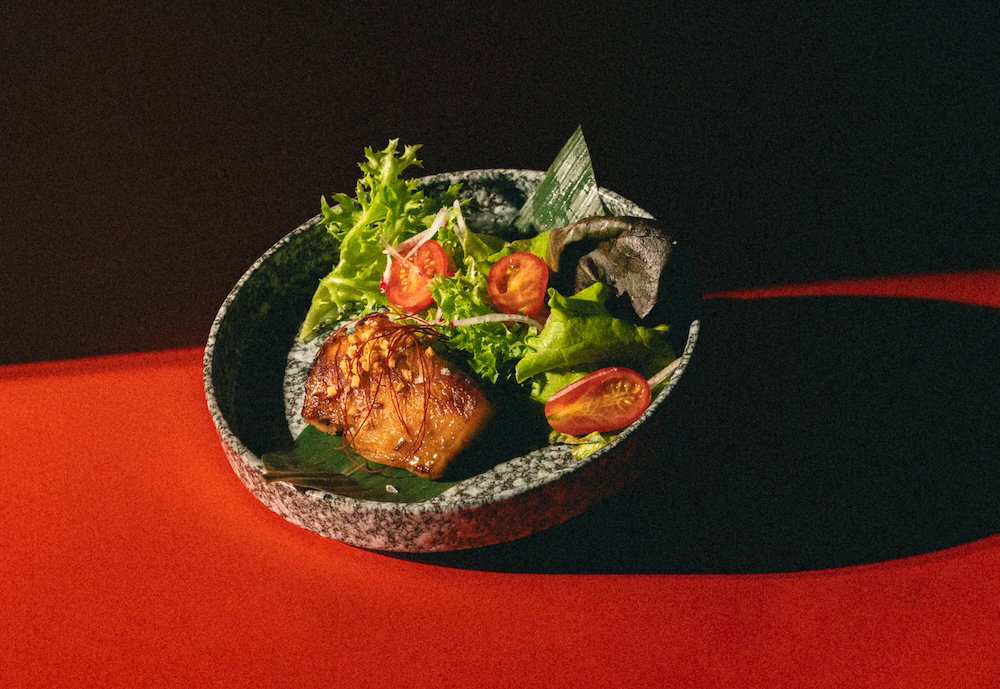
Robata grilled branzino

Courtesy of Sozou

Three years after it was first announced, chef Fuyuhiko Ito’s long-awaited Sozou has arrived in Midtown. The Japanese restaurant, centered on robatayaki, sushi and shareable plates, is now open on the ground floor of Ten Twenty Spring at Spring Quarter.

The restaurant is the third concept in the building from culinary director Fuyuhiko Ito and his wife, executive pastry chef Lisa Ito, who also operate rooftop lounge Celestia at Terrace and the 16-seat omakase bar ISHIN by Ito. At ISHIN, Ito remains behind the counter, while Celestia is led by executive chef David Martin Garcia. Sozou, however, features a much bigger stage: 3,800 square feet that feel even more spacious thanks to 22-foot ceilings, 120 dining room seats, a sushi bar, traditional bar, and a mezzanine.

Sozou means “to create” or “to imagine.” Ito says the name was inspired by the idea that “imagination and creation can change the world.” Sozou is less formal than ISHIN but still grounded in Japanese technique. “Simple but delicious is the goal,” he says.

Assorted sousaku nigiri

Courtesy of Sozou

The menu is a la carte with a focus on “traditional Japanese grilling techniques” using a robatayaki to cook fish, meat, and vegetables. Chilean sea bass, black cod, tomahawk steak, and lamb chops anchor the richer side of the menu, while seasonal vegetables—corn, blistered shishito peppers, green beans, asparagus and spring onions brushed with teriyaki—round it out.

On the lighter side, expect nigiri, sashimi and a tight list of rolls, including lobster tempura and spicy tuna, with fish flown in four to five times a week from Tokyo’s Toyosu Fish Market. Nevertheless, Ito insists he doesn’t “want this to be a sushi roll house.” Chef Jey Oh, former owner of Sushi Huku, will lead the sushi program grounded in classical precision.

The kitchen also serves crispy rice, along with caviar and potato chips, shrimp tempura, dressed avocado salad, dashi mussels with Japanese watercress and green onion, hamachi crudo, and whitefish tartare. Ito says he expects the grilled romaine with creamy sesame dressing to be hit.

For dessert, offerings include a strawberry soufflé with matcha ice cream, corn ice cream with popcorn crunch inspired by a flavor popular with Japanese children, and a tropical fruit parfait.

Dressed avocado salad

Courtesy of Sozou

Drinks will play off the same mix of Japanese technique and creative control. The restaurant is awaiting its liquor license. However, the cocktail list will include the Isla Verde, made with coconut oil-washed Toki whisky, green apple cordial, clarified lime, and coconut water, and the Sake Spritz, a delicate, lightly spicy mix of Thai pepper-infused junmai sake, shiso syrup, acid-adjusted honey, and bubbles. Savory flavors show up in No. 4, a martini with black truffle-infused Roku gin, cheese-infused Carpano dry vermouth, mushroom liqueur, and koji rice. Sake and wine lists are available as well.

That balance of polish and ease carries into the Sozou space, designed to feel open and social rather than hushed. Ito describes the decor as modern, with stone, wood, and other natural materials. Large windows provide a view of the development’s landscaped front yard and the historical Patterson House, where Hal’s “The Steakhouse” will open in 2027.

“Sozou is a place to be seen and socialize,” Ito says. “I just want everyone to enjoy themselves.”

Tropical fruit parfait dessert

Courtesy of Sozou

A seasoned Georgia chef joins Madison’s dining scene

0
Chef Ted Lahey

Courtesy of MAD Hospitality

Veteran Georgia chef Ted Lahey has joined MAD Hospitality as chef de cuisine, bringing a résumé that spans Atlanta, Athens and New York to Preston Snyder’s growing collection of restaurants in historic downtown Madison. Lahey’s attention will be focused first on The Dining Room, the group’s fine-dining restaurant, while he also works across The Sinclair, The Patisserie on Main, Betty Gene’s, Hart & Crown Tavern, and Community Roots Market. An Athens native, Lahey helped open Roswell favorites Table & Main and Osteria Mattone, worked in Atlanta kitchens including South City Kitchen and Pricci, spent time at Athens’ Five & Ten and New York City’s Fiamma, and most recently helped launch Preacher Green’s, an Athens restaurant. We spoke to him about what drew him to Madison, how he sees the city’s dining scene evolving, and what he wants to bring to MAD Hospitality’s kitchens.

Watermelon Salad with feta, watercress, pickled rind, fermented chili honey, and pistachio dukka at The Dining Room

Courtesy of Roland Alonzi/Contento

How did you end up in Madison?

About a year ago, I sold my share of Preacher Green’s in Athens to my partner. I fell in love with a woman who lived in Middle Georgia’s lake country. I helped friends in Macon at the Moonhanger Group get their operations in order. I had been looking for the right opportunity, and Preston was looking for a reliable chef. I fell in love with Madison as a historic city—charming, quaint, and beautiful—and with Preston’s vision for it. It reminded me of what we were doing in the early days in Roswell, when there were only three restaurants on Canton Street. I love Roswell, but I couldn’t afford the rent for a new restaurant there now.

What attracted you to this role, especially compared with working in Atlanta?

Madison has an interesting history, but it’s also growing and changing. The customer will be similar, if not the same people. Many have second homes here. It’s more than a small, sleepy Southern town. There are a lot of wealthy Atlanta people here, too.

My background isn’t just fine dining. I’ve worked in corporate steakhouses and mom-and-pop sandwich shops, too. Having so many outlets here allows me to stretch my legs in a lot of directions.

Inside The Dining Room in Madison

Courtesy of The Growl Bros.

Tell us about the different restaurants you’ll be working on.

The Sinclair serves coffee, tapas and cocktails. The Patisserie on Main is led by chef Edouard Fenouil, a giant in the pastry world. Betty Gene’s serves Southern breakfast. Hart & Crown is a British pub. Community Roots Market sells local vegetables and meats. The Dining Room pays homage to Preston’s time at The Dining Room at the Ritz-Carlton in Atlanta. He worked with Shaun Doty there in the late 1980s, and Shaun has been the consulting chef. They’ve been doing a monthly chef-in-residence program. Daniel Chance (La Grotta, Watchman’s) has been there for the past month. We worked together at Trois years ago.

What changes do you have planned?

I want to provide some structure for a group that has been operating without a chef for a while. Sales keep growing, but there hasn’t been someone at the rudder to guide the ship. I want to fine-tune what they’re already doing. I’m not going to change every menu immediately. I want to see what’s working and what customers are asking for. I’m cooking for the guest, not my ego.

The Dining Room menu changes quite often, so there’s room to jump in and be creative. I want to change the menu a little less often (quarterly). When it changes too frequently, it can become less approachable because it’s hard to post the menu online. In the future, if you remember a dish you had last time, we’ll probably have it again, maybe with a different side or seasonal vegetable.

What else should we know?

It’s not as far as you think. Madison is about an hour from Atlanta, which is true of almost everything in Atlanta.

Ricotta tortelloni with English pea puree, confit tomatoes, pecorino, and crispy tendrils at The Dining Room

Courtesy of Roland Alonzi/Contento

After five years of delays, Spina Pizza is finally opening at Atlanta Dairies

0
Spina Pizza oven

Photo by Anitra Isler

Spina Pizza has been “opening soon” for so long that owner-chef Anthony Spina Jr. can laugh about it now. After years of contractor headaches, city delays, construction snags, and the financial strain of building a restaurant from scratch, the long-awaited pizzeria is finally nearing the finish line. Spina says he hopes to open August 27 following a series of pop-ups. Located in Atlanta Dairies beside Small Fry, for which Spina also serves as partner and chef, the pizzeria is part Jersey and part Italian American red-sauce comfort.

Spina grew up in the pizza business, first in New Jersey and then in Georgia, working under his father, Anthony Spina Sr., founder of O4W Pizza. The elder Spina opened the original Old Fourth Ward stall in Irwin Street Market in 2015, earned a following for his square, crackly Grandma Pie, then moved the restaurant to Duluth. The suburban location quietly closed this summer after roughly a decade in business.

Spina Jr. was 10 years old when his father opened his first restaurant, and he remembers stretching dough, slinging pies, and absorbing the rhythms of a family-run kitchen. Later, he worked with his father at O4W until 2020, when he broke off to do his own thing. Spina Pizza began as a pop-up, first appearing at 8Arm and later at Atlanta Dairies. Early versions leaned Neapolitan-style, with margherita, funghi, and Hot Boy pies, the latter topped with pepperoni and hot honey. The brick-and-mortar will keep some of those flavors, but Spina says the crust and execution have evolved.

Expect six, 12-inch wood-fired pies with rotating specials. Spina says the flavors will be familiar to anyone who followed the pop-ups, with a few new twists. Late-night slices—served Fridays and Saturdays from 10 p.m. to midnight—will nod to his childhood.

Hot Boy pizza

Photo by Anitra Isler

Beyond pizza, the menu will include Italian-American favorites like steak pizzaiola (“pizza man’s steak”) with broccoli rabe, potato croquettes with red sauce, a classic chopped salad, wood-roasted lasagna, and cassata al forno, a Sicilian-style baked pastry Spina calls a forgotten dessert. The restaurant will open for dinner six days a week, with weekend lunch service that will eventually expand to weekdays.

The beverage program will be deliberately light: natural wines, amari, and spritzes (no hard liquor). House pours will include white, red, sparkling, and orange wines, with additional by-the-glass and bottle selections rotating daily. Beer will be limited to an Italian pick and a local brew from nearby Three Taverns.

The restaurant seats 100 people. Inside, Spina describes an industrial warehouse feel with a bit of Los Angeles polish: brick walls, a long L-shaped banquette, and tables clustered throughout the center. He pulled inspiration from places he admires, including Pizzeria Bianco and Chicago’s Alla Vita, then filtered it through his own nostalgic lens.

Diavolo pizza

Photo by Anitra Isler

And then there is the pink. The flamingo-like shade reappears throughout the space, from a neon sign to the pizza boxes to the bathrooms. It’s playful by design, a visual cue that Spina Pizza is here for the messy, joyful range of Italian-American dining.

“I’m young,” Spina says. “I want to open as many locations as I can.”

First, he has to open the one that has been years in the making.

At Thyme, family recipes meet a polished night out

0
Lamb chops

Courtesy of Thyme

Kay Burns has always considered herself a people person. A former educator, she prides herself on patience, flexibility, and leadership—skills that also apply to her new role as owner of Thyme Restaurant in Piedmont Heights. A modern American spot across from Midtown Bowl, Thyme quietly opened in May serving dinner, cocktails, and Sunday brunch.

Burns brings experience working in family restaurants, as well as Essence Restaurant Group. At Thyme, she created the menu using recipes from her upbringing. “The way I cook my mac ‘n’ cheese for Thanksgiving is the way we make it at the restaurant. We use my marinade for steaks and lamb too,” she says. “Every day is fast paced and different.  I love interacting with people and making a difference.”

The patio

Courtesy of Thyme

Dinner offerings include shared plates such as duck confit tacos, Wagyu sliders, and herb butter oysters. Entrees range from Mediterranean lamb chops to honey harissa-glazed Atlantic salmon. For brunch, expect four varieties of sweet waffles, plus fried catfish and grits, steak and eggs, and avocado toast.

An 11-seat bar focuses on hand-crafted cocktails, featuring a spin on a margarita called Thyme to Shine. There’s also a take on a spritz, a mule, and a drink called Pink Fire made with dragon fruit and gin. Beer is limited to a handful of domestic bottles, while a concise California-centered by-the-glass list is available for wine.

Shrimp and grits

Courtesy of Thyme

The 4,000-square-foot space is designed with rich earth tones and contemporary lighting. There’s a patio with retractable ceiling and walls and two private dining areas for groups. A DJ sets the mood on Friday and Saturday evenings with a live saxophonist playing at brunch.

“Thyme is more than just a restaurant—it’s about creating an experience. We want every guest to leave feeling like their time with us was well spent,” Burns says.

The patio

Courtesy of Thyme

From the Well rises in Roswell with sourdough and cold brew lattes

0
Outside From the Well

Photo by Christina DeVictor

For five and a half years, Christina and Tony DeVictor built From the Well by hand, from exterior walls and floors to nearly every repurposed detail inside. The result is a scratch-made bakery, market and café next door to Fellows—and an answer to the wait times that came with Fellows’ rise as a Roswell destination.

“I was appalled when people walked up and we had to deliver a one-and-a-half-hour wait time,” Christina DeVictor says. “We needed to be able to shift them somewhere else.”

From the Well opened Dec. 31, 2025, as a 2,500-square-foot space that started simply with coffee and wine before the ovens were even plugged in. Now, with executive chef Andy Long (formerly of Lapeer Steak & Seafood) overseeing the culinary programs at both Fellows and From the Well, the family-owned business has launched its first full in-house food menu.

The new menu helps clarify what From the Well is—and isn’t. The restaurants are not meant to mirror each other. Fellows remains the sit-down destination, where guests settle in over shared plates and full service. From the Well is the more casual counterpart, with counter service, curbside pickup, outdoor seating, and café food designed to move more quickly.

Sourdough boules

Photo by Christina DeVictor

“Our culinary vision is similar: everything is handcrafted,” DeVictor says. “We’re making nourishing, beautiful food that people want to eat.”

No menu items overlap. From the Well leans into bread, including hand-rolled West Coast-style sourdough bagels and rustic sourdough boules displayed on an antique shelf. All of the bread is naturally leavened with a living starter instead of commercial yeast. “To not leave with a loaf would be criminal,” DeVictor says.

The pastry case holds muffins, cookies, and coffee cake made by Tony and recently hired pastry chef Ashley Blaylock, formerly of Staplehouse and Kimball House. Made-to-order breakfast leans savory, with a baked-egg sandwich layered with Heywood’s sausage, ricotta toast, and sourdough bagels finished with peaches, salmon gravlax or roasted tomato. Lunch keeps the same café spirit with quiche, a grain bowl, salad, and turkey and Italian sandwiches.

There is no espresso machine—yet. Instead, the beverage program focuses on cold drinks for the season, including tea, matcha, and cold brew lattes made from a custom Methodical Coffee blend. A honey cinnamon latte has emerged as an early standout.

Quiche

Photo by Christina DeVictor

A wine wall features natural, low-intervention wines alongside a few classics. On Thursdays, From the Well stays open until 7 p.m. for wine, wine spritzes, and a rotating menu of seasonal bites. The weekly aperitivo-style offering includes a three-part wine tasting with 2-ounce pours built around different themes.

From the Well also features a 12-person tasting table and curated retail area with cards, gifts, and handcrafted finds, including goods from woman-owned P.F. Candle Co. A bakery counter sits to the right and will eventually have its own line, while the back opens to a sunken garden with pavers and greenery. Nearly everything inside has been repurposed, reflecting the couple’s love of old homes, found objects and handcrafted details.

Hand-rolled sourdough bagels

Photo by Christina DeVictor

For DeVictor, the name ties the café back to the town it was built to serve. Roswell was nicknamed “The Well” when she was growing up, and she says the phrase felt like a nod to childhood. She and Tony are “Roswell people,” she says. They went to Roswell High School, and she currently serves as volunteer president of the Roswell Farmers Market. With From the Well, they want to give Roswell a place that feels made by locals, for locals.

“We want people to know how special our town is,” she says. “We’re doing that in our way, using our gifts. We love serving the community.”

Thursday evening bites

Photo by Christina DeVictor

At Que-riosity, Todd Richards gives barbecue a fine dining remix

0
Grilled branzino with stewed tomatoes and mussels next to chicken wings over waffles

Photograph by Martha Williams

Like an old flame, barbecue keeps beckoning Todd Richards. Que-riosity, the chef’s new restaurant in McDonough, composes the fourth verse in his ongoing duet with smoke and fire. It follows Rolling Bones in the Old Fourth Ward, The Pig and the Pearl in Atlantic Station, and Lake & Oak in East Lake. While Richards began his barbecue career serving traditional fare with the usual meats and fixings, Que-riosity is more of a refined grill room where smoky flavors provide a theme instead of an entire menu. If barbecue is an old sweet song, Que-riosity finds Richards playing variations like a jazz musician.

The restaurant occupies a storefront in a shopping center on Jonesboro Road, off Interstate 75, a landscape of box stores, chain eateries, and big parking lots. The nondescript setting recedes once you step inside; it’s like walking into the chef’s home den. The 1,500-square-foot dining room glows with warm butterscotch walls decorated with abstract art painted by Richards himself. Shelves of cookbooks—he wrote two of them—line one wall, and a long bar with a TV tuned to sports dominates another. There are no red-checkered tablecloths; rather, marble tops and linen napkins. A soundtrack of ’70s soul sets an easy dinner mood.

Since he arrived in Atlanta from his native Chicago during the early ’90s, Richards has been one of the most creative and restless chefs in town. A four-time James Beard Award semifinalist, he has worked at such kitchens as the late Blue Ribbon Grill in Tucker and The Shed in Glenwood Park. He has also headed culinary operations at swank hotels, including his current gig as executive chef at the Waldorf Astoria Atlanta. All this to go along with One Flew South, his popular restaurant at Hartsfield-Jackson Atlanta International Airport, and Soul: Food & Culture, his food stall at Krog Street Market. The man gets around. 

419 Fashioned, a smoky riff on an old fashioned

Photograph by Martha Williams

Richards opened Que-riosity in March in collaboration with his wife, Gloria. The couple wanted to establish an upscale grill closer to where they live in Henry County. The dinner menu (they don’t do lunch) offers four cold small plates, four hot small plates, and six entrees. Some dishes will be familiar to guests who have eaten at his other restaurants: a flight of deviled eggs with bacon jam and pickled onions; grilled oysters with garlic butter; fried okra split lengthwise and dressed with lemon, hot sauce, and barbecue spices.

All are good, but I wanted to taste the dishes that justify a name like Que-riosity. Twice-smoked pork belly with red onions and mustard barbecue sauce ($14) tickled my pork cravings. Smoked chicken wings over red-velvet waffles with smoked maple syrup ($16) surprised me. I was expecting it to be very sweet, but it wasn’t; the waffle was light and soaked up the stronger flavors surrounding it. Only the hot honey and pineapple glazed ribs ($28) disappointed—they seemed excessively candied—but the accompanying Sea Island red peas, deeply smoky and lightly salted, were a little crock of joy.

The most impressive dish may be the grilled branzino ($44), stuffed with rice, collard greens, and mushrooms and served with stewed tomatoes and mussels. The flavors balance beautifully, and the multicolored dish looks artful enough to hang on the wall with the chef’s paintings.

Red-velvet cake with strawberries on the left and atop
Red-velvet cake

Photograph by Martha Williams

Que-riosity offers a small dessert menu (highlights: bananas Foster cheesecake and red-velvet cake) and has started serving Sunday brunch, with specialties like blueberry French toast with lemon mascarpone ($18) and a creamy lobster and shrimp omelet ($36). Beverage director and longtime collaborator Ramsey Kashlan created a list of 21 wines and 22 cocktails, many of them with cheeky names like Conflict Resolution, Death in the Afternoon, and Sex in the Driveway. The 419 Fashioned features rye whiskey and is smoked. When it arrived, I lifted the lid off the tumbler, and a puff of vapor escaped like a tabletop magic trick.

If you go to Que-riosity expecting conventional barbecue, you’ll probably be disappointed. The higher prices may displease you too: A dinner and drinks for two blows past $100 in no time. But if you go to experience ingenious riffs on an American classic—and expect to pay for fine dining—you’ll be rewarded. “Barbecue is not a monolith,” Richards says. “There are lots of different ways of doing it.” At Que-riosity, he’s trying out some of them to our benefit.

This article appears in our August 2026 issue.

The verdict on 2 new Atlanta restaurants: Bottle Rocket and Weepa Puerto Rico

0
Bar-friendly grub interior of Bottle Rocket
Spirited diversions, room to mingle, and bar-friendly grub fuel patrons at Bottle Rocket.

Photograph by Martha Williams

Bottle Rocket Fine Food and Beverage

South Downtown
@bottlerocketatl

Longtime Castleberry Hill tavern Bottle Rocket has moved to the historic Hotel Row in South Downtown. The hangout, known for its dive-bar vibes, well-executed cocktails, sushi bites, and burgers, has set up in a spiffier, renovated space. It’s a broad room some Atlantans may recall was restaurateur Paul Luna’s eclectic Lunacy Black Market, which closed in 2014. The four owner-operators are husband and wife Josh Calvin and Bonny McKinnon, marketing director Kim Singleton, and culinary director Dallas Miller. Find them mingling nightly at their gathering spot that already seems like it’s been there forever. Dark-wood accents and deep-red vinyl booths set the right mood: noir-ish but not-too-serious. The scene is enhanced by a montage of artworks, vintage illustrations, and charming, nostalgic pendant lights. The bar top made from salvaged wood flooring nods to the building’s past, which dates back to the early 1900s. Among the must-try items on the eclectic menu: martinis made with Murrell’s Row Spirits gin, crab Rangoon and Big Ass Egg Roll appetizers, sushi rolls (a solid trio: Bottle Rocket, Rufio, and shrimp tempura), and the Bottle Rocket burger marinated in a house-made Korean barbecue sauce. The chatter and the digital jukebox get louder in the later hours on weekends.


A lobster version of Puerto Rican classic mofongo relleno

Courtesy of Weepa Puerto Rico

Weepa Puerto Rico

Hapeville
@weepapuertorico

This past spring, chef Emanuel Jiménez swept through downtown Hapeville like a Caribbean trade wind, opening Weepa Puerto Rico in the former Mami’s La Cubana space on Central Avenue. The cozy cafe, now refreshed, has mango-colored walls with island-inspired paintings and enough plants, straw hats, flags, and Bad Bunny music to fill another halftime show. Weepa (pronounced weh-pah) is an all-purpose exclamation of joy, prompted here by a welcoming vibe and an affordable menu packed with authentic Puerto Rican dishes. Tall bottles of pique (vinegar-steeped chiles, garlic, and herbs) sit atop each table. Splash the tangy blend over rich bites of pernil (roasted pork), grilled whole red snapper, rice with gandules (pigeon peas), bistec encebollado (steak with onions), pinchos (chicken skewers with salsa guava or barbecue sauce), and fried or mashed plantains. Drinks like Kola Champagne soda (hints of bubble gum) and fresh mango juice deliver a sweet buzz, as do desserts, such as the cinnamon-dusted coconut custard and the deep-fried cheesecake with vanilla ice cream and passion fruit sauce.

This article appears in our August 2026 issue.

New La Grotta executive chef Drew Van Leuvan builds on the restaurant’s long-standing legacy

0

Drew Van LeuvanNearly five decades in, La Grotta Ristorante Italiano remains one of Atlanta’s most enduring restaurants, serving Northern Italian staples from its longtime home beneath a Buckhead condo building. In January, chef Drew Van Leuvan stepped into the kitchen, bringing experience from The Deer and the Dove, Seven Lamps, One Midtown Kitchen, and Ecco—and taking up the task of sharpening the restaurant’s reputation without disrupting what’s made it last.

Atlanta: What’s it like joining such an established, iconic restaurant?
Drew Van Leuvan: It’s the most unique restaurant I’ve ever worked at. Being in business for 47 years is remarkable. You have to be respectful of the history and clientele. My 25- to 30-year-old mind could never have handled working here. It’s too rigid. Being in my 50s now, I can use my knowledge and history to improve on the legacy. It’s that challenge that’s intriguing to me. 

Atlanta: Why do you think La Grotta still holds its own in a crowded market?
Van Leuvan: They try to keep the price point low compared to other restaurants. The food is very solid. The service is good. It’s family-owned, and the entire staff cares—they’ve all been here so long. It’s not like this “who’s who.” They built this niche, and it became a place people want to be part of. 

slow-roasted lamb chops with braised artichokes
Drew Van Leuvan has upped La Grotta’s game with dishes like slow-roasted lamb chops with braised artichokes

Courtesy of Drew Van Leuvan

Atlanta: How has the food evolved since you’ve been here?
Van Leuvan: We updated the lamb from a simple lamb chop with veggies and pesto to a double lamb chop, slow roasted with artichokes braised in wine, vinegar, and aromatics, with a rosemary-Dijon vinaigrette. It’s more modern. We took the Bolognese from a simple mom-and-pop version to a rich sauce with considerably more depth. We’re curing beef brisket scraps like we would pancetta, grinding them, and then slow braising them in the sauce. We also introduced a beef Fiorentina, a 36-ounce classic Italian porterhouse, which is served with rosemary sea salt and a head of roasted garlic. In addition, the chicken, fish, and veal stocks are all made in-house now. Little things make a big difference!

Atlanta: What other changes do you have planned?
Van Leuvan: Bread and pastry work are near to my soul. I want to put more of a refined restaurant touch on the pastries to help push the restaurant into the future. Look for new pastas as well.

This article appears in our August 2026 issue.

Follow Us

69,386FansLike
144,836FollowersFollow
493,480FollowersFollow

NEWSLETTERS