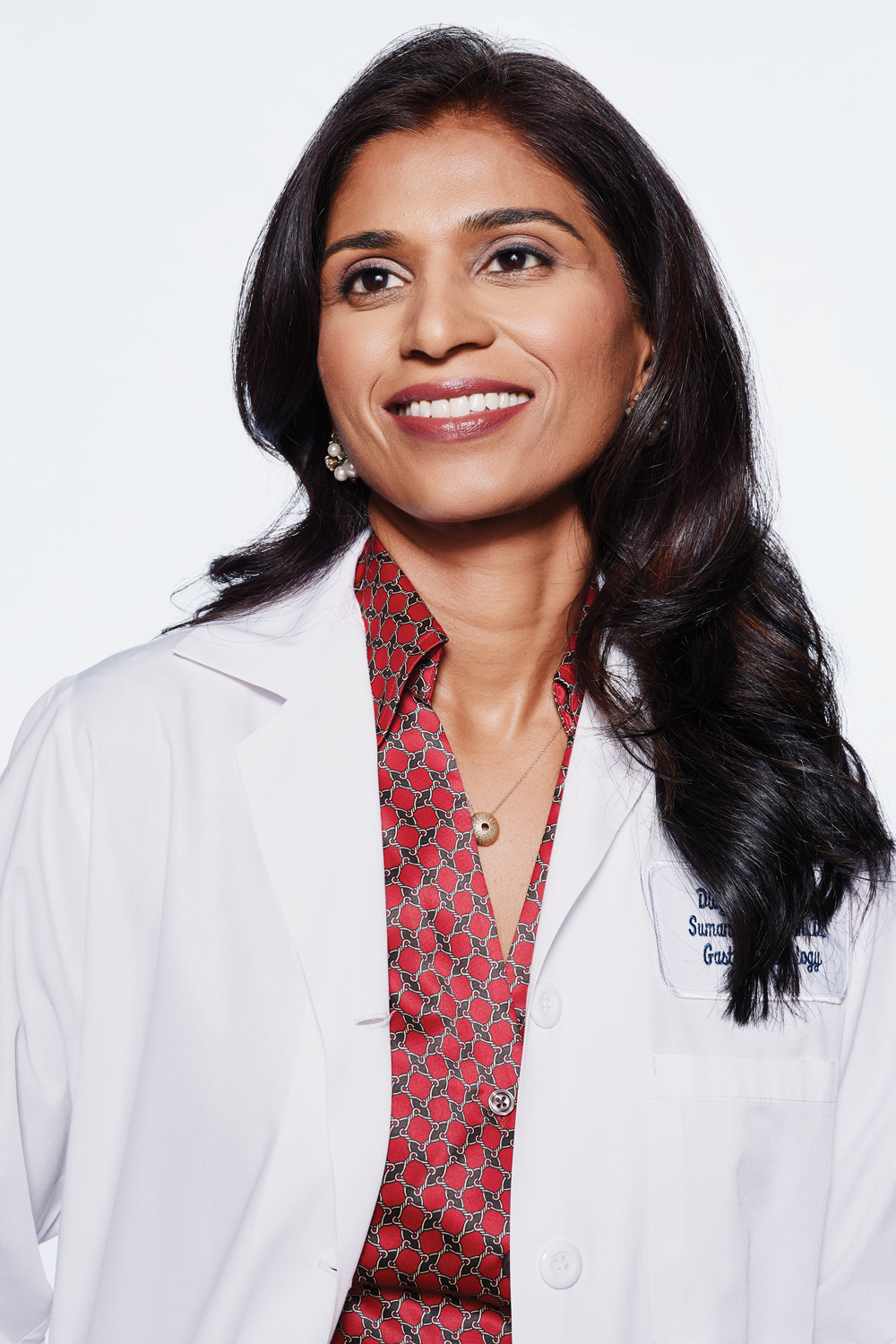
Sumana Moole, MD
Gastroenterology
Merus Gastroenterology & Gut Health LLC
Did a real-life or fictional doctor inspire you to become a doctor?
My mother—a trailblazing physician in rural India in the 1960s—was my greatest inspiration. She was one of the first female doctors from her village in Southern India, a place so remote it didn’t even have a paved road. Her journey to school involved walking three miles barefoot under the scorching sun or, if they were lucky, hopping onto a passing train whose kindhearted driver would stop to give the kids a ride to the next town.
As the eldest of nine children, she balanced her studies with farm work, milking cows, and helping her father keep their large family afloat. But she was fiercely determined, and her hard work paid off. When she returned home on breaks, the entire village would line up for her medical advice. She wasn’t just a doctor; she was their doctor.
What is one routine you wish your patients would adopt to take better care of themselves?
It’s amazing how often the simplest fixes make the biggest difference. If I could get every patient to follow three gut-health basics, we’d solve 90 percent of digestive issues overnight:
Hydrate like it’s your job—2.5 liters of water daily for women, 3 liters for men. (Your intestines literally work better when well lubricated.)
Fiber is your friend—load up on fruits, veggies, and whole grains. Processed foods? Treat them like occasional guests, not roommates.
Move that body—even a 20-minute walk helps keep everything moving.
The gut thrives on consistency, not complexity. Small, daily wins add up to life-changing health. (Bonus tip: Your gut microbiome throws a party every time you eat fermented foods. Yogurt, kimchi, and kefir are VIPs.)
What is it about your profession that you love the most?
It’s the sacred trust—the profound privilege of stepping into someone’s life when they’re most vulnerable. In mere minutes, patients share stories they’ve carried for decades, secrets even their loved ones may not know. That instant bond, forged by the white coat and the hope it represents, humbles me daily.
At 50, I still wake up energized to earn that trust anew. Medicine isn’t just about diagnoses or procedures; it’s about being the steady hand that guides patients through storms—with science, yes, but also with kindness. Every “thank you,” every relieved smile when test results bring clarity, reminds me why this isn’t just a job. It’s a calling I’d choose again in a heartbeat.
What is your biggest challenge in medicine?
Medicine is a noble calling—one that demands years of sacrifice to master. But today, the sacred doctor-patient relationship is increasingly crowded by a third, often disruptive force: health insurance bureaucracies. Their step-therapy mandates and prior-authorization hurdles force us to jump through hoops while patients suffer. It’s infuriating to know the right treatment yet be told to “try and fail” cheaper options first, as if pain has a waiting period.
Yet there’s hope: When doctors and patients unite as advocates, change happens. I’ve seen insurers reverse denials after relentless appeals. I’ve watched patients regain control by demanding transparency. The system is flawed, but not unshakable. Together, we can amplify the message that care delayed is care denied—and that’s worth fighting for. Every time I battle an insurer for a life-changing medication, I remember the system was built by humans. That means humans can rebuild it too.
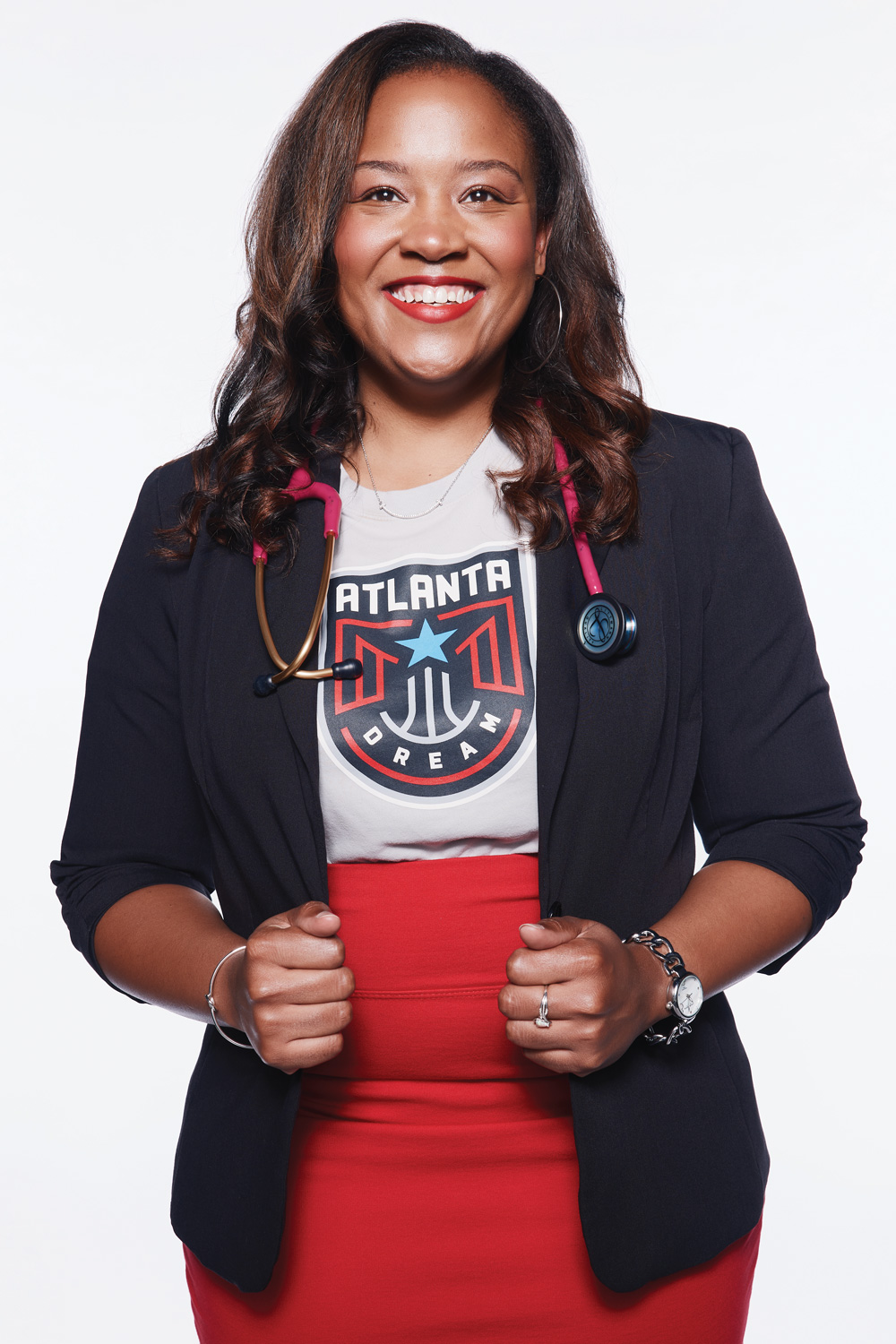
Frazier L. Keitt, DO
Sports Medicine
Emory Orthopaedics & Spine Center, Atlanta
Did a real-life or fictional doctor inspire you to become a doctor?
The ER medical drama television series inspired me to become a doctor. The cast of doctors made medicine look cool and exciting to my childhood self. Being in service to others has always been my passion, and it soon became evident that my calling would be immensely satisfied by becoming a doctor. I believed then, and still do, that to be able to contribute to helping and healing is deeply rewarding.
Why did you become a doctor?
The main reason is because I enjoy helping people heal. In elementary school, a special education teacher would afford me the opportunity to assist with students who had severe health challenges. We learned early on that I was able to calm and bring smiles to many of these special-needs children. I wanted to make sure they were protected and felt safe. Often their unsettled behavior was due to angst regarding their environment or the fact that Mom, Dad, their pet, or maybe a favorite toy was not around. It was exciting for me to be needed. The hands-on experience as well as watching my favorite television show helped in major ways. Watching these actors solve problems while doing procedures or ordering tests, etc., and fact-finding was awe-inspiring.
What is it about your profession that you love the most?
I love my community in medicine. We are a family. We laugh together, we cry together, and we might fuss at each other, but at the end of the day we are all there because we all have the same desire to help and support people in the best way we know how. And we are constantly trying to improve the craft. We care—and I think especially nowadays we need folks that fit that model more than ever. I am grateful for and love to be around people with these character qualities.
What is your biggest challenge in medicine?
I work in two different systems: One is more community focused and the other appeals to a more diverse mix of individuals. My biggest challenge is navigating the two worlds and trying hard to provide equal opportunities for the care that I know they can both have based upon my experience in other states where governmental resources and programming for insurance expansion plans are better executed. Healthcare is so expensive, and oftentimes we as providers are asked to make a way out of little or no way because insurance won’t cover it, the patient can’t afford it, or the hospital is tied by some policy that won’t allow it. Therefore, I struggle at times to formulate an exceptional plan for a patient based upon resources within my reach.
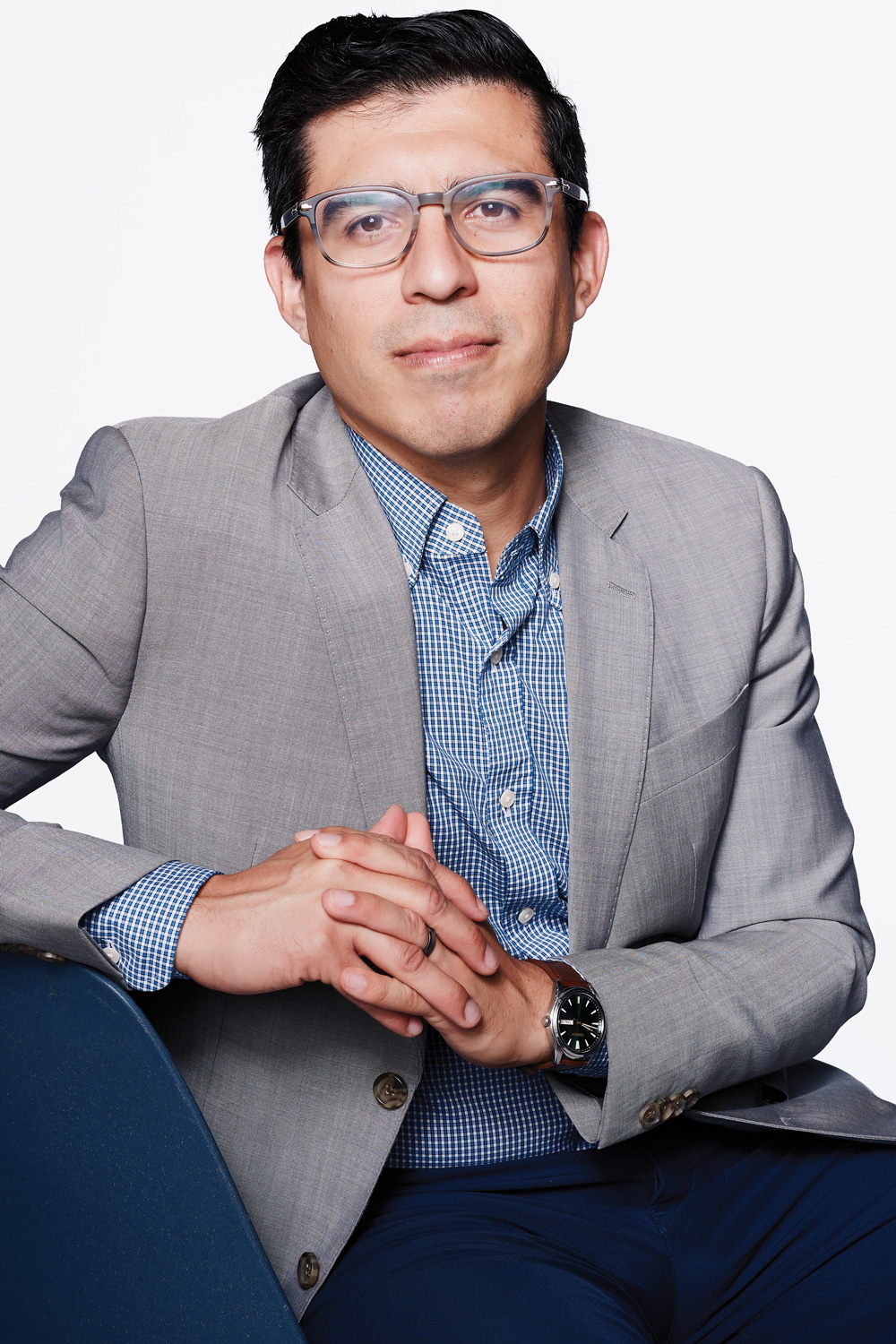
Alejandro Torres, MD
Pediatrics
Dunwoody Pediatrics
Did a real-life or fictional doctor inspire you to become a doctor?
My father worked at Children’s Medical Center in Dallas, Texas, not as a healthcare professional, but rather as a construction worker. In fact, he would speak glowingly of the doctors who would make small talk with him, and marveled at how humble and amiable these physicians were. Meanwhile, my mother cleaned houses to help pay the bills, despite having studied medicine in Mexico. My family received our care at Los Barrios Unidos Community Clinic, which provided reduced-cost care to underserved, low-income populations. Thus, I feel like I was surrounded by generous, big-hearted doctors who helped shape the physician I am today.
Have you had an emergency situation outside of the office that you had to deal with?
The most recent episode occurred during a domestic flight: A man in his mid-20s fainted from dehydration, and in true pediatrics form, after I assessed him, I had him drink some apple juice for rehydration, to which he replied, “Wow, I forgot how tasty apple juice is.” The crew and I shared a good laugh, and I offered to move back a couple of rows to sit with him for the remainder of the flight. Lo and behold, after we started talking, it came out that this gentleman worked at the same law firm as one of my closest friends (whom I’ve known since fifth grade!). Truly remarkable how the universe works.
What is it about your profession that you love the most?
More so than becoming a doctor, I chose to become a pediatrician. The ebullience and joy in my field is unmatched. Everyone is willing to go the extra mile when it comes to taking care of children, and that boundless energy permeates every clinic day. In fact, being a pediatrician is incredibly humbling, precisely because parents entrust me with the well-being of what they value most. Oftentimes, I have to deliver bad news to families and patients, and these visits, though challenging, only serve to reinforce my desire to do right by my families. These patients and families deserve the best care and deepest love in their lowest of lows, just as they deserve the best care and deepest love when life is good and easy.
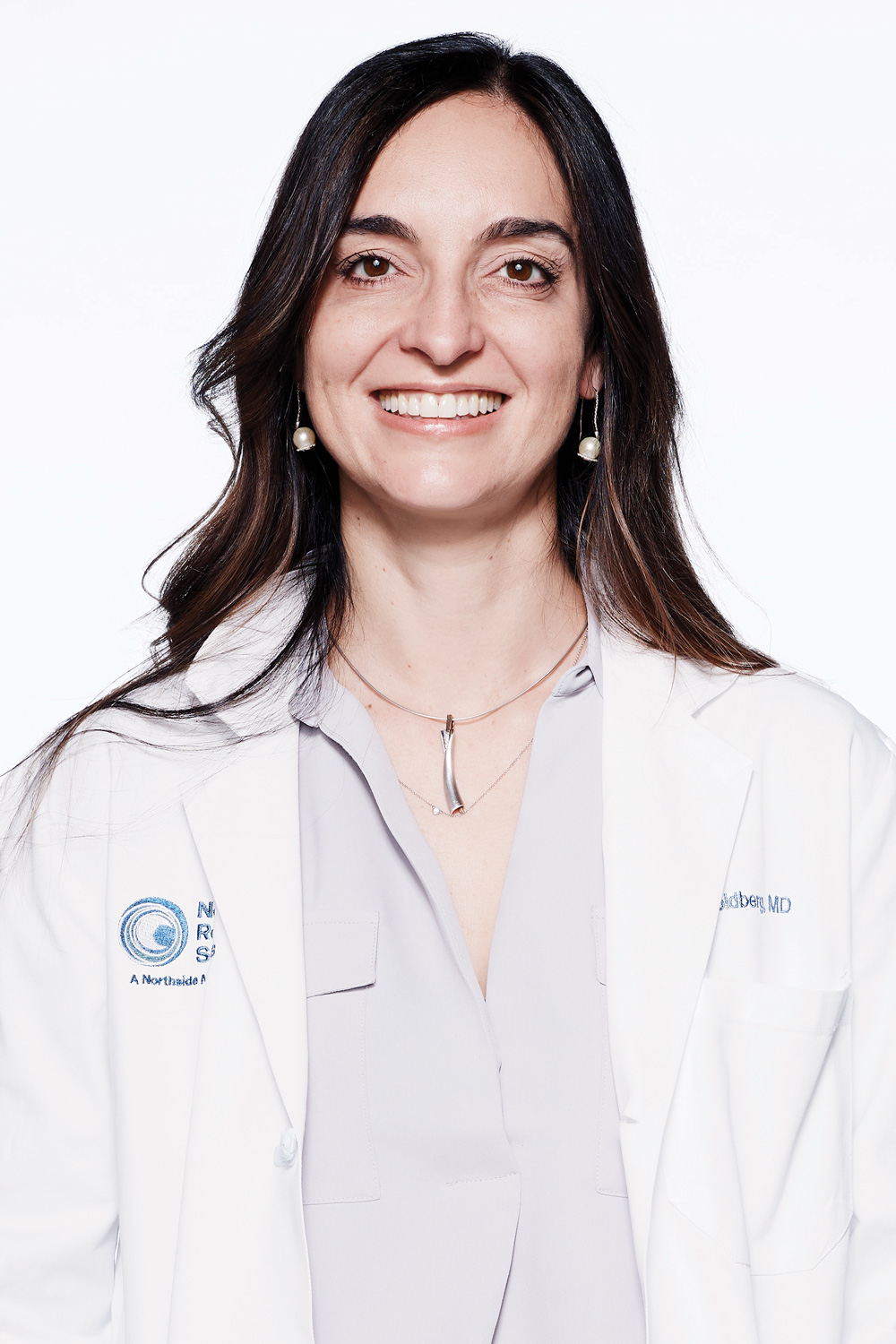
Alla Goldberg, MD
Ophthalmology
Northside Retina Specialists
Did a real-life or fictional doctor inspire you to become a doctor?
When I was in undergrad, I shadowed a Dr. Starkey in Akron, Ohio, who was a solo practice general ophthalmologist. He loved his job and his patients. I fell in love with the dynamic of his office and patient interactions. After shadowing Dr. Starkey, I decided on ophthalmology. I liked surgery and the lifelong continuity without having to be in the hospital. Once in ophthalmology, I found retina, especially surgical retina, fascinating. I then realized that patients with uveitis often get referred to retina, and decided to do both a uveitis fellowship and a surgical retina fellowship and to practice both subspecialties.
What is it about your profession that you love the most?
As an experienced physician and surgeon, it really is so multifaceted. I like the challenge of rare diseases, I like the challenge of surgery, I like the patients and getting to know them. I like seeing my patients frequently, meeting their families, and being able to teach them about their disease so that they are involved in every aspect of decision-making. There have been so many advancements in both of my fields. The reality is that if the diagnosis is made early enough, there are many times when we can stabilize the disease and sometimes bring vision back to a significant degree, either medically or surgically.
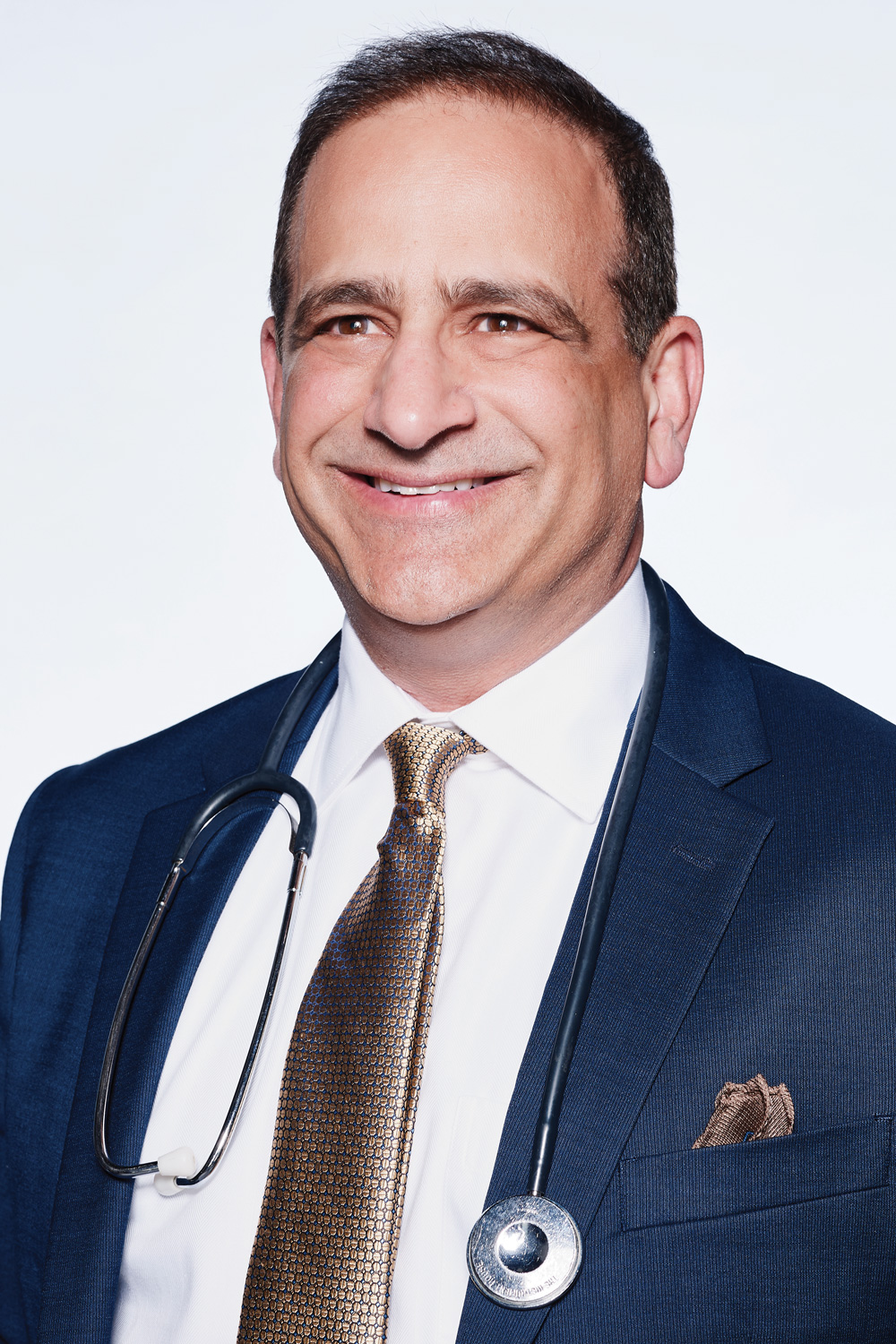
Jeff Traub, MD
Orthopaedic Surgery
Atlanta Bone and Joint Specialists
Did a real-life or fictional doctor inspire you to become a doctor?
I was inspired to become a doctor because of the admiration I had for the doctors caring for my grandmother when I was a child. I saw them trying to save her, but there was nothing they could do, as she was riddled with cancer. I thought, If I can become a doctor, I can be the one to find a cure and save people.
Is there a patient who stands out because they reminded you of why you wanted to become a doctor?
Perhaps nothing epitomizes the feeling of giving back more than my annual trips to a small town in southeast Nigeria. The poverty and lack of healthcare in this part of the world is heartbreaking. I see many patients in dire straits, unable to walk without severe pain due to untreated grievous injuries or severe arthritic or congenital conditions. Being able to operate on them and significantly improve in their mobility and quality of life is deeply enriching.
What is one routine you wish your patients would adopt to take better care of themselves?
I wish more patients would embrace the instructions and training from the postoperative rehabilitation professionals and therapists they engage with after surgery. The best outcomes affording patients the most mobility and least pain require a dedicated commitment to a healthy lifestyle, including good nutrition, calorie control, exercise, good sleep, and reduced stress.
Is there a “medical mystery” you’ve solved that involved a patient with symptoms that didn’t suggest an obvious diagnosis?
I had one five-year-old girl with a lesion on her hand [that] several physicians told the parents to leave alone. It looked suspicious enough to me that I excised the lesion. It was a highly aggressive cancer, and luckily, we got the entire lesion before it metastasized, which would have been a death sentence for this child.
What is your biggest challenge in medicine?
My greatest challenge in medicine is apportioning my time. I often start in the OR at 7:30 a.m. and operate nonstop until 1:00 p.m., often performing six to seven surgeries along with various surgical teams. Then I grab something to eat on the go and head to my office to see patients for office visits, routinely seeing 50 to 60 patients until about 6:30 p.m. or later. The days are long and exhausting. But my patients are worth it.
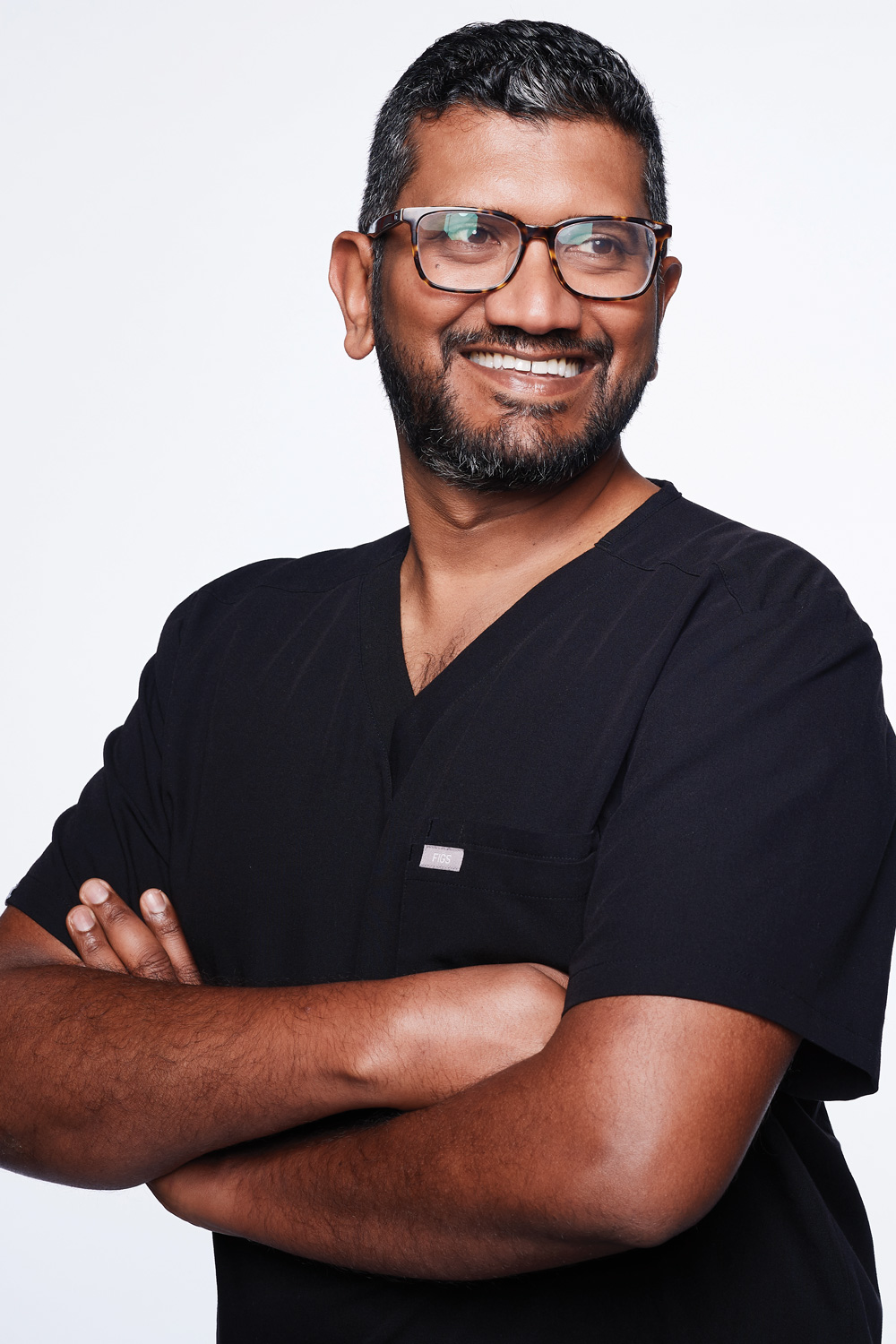
Nandha Kanagarajan, MD
Gastroenterology
Atlanta Gastroenterology Associates, United Digestive
What is one routine you wish your patients would adopt to take better care of themselves?
Stop blaming circumstances or others. Empowerment begins when you take responsibility
for your choices, advocate for yourself, and commit to making lasting changes. Your health is your most valuable asset. Own it.
Did a real-life or fictional doctor inspire you to become a doctor?
I grew up in a small town where access to specialists was limited, but we were fortunate to have a brilliant gastroenterologist who not only served the community with dedication but also took the time to mentor students like me who were drawn to medicine. His passion for patient care and commitment to teaching left a lasting impression on me.
Through shadowing and conversations, I witnessed firsthand how one physician could make a profound difference in the lives of patients and inspire the next generation. I’ll never forget how he diagnosed and treated my dad’s persistent stomach issues with a bedside endoscopy and rapid H. pylori testing—all in one visit. Watching him blend clinical expertise with procedural skill left a lasting impact on me and sparked my own interest in the field.
Is there a patient who stands out because they reminded you of why you wanted to become a doctor?
While caring for a man with persistent abdominal pain, I trusted my instincts and ordered a CT scan, which revealed a rare pancreatic neuroendocrine tumor—something initially misdiagnosed as ulcers. He began treatment and lived several more meaningful years with his family. That Thanksgiving, while I was climbing Machu Picchu, his wife messaged me to say how thankful she was for the early diagnosis that gave them more time together. Her words brought tears to my eyes and reminded me why I do what I do.
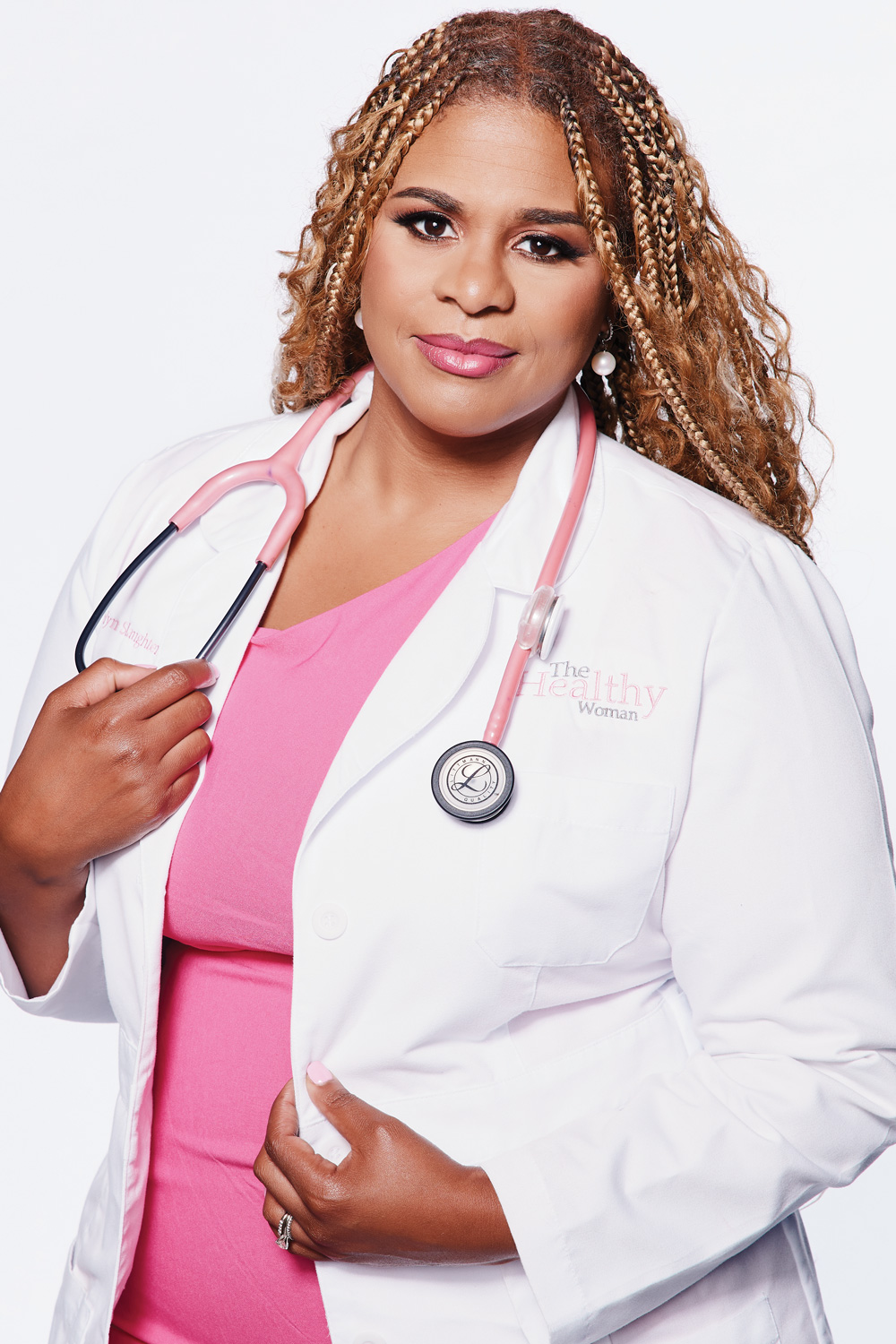
Jocelyn D. Slaughter, MD
Obstetrics and Gynecology
The Healthy Woman
Is there a patient who stands out because they reminded you of why you wanted to become a doctor?
There was a patient of mine, a very soft-spoken young woman pregnant with her first baby. Her water broke at 20 weeks, which is usually the end of most pregnancies. I kept her in the hospital and encouraged her that maybe her baby could make it. When you have your own practice, there is no one else on call to see your patients in the hospital. So
we saw each other every day for three weeks.
One day, her baby showed signs that she needed to be delivered by emergency C-
section. I knew the odds were not in the baby’s favor. She was barely 23 weeks. The patient was so scared—there was no family with her at that moment—but I needed to do the surgery right away if there was any chance for survival. As we rolled into the operating room, I tried to stay upbeat, knowing that in the next five minutes, this could be the end of her pregnancy and baby.
I asked the patient, “So what are we naming this beautiful baby girl?” She told me, “Maria Jocelyn.” She gave the baby my name. My heart stopped. I gathered myself and scrubbed in. I scrubbed into that surgery with tears in my eyes, but I did the best surgery I could. Maria Jocelyn went straight into the NICU and stayed there for several months. I lost touch with the mom, but a few years later she was pregnant again and sought care with me one more time. I was honored to see her again, but I was too nervous to ask her what
happened to baby Maria Jocelyn.
We made a plan to perform a cerclage procedure [placing a stitch or band around the cervix to prevent it from opening too early] in order to have this current pregnancy make it until full term. On the day of her surgery, at 16 weeks pregnant, she told me someone was here to see me. I could not believe my eyes. Little Maria Jocelyn was here! Alive and smiling! I was overjoyed. I took a few pictures with her and then I performed the cerclage. I delivered that baby full term, along with her next one after that. That patient and those babies always remind me of why I became a doctor: to help uplift people at their lowest points and to be with them to celebrate their joys.
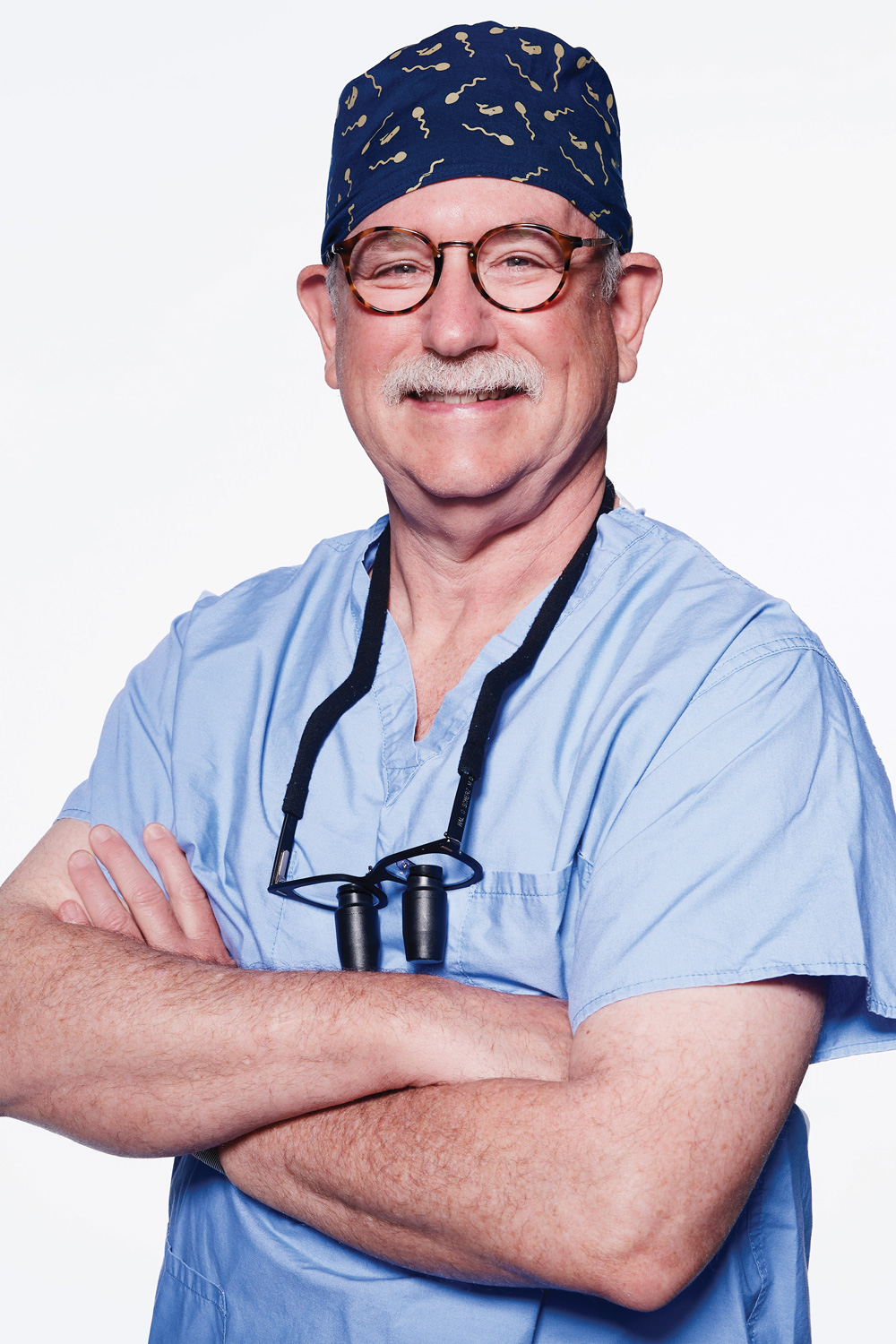
Hal Scherz, MD
Pediatric Urology
Georgia Urology
What is one routine you wish your patients would adopt to take better care of themselves?
Since I take care of children, it would be the parents who need to adopt and adhere to routines on behalf of their children. The most frustrating thing about taking care of children is when parents do not follow through with instructions or recommendations and then come back wondering why the problem has not improved.
Have you had an emergency situation outside of the office that you had to deal with?
The scariest emergency I was involved with was when I was a resident and was moonlighting, doing medical transports. The pilot called me up to the cockpit from the back of the plane and instructed me to pump on a handle. When I asked him what I was doing, he explained that the landing gear was not down and that I had to lower the mechanism by hand. I pumped like crazy and saw fire trucks on the runway, which made me pump even faster. Fortunately, the landing gear was down, and we were able to land safely—but, boy, so scary.
What is it about your profession that you love the most?
I love taking care of children. My mentor was George Kaplan, who was one of the founders of the specialty. He was one of the most brilliant doctors that I ever worked with, and I wanted to be just like him. I was taught by Dr. Kaplan that this is the biggest privilege and honor—to be entrusted with the care of someone’s most precious cargo. I never forgot that. I have seen some patients that I have operated on when they were babies, and they have brought their children to see me for similar problems. Nothing can be more rewarding than that.
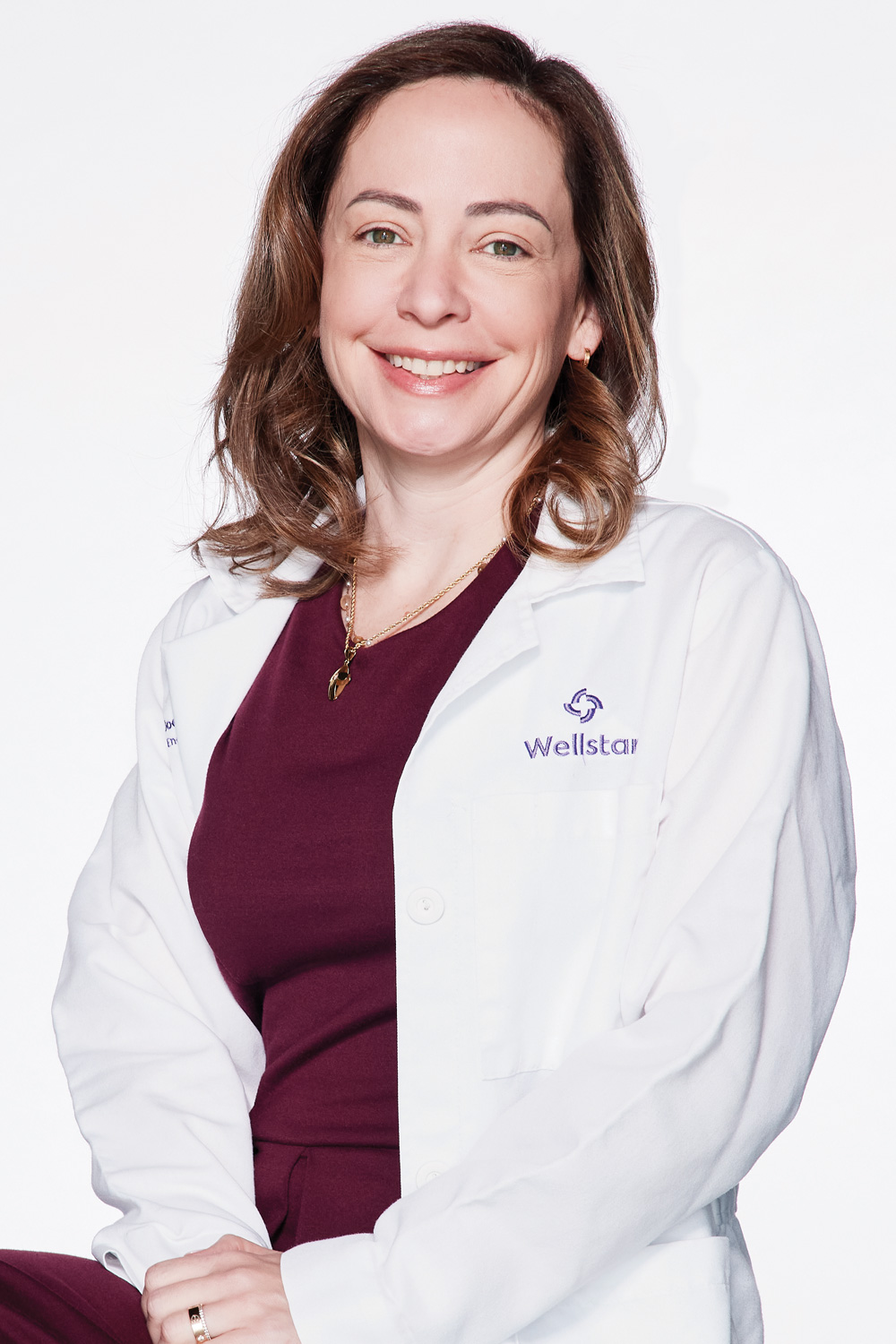
Joanna Miragaya, MD
Endocrinology, Diabetes, and Metabolism
Wellstar Endocrinology
Did a real-life or fictional doctor inspire you to become a doctor?
Yes—my father. We grew up in a small town in Brazil, where he worked as an orthopedic surgeon. I remember, even from a very young age, how dedicated he was to his patients—day or night, rain or shine. Many of them couldn’t afford to pay for care or surgery, but that never stopped him from helping. He treated everyone with the same compassion, regardless of their circumstances. I have vivid memories of him coming home with whatever a grateful patient could offer—sometimes fruit, sometimes handmade gifts—as tokens of appreciation. His selflessness and commitment to healing deeply inspired me.
Is there a patient who stands out because they reminded you of why you wanted to become a doctor?
One patient in particular stands out. She had endured a lifetime of weight stigma, having been fat-shamed throughout her childhood and adult life. Because of this, she avoided knowing her weight and was reluctant to discuss it. She had been unfairly labeled as lazy and told her condition was simply a result of overeating.
Together, we reframed her experience. With the support of a multidisciplinary team—including a psychologist, a dietitian, and an exercise specialist—we addressed her obesity as a chronic, multifactorial disease, not a personal failing. We initiated medical therapy and emphasized empathy, education, and empowerment.
Today, she can step on the scale without fear, see herself with compassion, and understand that she is not to blame. Watching her overcome those emotional and physical barriers was incredibly moving—and a powerful reminder of why I chose this path.
What is your biggest challenge in medicine?
One of the most significant challenges in modern medical practice is navigating the numerous systemic barriers that can delay or disrupt patient care. Insurance limitations, time and financial constraints, and excessive administrative paperwork often interfere with timely treatment and place an undue burden on both patients and healthcare providers. Physicians enter this profession to care for people, not to manage forms and bureaucracy. Unfortunately, the growing complexity of the healthcare system can make it increasingly difficult to focus on what matters most: delivering compassionate, effective, patient-centered care.

Cleo Dennis Stafford II, MD
Physical Medicine and Rehabilitation, Sports Medicine
Emory Sports Medicine Center
What led you to your specialty?
As a former athlete, I never received care from someone who looked like me or understood who I was as a person. As I pursued a career in medicine, this lens inspired my specialty choice and passion as a clinician. I aim to consistently provide medical care for patients who do not have access to sports medicine physicians while inspiring the next generation of providers in my field.
What is one routine you wish your patients would adopt to take better care of themselves?
Consider changing from the traditional American diet full of highly processed foods to a diet with more anti-inflammatory foods. Your joints and tendons will thank you!
Have you had an emergency situation outside the office that you had to deal with?
While [I was] covering a football game, a player jumped and landed directly on his head. The player was unable to move his arms or legs. My team and I were able to provide swift and lifesaving emergency care with hospital transport for this patient. The most gratifying part is that the patient made a full recovery.
Robert Bowers, DO
Physical Medicine and Rehabilitation, Sports Medicine
Emory Orthopedics & Spine Center, Atlanta
Is there a patient who stands out because they reminded you of why you wanted to become a doctor?
She was a very high-functioning young lawyer who became debilitated by pain in her left upper extremity, neck, head, and face. She ended up having to go on disability because she could no longer function with her pain. She saw a number of physicians but was never provided [with] a diagnosis. When she came to see me, I initially thought that I was not the right doctor for her. However, after listening to her and letting her tell her story, I had a thought that she may have thoracic outlet syndrome. We went through a series of diagnostic injections, which helped her symptoms and confirmed the diagnosis.
She ended up having surgery, which fully resolved her symptoms. She is now back to working and recently ran a marathon after previously not being able to walk her dog. After her recovery, she wrote me a long letter that said she [had been] hopeless and ready to give up, but that I [had] provided her with hope again. It is patients like this that make us realize why we went into medicine. All of the hard days are worth it for patients like this that make us realize that medicine is a calling and that we are truly making a difference in people’s lives.
Richard C. Prokesch, MD
Infectious Disease
Infectious Diseases Associates, PC
Is there a patient who stands out because they reminded you of why you wanted to become a doctor?
There are many patients who remind me of why I went into medicine, and I’m still working because I am reminded almost every day. There was a patient many years ago who I recall often. She was in her 20s and an IV drug user with endocarditis (heart valve infection). I was consulted, and basically the other physicians had given up on her because of her drug abuse. I took care of her infection, convinced a cardiac surgeon to replace her valve, and she survived. She was uninsured, but I was paid plenty by her recovery. Five years later, she walked into my office, thanked me for being the only person who believed in her, and told me that she totally rehabbed and is married with children and a job. She then paid me for my services even though I told her seeing her doing so well was more than sufficient payment.
Craig M. Brown, MD
Critical Care Medicine and Pulmonary
Northside Hospital Diagnostic Clinic
Is there a “medical mystery” you’ve solved that involved a patient with symptoms that didn’t suggest an obvious diagnosis?
Late last year, I received a consult for a patient who had “pneumonia.” It appeared to be a pneumonia on the left lung. He was feeling relatively well on our first visit. Unfortunately, he showed up a few weeks later after having been hospitalized again for pneumonia. His CT scan, again, looked like pneumonia. He claimed to feel better, only to return a few weeks later with pneumonia once again. While his scan was very reminiscent of a pneumonia, I was very concerned. Thankfully he had enough trust in me to allow me to proceed with a robotic bronchoscopy. We found that this pneumonia was actually a lung cancer. We were able to diagnose an early-stage lung cancer, and he will be cured. These are the types of situations all of us, as physicians, see on a day-in, day-out basis.
Ryan M. Ford, MD
Hepatology
Emory Transplant Center
Is there a patient who stands out because they reminded you of why you wanted to become a doctor?
I have been a doctor for 23 years and I have many memories of patients along the way. There are many patients I have followed for years, and we share an important bond. Although thankfully not very often, but it is part of the job, I have had to say goodbye to patients. I never forget any of them, and any family members who are reading this know who they are. These patients have always inspired me by how brave and resilient they are despite having to endure very significant challenges in their lives. I am also always impressed by the dedication and love that I see offered by patients’ families in times of need. It is a tough job, but somebody has to do it. Most of the meat of what I do as a physician does not show up in spreadsheets or dashboards.
Thomas J. Steimer II, MD
Pediatrics
Kaiser Permanente Gwinnett Comprehensive Specialty Center
What is it about your profession that you love the most?
Caring for a newborn is quite different from caring for a high school football player. I love the diversity of medical complaints and problems that I see and the challenge of not missing a serious condition when seeing mostly happy and well children. I also love working with a group of exceptionally bright and caring pediatricians from whom I learn things every day.
Pediatricians are increasingly needing to learn about conditions formerly seen only by our adult medicine colleagues. The childhood obesity epidemic is leading to new challenges, with childhood hypertension and type 2 diabetes. We also have an epidemic of childhood depression and anxiety brought on, in part, by the challenges of managing our children’s exposure to social media.
Kimberly E. Miller-Hammond, MD
General Surgery
Grady Memorial Hospital
Did a real-life or fictional doctor inspire you to become a doctor?
Several real and fictional doctors inspired me, but my strongest inspiration was my stepfather. He was a bear of a man and one of the finest men I have ever known. Dr. William Lynn Weaver was an amazing general surgeon and chairman of the Department of Surgery at Morehouse School of Medicine for nearly 15 years. I hope to inspire others as he inspired me most of my life, and I hope that I have made him proud of the surgeon I have become. I would love to say that my stepfather led me to his specialty, but it was one of his chief residents, Arun Rao, who saw something in me and showed me why general surgery was my calling. She showed me that my temperament, inherent skills, and knowledge base were perfect for the specialty.
Sean M. Sumner, MD
Internal Medicine
Northside Hospital Diagnostic Clinic
Is there a patient who stands out because they reminded you of why you wanted to become a doctor?
I am reminded every day by patients who need me more and more. I have discovered patients who cannot read. I have patients that come to see me when no one else will listen. I have patients who have been discharged from the emergency room with no obvious plan or do not understand how to access the system. Most people do not understand the language of medicine. I am not afraid to pick up the phone and advocate on their behalf. I think calling a physician directly makes all the difference.
Lindsey Mangham Ransom, MD
Pediatrics
West Atlanta Pediatrics, Lithia Springs
What is your biggest challenge in medicine?
One of my biggest daily challenges is dealing with insurance limitations. So much of what I recommend—whether it’s a prescription, a therapy, or a referral to a specialist—is dictated by what a patient’s insurance will or won’t cover. As a pediatrician, it’s incredibly frustrating. I know what my patients need, but I often have to navigate a system that puts barriers in the way of timely, appropriate care. It feels unjust. At times, I feel helpless. My role is to advocate for patients, and it’s hard when I’m constantly having to fight for what should be basic, accessible care.
Fonda Martin, MD
Obstetrics and Gynecology
BoutiqueGYN Wellness Center
What is it about your profession that you love the most?
It’s how my connection to it has evolved over time. Early in my career, I was captivated by the miracle of helping women bring new life into the world. Now, my passion has shifted toward guiding women through the menopausal transition—a phase that has historically been under-discussed and under-supported. Menopause is finally having its moment, and I’m honored to be part of a movement that empowers women to redefine midlife with confidence and clarity. Helping women embrace this stage of life and feel seen, heard, and supported is incredibly fulfilling. It’s a privilege to walk alongside them as they navigate this new chapter.
Paul Ghareeb, MD
Hand Surgery
Emory Saint Joseph’s Hospital
What led you to your specialty?
Hand surgery is an amazing field that includes so many principles from other specialties. The anatomy is complex, the procedures are technically demanding and rewarding to perform, and restoring or improving the function of a person’s hands is a wonderful way to help patients.
What is one routine you wish your patients would adopt to take better care of themselves?
Be careful in the kitchen! Hand surgeons treat a lot of patients with knife-related lacerations [that happened] while [the patient was] cooking or cleaning in the kitchen—so stay safe!
Sheryl L. Heron, MD
Emergency Medicine
Grady Memorial Hospital
Why did you become a doctor?
It is clearly my mission. I have said, and continue to say, that medicine is my ministry. [It’s] a gift to use the talents I have been given to impact lives.
What is your biggest challenge in medicine?
Threading the needle between technology without losing the most important aspect of medicine, which is caring and [showing] empathy for those who need it most. Despite our advances, our healthcare indices are subpar. Equitable access to care for all people will be the foundation for us all to see why we continually push for quality care for those who need it most.
This article appears in our July 2025 issue.






 Lei Rhyne
 Jamesa Buchanan
 Phil Catudal
 Daniela Ezratty
 Marti and Marty Yura
 Sharif Colbert