



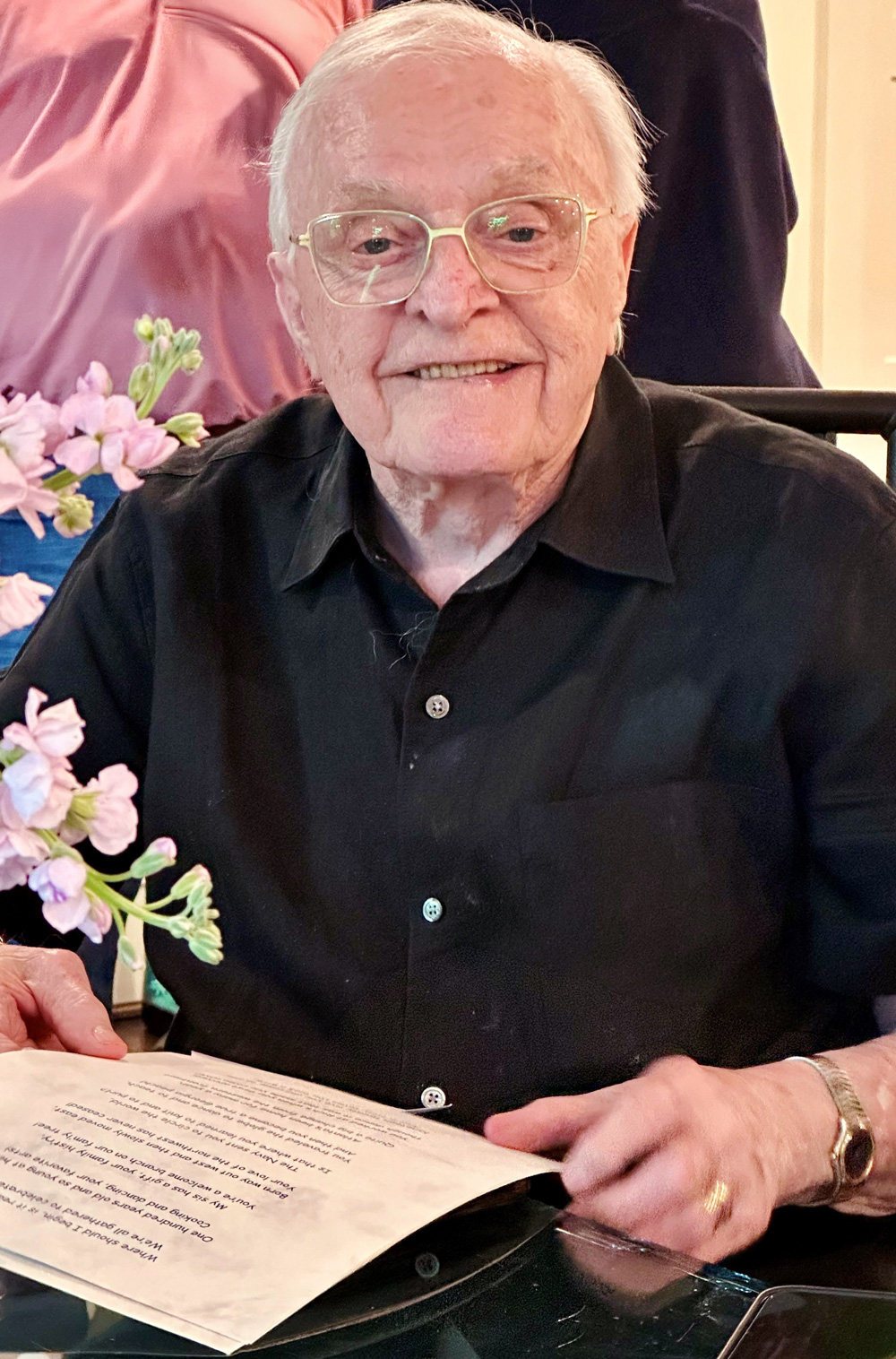
Courtesy of Atlanta Ballet
Atlanta magazine may be celebrating its 65th birthday, but for Robert “Bobby” Barnett, the longtime Atlanta Ballet artistic director who turns 101 on May 6, that milestone is child’s play. When the magazine was born in 1961, Barnett had already completed the first stage of his career. “My wife and I moved here in 1958 after retiring from the New York City Ballet,” he says. The whole metro area had barely 1 million residents, he recalls, and the airport was still a rinky-dink landing strip: “When we arrived, they were allowed to drive the car right to the plane stairs to pick us up!”
Luckily for Atlanta, the Barnetts’ New York retirement opened doors in their new city. Bobby and his wife, Virginia (“Ginger”), became principal dancers and associate directors for the Atlanta Civic Ballet, invited by legendary founder Dorothy Alexander, who started it as the nation’s first regional dance group in 1929.
Alexander had ambitious plans to grow the ballet into a top-tier professional company, and Barnett, who succeeded her as artistic director in 1962, helped see them through. “What Bobby imagined for the company is really what we’ve become today,” says Gennadi Nedvigin, Atlanta Ballet’s current artistic director. “He’s still so active with us and the company—he has so much energy, it’s like he spits fire!”
Born in 1925 in Washington state, Barnett studied dance as a high schooler and performed in tap-dancing shows abroad while serving in the Navy during World War II. Back in the United States, he pursued ballet with support from the GI Bill. He went on to dance in the original Ballet Russe in Europe, later earning a soloist principal spot in the New York City Ballet, then helmed by George Balanchine, known as the “Father of American Ballet.”
During their years working together, Balanchine choreographed several roles specifically for Barnett, and their relationship was key to launching Atlanta Ballet into its professional era. “Balanchine told Bobby and Virginia that they could stage any of his works they remembered,” Nedvigin says. “By bringing part of New York to us, that legacy has allowed us to continue bringing major work to Atlanta.”
First up in 1958 was a selection from the now-iconic Nutcracker; Balanchine had created the role of the Candy Cane for Barnett in the original 1954 production, and with his blessing, Atlanta became the first regional company to perform the ballet. (The city was dazzled: “Superlatives aren’t enough,” crowed the Atlanta Journal.)
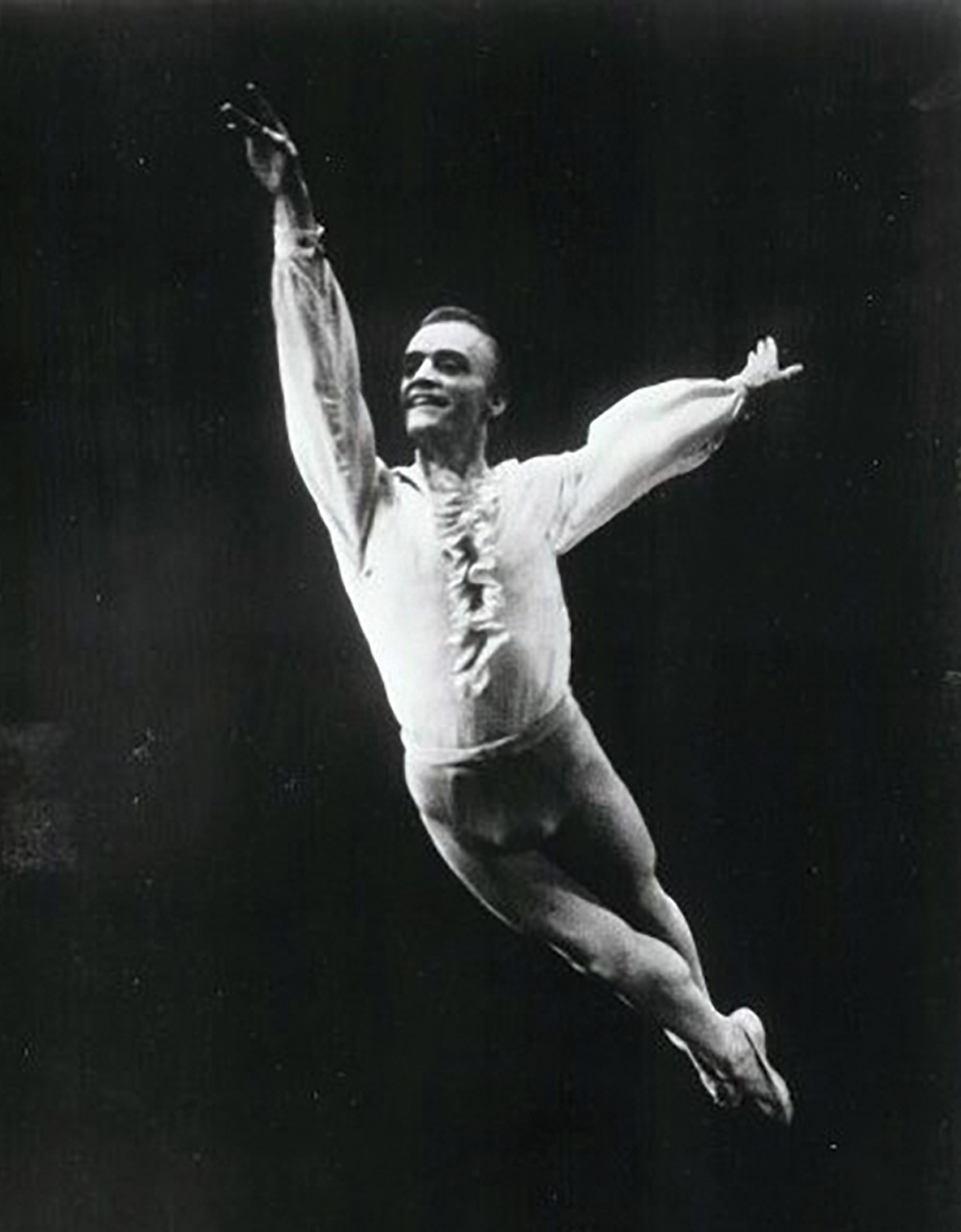
Courtesy of Atlanta Ballet
Sharon Story, dean of the Atlanta Ballet Centre for Dance Education, met Barnett when she was a young dancer and counts him as a friend and mentor today. “Bobby still comes to all our performances and often drops in at rehearsals,” she says. “It’s so rare and special to have someone with that depth of knowledge still be part of our company.”
For Barnett’s 100th birthday last May, Atlanta Ballet held a large party, but Barnett wanted to use the opportunity to celebrate the company: He launched the Robert and Virginia Barnett Fund to support new work like Golden Hour, which the Atlanta Ballet staged this April.
Looking ahead to turning 101, Barnett says he’s feeling good. “I eat mostly organic, take supplements as needed, and get as much exercise as I am able,” he says. Virginia, who helped pioneer Atlanta’s contemporary dance scene with fellow Atlanta Ballet dancer Carl Ratcliff, passed away in 2016, but Barnett still lives in their Sandy Springs home; their two sons and three grandchildren live nearby.
Barnett marvels at how much the city has changed since he first arrived: Rich’s department store, where he worked his first side gig in the city, is gone, and that sleepy landing strip is now the busiest airport in the world. But many elements remain the same, including Barnett’s favorite: “I love all the seasons here,” he says. “But most of all the springtime.”
Barnett’s youthfulness stems, no doubt, from a life spent springing across ballet stages. But there’s more to Barnett’s timeless vivacity, Nedvigin says: “Dance does keep you young, but it’s really Bobby’s passion that keeps him dancing.”
This article appears in our May 2026 issue.