

May 2026
-
Features
-
-
Atlanta’s progressive path across uneven terrain
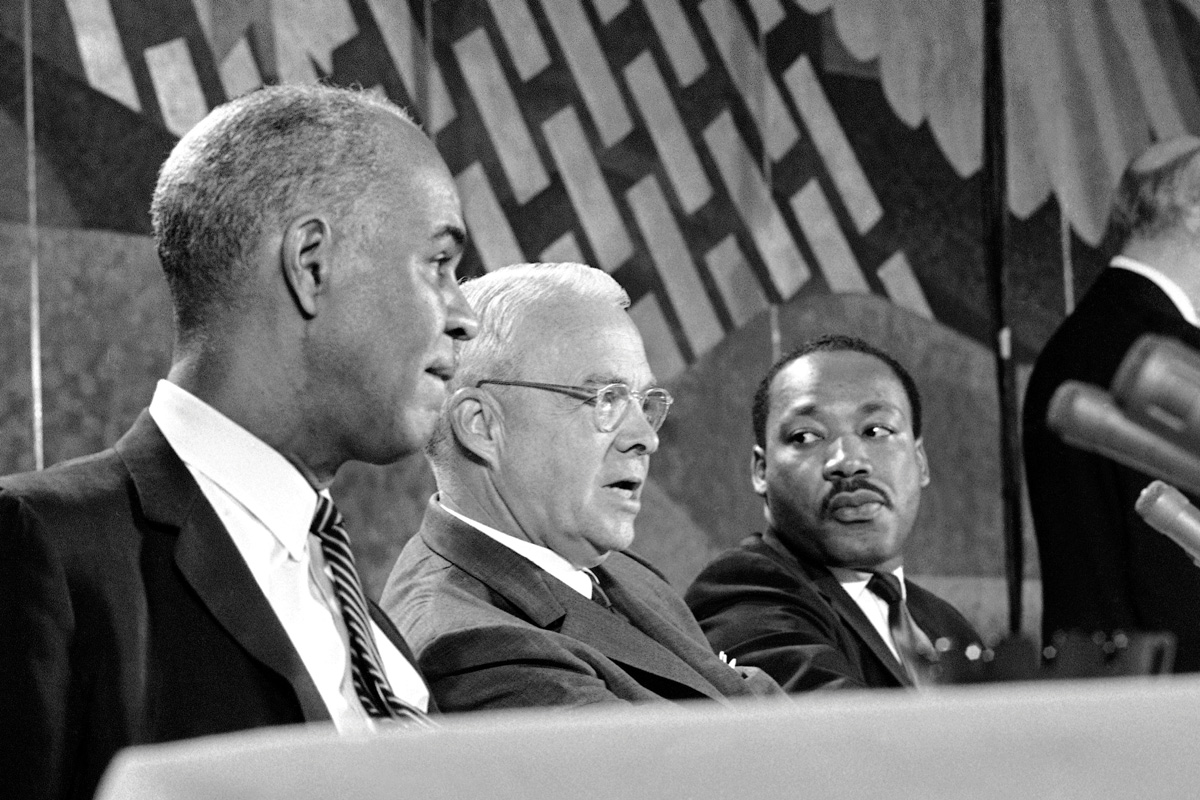
The “Atlanta Way”—as city leaders liked to call their pro-business, pro-racial harmony approach—proved good for the city. Today, Atlanta has become the urban metropolis it was still striving to be in the 1960s. City leaders—Black and White alike—continue to work together to ensure it is one of the nation’s most appealing cities for business. But the city is faced with a troubling problem as vexing as any during the civil rights era: By most measures, we have one of the largest income gaps of any city in the country.
-
How immigrants shaped Atlanta’s dining scene
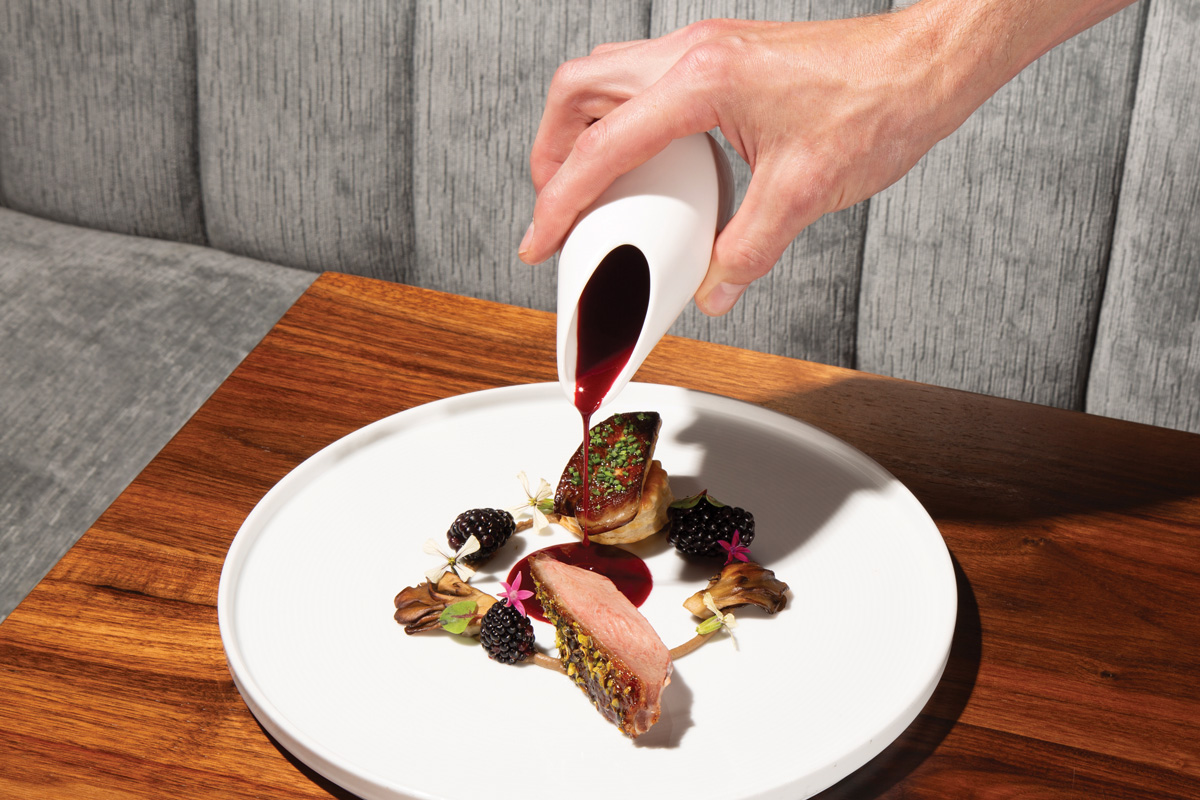
I’ve tasted plenty of trendy “fusion” food in Atlanta—much of it contrived. (Grits sushi, anyone?) Today’s chefs, many second-generation immigrants, are modernizing their menus with respect to their roots and the influences around them.
-

Atlanta’s long reckoning with urban renewal
Obsessed with reinvention since its inception, Atlanta today is witnessing a more piecemeal changeover, as I’ve personally seen over more than a dozen years of covering the city’s physical evolution. Instead of entire districts being flattened, it’s a row of older bungalows, an aging apartment complex, a shuttered factory—all broadly described as gentrification. But is that a gentler way of saying urban renewal never really ended?
-
Atlanta’s arts scene makes our city greater—if we choose to sustain it
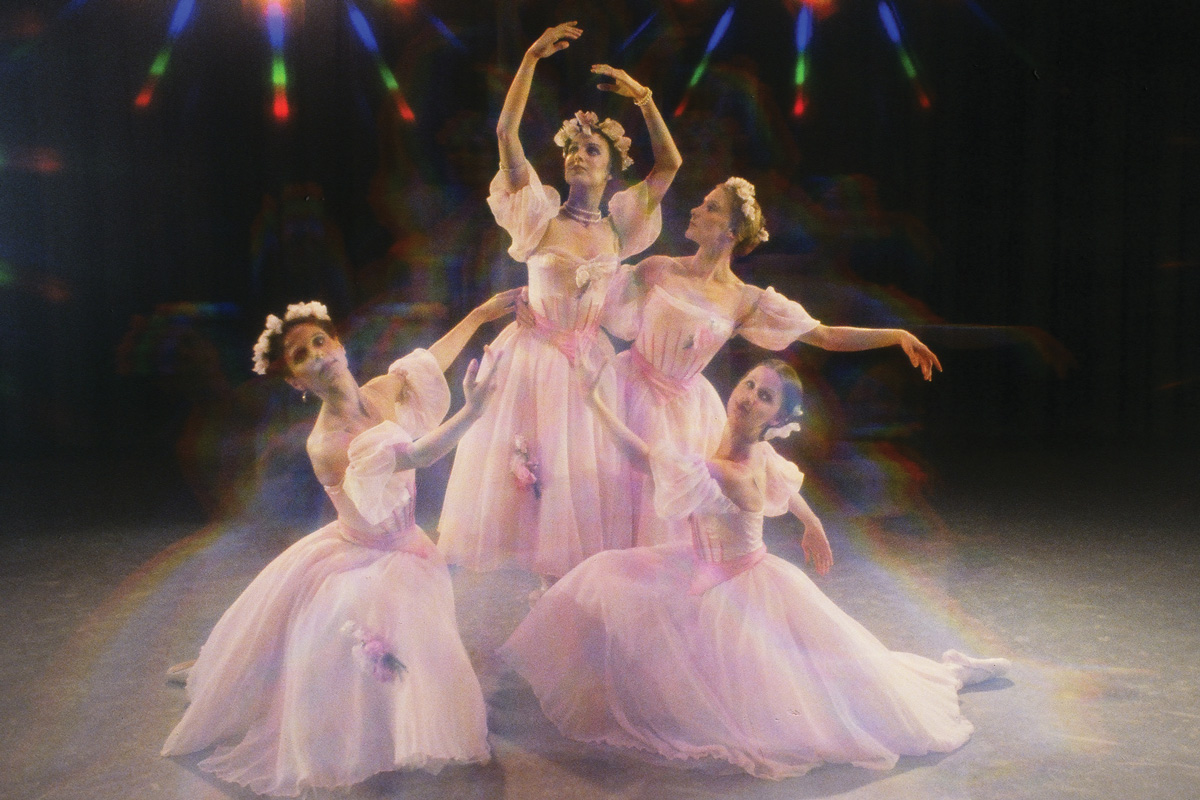
One of the most gratifying aspects of my years at WABE was connecting listeners to our city’s cultural events. A vibrant arts community can uplift and enrich the lives of Atlantans. The challenge today is to help these organizations thrive: Funding is essential from various sources. With money allocated to the arts, we can all take pride in a city made greater by its cultural organizations.
-
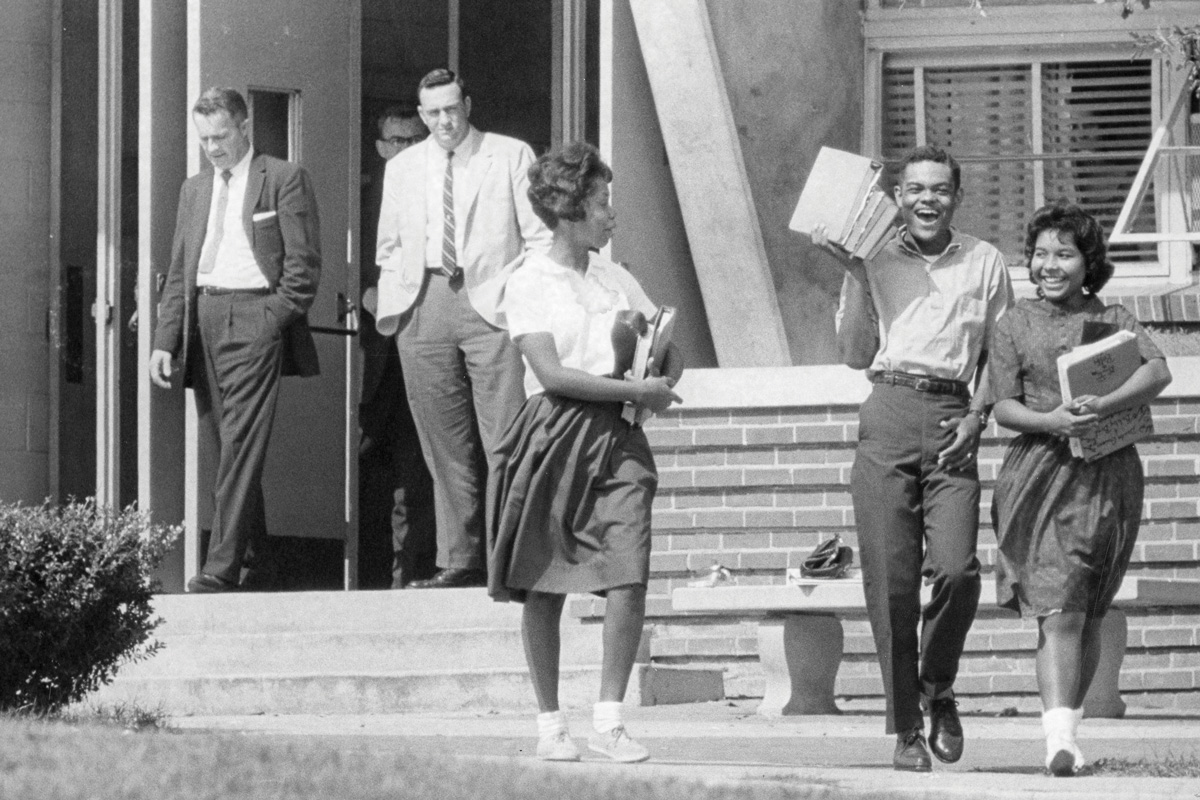
How Atlanta media shaped our understanding of the civil rights movement
Journalism still has the power to shape the world we live in and, perhaps more importantly, shape our understanding of this place. We must hope—or perhaps demand—that Atlanta’s media can lead us to a sort of narrative renaissance.
-
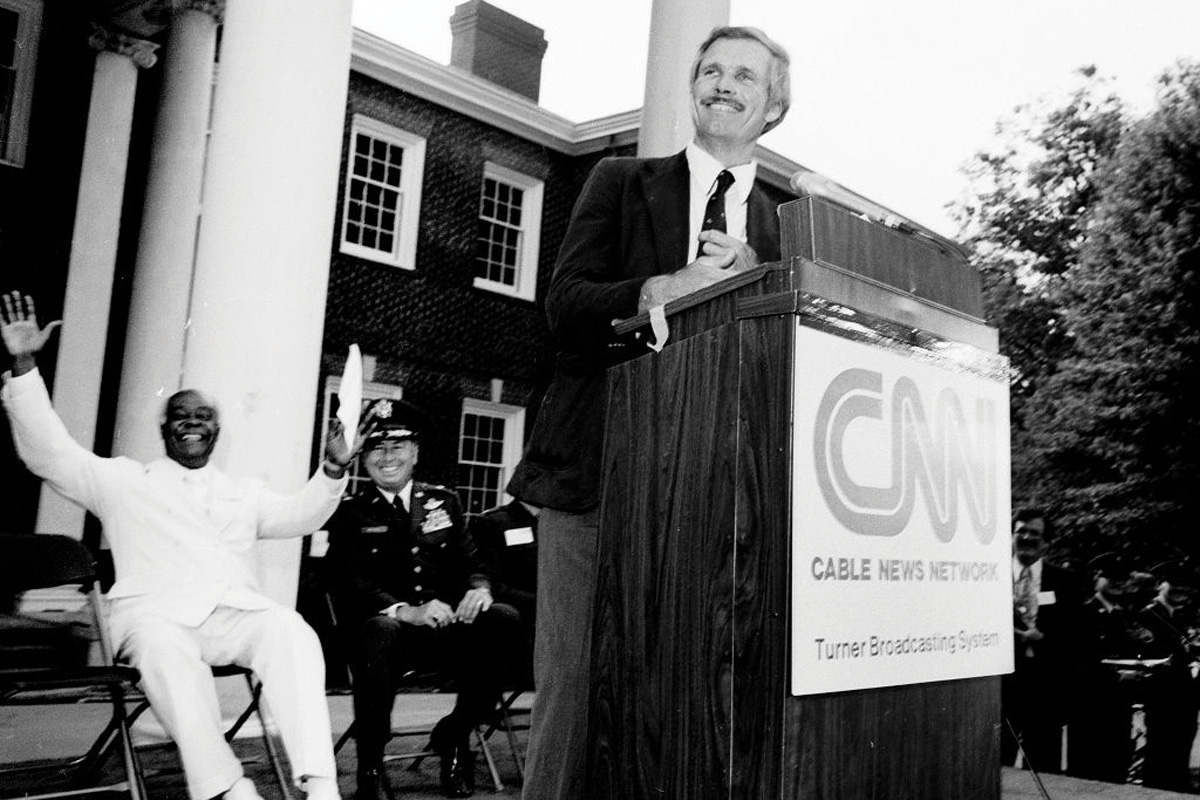
The business blueprint for the Atlanta we know today
In the 1960s, most decisions in Atlanta could be traced to a dozen or so business leaders who called the shots. All were men. Today, many executives are transplants to Atlanta; CEOs tend to have shorter tenures, and they exert less influence. But that also means business has become more diverse, both in staffing and scope.
-
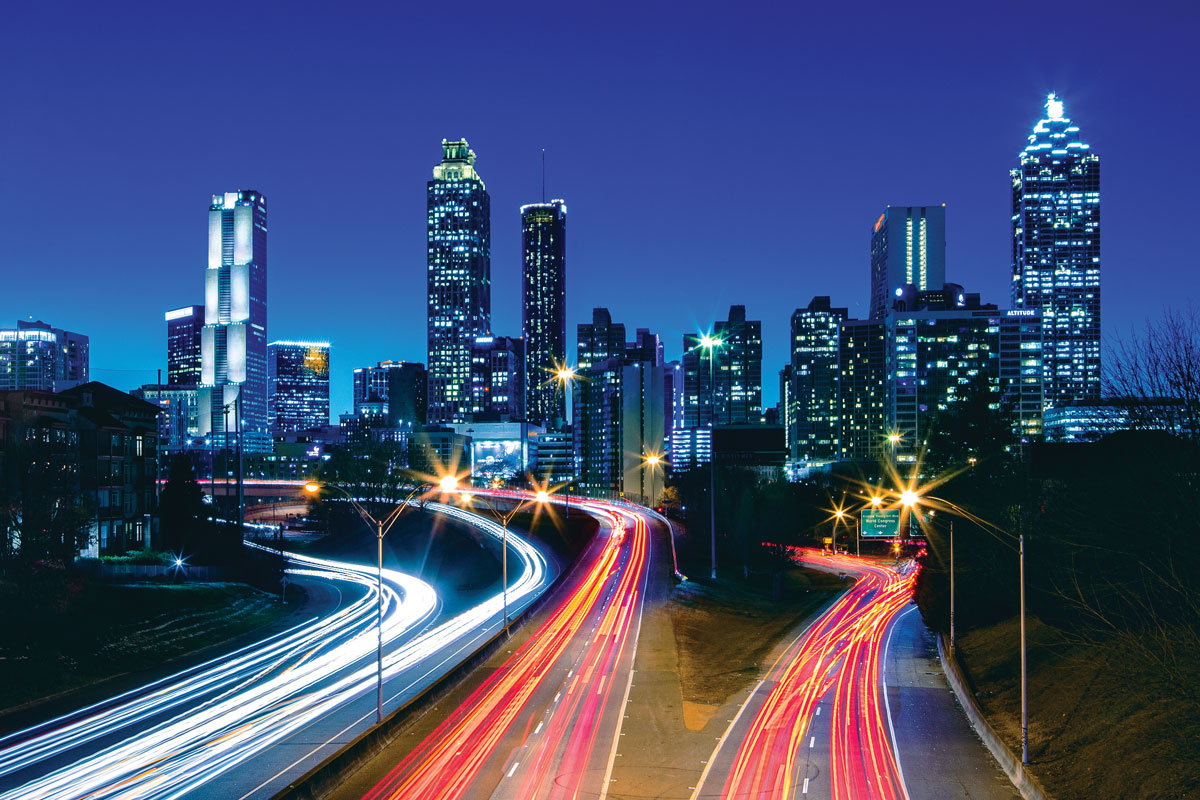
Holding out hope (but not holding our breath) for trains in Atlanta
With the exploding popularity of cars in the ’50s and ’60s, people stopped riding passenger trains. Car fever led to the destruction of Atlanta’s two downtown train stations, the Union and the Terminal, in the early 1970s. The late Atlanta historian Franklin Garrett called it “municipal vandalism.”
-
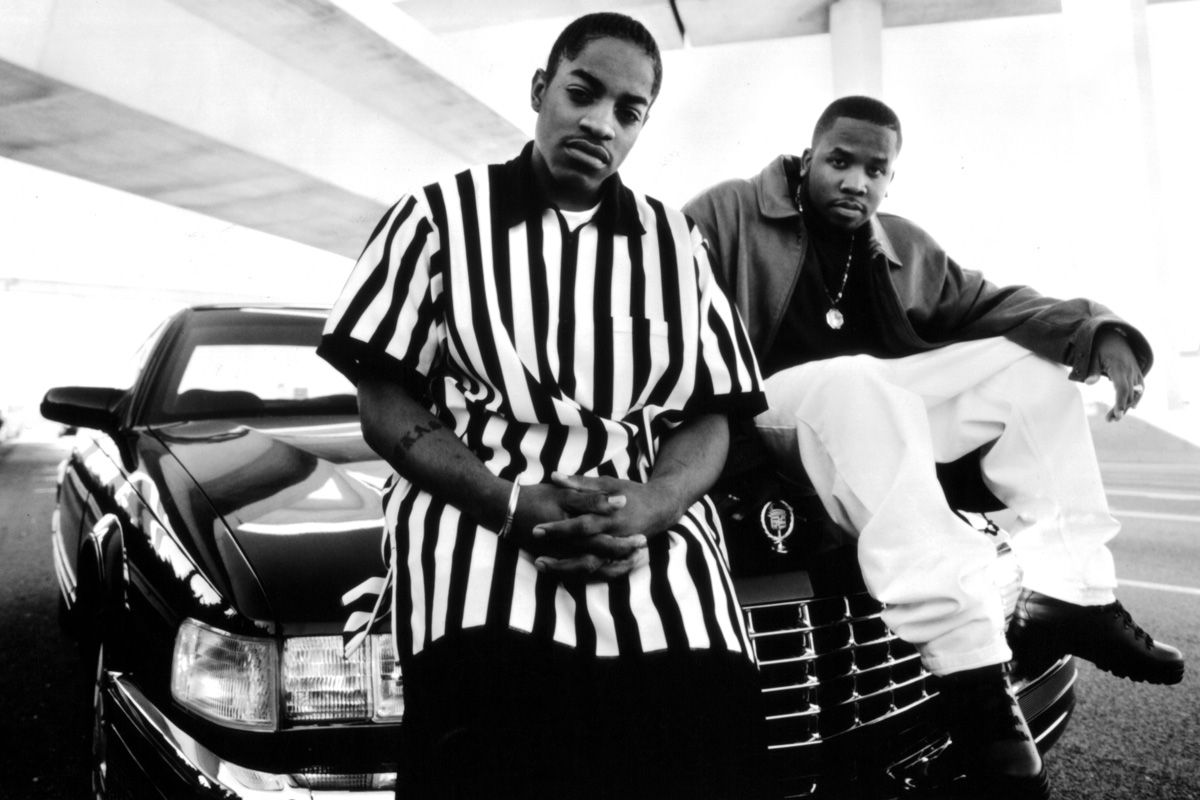
Atlanta, the city of self-made music superstars
For years, I’ve covered how radio and record-label execs flock to Atlanta’s Black strip clubs in search of the next superstar, like Future. I also remember when local radio caught on to “Old Town Road” after Atlanta’s Lil Nas X got people talking with TikTok memes. These are the stories that come to mind when I consider how R&B and rap became the most listened-to music genre in the United States—and how Atlanta made that possible.
-
The evolution of the shopping capital of the South
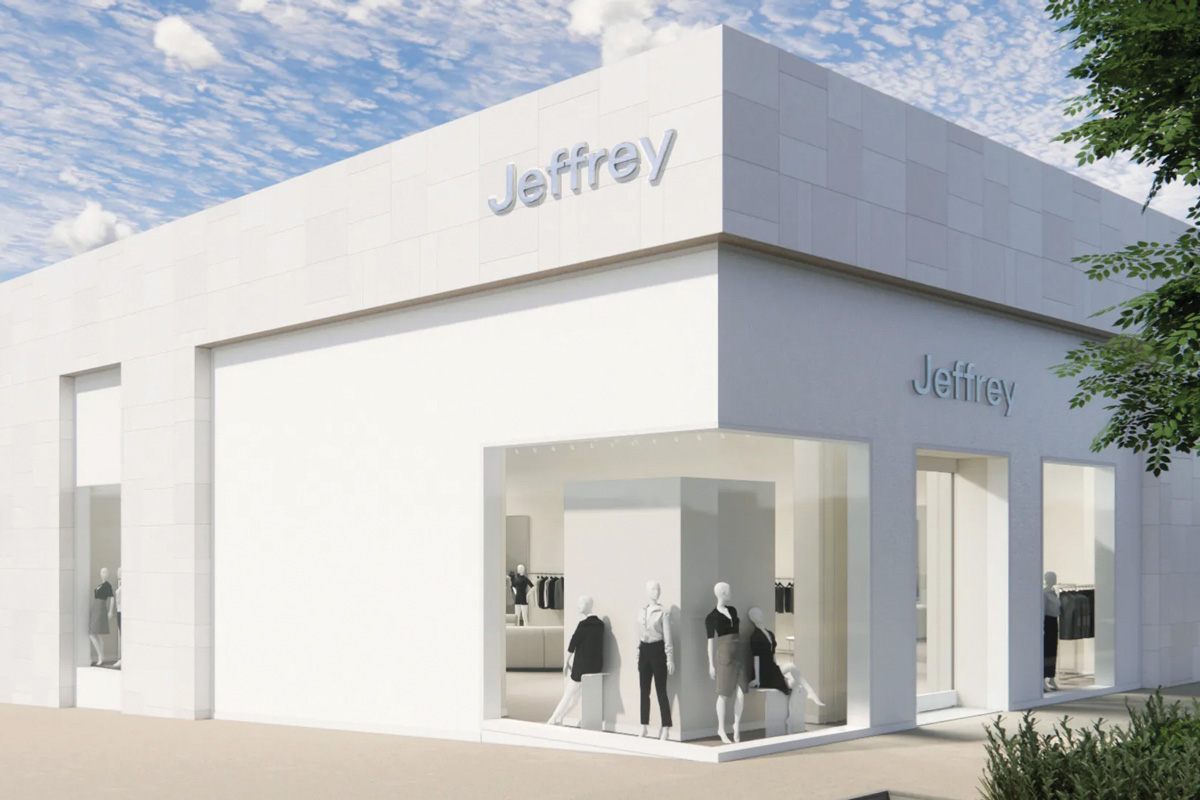
Legendary retailer Jeffrey Kalinsky recently announced he would open a second iteration of his designer fashion and accessories boutique, Jeffrey, which closed in 2020. When I was a teenager growing up in the suburbs, Jeffrey was central to my experience, but it wasn’t the only retailer elevating Atlanta to its moniker of “the shopping capital of the South” over the past 65 years.
-
When fate brought together Hank Aaron and Martin Luther King Jr.
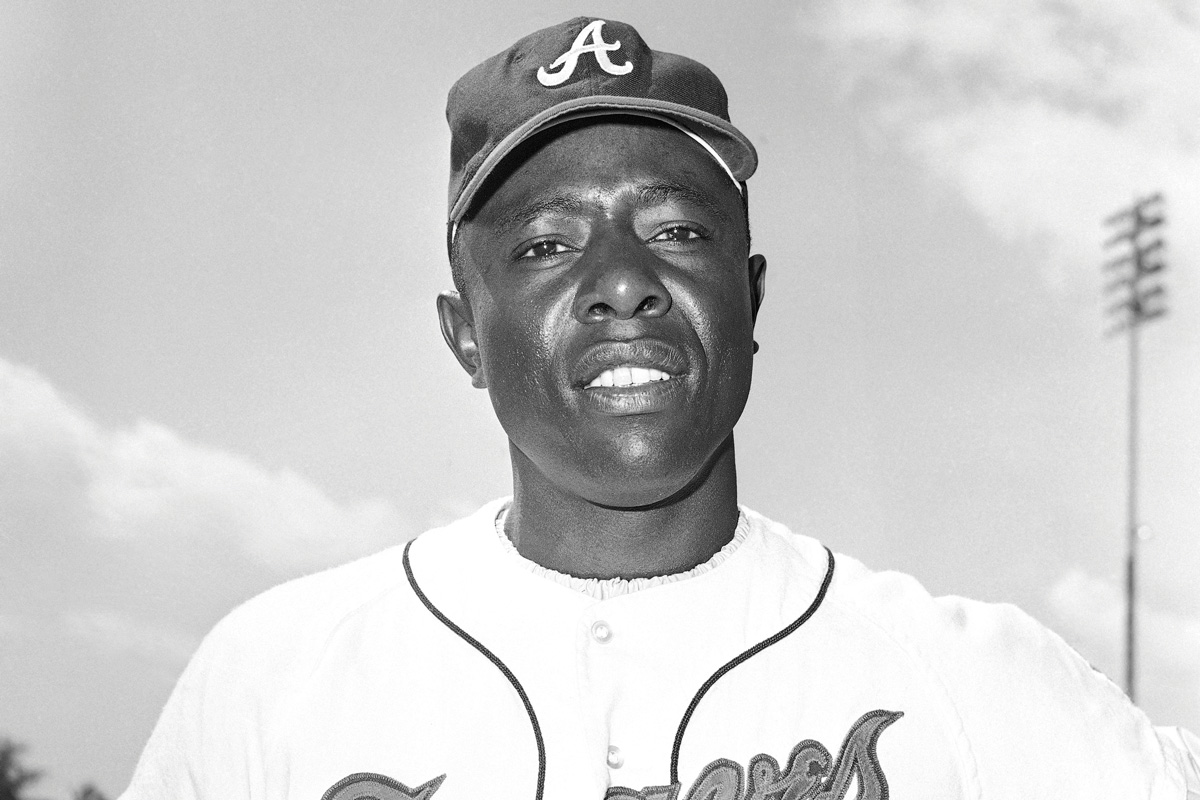
In 1961, Martin Luther King Jr. was as potent with his civil rights movement nationally as he was in his native Atlanta. Henry Louis Aaron was also shining during his eighth Major League Baseball season with the Milwaukee Braves and his seventh consecutive season as an All-Star. Fate brought them together five years later.
-
-
The Connector
-

Former Atlanta Ballet artistic director Robert “Bobby” Barnett turns 101
Robert “Bobby” Barnett, a longtime Atlanta Ballet artistic director, turned 101 this month. “My wife and I moved here in 1958 after retiring from the New York City Ballet,” he says. Then, Bobby and his wife, Virginia (“Ginger”), became principal dancers and associate directors for the Atlanta Civic Ballet.
-
Who will step in to help the Lake Claire Community Land Trust survive?
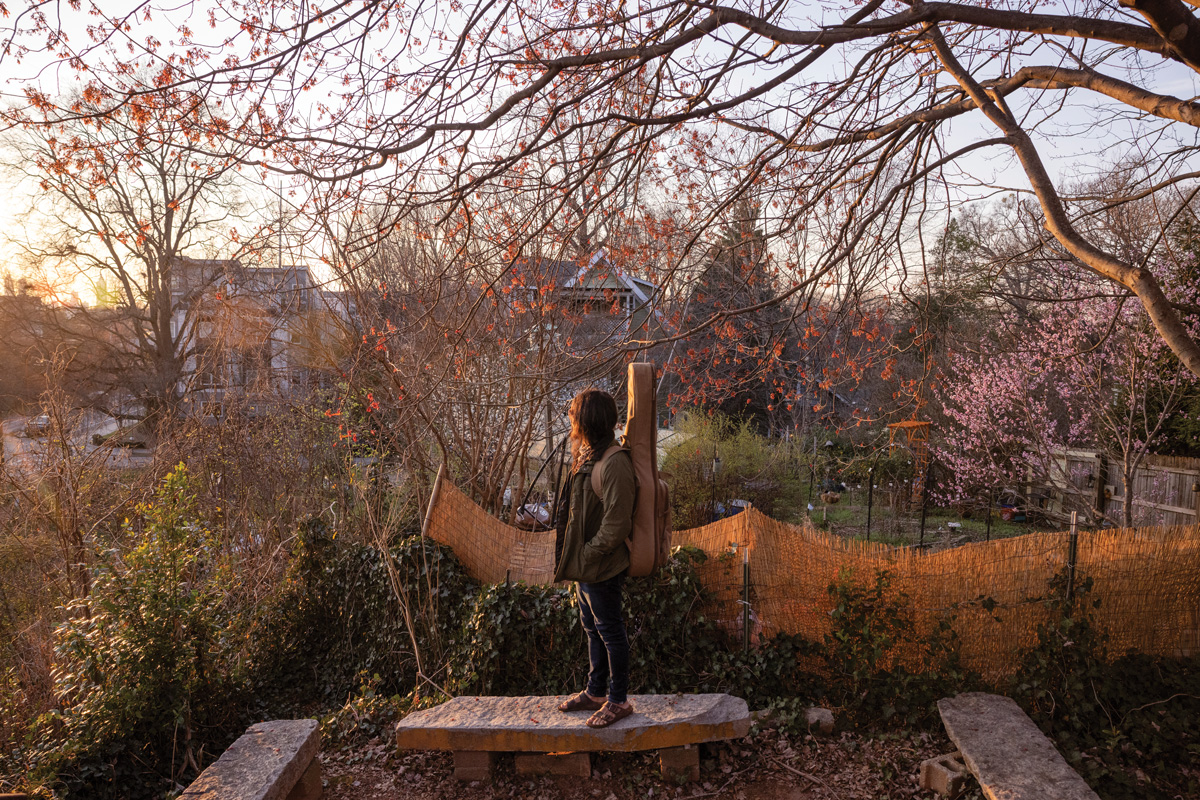
The Lake Claire Community Land Trust is a 1.5 acre lot that has sprouted into an urban garden, community space, and performance venue that anyone can visit. But it faces an uncertain future—not because of developers or legal threats, but because the people who built it are aging, and the next generation has yet to step in.
-

Hope Booth at Ponce City Market reminds us that we’re not alone
Hope Booth, a mental health nonprofit founded by Gloria Umanah in 2021, uses artificial intelligence–powered technology to offer one of 19 experiences designed to improve your state of mind. “Sometimes people just need hope for the moment. Other times, people need lasting support as well,” Umanah says.
-

Atlanta Jazz Festival by the numbers
The Atlanta Jazz Festival, held this Memorial Day weekend, from May 23 to 25, is one of the largest events of its kind in the nation—and it remains free, a rarity among modern music festivals. These numbers help tell the story.
-
Ashe Legacy Family Farm is regrowing Georgia’s black farming legacy
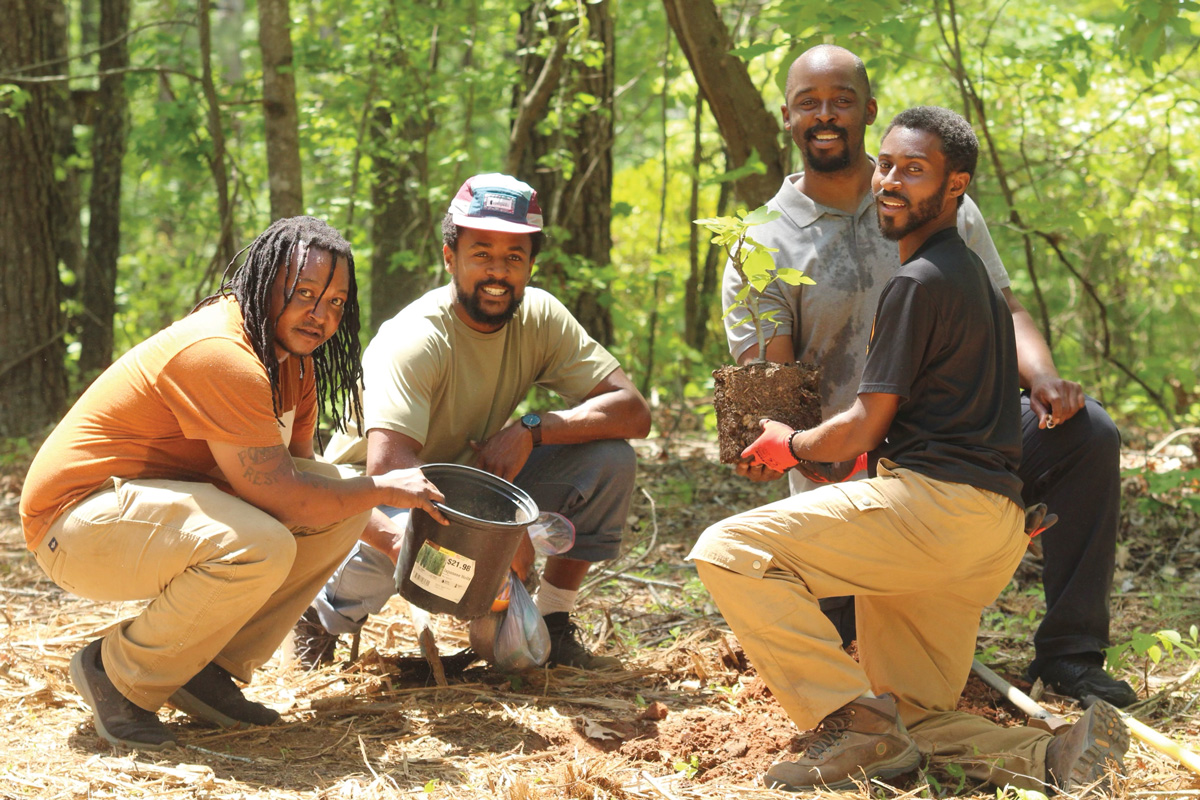
Ashe Legacy Family Farm in Hampton began in 2022, when several generations of White’s family pooled resources to purchase the 11-acre property about 35 miles south of Atlanta. Today, Ashe Legacy is part of a larger effort to rebuild Black farming in the United States.
-
-
The Bite
-
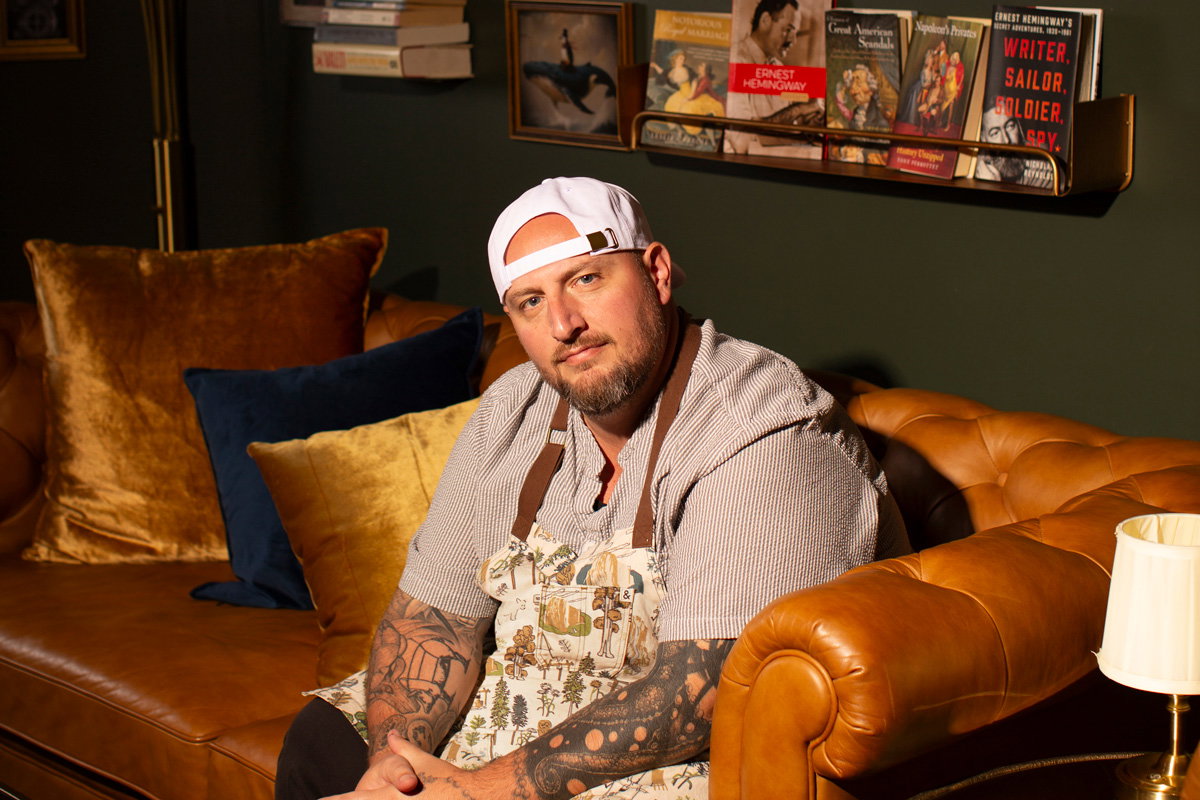
“I’m back to the food I want to eat.” Pat Pascarella reinvents himself at Rosso
“Why was I not cooking the food I eat at home, you know what I mean?” Pat Pascarella asks as he lounges on a couch in an Ernest Hemingway–themed speakeasy, part of his Italian American concept, Rosso. He speaks of his new restaurant (located near the corner of 10th Street and Virginia Avenue) with the same bullishness of Papa. “I tried doing fancy, trendy dishes for Instagram,” he says. “Now I’m back to the food I want to eat.”
-
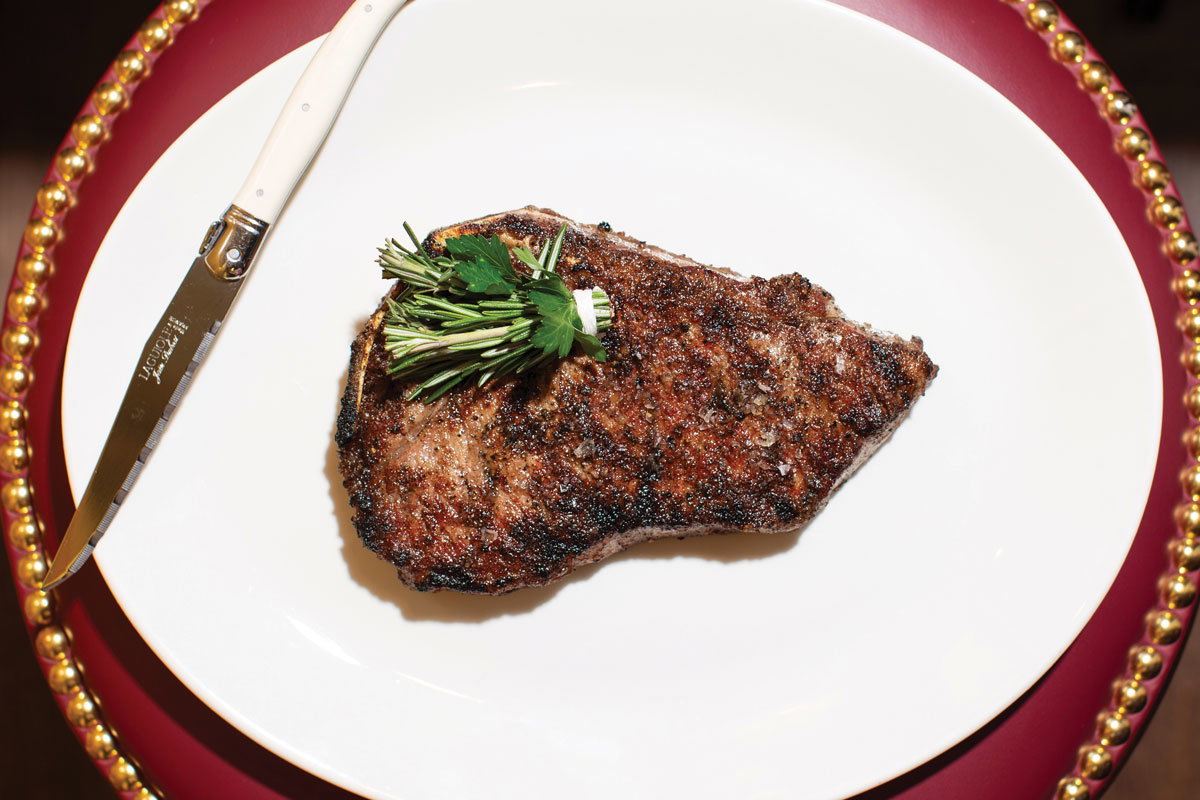
Unlike other Buckhead restaurants, Luella delivers substance with the show
Buckhead has no shortage of restaurants built for spectacle, but few manage to deliver substance with the show. Luella, the new restaurant from brothers Jamey and Benjie Shirah, executes both. The Roswell Road space has had many lives—including Carbo’s Cafe and The Ivy. Perhaps it was time to grow up.
-
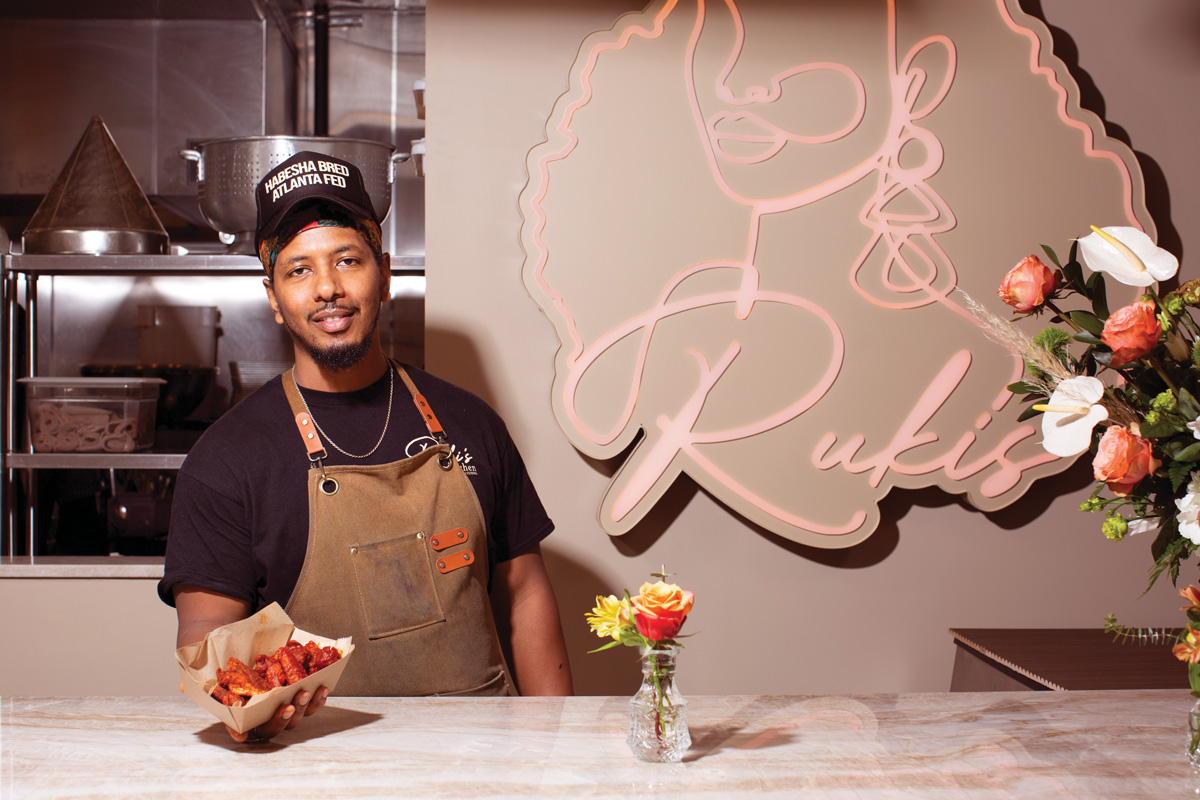
Ruki’s Kitchen brings Ethiopian cuisine and… lemon-pepper wings?
Ruki’s Kitchen, a fast-casual spot for Ethiopian dishes, has a few Atlanta inflections. First debuting as an EAV food stall in 2022, Ruki’s Kitchen graduated earlier this year to brick-and-mortar status at the Terminal South complex in Peoplestown, near the Beltline’s southside trail.
-
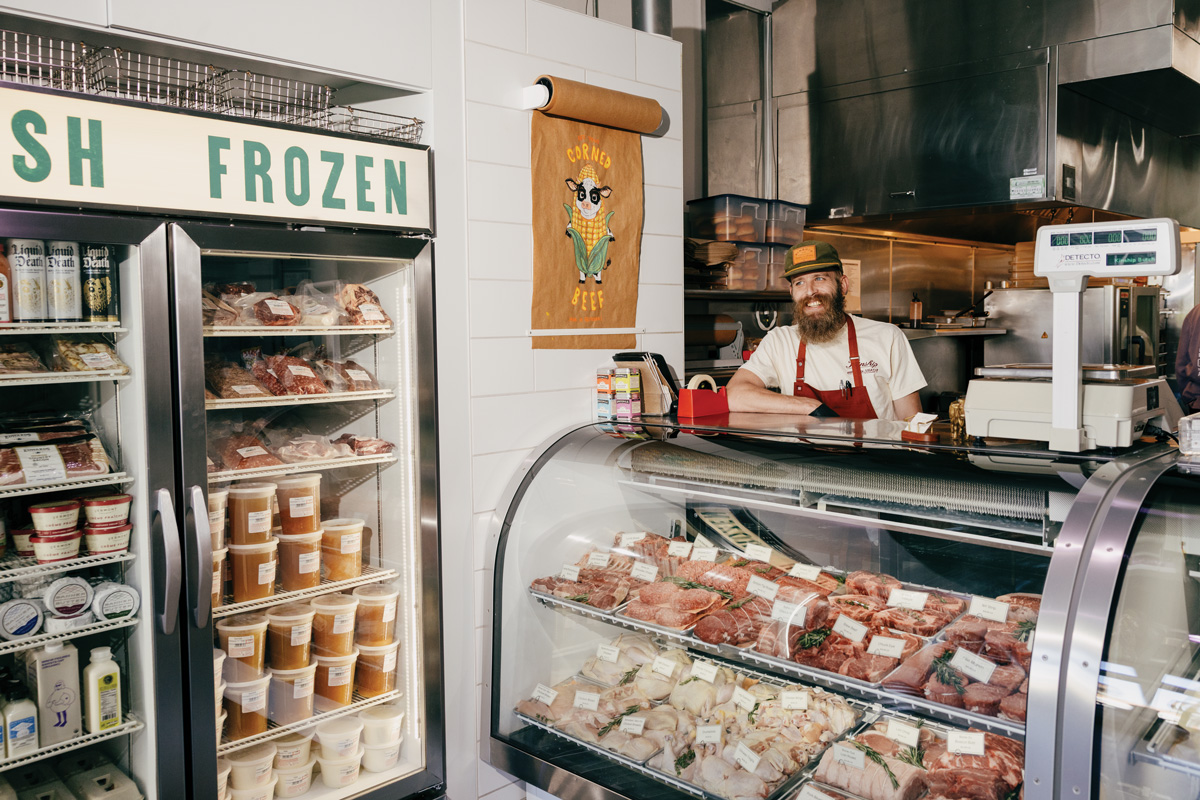
6 Atlanta butcher shops are meating the need
The neighborhood butcher shop is experiencing a revival, as evidenced by the opening of at least four shops in the metro area in the past five years. Owner Rusty Bowers of Pine Street Market helped pioneer the resurgence when he opened in 2008. Since then, we’ve seen Spotted Trotter, Kinship Butcher & Sundry, Frazie’s Meat & Market, Evergreen Butcher & Baker, and Vice Kitchen have joined the mix.
-
-
The Goods
-
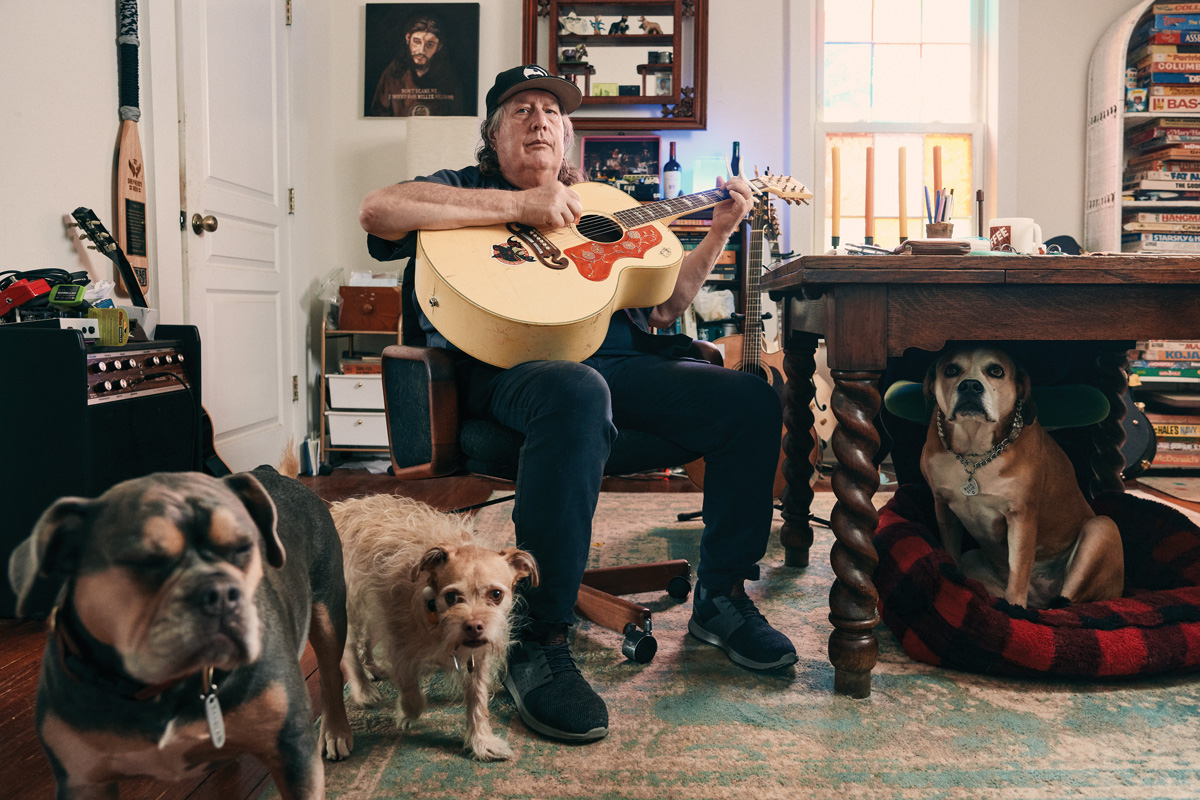
Drivin N Cryin comes full circle with a big-hearted record for Atlanta
For Drivin N Cryin, longevity has always been rooted in honesty and a deep trust in instinct and songcraft. These values have carried the Atlanta group from sweat-soaked barroom rock to front-porch confessionals since the 1980s. The group’s latest album, Crushing Flowers, features collaborations with the late singer-songwriter Todd Snider and R.E.M.’s Peter Buck, leaning into the simple, restorative pleasure of big-hearted songs that feel lived-in and joyful.
-

At Posy Press, students learn the imperfect art of making risographs
Posy Press, which uses eco-friendly risograph prints, adds a pop of color to Goat Farm Arts Center’s ongoing construction: Visitors are welcomed into the studio with a hot-pink, art nouveau–style floral logo. The studio offers events where artists sell riso prints and classes for a range of skill levels.
-

4 made-by-hand Atlanta businesses selling one-of-a-kind crafts
It’s the season for art markets and festivals, where locally owned businesses showcase jewelry, clothes, and totes you won’t find anywhere else. Here are four local brands—Solid Moss Co., Loud Italians, Indian Roots, Color of Heat—helmed by designers who are committed to artisan traditions and a slow-fashion ethos.
-
-
Miscellaneous
-
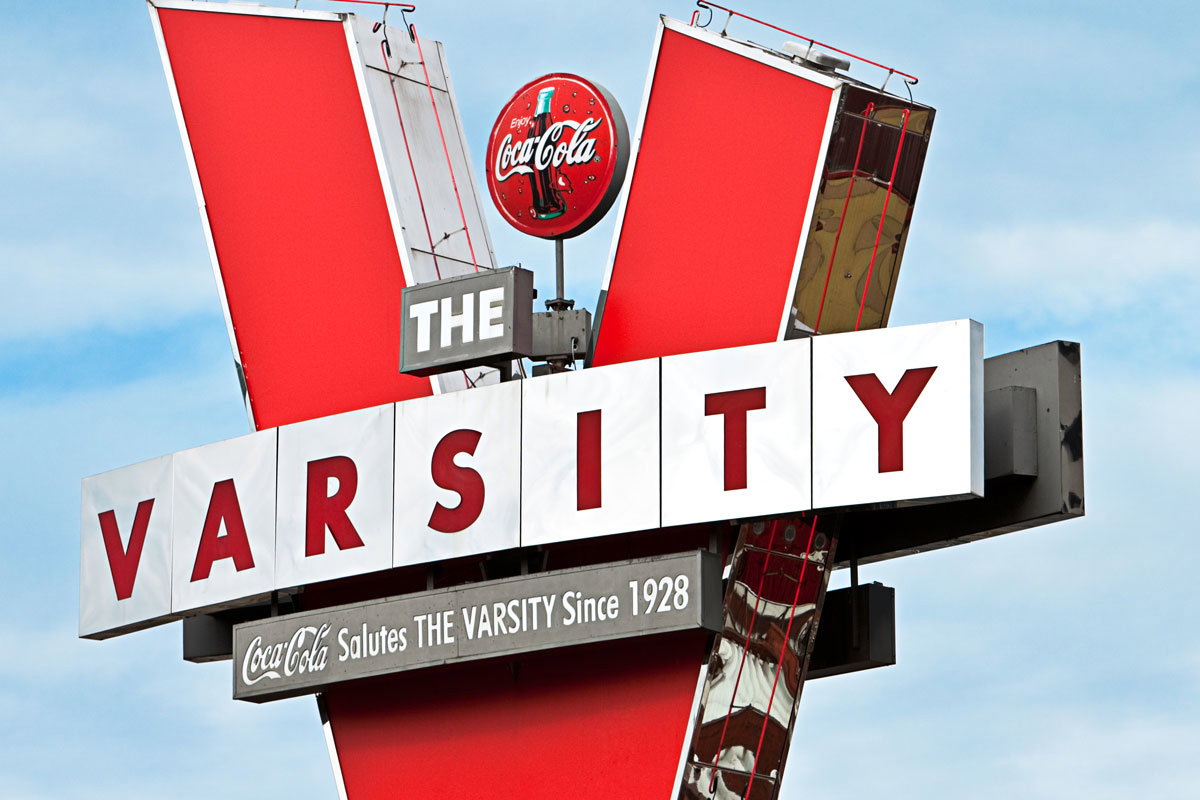
A love letter to The Varsity
Some may call The Varsity a tourist trap, its food a gut bomb. Sure, you likely won’t spot it on any list of best Atlanta eateries, and the Michelin crowd probably won’t be found bellying up to the counter for a peach pie. But we locals consider it part of the fabric of our city. An Atlanta institution.
-
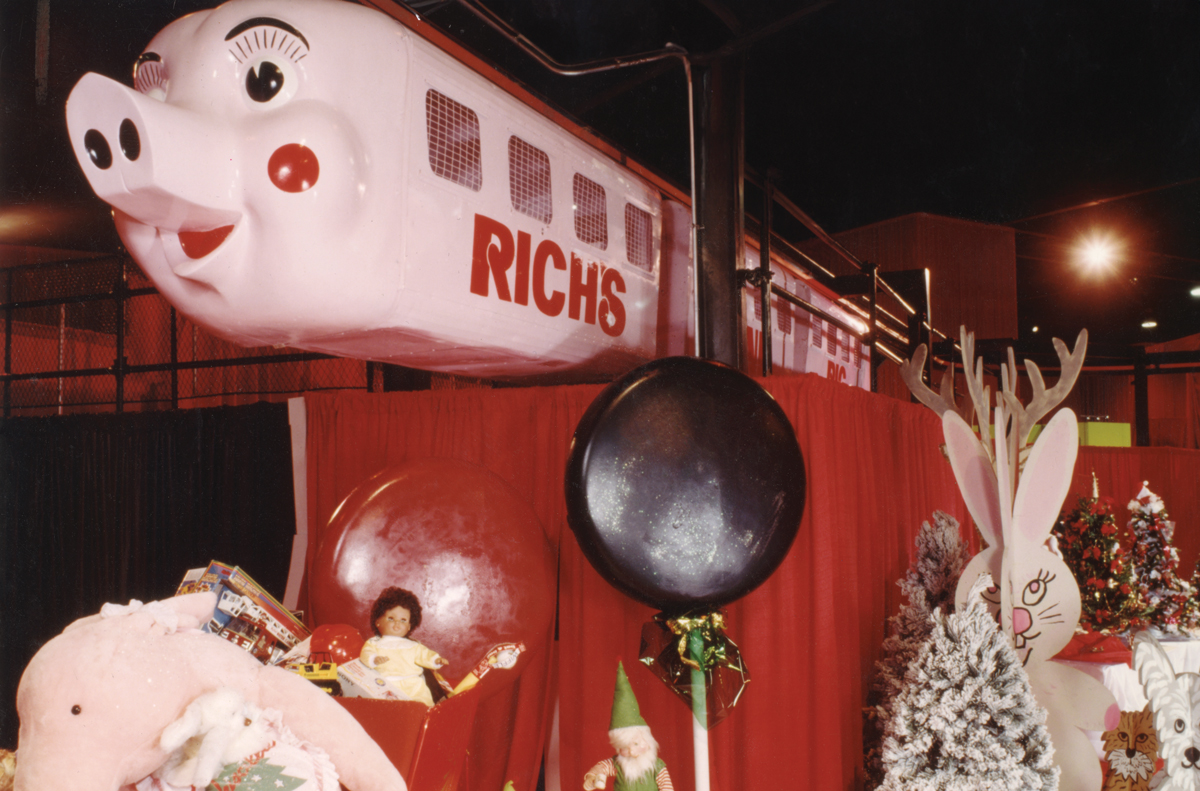
Editor’s Journal: What Atlanta has gained—and lost—along the way
I do think my father-in-law would be proud of the essays we’ve assembled and the contributions we’ve received from Atlanta icons such as Andrew Young. He’d be happy that his hometown magazine is still printing away after 65 years. Most of all, he would say he’s glad he spent his life in Atlanta, a city that grew up right alongside him but always managed to feel like home.
-
