
Home 2026

Archives

6 Atlanta Neighborhoods Where Community is Key: Adair Park

0
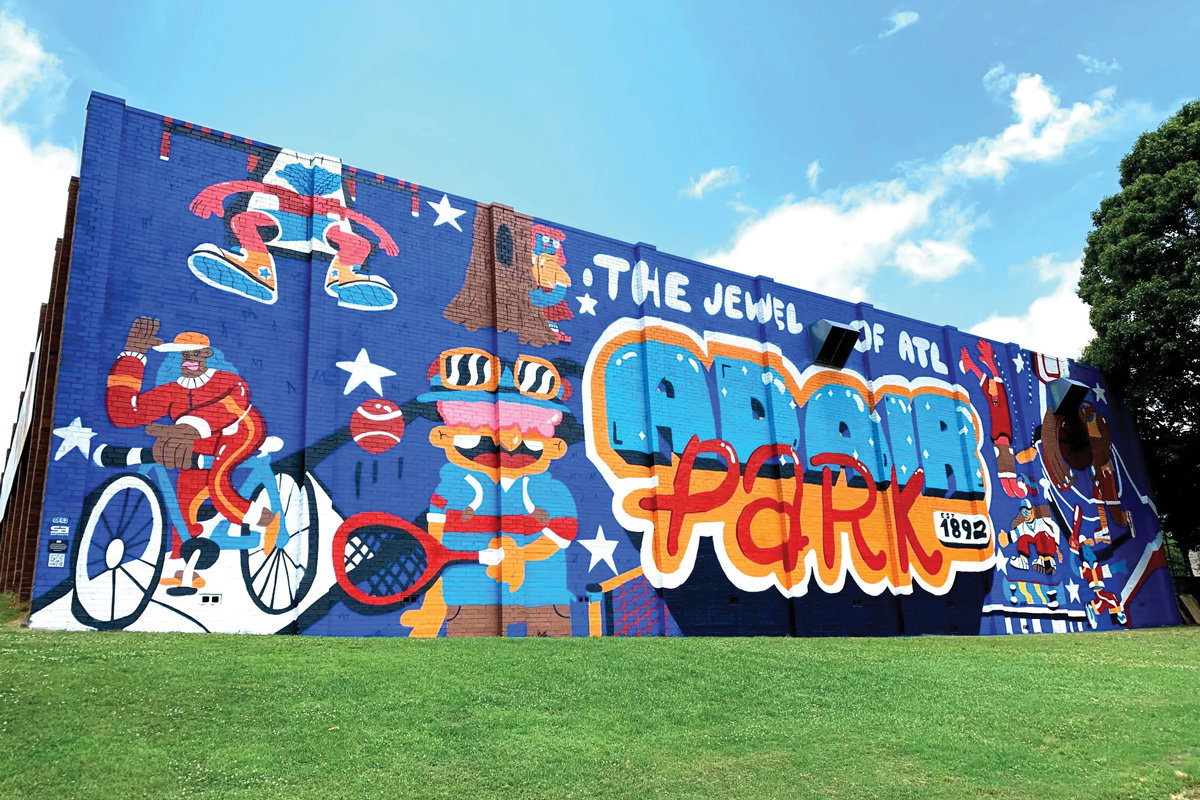
Adair Park Mural
Adair Park Mural

Courtesy of Adair Park Today

A slender, thumb-shaped tract of southwest Atlanta, Adair Park is only four blocks at its widest. Bordered by Metropolitan Avenue on one side and the Murphy Avenue railroad tracks on the other, this historic neighborhood has developed a close-knit community of its very own.

Adair Park was developed as one of Atlanta’s first “trolley neighborhoods” in the late 19th century, and it retains many of its original folk Victorian and Craftsman homes, standing alongside tidy, tree-lined streets bookended by two large parks. With a prime intown location adjacent to the Atlanta Beltline Southwest Trail, Adair Park offers a mix of historic charm—it’s on the National Register of Historic Places—and proximity to Atlanta’s liveliest happenings.

On September 19 the annual Atlanta Beltline Lantern Parade will kickoff in Adair Park’s Beulah Colbert Park (formerly Adair Park II). And, on October 3, Adair Park hosts Porches & Pies, its marquee celebration, which welcomes competitive bakers—and hungry taste-testers—for a multi-award pie contest.

Why it’s hopping:
Originally a segregated suburb, Adair Park underwent rapid transformation in the 1960s, when many White homeowners sold rather than tolerate integration. Much of the neighborhood became rental properties, and negligent landlords, plus general disinvestment by the city, contributed to Adair Park’s decline. Those factors came to a head during the 2008 financial crisis, when foreclosed homes in the neighborhood were auctioned off on the courthouse steps. 

But Jeanne Mills, who lives in the same Catherine Street house where she grew up, says those bleak times led to new growth: Many of those derelict homes were lovingly restored by new families, who put down roots that helped revive Adair Park. “That has really stabilized the community, one house at a time,” Mills says. 

Adair Park appeals with its handsome homes, leafy parks, and proximity to the best of Atlanta’s city living. The Southside Beltline runs across the bottom of the neighborhood, and adaptive reuse projects have sprung up around the area. These include artist housing at the Academy Lofts—where Mills attended primary school–and Abrams Fixtures, a mixed-use development built in a 1920s brick industrial complex. Abrams is home to several of the city’s best new eateries, including the sandwich spot Sammy’s, Leonard Yu’s Michelin-recommended Ryokou, and the zodiac-inspired bar and small-plates restaurant Seventh House.
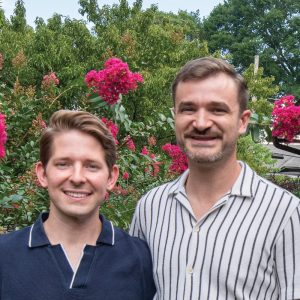
Austin and Nate Spriggs-Haverkamp

Courtesy of Adair Park Today

Who calls it home:
Prices have climbed everywhere, but with an average home price under $400,000, Adair Park still offers historic houses at more affordable rates (for now). When Austin Spriggs-Haverkamp and his husband, Nate, moved to Atlanta from Wichita, Kansas, several friends recommended the neighborhood: “We immediately fell in love,” says Austin. In 2021, they purchased a 1920 bungalow across the street from Beulah Colbert Park, formerly Adair Park II. 

“I never expected this sense of community when moving to a big city,” says Austin, who volunteers with the neighborhood’s community organization, Adair Park Today. “I’m constantly in awe of how close people are.” Adair Park Today helps organize neighborhood social events and fundraisers. The money raised goes toward park-beautification projects and a housing relief fund that helps struggling neighbors cover property taxes and other housing costs—an attempt to shield older, legacy residents from the impacts of gentrification.

How the community gathers:
In early October, Adair Park hosts its 12th annual Porches & Pies festival, during which bakers of all stripes—professionals, amateurs, and kids—present their best pies for a blue-ribbon judges panel. (A $15 ticket lets regular folks taste-test and vote for the People’s Choice winner.) The event, which also features live music and artist vendors, kicks off with a local high-school marching band. The pie-eating competition is always a spectacle: Last year’s champion was a teenager in a hot-dog costume.

Porches & Pies, which started as an informal neighborhood pie contest and became a fundraiser for Adair Park Today, quickly outgrew the “porches” part of its name. It’s since moved to the neighborhood’s namesake park, where last year it welcomed about 3,000 visitors, with more expected this year. Many Adair Park neighbors pitch in to pull it off, says Austin: “My husband will definitely be there helping out, whether he knows it yet or not!”
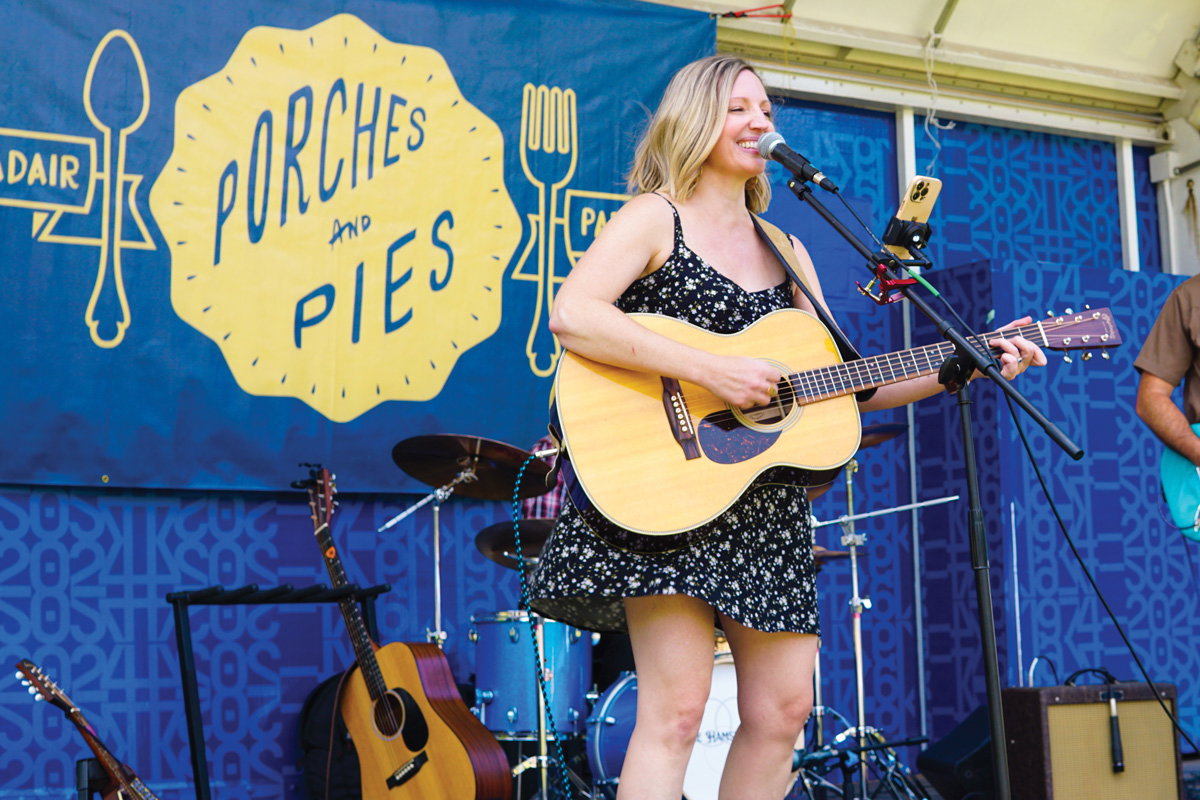

a woman sings and plays guitar on stsge at the Porches & Pies Festival
Porches & Pies Festival

Courtesy of Adair Park Today

a peach pie for the Porches & Pies Festival

kids wait outside a food truck at the Porches & Pies Festival

Porches & Pies 

Date: Saturday, October 3
Cost: For $15, you can sample 10 pie-contest entries and vote for the People’s Choice winner; general festival entry is free.
Location: Adair Park I
Good to know: It’s easy to access the festival directly from the Southwest Beltline via the Allene Avenue crossing.


Neighborhood Signs Decoded

Around Atlanta, neighborhood pride is often displayed from a sign on the front porch. It’s not clear where this tradition began—Inman Park’s butterfly signs, which first appeared in the 1970s, may have been the first—but more than a dozen communities now display their own designs. The painted signs are usually made by crafty locals and sold at fundraisers for the neighborhood association. Here are a few of our favorites:
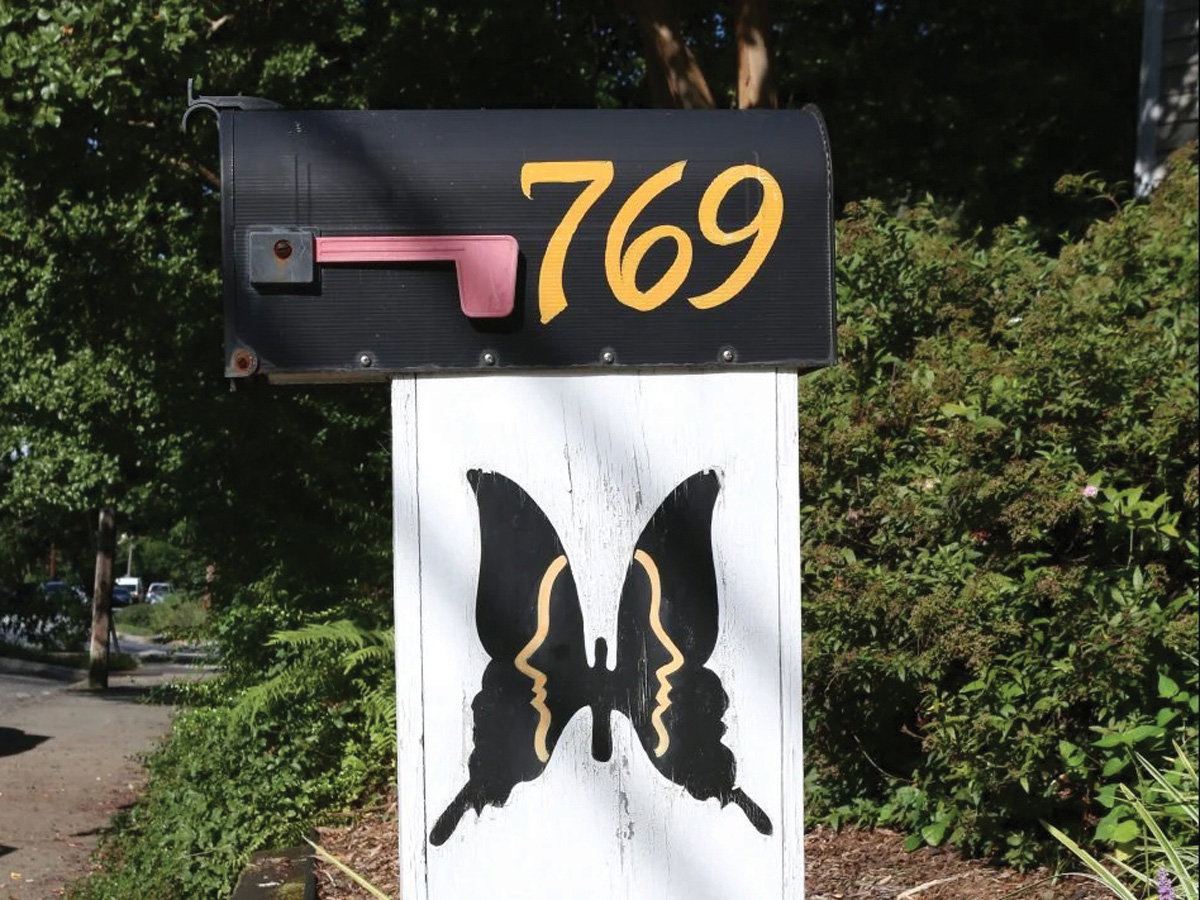
a handpainted butterfly sign below a black mailbox that reads the numbers 769
Inman Park

Courtesy of Inman Park Civic Neighborhood Association
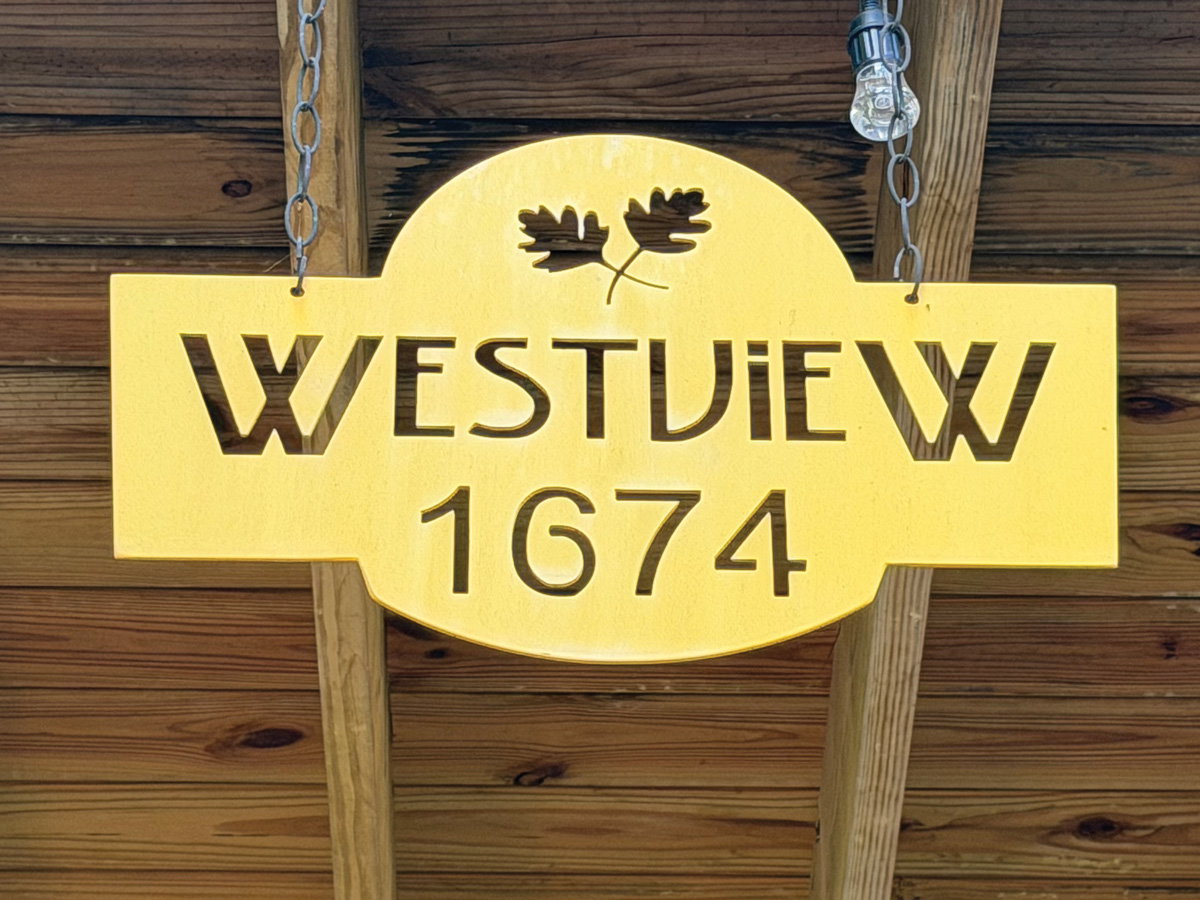
a yellow, carved sign reads "Westview 1674"
Westview

Courtesy of Westview Neighborhood Association
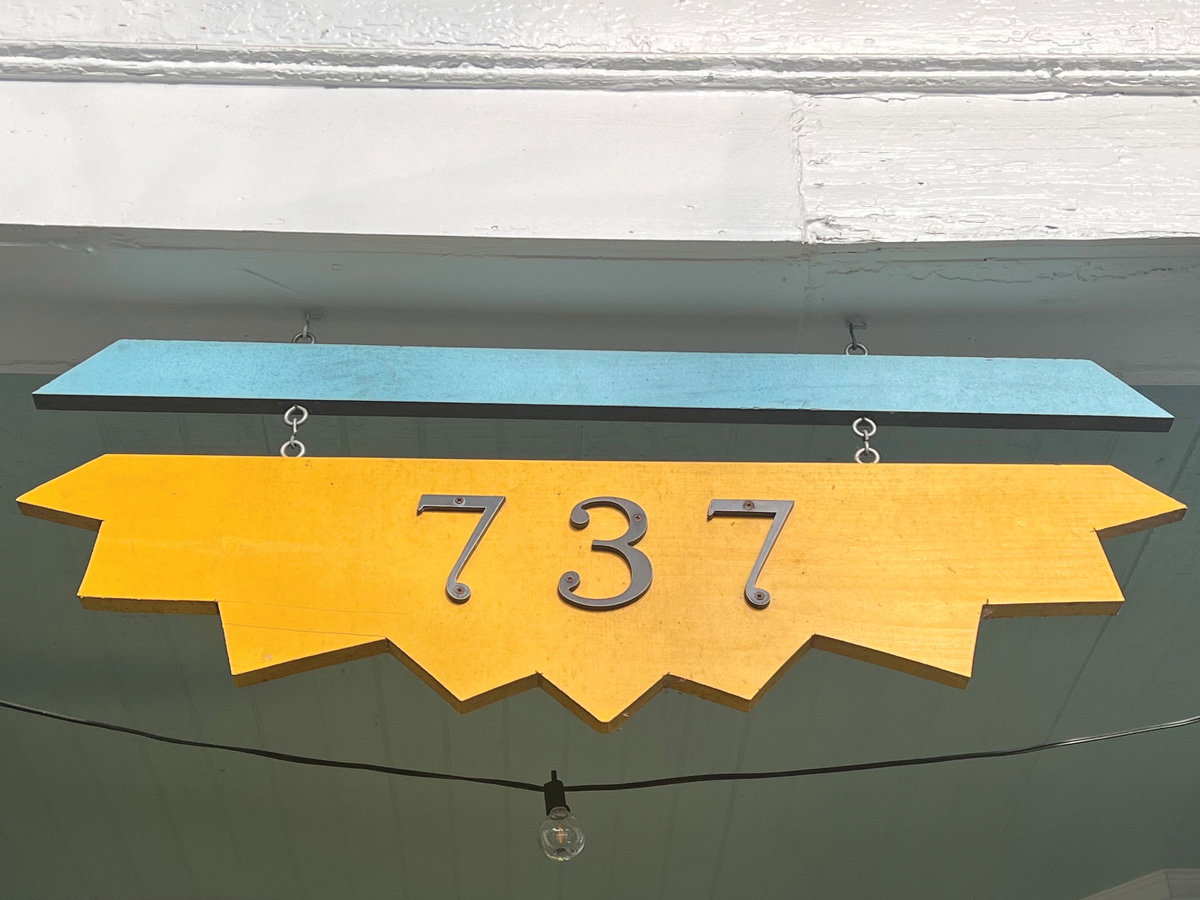
a yellow sign with spikes like the shape of the sun reads the numbers 737
Grant Park

Courtesy of Grant Park Neighborhood Association
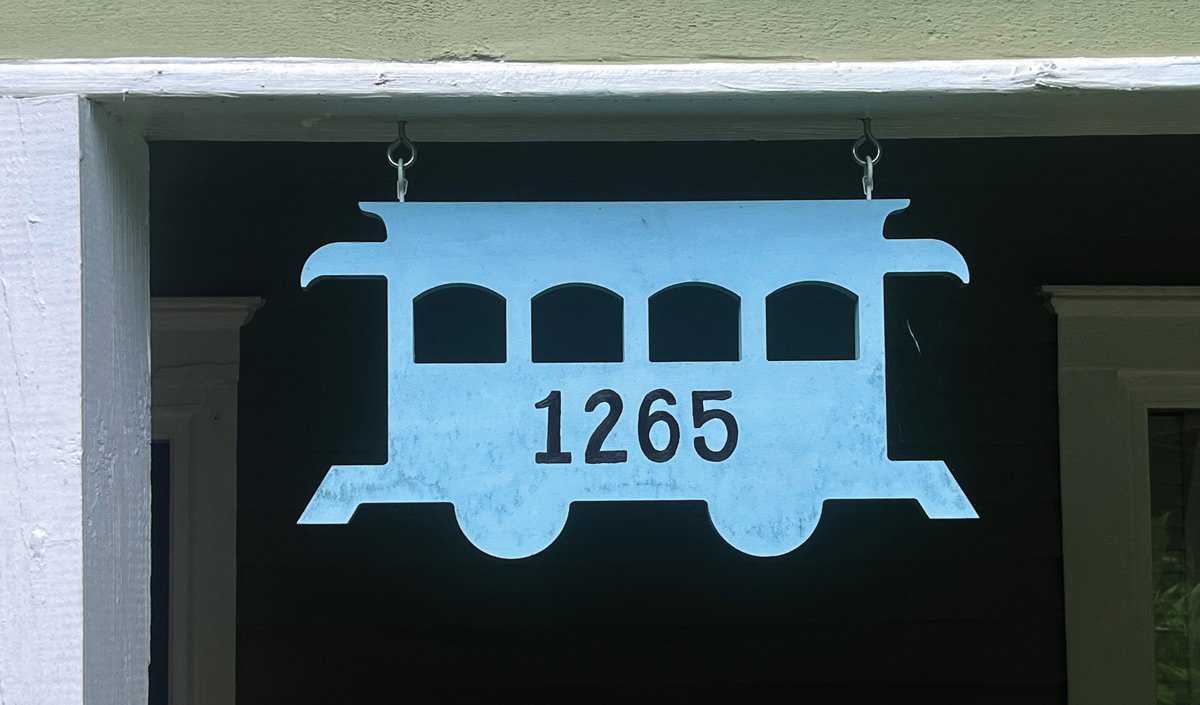
A blue train wood sign hanging in a front porch
Ormewood Park

Ormewood Park Neighborhood Association

This article appears in our September 2026 issue.

Netflix’s sequel to A Different World, filmed at Atlanta’s HBCUs, premieres this month

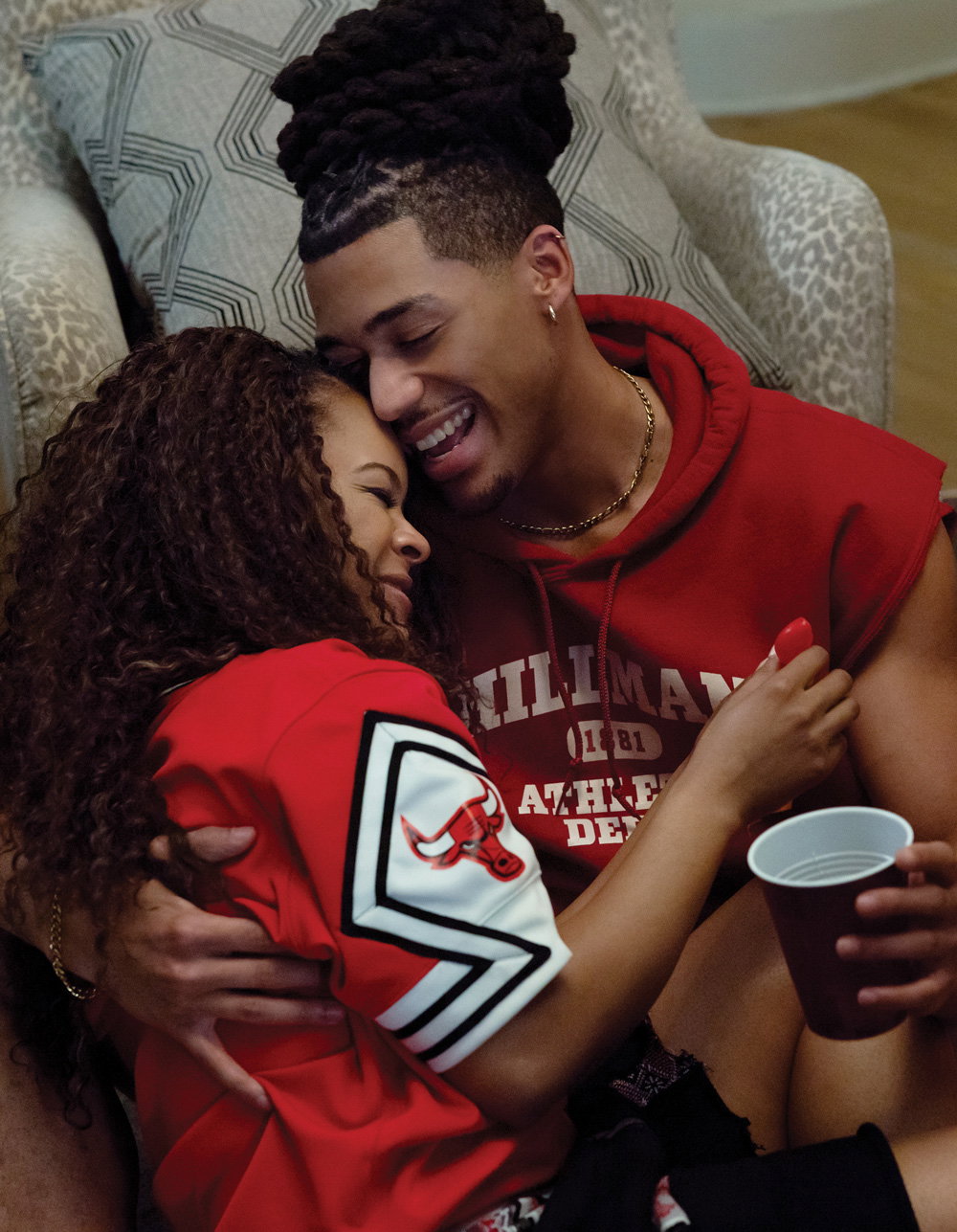
Maleah Joi Moon as Deborah and Cornell Young IV as Shaquille in the sequel

Photograph by Eli Joshua Ade

During the last week of June 2025, Atlanta University Center (AUC) students spotted a new school on campus. A “Welcome to Hillman College” banner hung across the entrance of Clark Atlanta University, fanning the rumor that A Different World, NBC’s The Cosby Show spin-off about college life, would return more than 30 years after ending in 1993.

By November, Hollywood trade publications confirmed that Netflix, which had already begun streaming the original series, had put in a series order for what it is calling “the sequel” (rather than a reboot) to A Different World. The new season’s September 24 release is the same premiere date as the pilot’s in 1987. Atlanta, home to the largest cluster of historically Black colleges and universities, or HBCUs, in the nation (Morehouse, Spelman, Clark Atlanta University, and Morris Brown), shaped the original series through its HBCU history and now serves as the foundation for the sequel. It also became the backdrop, with much of the sequel shot here and an estimated 30 percent of the show’s extras cast with students at the AUC.

Until A Different World debuted, much of the country was unfamiliar with HBCU life. The fictional Hillman College was first mentioned in The Cosby Show as the alma mater of Cliff and Clair Huxtable, but the spin-off, which initially focused on their daughter Denise (played by Lisa Bonet) as she matriculated at the same school, went much further in this world. The original six seasons of A Different World brought the AUC to the small screen—it showed up in a number of exterior shots for the school. Still, the show almost didn’t make it past its first season after an onslaught of poor reviews.

“[The show] wasn’t true,” says Atlanta’s own Jasmine Guy, who played iconic Southern belle Whitley Gilbert in the original and reprises her role in the sequel, now as a parent sending her daughter to college. Guy has a deep connection to the city’s HBCUs: Her father, Reverend Dr. William Vincent Guy, taught at his alma mater, Morehouse College, and led the Friendship Baptist Church, where Atlanta classes for Morehouse and Spelman were first held in the late 1800s.

Guy says the first season focused on everything but what should have been its heart and soul: the Black college experience. One of the first season’s biggest missteps, for critics and viewers, was never explaining how Maggie, Denise’s young White roommate with seemingly zero Black cultural awareness, ended up at Hillman. The show was so off-base, Guy tried to quit but contractually couldn’t.

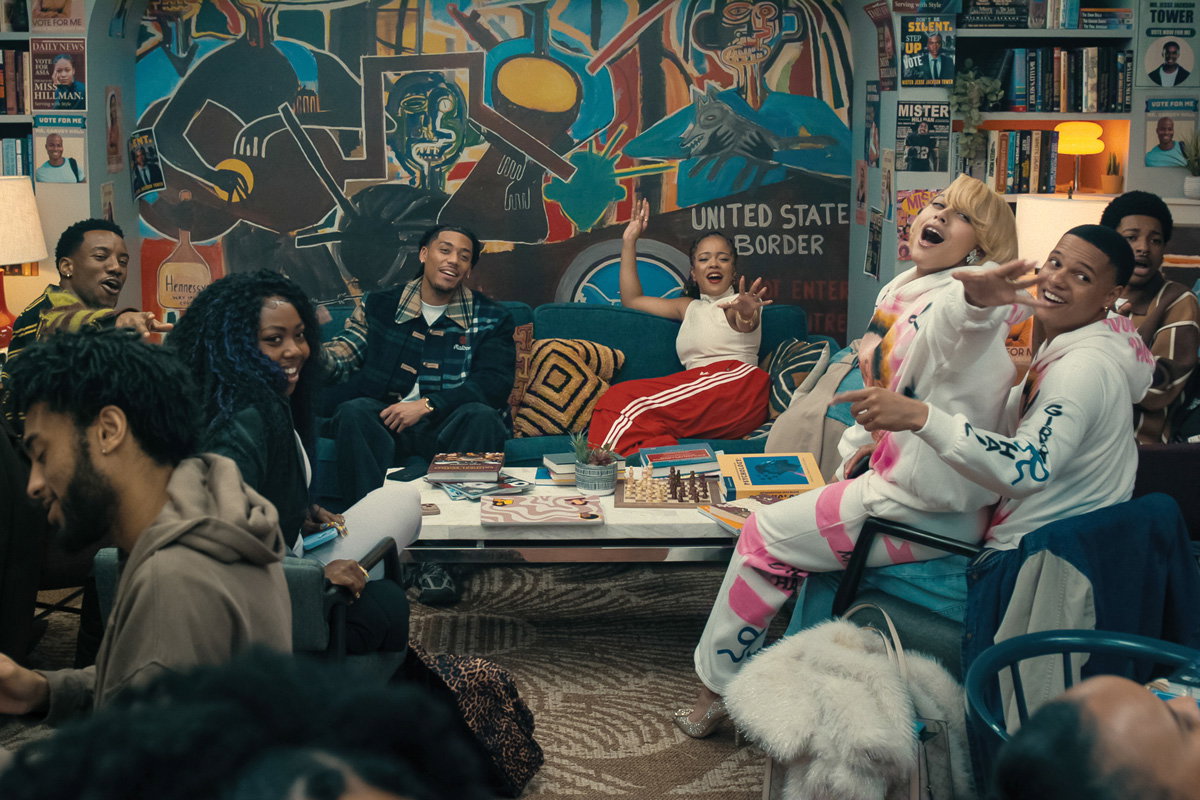
The sequel to A Different World actors at a house party with colorful walls behind them
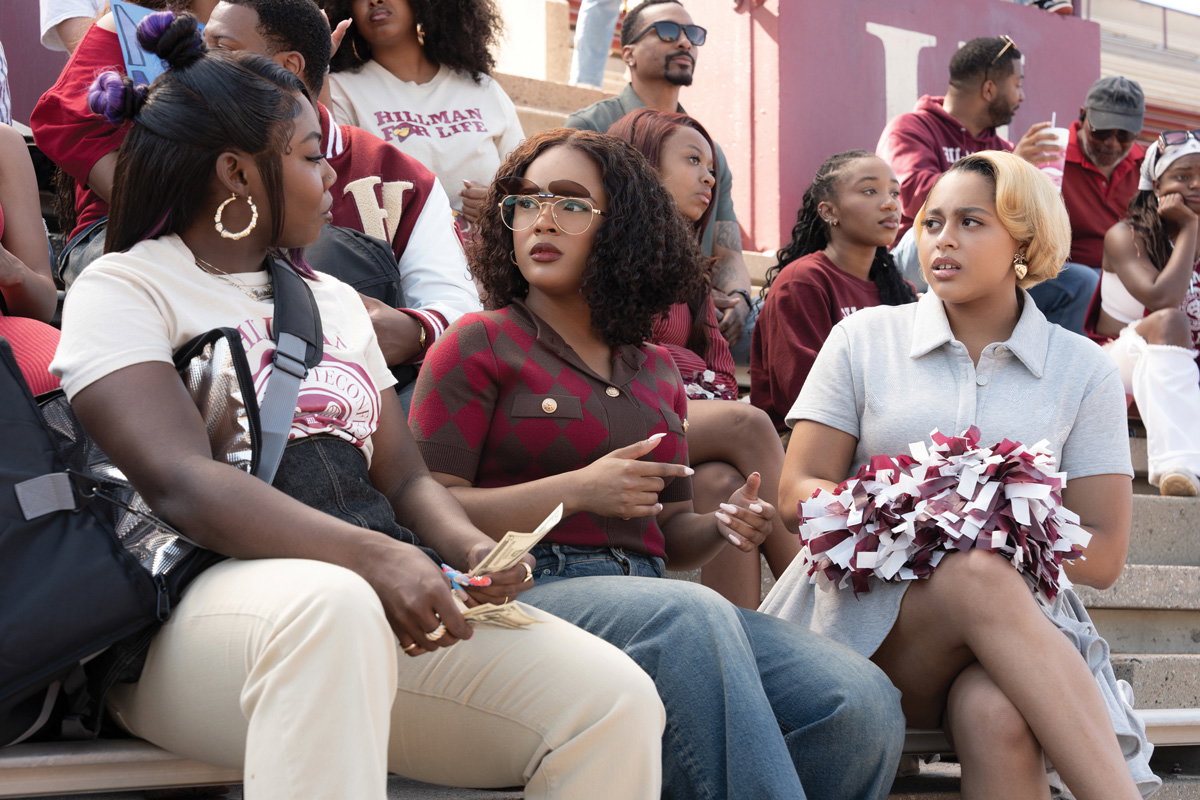
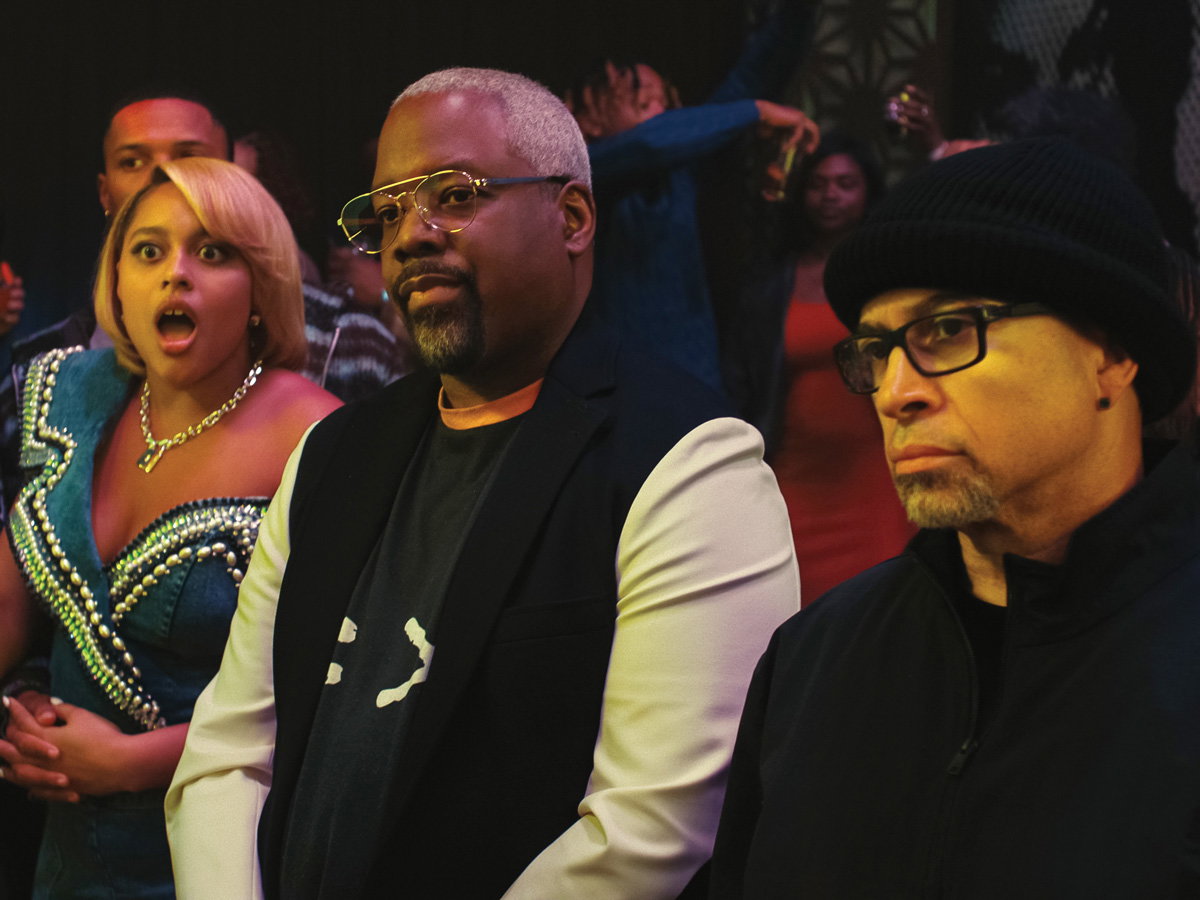
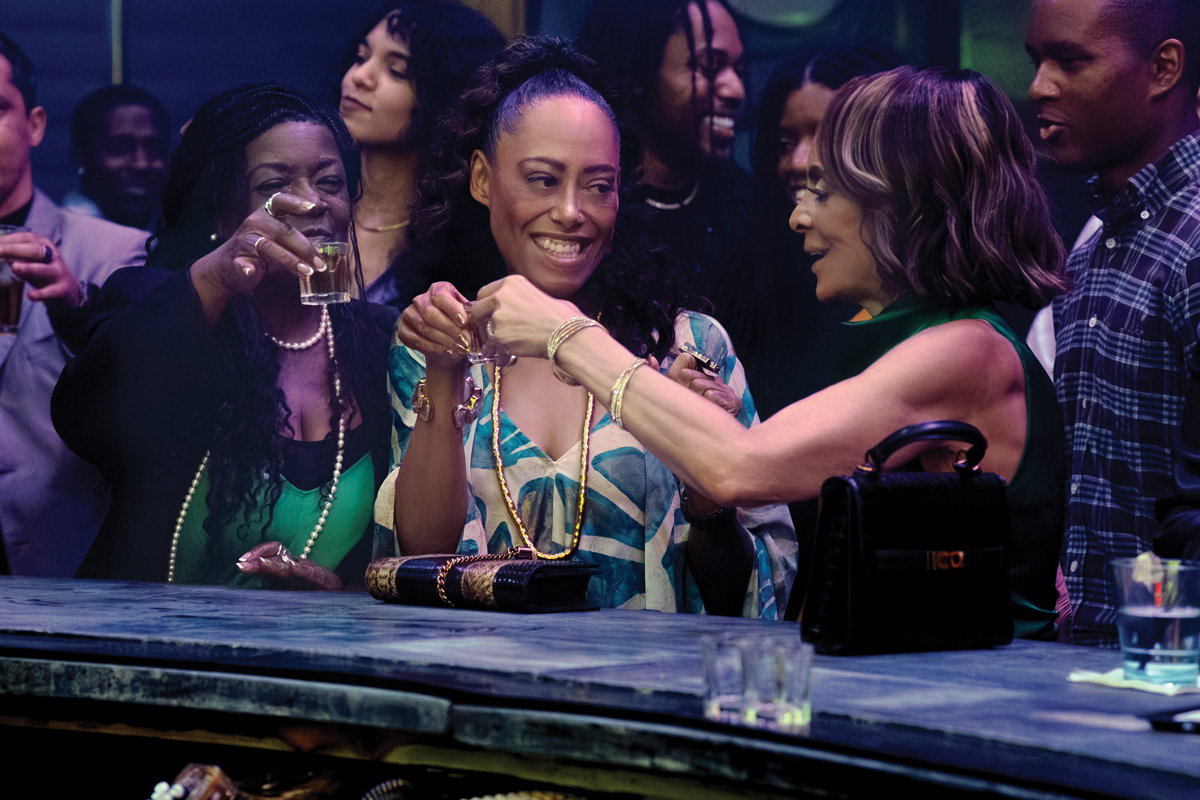
The sequel to A Different World sees the return of much of the original cast and introduces new main characters as students at the modern-day Hillman College

Courtesy of Netflix

actors in a different world sit at the school bleachers

three actors from A Different World

three actors from A Different World cheer with shot glasses in hand

That changed in season two, when Debbie Allen, who graduated from Howard University joined A Different World as director and producer. Allen transformed the show into a quintessential depiction of HBCU life. “The second season was more authentic, more real,” Guy says.

Allen leaned into the characters’ distinctive relationships. Guy’s portrayal of rich, snooty, yet lovable Whitley with a deep twang made her an icon of ’90s television. “[Guy] created this wonderful character. She created Whitley,” says Allen, who returns to the show as director and executive producer.

The show also focused on the slow-burn romance between Whitley and Kadeem Hardison’s flip-top-glasses–wearing Dwayne Wayne, which became an enduring symbol of Black love.

Allen pushed boundaries through the show’s representations of current issues, such as the AIDS epidemic and the 1992 Los Angeles riots. She turned the show’s classmates into a chosen family, such as Wayne with Darryl M. Bell’s Ron Johnson and the unlikely bond between Cree Summer’s hippie and protest-loving Freddie Brooks and Charnele Brown’s Kimberly Reese, a driven, aspiring doctor.

Netflix reenters this world through that sense of community with Whitley and Dwayne’s youngest daughter, Deborah (played by Tony-winning Hell’s Kitchen actress, Maleah Joi Moon), in her freshman year at Hillman. Much of the OG cast returns (Jada Pinkett Smith among them), with several new cast members played by actors with HBCU connections.

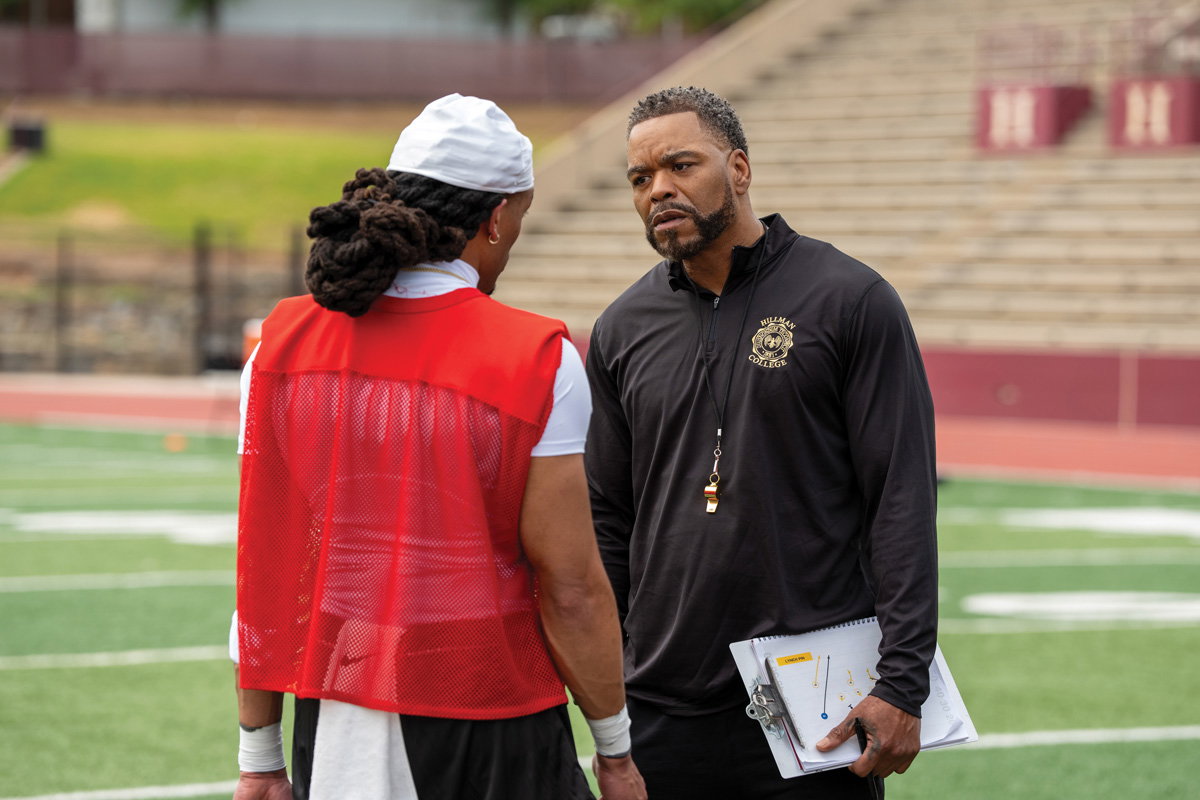
Method Man as Coach Coles in the sequel

Photograph by Daniel Delgado Jr / Netflix

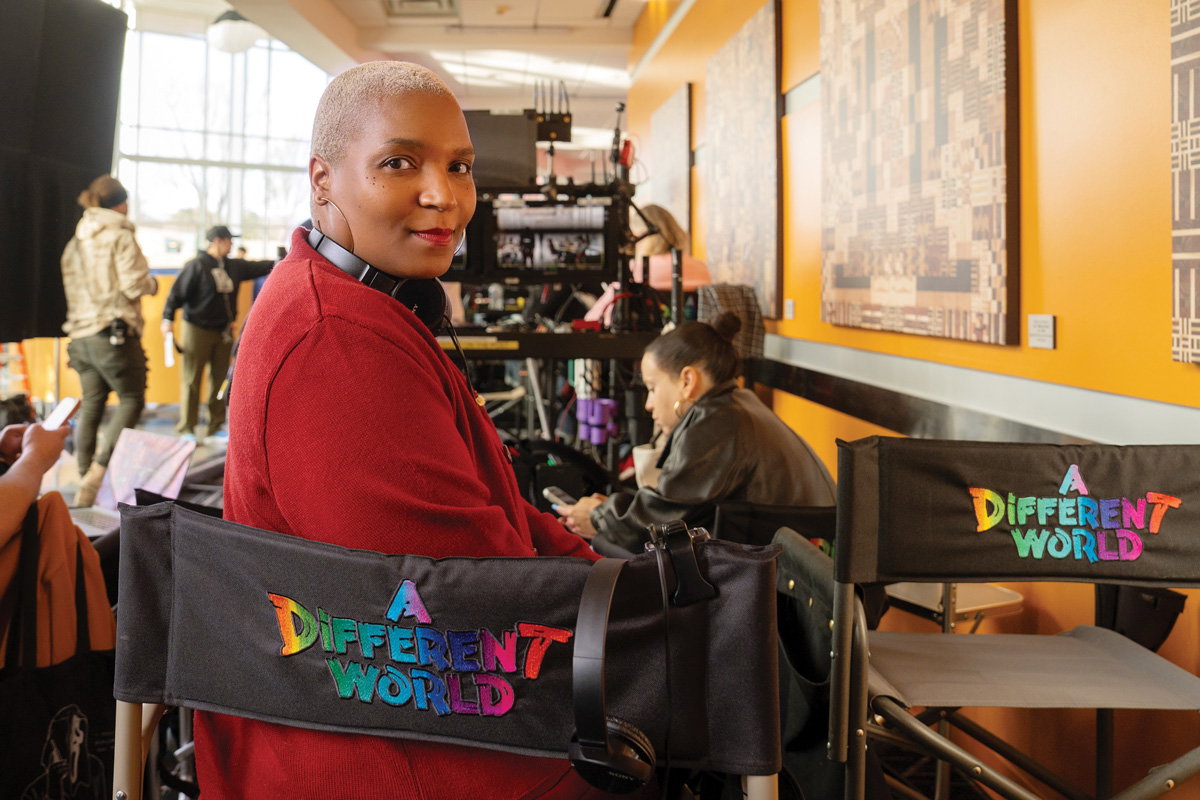
showrunner Felicia Pride
Showrunner Felicia Pride

Courtesy of Netflix

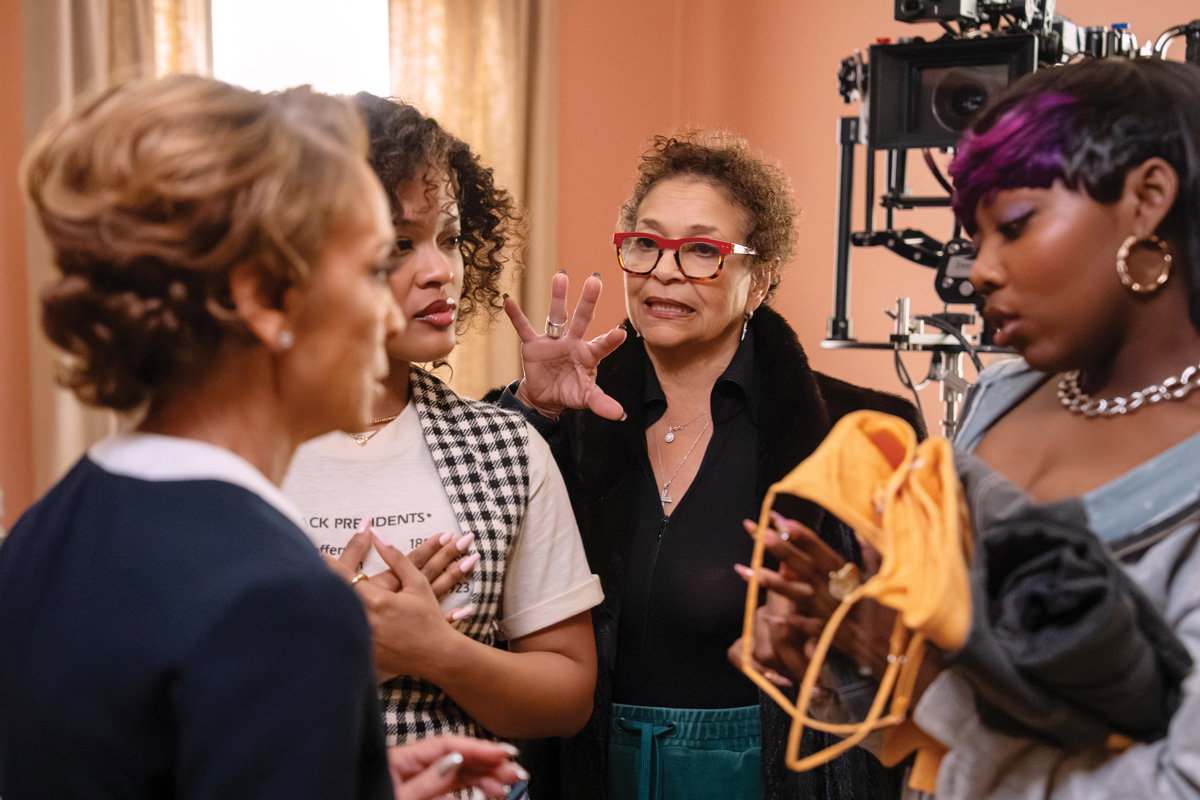
executive producer Debbie Allen (center right) with Jasmine Guy (left) on set
Executive producer Debbie Allen (center right) with Jasmine Guy (left) on set

Courtesy of Netflix

The season five cast (1991–1992) Left to right, back row: Glynn Turman, Cory Tyler, Kadeem Hardison, Lou Myers; front row: Dawnn Lewis, Jada Pinkett Smith, Charnele Brown, Jasmine Guy, Cree Summer, Darryl M. Bell

Photography by Gary Null / ©NBC / courtesy of Everett Collection

“We wanted to pay homage to the original series and carry the legacy through,” says Atlanta resident Felicia Pride, the sequel’s showrunner.

This time around, Allen and Pride didn’t want to repeat the original series’ awkward beginnings. Beyond filming at the AUC, they hired its students as production assistants and partnered with the props department at the Russell Innovation Center for Entrepreneurs to highlight Atlanta Black-owned businesses. Costume designer Provi Fulp-Ramphal, a Clark Atlanta alum, included items from local brands such as men’s clothing boutique Koss Atelier, luxury fashion house Luwiza Moda, and Fabulina Designs’ jewelry collection.

Netflix also collaborated with an HBCU student council, which consulted with the show’s writers and advised on storylines and issues facing today’s HBCU students. “We have ICE coming on college campuses. We have the financial situation, the demolition of DEI across the board, voting rights,” Allen says. She hopes the show’s takes on contemporary issues “will initiate new possibilities [of activism] for young people across this country and the world.”

For Guy, it was heartening to work with so many Atlanta students. “These babies from the AU Center . . . off the chain,” she says. “I’m like, These are the extras? Just beautiful, stunning, showing up, being professional. I felt like a proud mama.”

Dasan Frazier
Dasan Frazier graduated from Morehouse College in 2022 and turned to acting after amassing a large social media following.

Photograph by Danyel Jones

Recent Morehouse alum Dasan Frazier appears in the role of Xavier, a campus livestreamer. Art imitates life: Frazier, an actor and influencer with more than 1 million TikTok followers, has filmed viral videos showcasing HBCU student life. “It’s A Different World,” he says. “To not only grow up and want to be at a school like that, doing it, but to also get on the show—the same one with the same OGs and great actors and creators—it was a dream come true.”

The return of the show, for Guy and the creators, is an invitation to a new generation of Black people. “It was a joy to be able to say, ‘We’re going to do A Different World again,’” Guy says. “But we’re making it with the young people who are now going to [the real] Hillman.”

This article appears in our September 2026 issue.
6 Atlanta Neighborhoods Where Community is Key: Ormewood Park

0
Atlanta Beltline Southeast Trail

© 2026 Atlanta Beltline, Inc. Photo by Erin Sintos

Situated between Grant Park and East Atlanta, Ormewood Park is often overshadowed by its larger neighbors. Named after Aquilla J. Orme (a 19th-century Atlanta Electric Light and Trolley Company official), the district came about in 1891 thanks to a trolley extension from downtown that connected to what were then Atlanta’s suburbs.

The community is about as residential as intown Atlanta comes, with single-family homes built in Victorian and Craftsman styles alongside a smattering of low-rise public housing. There’s one park, Red’s Farm Preserve, which Ormewood resident Brian “Farmer Red” Harrison maintained as an urban farm; after his death in 2022, the City of Atlanta turned it into a public park.

Ormewood Park’s history is similar to that of many Eastside Atlanta areas. After the integration of Atlanta Public Schools, White flight led to decades of disinvestment. But as Atlanta grew over the early 21st century, Ormewood Park appealed to newcomers with its affordability (home prices in 2000 averaged $185,000). Census data shows the neighborhood has grown considerably, from 3,500 residents in 1990 to more than 5,100 today.

two people enjoy the food at Side Saddle Wine Saloon & Bar
Side Saddle Wine Saloon & Bar

Photograph by Rebecca Carmen

Why it’s hopping:
In April 2026, the Atlanta Beltline Southeast Trail, which borders the entire west side of Ormewood Park, finally opened to the public. It now links the neighborhood to 14 miles of continuous Beltline trail—and so the mania begins for Ormewood Park. The neighborhood is a prime candidate for increased density, and several areas are earmarked for development. One of the most notable is Trestletree Village South, a Section Eight housing community built in the 1940s. Developer Wingate Companies plans to revamp the property with help from Invest Atlanta, expanding it to more than 800 residential units with a percentage earmarked for affordable housing.

Several new eateries have opened in and around Ormewood Park in the last few years, such as Halidom Eatery food hall and OK Yaki on Moreland Avenue; on the Beltline, there’s Side Saddle Wine Saloon & Bar and its sister coffee shop, Finca to Filter. These newcomers join neighborhood staples like Morelli’s Gourmet Ice Cream in Ormewood Plaza.

Paul (left) and Riki Bolster
Paul and Riki Bolster

Courtesy of Paul and Riki Bolster

Who calls it home:
When Paul and Riki Bolster moved to Ormewood Park 53 years ago, they were among the few families on the street with young children. “Many families left after integration, so we were really [some] of the only young people on our block,” Riki says. That’s changed in a big way: The neighborhood’s proximity to downtown Atlanta and the Beltline has attracted a wave of young professionals and families. “Today, we have our neighbors’ toddlers playing in our front yard, so it’s really a wonderful thing that’s happening around here,” Paul says.

Ormewood Park is also something of a progressive stronghold. Georgia Senators Jon Ossoff and Raphael Warnock have both called the neighborhood home, and Democratic candidates often host local events in partnership with the community organization South Atlantans for Neighborhood Development, which serves Ormewood Park and six other southeast neighborhoods.

How the community gathers:
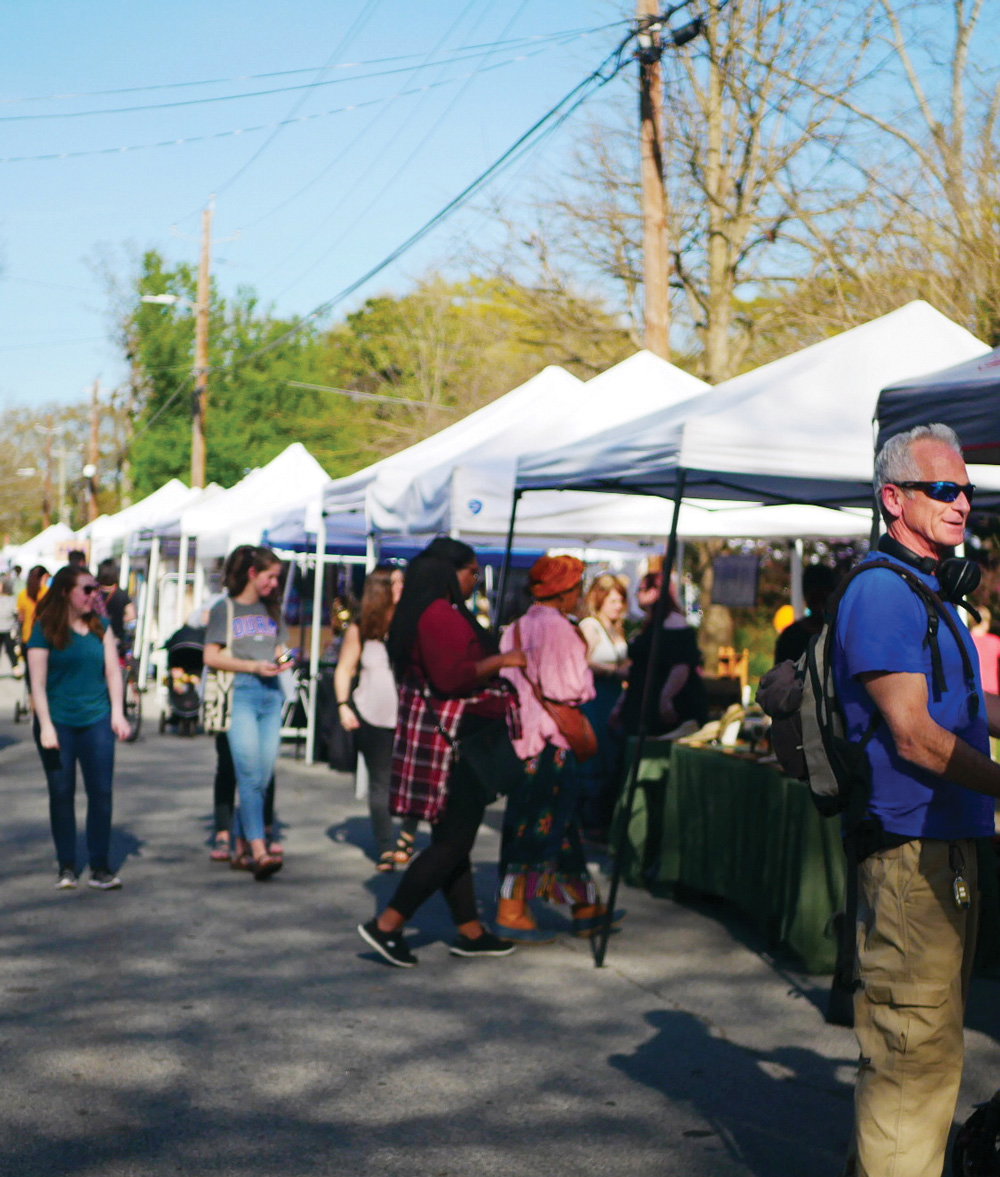
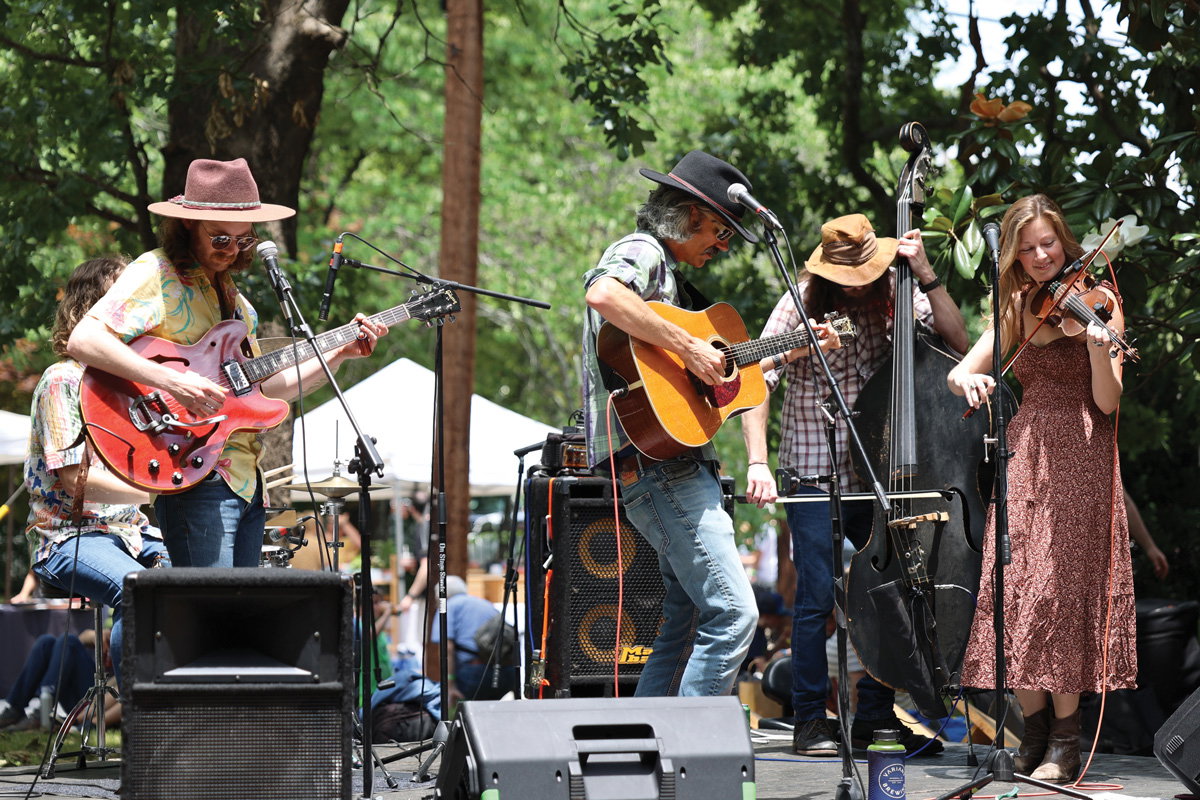
Each October, the neighborhood hosts its annual Ormewood Park Makers Festival; it’s a block party of live music, local arts and crafts, and food vendors.

“The ‘maker’ part of the name is unique, and it’s to let you know that we offer things here you can’t find at another local street festival,” says Nichole Palmietto, an Ormewood Park resident and the festival’s codirector. Organizers keep booth-rental costs low to make it accessible for locals to showcase their work. “Our goal is to be hyperlocal,” Palmietto says.

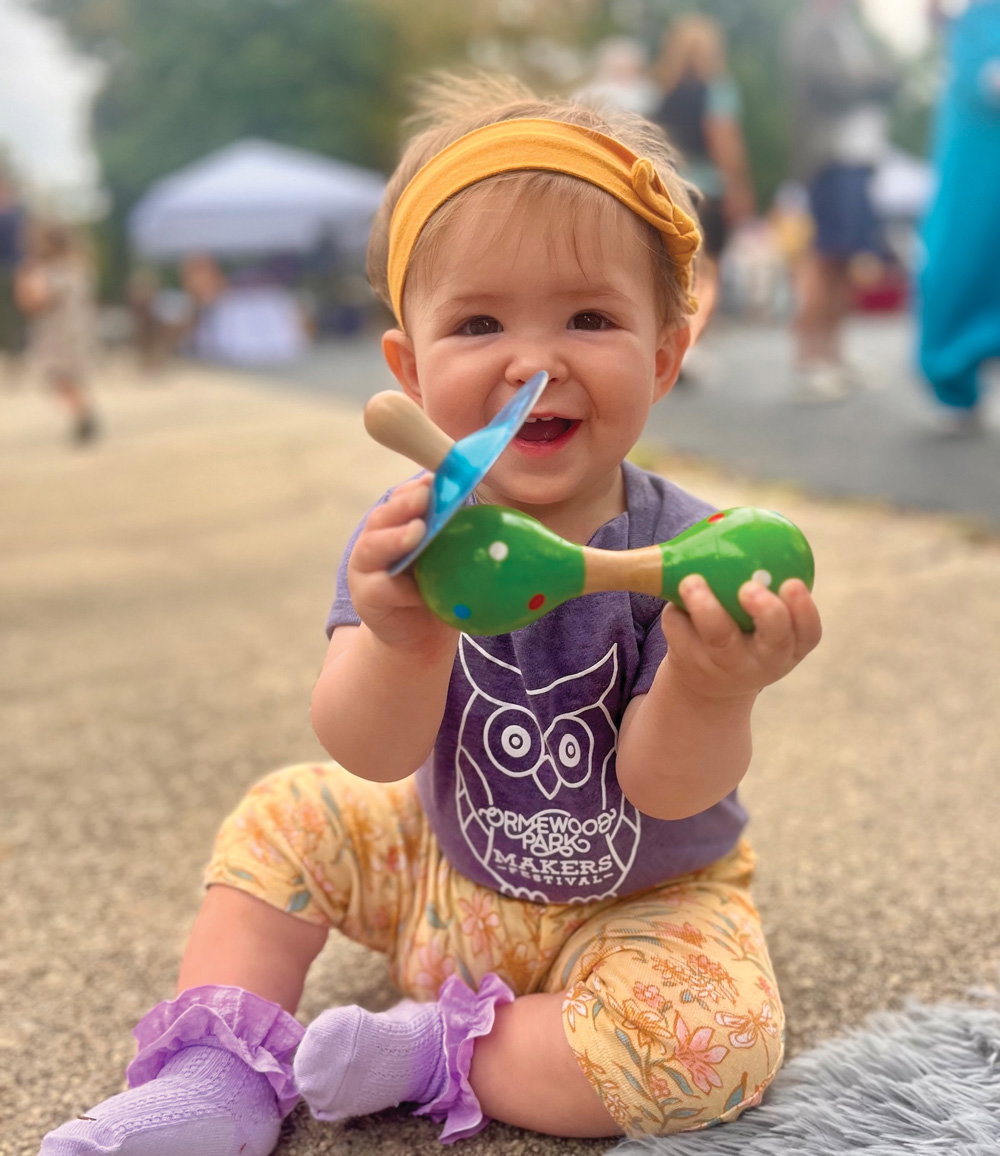
Now in its ninth year, the festival has grown concurrently with the neighborhood. The 2026 edition, Palmetto says, will include more new workshops, with artisans teaching everything from breadmaking to birdhouse building. The festival will also include a larger kids’ zone, an additional 20 booth spots, and more porch bands.


tents with vendors at the Ormewood Park Makers Festival
Ormewood Park Makers Festival

Courtesy of Ormewood Park Makers Festival

a band plays on stage at the Ormewood Park Makers Festival

A baby smiles while attending th Ormewood Park Makers Festival

Ormewood Park Makers Festival

Date: Saturday, October 10
Cost: Free
Location: The intersection of Delaware and Woodland avenues
Good to know: With limited street parking, the best way to arrive is on foot, MARTA, or bike (there’s a complimentary bike valet on-site). You can access the festival via the new Atlanta Beltline Southeast Trail a couple blocks west.


Leave the Roads, Take Atlanta’s Trails

Atlanta’s network of walking and biking trails continues to expand all around the metro. Here are some notable greenways:

  • Atlanta Beltline Southeast Trail: This new 2.5-mile stretch begins at Krog Street Tunnel and runs south through Ormewood Park and Boulevard Heights. It’s home to several restaurants such as Muchacho, Breaker Breaker, and Side Saddle.
  • Path400 Buckhead expansion: The new Wieuca Road and Loridans Park Connector extends Path400 farther north with the goal of linking Buckhead to Sandy Springs.
  • Proctor Creek Greenway: Built in 2018, this 2.4-mile trail starts at the Bankhead MARTA station and runs through Westside Park. The Path Foundation and the City of Atlanta have plans to stretch it north to access parks along the Chattahoochee River.
  • Arabia Mountain Path: The southeast Atlanta trail travels more than 23 miles between Lithonia, Stonecrest Mall, and the Arabia Mountain Nature Center. Thanks to the 2021 Panola Mountain Greenway addition, the trail now goes to Panola Mountain State Park.

This article appears in our September 2026 issue.
6 Atlanta Neighborhoods Where Community is Key: Smyrna

0
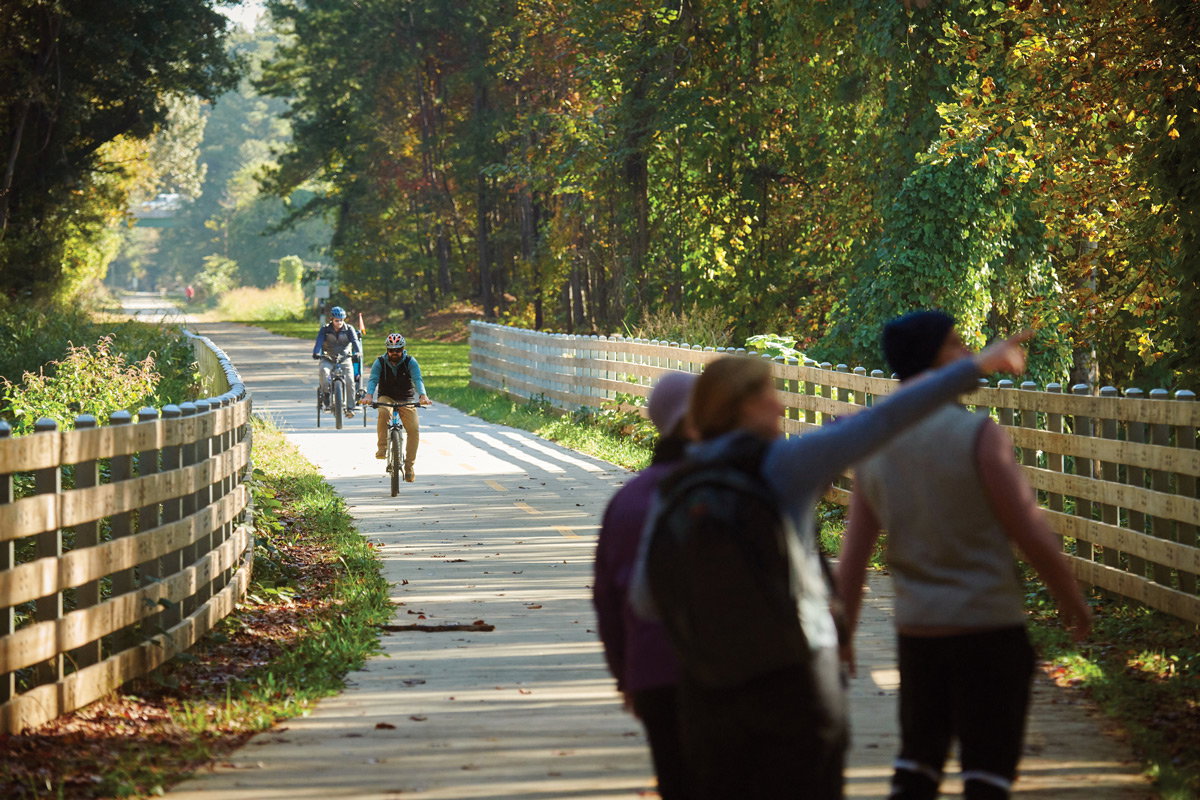
Three people point and look at the trees while two bike riders ride down the Silver Comet Trail
Silver Comet Trail

Photograph courtesy of the PATH Foundation

Cobb County’s Smyrna is known as the Jonquil City—a nod to the fragrant yellow flowers that dot its landscape each spring. It has come a long way from its beginnings in the 1830s as a Methodist campground known as Ruff Siding. The arrival of the railroad in the 1840s spurred mills and factories, setting the stage for the city that exists today.

Smyrna now strikes a balance between suburban tranquility and urban convenience, offering easy access to Atlanta and nearby Truist Park alongside notable restaurants, parks, and gathering spaces. The city’s biggest outdoor draw is the Silver Comet Trail, a 61-mile paved bike path that stretches all the way to the Alabama state line. Taylor-Brawner Park is another local favorite, with its playground, green space, and Food Truck Tuesdays held May through September.

Smyrna’s dining scene is one of its best surprises. Longtime favorites such as Muss & Turner’s, beloved for its hearty sandwiches, and Minato, a kitschy sushi restaurant, have fueled locals for decades, while newer additions including Ruby’s Sourdough Pizza and the Haitian-American restaurant Zeke’s reflect the city’s evolving food scene. Then there’s Rev Coffee, housed in a former auto shop, which has become a gathering place for just about everyone in the neighborhood.

Three dishes at Minato
Minato

Photograph by Martha Williams

A crowd of people visit tents of vendors
Taste of Smyrna

Photograph courtesy of City of Smyrna

Why it’s hopping:
The commute from Smyrna to the heart of Atlanta is about 25 minutes (traffic permitting), but the suburban city itself offers plenty to do. While there’s no traditional downtown, Market Village fills that role with its central lawn, shops, restaurants, and year-round community events.

That small-town feel is one of the Smyrna’s biggest charms. Annual festivals, outdoor concerts, and neighborhood gatherings bring residents together throughout the year, while neighboring Truist Park and The Battery Atlanta add entertainment. Even in the offseason, the Battery remains a destination thanks to restaurants like C. Ellet’s Steakhouse and concerts at Coca-Cola Roxy.

Kristen Ramsey smiling
Kristen Ramsey

Photograph by Kelley Raye

Who calls it home:
Smyrna attracts a mix of young families, professionals, and creatives. Since moving to Smyrna, Kristen Ramsey, a professional artist, has watched the city’s creative scene flourish. “I’ve seen a lot of growth in the arts community, which has been positive to witness,” Ramsey says. “I’m really happy with a lot of the community changes and support for the LGBTQ+ community, like the addition of Pride Fest.”

Ramsey herself has been a part of strengthening the creative community: In 2017, she founded Indie Arts Alliance, a monthly gathering at Rev Coffee where local artists can create and interact. “Rev has been such a supporter of artists and the arts in Smyrna,” Ramsey says of the cafe, which also displays a different artist’s works for sale on its walls every month.

How the community gathers:
The city’s signature fall fete is the Smyrna Birthday Celebration. The Village Green comes to life as neighbors gather for a daylong cultural festival that includes live music from well-known acts (Fitz and the Tantrums, Spin Doctors, and Kool & the Gang have all performed), local food trucks, and a stunning firework display. “The last several years, the concerts have really upped the game,” Ramsey says. “That has been really fun to be part of.” 


Three people hold drinks and smile while at the Jonquil Festival
Jonquil Festival

Cobb Travel & Tourism

Smyrna Birthday Celebration

Date: Saturday, October 3
Cost: Free, or residents can reserve a front-row table for $250
Location: The Village Green
Good to know: When night falls, get ready for fireworks—it’s Smyrna’s biggest pyrotechnics display of the year.


We Asked, You Answered

What’s your favorite neighborhood in Atlanta?

  • @ghanna3: Reynoldstown, easy
  • @brandnew11: Grant Park, of course
  • @hudsonlane: Tuxedo Park or bust
  • @an3.moia: Pittsburgh and Oakland City
  • @tomkalmbach: East Lake!
  • @willy1459: EAV [East Atlanta Village]. 21+ dive bars with good music where children aren’t allowed.
  • @harryvanb: Oakhurst by a proverbial mile

This article appears in our September 2026 issue.
As Atlanta airport closes its centennial chapter, GM Ricky Smith buries a letter and poses a question

0
Ricky Smith helps bury a time capsule in celebration of Hartsfield–Jackson Atlanta International Airport’s centennial year. In the capsule, Smith left a letter for readers in 2126. Writing the letter prompted him to think deeper about what he and his team at the airport will leave behind as their legacy.

Courtesy of Hartsfield–Jackson Atlanta International Airport

I recently wrote a letter to people I will never meet.

I don’t know their names. I don’t know what they’ll look like. I don’t know what Atlanta will look like when they read it. I only know that a century from now, they’ll unearth it and discover the story we left behind.

The letter is now inside a time capsule at Hartsfield-Jackson Atlanta International Airport, where I serve as general manager. It will be buried on the airfield until 2126.

Writing it forced me to think about something I hadn’t quite considered. I spend my days making decisions about an airport I will eventually have to leave behind.

That is the nature of legacy: We build on what others entrusted to us, knowing that one day, we will pass it on to those who come next.

Hartsfield-Jackson Atlanta International Airport (ATL) is closing out its centennial year. In 1925, Atlanta leased an abandoned racetrack and began turning it into an airfield. Today, more than 106 million passengers move through ATL each year.

An aerial photograph of Candler Field taken on May 5, 1939.

Courtesy of Hartsfield–Jackson Atlanta International Airport.

There are a lot of ways to tell the story of everything that happened between those two facts.

We could talk about runways and terminals. We could talk about becoming the world’s busiest airport. We could talk about the Olympics, the fifth runway, or the billions of dollars in infrastructure that followed.

But buildings don’t explain how a place lasts 100 years. People do.

William B. Hartsfield understood early that aviation could change Atlanta’s future. Maynard H. Jackson Jr. understood that the economic power created here should open doors for people who had historically been shut out. Their names are on this airport.

Most of the people who built it will never have that distinction. They poured concrete and moved bags. They cleaned terminals and repaired equipment. They worked the ramps, opened businesses, guided aircraft, and helped strangers find their gates. Some spent their entire careers here. Others were here only long enough to leave their piece of ATL a little better than they found it. That’s how you get from an abandoned racetrack to the world’s busiest airport. One person. Then another. Then another. This year made that especially clear to me.

Atlanta welcomed the world for the FIFA World Cup Games while the everyday work of ATL continued around it. Flights still arrived. Bags still moved. Families still traveled. Construction continued. Millions of passengers continued moving through the airport. For the people who work here, history rarely announces itself. More often, it takes shape in the work they do every day.

During the FIFA World Cup tournaments held in Atlanta in 2026, Hartsfield–Jackson Atlanta International Airport welcomed international visitors with custom-branded archways.

That’s one reason our centennial recognition of 1 in 100 really mattered to me. We recognized people from across the Airport: longtime employees, difference makers, emerging leaders, and people whose work happens largely outside the spotlight. They represent only a fraction of the people who make ATL work.

Each generation gets its piece of ATL’s story. The question is what we do with ours.

Mine happens to come with the responsibility of leading ATL at a moment when we’re preparing it for another century. We are widening Concourse D while passengers continue moving through it. We are making investments in technology, infrastructure and the passenger experience that won’t reach their full value during my tenure. Some of the decisions we’re making today will make more sense to the person sitting in this chair years from now than those watching us make them. That’s part of the job.

I know because we inherited decisions too. Generations before us made room for an Atlanta they couldn’t fully see yet. They built ahead. They took risks. They made mistakes. They adjusted. And eventually, they handed us an airport that had grown far beyond the airfield they first imagined.

Now we must decide what we’re handing forward.

Employees from Hartsfield–Jackson Atlanta International Airport volunteered at the Rosel Fann Recreational Center as part of the 100 Hours for 100 Years volunteer campaign.

Courtesy of Hartsfield-Jackson Atlanta International Airport.

That responsibility doesn’t stop at the edge of the airport. ATL and Atlanta have grown up together. The airport has created jobs, businesses, and economic opportunities across this region, and Atlanta’s growth has pushed ATL to continue its ascension. During our Centennial, our employees took that relationship beyond the terminal through 100 Hours for 100 Years, volunteering throughout metro Atlanta. That’s part of what I wanted the people of 2126 to understand about us.

The letter I put in that capsule tells them who we are today and who we hope they will become. I don’t know if ATL will still be the world’s busiest airport. I don’t know what an airport will look like by then. I don’t even know whether they will recognize much of what surrounds us today. But I know what I hope they recognize in us. I hope they can see that we took care of what was handed to us. And I hope we left them something worthy of inheriting.

Someone will open that capsule in 2126 with something none of us has today: the benefit of knowing what came next. Then it will be their turn.

The Center for Diversion and Services tries to help struggling Atlantans stay out of jail. Is it working?

0
James Jones, now a yoga practitioner, credits the center with getting him ba
James Jones, now a yoga practitioner, credits the center with getting him back on his feet.

Photograph by Audra Melton

The day after Thanksgiving in 2025, a City of Atlanta police officer approached James Jones as he sheltered for warmth outside the library on Ponce de Leon Avenue. Rather than arresting Jones for loitering, the officer offered to take him downtown to the newly opened Center for Diversion and Services, where he could get a shower, a meal, and help with housing. Jones, who had been homeless for two years, agreed.

At the diversion center, Jones was assigned a case worker, who quickly found him a bed in a recovery house. She later helped him obtain his birth certificate and a spot on a housing program waiting list; he hasn’t slept on the streets since. Jones says the center helped him through the hardest part of his journey to stability: “[Learning to] trust the people who are giving you the information, so you don’t have to go back out.”

The Center for Diversion and Services opened in January 2025 as an all-hours hub where people who might otherwise be jailed for nonviolent misdemeanors are directed toward support resources. Since then, the center has facilitated more than 2,000 diversions for individuals experiencing homelessness, substance use, or a mental health crisis. But the numbers are far below the projected capacity of 10,000 to 14,000 annual visitors, hindered by underutilization and disagreements over how it delivers care. The disappointing results have raised fundamental questions about the center’s vision and how it should be carried out.

Grady Health Services’ Marci Tribble
Grady Health Services’ Marci Tribble helps run the diversion center, located in a repurposed section of the Atlanta City Detention Center

Courtesy of Grady Health System

On a recent morning, pressed shirts and pants hung in the center’s clothing room, and a kitchen freezer was stocked with microwavable meals. Such amenities are intended to help guests “feel like a human being again,” says Marci Tribble, who operates the center as part of her role at Grady Health Services, where she is the director of psychiatric emergency services and justice-related programs. She says restoring a sense of dignity is critical: “Why would you believe somebody’s going to help you if you believe you’re not even worth the help?”

Plans for this facility began in 2021 as a coordinated effort between multiple public and private groups, including the City of Atlanta, Grady Health Systems, and the Policing Alternatives and Diversion Initiative (PAD). Their roles varied, but everyone involved had the same goal: finding better solutions for people in crisis who needed help but didn’t belong in a jail or a hospital.

Integral from the beginning was PAD, a nonprofit launched in 2017 that operates a mobile pre-arrest diversion program (it’s also the designated responder for the city’s 311 nonemergency calls). But after years of seeing needs it couldn’t always meet in the field, such as wound care or basic hygiene, PAD proposed a more permanent diversion headquarters.

“Oftentimes when people were diverted to us, they had needs that would be best addressed in an actual physical safe place,” says Moki Macías, PAD’s executive director. Macías worked with a coalition of government and civic leaders to plan for such a space, and they toured similar projects in Houston and Tucson. They also identified an underused part of the Atlanta City Detention Center to adapt for the diversion headquarters. A contract was drafted to clarify the partnership: The City of Atlanta and Fulton County would cover funding, Grady would manage the facility and provide behavioral and clinical screenings, and PAD was responsible for long-term stabilization support.

Before it opened, the city declared the diversion center would receive upwards of 40 people a day, but a year and a half later, it isn’t operating anywhere near that capacity; the average is five or six people a day, according to an April report. (Most individuals are brought to the center by the City of Atlanta, but a handful come from 17 other local law enforcement agencies who partner with the center, from Roswell to Union City.)

The number of people diverted depends on how many police officers and first responders elect to use it; some people are also excluded for eligibility reasons, such as minors or those with an outstanding warrant. The center’s staff is working to ensure officers know about the option: Karen Sutton, the facility’s director and a clinical social worker at Grady, says she regularly advocates for the program at Atlanta Police Department morning briefings and police academy trainings.

But critics say that the APD itself hasn’t done enough to educate officers about diversion or to encourage its use. “The problem is that this is not mandatory from APD leadership,” says Michael Collins of Play Fair ATL, a watchdog group composed of multiple advocacy organizations. “What we’re missing is political will from the mayor to push his police chief to say, This isn’t a choice. We’ve collectively invested $6 million a year, and we need this to work.” The APD declined an interview request but said in a statement that it “remains fully committed” to the center and to pre-arrest diversion.

repurposed section of the Atlanta City Detention Center

Moki Macías, PAD’s executive director
Moki Macías, PAD’s executive director, worries about long-term support for diversion center clients: “You can’t just divert from,” she says. “You have to divert to.”

Photograph by Audra Melton

In March, operations at the center were further disrupted when a contract dispute led to PAD’s withdrawal from operations, at least temporarily. During a contract renewal process, PAD disagreed with a change proposed by the City of Atlanta and Grady that would have altered the way it manages caseloads; the organization declined to sign the new contract and withdrew its staff from the facility until a resolution could be reached.

In emails exchanged with the city, Grady officials said the new contract emerged from their desire to be “good stewards of finances.” Macías, however, argues that the changes would force the PAD team to reduce its caseload and shorten the time staff works with clients. “We’re contracted to provide our model, and our model is that we work with people for as long as they need us to,” she says.

After PAD’s withdrawal, services that were formerly offered in-house, such as housing assessments, were shifted to a referral system, in partnership with a wide range of local providers. “We want to utilize the entire network of Atlanta,” Tribble said in a June meeting. “That was the original intention of the center, to bring all these service providers together.”

In a July letter to the Justice Policy Board, Macías wrote that PAD “welcome[s] opportunities to continue to collaborate” with the center, and board members have expressed support for PAD’s role being restored. There’s also hope that more people will soon come through the center. In late May, Fulton County Sheriff Pat Labat announced that the Fulton County jail would no longer accept certain misdemeanor bookings, a move meant to alleviate overcrowding at that troubled facility. Grady’s team said in a statement that the center is ready: “We are prepared to connect more individuals . . . through our extensive network of community partners.”

The diversion center’s vision has rolled out unevenly, but for many who have gone through its doors, the experience has changed everything. James Jones is now a mindfulness and yoga practitioner with plans to teach classes for others struggling with homelessness and mental health stressors. “The fact that someone cares enough to listen,” Jones says of his diversion experience, “is enough for me to continue to move forward.”

This article appears in our September 2026 issue.
Readers can nominate their favorite businesses for inclusion in the Best of Atlanta 2026 Readers’ Choice awards

0

Vote for Atlanta magazine’s 2026 Best of Atlanta Readers’ Choice!

Each year, we select the city’s best dining, entertainment, shopping, things to do, and more for our annual Best of Atlanta issue.

And again this year, we’re giving you the chance to pick some of your favorites for our Reader’s Choice Awards.

The final round of voting begins September 8, 2026 and ends September 18, 2026.

Results will be published in the December 2026 Best of Atlanta issue of Atlanta magazine, which will be available online beginning December 1, 2026.

YOU CAN VOTE HERE


6 Atlanta Neighborhoods Where Community is Key: Chamblee

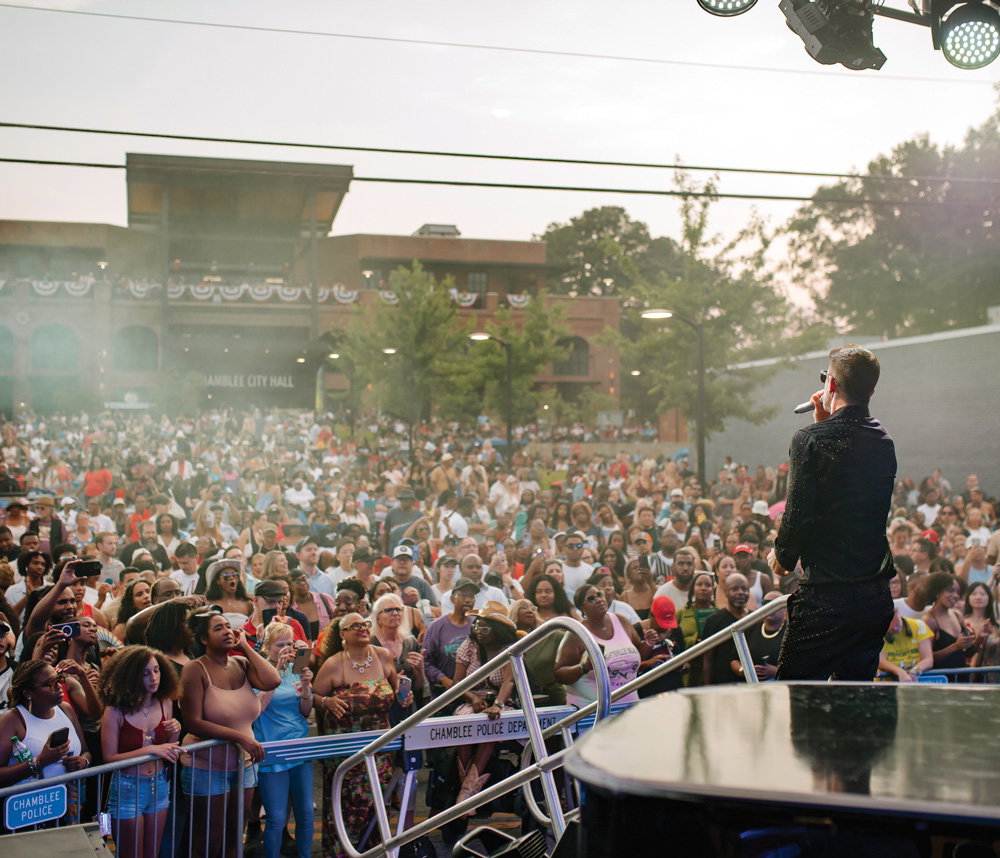
hamblee’s 2026 Fourth of July featuring Robin Thicke
Chamblee’s 2026 Fourth of July featuring Robin Thicke

Photograph by City of Chamblee

Once a quiet railroad stop 14 miles northeast of downtown, Chamblee is now DeKalb County’s fastest-growing city. The recent opening of Spruill Studios at the old city hall helped solidify its reputation as an arts hub. A block down the road, Little Thistle Studio offers workshops on art skills like beginners’ sketchbook drawing, and the Distillery of Modern Art welcomes patrons to sip cocktails made with its own craft spirits (try the Nouveau Gin and tonic) while checking out murals by local contemporary artists. Hunting for vintage paintings or pottery? Don’t miss the city’s famed Antique Row: Its 350 dealers offer everything from vintage clothing to 19th-century watercolors and Polish stoneware. 

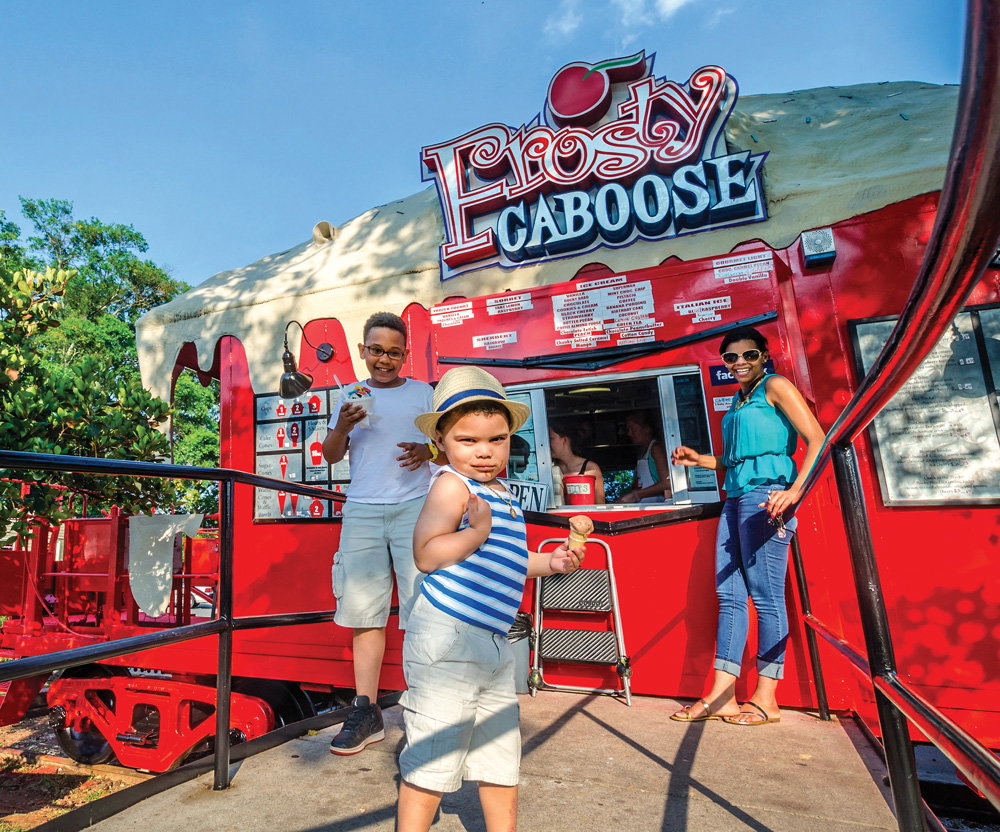
When the weather is nice, there’s no need for a car in this neighborhood. Walk from Chamblee’s MARTA station to the nearly two-mile Rail Trail; lined with outdoor games like bocce and Ping-Pong, it will eventually merge with the Peachtree Creek Greenway. A few blocks east, find downtown’s historic brick storefronts, where you can pop into Kin Coffee Co. for a meticulously crafted latte or sit on the patio at Southbound and order some of the best fried green tomatoes you’ve ever tasted. For dessert, brace yourself for the line at nearby Frosty Caboose; set in a converted train car, this landmark’s cookies-and-cream cone is worth the wait. 

the exterior of Frosty Caboose
Frosty Caboose

Photograph by Carmen K. Sisson/Cloudybright

an array of dishes over a rustic table
Southbound

Courtesy of Southbound

Why it’s hopping:
After decades of stagnation, Chamblee’s downtown began to revitalize in 2000. City leaders developed a master plan to make the area more walkable, and vintage buildings started to fill with restaurants and shops. Recent additions to the downtown scene include micro food hall Chamblee Tap and Market, as well as Atlanta Golf & Social, a golf club and bar in one. It’s all drawing a diverse population—one-third of Chamblee’s residents weren’t born in the United States—that’s also relatively young: The largest segment is in their 30s.

photograph of Lynn Hale
Lynn Hale

Photograph by Jane Howard Studio

Who calls it home:
Lynn Hale moved to Chamblee a little over a year ago, the same time she opened her downtown wine bar, Chamblee & Vine. “I saw how Chamblee was expanding, and I wanted to get in,” she says. She quickly began collaborating with other neighborhood businesses, hosting “ice cream and wine tastings” with Frosty Caboose and inviting The Alden to host pop-up dinners at her bar after the restaurant was severely damaged by a fire. “We’re a tight-knit community,” she says. “When someone needs help, we all jump in.”

Hale says she enjoys walking the Rail Trail on weekends—she never fails to see her neighbors—and trying the new restaurants there. “Chamblee, to me, is a small town in a big city,” she says. “You walk down the street and you know who people are.”

How the community gathers:
Three times a year, Chamblee’s Urban Art Collective hosts an Art Walk, showcasing the latest works from the group’s 35 artists. This month, the floors of the charming brick warehouse will display jewelry by Ali & Bird, sculptures by Julia Knight, and Dana Reese’s abstract paintings. 

Neighbors usually turn out by the hundreds to sip specialty cocktails, nosh on charcuterie, and support the artists. “People tend to stay a while,” says the collective’s manager, Rebecca Parker. “They always say they’re surprised by how much art they love in one building.” 


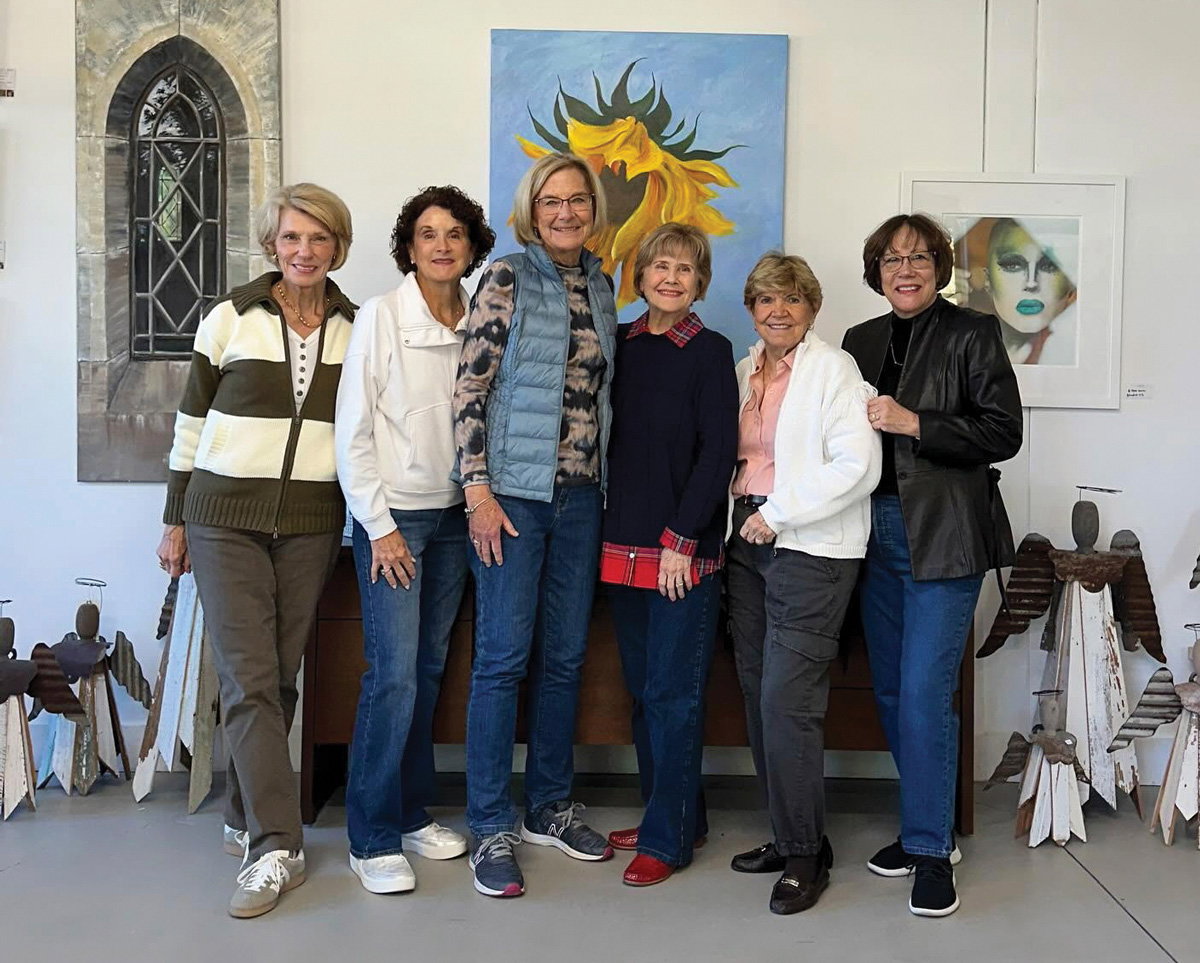
A gropu of women gather an smile for the photo at the Fall Art Walk
Fall Art Walk

Photograph by J Urban Art Collective

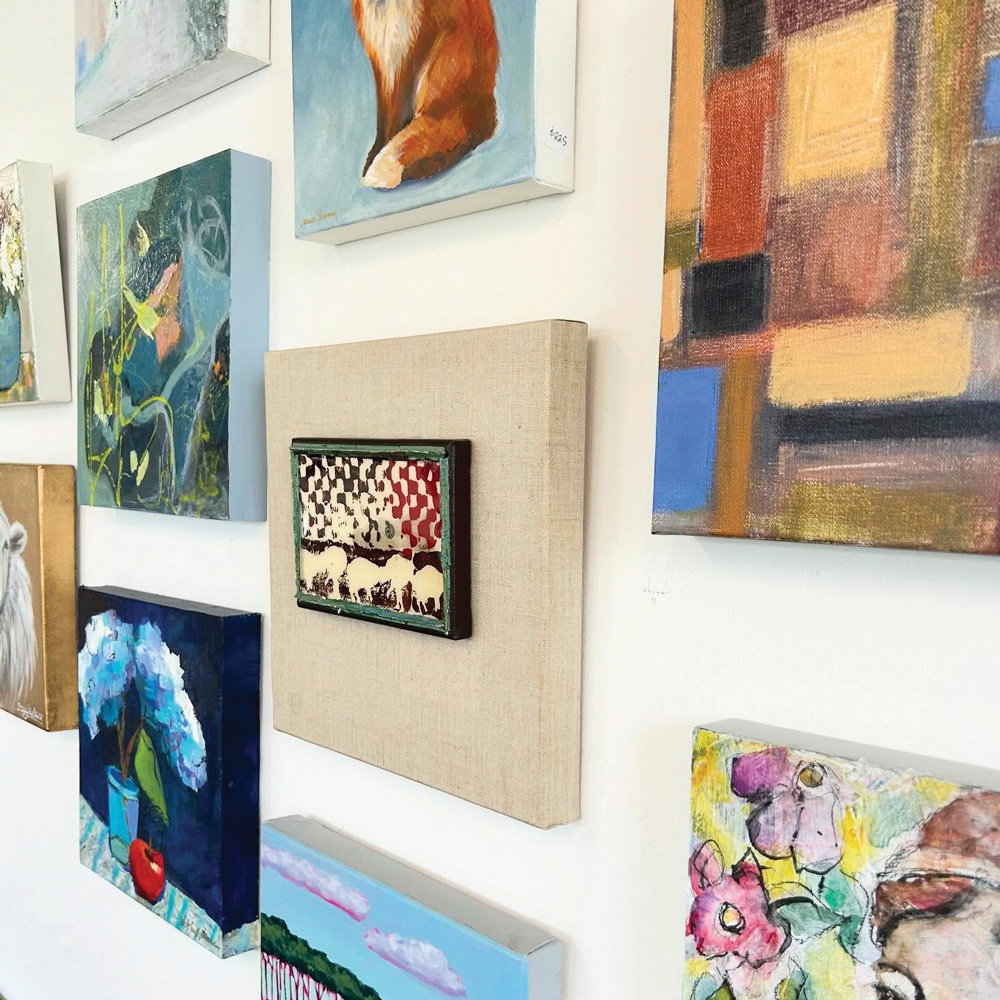
an array of painting at the Fall Art Walk
Fall Art Walk

Photograph by J Urban Art Collective

Fall Art Walk

Date: Sunday, September 13
Cost: Free
Location: Urban Art Collective
Good to know: Can’t make it to the Art Walk? You can still catch the artists’ works on display at Chamblee businesses such as Kin Coffee, Sidetracked Wine Co., and Distillery of Modern Art.


Atlanta’s Third Spaces

The term “third space” has been around for decades but jumped into the cultural consciousness during the pandemic. It describes a physical place that’s distinct from home or work—the “first” and “second” spaces. Check out these Atlanta third spaces.

  • Decatur Library, Decatur
    An inviting columned entryway and five book-lined floors make for a perfect afternoon away from home. Find a nook and enjoy a new read—or, for a social vibe, join one of the library’s book clubs.
  • Colony Square, Midtown
    This plein air plaza has plenty for the whole family. In addition to restaurants and a movie theater, the little Midtown oasis offers yoga, live music, and game-day watch parties—all of them gratis. 
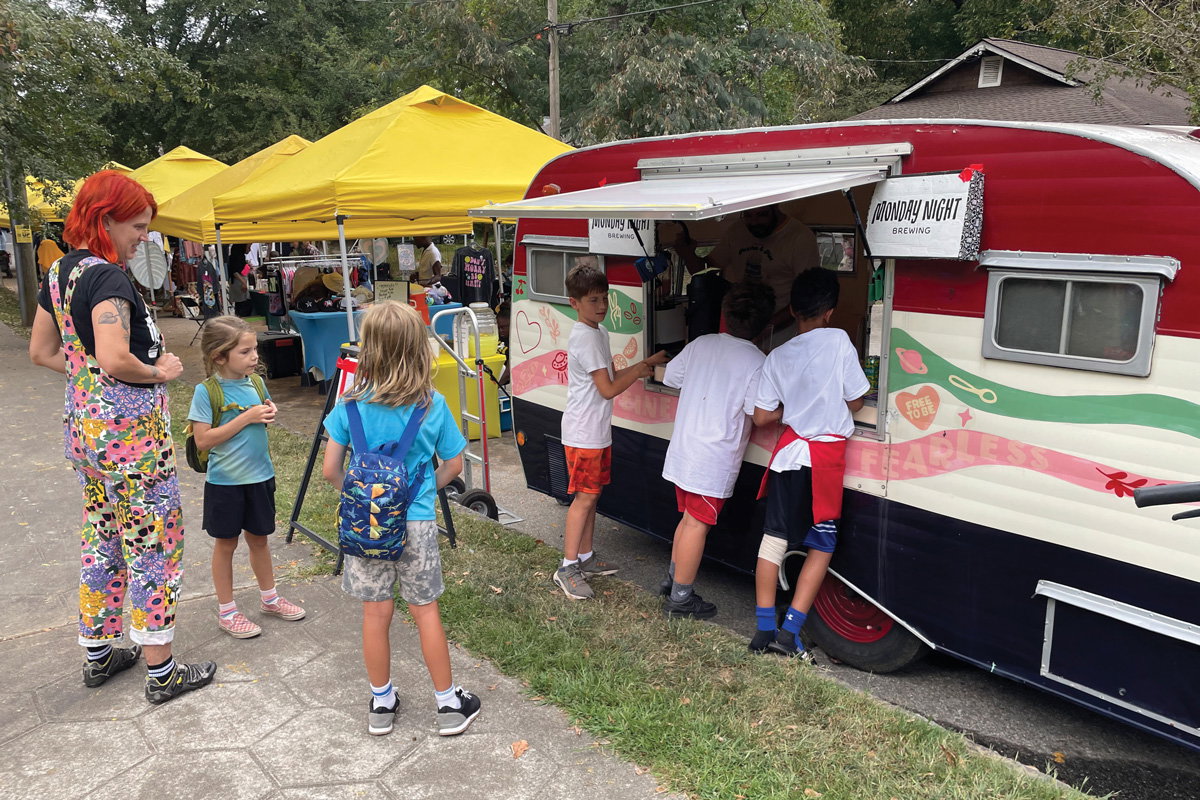
  • Monday Night Brewing at The Grove, West End
    Catch a break from the workweek with a brew and conversation at this new indoor/outdoor bar and gathering space in the West End.
  • Read Shop by The Merchant, Vinings
    This charming cafe is also a boutique bookstore: Flop onto a leather couch with a Read Shop mug and a book, or gather the gang to create a literature-inspired salon.

—Makenna Carlton

This article appears in our September 2026 issue.
Dispatches from Dragon Con 2026

Dragon Con 2026
The Hilton Atlanta had a Teenage Mutant Ninja Turtles theme this year.

Photograph by Myrydd Wells Walljasper

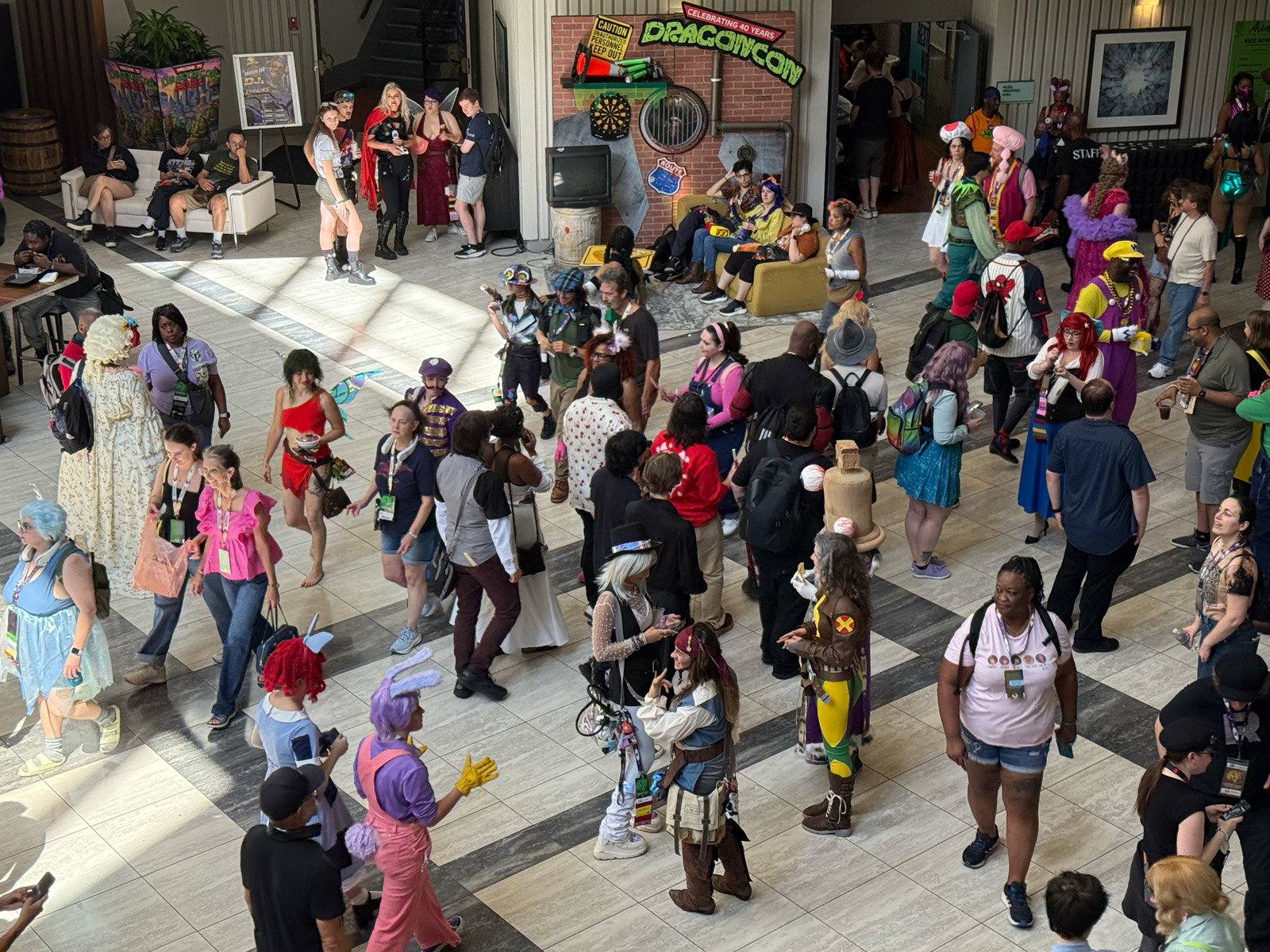
Dragon Con celebrated its 40th anniversary this year with its usual mix of standout cosplay, charity fundraising, and hours of nerdy programming. More than 75,000 fans packed downtown Atlanta during Labor Day weekend to celebrate their fandoms, and convention goers raised more than $320,000 for Hope Atlanta, a nonprofit that helps the unhoused. Here’s our roundup of what we saw as we walked the convention floor.

The cosplay

Dragon Con 2026
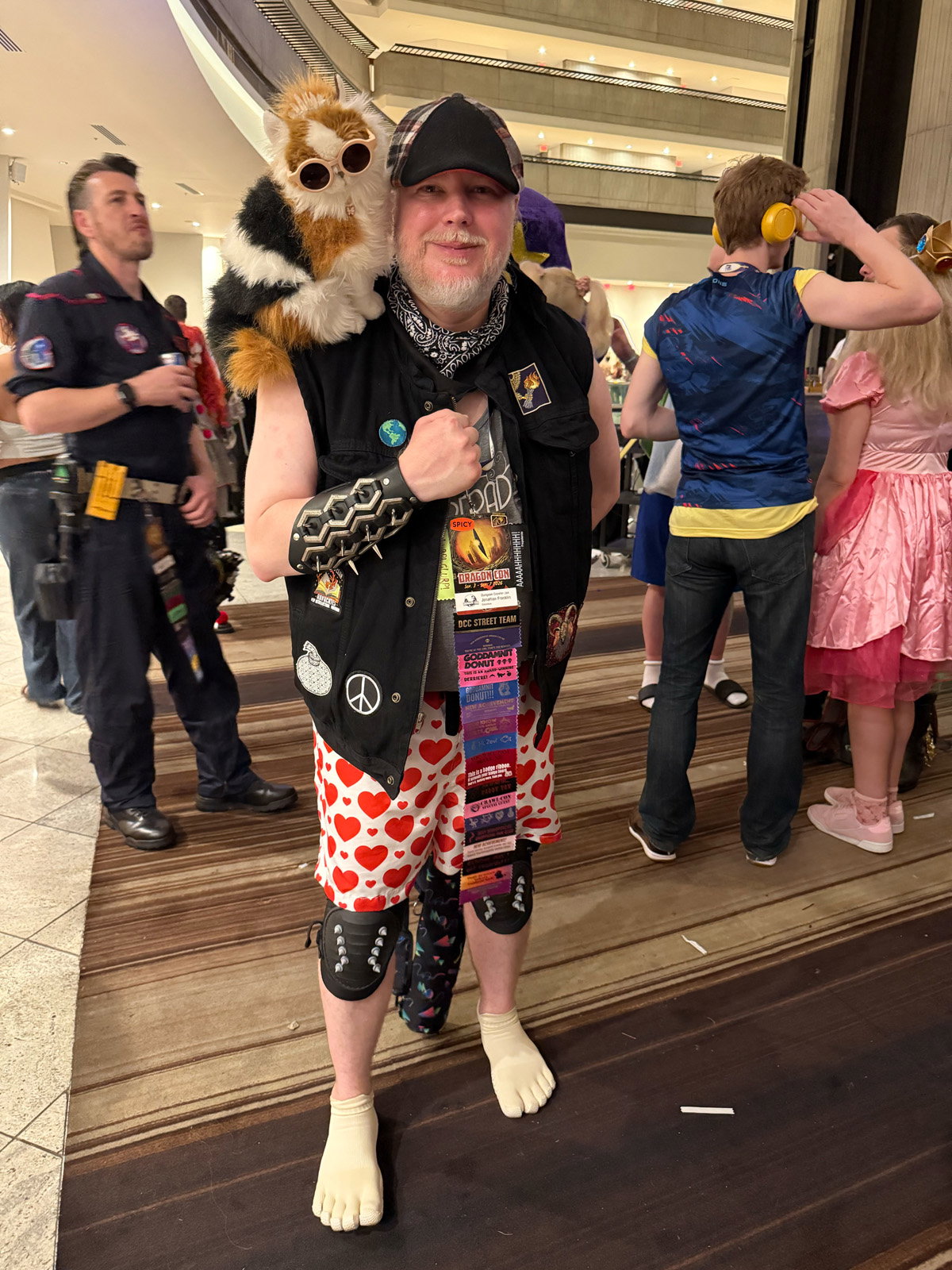
Carl from Dungeon Crawler Carl

Photograph by Myrydd Wells Walljasper

  • Perhaps the most popular cosplay trend this year was Dungeon Crawler Carl, a literary RPG book series about a man and his ex-girlfriend’s cat making their way through a universally televised dungeon crawl after an alien invasion. While the first book was published in 2020, the series recently exploded in popularity, and the cosplay photoshoot for fandom was one of the largest we’ve ever seen. Author Matt Dinniman and Jeff Hays, the series’ audiobook narrator, were guests at Dragon Con, boosting the excitement.
Dragon Con 2026
Ryland Grace and Rocky from Project Hail Mary

Photograph by Myrydd Wells Walljasper

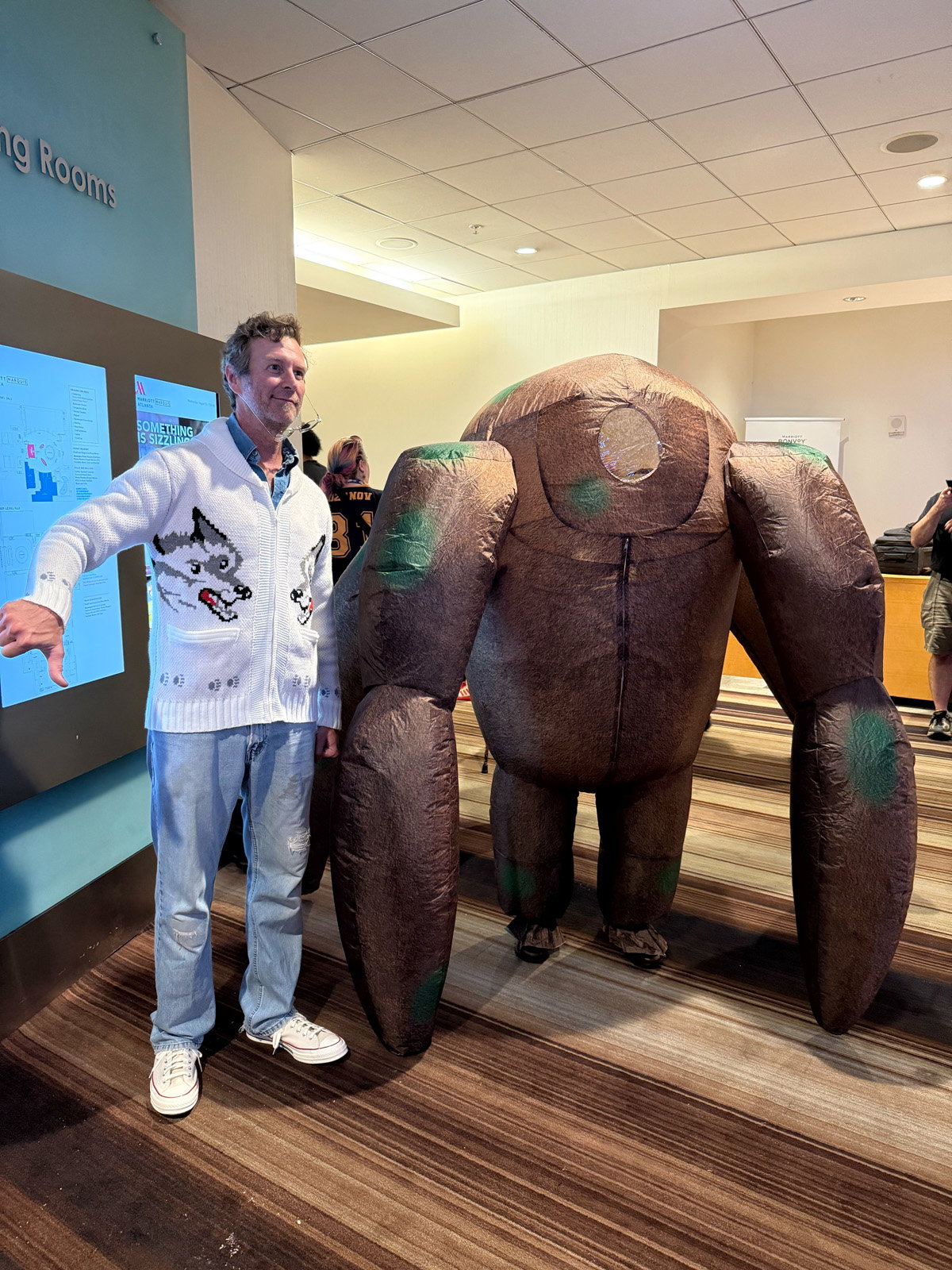
  • Project Hail Mary, the sci-fi film based on Andy Weir’s novel about a science teacher and a rock-like alien trying to save their species from a sun-destroying substance, also had a strong cosplay showing, with several folks building their own versions of Rocky the alien. We saw Rocky as a marionette, an inflatable Rocky, even one Rocky holding his own little solo cup. Amaze, amaze, amaze!
Dragon Con 2026
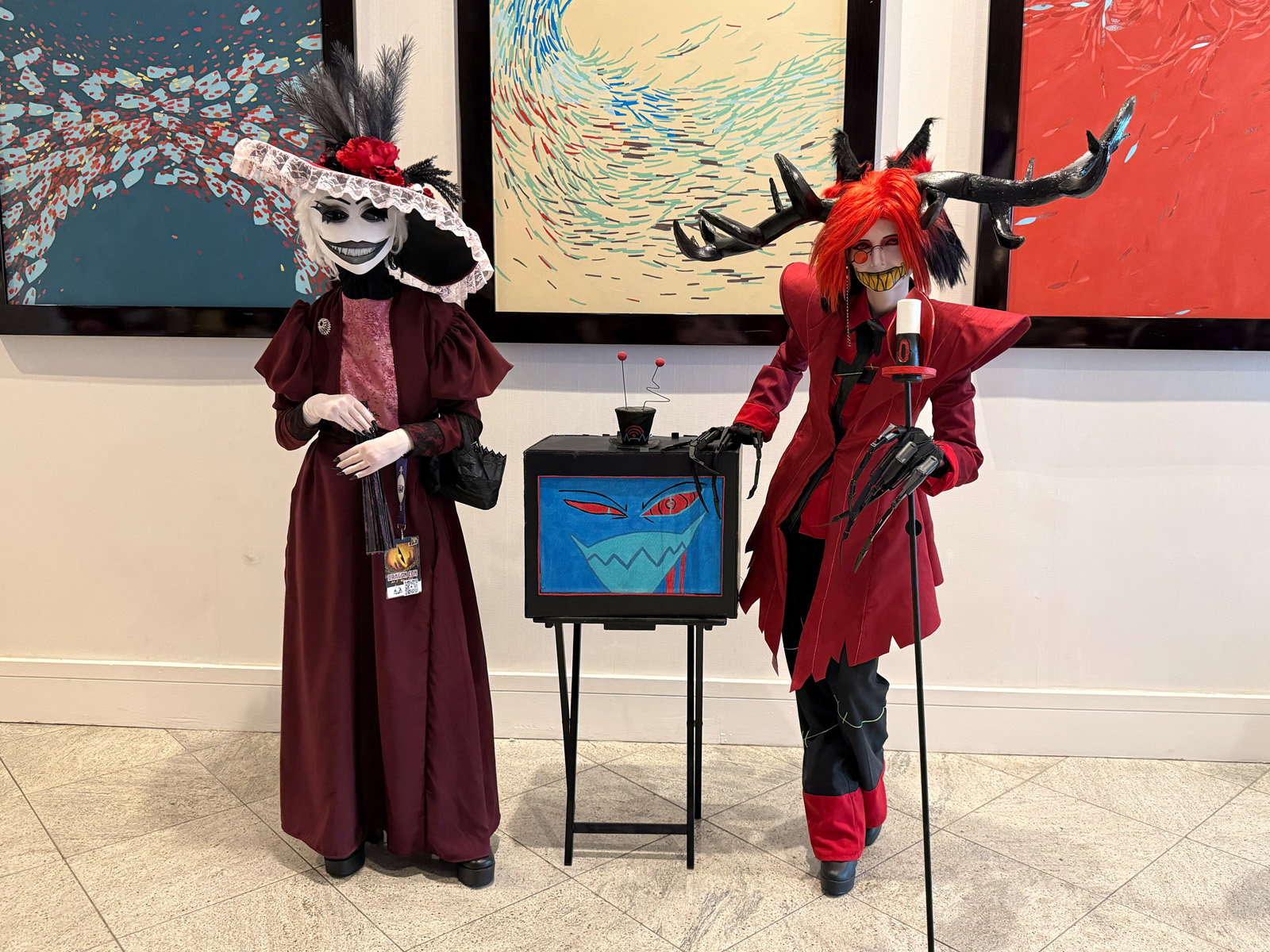
Rosie, Vox, and Alastor from Hazbin Hotel

Photograph by Myrydd Wells Walljasper

  • Other popular cosplay trends included outfits inspired by The Amazing Digital Circus and Hazbin Hotel. Both animated shows are unique in that they started off as homegrown YouTube productions before gaining popularity and making the jump into mainstream as series on Netflix and Amazon respectively. Turnout was also boosted by the fact that several voice actors for The Amazing Digital Circus and Hazbin Hotel creator Vivienne Medrano were guests at the con.
  • Ted Lasso also had a surprising cosplay resurgence this year, likely due to the show’s 4th season airing on Apple TV+. We mostly saw Coach Beards (yes, also wearing those pants) with a few Ted Lassos sprinkled in throughout, reminding us to “believe in believe.”
Dragon Con 2026
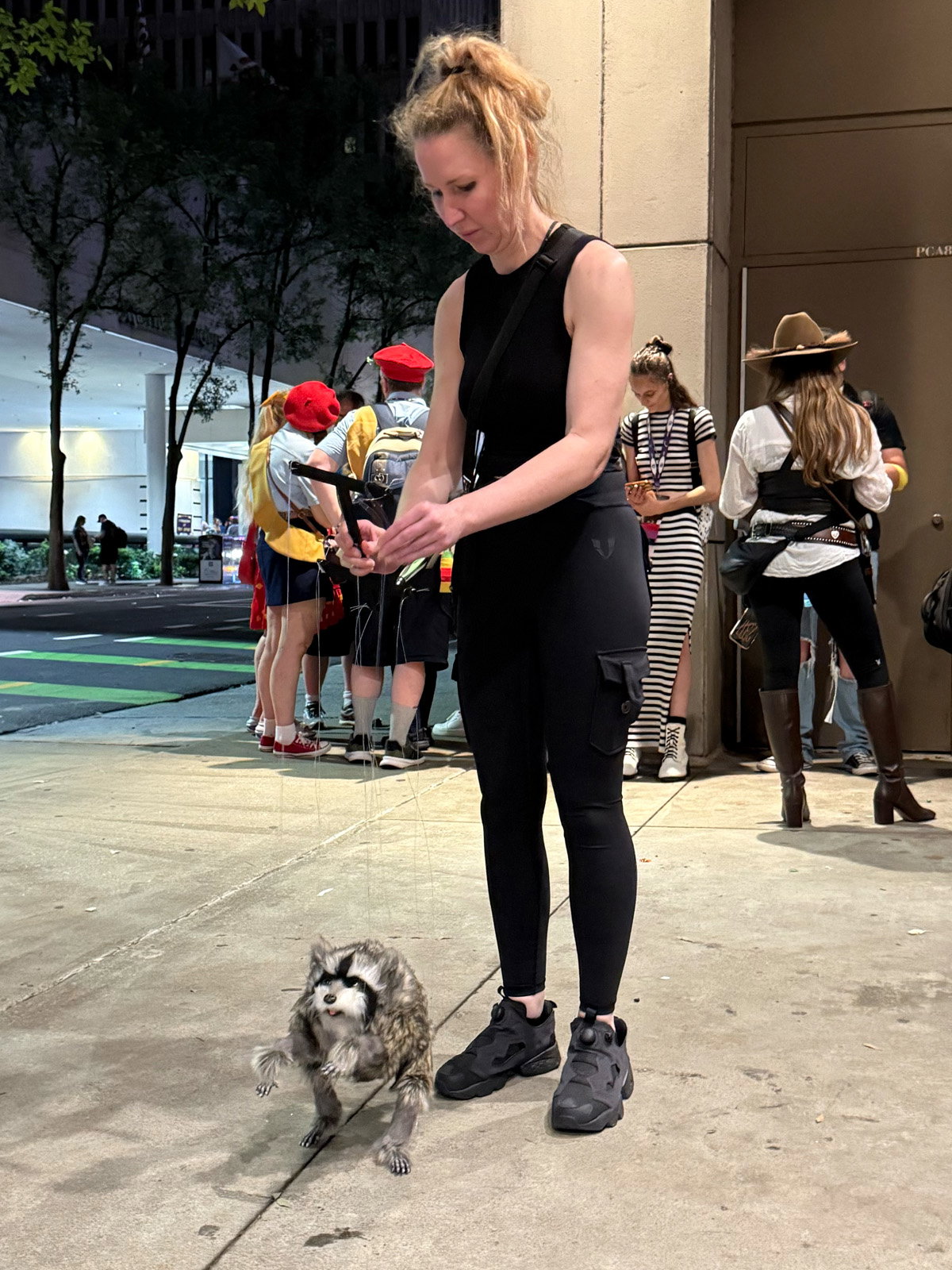
A woman shows off her Jimothy puppet in the line for the Late-Night Puppet Slam.

Photograph by Myrydd Wells Walljasper

  • Dragon Con cosplay always brings in current pop culture memes, and this year was no exception. Seattle’s celebrity raccoon Jimothy was front and center on signs, ribbons, marionette puppets, and one cosplayer in a full-body costume who entertained guests by twerking in the Hyatt lobby. Folks dressed as the grass from Bad Bunny’s Super Bowl LX halftime show were a common sight Thursday night (due to Dragon Con’s Bunny Hutch event) but were also spotted throughout the weekend. And soccer fans still were riding the high from this summer’s World Cup: We spotted a few people dressed as Norwegian striker Erling Haaland and some traffic cone-wielding Scots ready to give the Marriott Marquis lion statues new headwear.
  • We also saw a fair number of Dolly Parton cosplayers, paying tribute to the beloved singer, who died just a week before the convention. On Wednesday, as guests were arriving, Dragon Con held a children’s book drive in honor of Parton’s Imagination Library. More than 5,000 books were collected for the Fulton County Library System and the Georgia Public Library Service. Fans passed around ribbons to honor Parton and the late actor Tim Curry, and an impromptu memorial set up in the hallway connecting the Hyatt and the Marriott also paid tribute to actress Hayden Panettiere, YouTuber Adam the Woo, Optimus Prime voice actor Peter Cullen, and actor Sam Neill, among other celebrities lost this year.
Dragon Con 2026
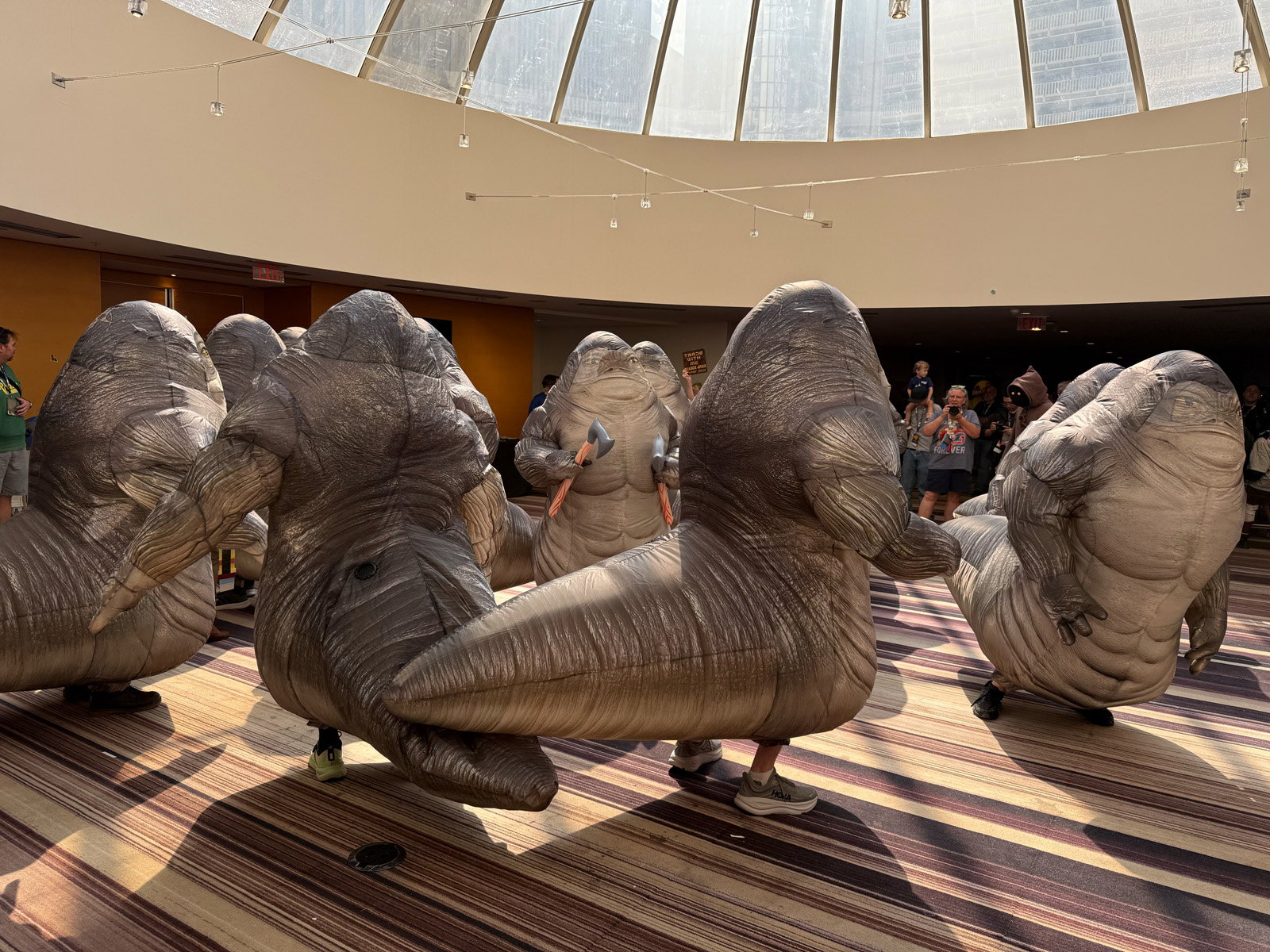
A group of Rotta the Hutts from The Mandalorian and Grogu gather in the Marriott Marquis.

Photograph by Myrydd Wells Walljasper

Dragon Con 2026
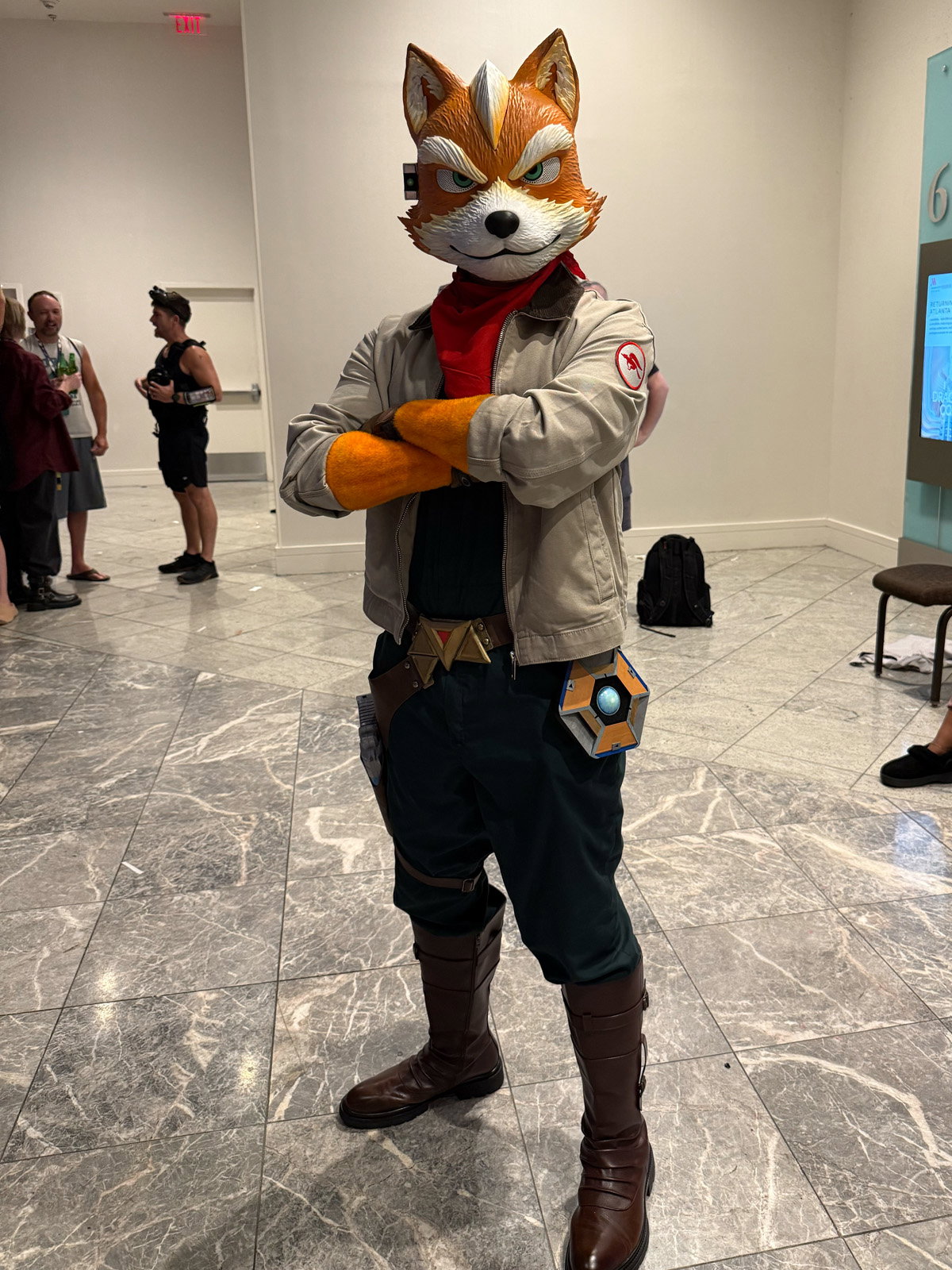
Fox McCloud from Starfox

Photograph by Myrydd Wells Walljasper

Dragon Con 2026
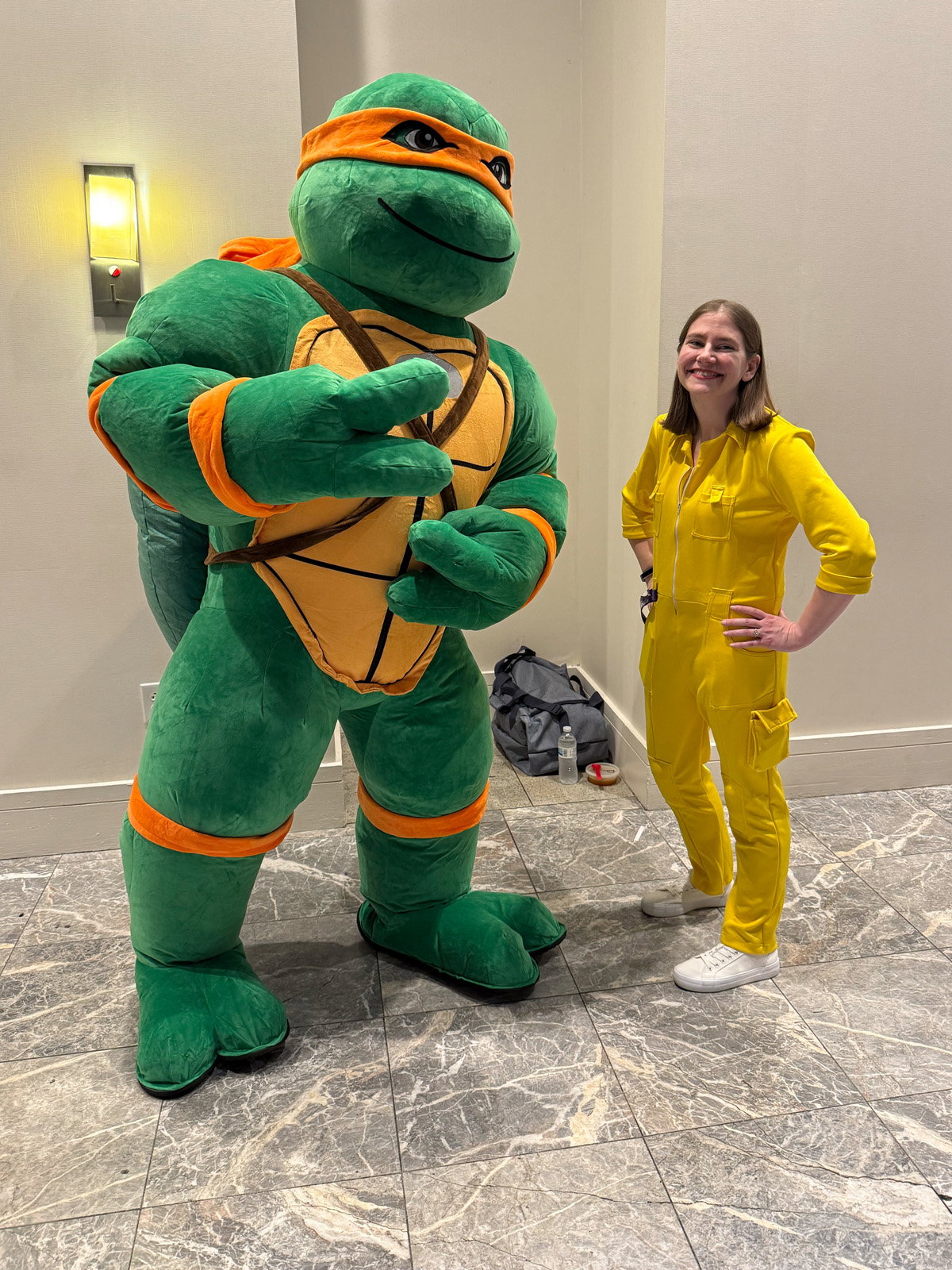
Michelangelo and April O’Neil from Teenage Mutant Ninja Turtles

Photograph by Myrydd Wells Walljasper

What else we saw

  • A mix of technology issues and temperatures in the 90s made the lines for badge pickup on Thursday more miserable for convention goers, with some on social media reporting more than two-hour waits to pick up their passes. Some even posted that folks were passing out from standing outside in the intense heat. In a statement to the Atlanta Journal-Constitution, Dragon Con said the long waits were due to more fans picking up badges on Thursday than usual and “a technology issue that created a slow down in our ability to check in fans and give them their badges.” The issues were resolved, and badge pickup for the rest of the weekend went on as normal.
  • If that wasn’t enough to irritate con goers this year, the Courtland Grand Hotel made enemies before the convention even started. Several months ago, according to an email sent to Courtland guests that was posted on social media, more than 250 reservations were cancelled due to ongoing renovations stemming from an October 2025 fire. Just two weeks ago, another round of cancellations went out, leaving more con goers without their planned accommodations. Problems continued during the convention: On Saturday evening, the HVAC system in the ballroom hosting the Dragon Con Burlesque Show was unable to keep up with demand, leading convention officials to cancel the event.
  • As usual, Dragon Con brought a swath of celebrity guests, including most of the cast of cult sci-fi favorite Firefly: Nathan Fillion, Alan Tudyk, Gina Torres, Jewel Saite, and Summer Glau. Other big names included Lena Headey (Game of Thrones), Denise Richards (Starship Troopers), Sean Astin (Lord of the Rings, The Goonies), Edward James Olmos (Battlestar Galactica, Blade Runner), Katee Sackhoff (Battlestar Galactica, The Mandalorian), and Anson Mount (Star Trek: Discovery).
Dragon Con 2026
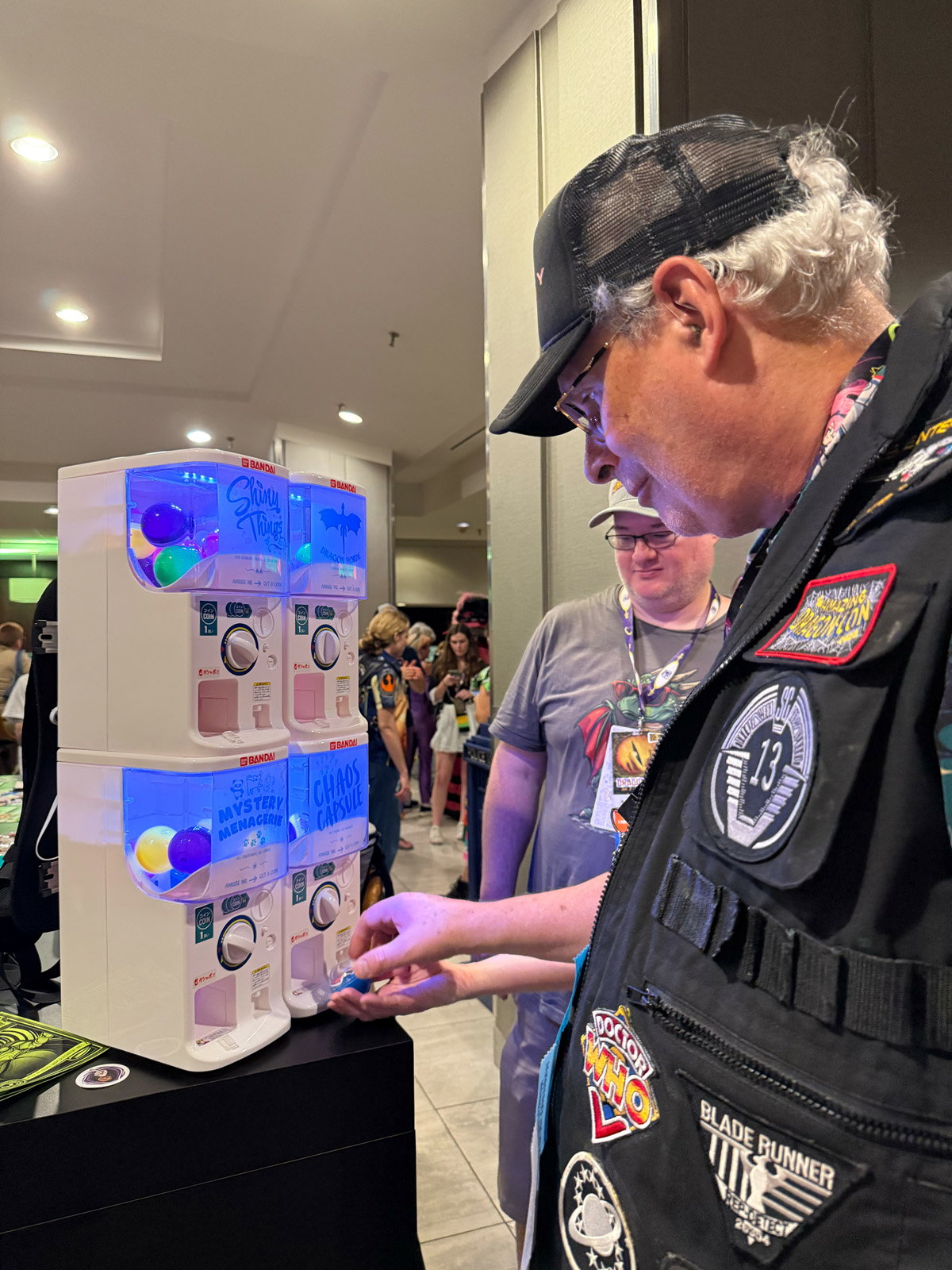
A man operates a fan-made gachapon machine.

Photograph by Myrydd Wells Walljasper

  • We noticed a lot more people hosting games and trinket giveaways along the walls of the host hotels. We earned prizes from at least two homemade gachapon machines and saw several cosplayers passing out candy, stickers, and other little prizes from various carts that matched their outfits. While interactive cosplay like this has always been a Dragon Con tradition (see: Trader Jawa’s and Ollivander’s Wands), there seemed to be more than usual, adding to the fun.
  • For the first time in more than a decade, the Hyatt pool was open for hotel guests. We even spotted some folks swimming in cosplay wigs and helmets.

Ahead of Dunwoody event, Harlan Coben discusses his new memoir “Plot Twist”

0
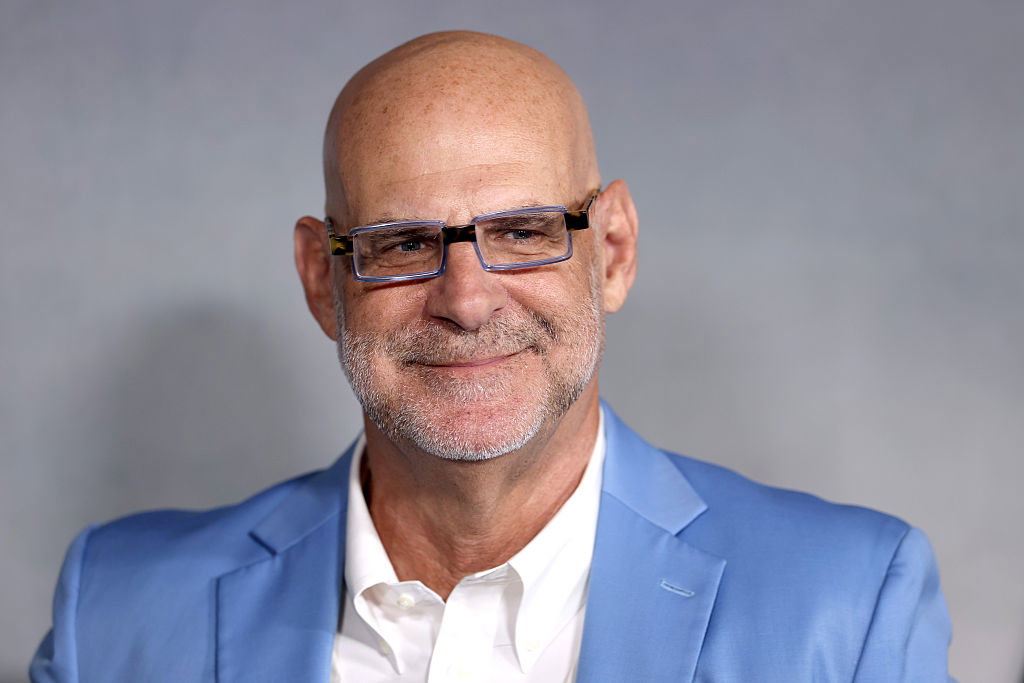
Harlan Coben was dressed sharply as he attended the New York premiere of Harlan Coben’s “I Will Find You” at The Plaza Hotel on June 17, 2026 in New York City. The bestselling author will be in Dunwoody September 10 to discuss his new memoir and writing craft guide “Plot Twist.”

Photo by Michael Loccisano/Getty Images

When Harlan Coben was a kid growing up in Livingston, New Jersey—a suburb outside Newark with mid-century colonial homes and tree-lined streets—he was engrossed by two suburban legends.

One was that a house nearby, marked by two stone lions and a vegetable garden out front, was the home of Richie “the Boot” Boiardo, a Mafia boss. Behind the home, children chattered, was a furnace where Boiardo burned bodies and “people disappeared.”

The second tale was that behind Riker Hill Elementary School, beyond the barbed wire fences and no trespassing sign, was a secret nuclear missile base.

 “When I grew up,” Coben says, “I found out both were true.”

It was a great plot twist, he recounts.

“All life is plot twists,” he says.  

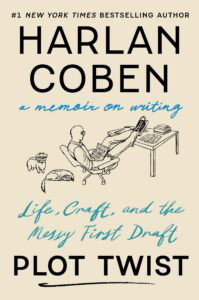
The book cover for Harlan Coben’s new memoir and writing craft book, which hit shelves in the US on September 8.

These stories, and so many more from his own life, inspired the characters, plots, secrets and twists that have made his 36 published books (ten of them New York Times bestsellers) suspenseful reads.

He revisits them in his new memoir and writing craft book “Plot Twist: Life, Craft, and the Messy First Draft: A Memoir on Writing,” which hit shelves September 8.

The nonfiction book (a new style for Coben) interweaves narratives from his own life with lessons he’s absorbed about writing throughout his nearly four-decade-long career—one that has resulted in more than 100 million books in print and a deal with Netflix to produce 14 Harlan Coben branded films and series around the globe.

He will be discussing his new book with Atlanta’s own mystery maven, Karin Slaughter, on stage Thursday night from 7:30-9:30 p.m. at the Marcus Jewish Community Center of Atlanta (MJCCA) in Dunwoody. The conversation is a kickoff event for the 35th annual MJCCA Book Festival coming up November 1-22.

The fact that Coben has written a book like “Plot Twist” at all, he says, is a twist.

“I have sort of been the guy who thought I would never write a memoir or a writing guide,” he says. “This is kind of both.”

Though he didn’t know it at the time, the idea for the book was seeded when Coben started jotting down an outline to teach a masterclass on writing thrillers for BBC’s Maestro program. He describes the experience as attempting to reverse engineer the ingredients he’s spent a lifetime cooking together.

“What actually surprised me about the experience was how much I learned from trying to figure out how I do it,” he says.

The BBC Maestro course ended up being 23 lessons, including segments on research, plot, characters, dialogue, pacing, atmosphere and inspiration. Much of that content appears in “Plot Twist.” However, when he decided to turn the course into a book, it also morphed into a memoir.

“What I realized when I did this was that it’s all, every part of it, is memoir,” he says. For Coben, the writing life—or more broadly, the creative life—is a way of life.

“I hope that it’s a writer’s guide. But it’s more, I think,” he says. “I’m hoping it’s more of a creative or artistic guide. I think that being creative in your own life is just a healthy way to live. It gives you empathy and adds a little more color and texture … I really want to inspire you to be creative in your own life.”

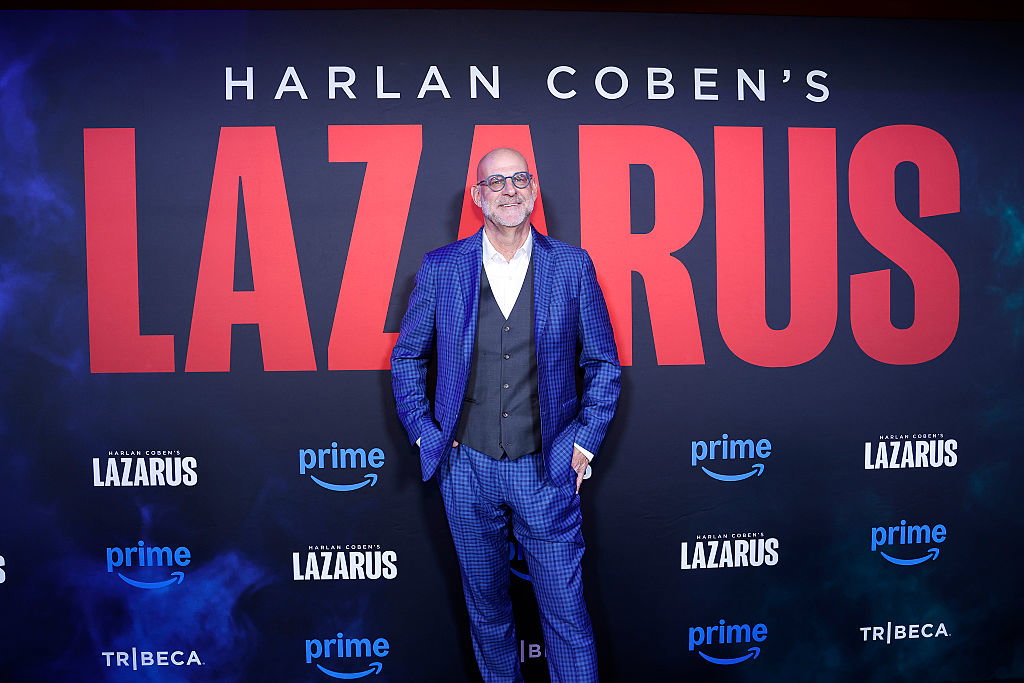
Harlan Coben attends Prime Video’s “Harlan Coben’s Lazarus” special screening at Regal Union Square on October 14, 2025 in New York City.

Photo by John Lamparski/Getty Images

In the book Coben shares his learned wisdom, yes, but he also dismantles what he sees as nonsensical, overly-repeated writing rules. He tears down several, including the notion that every character must have a clear arc of change, that a three-act structure is essential, and that plot and character should be taught as separate disciplines.

“It’s really not the way to teach,” he says. “Everything has to do with everything else.”

He dissects the process of writing, his “GPS theory” (that if you punch in your ending, you can wander off-route with confidence knowing a gentle voice will steer you back) and explores writing routines (which, for him, change frequently — he’s written from the backseat of Ubers, café tables, and even a six-month stint behind a deli counter). His rule: “Does it help me produce pages? Good. Does it not? Bad.”

Throughout the book, Coben remains conversational.

“I really try very hard to be authentic,” he says. “I think that was almost more important than the lessons.”

Tickets to the Harlan Coben and Karin Slaughter discussion are $46.50 and include entry to the event and a copy of “Plot Twist.” Tickets can be purchased online at here.

Follow Us

69,386FansLike
144,836FollowersFollow
493,480FollowersFollow

NEWSLETTERS