
Home 2022

Archives

Review: El Valle is a casually elegant restaurant where it’s easy to enjoy yourself

El Valle
During cocktail hour, El Valle offers plenty of options for sipping and snacking.

Photograph by Martha Williams

Restaurant critics often seek out extreme culinary experiences at the expense of focusing on where most people want to spend their time and money when they go out to dinner. We routinely ignore factors such as creature comforts and convenience, willingly driving to the ends of the earth to collect unfamiliar flavors. We put up with egomaniacal chefs whose performative drive piques our curiosity without satisfying our taste buds. Increasingly, I’ve found myself exhausted by this search, and in need of a pleasant meal. My first visit to El Valle—a modern Mexican restaurant in the old Escorpión space, a few blocks north of the Fox Theatre (800 Peachtree Street, Midtown)—had nothing to do with reaching for a deeper understanding of cuisine. I just wanted to have a good time.

As it turned out, my evening was remarkably free of the usual annoyances. Free parking? Check! Friendly staff? Check! Well-printed menu, sexy cocktails, enough space at the bar for an army, hospitable terrace on two sides of the building? Check, check, check, and check. Also: pleasant acoustics, pretty food, complimentary carbonated water, and, best of all, rarely seen Mexican wines from the Valle de Guadalupe in Baja. I was, if not hooked, then reasonably grateful and eager to return.

When Escorpión opened a little over a decade ago, it was easily the best tequila and mezcal bar around. The food was ambitious, too. But eventually, things started to slip, and I lost track of the place, not even realizing when it closed. The floor plan hasn’t changed in the new El Valle—there’s still a large rectangle of a bar, an intimate and colorful dining room, a casual corner with high-top tables—but the decor, fresher and brighter, is now easier on the eyes. A dizzying number of people, most of them young, are involved: chef Luis Damian and bartender Miguel Chavez, two longtime friends who worked together at Escorpión in its prime; Faye Jonah, who has her own chocolate business and acts as both pastry and savory chef; the Naraghi family (the father, who is in commercial real estate, invested money, and two sons work in the restaurant); and Jennifer Smith, who until recently worked at Lazy Betty, and who delves into her own Mexican heritage here as the lead bartender.

El Valle
El Valle serves a number of exquisite Mexican wines rarely seen in local restaurants.

Photograph by Martha Williams

It is the only place in town where you can sample a large number of frequently exquisite Mexican wines, such as LA Cetto’s nebbiolo—made from a finicky grape that grows only in Italy, Northern California, and Mexico. There are plenty of sipping mezcals, upmarket tequilas, and lovely fresh cocktails named after old Mexican boleros, but the focus is on the little-known vineyards of a country where wine production is the oldest in the New World.
Besides the wine, the most interesting thing to me about El Valle is the delicacy of its food—and the lack of heat. Neither fork-tender boneless short ribs with black garlic mole nor the branzino filet, which is wrapped in a bright-green hoja santa leaf and set on poblano mashed potatoes, even mildly tickled my throat, but they still managed to evoke the more refined aspects of Mexican cuisine. Fresh guacamole comes with tortilla chips that are baked rather than fried, plus spears of raw jicama, carrots, and celery; the fluffy grilled bolillo is a joy to dip into a bowl of mussels in brick-red guajillo broth; and scallop crudo (doused in aguachile marinade and surrounded on the plate by segments of clementine and slivers of celery), halibut ceviche (with charred avocado and prickly pear), and fried soft-shell crab over polenta are all dishes one is happy to nibble on during the cocktail hour.

El Valle
A plate of scallop crudo is doused in aguachile marinade and dotted with citrus and celery.

Photograph by Martha Williams

Some dishes don’t succeed as well, like a flabby octopus tentacle that’s cooked sous vide, grilled, then served with a small dollop of sweet plantain puree and a big swish of pipian sauce. The only texture in the soupy mac and cheese comes from a dusting of chicharrones crumbs. I could be a fan of the cauliflower al pastor tacos, but didn’t like their thin, almost leathery corn tortillas. On the other hand, I look forward to returning to try some of the other dishes I watched whizzing through the dining room, like thick sopes de carnitas and tamarind-marinated steak from one of the owners’ favorite home recipes.

El Valle
Don’t skip dessert and the restaurant’s superlative deconstructed s’mores.

Photograph by Martha Williams

Desserts are a must here, especially the fun deconstructed s’mores with homemade marshmallow fluff, churro puffs, and a huge disc of dense dark chocolate mousse. Figgy toffee pudding, hidden under a cumulonimbus of vanilla ice cream, doesn’t have quite the same visual appeal—but its texture and taste are amazing.

Kernel of truth
The menu’s masa section demonstrates the kitchen’s facility with tacos, sopes, and more.
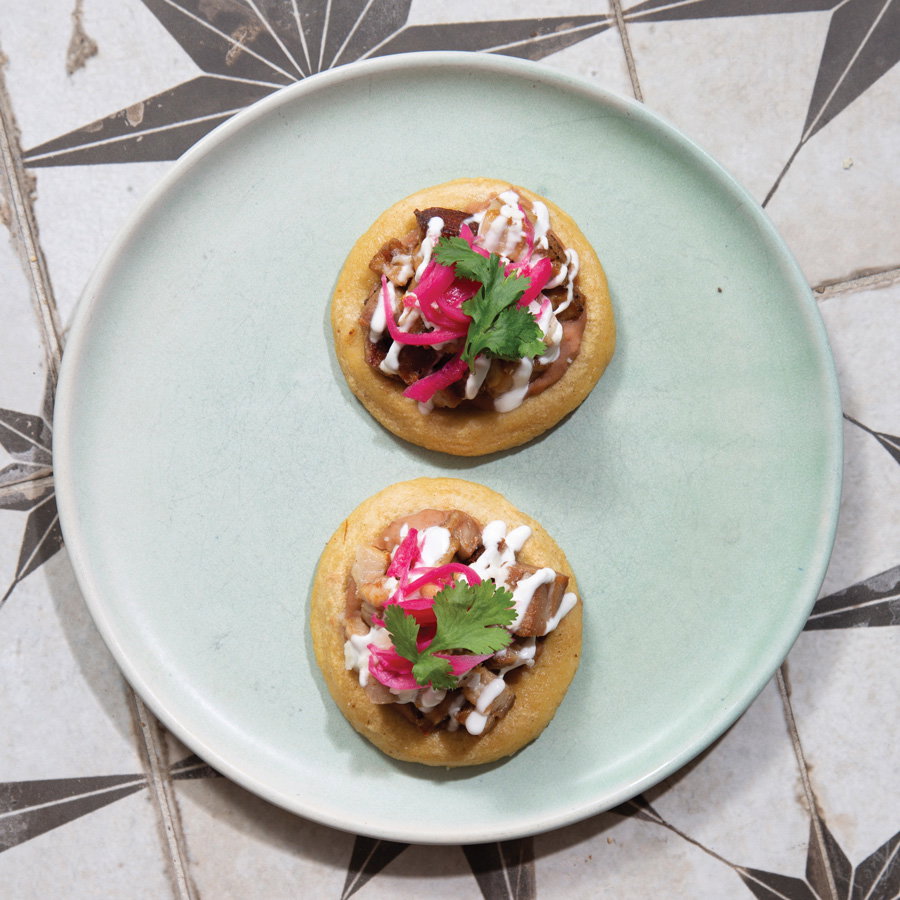
El ValleSopes de carnitas, topped with pork belly, epazote beans, and pickled onions
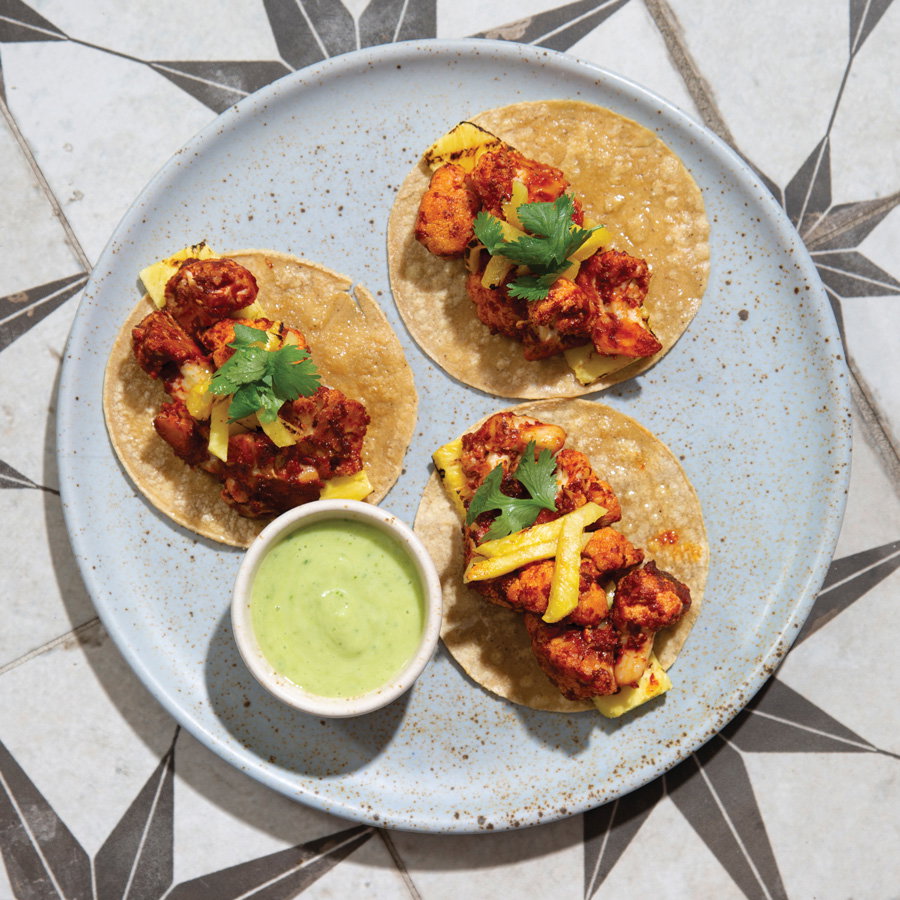
El ValleTacos “al pastor”—but filled with cauliflower rather than pork

El ValleDelicately decorated sincronizada de pulpo—aka octopus quesadilla

This article appears in our July 2022 issue.

Review: From fresh croissants to Vietnamese fried chicken, Juniper Cafe serves something tasty for every hour of the day

Review Juniper Cafe
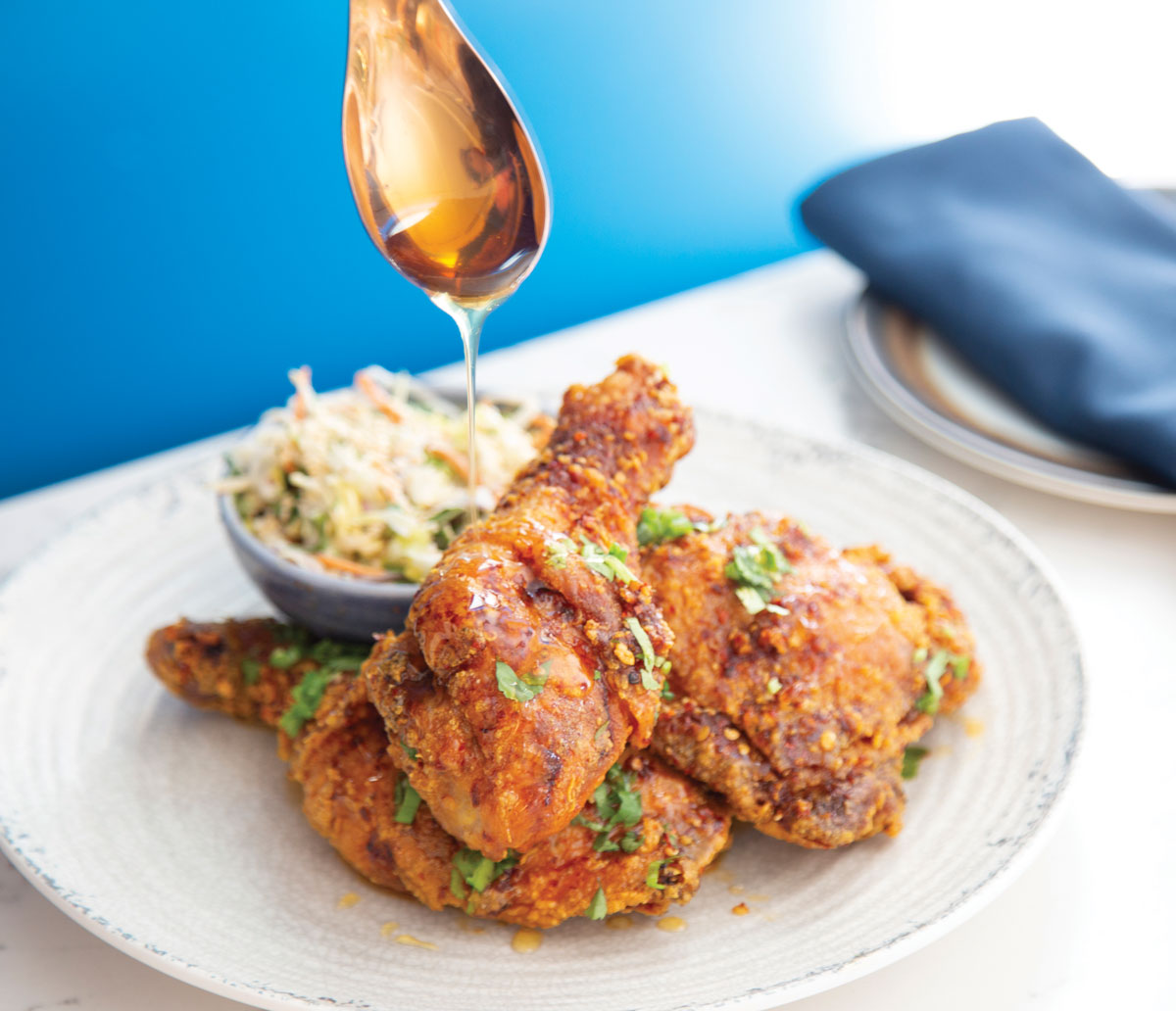
Vietnamese hot fried chicken

Photograph by Martha Williams

The opening of a second restaurant can be a great opportunity for an ambitious chef seeking to expand their brand. In 2016, Ron Hsu’s return from New York marked a big coup for Atlanta dining: In a scene that can lack technique and maturity, he rode into town with an inspiring combination of natural talent and high-level training, courtesy of 10 years working for Eric Ripert at Le Bernardin. He brought that experience to bear at his first venture, the high-end Candler Park restaurant Lazy Betty, which he opened in 2019 with Aaron Phillips—and which has garnered wide acclaim, including a James Beard nomination. I consider Hsu one of the best and most original chefs in the city.

For their second outing, Hsu and Co. turned to a more casual format and a more specific focus: In December, they launched Juniper Cafe (2260 Marietta Boulevard, Bolton), devoted loosely to the fare of Vietnam. Why this direction? It’s not just that Vietnamese is a favorite cuisine of his, Hsu told me—it also sits at the precise intersection of his Chinese roots and French training. Also, in addition to his time at Le Bernardin, Hsu worked in Manhattan at the unfortunately named French-Vietnamese restaurant Le Colonial, whose outposts in Atlanta and elsewhere have been accused of romanticizing—well—French colonialism. Juniper Cafe learned the lesson and avoided the pitfalls.

With none of these exoticizing tendencies on display, Juniper Cafe is chill rather than precious—a sleek, modern all-day eatery that attracts many young families. Its enclosed patio is almost as big, and nearly as attractive, as the dining room, which includes a chef counter and some intimate nooks. Hsu and Phillips both spend time in the kitchen here, but the constant is Hsu’s cousin Evelyn Ling, who’s always behind the stove.

Review Juniper Cafe
Sweet Vietnamese iced coffee

Photograph by Martha Williams

In the morning, Juniper is a great stop for Vietnamese coffee (strong Cafe du Monde, hot or cold, sweetened with condensed milk) and fresh croissants, pork buns, and danishes, all courtesy of baker Chao Wen, who emerges as a hugely accomplished, highly versatile pastry chef. Wen’s greatest hits are the boundary-breaking Turkish egg bread (savory and boat-shaped, with an egg baked right in the middle) and tiny, meltingly tender Portuguese egg custard tarts that are made throughout the day to ensure flakiness.

Hsu calls Juniper Cafe a “craft restaurant”—and I feel it in every bite. Everything is homemade: baguettes, pâté, lemongrass-perfumed Vietnamese sausage, and all the pickles, preserves, sauces, and condiments, including a gloriously spicy chili crisp. Used for banh mi, the baguettes—slimmer and lighter than most—enclose ingredients such as sausage, caramelized pork, spicy chicken, and even eggplant, in addition to pâté, cilantro, and pickled vegetables. A breakfast banh mi is filled with sausage and eggs cooked like a thin frittata.

Review Juniper Cafe
Raw beef cooks on contact with velvety, star anise–scented pho broth.

Photograph by Martha Williams

At dinner, lively starters include a bowl of pleasantly salty shaved fried okra; a delicate pear, citrus, and papaya salad finished with toasted coconut; and fried imperial rolls filled with pork and shrimp. Fresh summer rolls, on the other hand, can be thick and gluey. A forthright spiciness and crunchy surface lend a lot of pleasure to Hsu’s Vietnamese hot fried chicken, which is soaked in buttermilk and ginger, then coated in crumbled fried shallots, garlic, and chili crisp. (The bridge this dish creates between Southeast Asia and the Southeast U.S. is further elaborated by the jicama-cabbage slaw with which it’s served.) “We don’t open boxes of fried shallots and fried garlic,” Hsu told me. “We fry our own and use the flavored oil in our salads”—a technique that gives a lot of flavor to dishes like bun, the Vietnamese noodle salad.

A fair criticism of elevated cuisine is the shrinking size of its portions, evidenced here in a petite serving of plump mussels in a wonderfully fragrant lemongrass-coconut broth with a few slices of grilled baguette on the side; also the miniaturized banh xeo, a crunchy rice crepe made of coconut milk and turmeric and filled with shrimp, Chinese wood-ear and local shiitake mushrooms, and fresh herbs. When I ordered the lemongrass pork chops, likewise, I didn’t anticipate thinly sliced boneless meat. (Speaking of the bang-to-buck ratio: Be aware of the 20 percent service charge added to every bill, which aims to remedy inequalities between the front and back of house—but can be easy to miss.) No complaints, though, about the pho: Made from beef marrow bones and oxtail simmered overnight with star anise, charred onions, fish sauce, and other seasonings, the deeply flavored, almost syrupy broth is poured over raw, thinly sliced eye of round that cooks on contact. Vegans will be pleased about a plant-based pho and vegan fish sauce.

The drinking scene, nearly as ambitious as the eating one, is a big asset. Even before its liquor license came through, Juniper Cafe distinguished itself by bottling its own natural sodas in flavors such as calamansi, acerola black cherry, and a combination of kumquat and yuzu. Juniper’s jewel-colored cocktails are more apt to intrigue diners than overwhelm them with excess sugar and alcohol, and the pan-Asian beverage menu also includes Chinese baijiu, Japanese sake and shochu, and Korean soju and makgeolli, along with a broad selection of beer and wine.

Eggs for days

Juniper Cafe serves beautiful sandwiches and pastries—for breakfast and beyond.

Review Juniper CafeBoat-shaped Turkish egg bread has an oozing yolk in its center.

Review Juniper CafeBreakfast banh mi is stacked with eggs and Vietnamese sausage.

Review Juniper CafeFlaky Portuguese egg tarts are filled with a rich custard.

This article appears in our June 2022 issue.

Review: Daily Chew is a daily oasis

Daily Chew Atlanta
Daily Chew’s food (like a generously filled pita sandwich) can be enjoyed anywhere.

Photograph by Martha Williams

These past couple years, trying to remain connected to the world of food that’s been my passion since childhood, I’ve felt stubbornly healthy—but broken. I still managed to shop in order to feed myself. I went to restaurants when I needed to. But where was the joy? Nothing felt natural anymore. Like many people, I rediscovered daily cooking. Then, I got bored. I started to rely on bread (fresh, when I could find it), cheese (the stinkier the better), organic eggs, and occasional greens plucked from my garden. Lately, I’ve come to find a great deal of pleasure in Julia Kesler Imerman’s new cafe, Daily Chew (2127 Liddell Drive).

I came to it by mistake: I’d wandered off the beaten path of Cheshire Bridge Road looking for crusty sourdough bread made by Sarah Dodge. The peripatetic baker delivers her loaves every Friday to Daily Chew, but I hadn’t done enough research and showed up on the wrong day. As I stood at the outdoor ordering window, trying to decide what to do, a friendly voice said: “You know you can come inside.” And there it was: a small, quiet place with just a barista and a few customers, with one corner devoted to the business of a cafe and another that resembled a living room. There were books to read, fresh pastries to contemplate, espresso to sip. The menu—shakshuka, rotisserie chicken, breakfast bowls—was healthy in a nonthreatening sort of way.

Daily Chew Atlanta
The quiet cafe is a lovely spot to sit with a strawberry muffin and a cortado.

Photograph by Martha Williams

The cafe is an extension of Stop Think Chew, the benevolent food empire Kesler Imerman has been building over the past several years. For me, it’s become a refuge, a calming space addressing my needs for physical and mental nourishment. I had an emotional response to her “brekkie bowls,” for instance, served over a bed of quinoa that’s plump and properly hydrated—a rarity. Kesler Imerman tops each bowl with sliced avocado and a beet-dyed egg with a perfectly gooey yolk, plus feta, radish, green tahini, and hummus. This interplay of sharp, fresh flavors and skillful preparation also characterizes thick pita sandwiches filled with buttery smoked salmon, dill, and preserved lemon. All these superfoods—including chai-flavored chia pudding with coconut milk, almonds, agave, and cranberries—satisfy me the way many in the same virtuous genre do not. Whether I drink a perfect cortado made with Brash coffee beans, or refresh myself with one of the cafe’s creative, seasonally rotating housemade sodas concocted by general manager Kathryn Fitzgerald—like lemonade with lemongrass—my whole body feels the thrill.

At 28 years old, Kesler Imerman is that rare young entrepreneur who has as much common sense as passion. Born Jewish in South Africa and raised in Atlanta, she went to neither culinary school nor business school. After graduating from New York University—she created her own major having to do with entrepreneurship and urban food systems—she worked for Ted Turner’s Captain Planet Foundation, where she focused mainly on school gardens.

Afterward, she moved seamlessly to private chef gigs, small-scale catering, and eventually meal prep and delivery for a health-conscious clientele. The name of the business she started in 2017—Stop Think Chew—said it all. Whether you call it intuitive or mindful eating, Kesler Imerman’s concept of food promotes joyful, healthy eating that doesn’t deny the body what it craves: It’s a philosophy that says it’s okay to eat French fries, South African boerewors (farmers’ sausage, typically flavored with cloves), even a cheeseburger, as long as you know where it comes from and balance it with grains, fresh vegetables, and whole foods of all persuasions.

“Healthy is such a loaded word,” she told me. She may have eaten organic and from-scratch before it was a trend, and made her reputation sneaking vegetables into her menus (rotisserie cabbage, now amended to rotisserie cauliflower). But Kesler Imerman is also a “proper South African,” she said, who eats braai—backyard barbecue—without guilt. Her food makes one full in the holistic sense of the word.

Daily Chew Atlanta
Shakshuka and “brekkie bowls” with eggs and avocado are fresh, vibrant, and nourishing.

Photograph by Martha Williams

Two reasons to bet on Kesler Imerman’s success: She owns her own building (no dealing with predatory landlords), and she’s created a line of distinctive shelf-stable products (soups, sauces, dressings) that she sells through local groceries and Fresh Harvest, as well as at the cafe. I call her the queen of cauliflower Bolognese, and I am not kidding: That jar of bright red, cumin-scented sauce is as satisfying as anything you’ve ever tasted on pasta. Daily Chew’s simple, cozy dining room belies the enormous production space in the back, where director of operations Layla Walk—Kesler Imerman’s right hand—supervises a small staff prepping and packing a remarkable array of items, including my favorite: a soba noodle bowl with bright green edamame, sliced cabbage, and ginger-sesame dressing. This bigger operation drives the business, allowing the cafe to flourish. Plans for the future include an expansion of the breakfast menu (potato latkes, smoked salmon, steak and eggs) and a larger patio.

There are many ways to interact with Stop Think Chew: stopping by the cafe, ordering online for pickup and delivery, scheduling a catered event or a private dinner. Describing work that allows her to jump wherever she’s needed, nourishing people without punishing them, Kesler Imerman put it to me this way: “I try to make a little dent.”

All bottled up
Stop Think Chew sells prepared and packaged foods in addition to fresh fare, including:

Daily Chew AtlantaCauliflower Bolognese, made with San Marzano tomatoes and Calabrian chilis

Daily Chew AtlantaOvernight oats with almond milk, chia, goji berries, and more

Daily Chew AtlantaA line of tasty bottled salad dressings

This article appears in our May 2022 issue.

Review: High praise for Le Bon Nosh, Buckhead’s all-day Parisian cafe

Le Bon Nosh
On the evening menu, duck confit is served over French lentils with carrot-lemongrass puree.

Photograph by Martha Williams

In France, one of the highest compliments one can pay to a dish or a meal is: “It was correct.” Having grown up in this context, where proper execution is valued and silly hyperbole frowned upon, I am delighted to say that Forough Vakili’s posh new all-day restaurant in Buckhead—a celebration of the Parisian grand cafe—is bold, elegant, but above all, correct on almost every level. Located in a soaring space on the ground floor of the Irby condo building, Le Bon Nosh is a big-budget production, with acres of shiny marble counters, tile insets, and buttery drapes descending from 25-foot ceilings. Some corners of the restaurant are communal and almost utilitarian; others, such as the wine bar, plush and sexy. Two-thirds French, one-third Yiddish, the name of the establishment speaks of goodness and indulgent yet informal meals.

THE TEAM

Vakili, who moved to the United States from Iran as an adolescent, has a technical background: She studied chemical engineering at Georgia Tech before deciding to attend culinary school at Le Cordon Bleu in Paris, moving thereafter to a stage in a two-Michelin-star restaurant in Brittany. Now in her late 30s, she has become the food entrepreneur she always wanted to be. The other star here is pastry chef Daniella Lea Rada, formerly a baker across the street at the St. Regis Hotel.

THE FOOD

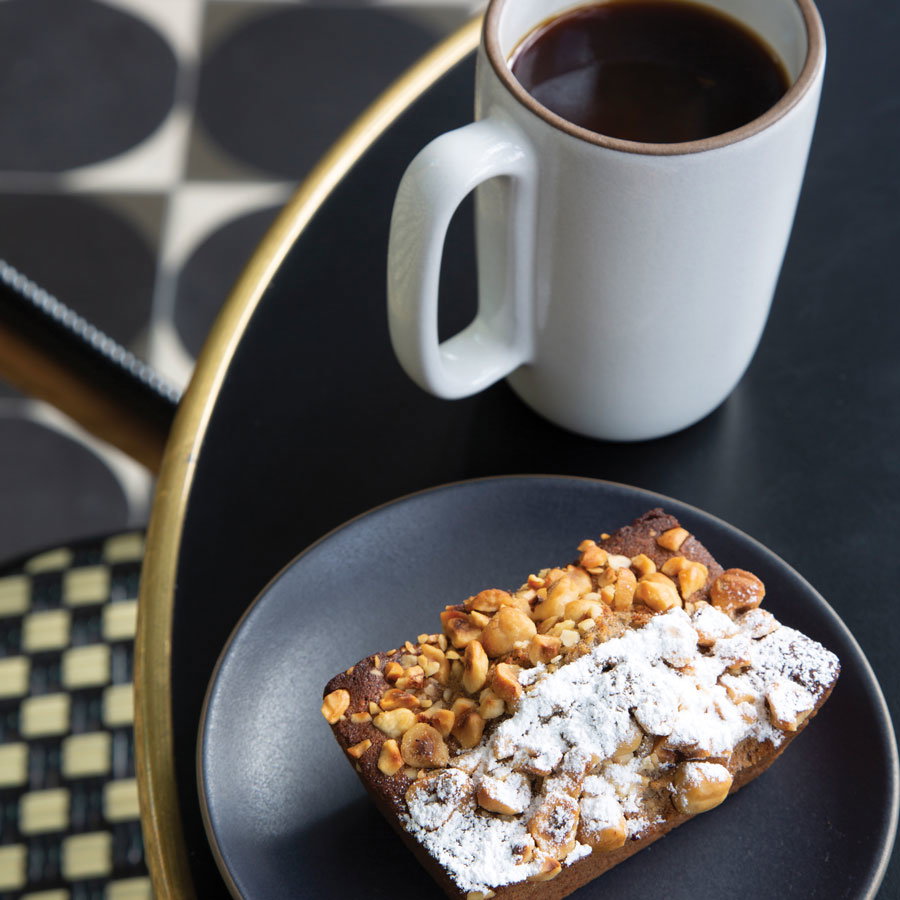
Le Bon Nosh has a terrific coffee program (Intelligentsia) and quality breakfast and brunch options—tall Belgian waffles, cumin-scented shakshuka, and healthy, trendy dishes like chia-seed puddings and power bowls with bone broth, eggs, bacon, and avocado. But most of the food is driven by the bakery; for me, it is sufficient to start the day dunking a perfectly tender plain croissant into an Americano, or nibbling buttered sourdough bread with a rose-petal latte on the side and dreaming of Paris. Lingering in the cafe as the morning progresses, it’s a special joy to watch the pastry case fill up with almond croissants, scones flecked with orange zest, and a loaf version of hazelnut financiers perfumed with beurre noisette.

My absolute favorite things to eat are the extraordinary savory galettes that show up around lunchtime. As large as a sheet cake but flatter, they combine seasonal ingredients and a triumphant amount of melting cheese on a base of flaky puff pastry. Imagine the pleasure you will get from a hot square of leek and pear galette awash in Gruyère, or from any other combination involving crisp lardons, young onions, hazelnuts, and/or chard or mushrooms. Salads, prepared ahead of time and available in two sizes, may feature the hearty flavors of dark, tiny lentilles du Puys dotted with local feta and walnuts, or shredded kale that’s been tamed into submission by a tart dressing.

Le Bon Nosh
Savory galettes are baked in massive sheets and served by the slice, with toppings like leek and pear; hearty salads are prepared ahead and available in two sizes.

Photograph by Martha Williams

Establishing Le Bon Nosh as a wine bar is taking some effort. The menu sends mixed messages. On the one hand, there are plenty of light options to snack on: sweet and spicy fried almonds, classic steak tartare, crudités with whipped feta, even casual, if hefty, tartines. On the other hand, something about the presence of a giant wood-grilled Georgia prime rib-eye, or even an (admittedly impeccable) pappardelle with Bolognese and Grana Padano, feels too serious, too restauranty, for a wine-focused evening. There is nothing wrong with the duck confit over French lentils except its price, which—at $36—may cause you to whistle and mumble “Expensive little leg!” under your breath when it is set in front of you. The dessert I was dead-set on, ile flottante—poached meringue launched on creme anglaise with Persian flavors—was no longer on the menu when I tried to order it, but a not-too-sweet date and chocolate cake was a tasty consolation.

THE DRINKS

The entirely Gallic wine list (a single page, with whites on one side and reds on the reverse, all listed by grape varietal) is supposed to demystify French wines. Good producers, excellent service, and thin-stemmed Spiegelau glasses all make a powerful impression, but, here again, the price for a Chateauneuf-du-Pape (a 2015 Domaine Duclaux, for $29 a glass) may be a shock to your system. Pick a simple vin d’Anjou or a bubbly cremant rather than a ruinous Champagne, and don’t worry about the list not being especially deep.

THE VIBE

Everything from the cute cutlery to the curvy water carafes and the plate under the lobster salad has been chosen by an owner who is also an aesthete. The transformation of a giant concrete cavern into a two-story, palatial yet warm space to hang out is a tribute to Vakili, whose nostalgia for Paris and Brittany is genuine. Check out the private dining room at the top of a regal staircase. Admire Vakili’s cookbook collection, arranged on shelves you wish were your own. Explore the nooks and crannies of a gorgeous little wrap-around terrace furnished in the French style. You’ll hardly ever have an opportunity to open your laptop or chitchat with a friend in such an elegant space!

Le Bon Nosh

THE VERDICT

Eventually, Le Bon Nosh would like to be more like a Dean & DeLuca emporium—marketing its own products (spice blends, Dijon dressing, etc.), hosting cooking lessons, serving as a center for the food-obsessed community. At the moment, though, we can be happy to have an elegant cafe that makes its own pastries and serves quality, French-leaning food without the froofery of full service.

Must-try pastries

Le Bon NoshSome of the finest items at Le Bon Nosh are Daniella Lea Rada’s gorgeous pastries, like this rich hazelnut financier . . .

Le Bon Nosh. . . this classic pain au chocolat (best enjoyed with a rose latte) . . .

Le Bon Nosh. . . and chaussons aux pommes—aka French apple turnovers.

Rating
★ ★ ★ ★
65 Irby Avenue, Buckhead
lebonnosh.com

This article appears in our April 2022 issue.

Review: Pop-up Gigi’s Italian Kitchen marries checkered-tablecloth nostalgia with modern technique

Gigi's Italian Kitchen
Gato’s dining room, transformed into a space where Stanley Tucci could feel at home.

Photograph by Martha Williams

Atlanta has Italian restaurants of all stripes, but what it has lacked—until now—is a place combining the cheesy romance of an old-school Italian American red-sauce joint with modern culinary techniques and refined presentations. The idea for Gigi’s Italian Kitchen came to Eric Brooks in 2019 while he was visiting North Beach—San Francisco’s bustling Little Italy neighborhood, where famous chefs like April Bloomfield had injected new energy into beloved classic places like Tosca Cafe. Why, he asked himself, don’t we have something like that in Atlanta?

Brooks and his friend Jacob Armando had been talking about launching a pop-up; in 2019, after San Francisco, they began laying out the vision for what would be Gigi’s, and began doing gigs around town. Their current situation is a three-night-a-week residency at Gato, Nicholas Stinson’s Candler Park restaurant that, over the years, has served as an incubator for a wide array of talented chefs and promising concepts. (See sidebar at the end of this article.) Gigi’s menu changes significantly from week to week; the constant is the thoroughly impressive food.

THE TEAM

Both partners are young Southern dudes with experience in fine dining—they met in the kitchen at Bacchanalia, where Brooks was a sous chef. Armando, who recently turned 28, grew up in Stone Mountain and Decatur, where his family ran a humble meat-and-three. Brooks, 30, was born in East Point. His father has a small organic farm in Fairburn and has sold vegetables to places like Bacchanalia and Kimball House. Helping his dad out gave Brooks his entry into the restaurant world, and gave him a nickname: “Green Guy,” shortened to “GG” and eventually the inspiration behind “Gigi’s.”

Gigi's Italian Kitchen
Gigi’s grilled brassicas

Photograph by Martha Williams

THE FOOD

“Don’t give people too many choices,” Armando told me. “They’ll make the wrong one.” I truly appreciate the partners’ tightly curated menu. The ultrathin eye-of-round carpaccio—painted with a lick of arugula salsa verde and showered with young arugula leaves, torn rice crackers, and large flakes of Manchego—is magical in its tender intensity. The exquisite fried polenta cake with creme fraiche and caviars (both trout roe and sturgeon eggs) blew me away the first time I stopped by. The chefs also have a way with brassicas, as evidenced by a mixture of cauliflower, broccolini, cabbage, and broccolo fiolaro (from Bartram Trail, a farm in Winterville specializing in seasonal organic vegetables for chefs) that they cook over coals on a yakitori grill, season with Calabrian chilis, and serve with a briny white anchovy condiment.

Brooks and Armando employ the same yakitori contraption—which has been used at Gato for years—for a six-ounce prime New York strip, which they plate with bordelaise and collard greens (from Brooks’s dad’s farm) glazed in cacio e pepe sauce. There’s usually a single pasta, made in-house: spaghetti alla chitarra in tomato sauce, or cavatelli with paper-thin hakurei turnips, fleshy maitake mushrooms, and a sauce of pureed turnips. Everything on the menu, from crab-stuffed arancini to chicken Milanese, is as precisely prepared as anything you’d find in a fine-dining establishment. For dessert, the partners got a recipe for cloudlike, classically constructed tiramisu from Poor Hendrix’s Aaron Russell—a friend, as well as one of the city’s best pastry chefs.

THE DRINKS

The limited beverage options, curated by Brooks, Armando, and Stinson—a few cocktails, a short wine list—are clever and appropriate for so small a menu and so tiny a crew. I was quite a fan of the Godfather—a smooth, two-ingredient cocktail of Scotch and amaretto—but preferred, in general, to stick to wine, especially the white Monferrato from the Piedmont.

THE VIBE

Operating Sunday through Tuesday, Gigi’s transforms Gato’s narrow, intimate dining room into a space that Stanley Tucci would surely appreciate—checkered tablecloths, candelabras dripping with wax. The latter are family heirlooms purchased decades ago by Armando’s grandmother, an antiques dealer and restaurateur. Gato’s diner-style counter serves as a hangout for those who like to watch the cooking and, almost like in a sushi restaurant, receive their food directly from the hands of the chefs.

Gigi's Italian Kitchen
Gigi’s admirably concise menu includes a magical carpaccio with salsa verde and Manchego.

Photograph by Martha Williams

THE VERDICT

Gato keeps finding perfect roommates, and Gigi’s shares some of the love for fresh produce and fine detail as the restaurant whose space it occupies part-time. Seasonal, spontaneous in the best of ways, the cooking takes full advantage of the setting. The chefs will undoubtedly switch to a place of their own. Catch these young talents early, and support a career that holds many promises.

Rating
★ ★ ★
Excellent
1660 McLendon Avenue, Candler Park
@gigisitaliankitchen

All Gato’s children

Since taking it over a decade ago, Nicholas Stinson has turned his Candler Park spot into a launchpad for ambitious food pop-ups—some of which have gone on to become full-fledged restaurants.

Little Bear
Before settling into his Summerhill brick-and-mortar, Jarrett Stieber made a name for himself with Eat Me Speak Me, a pop-up series that served as a showcase for his particular art: high-concept food that doesn’t take itself too seriously.

Talat Market
Parnass Savang and Rod Lassiter’s endlessly interesting culinary project—Thai technique meets Georgia produce—came to prominence through a residency that launched here in 2017. Now, they have Summerhill digs of their own; their many fans, meanwhile, enjoy more consistent access to Talat’s crispy rice salad.

Mighty Hans
No permanent space yet, but here’s hoping. Since last year, Fu-Mao Sun has been drawing crowds on Saturdays with fantastic Taiwanese breakfast dishes, including scallion pancakes with bacon, egg, and cheese, and fan tuan, a handheld snack of sticky rice wrapped around assorted savory fillings, including pork floss and pickled radish.

This article appears in our March 2022 issue.

Review: At Nur Kitchen, chef Shay Lavi spins a world of fresh flavors

Review: At Nur Kitchen, chef Shay Lavi spins a world of fresh flavorsNur Kitchen didn’t make much of a splash when it opened in 2020. The cozy restaurant faces Buford Highway a few minutes beyond the Perimeter, part of a posh shopping center called the Global Forum. The plaza still features some of the Korean businesses that predominate on this side of I-285, including a luxurious health spa and one of the best karaoke lounges in town (Karaoke Melody 2). But its makeup is changing, propelled in part by a giant event facility with a kosher kitchen that opened up in 2016, which now attracts many a Jewish wedding. Things for Nur Kitchen, which bills itself as a “modern Mediterranean” restaurant, turned around dramatically in 2021, when the owner of the Forum brought in Shay Lavi.

Lavi, who was in the Israeli Navy before moving to Atlanta in 2015 with his American wife, is both a workhorse and an incredibly talented chef. While the term “Mediterranean” can mean almost anything in the world of food, it is an accurate reflection of Lavi’s Libyan and Turkish Sephardic background. A jack-of-all-trades who’s encountered some failures along the way, Lavi earned a living as an in-demand event chef before and after opening the wonderful Rozina Bakehouse & Coffee—which was very much an exotic oddity in its downtown Atlanta location and has since closed. I’ve seen him cook a dozen or so stunning dishes for a party where he simultaneously managed to bake fluffy pita breads, snatch his famous shakshuka from the flames before the eggs started firming up, and put out an unending succession of rich plates kissed with olive oil.

THE FOOD

Israeli cuisine shares many dishes with Palestinian and other Arab cuisines—hummus, baba ghanoush, falafel—but there’s one surefire way to know you’re in an Israeli restaurant: schnitzel. When they moved to the Holy Land, Jews from Germany and Eastern Europe brought with them a love for what was essentially a thin cut of meat, usually veal, breaded and fried in butter. The dish adapted to its new environment: Chicken or turkey breast, fried in oil, became the norm. Chicken schnitzel is the sandwich not to skip at Nur Kitchen, where the meat is packed together with hummus, chopped salad, and tahini into one of the thick pitas baked in the restaurant’s wood-fired oven.

Review: At Nur Kitchen, chef Shay Lavi spins a world of fresh flavors
Lavi stacks marinated chicken thighs for shawarma on a spit with layers of lamb fat in between, and bakes pita bread daily in the restaurant’s wood-fired oven.

Photograph by Martha Williams

Another triumph: an extraordinary vegetarian mezze composed of six to eight little dishes, featuring anything from thinly sliced beets with za’atar labneh to tzatziki, quinoa tabbouleh, sour eggplant, and various salads. Turkish-style mussels, lightly dusted in seasoned flour, fried, and served with mango aioli, are a delightful snack. Creamy hummus is a given, best topped with little balls of fresh falafel, mushroom ragout, or thickly sliced shawarma. Lavi’s shawarma—unlike doner kebab or gyro, typically made with lamb and beef—consists of stacks of marinated chicken thighs that sizzle on a spit with layers of lamb fat between them. Depending on the time of the day, the shawarma can be a little dry, but you can compensate with tahini or tzatziki.

Lavi’s bigger culinary ambitions are revealed in dishes like whole fried or oven-roasted fish, Mediterranean shrimp with vegetables, and a rich lamb burger. Even the giant roasted cauliflower overcomes its status as a vegetarian cliche, finished here with labneh and za’atar. For dessert, there is local ice cream made by Yom, a pleasant but tiny Turkish pistachio baklava, and some seasonal treats, such as sufganiyot for Hanukkah.

Review: At Nur Kitchen, chef Shay Lavi spins a world of fresh flavors
At Nur Kitchen, schnitzel is available on a plate or in a pita with hummus and salad.

Photograph by Martha Williams

THE DRINKS

Numerous Israeli wines and one terrific, mild retsina—a Greek wine infused with pine resin—suffice at the moment, but I’ve seen wine reps circling the dining room, trying to expand a wine list that’s easy to like yet a bit short on glamour. Make sure to order the Turkish coffee, a thick, darker-than-hell brew best sipped through a cube of sugar held between your teeth without stirring the murky grounds.

THE VIBE

You can grab a quick plate of food to eat in the colorful dining room, but the intensely social clientele here tends to linger—and hop from table to table. Larger parties often gather for shared meals, and the chef (blue apron, twisted hair, strikingly pale eyes) steps out of the kitchen to visit with regulars. The plan is for Nur to move, likely this spring, into a larger space in the Global Forum Shopping Center that can accommodate more baked goods, among other things. Lavi will keep the current space open as a more intimate restaurant and oversee both.

Review: At Nur Kitchen, chef Shay Lavi spins a world of fresh flavors

THE VERDICT

I can hardly think of an Atlanta restaurant serving fresher or healthier food than what Lavi cooks at Nur. Whether you order a mixed grill with za’atar fries or a brothy Turkish mess of mussels with crisp pita on top, you sense the balmy Mediterranean hovering in the background. The flavors of sumac, olive oil, and tahini combine in your mouth, and you can feel the sun even in the middle of winter.

Rating
★ ★ ★
Excellent
7130 Buford Highway
nurkitchenusa.com

Mez’ Dispenser

The small dishes that make up Nur’s mezze platter are a highlight of any meal.

Review: At Nur Kitchen, chef Shay Lavi spins a world of fresh flavorsBurned eggplant
With tahini, chopped salad, herbs, and mango dressing

Review: At Nur Kitchen, chef Shay Lavi spins a world of fresh flavorsChopped salad
Dressed in little more than olive oil and lemon juice, salt, and pepper

Review: At Nur Kitchen, chef Shay Lavi spins a world of fresh flavorsBaba ghanoush
A Middle Eastern staple, served here with aioli

This article appears in our February 2022 issue.

Review: Biggerstaff brewpub takes its food as seriously as its beer

Biggerstaff Review
Under chef Davis King, Biggerstaff serves smart, vegetable-forward pub food, such as a magical platter of pickles.

Photograph by Martha Williams

Is it possible to be a brewpub and not serve french fries? Can one fall in love with a plate of pickles? Those are two questions posed—and answered—at Biggerstaff, an exciting new restaurant on Edgewood Avenue. Brewpubs have been part of the Atlanta scene since Max Lager’s opened downtown in 1998, but ones combining good beer with gastronomical ambition have been few and far between. Biggerstaff—a collaboration between owners Clay and Sarah Davies and Ryan Smith, chef and co-owner at Staplehouse—scores big on all accounts. It’s a vegetable-friendly brewpub of a different caliber, skewing fresher and more Southern than any of the competition.

THE TEAM

Clay Davies is an accomplished home brewer with a background in graphic design and advertising; Sarah Davies worked at the preschool attended by Smith’s daughters. After bonding over their love of beer, Smith and Clay Davies decided to go into business together, exploring several locations before settling for the large, open-plan former machine shop right next door to Staplehouse. All seemed rosy except that, according to Georgia liquor laws, the owner of a dining establishment can’t be an investor in a brewery. Described by Davies as “essentially but not technically a partner,” Smith then switched to sweat equity: In exchange for hiring the chef, working out a menu, and continuing to act as a consultant, he receives a salary and a share of the profits. Other talents to reckon with here include manager Don Hart, brewer Chris Collier, and executive chef Davis King—a former Seven Lamps sous chef who’s rapidly climbing the ranks of his profession.

Biggerstaff Review
Biggerstaff’s modern take on the Southern table includes creamy shrimp and grits with hominy.

Photograph by Martha Williams

THE FOOD

Back to those pickles: The first time I stopped at Biggerstaff, I could hardly tear myself away from the almost luminescent seasonal vegetables (small cucumbers, carrots, broad beans, celery stems) gathered on the plate, each pickled according to a separate recipe. Instead of french fries, something the menu calls chickpea fritters—and I call panisses—were stacked like Lincoln Logs and served with a wildly good and eggy sauce gribiche. Roasted oysters with nduja (the recipe now also incorporates lumps of crab meat) sizzled appetizingly.

Biggerstaff Review
Chickpea fritters with sauce gribiche

Photograph by Martha Williams

There are a few things I could quibble with: Smoked Vidalia onion rings were weak, almost fibrous; the smoked brisket sandwich felt like a wimpy French dip. But, on the whole, Biggerstaff brings a great version of the South to the table, from hearty shrimp and grits (with hominy and smoked pork broth) to an Atlanta-style Scotch egg (with housemade lemon-pepper chicken sausage). The elements that King combines on the all-important vegetable plate—when I visited: smoked bok choy, Sea Island red peas, and roasted tiny sweet potatoes—reveal the range of the chef’s talents. I’d rather have a burger than sliders, but the sliders here—with dry-aged beef, American cheese, and bread and butter pickles, served on fresh rolls from TGM Bread—are nonetheless stunning. There’s even dessert (bread pudding, buttermilk pie), with ice cream churned in-house by sous chef Kyle Lewis.

THE DRINKS

Served directly from the shiny tanks where it’s placed following the primary fermentation, Biggerstaff’s beer is exceptionally clean and palate friendly, with none of the funk I usually object to in most of our local brews. Top-of-the-line stainless-steel equipment allows the various styles—West Coast IPA, single-hop pale ale, dry-hopped wheat kettle sour, creamy amber lager, a stout with the alcohol content and mouthfeel of a Guinness, and an unusual but eminently drinkable hazy coffee session ale—to develop optimal flavors. (All the brews—Aunt Hattie, Uncle Clarence, and so forth—are named for family members.) Those who prefer wine will find a credible selection by the glass.

Mostly because the Davieses’ son, Cole, is a young barista, Biggerstaff also opens a coffee corner till 3 p.m. on weekdays, serving drinks made with justifiably famous Intelligentsia beans.

THE VIBE

Sarah Davies comes from the Biggerstaff family: North Carolina farmers originally from England, whose coat of arms—with an upside-down dragon wrapped around it—is displayed on this building’s brick facade. Outside, young families, tricked-out cyclists, and even a few dogs claim a wonderful terrace with sturdy picnic tables; the interior, darker but not hypermasculine, has a bar overlooking the brewing equipment. Noise isn’t an issue, and there is plenty of space to spread out. On weekends, a brunch program called Kegs and Eggs attracts a crowd.

Biggerstaff Review

THE VERDICT

Instead of feeling bloated with the usual “beer-friendly” fare, you’ll come away from Biggerstaff feeling like you’ve just eaten the best of your favorite farmers market. There’s plenty of meat, some smoked on Big Green Eggs in the back, but it’s rarely the center of the plate. Plus, Biggerstaff transformed me from an IPA skeptic to a quaffing convert. Eventually, the brewery will make its product available for sale in stores and other establishments—but right now, every brew you lift to your lips is worth the journey.

Rating
★ ★ ★

Excellent
537 Edgewood Avenue, Old Fourth Ward
biggerstaffbrewing.com

All brews are good brews

Biggerstaff’s beers are named after family members.

Biggerstaff ReviewAunt Hattie
A clean-tasting India pale ale that even a skeptic can loveBiggerstaff ReviewFlorence
A California-style steam beer (aka California common beer) with caramelly notes

Biggerstaff ReviewG’Ma Parker
A coffee session ale brewed with beans from Intelligentsia

This article appears in our January 2022 issue.

Review: Perfect small plates and impeccable wines at Buckhead’s artful Lucian

Lucian Books and WineIf the idea of a book cafe conjures for you a certain notion of coziness—perhaps with a side of muffins—then the exquisite new Lucian Books and Wine may upend your expectations. In naming their wine bar after Lucian Freud, the notoriously mercurial artist (and Sigmund’s grandson) who defined portrait painting in the 20th century, Jordan Smelt and Katie Barringer prepared us for something quietly audacious.

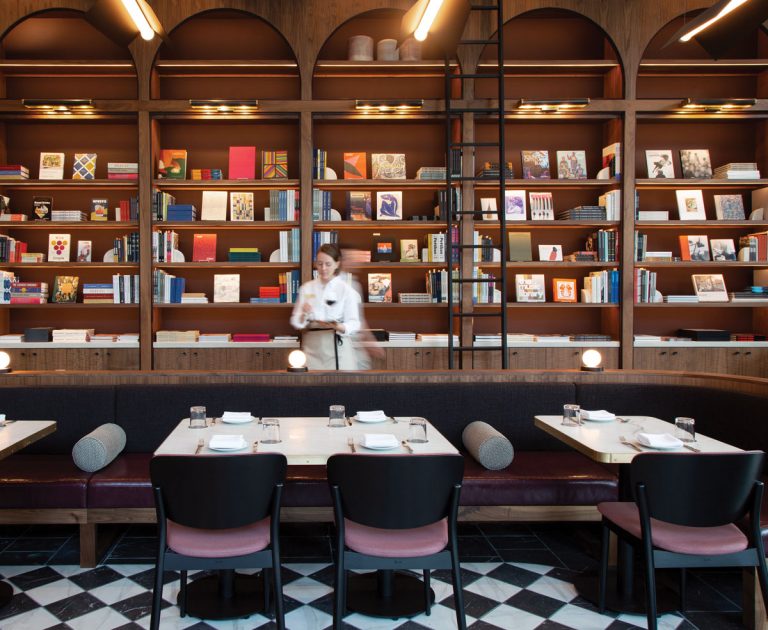
Barringer and Smelt share a love for London, but don’t look for cartoonish Anglophilia here. Located on the ground floor of the Modera building near Buckhead Village, Lucian has the sort of restrained elegance one expects to find in London’s toniest neighborhoods. Smelt is one of Atlanta’s most gifted wine directors, and Barringer is a book dealer with the soul of a collector; their minimalist one-room space is divided into well-defined areas devoted to each partner’s respective passions, separate but united by the same desire for luxury without ostentation.

THE TEAM

Smelt rose to fame at Billy Allin’s late, lamented Cakes & Ale, where he was known for impeccable judgment and expensive tastes. His fans followed him to Allin’s smaller Inman Park cafe, Bread & Butterfly, where he worked with chef Brian Hendrickson. The pair are reunited at Lucian and joined by Barringer, who owned the cool but sadly short-lived Cover Books on Marietta Street. The small waitstaff, including service director Doug Hawkins, consists of suave professionals who can render an educated opinion.

THE FOOD

No dish signals this restaurant’s aims better than the omelet with creme fraiche and, most of the time, caviar. Pale gold and almost unnaturally smooth, with soft folds of egg hiding inside, it’s the exact opposite of those puffy, frizzled omelets I hate all over town. Hamachi crudo—tossed with pomegranate seeds, crisp diced apple, and a judicious amount of shiso and jalapeño to bring out the fish’s sweetness—is also a textural wonder.

Lucian Books and Wine
Chef Brian Hendrickson’s hamachi crudo is a wonder of contrasting textures in a dining room that blends the gustatory and the intellectual.

Photograph by Martha Williams

The menu changes with the seasons. The first time I tasted the fries, brilliantly crisp and served with sorrel mayonnaise, I was transported. I am less fond of the new pairing, with horseradish mayonnaise, and the execution wasn’t as spectacular on my most recent visit. But, as the dishes evolve—strip steak making way for venison, delicate polenta cakes greeting autumn with berbere spices and Calabrian peppers—I trust Hendrickson’s instinct for food that holds its own against refined wine selections. And for food that can stand on its own, period: There’s no fruit, jam, or syrup to compromise the purity of Hendrickson’s cheese plate, which in my case included an international gathering of French comté, British Stilton, and Grayson, from Virginia’s Meadow Creek Dairy.

During the day, Lucian offers a more abbreviated menu. Until recently, it included a Scotch egg—an homage to British pub culture—that you should be sure to order if it ever reappears. Otherwise, an elegant little lunch of oysters with mignonette, or salmon and spinach with beurre blanc, won’t compromise your desire to go back to work. Nor will a glass of wine chosen as a small indulgence; the daylight shining through it reveals a range of pure colors unknown to those who drink mostly at night.

THE DRINKS

Neither a heavy tome nor a bunch of flimsy sheets, Lucian’s wine list is an elegant soft-cover notebook printed anew every two months. With one page of wines by the glass followed by roughly 350 bottles, it will be a special delight to those looking for small, lesser-known producers, though some may see the relatively few by-the-glass options and the absence of natural and low-intervention wines as missed opportunities. Smelt didn’t want to include tasting notes (too subjective, often laughable) or biographical information about the vintners (not especially useful beyond the anecdotal), but he’s well capable of advising customers without crushing them with his knowledge, and the list is organized by varietals so that people can locate what they like or wish to try. There are plenty of pricey choices, but a real effort has been made to find interesting bottles priced in the sweet spot (between $50 and $60). A few simple cocktails (gin and tonics, martinis) are available; so is a menu of after-dinner drinks that, dear to my French heart, favors wine-based options such as brandies and Armagnacs.

Lucian Books and Wine
An abbreviated daytime menu features salmon and spinach with beurre blanc.

Photograph by Martha Williams

THE VIBE

Books aren’t just decor here: Visitors can browse among a number of important, mostly contemporary art titles, biographies and volumes of food writing, and more than a few well-chosen cookbooks, all arranged on five tiers of walnut shelving that climb almost to the high ceiling. The intellectual and the gustatory harmonize in a space whose design—by Lindsay Miller and Ed Seiber—is stylish yet unintimidating, inspired by quiet scholarly libraries (those brass light fixtures!) as much as by the idea of a restaurant as an intimate space. A shimmery curtain can be drawn around the northwest corner of the dining room to heighten the sense of privacy and sophistication.

THE VERDICT

In an increasingly casual age, a restaurant whose offerings revolve around visually oriented nonfiction, carefully researched wines, and ambitious yet simple food seems gloriously foolhardy—a gamble, even, in a city that can feel so rough and tumble. Luckily, the owners and their chef are on the same page. Young yet wise beyond its years (or months, as the case may be; it’s only been open since the summer), Lucian is more than the sum of its parts: It’s a gentle, self-contained universe that wants to be shared.

Rating
★ ★ ★
Excellent
3005 Peachtree Road, Buckhead
lucianbooksandwine.com

Book pairings

Barringer suggests some titles from Lucian’s shelves.

Lucian Books and WineLucian Freud: A Life, David Dawson and Mark Holborn, eds. “More of a visual biography, and it captures his magnetism so well—starting with that intense Cecil Beaton portrait on the cover.”

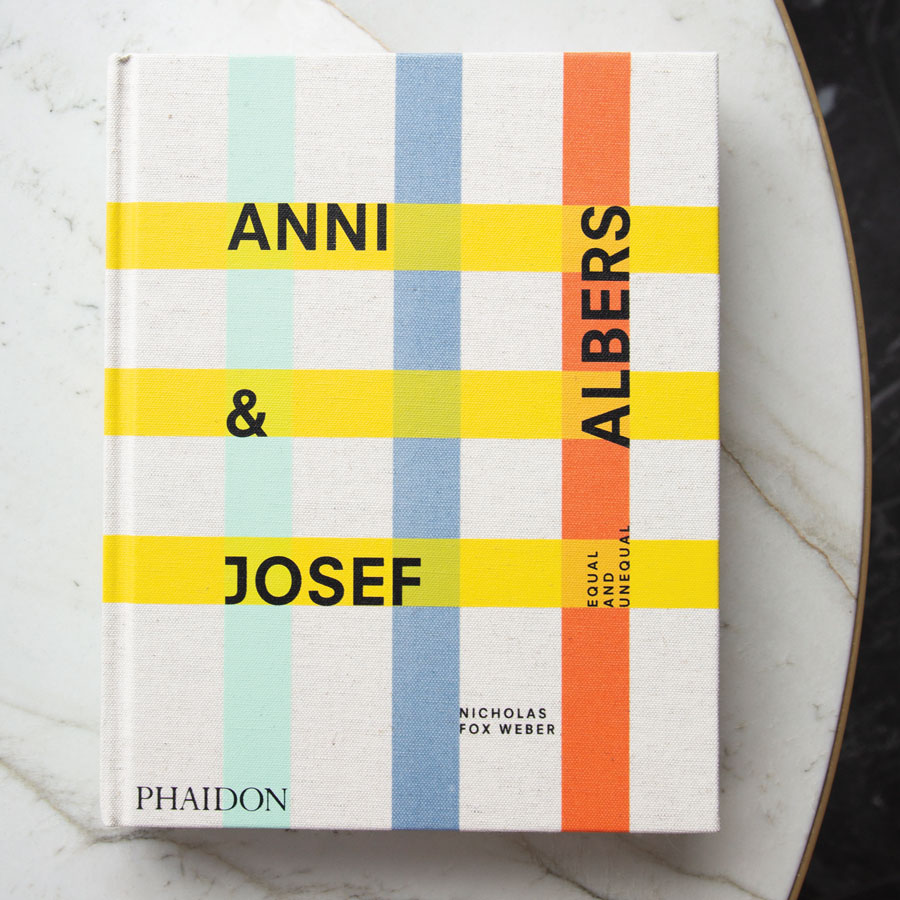
Lucian Books and WineAnni & Josef Albers: Equal and Unequal by Nicholas Fox Weber “A big, beautiful book on two of Jordan’s and my faves. The starting point for the design of Lucian came from a Josef Albers piece.”

Lucian Books and WineChâteau Lafite: The Almanac by Saskia de Rothschild “It outlines the incredible 150-year history of the benchmark Bordeaux estate through family pictures, scientific data, historical anecdotes, tasting notes, and personal stories.”

This article appears in our December 2021 issue.

Review: The Betty brings some midcentury charm—and the best martini in town—to Buckhead’s new boutique hotel

The Betty Buckhead
Executive chef Brandon Chavannes excels in unforced preparations like celery ceviche.

Photograph by Martha Williams

Compared to other types of restaurant experiences, hotel dining carries a frisson of intrigue. I love the feeling of entering a world where I don’t quite know who’s a local and who’s a traveler, and I love crawling through the public areas fantasizing that I’m one of the hotel’s guests. A buffer keeps the banal life of the street at bay. Service is a priority; everything seems engineered for my comfort and joy.

The new Kimpton Sylvan hotel—fresh, approachable, and vibing with its heart-of-Buckhead environs—created a stir in February when it opened in a 1950s midrise that has housed apartments, a nursing home, and, most recently, condos. Adaptive-reuse projects like this are catnip for me, for anyone who values a cityscape that incorporates the past into its scheme, and for the Kimpton company—which pretty much invented the idea of the boutique hotel when, in 1981, it opened its first property, San Francisco’s Clarion Bedford, as a stylish alternative to the big chains.

The Sylvan’s designers added a welcoming portico to the front of the H-shaped structure, accenting its bright-white exterior walls with crisp gray details. Located beyond that portico on the first floor of the building, the Betty is the fine-dining restaurant that anchors the hotel, with a name nodding to its retro inspirations. Elsewhere on the property, the Sylvan has two delightful bars, also overseen by executive chef Brandon Chavannes: the garden-themed Willow Bar and the rooftop lounge St. Julep.

THE TEAM

The son of Jamaican and Norwegian immigrants, Chavannes previously worked in Atlanta at King + Duke and St. Cecilia (where he was executive chef), and he’s done stints in New York at restaurants including the John Dory and Bar Boulud. Everyone involved in this operation—from the bartenders, valets, and host staff to the hotel’s restaurant and bar general manager, Brian McFarland—is remarkably friendly.

THE FOOD

When the Betty announced its concept—supper club with Old Hollywood vibes—I was excited about the return of the kind of classic food that young chefs have been disrespecting for at least two decades. But, instead of oysters Rockefeller and Cobb salad, the menu is jammed with relentlessly modern dishes that are often too baroque, with unnecessary flourishes marring their flavor (and looks). The raw beauty of steak tartare, for instance, was tarnished by a salsa macha that dyed the meat a scary brown; a pallid chicken-liver mousse was served rolled up like a hand towel next to a glop of jellied port wine and strawberry.

The Betty Buckhead
Chavannes has a deft hand with pasta dishes such as Mushroom rotolo.

Photograph by Martha Williams

But delightful, less forced presentations also emerge, such as a pristine scallop crudo with kumquat and yuzu kosho, ceviche of celery with minute shimeji mushrooms, and (alas, oversalted) almond gazpacho. Chavannes’s history at Ford Fry’s St. Cecilia makes him especially adept in the pasta department, with appealing entrees like slick agnolotti with beef or creamed spinach, spaghetti with crab and Calabrian hot peppers, and fetching rotolo—basically a rolled individual lasagna with a fondue of Pecorino, mushrooms, and aged-balsamic reduction. Skip the fussy crispy duck and mealy saffron swordfish in favor of a more classic broiled lobster or filet mignon, or a giant Wagyu tomahawk steak (get the Madeira sauce on the side).

The fancy mignardises—sweet bites often provided gratis at the end of an expensive meal—tend to be better than other, more overly visual dishes from the dessert menu, which can be prettier than they are tasty. One called Chocolate Bar—passion fruit caramel, various chocolate shapes, coffee doodads—looked like the inside of a terrarium; the flavor didn’t justify the amount of futzing required to put the elements together.

THE DRINKS

The Betty Buckhead
Specialty drinks like the Boozy Suzy hold their own against classic martinis and daiquiris.

Photograph by Martha Williams

The Betty fully realizes its midcentury ambitions with its glamorous cocktail list, including a martini menu that features Vespers, 50/50s, Gibsons, and what I consider the best classic martini in town, filled to the brim with impeccably chilled gin and barely anything else, a thin film of ice shimmering across its top. Signature drinks such as the Boozy Suzy—vodka, Suze, Alessio Bianco, grapefruit, and lime, shaken with egg white—hold their own against old-school sips such as finely crafted amaretto sours and daiquiris.

THE VIBE

Young folks, scenesters, and businesspeople alike will be at ease in a relaxed dining room with midcentury-modern leanings, while the darkish elevated bar provides a wonderful stage for bartenders to practice their skills against a backdrop of vintage barware. The patio facing East Paces Ferry Road is perfectly ordinary; better for al fresco dining (albeit with a different menu) is the lovely terrace claimed by the hotel’s Willow Bar.

THE VERDICT

Early on, when diners were venturing hopefully back out into the world, the rush of customers to the Betty may have contributed to the initial perception of a major new restaurant—and the return of Buckhead. Now that things have settled down a bit, it stakes a somewhat humbler claim: overreaching here and there but nonetheless a sweet spot to conduct one’s business, a great place to grab a drink—and, for a hotel restaurant, far above average, with charm and poise aplenty.

The supporting actors: drinks and dishes from St. Julep and Willow Bar

The Betty BuckheadThe Sylvan’s rooftop lounge, St. Julep, serves cheerful drinks like the Chartreuse-
based Idlewild . . .

The Betty Buckhead. . . as well as fancy bar snacks and this tequila-mango soft-serve situation.

The Betty BuckheadThe rose-hued Cypress G&T stands out at the garden-themed Willow Bar . . .

The Betty Buckhead. . . which also offers light, veg-centric bites like falafel with tahini ranch.

Rating
★ ★ ★

Good
374 East Paces Ferry Road
thebettyatl.com

This article appears in our November 2021 issue.

Review: 8Arm’s newest look is a seriously good Japanese izakaya

8Arm review
Bacon and chive tamago with Hokkaido uni

Photograph by Martha Williams

The small brick building at 710 Ponce has been a dog-obedience school, a scooter shop, and at least a few different restaurants—even if those restaurants have all shared a name (8Arm) and an owner (Nhan Le). Most of 8Arm’s culinary about-faces have been forced by events: In 2017, barely a year after opening, the restaurant suffered the sudden death of its original chef-partner, Angus Brown. Subsequently, Le hired the madly gifted Maricela Vega, whose vegetable-focused Mesoamerican cooking won her wide acclaim. Earlier this year, Vega’s decision to move on compelled yet another turn in 8Arm’s seemingly endless process of reinvention.

When it opened again several weeks after Vega’s departure, 8Arm had become a Japanese izakaya, with casual drinking fare, grilled skewers, ramen, a tiny sushi bar—and serious culinary legs. Le says his philosophy is “cooking the moment,” and throughout his career as an Atlanta restaurant impresario, he’s never settled for a less-than-exciting concept or a chef who wasn’t brimming with creativity: With the aid of chef Duane Kulers, for instance, he’s had successive hits with the East Atlanta Village late-night destination Octopus Bar and the Memorial Drive taco counter Supremo. When I asked about his latest vision, Le reminded me that his involvement in Japanese food goes back as far as Wasabi, which he opened in Castleberry Hill in 2005. He and Brown also launched Lusca, a wonderful but short-lived seafood spot (with a great sushi counter) in South Buckhead.

Long before izakayas became fashionable, pubs such as Shoya in Doraville bridged the gap between Atlanta’s deluxe Japanese establishments (Umi, Sushi Hayakawa) and the countless pan-Asian places where sushi is almost always an afterthought. What’s exciting about the latest iteration of 8Arm is the degree to which it takes its concept seriously and offers it to an intown audience.

THE TEAM

Hiro Endo, from Ginya Izakaya in Berkeley Park, is billed as 8Arm’s executive chef, but he’s really more of a consulting chef and partner; Allen Suh, whose title is chef de cuisine, runs the show. Houston-born, Atlanta-raised Suh has cooked in many local kitchens (Gaja, Restaurant Eugene) and launched pop-ups including the ramen-focused Gato Arigato in Candler Park. He finally managed to buy his own place, the Korean restaurant Donquixote, in late 2019, but operated it only briefly before the pandemic shut it down. Together with his gifted sous-chef, Jack McGowan from Five & Ten in Athens, Suh runs a tight kitchen at 8Arm. The team also includes 8Arm co-owner Skip Engelbrecht, who sometimes pitches in on the line.

THE FOOD

Accessible only by scanning a QR code with a smartphone, the menu begins with traditional izakaya offerings—edamame, dumplings, and takoyaki (battered and fried octopus balls)—as well as rotating dishes like buttery, nut-brown miso cod and the savory custard chawanmushi, made with local chanterelles. All are beautifully prepared, as is 8Arm’s ramen, served either hot or chilled. Beyond that, the menu can be tough to navigate, with its various headings and subcategories, and I ended up throwing myself on the mercy of the staff. It turns out that the magic, if unofficial, word is “omakase,” or chef’s choice. Saying it at 8Arm is not a guarantee of success but, if the kitchen can be persuaded, it unlocks such extraordinary dishes as raw sea bream with radish watermelon kimchi—garnished with the fish’s own scales, fried and nearly transparent—and a sweet omelet topped with raspy tongues of fresh uni (sea urchin).

8Arm review
Kumamoto oysters with Siberian caviar and ponzu

Photograph by Martha Williams

If you sit at the sushi bar, you might further have access to quirky offerings such as toasted bread with uni butter, silky flounder or blackthroat seaperch straddling its own liver, and elegant and mild ivory king salmon. The bar’s approach to bluefin tuna (hon-maguro) may reveal that there’s more to the fish than you thought, with cuts ranging from lean (akami) to melt-in-your-mouth fatty (chu-toro and o-toro) to ridiculously tender (kama-toro: the fish’s collar, near the gills). I don’t care much for Suh’s sushi rice, seasoned with molasses and malt vinegar rather than the traditional rice vinegar and sugar, so I focused more on the sashimi than the nigiri or the specialty rolls (which are, nonetheless, beautifully crafted). Judicious amounts of one of my favorite condiments—the funky Chili Crush made and packaged by the Krog Street Market restaurant Ticonderoga Club—heightened the taste of the pristine seafood.

8Arm review
Sea bream with watermelon kimchi and pickled rind

Photograph by Martha Williams

THE DRINKS

Joshua Fryer, a beacon of stability as 8Arm’s longtime general manager and beverage director, is a master of low-intervention wines, vermouths, and inventive cocktails. Yet his output in the restaurant’s latest iteration is uneven: Drinks that were weak (as in not enough shochu) or weird (the addition of miso robbed a whiskey sour of its refreshing acidity) made me want to stick to straight sake. Fryer’s gorgeous mocktails also caught my eye.

THE VIBE

Depending on where you sit, you may experience the restaurant as an airy room, like a midcentury schoolhouse; a dark den tucked away behind a black curtain; or a sunny patio with kitchen tables beneath a colorful mural. From 11 p.m. till 2 a.m., 8Arm switches gears and becomes L8Arm, serving an abbreviated, casual menu from its outdoor kitchen (see below).

THE VIBE

Nhan Le has another winner on his hands, with Allen Suh inaugurating a new era of creativity worthy of 8Arm’s good name and high standards. The kitchen’s commitment to local ingredients distinguishes 8Arm from other izakayas and sushi bars. Be prepared to show some initiative navigating the menu and service—then expect great food from a team that eschews traditional luxury in favor of a relentless focus on flavor.

Rating
★ ★ ★
Excellent
710 Ponce de Leon Avenue, Virginia-Highland
8armatl.com

Better L8 than never: ordering off the midnight menu

8Arm reviewThe offerings past 11 p.m.? Fuel for a night on the town, like the Tempura-Filet-O with miso tartar . . .

8Arm review. . . the Cali-inspired Out ’N’ In Burger, with cheese, relish, and “secret sauce” . . .

8Arm review. . . and the Karaage Sando: Japanese fried chicken with Kewpie mayo and the works.

This article appears in our October 2021 issue.

Follow Us

69,386FansLike
144,836FollowersFollow
493,480FollowersFollow

NEWSLETTERS