
Home 2026

Archives

At Que-riosity, Todd Richards gives barbecue a fine dining remix

0
Grilled branzino with stewed tomatoes and mussels next to chicken wings over waffles

Photograph by Martha Williams

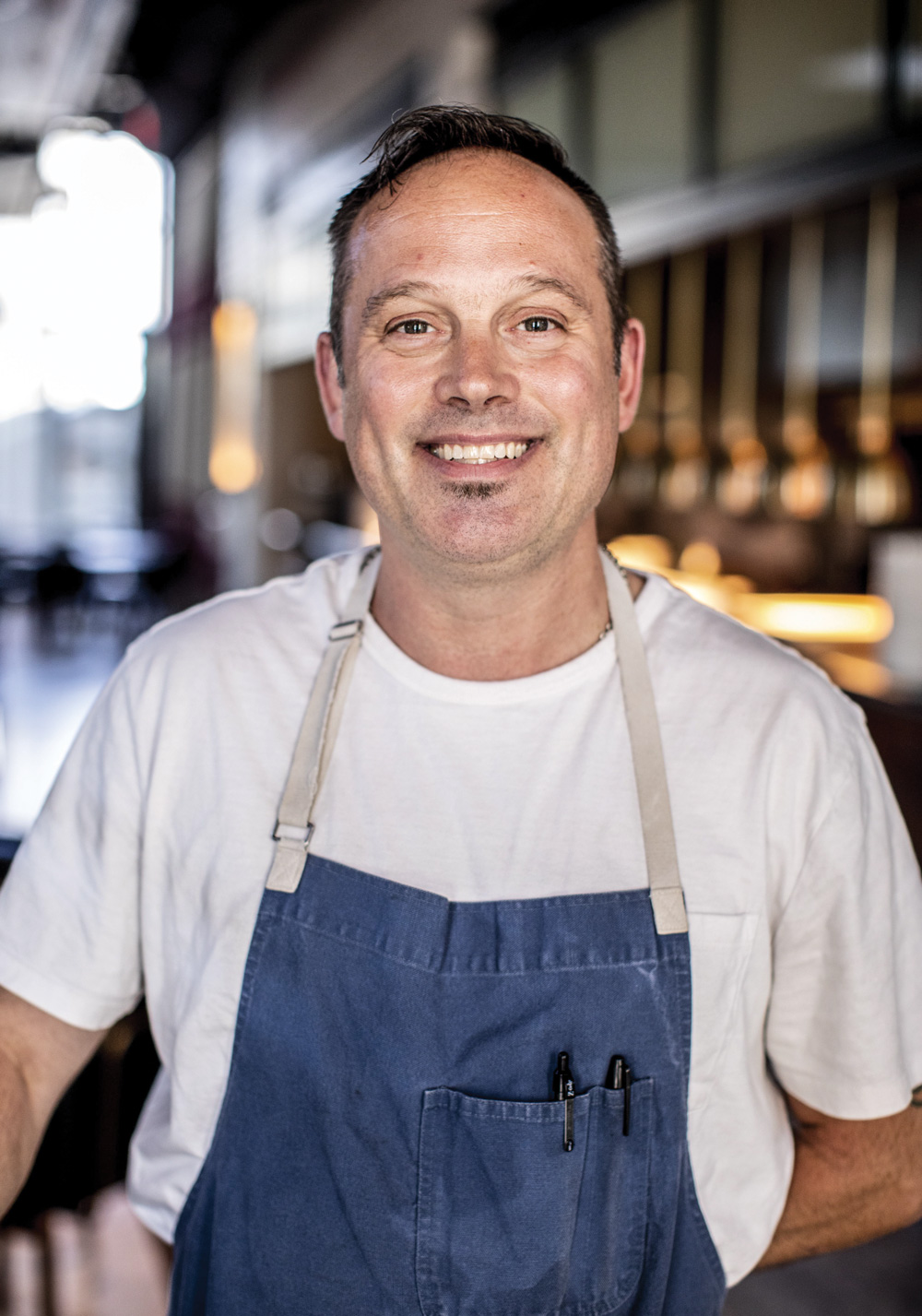
Like an old flame, barbecue keeps beckoning Todd Richards. Que-riosity, the chef’s new restaurant in McDonough, composes the fourth verse in his ongoing duet with smoke and fire. It follows Rolling Bones in the Old Fourth Ward, The Pig and the Pearl in Atlantic Station, and Lake & Oak in East Lake. While Richards began his barbecue career serving traditional fare with the usual meats and fixings, Que-riosity is more of a refined grill room where smoky flavors provide a theme instead of an entire menu. If barbecue is an old sweet song, Que-riosity finds Richards playing variations like a jazz musician.

The restaurant occupies a storefront in a shopping center on Jonesboro Road, off Interstate 75, a landscape of box stores, chain eateries, and big parking lots. The nondescript setting recedes once you step inside; it’s like walking into the chef’s home den. The 1,500-square-foot dining room glows with warm butterscotch walls decorated with abstract art painted by Richards himself. Shelves of cookbooks—he wrote two of them—line one wall, and a long bar with a TV tuned to sports dominates another. There are no red-checkered tablecloths; rather, marble tops and linen napkins. A soundtrack of ’70s soul sets an easy dinner mood.

Since he arrived in Atlanta from his native Chicago during the early ’90s, Richards has been one of the most creative and restless chefs in town. A four-time James Beard Award semifinalist, he has worked at such kitchens as the late Blue Ribbon Grill in Tucker and The Shed in Glenwood Park. He has also headed culinary operations at swank hotels, including his current gig as executive chef at the Waldorf Astoria Atlanta. All this to go along with One Flew South, his popular restaurant at Hartsfield-Jackson Atlanta International Airport, and Soul: Food & Culture, his food stall at Krog Street Market. The man gets around. 
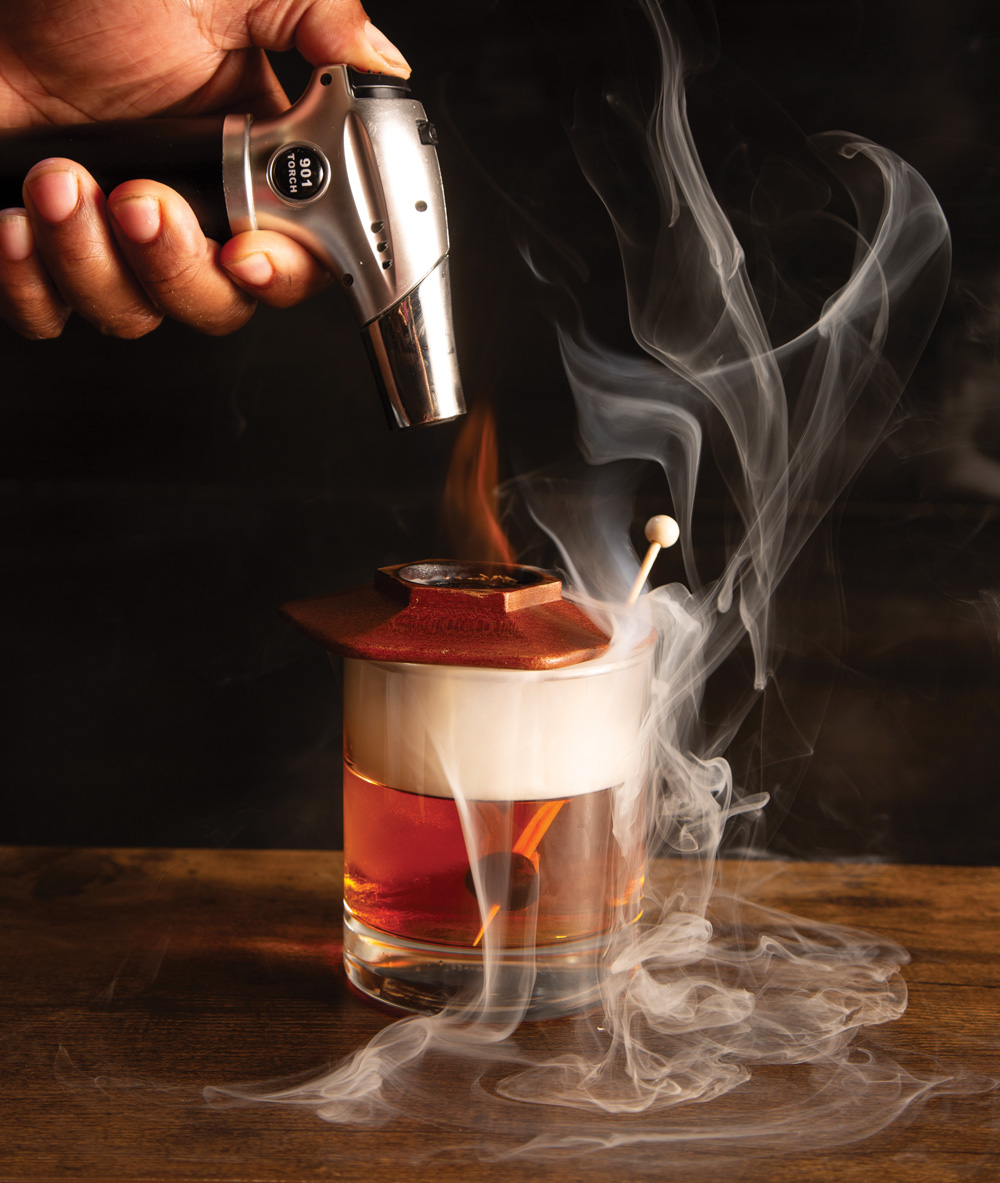
419 Fashioned, a smoky riff on an old fashioned

Photograph by Martha Williams

Richards opened Que-riosity in March in collaboration with his wife, Gloria. The couple wanted to establish an upscale grill closer to where they live in Henry County. The dinner menu (they don’t do lunch) offers four cold small plates, four hot small plates, and six entrees. Some dishes will be familiar to guests who have eaten at his other restaurants: a flight of deviled eggs with bacon jam and pickled onions; grilled oysters with garlic butter; fried okra split lengthwise and dressed with lemon, hot sauce, and barbecue spices.

All are good, but I wanted to taste the dishes that justify a name like Que-riosity. Twice-smoked pork belly with red onions and mustard barbecue sauce ($14) tickled my pork cravings. Smoked chicken wings over red-velvet waffles with smoked maple syrup ($16) surprised me. I was expecting it to be very sweet, but it wasn’t; the waffle was light and soaked up the stronger flavors surrounding it. Only the hot honey and pineapple glazed ribs ($28) disappointed—they seemed excessively candied—but the accompanying Sea Island red peas, deeply smoky and lightly salted, were a little crock of joy.

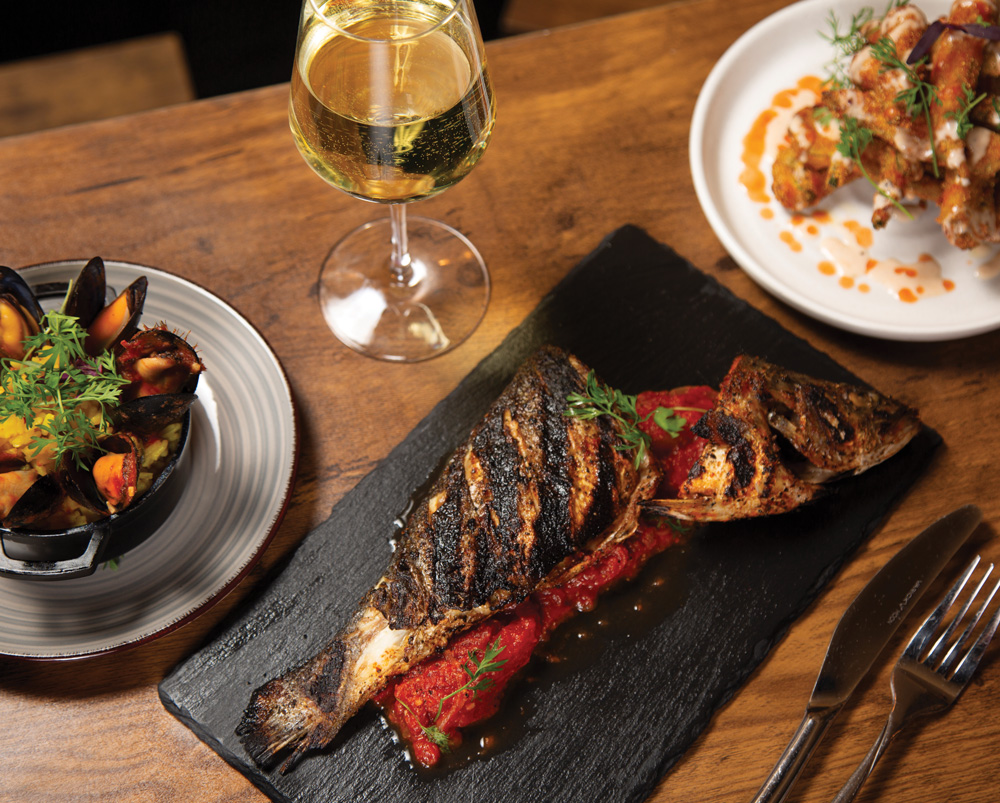
The most impressive dish may be the grilled branzino ($44), stuffed with rice, collard greens, and mushrooms and served with stewed tomatoes and mussels. The flavors balance beautifully, and the multicolored dish looks artful enough to hang on the wall with the chef’s paintings.
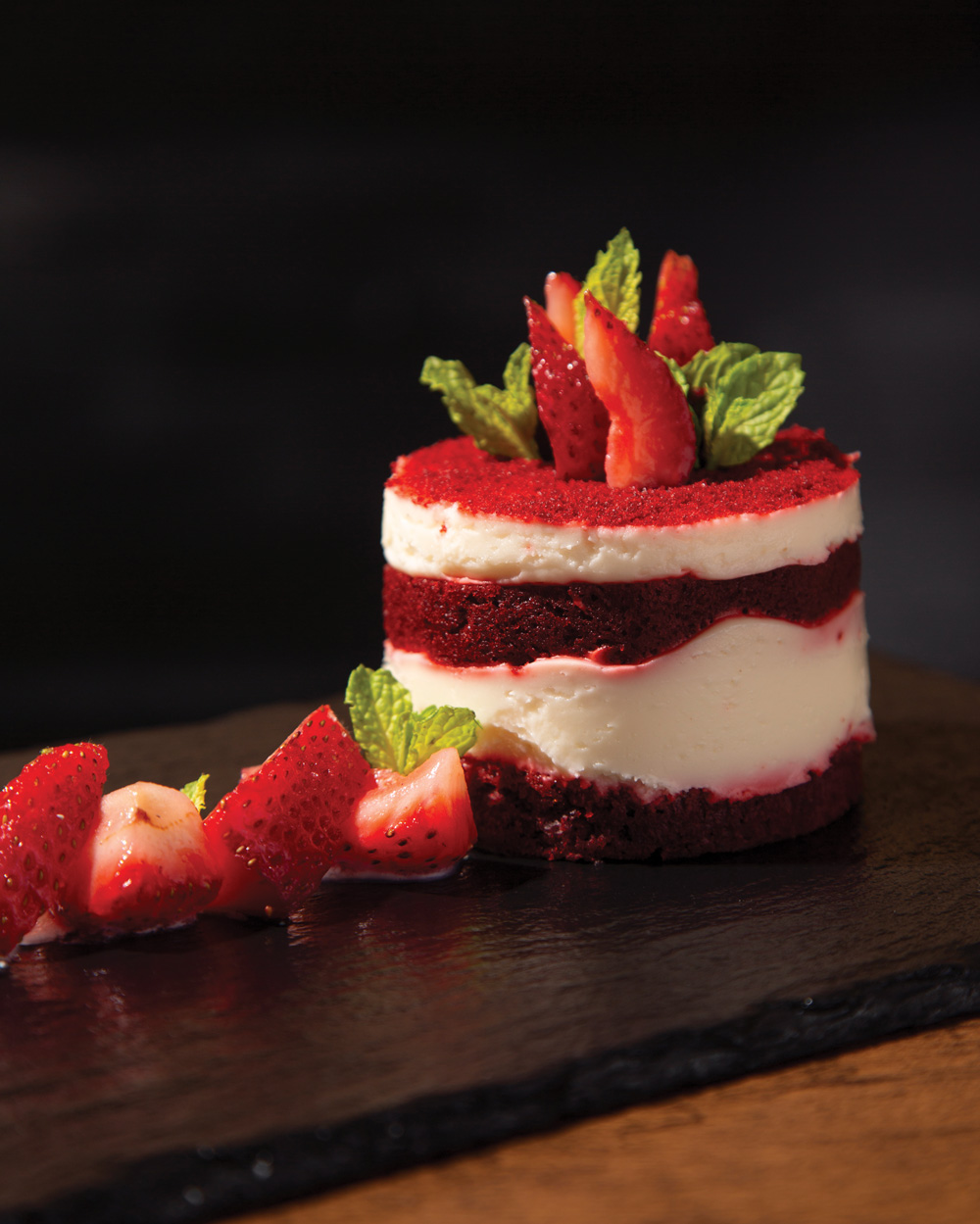
Red-velvet cake with strawberries on the left and atop
Red-velvet cake

Photograph by Martha Williams

Que-riosity offers a small dessert menu (highlights: bananas Foster cheesecake and red-velvet cake) and has started serving Sunday brunch, with specialties like blueberry French toast with lemon mascarpone ($18) and a creamy lobster and shrimp omelet ($36). Beverage director and longtime collaborator Ramsey Kashlan created a list of 21 wines and 22 cocktails, many of them with cheeky names like Conflict Resolution, Death in the Afternoon, and Sex in the Driveway. The 419 Fashioned features rye whiskey and is smoked. When it arrived, I lifted the lid off the tumbler, and a puff of vapor escaped like a tabletop magic trick.

If you go to Que-riosity expecting conventional barbecue, you’ll probably be disappointed. The higher prices may displease you too: A dinner and drinks for two blows past $100 in no time. But if you go to experience ingenious riffs on an American classic—and expect to pay for fine dining—you’ll be rewarded. “Barbecue is not a monolith,” Richards says. “There are lots of different ways of doing it.” At Que-riosity, he’s trying out some of them to our benefit.

This article appears in our August 2026 issue.

The verdict on 2 new Atlanta restaurants: Bottle Rocket and Weepa Puerto Rico

0
Bar-friendly grub interior of Bottle Rocket
Spirited diversions, room to mingle, and bar-friendly grub fuel patrons at Bottle Rocket.

Photograph by Martha Williams

Bottle Rocket Fine Food and Beverage

South Downtown
@bottlerocketatl

Longtime Castleberry Hill tavern Bottle Rocket has moved to the historic Hotel Row in South Downtown. The hangout, known for its dive-bar vibes, well-executed cocktails, sushi bites, and burgers, has set up in a spiffier, renovated space. It’s a broad room some Atlantans may recall was restaurateur Paul Luna’s eclectic Lunacy Black Market, which closed in 2014. The four owner-operators are husband and wife Josh Calvin and Bonny McKinnon, marketing director Kim Singleton, and culinary director Dallas Miller. Find them mingling nightly at their gathering spot that already seems like it’s been there forever. Dark-wood accents and deep-red vinyl booths set the right mood: noir-ish but not-too-serious. The scene is enhanced by a montage of artworks, vintage illustrations, and charming, nostalgic pendant lights. The bar top made from salvaged wood flooring nods to the building’s past, which dates back to the early 1900s. Among the must-try items on the eclectic menu: martinis made with Murrell’s Row Spirits gin, crab Rangoon and Big Ass Egg Roll appetizers, sushi rolls (a solid trio: Bottle Rocket, Rufio, and shrimp tempura), and the Bottle Rocket burger marinated in a house-made Korean barbecue sauce. The chatter and the digital jukebox get louder in the later hours on weekends.


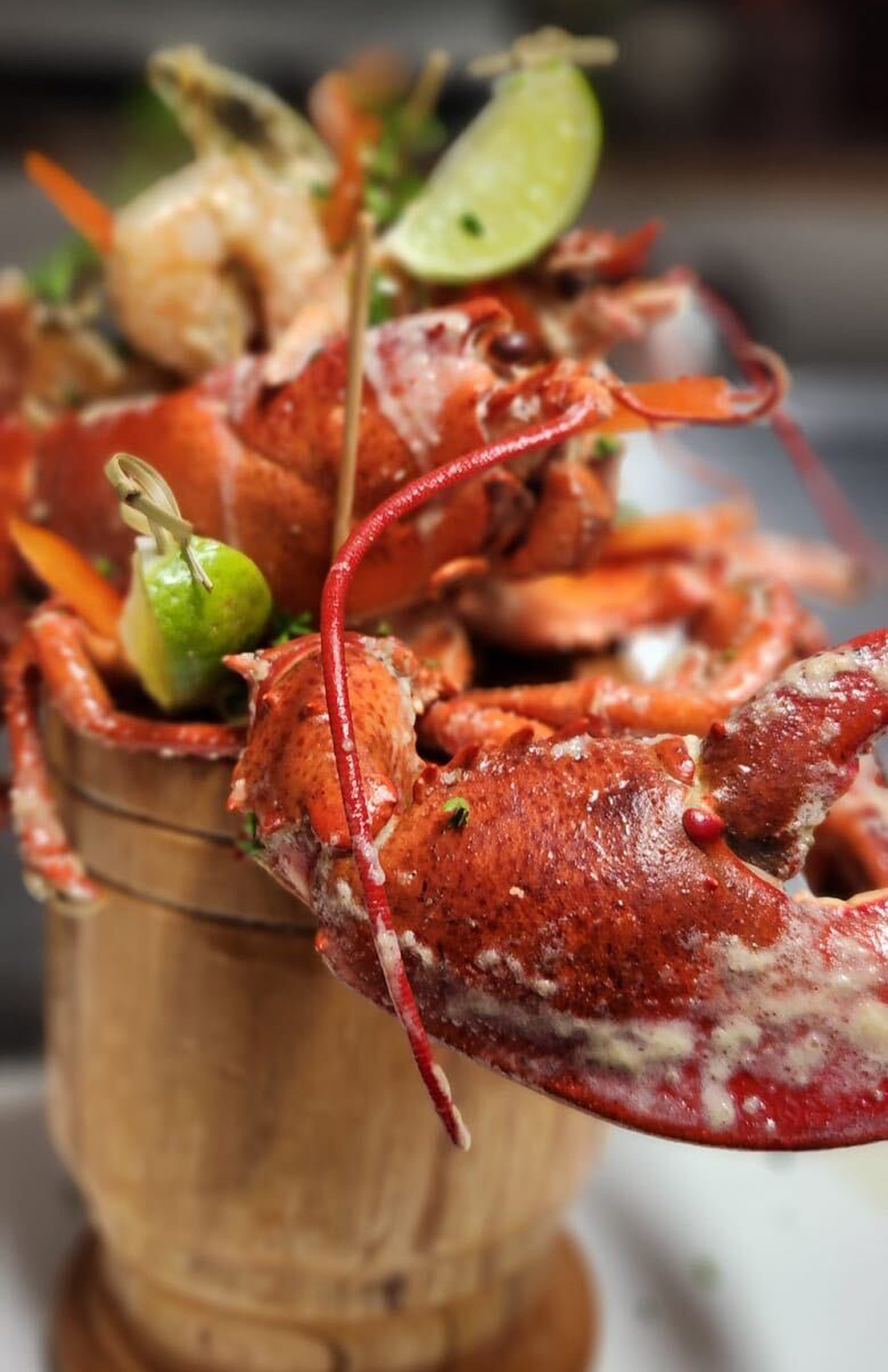
A lobster version of Puerto Rican classic mofongo relleno

Courtesy of Weepa Puerto Rico

Weepa Puerto Rico

Hapeville
@weepapuertorico

This past spring, chef Emanuel Jiménez swept through downtown Hapeville like a Caribbean trade wind, opening Weepa Puerto Rico in the former Mami’s La Cubana space on Central Avenue. The cozy cafe, now refreshed, has mango-colored walls with island-inspired paintings and enough plants, straw hats, flags, and Bad Bunny music to fill another halftime show. Weepa (pronounced weh-pah) is an all-purpose exclamation of joy, prompted here by a welcoming vibe and an affordable menu packed with authentic Puerto Rican dishes. Tall bottles of pique (vinegar-steeped chiles, garlic, and herbs) sit atop each table. Splash the tangy blend over rich bites of pernil (roasted pork), grilled whole red snapper, rice with gandules (pigeon peas), bistec encebollado (steak with onions), pinchos (chicken skewers with salsa guava or barbecue sauce), and fried or mashed plantains. Drinks like Kola Champagne soda (hints of bubble gum) and fresh mango juice deliver a sweet buzz, as do desserts, such as the cinnamon-dusted coconut custard and the deep-fried cheesecake with vanilla ice cream and passion fruit sauce.

This article appears in our August 2026 issue.
New La Grotta executive chef Drew Van Leuvan builds on the restaurant’s long-standing legacy

0

Drew Van LeuvanNearly five decades in, La Grotta Ristorante Italiano remains one of Atlanta’s most enduring restaurants, serving Northern Italian staples from its longtime home beneath a Buckhead condo building. In January, chef Drew Van Leuvan stepped into the kitchen, bringing experience from The Deer and the Dove, Seven Lamps, One Midtown Kitchen, and Ecco—and taking up the task of sharpening the restaurant’s reputation without disrupting what’s made it last.

Atlanta: What’s it like joining such an established, iconic restaurant?
Drew Van Leuvan: It’s the most unique restaurant I’ve ever worked at. Being in business for 47 years is remarkable. You have to be respectful of the history and clientele. My 25- to 30-year-old mind could never have handled working here. It’s too rigid. Being in my 50s now, I can use my knowledge and history to improve on the legacy. It’s that challenge that’s intriguing to me. 

Atlanta: Why do you think La Grotta still holds its own in a crowded market?
Van Leuvan: They try to keep the price point low compared to other restaurants. The food is very solid. The service is good. It’s family-owned, and the entire staff cares—they’ve all been here so long. It’s not like this “who’s who.” They built this niche, and it became a place people want to be part of. 

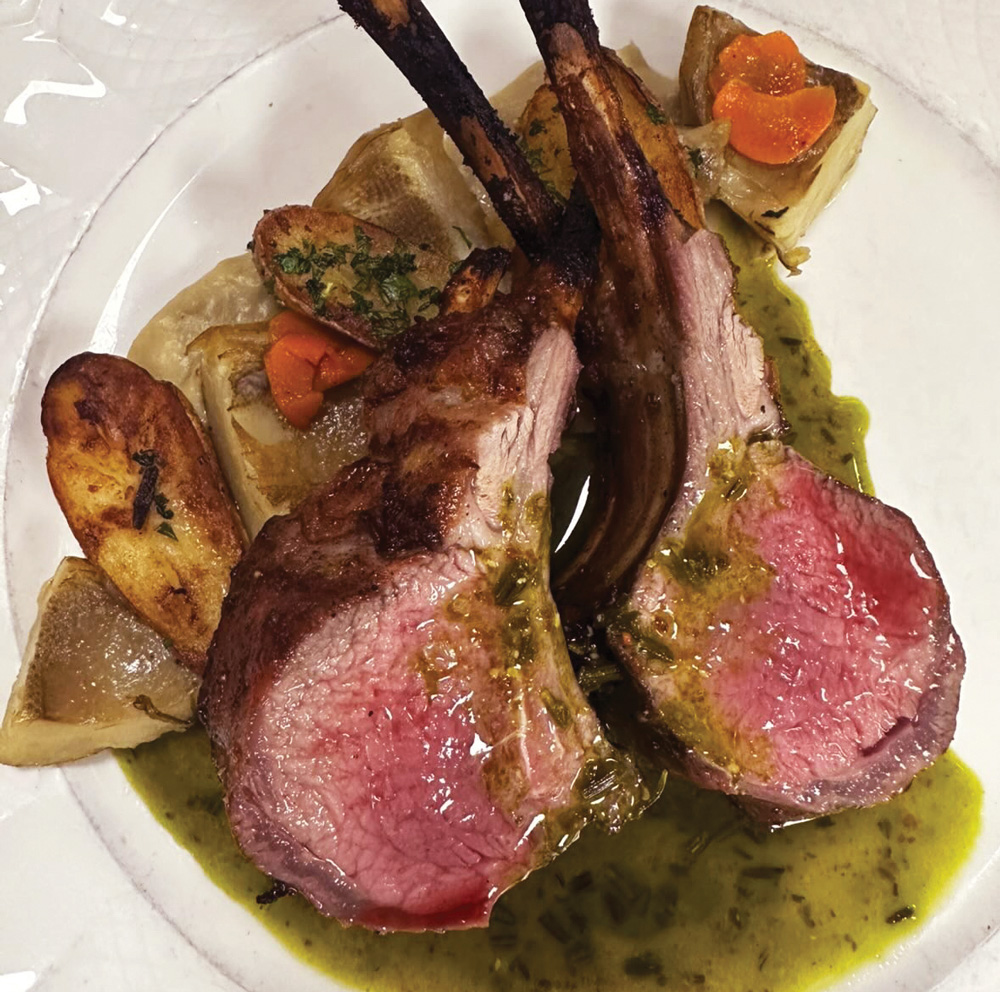
slow-roasted lamb chops with braised artichokes
Drew Van Leuvan has upped La Grotta’s game with dishes like slow-roasted lamb chops with braised artichokes

Courtesy of Drew Van Leuvan

Atlanta: How has the food evolved since you’ve been here?
Van Leuvan: We updated the lamb from a simple lamb chop with veggies and pesto to a double lamb chop, slow roasted with artichokes braised in wine, vinegar, and aromatics, with a rosemary-Dijon vinaigrette. It’s more modern. We took the Bolognese from a simple mom-and-pop version to a rich sauce with considerably more depth. We’re curing beef brisket scraps like we would pancetta, grinding them, and then slow braising them in the sauce. We also introduced a beef Fiorentina, a 36-ounce classic Italian porterhouse, which is served with rosemary sea salt and a head of roasted garlic. In addition, the chicken, fish, and veal stocks are all made in-house now. Little things make a big difference!

Atlanta: What other changes do you have planned?
Van Leuvan: Bread and pastry work are near to my soul. I want to put more of a refined restaurant touch on the pastries to help push the restaurant into the future. Look for new pastas as well.

This article appears in our August 2026 issue.
Hal’s “The Steakhouse” to open in historic former funeral home in Midtown

0
A rendering of Hal’s Midtown

Courtesy of Hal's

Hal’s “The Steakhouse,” the Buckhead institution known for New Orleans-style cuisine, martinis, live music, and a dining room that feels like old Atlanta, is expanding to Midtown with a third location inside the historic Patterson House at Spring Quarter, a former funeral home. Owner Sammy Jimenez plans to open the restaurant in spring 2027, along with a European-inspired café and a fine art gallery that broaden the Hal’s experience without changing the food, drinks, or hospitality that have defined the brand for more than three decades.

The Midtown location will be the third Hal’s, following the original on Old Ivy Road and a Nashville outpost that opened in 2024. A Roswell restaurant complete with a rooftop patio and valet parking is expected to follow Midtown.

Founder Hal Nowak retired June 4, after more than three decades of shaping one of Atlanta’s most enduring restaurants. Now at the reigns, Jimenez says the goal is not to modernize Hal’s into something unrecognizable. Instead, he wants to carry the restaurant’s rituals into new neighborhoods while keeping the experience fundamentally intact.

“Mr. Hal and I started working together 30 years ago,” Jimenez says. “I follow all his teachings, and I will never change that.”

A panoramic view of Spring Quarter with the Patterson House on the left

Courtesy of Portman Holdings

That means the Hal’s signatures will stay put. The same menu will be served at every location, with the same drinks, dark woods, green accents, piano music, and emphasis on hospitality. Each restaurant will also include a portrait of Nowak behind the piano.

“Every restaurant will have his soul in there,” Jimenez says.

However, the Patterson House setting will make this Hal’s distinct. Originally designed by Philip T. Shutze in 1928, the 24,000-square-foot building has the kind of architectural character Jimenez says can’t be replicated. The Midtown restaurant will be larger than Buckhead, with about 400 seats across the steakhouse, café, private rooms, and patios, targeting Midtown’s corporate crowd.

The unnamed European-style café will function as a more casual, all-day companion to the steakhouse. Jimenez envisions quick-serve morning coffee and bakery items such as croissants and bagels, followed by table-service breakfast, lunch, and dinner. The menu will feature sandwiches, burgers, a few smaller steaks, and other bistro-style dishes.

“We cook with love, not with complications,” Jimenez says. “It’ll be like a French bistro.”

Inside the Patterson House, pre renovation

Courtesy of the Spring Quarter

Upstairs, Jimenez will introduce a fine art gallery tied to another business he runs with childhood friends from Mexico. Called Six by Four, the business focuses on secondary-market works by established artists, including Salvador Dalí and Pablo Picasso. The gallery, which does not have a name yet, will span about 4,000 square feet, with rotating exhibitions by three or four artists at a time and quarterly events devoted to a single artist. Curated by Alex Soto and Andres Rodriguez, it will also double as a cocktail-hour and private-event space.

Located on Spring Street near 10th, Spring Quarter is also home to Fuyuhiko Ito’s Ishin omakase, Celestia small plates lounge, and Sozou Japanese. Habaneros Mexican recently opened in the development, and Pataaka Indian is slated to start serving in the coming months.

Sargent, a new brasserie on the Beltine by the team behind Lucian, is now open

0
The bar at Sargent, a new restaurant opening in the Old Fourth Ward from the team behind Lucian Books & Wine.

Photo by Andrew Thomas Lee

When the team behind Lucian Books & Wine opens Sargent in Old Fourth Ward, the restaurant will not be a larger-format copy of its Buckhead sibling. Yes, the DNA is familiar: art as a starting point, books and wine as part of the experience, executive chef Jason Paolini in the kitchen, Jordan Smelt overseeing beverages, and Katie Barringer shaping retail and design. But Sargent is meant to move differently—less hushed destination, more everyday neighborhood brasserie; less hyper-seasonal tasting-style rhythm, more recognizable American classics executed with French technique.

Located along the Eastside Beltline, near 3 Parks Wine Shop and Forth hotel, Sargent opened August 18. Like Lucian, which takes its name from British painter Lucian Freud, Sargent is named for an artist: John Singer Sargent, the American portraitist known for his technical precision and expressive hand.

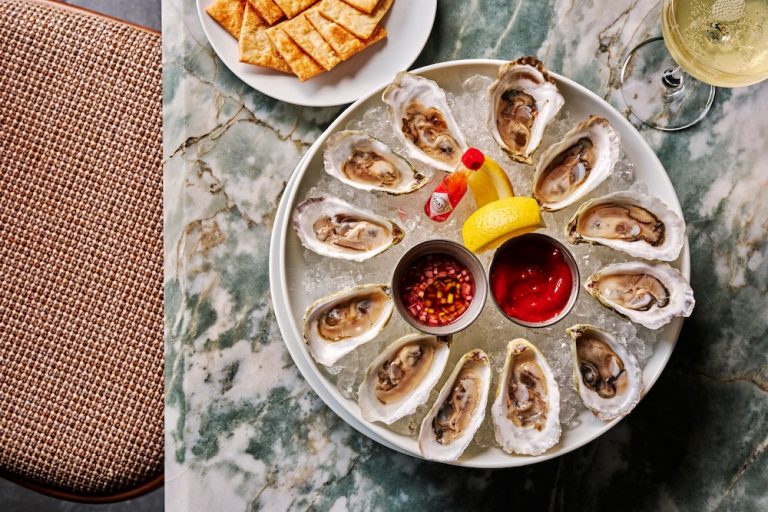
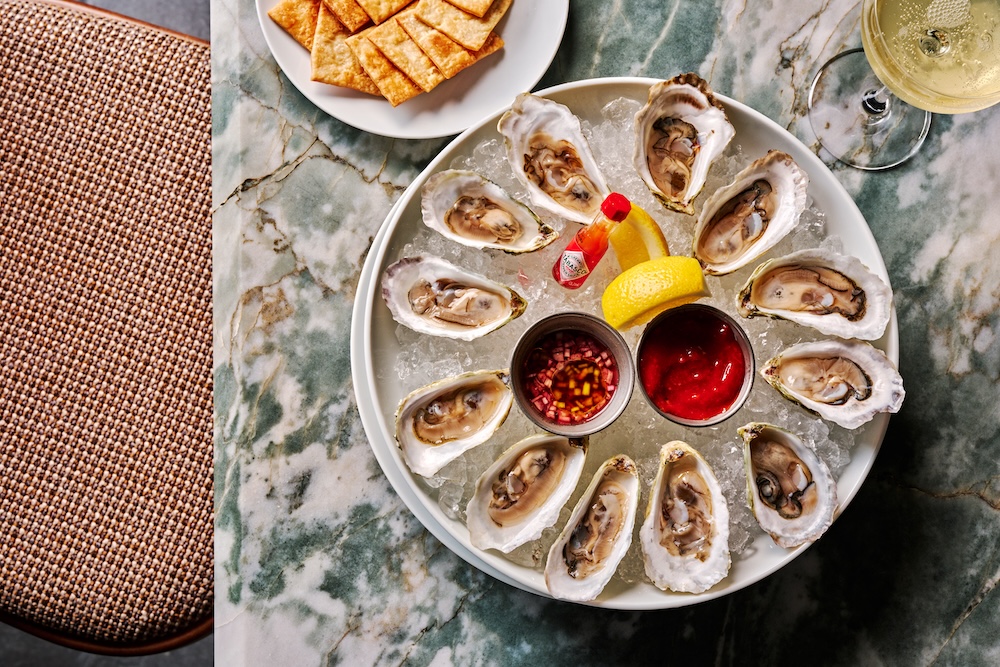
Oysters on the half shell

Photo by Andrew Thomas Lee

This plays to the level of technique and fastidiousness in the food. Paolini describes the restaurant as an American brasserie centered on iconic American and French dishes.

“I want the menu to be recognizable and distinct,” he says, noting that the emphasis is less on novelty than sourcing, technique, and execution.

Whereas Lucian’s food is concise and highly rotational, Sargent’s menu will be roughly twice the size, with more seafood and a steadier set of staples. Meals will be structured more traditionally with starters and mains, instead of four or five courses. Expect bread service with chicken liver pate, a caviar sandwich, raw oysters, shrimp salad with toast, crab cake, and steak tartare to begin. There’s also roasted corn soup, chilled cucumber gazpacho, classic Caesar salad, and tomato and peach salad.

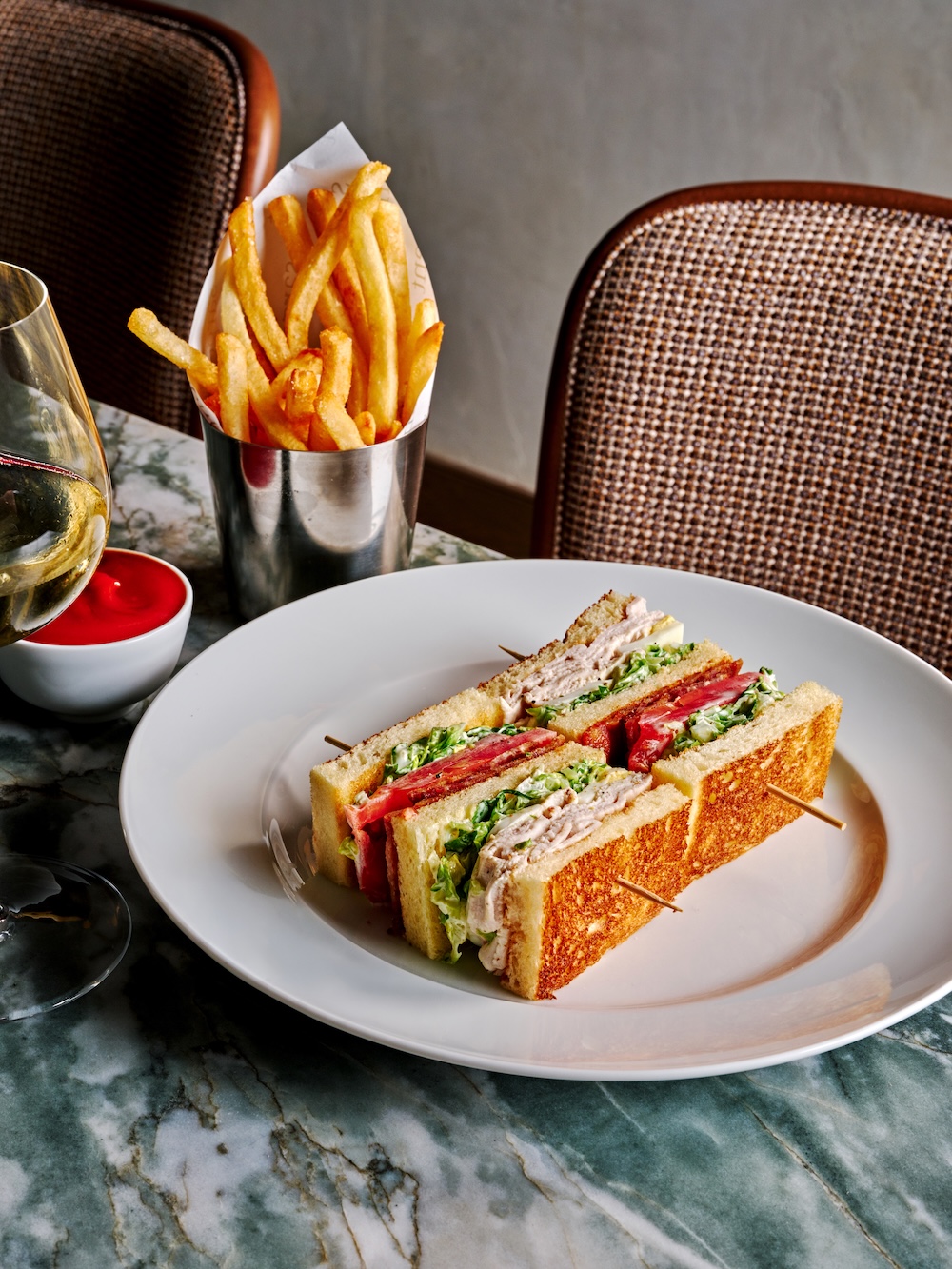
Club sandwich

Photo by Andrew Thomas Lee

Lunch offerings will include a burger, chicken paillard, and duck confit. Paolini is especially focused on the club sandwich, a dish he says, “sounds pretty basic but is one of the best sandwiches on the planet.” His version will include poached chicken breast, carefully sourced bacon and tomatoes, and lemon aioli. The goal, he says, is to make it iconic.

Dinner will bring pasta carbonara, roasted halibut, duck breast, roasted chicken, and prime rib. Dessert will include crème caramel, made in house.

“The menu is designed with the coziness in mind, not comfort food in a Southern sense, but food that feels familiar, satisfying, and carefully made,” Barringer says.

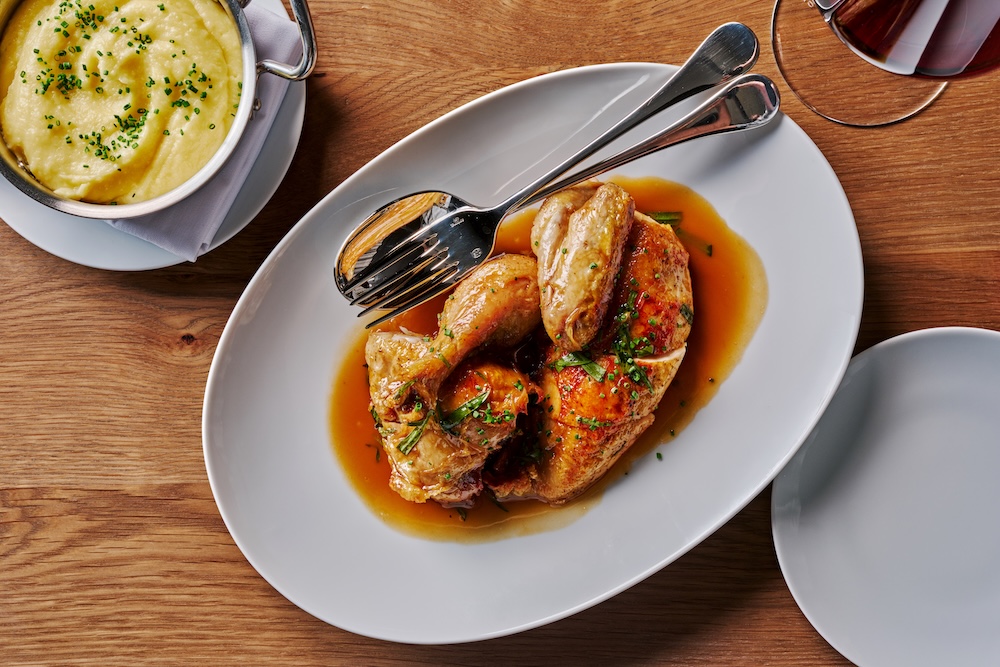
Roasted chicken

Photo by Andrew Thomas Lee

The beverage program follows the same logic: expansive yet disciplined. At Lucian, wine is the star, with more than 400 bottles. At Sargent, wine will remain central, but the list will contain half as many bottles, with 12 to 14 wines by the glass. Smelt says the structure will remain familiar to Lucian guests, organized by grape variety and then region or country, with a heavy emphasis on Europe and the United States, alongside select options from Greece, South Africa, and Australia. Smelt is making a concerted effort to keep about half the wine list at $85 or less. A concise “Lunchtime Bottles” list will offer curated selections priced from $45 to $75.

The biggest beverage evolution is the spirits. Smelt calls Sargent a “fuller bar,” with rum, mezcal, tequila, cordials, and single malts joining the mix. Cocktails will be classic and direct: the martini from Lucian, a Manhattan, Tom Collins, and aperitif-style drinks.

“We don’t need to reinvent everything,” Smelt says. “They’re classics for a reason.”

That same balance—familiar but elevated, polished but approachable—carries into the look and feel of the space. Barringer says the team kept texture and layering top of mind, including two custom murals by local artist Tommy Taylor. The goal, she says, was to make the restaurant feel established from day one, “like the space has been here,” even though it’s in a new building.

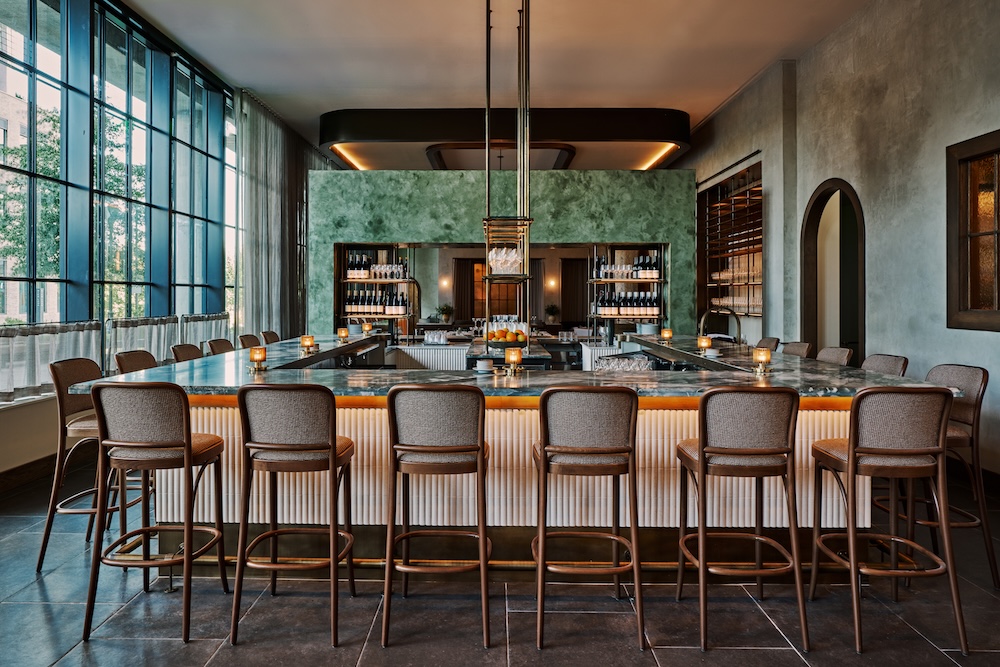
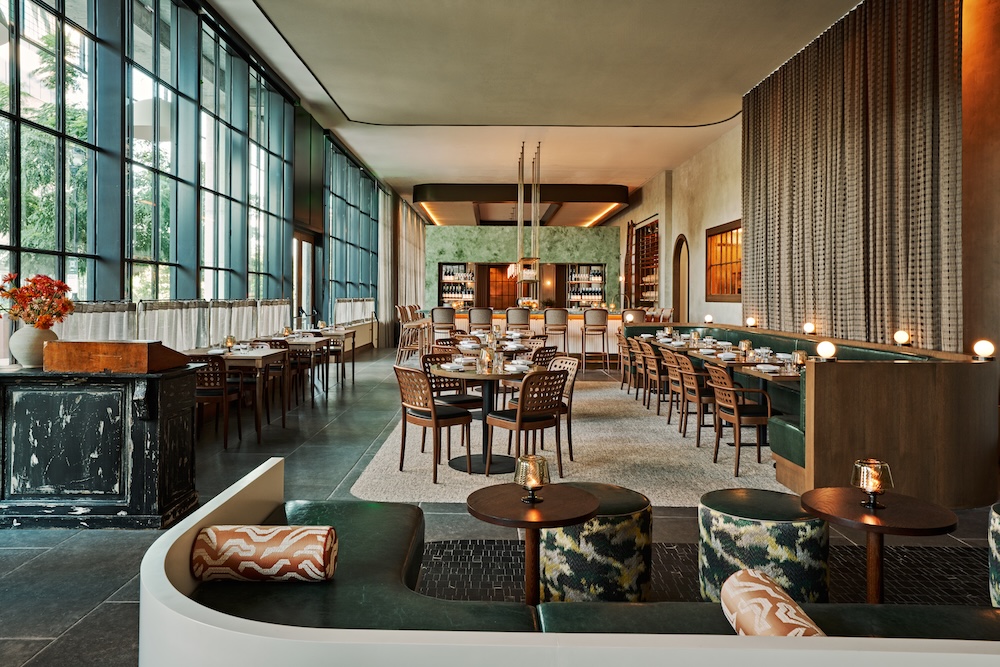
The dining room

Photo by Andrew Thomas Lee

Where Lucian occupies one intimate rectangular room, Sargent is longer, larger, and divided into distinct zones: an 18-seat bar, main dining room, private dining room for 18, outdoor seating, and retail area. In total, Sargent will seat about 165 guests. Floor-to-ceiling windows, a dog-friendly patio, and the steady movement of BeltLine foot traffic give off an energetic vibe.

“At Lucian, you’re coming in as an escape from the chaos outside,” Barringer says. “Here, we are playing into the vibrancy of the neighborhood.”

Books will also have a larger presence at Sargent. Barringer, who previously had a bookstore, is expanding Lucian’s retail model with nonfiction titles focused on art and design, food and wine, film and photography, biographies, music, and more. For her, the book component is not decorative; it is part of how the restaurant invites discovery.

The bookstore area at Sargent

Photo by Andrew Thomas Lee

Music will help distinguish the two restaurants, too. Lucian’s soundtrack tends toward instrumental selections; at Sargent, Smelt is looking to jazz and international music to match the restaurant’s livelier setting.

For all the differences, Sargent is not a rejection of Lucian’s ethos. It is an expansion of it—more seats, more menu items, more cocktails, more books, more neighborhood rhythm. The throughline is care. Barringer says she hopes guests leave “inspired, energized, satisfied,” with a renewed appreciation for what technique can do to classic dishes.

“It’s the same approach to service,” she says. “Always doing the best version of what we can do. Not cutting any corners.”

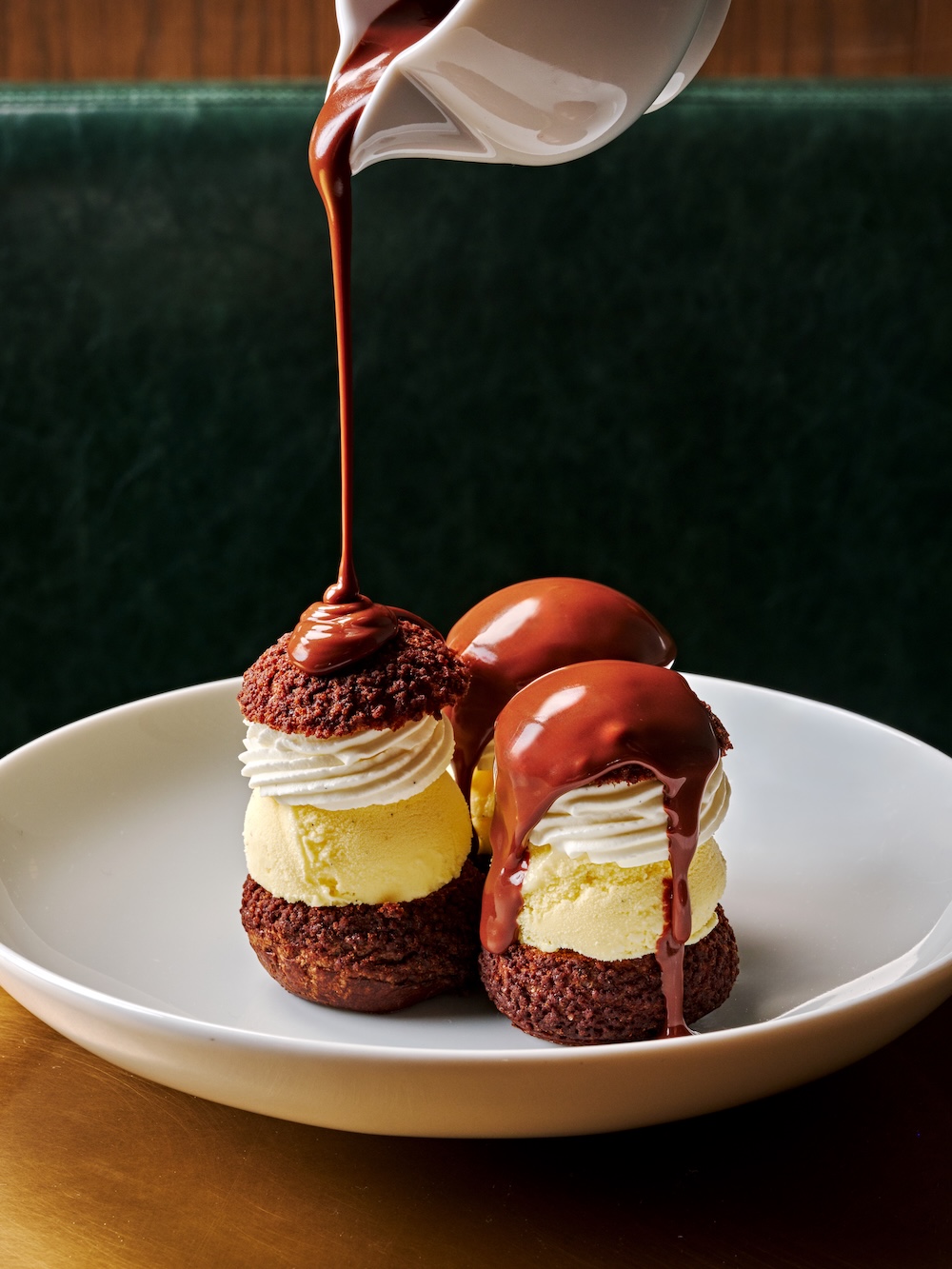
Chocolate profiteroles

Photo by Andrew Thomas Lee

Virginia Willis shares her four go-to tomato recipes for peak summer

0

Stuffed summer tomato with herb aioli

Garden-ripe tomatoes are one of summer’s greatest pleasures. Once I get them in my kitchen, their complex balance of sweet, tart, and umami flavors is a never-ending source of inspiration. In warmer months, I voraciously enjoy them at nearly every meal. Tomato cheese toast with a thin slice of Vidalia onion—that’s my kind of breakfast. Tomatoes can be the main course, a side dish, a salad, an appetizer, and yes, even blitzed into a beverage. Bloody Mary, anyone?

Tomatoes in peak season require little to no cooking, making them great for no-fuss suppers at home as well as stress-free cookouts with friends. This trio of tomato recipes is streamlined with ease in mind: Tomato and Peach Gazpacho with Chilled Shrimp Skewers, One-Pan Baked Tomato and Goat Cheese Crostini, and Stuffed Summer Tomatoes with Herb Aioli. Both the gazpacho and the salad can be made ahead, always a plus. And the baked tomato crostini is astonishingly simple to prepare.

Whether you have gone overboard at the farmers market, have an abundant home garden surplus, or, like me, simply have an appetite for enjoying this juicy treat while in season, these recipes put tomatoes in the spotlight and are certain to satisfy.


tomato and peach gazapacho with chilled shrimp skewers

Tomato and Peach Gazpacho with Chilled Shrimp Skewers

Serves 4

In the hot days of summer, this soup is a refreshing cold supper. Sweet Georgia peaches lend a honey sweetness to the earthy tomatoes and tart vinegar, creating a flavorful sweet and sour combination. Served with chilled, ready-to-eat shrimp, the minimal effort offers a mighty payoff.

I love to freeze any leftovers in popsicle molds for a savory treat to enjoy later.

  • 5 medium peaches, peel on, for both soup and garnish
  • 1 pound ripe tomatoes, cored and quartered
  • ½ onion, preferably Vidalia, coarsely chopped
  • 2 tablespoons sherry vinegar
  • 1 garlic clove, peeled
  • Pinch cayenne pepper
  • Coarse kosher salt and freshly ground pepper
  • Cooked, peeled, tail-on large shrimp, defrosted if frozen
  • 1 lemon, cut into eight wedges
  • 1 small bunch fresh mint, for serving
  • Extra-virgin olive oil, for serving

Pit and quarter 4 of the 5 peaches. Reserve the remaining one peach to dice just before serving for garnish.

Combine the tomatoes, the 4 quartered peaches, onion, vinegar, garlic, and cayenne pepper in a blender fitted with the metal blade. Season with salt and pepper. Puree until smooth. Refrigerate until cold, about 1 hour. (Take the time here to also chill the serving bowls.)

Thread the defrosted shrimp onto skewers. Transfer to a platter with the lemon wedges. Refrigerate until ready to serve.

When ready to serve, taste and adjust the soup for seasoning with salt and pepper. Pit and chop the remaining peach into ¼-inch dice. Remove the shrimp from the refrigerator and scatter a few mint sprigs over the skewered shrimp with lemon.

Ladle the soup into chilled bowls. Top each serving with a spoonful of peaches and a small sprig of mint. Drizzle with extra-virgin olive oil and season again with freshly ground pepper.

Serve each bowl with a skewer of shrimp. Serve immediately.


stuffed summer tomato with herb aioli

Stuffed Summer Tomatoes with Herb Aioli

Serves 4

Large beefsteak tomatoes are tasty vessels for a summer salad. I like a mix of raw and cooked ingredients, either freshly sauteed as shown here, or as a great way to use up the remnants of past meals. Have a cup or so of leftover peas or butterbeans? Toss them into the mix. Other raw summer vegetables that can be added include cucumber, radishes, and sweet bell peppers. Raw okra may surprise you, but it’s a crisp addition to this uber-seasonal salad.

A large tomato roughly the size of a softball will hold about ¾ cup of vegetable filling once it’s mounded beyond the tomato rim.

  • 4 large tomatoes
  • 1 teaspoon pure olive oil
  • 1 onion, preferably Vidalia, diced
  • 2 zucchinis, diced
  • Scraped kernels from 2 ears fresh sweet corn (about 1 cup kernels)
  • Coarse kosher salt and freshly ground black pepper
  • 1 carrot, peeled, thinly sliced into rounds
  • 1 celery stalk, diced
  • 4 pods raw okra, stem end removed and thinly sliced on the bias
  • ½ cup mayonnaise
  • 1 garlic clove, peeled, very finely chopped
  • 2 tablespoons freshly chopped mixed fresh herbs such as parsley, basil, chives, and cilantro, plus additional herbs for garnish
  • 4 leaves lettuce, such as iceberg or Romaine, for serving

To form tomato shells, with a serrated knife, core each tomato, discarding the stem and core. Slice off the top quarter of the cored tomatoes. Set aside.

Using a melon baller or a spoon, scoop out the seeds and pulp of the topless tomatoes to create a shell, transferring the juices and pulp to a large bowl. Using your hands, squish the pulp and seeds until smooth but slightly chunky.

Dice the tops of the reserved tomato “lids.” Add to the bowl with the tomato pulp. Set aside.

Heat the olive oil in a large skillet over medium heat. Add the onion, zucchini, and corn kernels. Season with salt and pepper. Cook, stirring occasionally, until the vegetables are just tender, about 8 minutes. Remove from the heat.

Once cool to the touch, add the cooked vegetables to the bowl with the reserved diced tomato and tomato pulp. Add the carrot, celery, okra, mayonnaise, garlic, and chopped herbs. Stir to combine. Taste and adjust for seasoning with salt and pepper.

Fill each tomato shell with a heaping scoop of vegetables. Line serving plates with a leaf of lettuce. Place the filled tomato on top and garnish with an additional sprig of herb. Serve immediately.


baked tomato and goat cheese crostini

One-Pan Baked Tomato and Goat Cheese Crostini

Makes about 2 dozen toasts

Cherry and grape tomatoes shine in this dish. The tomatoes swell and soften, some bursting, some not. It’s a great way to use up the smaller tomatoes if your garden crop overwhelms you or you are faced with tomatoes a little past their prime.

Crostini are Italian appetizers of little toasts topped with various ingredients. This simple one-pan appetizer creates the “toast” and the “topping” all at once. There’s no need to toast the bread separately, offering ease as well as an eye-popping presentation. If goat cheese isn’t your thing, try a hunk of feta or queso fresco.

  • 10.5-ounce log goat cheese
  • 24 ounces cherry or grape tomatoes, preferably a mix of colors
  • 20 pitted kalamata olives, halved (optional)
  • 2 garlic cloves, peeled, thinly sliced
  • Freshly ground black pepper
  • 1 baguette, sliced ½-inch thick
  • ¼ cup extra-virgin olive oil, more if desired
  • 2 teaspoons fresh rosemary leaves, finely chopped
  • 2 teaspoons small fresh oregano leaves

Heat oven to 350°F. Place the goat cheese in a medium casserole dish. Surround it with the tomatoes, olives, and garlic. Season with freshly ground black pepper.

Place the baguette slices around the edge of the casserole dish, not overlapping too much. Lightly brush the bread with olive oil, tipping any remaining oil into the dish.

Transfer the casserole dish to the oven. Bake until the mixture is hot and the bread is golden brown, about 30 minutes. Sprinkle with the rosemary and oregano leaves. Drizzle with additional olive oil, if desired. Serve hot, warm, or at room temperature—it’s even good served cold.


a tomato juice with cherry tomatoes and lemon as garnish on the glass rim

Red Snapper Cocktail

Serves 2

No, not the fish! A Red Snapper is a Bloody Mary made with gin instead of vodka.

Bloody Mary rimming salt can be found in stores and online, but it’s also easy to make your own. Combine ¼ cup kosher salt, 1 teaspoon celery seed, ½ teaspoon granulated garlic, and a pinch of cayenne pepper.

  • 1 lemon
  • 1 pound small ripe tomatoes, cored and halved
  • 1 tablespoon prepared horseradish
  • 4 dashes hot sauce, or to taste
  • 3 dashes Worcestershire sauce
  • ¼ cup Bloody Mary rimming salt
  • 2 ounces gin
  • Celery stick, for serving
  • Cucumber slice, for serving
  • Grape or cherry tomatoes, skewered, for serving

Halve the lemon. Squeeze 1 half into the jar of a blender. Slice the other half into thin circles. Set aside. 

Place the tomato halves into the blender with the lemon juice. Puree until very smooth. (It should make about 2 cups.) Add the horseradish, hot sauce, and Worcestershire sauce; pulse to combine.

Rub the rim of two glasses with the juiced lemon half. Dip each glass into a plate of Bloody Mary salt to coat the rims.

Fill the glasses with ice. Add gin and top with seasoned tomato juice. Stir to combine. Garnish each with lemon circles, celery, cucumber, and skewered tomatoes. Serve immediately.


a photo of Virginia Willis wearing black glasses and a red shirt

ABOUT THE WRITER
Atlanta-based chef Virginia Willis is a James Beard Award–winning author of numerous cookbooks, including Bon Appétit, Y’all and Secrets of the Southern Table. She has appeared on Chopped and The Rachael Ray Show.

This article appears in our August 2026 issue.
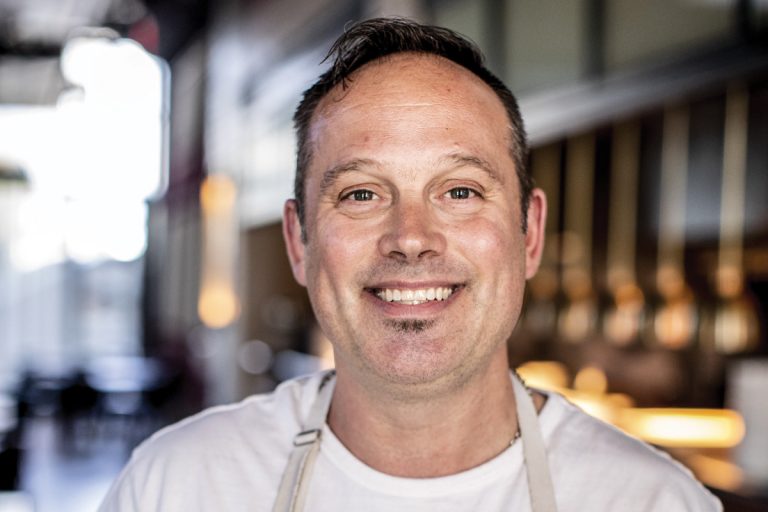
Amasa Mexican Kitchen builds on sister restaurant Chichería’s masa-driven menu

0
A spread at Amasa

Courtesy of O'Kelly Co.

Amasa Mexican Kitchen, the sister restaurant to Chichería Mexican Kitchen on the Westside, is expected to open mid-August at Alpharetta City Center. A grand opening celebration for this seafood-heavy, Baja-inspired spot is planned for early September.

At the center of both restaurants is masa. Amasa takes its name from amasar, the Spanish verb meaning to knead.

“The name points directly to what matters most to the restaurant—the core of our identity is the tortillas,” says owner Juan Calle.

Like Chichería, Amasa will serve a Baja California-inspired, gluten-free menu built around organic, non-GMO blue corn tortillas that are ground and pressed daily. The masa program is so central to the restaurant that servers learn the tortilla-making process during training, and diners can see tortilleras hard at work.

Blue corn tacos: carne asada (top), chargrilled salmon (left), Baja fish (right)

Courtesy of O'Kelly Co.

The food will feel familiar to Chichería regulars, as Joey Vazquez serves as executive chef of both restaurants. But Amasa will not be a carbon copy. About a quarter of the taco menu will be different, with new items including a grilled octopus taco. Enchiladas and ice cream flavors also vary by location.

A Sunday cazuela brunch buffet inspired by the flavors of Mexico City will be offered at both Amasa and Chicheria. The brunch will center on dishes cooked in large clay pots over fire, with weekly-changing selections such as a taco bar, tamales, eggs, pozole, menudo, esquites, ceviche, aguas frescas, café de olla, and Mexican hot chocolate.

The biggest departure may be the beverage program. Amasa will offer roughly 45 tequilas—more than double Chichería’s selection—with an emphasis on small-batch producers, including organic and sustainably minded brands. A second-floor tequila room will be used for margarita-making and tequila education classes. The design displays an arch meant to evoke the inside of a tequila barrel and an agave planter at the center of the room.

Spicy margarita

Courtesy of O'Kelly Co.

Amasa takes over the former Jekyll Brewing space in Downtown Alpharetta, transforming it with art Calle sourced from Mexico and a vacation-minded design inspired by Baja and Mexican wine country. The dining room will include booths and banquettes, while the second floor will be darker and moodier, with full-service dining and a bar on the rooftop deck.

The restaurant also will host live jazz, saxophone performances, Spanish singer-songwriters, dancing lessons, and multi-course tequila tastings and classes. However, Calle notes it is family-friendly, too, with a children’s menu and a dining room designed to accommodate groups.

“We’re really excited to open in this incredible community,” Calle says.

Whole crispy snapper with queso fresco, roasted tomato and pumpkin sauce, arugula, mango, cilantro, and lime

Courtesy of O'Kelly Co.

Famous soup dumpling restaurant opens location in Buford’s Mall of Georgia

0
Nan Xiang’s new Buford location opened quietly at the beginning of July and had its official launch event on Aug. 3. Pictured here: an assortment of dishes available at the famed New York soup dumpling restaurant.

Courtesy of Nan Xiang

The Mall of Georgia might not be the first place you’d think of for the opening of a once Michelin-recommended restaurant, known for its handmade soup dumplings and pan-fried pork buns, but for Nan Xiang Xiao Long Bao’s co-founder Michael Ma, it was an obvious choice.

“We were like, ‘This is perfect for our first location coming into Georgia,’” Ma says. “What really made us intrigued about the area is just how diverse it is. It almost feels like Queens, where our original location first opened.”

The restaurant’s first location in New York gained a cult following after it opened in 2006. It was Michelin recommended in 2009 and held the recommendation for nine consecutive years.

A rendering of a bar at Nan Xiang Soup Dumpling restaurant. The new Buford location seats roughly 200 and features the brand’s modern Asian aesthetic.

Courtesy of Nan Xiang

The Buford location, which opened quietly at the beginning of July and had its official launch event on Aug. 3, is the brand’s 13th across the country. The restaurant took over a 6,000-square-foot space, formerly a Buffalo Wild Wings, next to the Regal Mall of Georgia theater. The Georgia location is one of the brand’s largest so far, with seating for nearly 200 guests.

“We’re so used to New York City, where everything’s so compact. Here the space is huge,” Ma says of the spot in the state’s largest shopping mall. “It’s really exciting—we’re able to serve more customers in a more comfortable manner than some of our other locations.”

The restaurant’s name is a nod to Nanxiang, a canal town in greater Shanghai recognized as the birthplace of modern soup dumplings, known as xiao long bao.

The refreshed space includes the brand’s signature maroon color palette and a mountain-themed mosaic on the walls that is immediately recognizable for brand devotees. There’s also a six-foot-tall art installation of a soup dumpling steamer basket and a pair of chopsticks.

The Lucky Six is an assortment of a half dozen of Nan Xiang’s most popular soup dumpling flavors.

Courtesy of Nan Xiang

“I’m hoping people will make it a point to come and take a picture,” says Ma. “It’s great for Instagram, TikToks, and stuff like that.”

Another point of entertainment? The open kitchen that showcases the brand’s signature soup dumplings and buns being made by hand.

The current menu is consistent with other locations, featuring fan favorites such as the Lucky Six basket: a half-dozen soup dumplings in a variety of flavors including truffled pork, chicken, pan-fried pork and crab. Shanghai-style wontons are served with a spicy peanut sauce.

“When you think about Southern food, you think comfort foods and barbecue,” Ma says. “We’re excited to see what kind of customer feedback we get. It’s possible we may incorporate it into future items within our brand.”

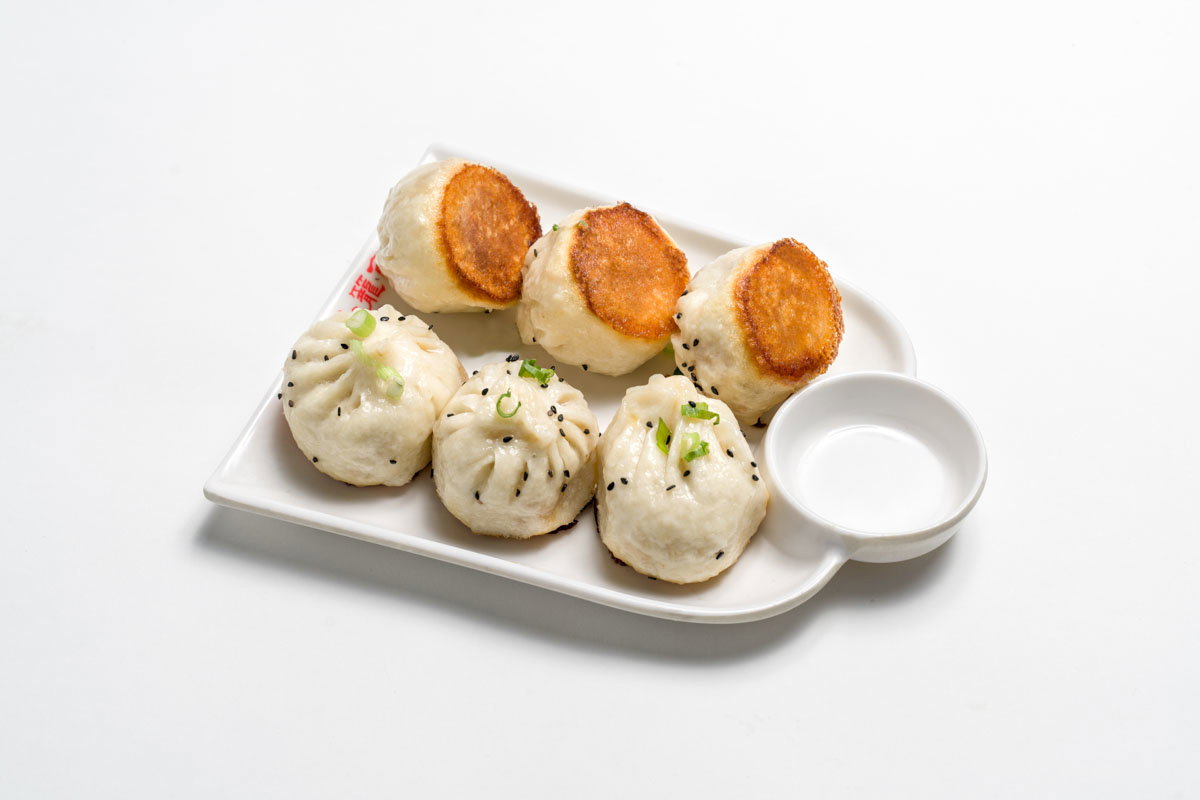
Pan fried pork buns at Nan Xiang.

Courtesy of Nan Xiang

Management plans to add a full bar, with signature cocktails, wine, and beer, later this year, pending liquor license approval.

No matter what you’re keen to try, Ma suggests coming with a group.

“It’s a lot of food, so the best way is to come with people who like to eat and order a little bit of everything to share,” he says. “Family style is really big in Asian cuisine, and I think that’s the best way to experience our restaurant.”

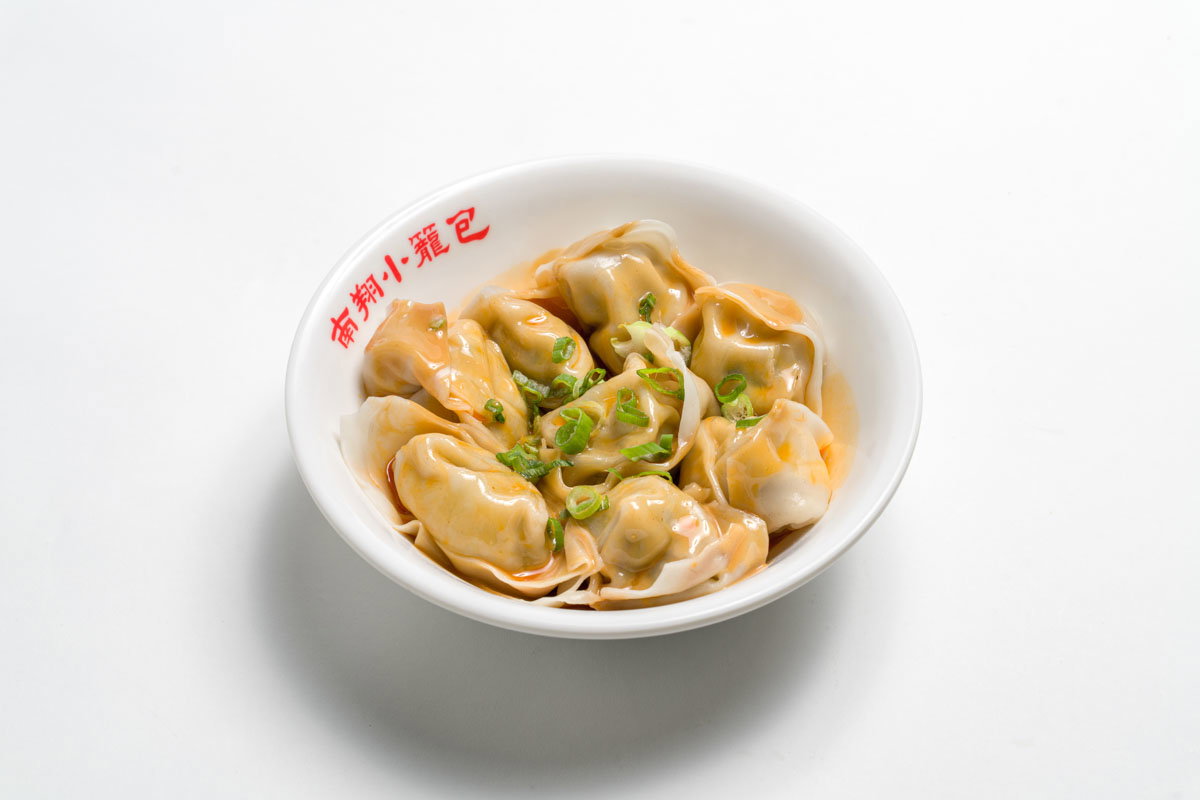
Pork and vegetable wontons served in a spicy peanut sauce at Nan Xiang.

Courtesy of Nan Xiang


New grilled cheese shop brings gooey sandwiches to Atlanta’s Pittsburgh Yards

0
Located in a shipping container at Pittsburgh Yards, Adam J’s Grilled Cheese brings nostalgic comfort off the BeltLine
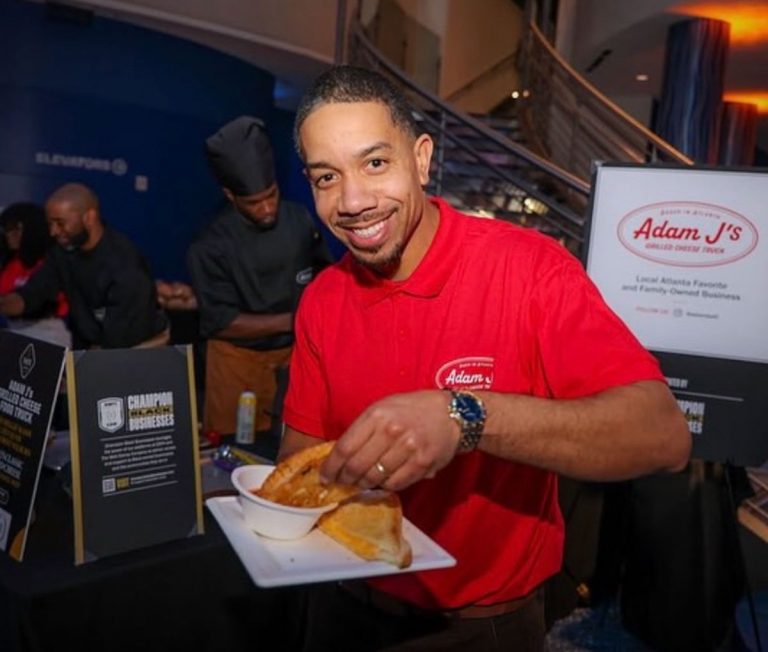
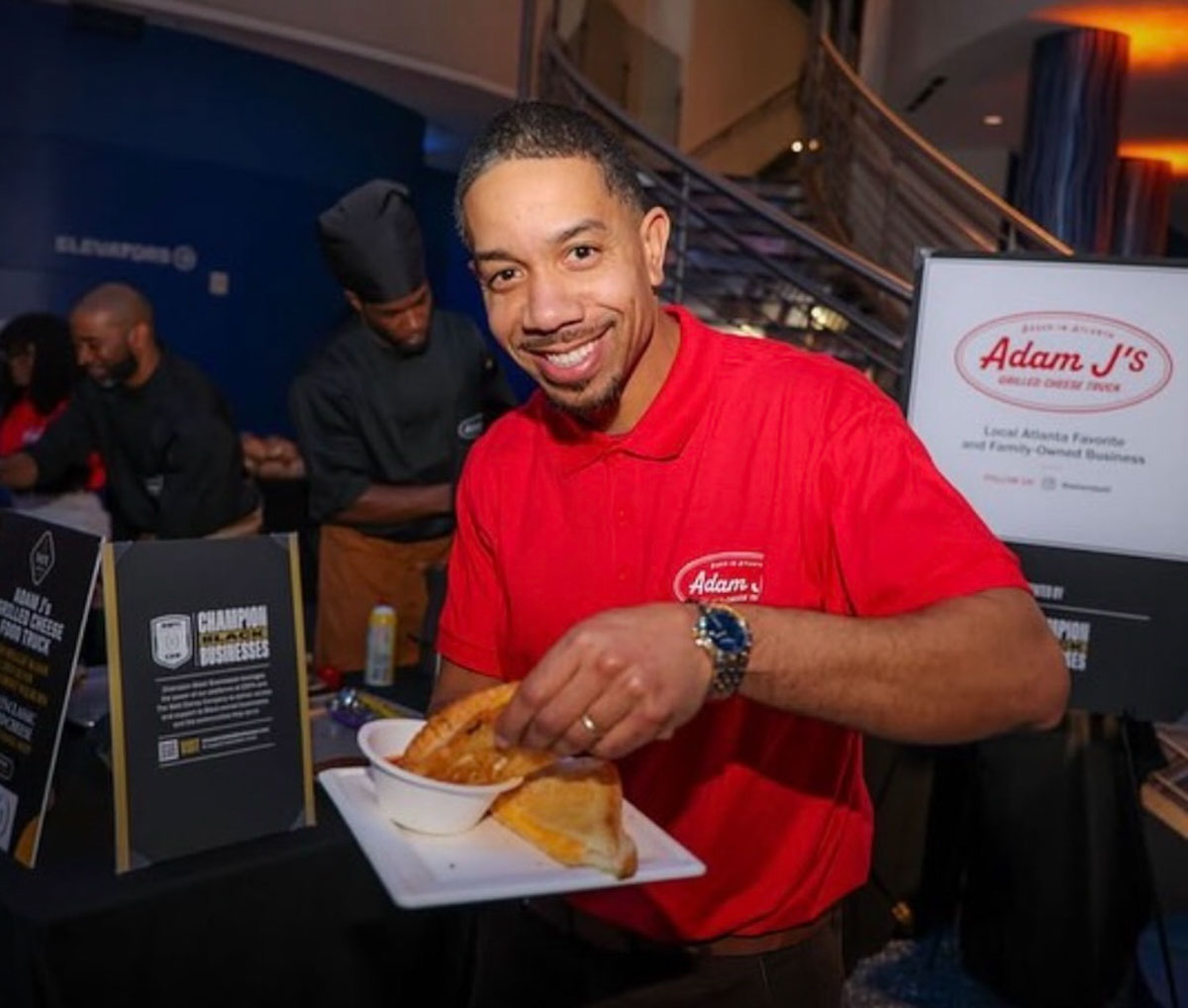
Adam Jackson is a fifth generation Atlantan who launched Adam J’s Grilled Cheese from a shipping container in Pittsburgh Yards.

Photo courtesy of Adam J's Grilled Cheese.

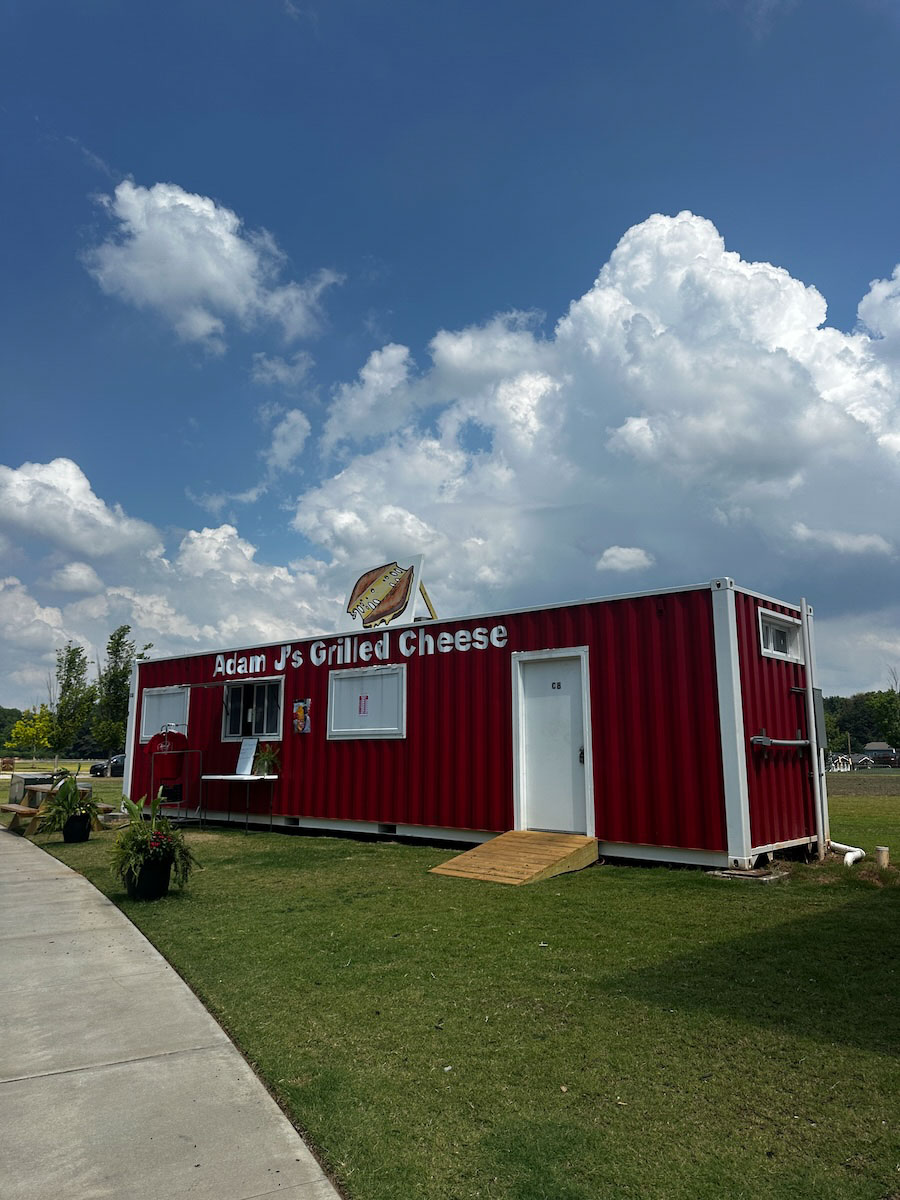
Amid the shipping containers at Pittsburgh Yards, it’s impossible to miss the bright red one. It belongs to Adam J’s Grilled Cheese and, even in this summer heat, you’re likely to see lunchgoers lined up, drawn in by the promise of buttery, gooey sandwiches. For Adam Jackson, the shipping container represents years of experimentation and determination as he sets out to carve out his place in the community.

Jackson, a fifth-generation Atlantan and one of eight siblings, hadn’t planned on becoming a grilled cheese perfectionist. After his brother’s death, he found solace in baking his family’s biscuit recipe, taught to him by his mother.

“I enjoyed the process,” he says. “I started making them for friends and neighbors, and that slowed me down.”

Located in a shipping container at Pittsburgh Yards, Adam J’s Grilled Cheese brings nostalgic comfort off the BeltLine
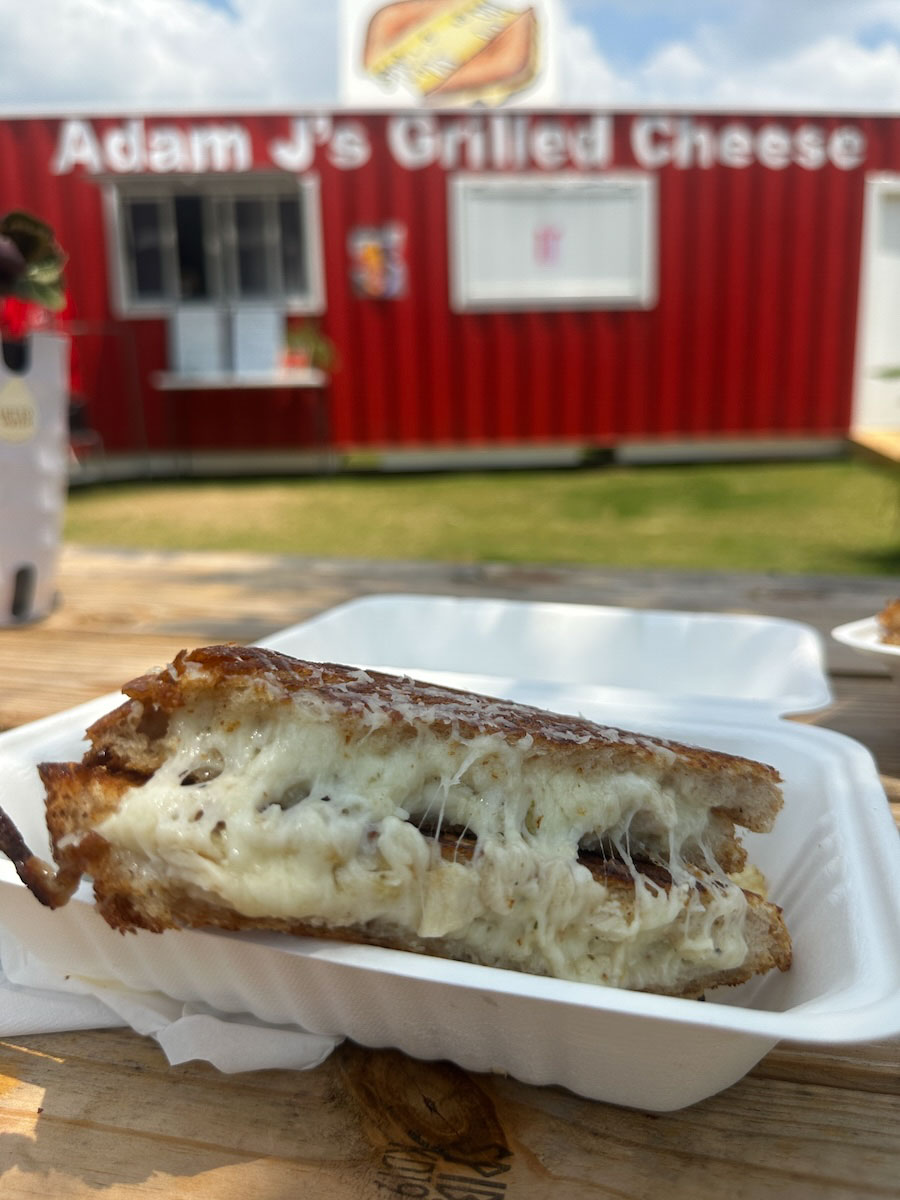
Adam J’s grilled cheese sandwiches, served from a red shipping container in Pittsburgh Yards, are made on locally baked sourdough bread with a three-cheese blend that includes mozzarella, smoked gouda, and white cheddar. A classic sandwich costs only $5.

Photo by Lia Picard

With the help of his siblings, he founded Butterly Biscuits, which he sold at the Grant Park Farmers Market. Jackson never found a permanent home for his biscuit business, but he wanted to stay in the food industry, so he turned to sandwiches, with their broad appeal.

Years of selling sandwiches from a food truck at Dragon Con and Georgia Tech football games proved that his grilled cheese sandwiches had staying power. After finding the right blend of cheeses to perfect the “pull,” Jackson was ready to go all-in. He found a permanent home for Adam J’s with a shipping container in Pittsburgh Yards, just off the recently opened Southside trail of the BeltLine.

“It was a lot to get this container here, just a lot of sacrifices, money and all that,” he says. “But I saw the vision of the Southside.”

His neighbors in the shipping container courtyard include the coffee shop Urban Grind, Coffyn Pyes, which sells savory hand-pies, and the plant shop Pink Pothos.

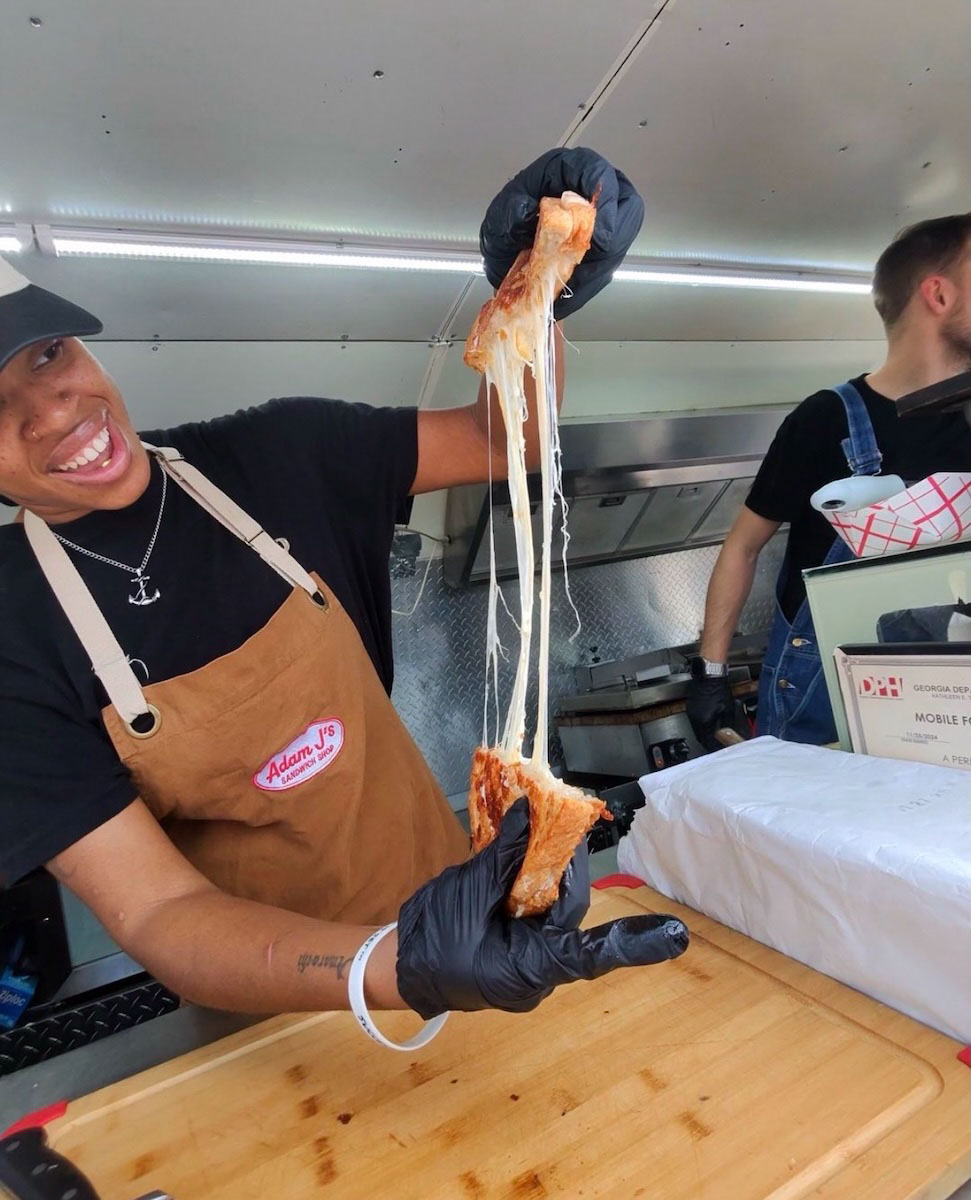
The key to a perfect grilled cheese, Jackson says, is a blend of aged white cheddar, mozzarella, and smoked gouda on locally baked sourdough. He found a way to toast the bread to a deep golden crisp without charring it, while the cheese stays molten enough to deliver the dramatic pull customers love. He still leans on local partnerships, sourcing much of his produce from South Atlanta Farms.

Located in a shipping container at Pittsburgh Yards, Adam J’s Grilled Cheese brings nostalgic comfort off the BeltLine
Adam J’s grilled cheese sandwiches are ooey-gooey and made of a three-cheese blend that includes white cheddar, mozzarella, and smoked gouda.

Photo courtesy of Adam J's Grilled Cheese.

“It’s funny, as soon as people taste it, it’s like ‘Is it better than my mom’s? Is it better than my grandma’s?’ It’s meant a lot to me to create an experience with the grilled cheese,” Jackson says.

Beyond the classic, he offers sandwiches including chicken parmesan with house-made tomato sauce and a jerk chicken grilled cheese that levels up the spice and quickly sells out. The truffle mushroom grilled cheese is his mother’s favorite. A classic sandwich costs $5 while the others are $10; they all include a side of chips and a pickle.

The shipping container is more than just a means to make money. For Jackson, it’s a chance to create a gathering place in an area he says is in need of good food.

Located in a shipping container at Pittsburgh Yards, Adam J’s Grilled Cheese brings nostalgic comfort off the BeltLine
Adam J’s Grilled Cheese serves sandwiches from this red shipping container in Pittsburgh Yards along the BeltLine in Atlanta.

Photo courtesy of Adam J's Grilled Cheese.

“I want to bring gourmet to a community that hasn’t seen gourmet in years, and we all deserve that,” Jackson says. “Everybody wants something nice, so my thing is to bring that to the community, something they can be proud of.”

Even though it’s a shipping container, he’s still managed to make it a vibe. Between a playlist that shuffles R&B and jazz, affordable sandwiches, and a prime BeltLine location, Jackson hopes Adam J’s becomes the kind of neighborhood gathering place where people come as much for the atmosphere as the grilled cheese.

What to order at Y BAR: 5 must-try dishes at this new Italian hotspot in Buckhead Village

0
Inside Y BAR

Photo by Sarah Lawless

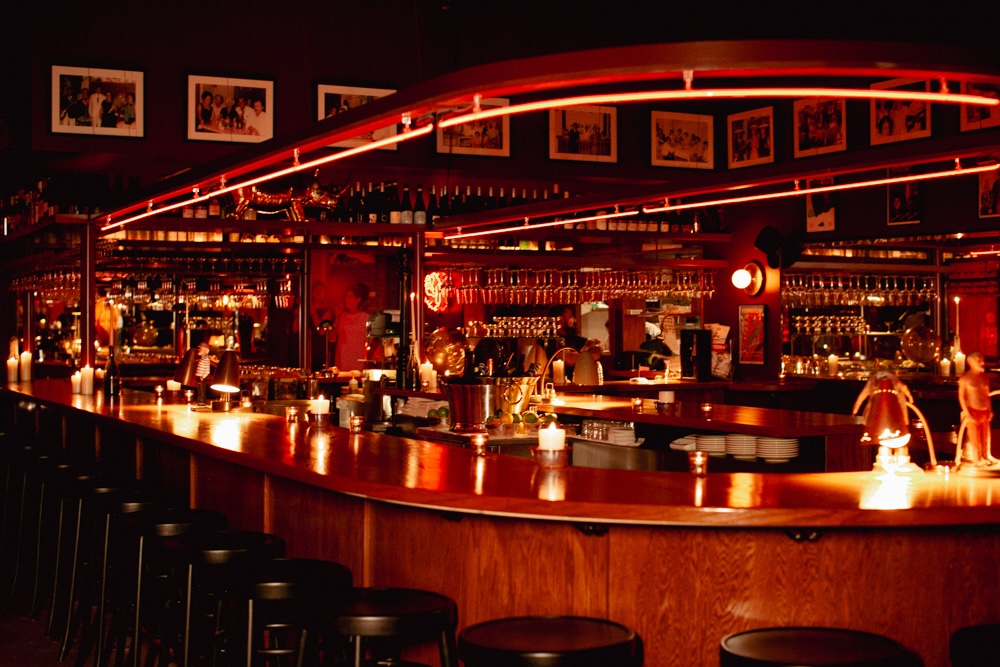
The team behind Yeppa & Co., Storico Fresco Ristorante, and Forza Storico just opened a swanky new spot in Buckhead Village. Called Y BAR e Ristorante, it replaces the team’s short-lived Mexican restaurant Pachengo and wine bar Storico Vino. Dark and sultry inside, with a charming, airy patio, Y BAR serves Italian shared plates, cocktails, and wine.

It was inspired by the 1960s cafés and bars of Rimini, Italy, where founder Stephen Peterson grew up.

“It was a time when people embraced beauty in everyday life. They appreciated art, music, conversation, and the simple ritual of gathering with friends,” Peterson explains. “It was about slowing down enough to enjoy where you were and who you were with. That’s something people are searching for again.”

Built around a large U-shaped bar, the space is adorned with Federico Fellini artwork, family photos, vintage lamps, weathered books, and Italian antiques. Televisions are intentionally absent to preserve the feeling of togetherness. Like all of his restaurants, Y BAR is a tribute to Peterson’s mentor, a man named Yeppa.

“He’s the soul of our restaurants because he taught me that the best places aren’t defined by what’s on the menu. They’re defined by the people they bring together,” Peterson says.

Open less than a week, Y BAR is already on a wait most nights, so reservations are recommended. Plans are in the works for a second Y BAR location to open on the Westside later this year. In the meantime, Peterson shares his top five must-try dishes and drinks:

I’m Workin’ with 3 Inches

Photo by Sarah Lawless

I’m Workin’ with 3 Inches

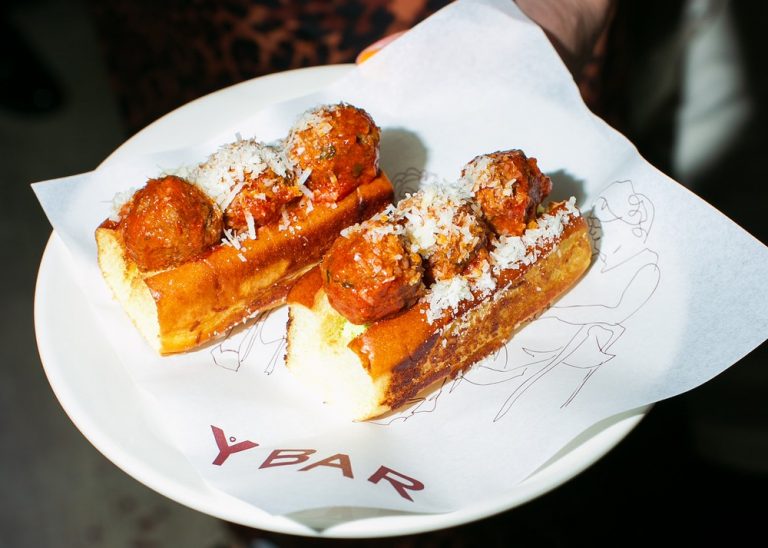
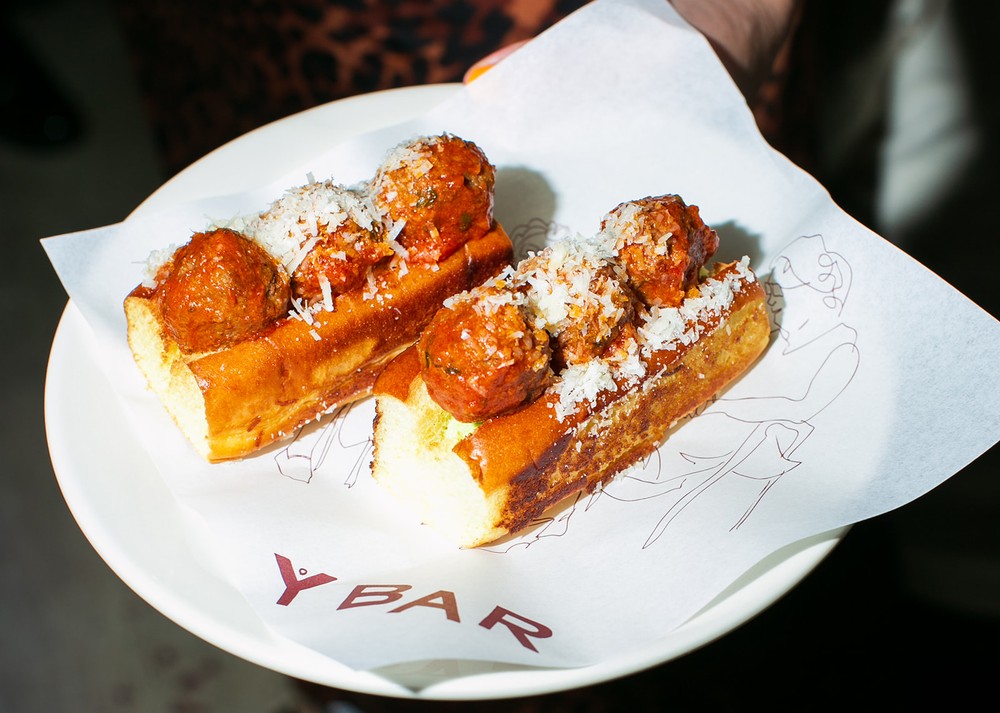
What is it? Our take on the classic meatball sub, served as two mini 3-inch sandwiches with oversized meatballs, toasted garlic bread, pomodoro, mozzarella whip, basil, and Parmigiano.

What makes it stand out? It’s playful, craveable, and the name gets people every time. It’s the kind of dish guests order once and come back for.

How is it made? What makes it unique? A little salty, a little savory, the perfect crisp on the toasted bun. We see this as our late-night snack. It’s available after the kitchen closes. It’s the perfect bite after one more round of cocktails.

Burro e Alici

Photo by Sarah Lawless

Burro e Alici

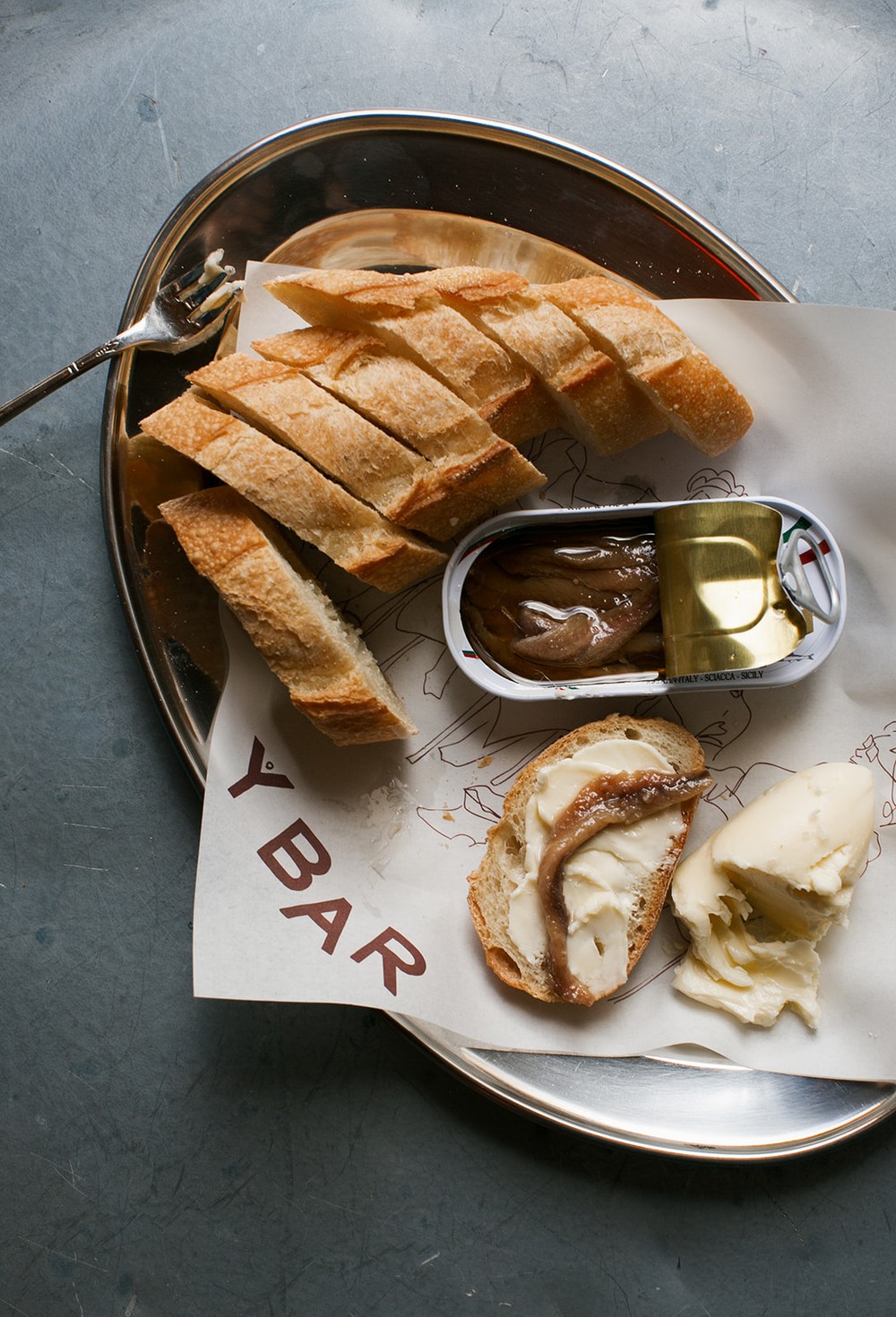
What is it? Warm, toasted bread with cultured butter and premium anchovies.

What makes it stand out? It’s one of the simplest dishes on the menu, but also one of the most satisfying. Great ingredients don’t need much. This is Rimini on a plate.

How is it made? What makes it unique? The contrast is what makes it work. Toasted bread, creamy butter, and delicate anchovies come together in a bite that’s much more balanced than most people expect.

Cacio e Burro

Photo by Sarah Lawless

Cacio e Burro

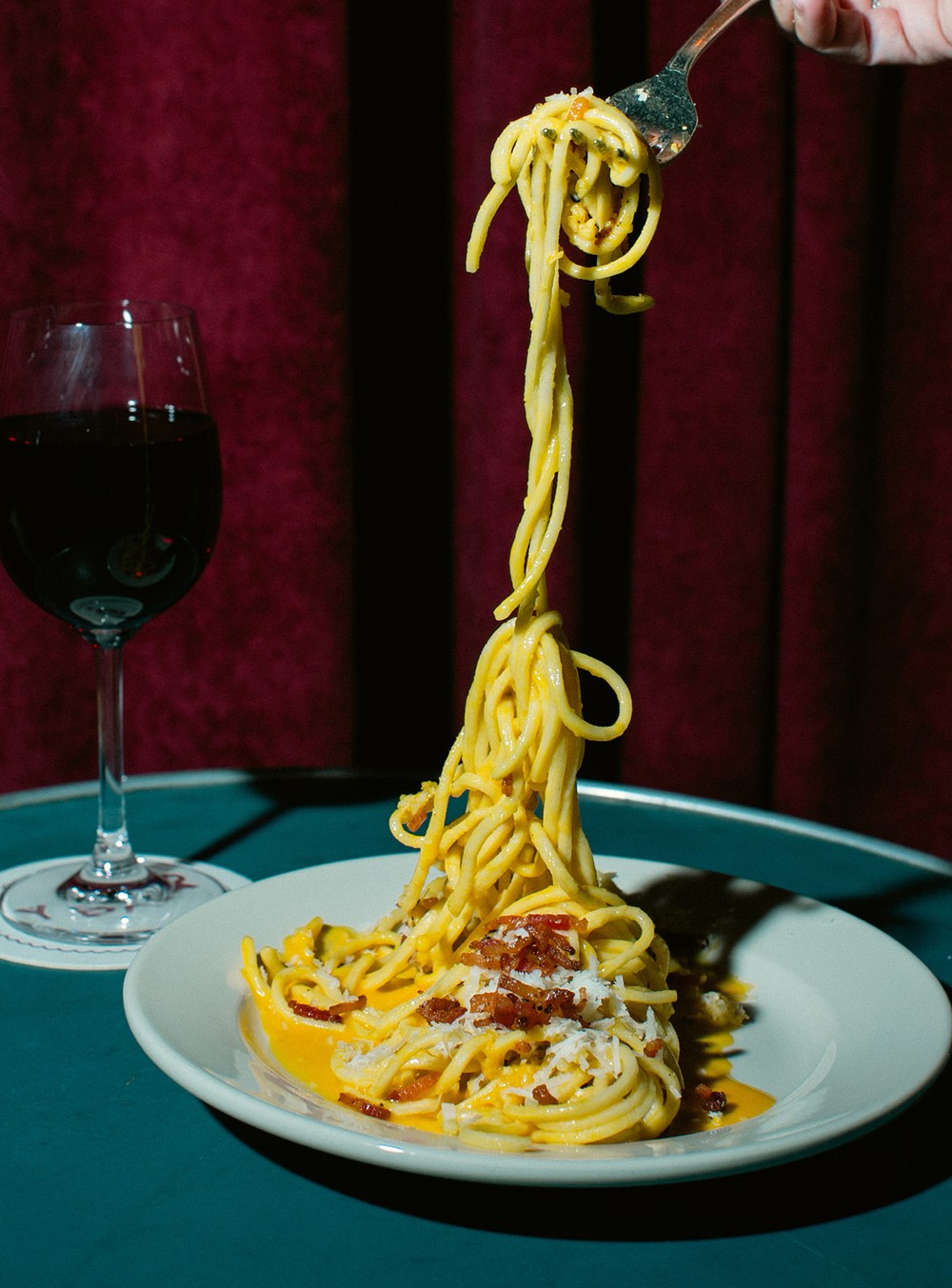
What is it? Fresh handmade tagliolini tossed with Pecorino-infused carrot butter, crispy guanciale, and Parmigiano.

What makes it stand out? It’s comforting, nostalgic, incredibly craveable, and unexpectedly familiar.

How is it made or what makes it unique? Instead of a traditional cacio e pepe, we build the sauce around a carrot-infused butter with aged cheeses. The result is silky and rich, finished with crispy guanciale for texture.

Bruschetta Martini

Photo by Sarah Lawless

Bruschetta Martini

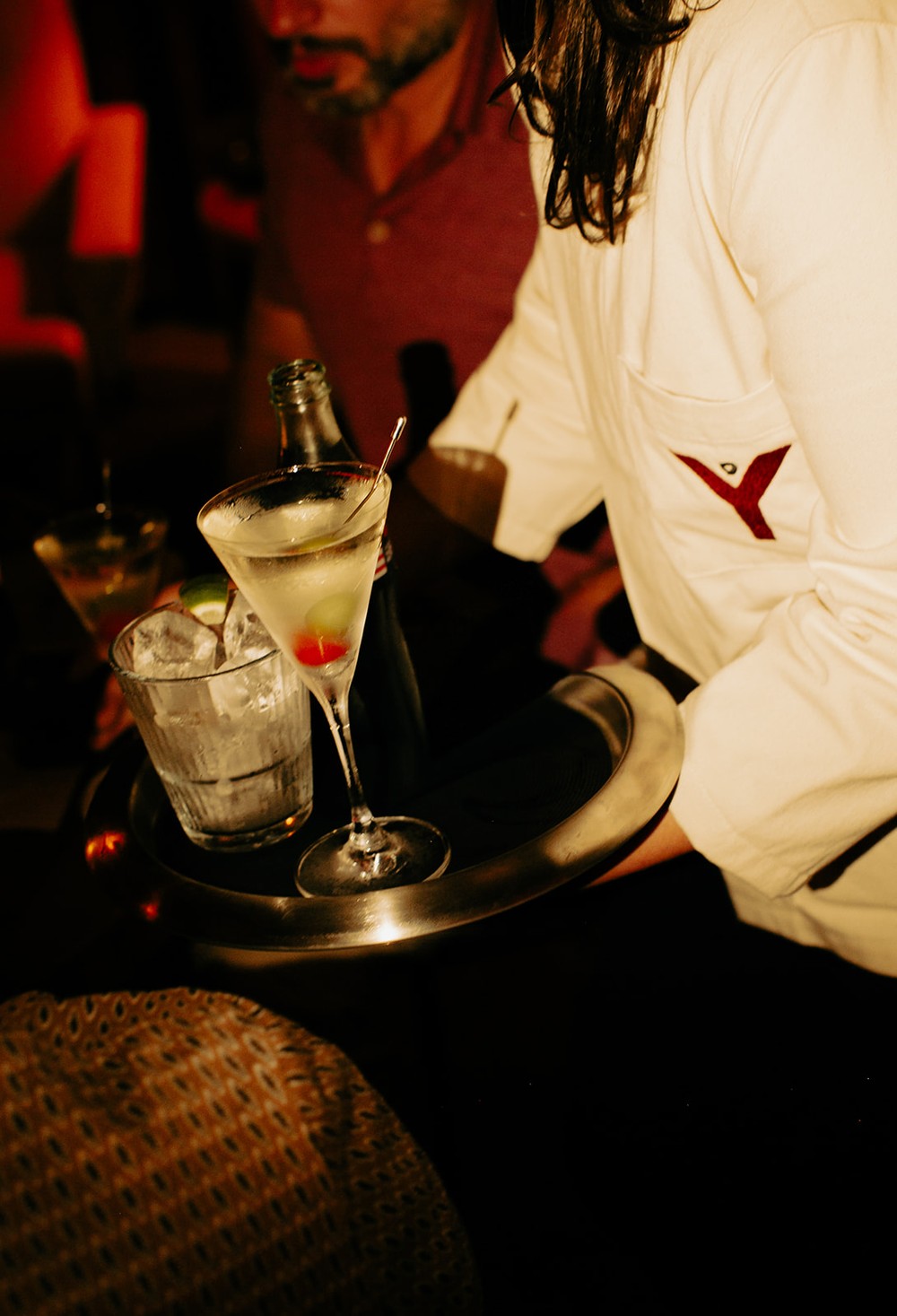
What is it? A savory vodka martini inspired by one of Italy’s most iconic appetizers, and built around our house-made bruschetta brine.

What makes it stand out? It’s unexpected. You get familiar flavors like tomato, basil, garlic, and olive oil in a cocktail that’s bright, crisp, and refreshing.

How is it made? What makes it unique? We make our own bruschetta brine to capture those classic flavors without making the drink heavy. It surprises people in the best way and still drinks like a proper martini.

Coppa de Nonno

Photo by Sarah Lawless

Coppa de Nonno

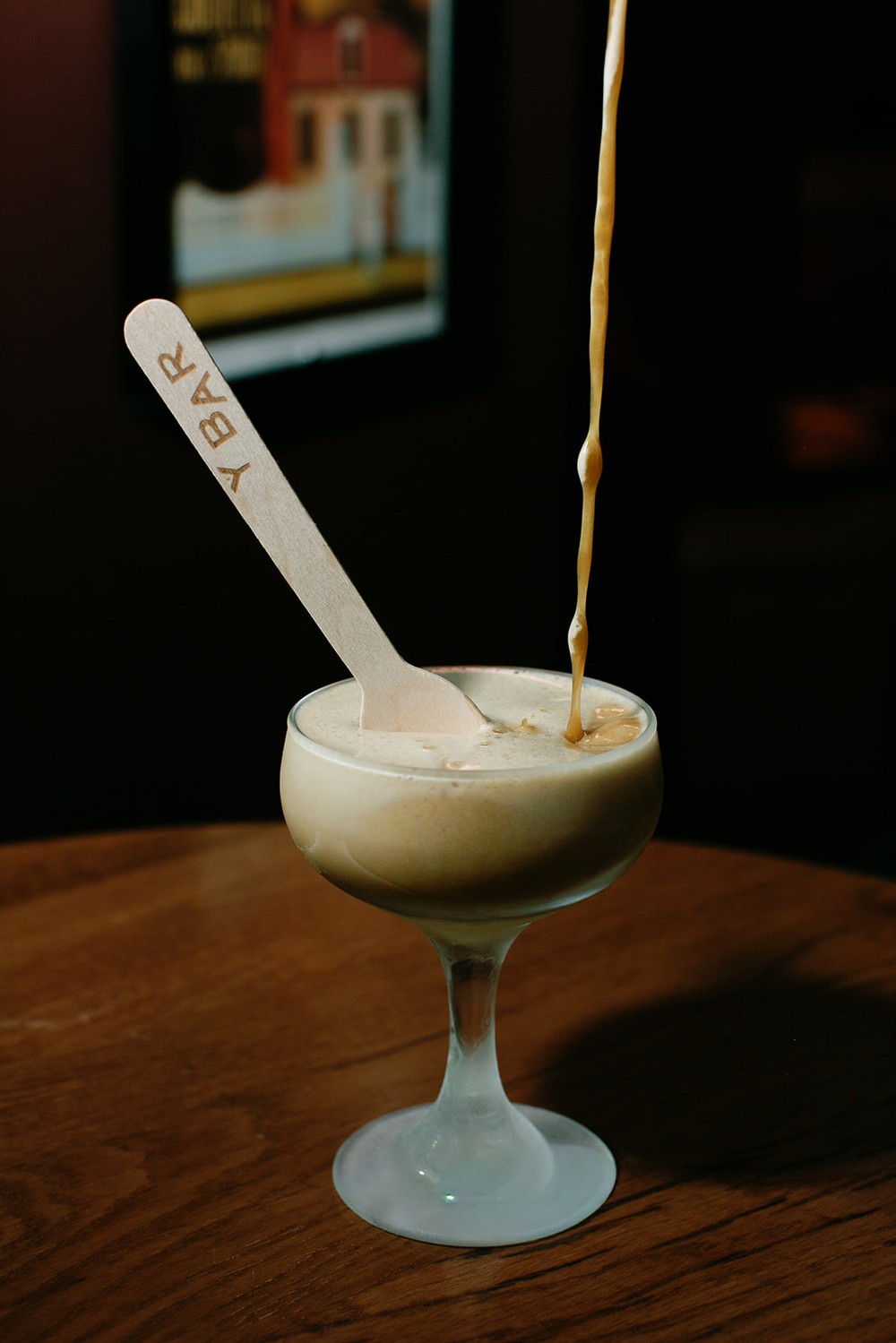
What is it? This is our take on an espresso martini, made with Altamura vodka, Borghetti espresso liqueur, espresso corretto, and zabaglione. If guests prefer it without the zabaglione, we’re happy to make it that way too.

What makes it stand out? It was inspired by our beverage director Luca Fanari’s grandfather. It brings together everything you’d want after dinner: espresso, a splash of spirits, and the flavors of classic Italian desserts. It’s rich without being overly sweet.

How is it made? What makes it unique? Fresh espresso is layered with Borghetti and zabaglione to create a cocktail that’s velvety, balanced, and reminiscent of tiramisu without feeling like dessert.

Follow Us

69,386FansLike
144,836FollowersFollow
493,480FollowersFollow

NEWSLETTERS