
Home 2026

Archives

New grilled cheese shop brings gooey sandwiches to Atlanta’s Pittsburgh Yards

0
Located in a shipping container at Pittsburgh Yards, Adam J’s Grilled Cheese brings nostalgic comfort off the BeltLine
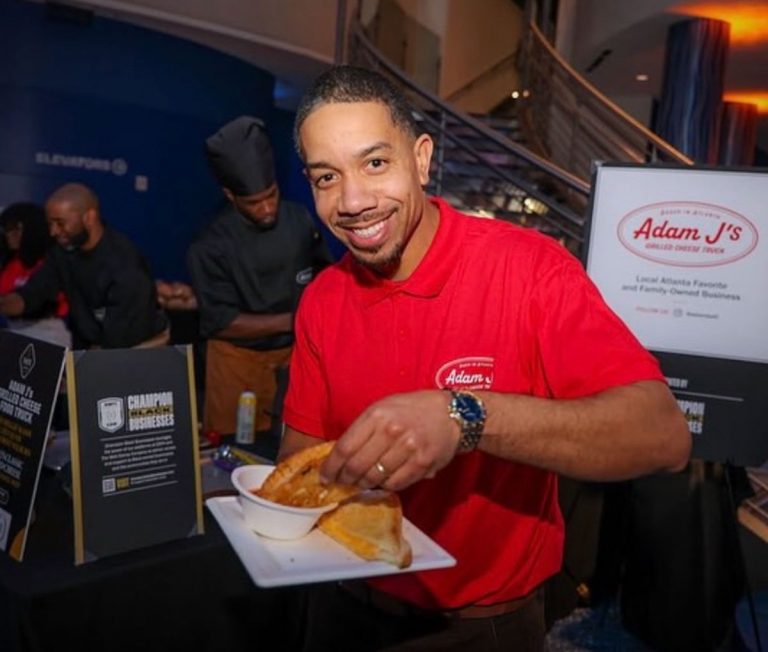
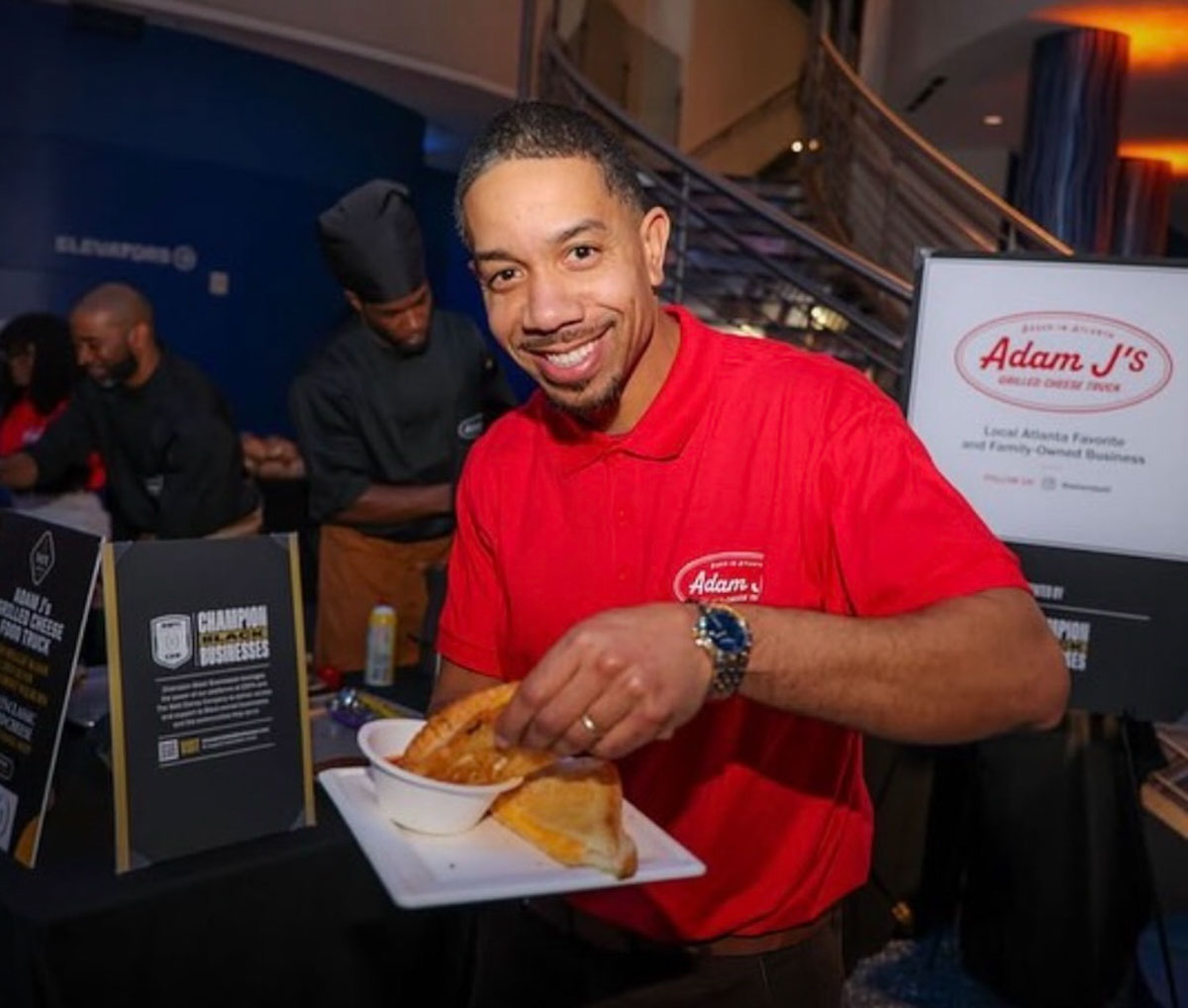
Adam Jackson is a fifth generation Atlantan who launched Adam J’s Grilled Cheese from a shipping container in Pittsburgh Yards.

Photo courtesy of Adam J's Grilled Cheese.

Amid the shipping containers at Pittsburgh Yards, it’s impossible to miss the bright red one. It belongs to Adam J’s Grilled Cheese and, even in this summer heat, you’re likely to see lunchgoers lined up, drawn in by the promise of buttery, gooey sandwiches. For Adam Jackson, the shipping container represents years of experimentation and determination as he sets out to carve out his place in the community.

Jackson, a fifth-generation Atlantan and one of eight siblings, hadn’t planned on becoming a grilled cheese perfectionist. After his brother’s death, he found solace in baking his family’s biscuit recipe, taught to him by his mother.

“I enjoyed the process,” he says. “I started making them for friends and neighbors, and that slowed me down.”
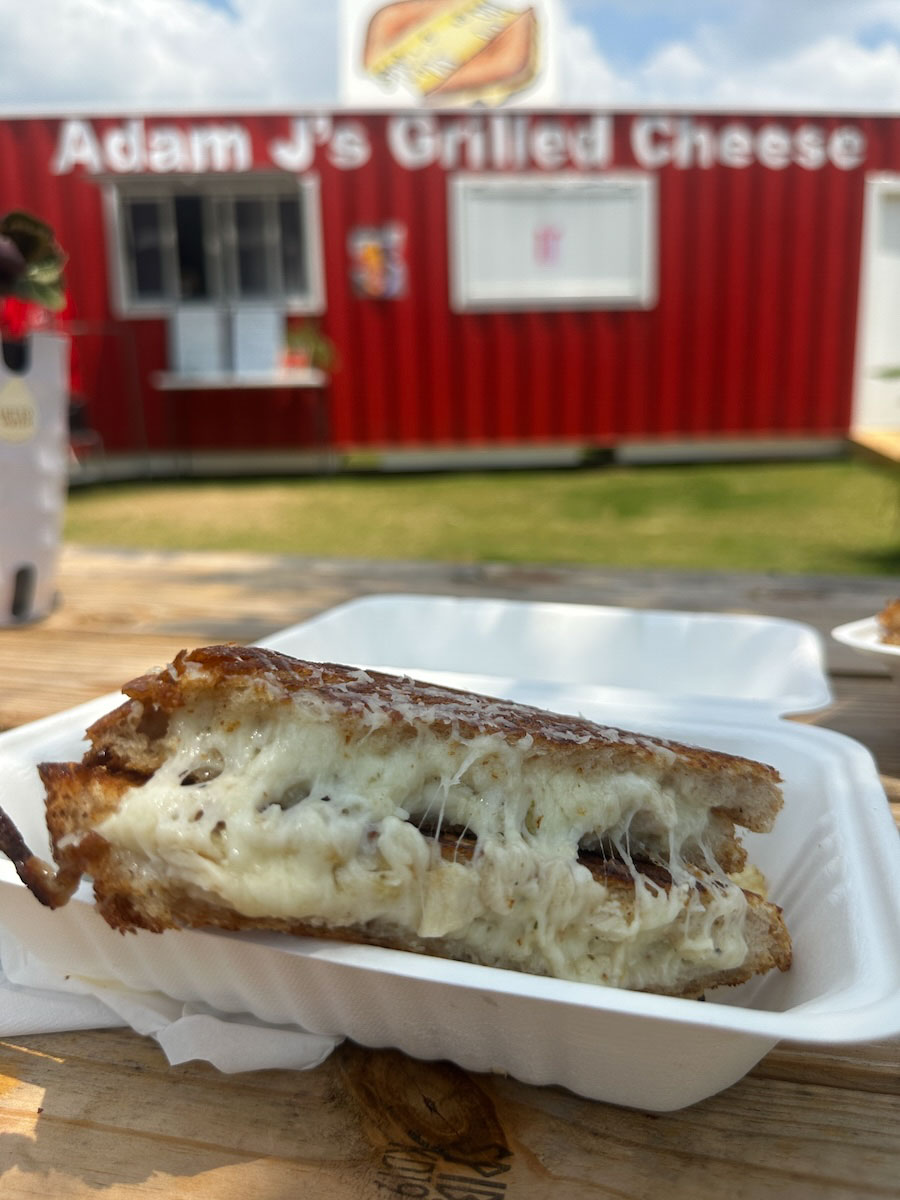
Located in a shipping container at Pittsburgh Yards, Adam J’s Grilled Cheese brings nostalgic comfort off the BeltLine
Adam J’s grilled cheese sandwiches, served from a red shipping container in Pittsburgh Yards, are made on locally baked sourdough bread with a three-cheese blend that includes mozzarella, smoked gouda, and white cheddar. A classic sandwich costs only $5.

Photo by Lia Picard

With the help of his siblings, he founded Butterly Biscuits, which he sold at the Grant Park Farmers Market. Jackson never found a permanent home for his biscuit business, but he wanted to stay in the food industry, so he turned to sandwiches, with their broad appeal.

Years of selling sandwiches from a food truck at Dragon Con and Georgia Tech football games proved that his grilled cheese sandwiches had staying power. After finding the right blend of cheeses to perfect the “pull,” Jackson was ready to go all-in. He found a permanent home for Adam J’s with a shipping container in Pittsburgh Yards, just off the recently opened Southside trail of the BeltLine.

“It was a lot to get this container here, just a lot of sacrifices, money and all that,” he says. “But I saw the vision of the Southside.”

His neighbors in the shipping container courtyard include the coffee shop Urban Grind, Coffyn Pyes, which sells savory hand-pies, and the plant shop Pink Pothos.

The key to a perfect grilled cheese, Jackson says, is a blend of aged white cheddar, mozzarella, and smoked gouda on locally baked sourdough. He found a way to toast the bread to a deep golden crisp without charring it, while the cheese stays molten enough to deliver the dramatic pull customers love. He still leans on local partnerships, sourcing much of his produce from South Atlanta Farms.
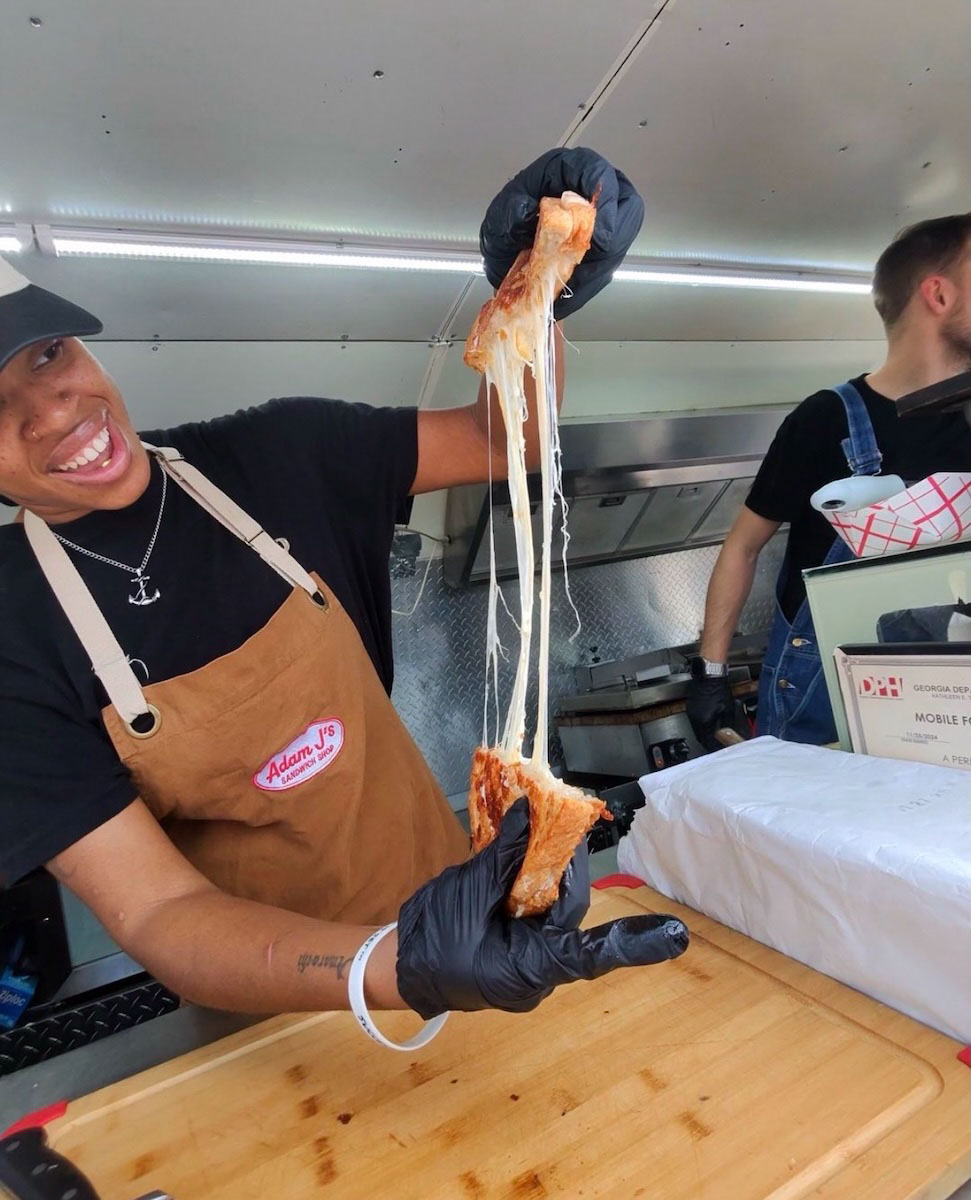
Located in a shipping container at Pittsburgh Yards, Adam J’s Grilled Cheese brings nostalgic comfort off the BeltLine
Adam J’s grilled cheese sandwiches are ooey-gooey and made of a three-cheese blend that includes white cheddar, mozzarella, and smoked gouda.

Photo courtesy of Adam J's Grilled Cheese.

“It’s funny, as soon as people taste it, it’s like ‘Is it better than my mom’s? Is it better than my grandma’s?’ It’s meant a lot to me to create an experience with the grilled cheese,” Jackson says.

Beyond the classic, he offers sandwiches including chicken parmesan with house-made tomato sauce and a jerk chicken grilled cheese that levels up the spice and quickly sells out. The truffle mushroom grilled cheese is his mother’s favorite. A classic sandwich costs $5 while the others are $10; they all include a side of chips and a pickle.

The shipping container is more than just a means to make money. For Jackson, it’s a chance to create a gathering place in an area he says is in need of good food.
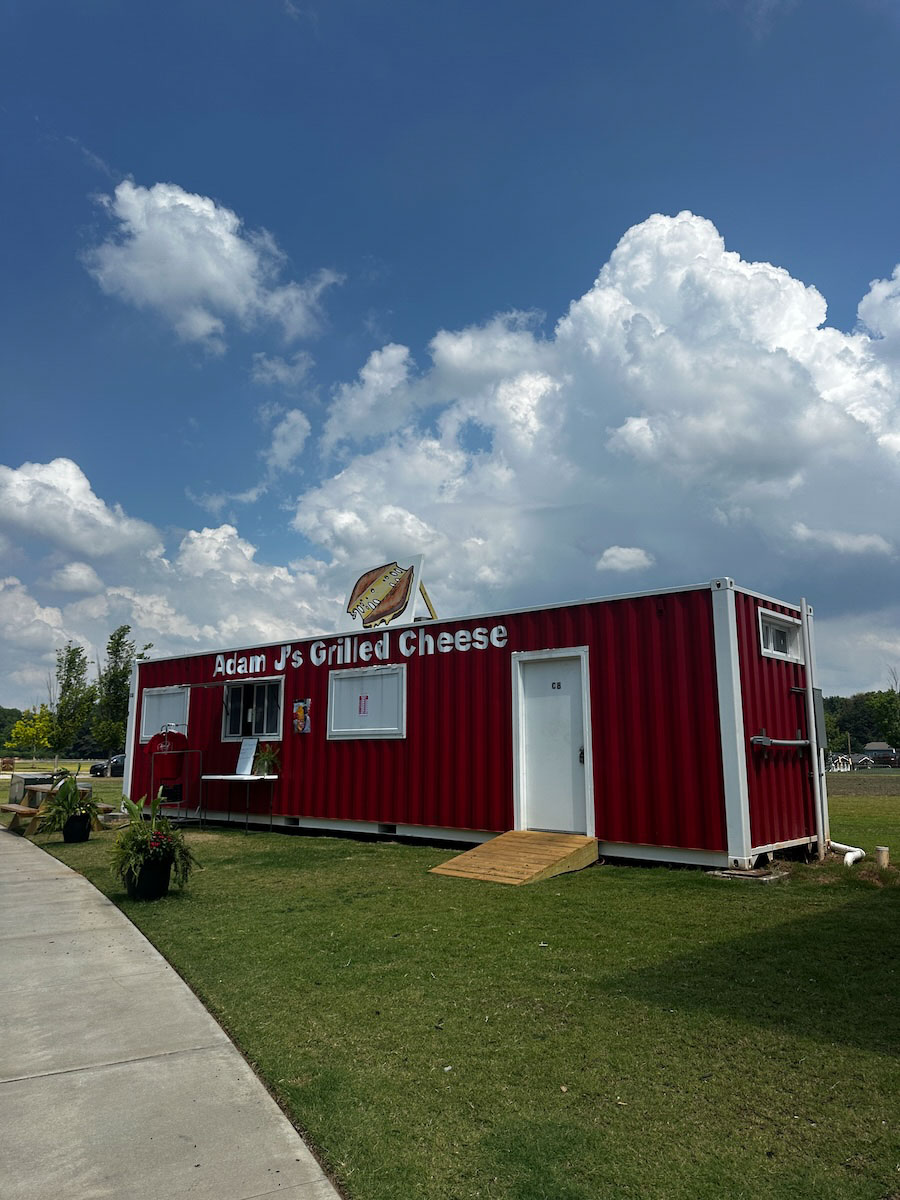
Located in a shipping container at Pittsburgh Yards, Adam J’s Grilled Cheese brings nostalgic comfort off the BeltLine
Adam J’s Grilled Cheese serves sandwiches from this red shipping container in Pittsburgh Yards along the BeltLine in Atlanta.

Photo courtesy of Adam J's Grilled Cheese.

“I want to bring gourmet to a community that hasn’t seen gourmet in years, and we all deserve that,” Jackson says. “Everybody wants something nice, so my thing is to bring that to the community, something they can be proud of.”

Even though it’s a shipping container, he’s still managed to make it a vibe. Between a playlist that shuffles R&B and jazz, affordable sandwiches, and a prime BeltLine location, Jackson hopes Adam J’s becomes the kind of neighborhood gathering place where people come as much for the atmosphere as the grilled cheese.
What to order at Y BAR: 5 must-try dishes at this new Italian hotspot in Buckhead Village

0
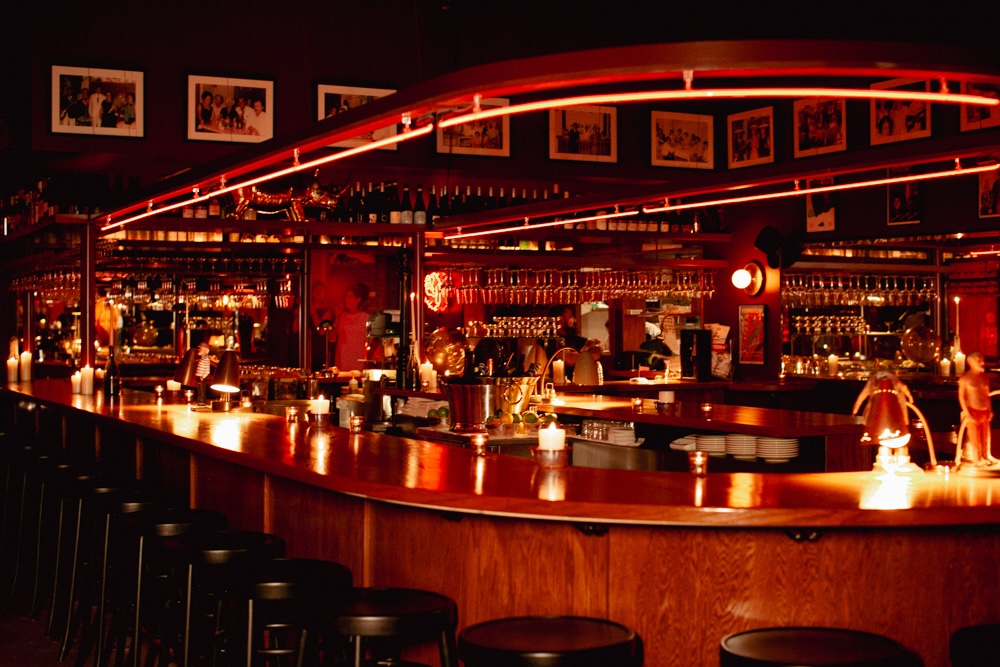
Inside Y BAR

Photo by Sarah Lawless

The team behind Yeppa & Co., Storico Fresco Ristorante, and Forza Storico just opened a swanky new spot in Buckhead Village. Called Y BAR e Ristorante, it replaces the team’s short-lived Mexican restaurant Pachengo and wine bar Storico Vino. Dark and sultry inside, with a charming, airy patio, Y BAR serves Italian shared plates, cocktails, and wine.

It was inspired by the 1960s cafés and bars of Rimini, Italy, where founder Stephen Peterson grew up.

“It was a time when people embraced beauty in everyday life. They appreciated art, music, conversation, and the simple ritual of gathering with friends,” Peterson explains. “It was about slowing down enough to enjoy where you were and who you were with. That’s something people are searching for again.”

Built around a large U-shaped bar, the space is adorned with Federico Fellini artwork, family photos, vintage lamps, weathered books, and Italian antiques. Televisions are intentionally absent to preserve the feeling of togetherness. Like all of his restaurants, Y BAR is a tribute to Peterson’s mentor, a man named Yeppa.

“He’s the soul of our restaurants because he taught me that the best places aren’t defined by what’s on the menu. They’re defined by the people they bring together,” Peterson says.

Open less than a week, Y BAR is already on a wait most nights, so reservations are recommended. Plans are in the works for a second Y BAR location to open on the Westside later this year. In the meantime, Peterson shares his top five must-try dishes and drinks:

I’m Workin’ with 3 Inches

Photo by Sarah Lawless

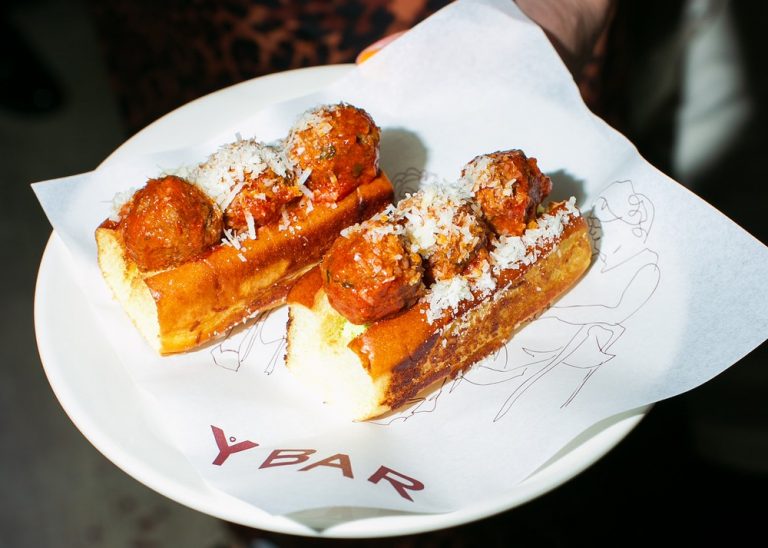
I’m Workin’ with 3 Inches

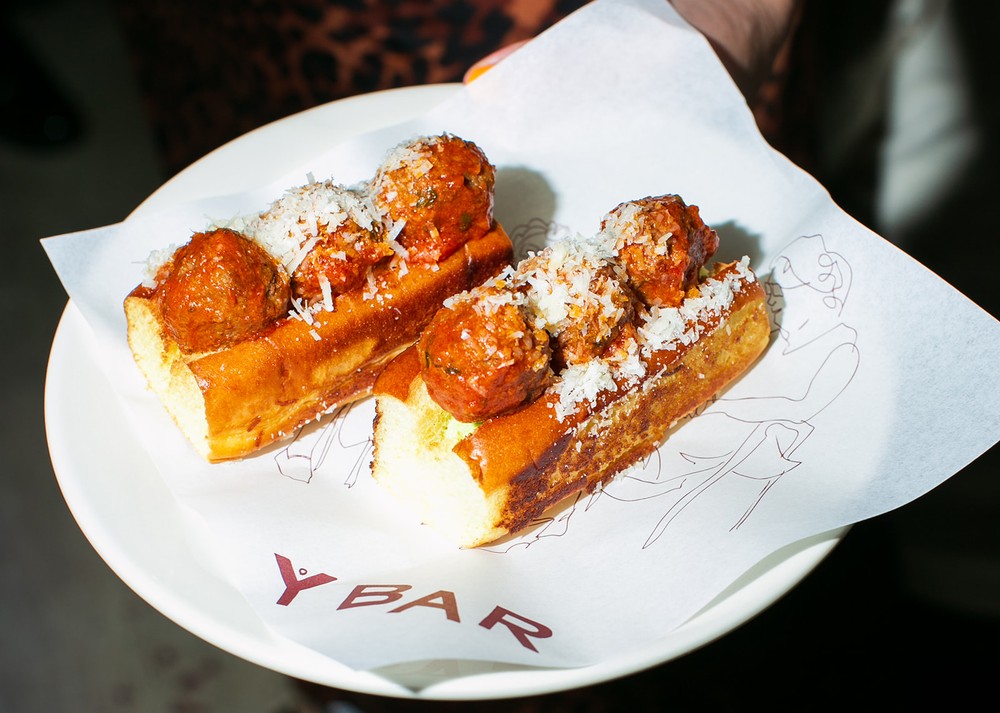
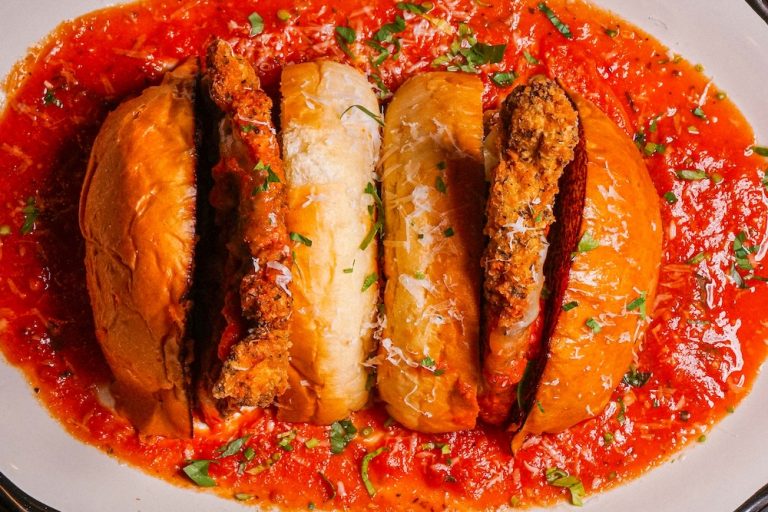
What is it? Our take on the classic meatball sub, served as two mini 3-inch sandwiches with oversized meatballs, toasted garlic bread, pomodoro, mozzarella whip, basil, and Parmigiano.

What makes it stand out? It’s playful, craveable, and the name gets people every time. It’s the kind of dish guests order once and come back for.

How is it made? What makes it unique? A little salty, a little savory, the perfect crisp on the toasted bun. We see this as our late-night snack. It’s available after the kitchen closes. It’s the perfect bite after one more round of cocktails.

Burro e Alici

Photo by Sarah Lawless

Burro e Alici

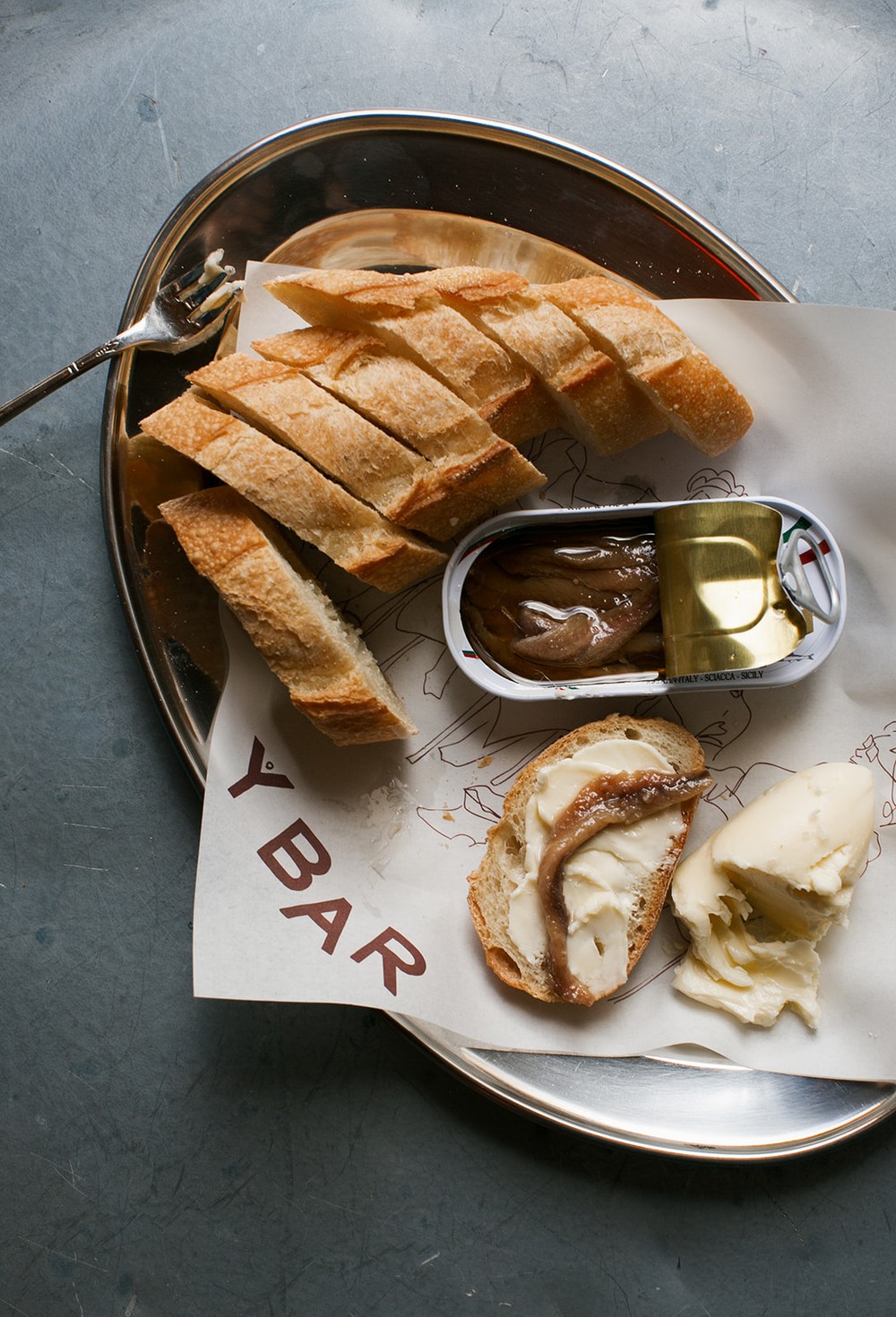
What is it? Warm, toasted bread with cultured butter and premium anchovies.

What makes it stand out? It’s one of the simplest dishes on the menu, but also one of the most satisfying. Great ingredients don’t need much. This is Rimini on a plate.

How is it made? What makes it unique? The contrast is what makes it work. Toasted bread, creamy butter, and delicate anchovies come together in a bite that’s much more balanced than most people expect.

Cacio e Burro

Photo by Sarah Lawless

Cacio e Burro

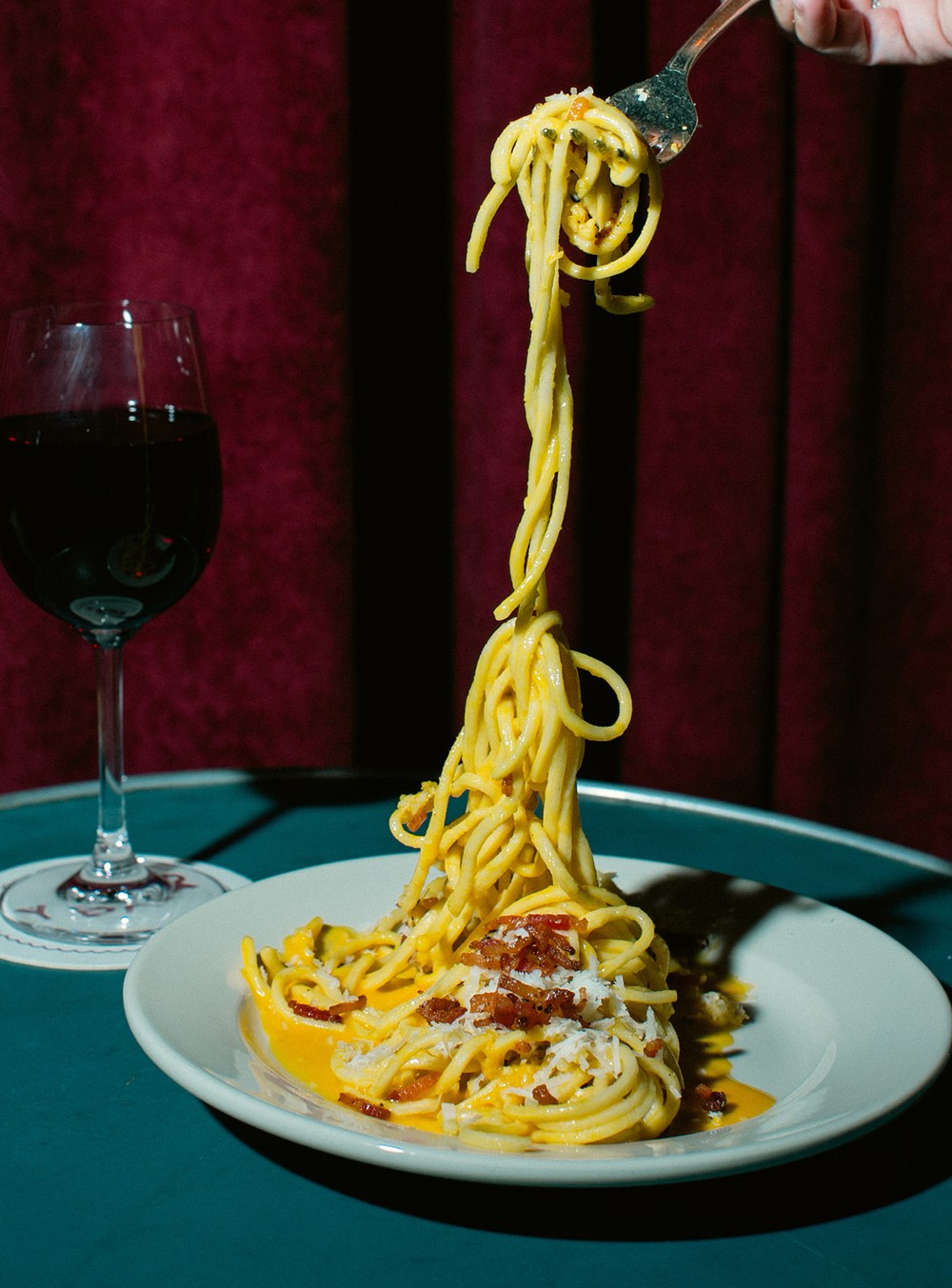
What is it? Fresh handmade tagliolini tossed with Pecorino-infused carrot butter, crispy guanciale, and Parmigiano.

What makes it stand out? It’s comforting, nostalgic, incredibly craveable, and unexpectedly familiar.

How is it made or what makes it unique? Instead of a traditional cacio e pepe, we build the sauce around a carrot-infused butter with aged cheeses. The result is silky and rich, finished with crispy guanciale for texture.

Bruschetta Martini

Photo by Sarah Lawless

Bruschetta Martini

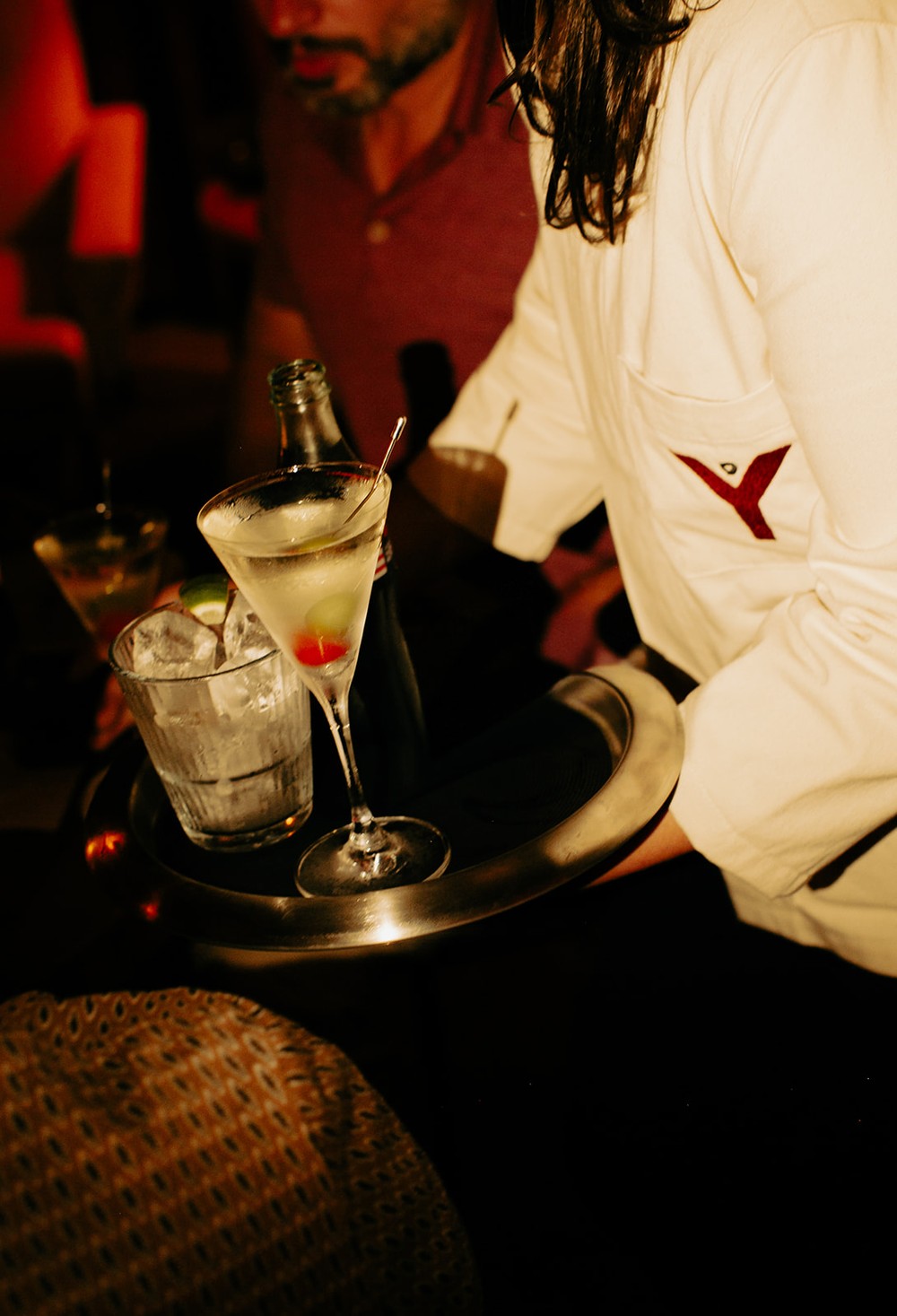
What is it? A savory vodka martini inspired by one of Italy’s most iconic appetizers, and built around our house-made bruschetta brine.

What makes it stand out? It’s unexpected. You get familiar flavors like tomato, basil, garlic, and olive oil in a cocktail that’s bright, crisp, and refreshing.

How is it made? What makes it unique? We make our own bruschetta brine to capture those classic flavors without making the drink heavy. It surprises people in the best way and still drinks like a proper martini.

Coppa de Nonno

Photo by Sarah Lawless

Coppa de Nonno

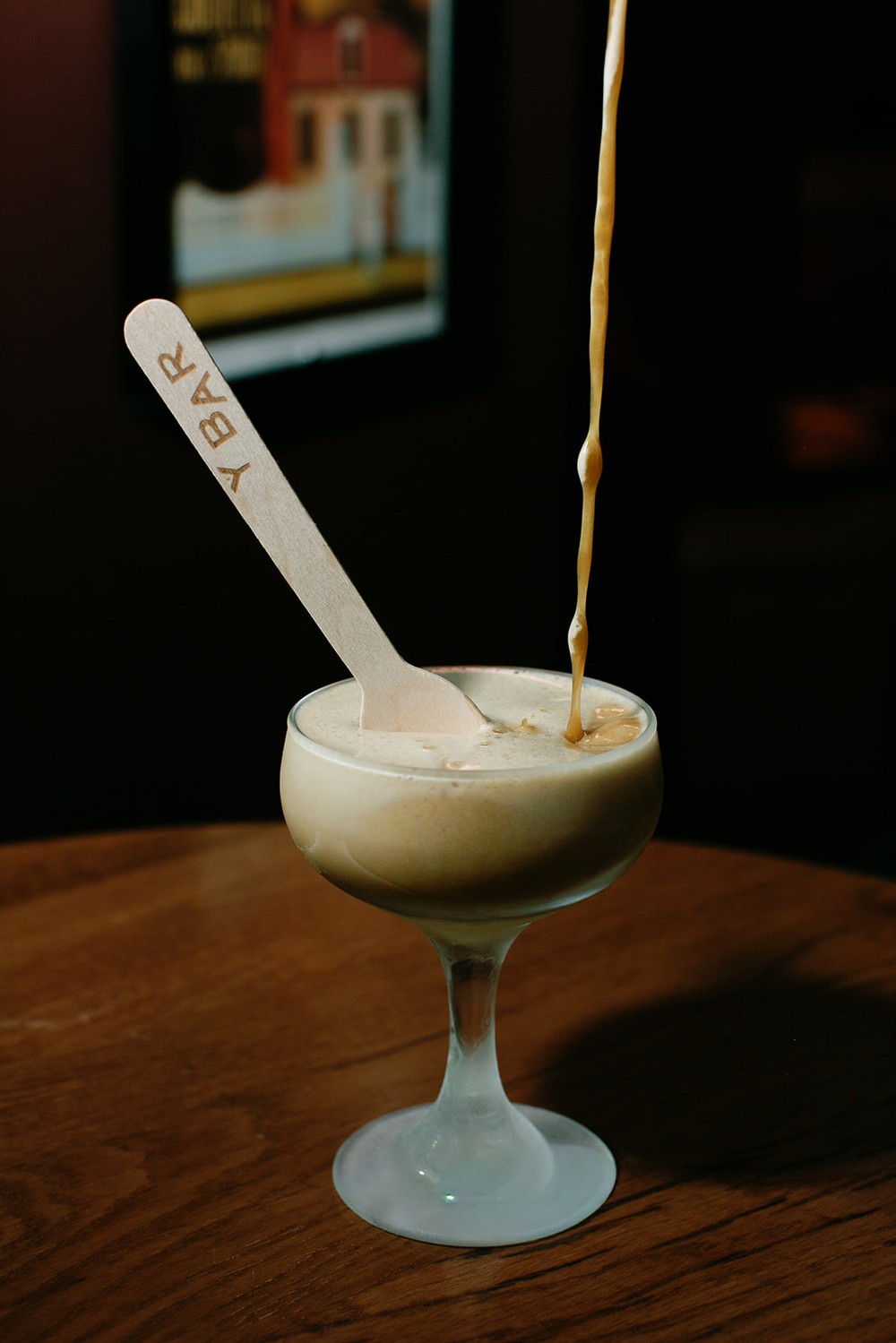
What is it? This is our take on an espresso martini, made with Altamura vodka, Borghetti espresso liqueur, espresso corretto, and zabaglione. If guests prefer it without the zabaglione, we’re happy to make it that way too.

What makes it stand out? It was inspired by our beverage director Luca Fanari’s grandfather. It brings together everything you’d want after dinner: espresso, a splash of spirits, and the flavors of classic Italian desserts. It’s rich without being overly sweet.

How is it made? What makes it unique? Fresh espresso is layered with Borghetti and zabaglione to create a cocktail that’s velvety, balanced, and reminiscent of tiramisu without feeling like dessert.

Say goodbye to Jack-and-Coke slushies and hello to rigatoni bolognese

0
A spread at Besto

Photo by Drew Perlmutter

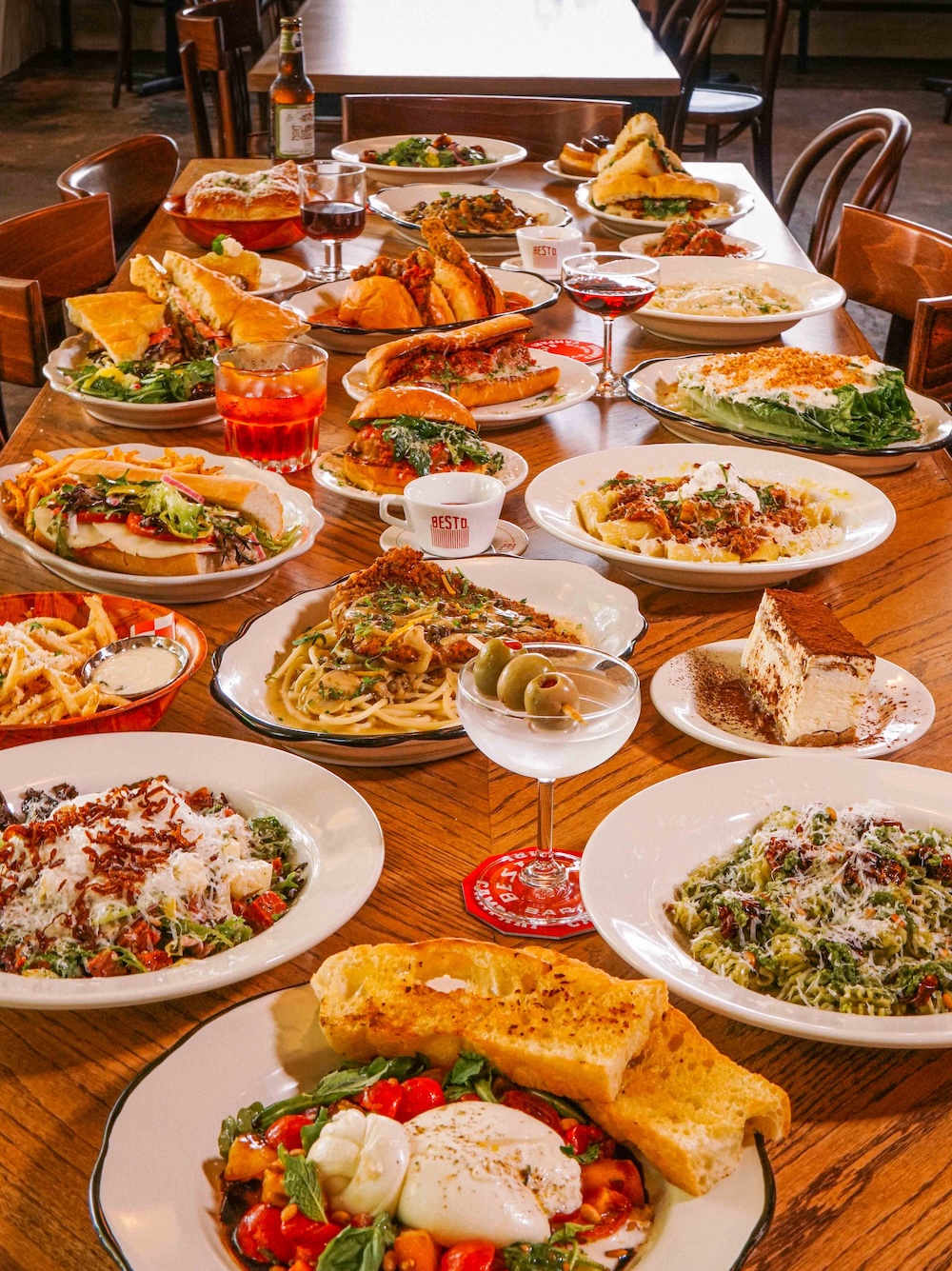
Last week, the casual Church Street spot that’s been home to Victory Sandwich Bar in Decatur for 13 years welcomed a new set of diners into the freshly remodeled space. Gone are the $6 sandwiches and signature Jack-and-Coke slushies served in a mason jar. In their place is an Italian-American menu complete with all the classics. Created by Ian Jones and Caleb Wheelus—the team behind Victory, S.O.S. Tiki Bar, Stereo, and Lloyd’s—Besto is a casual European-inspired trattoria serving lunch and dinner Tuesday through Sunday.

“It was time for a change. The demographic of the area has changed, so we wanted something more family friendly,” Jones says. “We also get hungry for new stuff.” (The Inman Park Victory Sandwich Bar remains unchanged.)

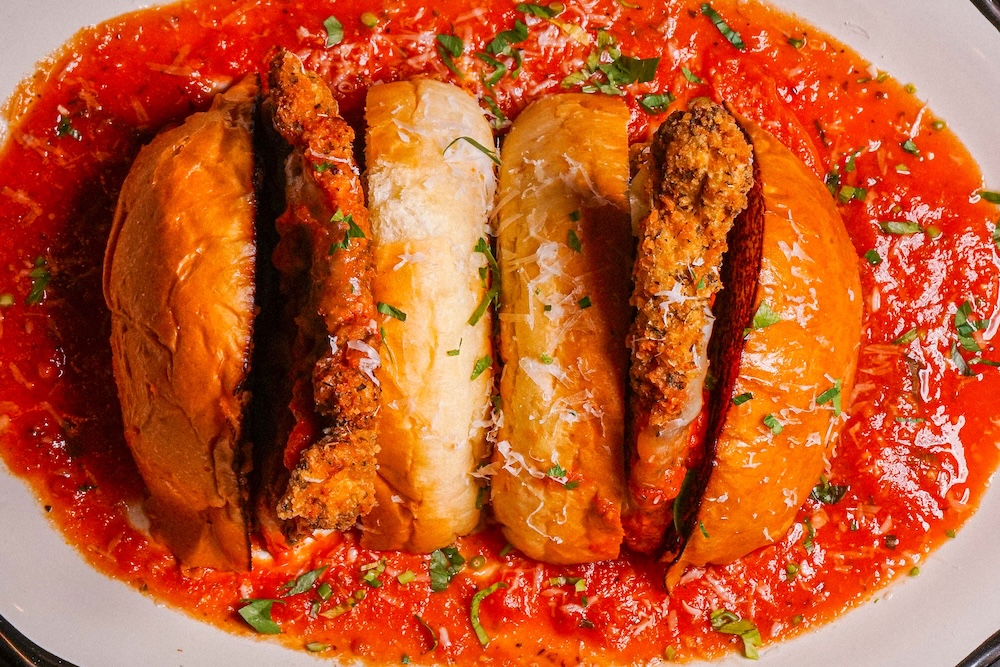
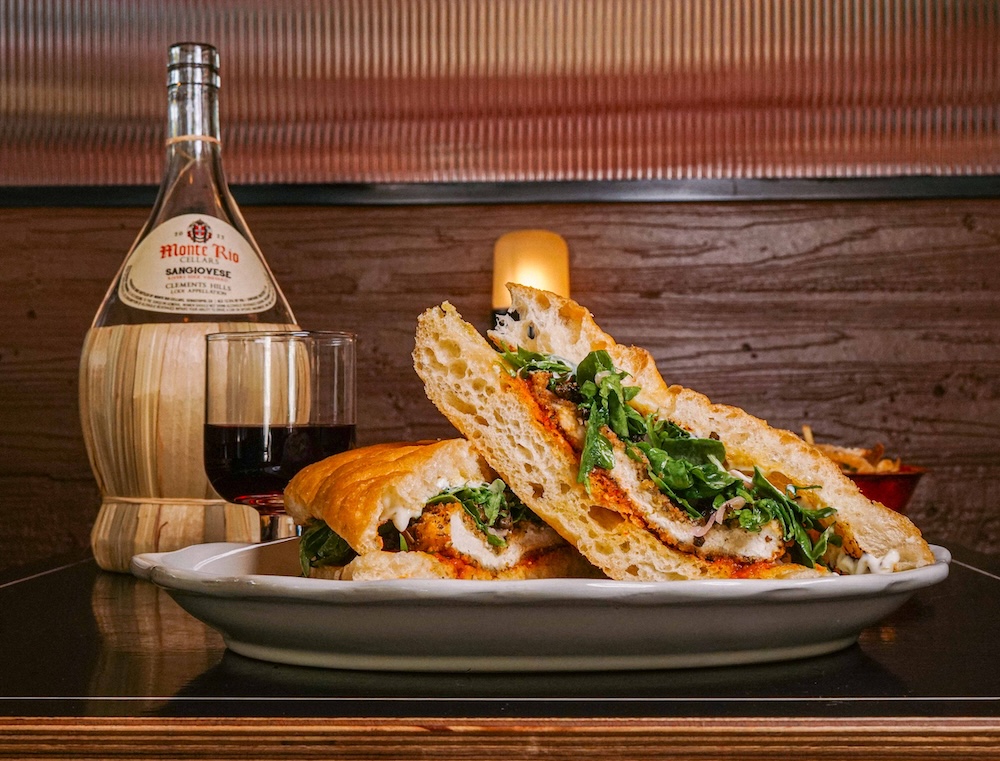
Chicken parmesan sandwich

Photo by Drew Perlmutter

Chicken milanese sandwich

Photo by Drew Perlmutter

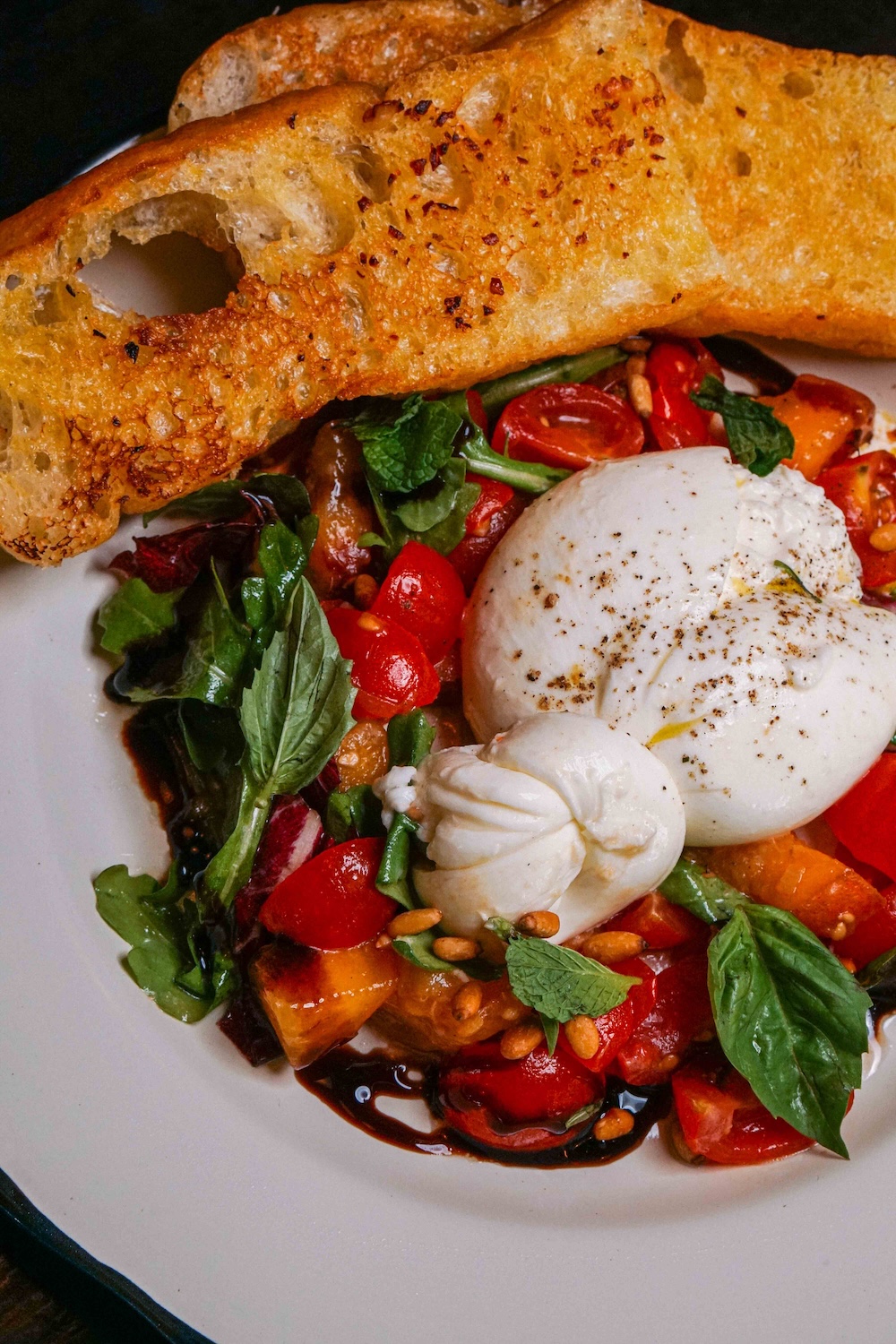
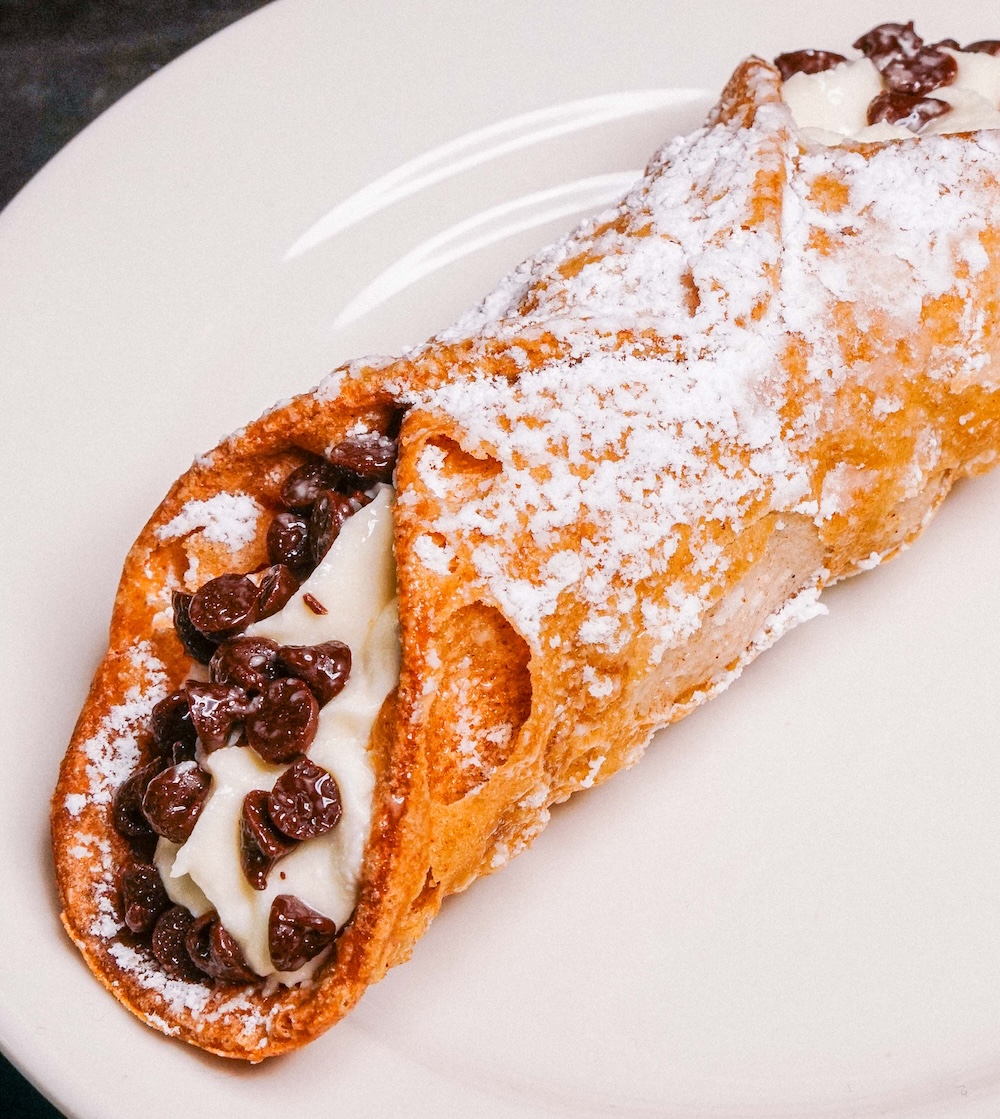
Besto serves Italian sandwiches and salads for lunch via counter service, while the dinner menu leans pasta and entrees, served at the table. Start with fried mozzarella sticks, bruschetta, or peach burrata, followed by rigatoni bolognese, baked ziti, or eggplant parmigiana. For dessert, there’s tiramisu, cheesecake, and vanilla soft-serve ice cream. A children’s menu is available too.

“People don’t always want to buy $35 entrees when going out for family dinner,” Jones says.

Peach burrata

Photo by Drew Perlmutter

Although there is a full bar, the beverage list focuses on wine and martinis. A frozen sgroppino (lemon granita, vodka, and prosecco) is designed to fill the Jack-and-Coke void. House-made sodas, cappuccino, and affogato will also be served.

Besto does not accept reservations, though plans for a grab-and-go section with ready-made salads, sandwiches, and desserts are in the works. Weekly specials include a Lloyd’s-style martini happy hour, lasagna on Wednesday nights, and a Sunday night family-style spaghetti dinner served as a three-course prix fixe.

Cannoli

Photo by Drew Perlmutter

McKendrick’s next course

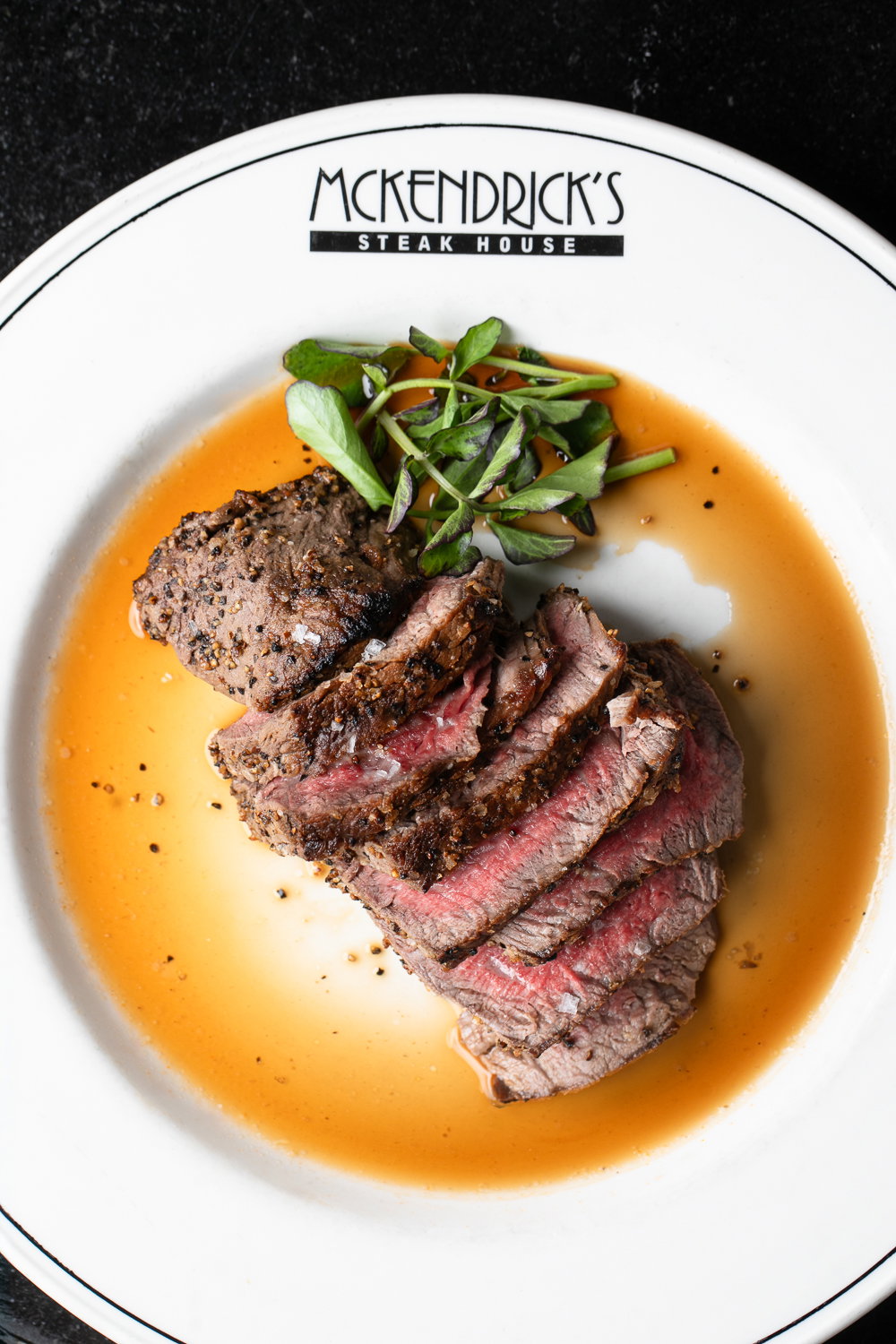
12-ounce filet

Courtesy of Erik Meadows Photography

Branden Holte grew up in Atlanta knowing McKendrick’s Steak House as one of those restaurant names that carried weight. Now, after more than two decades in kitchens like Kyma, Local Three Kitchen & Bar, and Warhorse Atlanta, Holte is returning to McKendrick’s as its new executive chef.

What brought him there wasn’t a mandate to overhaul a 30-year institution. It was the chance for more creative freedom, the opportunity to work with operating partner Anthony Casiello, and an immediate connection with owner Claudia McKendrick over a shared belief in guest-first hospitality. Holte says the work ahead will be gradual: refining recipes, bringing in more local farmers and purveyors, and adding house-made breads, modern sauces, and seasonal touches without disturbing the dishes and traditions longtime guests expect. We spoke with him to learn more.

Executive chef Branden Holte

Courtesy of Erik Meadows Photography

What attracted you to McKendrick’s? I was looking for a change. I’m familiar with McKendrick’s, having grown up in Atlanta. Being around for 30 years shows the owners are willing to put in the work, the time, and adapt.

Anthony and I had worked together at Local Three. He was looking for a chef, so I sat down with Claudia McKendrick, and what was supposed to be a lunch meeting turned into a three-hour meet-and-greet. We see hospitality the same way. The concept of saying no to a guest makes no sense to me if what they’re asking for is doable.

What’s the biggest challenge of taking over a kitchen with such a long legacy? The immediate challenge is resistance to change. We have more educated guests in the industry now, and it’s about getting everyone on board. It’s about blending in my style and creativity while still holding fast to the traditions. If I change the whole menu overnight, I’ll lose guests. It must be baby steps—addressing the biggest changes that need the most attention first, while keeping the core of McKendrick’s intact.

How will you evolve the menu? The format is staying the same. We’re keeping most of the cuts. I’d like to lean toward a more modern take, with descriptions that give guests a better understanding of what they’re ordering instead of just saying “okra.” On day one, I changed the béarnaise recipe. We’ve played with the Brussels sprouts, mushrooms, and au jus.

There was a lot of Scottish salmon on the menu before, which is farm-raised. We’re moving to Ora King salmon, a sustainable product from New Zealand that’s better for the environment in the way it’s raised and better for human consumption in terms of omega-3s.

We’re also playing around with specials and bringing in more local farmers and purveyors, including speckled trout from Enchanted Springs and mushrooms from Horti-Culture in Gwinnett County.

Baked oysters with applewood-smoked bacon, blue cheese, and leek fondue

Courtesy of Erik Meadows Photography

How will your background in whole-animal butchery show up at a classic steakhouse? This is the fourth steakhouse I’ve worked at in Atlanta. Whole animal doesn’t necessarily make sense in a steakhouse, but we’ll work on some primal butchery and cutting steaks in house. There has already been conversation about bringing in a bone-in program, with Delmonico on the wood grill for specials. A5 will be fabricated in house, and ribeye, too. We’re also playing with fish dip–type products, like fish rillettes, for the Rush Hour menu.

Which menu items will stay the same? The crab cake recipe is solid. I have no intention of changing it. The McKendrick’s salad can’t change—it’s been the same for 30 years. The Caesar is solid; same goes for the iceberg wedge and the cocktail and Louie sauce recipes. The French onion soup will stay, too. The creamed corn and creamed spinach will also stay. If it’s not broken, don’t fix it.

How soon will these changes take effect? Minor things like the béarnaise, sides, and presentation are happening now. The longer haul is 10 to 14 days, optimistically. Lunch changes will happen first, with the dinner menu right behind that. The goal is to have it all cleaned up by early August.

At lunch, a fried chicken sandwich will replace the grilled chicken sandwich. We’ll add steak frites with au poivre, update the wild mushroom risotto to use local mushrooms, and add a mushroom and Gruyère burger. We’ll add a chop or two to the chops and steaks section, and rotate the burrata based on the season, with ingredients like figs, apples, pears, peaches, and squash.

Desserts will get some love between now and October. I don’t want my cooks to get overloaded with too many changes too fast. My wife Lauren Holte is a pastry chef at Union Hill Grill in Canton, so I can call on her to help give us a little love when we need it.

We’re also doing research and development for bread. Focaccia is starting next week for bread service, and the walnut bread is already made in house. At Misty Mountain Bakeshop in North Carolina, which I owned with my wife, we made fougasse. Eventually, I’d like to get to making our own brioche or potato buns for burgers.

Are you hoping to attract a new generation of diners, and if so, how? For sure. I think that’s why Anthony and Claudia wanted to bring me on; to stay true to the traditions while introducing some modern, creative culinary trends. We’ll lean into chimichurri, chermoula, and steak sauces that are more innovative.

The verdict on 2 new Atlanta dining spots: Babygirl and Rumi’s Kitchen

0
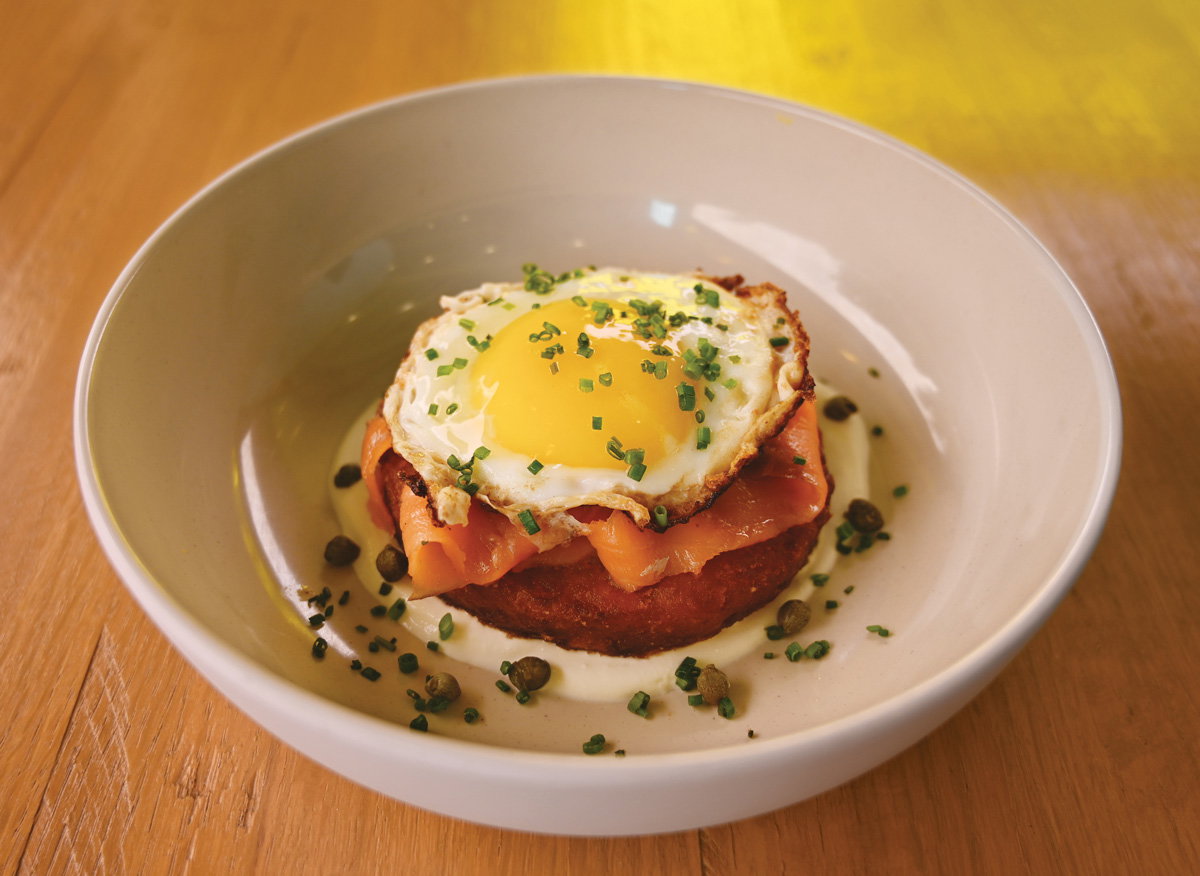
Babygirl offers breakfast items like this hash brown patty with salmon, egg, crema, and capers all day

Photograph by Claudia Ross

stained glass windows illuminate the inside of Babygirl's
Colorful vibes are a bonus

Photograph by Claudia Ross

Babygirl

East Lake, @babygirl.atl

Some restaurants fill a gap so obvious you wonder why it took so long for them to appear. Hudson Rouse, the mind behind Pure Quill Superette and Whoopsie’s, created a sanctuary that ignores the industry’s midafternoon siesta, staying open from 9 a.m. to 4 p.m. daily. The sleek, light-wood interior catches rainbow-hued rays through vibrant window panels, and outdoor seating is plentiful.

The kitchen is confident without being showy. A housemade and gloriously crispy hash brown patty anchors a bowl loaded with velvety salmon, tangy capers, and crema topped with a jammy egg. A Scotch egg arrives over arugula dressed in Dijon and white beans. Salads lean seasonal. Fresh-squeezed juices hold their own beside a tight bar program and coffee from Natural Born Koffee Roaster. The smashburger on a buttery bun and the fried chicken sandwich draped in Swiss fondue are as carefully executed as the grilled trout with green beans and Yukon Gold potatoes. The vibe here is effortless. The sweet spot is 11:30, when you can order from both the a.m. and p.m. menus and perhaps try the shiitake fried rice ($16) with that same amazing hash brown, a mighty fine foundation for a few dishes. —Angela Hansberger


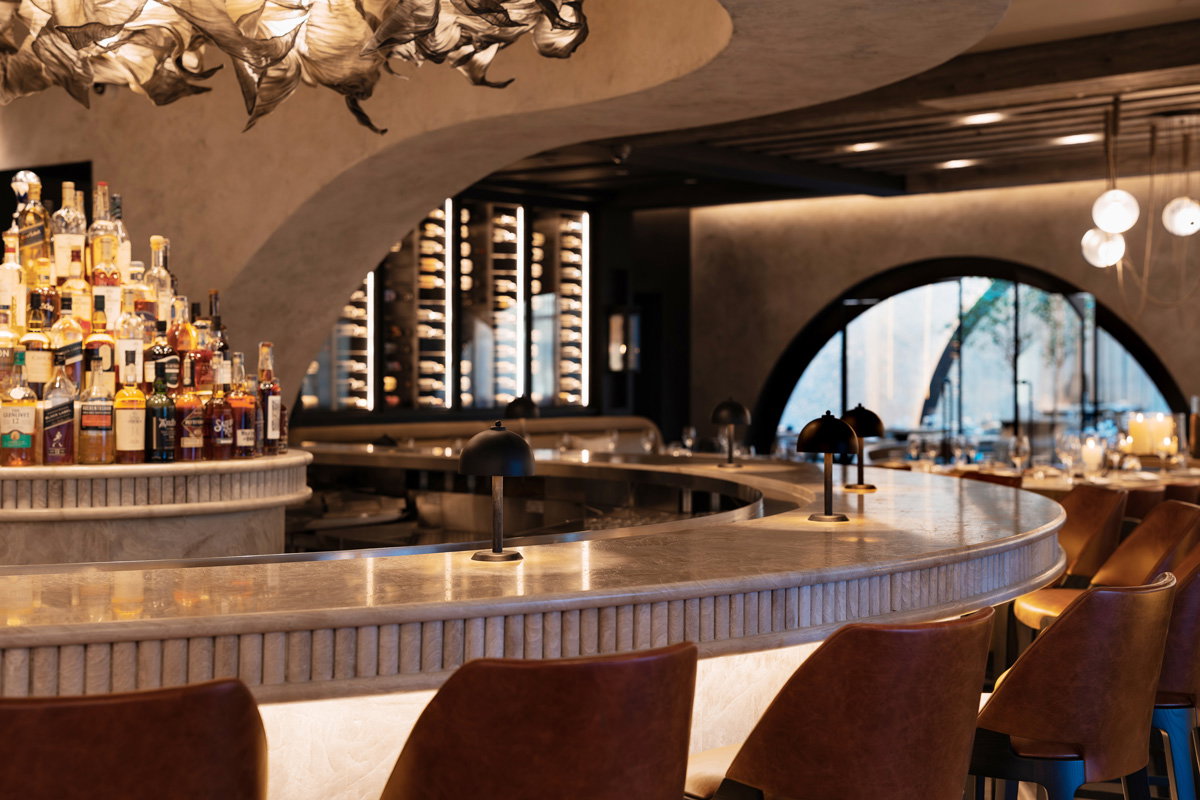
Rumi’s Kitchen’s new 22-seat marble bar

Courtesy of Rumi’s Kitchen

Rumi’s Kitchen

Sandy Springs, @rumiskitchenofficial

There’s a sense of familiarity for regulars who roll up to the recently reopened and renovated Rumi’s Kitchen on Roswell Road. The exterior looks the same, but the $3.5 million in updates is immediately apparent as you walk down the ceiling-fan–lined corridor, where upbeat electronic music plays. It feels like a runway. Entering the reimagined space of the pricey Persian restaurant’s flagship location, which turns 20 this year, feels like coming home—only to a more trendy and modernized version of it.

A starter of lamb ribs

Courtesy of Rumi’s Kitchen

Tea and Persian love tea cakes

Courtesy of Rumi’s Kitchen

The bones of chef Ali Mesghali’s menu, much like the restaurant, are intact but updated. He has kept many signature favorites (including the Chilean sea bass) and introduced new starters such as crispy Borani kale with shallots, yogurt, and roasted garlic, and large-format options such as the bone-in pomegranate short rib, meant for sharing among groups of three or four. The restaurant is still Rumi’s at its heart, but the much-needed facelift makes it fresh and special enough for any occasion. —Jennifer Zyman

This article appears in our July 2026 issue.

5 restaurants you can join Atlanta’s mahjong moment

0
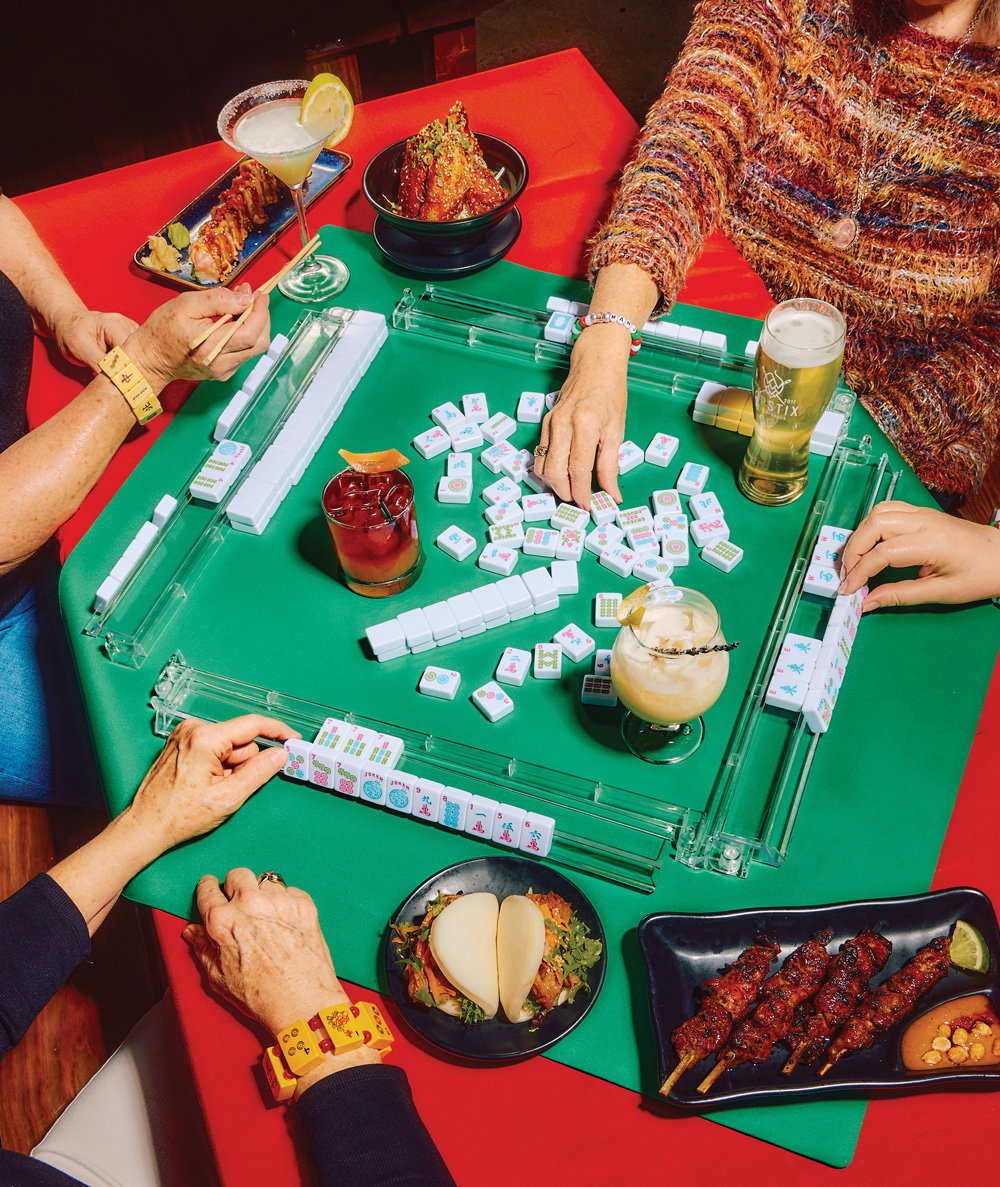
three women sit at a table playing Mahjong while enjoying food and drinks
Hopstix’s Monday mahjong night

Photograph by The Sintoses

Recently, I had a friend, her mother, and my mother over to my house to play mahjong—a four-person game where players draw and discard tiles, building sets and pairs until someone completes a winning hand. Originating in 19th-century China, this game has crossed continents and cultures and, lately, gained mainstream popularity. (According to Yelp, U.S. searches for mahjong clubs shot up 4,500 percent in 2025.)

When I began playing last year, I initially saw mahjong as merely a game (with a seemingly endless number of rules). But the more I played, the more I realized that mahjong’s greatest appeal wasn’t just the game itself, but everything happening around it. Today’s mahjong tiles, each less than two inches long, feature bright colors and decorative details that set them apart from more traditional sets. Just as important, they create a rhythm around the table—conversation, pausing, snacking, sipping—and an easy kind of connection that may help explain why people keep coming back, especially at a time when so many of us are craving a digital detox.

That sense of togetherness has moved well beyond private homes and lesson tables in Atlanta. Across the city, restaurants are folding mahjong into the dining experience, where cocktails, shareable bites, and even full dinners now accompany the game.

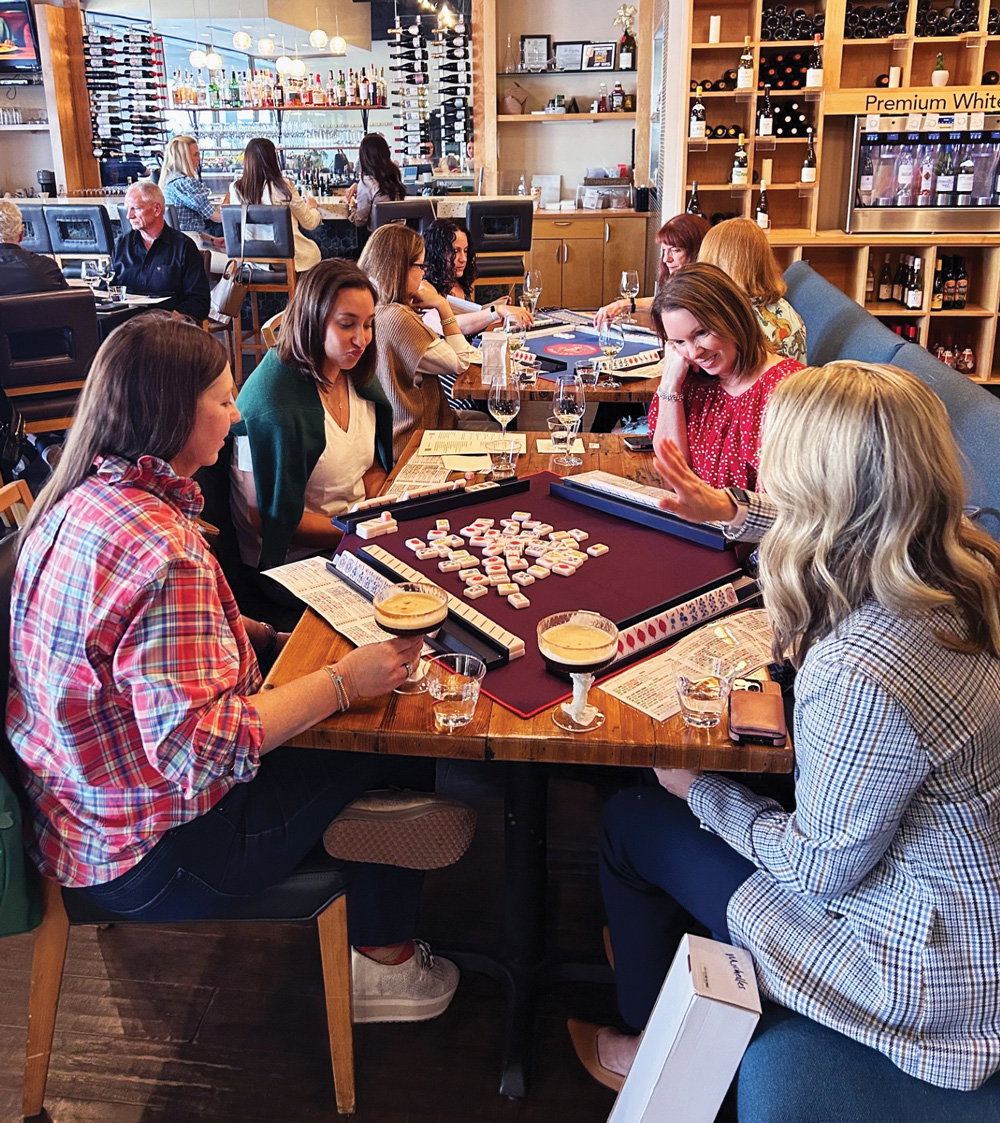
Tuesday night mahjong crowd at Vino Venue
It’s sips and strategy for the Tuesday night mahjong crowd at Vino Venue

Courtesy of Vino Venue

Take Vino Venue, for example. The wine bar tucked into an unassuming Dunwoody shopping center offers weekly open mahjong nights on Tuesdays. Players are welcome to BYOB (bring your own board) or use one of the three in-house sets. The wine bar serves food that owner Emily Mendyka calls “easy eats”—laid-back shareables that suit an evening of mahjong (like cheese and charcuterie boxes layered with red pepper hot jalapeño jam from north Georgia).

Also popular with the mahjong set? Vino Venue’s 50-plus wines by the glass, including Fournier Sancerre from France’s Loire Valley and Lange pinot noir from Oregon’s Willamette Valley, plus cocktails like a limoncello spritz and a classic French 75. All feel especially fitting for a game that cues players to raise a glass when the first bamboo-suit tile appears—a moment some celebrate by calling out “Bird Bam!”

Brookhaven resident Jessica Conway first stopped by Vino Venue on a weeknight out of curiosity. “I just showed up, and this group of women invited me in,” she says. “Now I play with them every Tuesday.”

In downtown Chamblee, Hopstix—a brewpub blending Asian flavors with craft beer and cocktails—offers Mahjong Mondays (bring your own board). Held in the restaurant’s private room, the gatherings invite guests to learn how mahjong is played in different parts of the world, from American mahjong to Chinese-style play. The intimate setting allows for a little rule-swapping over drinks like the Red Carpet, made with Roku Japanese gin and hibiscus tea, or the Gold Fashion, a lemongrass twist on the classic bourbon cocktail.

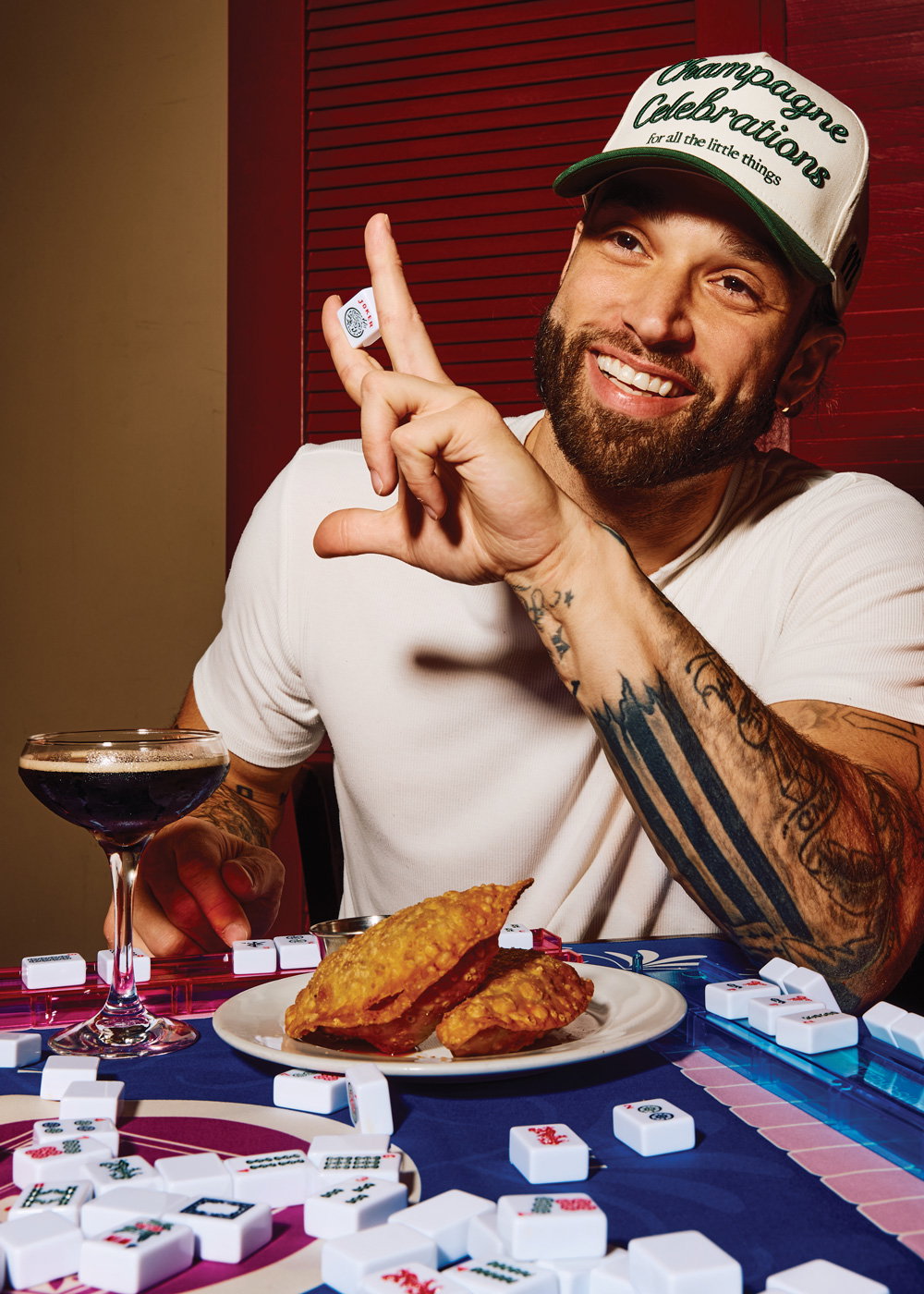
a man holds a Mahjong tile in his hand while enjoying an espresso martini and barbacoa empanadas
An espresso martini and barbacoa empanadas are a winning combo for mahjong-tournament play at Ormsby’s

Photograph by The Sintoses

Across town in the Westside Provisions District, Ormsby’s has long been known for its neighborhood tavern vibe and affinity for games, making it a natural fit for mahjong’s growing social scene. Its mahjong nights are hosted by My Magnolia Mahjongg and held every other month on Wednesdays. These mini tournaments require advanced registration to play over three weeks. Guests can snack on roasted red pepper hummus and braised beef barbacoa empanadas during play, washing the food down with espresso martinis served on draft. Owner Michael Goot says playing mahjong at a restaurant eliminates the stress of hosting people at your home and cleaning up afterward. The attraction, he says, is simple: “It’s not in your living room.”

On Dresden Drive in Brookhaven, The Ashford—an upscale, buzzy bistro—hosts quarterly mahjong happy hours led by the Mahjong Ma’ams, a group that teaches, guides play, and provides boards. Food and drinks are central to the game-night experience, with discounted happy hour offerings designed for grazing between rounds.

At JenChan’s, mahjong gets a lively backdrop. The eclectic Carroll Street restaurant in Cabbagetown is known for its creative mashup of Italian and Chinese food, and Monday evening games seem as playful as the menu itself. “It started by buying a few sets of tiles,” chef and co-owner Emily Chan says. “[Our mahjong nights] were selling out, so then we bought some tables and started expanding to the patio.”

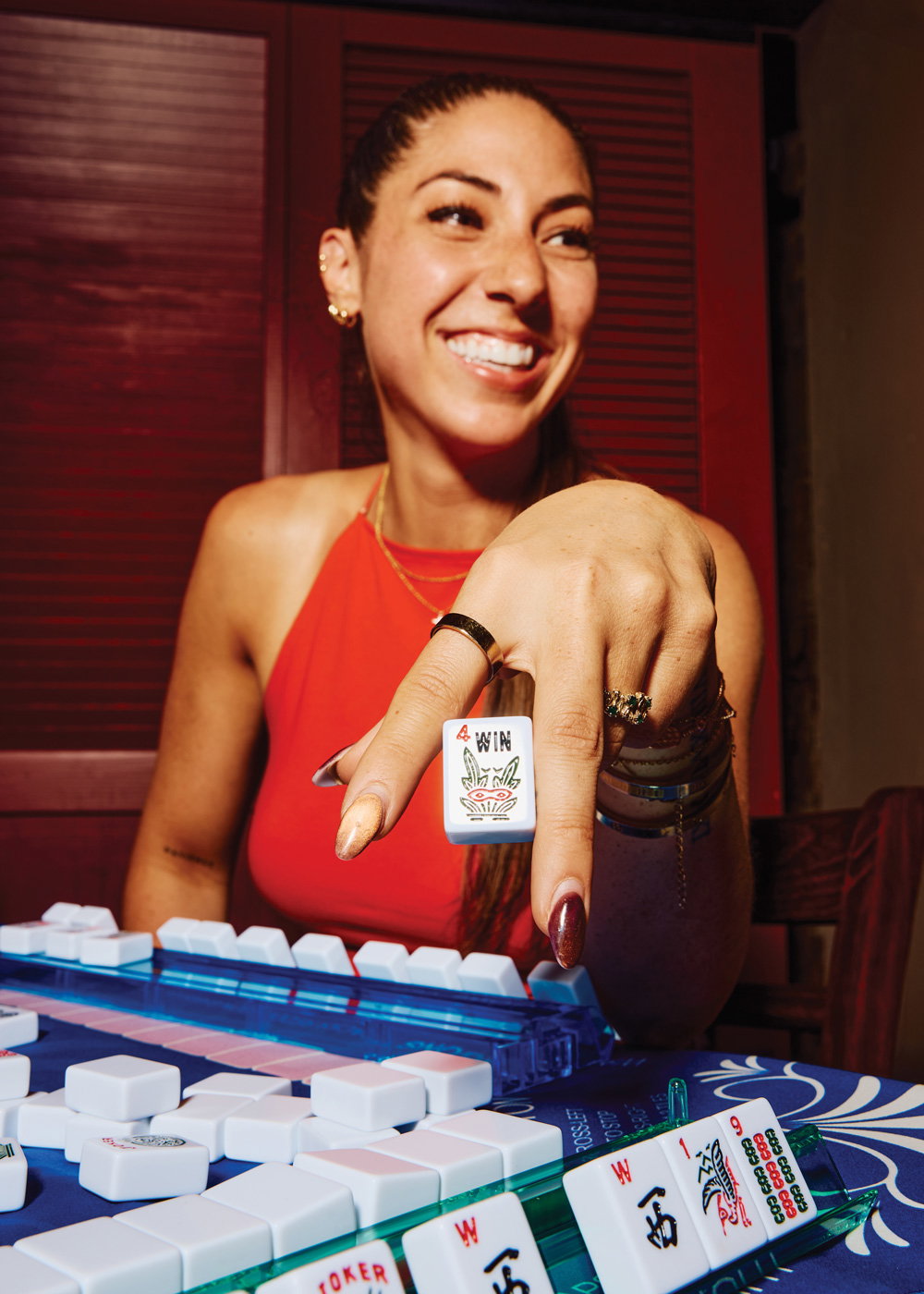
a woman in a red top holds a Mahjong tile between her fingers

The night is structured with staff guiding play as games unfold indoors and out. “You’ll hear someone declare ‘Mahjong!’ across the restaurant,” Chan says, referring to the call that signals a winning hand. “Sometimes it gets loud.”

JenChan’s also uses mahjong nights as a testing ground for new dishes, including small dim sum plates designed for sharing. Among the tested items that became permanent: miso honey-roasted carrots with carrot-top pesto, topped with sunflower seeds.

Drinks have become part of the draw, too, especially the restaurant’s signature Ginger Margarita Slushie, a bright mix of lime, ginger, and tequila that’s well worth the inevitable brain freeze. “That’s the number one drink, no matter the time of year,” says Chan.

Chan says she’s seen plenty of people bond at her restaurant over margs and mahj. “A lot of times people book with strangers, then come back the next week together,” she says. “They exchange numbers and stay in touch, and we’d like to assume they become dear friends.”

This article appears in our July 2026 issue.

Atlanta’s pop-up bars offer a glimpse into the city’s drinking future

0
Kailonn Cooksey of Duo Lingo ATL serves an Ethiopia-inspired Sheba’s Whisper

Photograph by Anitra Isler

Atlanta’s pop-up bar scene adds a creative spark that stokes the city’s drinking culture. The operators of these short-term concepts take over existing food and drink spaces for the night—or several nights—with their own cocktail menus and aesthetics, building devoted followings, often without any intention of permanence.

O’Boyce’s Pub, a pop-up inspired by creator Kieran Seitz’s Irish family, operated out of Little Bear in Summerhill last year. Seitz sourced coveted, traditional spirits such as poitín, a centuries-old Irish moonshine, during his residency. “I’m hoping that when O’Boyce’s is fully grown [as a brick-and-mortar operation], we can focus on smaller Irish distilleries as a specialty,” Seitz says of his future bartending plans. Until then, he can be found around town, most recently at Poor Hendrix in East Lake.

Tim Willard has created several pop-up concepts, including Loire Bar, which showcased Loire Valley wines at Larakin, and The Prez, a traveling cocktail-forward bar with live jazz and global food that continues to make the rounds. He says Loire Bar and Dive Wine (another one of his former pop-ups) helped him create the wine menu for Madeira Park—the award-winning wine bar in Poncey-Highland where he’s now beverage director and partner. “[Before Dive Wine], I’d been lamenting about the fact that Atlanta didn’t have a wine bar, and my wife was like, ‘Do something about it,’” Willard says. “I’ve always liked the idea of dive bars, and I’ve thought dive bars should and could have cool wine lists.”

His H*A*M cocktail
His H*A*M cocktail

Anitra Isler

Girl Bar collaborator Anastasia Cooper pours mezcal sippers at Banshee

Photograph by Darcy Darmody

With Girl Bar, cofounder Haley Herebia says her goal was to create a platform that showcased the skills and concepts of women in Atlanta’s craft cocktail space. “We invite different bartenders to collaborate on each event to promote their work, ideas, and techniques,” she says. “We also collaborate with femme DJs and chefs in an effort to throw one giant ‘girl power’ celebration.” 

Herebia’s quirky pop-ups are held every few months at Banshee, a bar and restaurant in East Atlanta, with drink inspirations ranging from Christmas in Japan to Charli XCX’s Brat album. She says starting a pop-up bar allowed her to risk following her bartending dreams. “I was tired of waiting for somebody to tell me that it was okay [to open my own bar]. I had a feeling that all these other girls were feeling the same way,” she says.

Women’s sports bar Jolene Jolene found its permanent home at the former Argonaut space in Kirkwood after developing a pop-up following at Pullman Yards. Its funding came through Kickstarter. “It started out of necessity, because there’s so much going on, [with] teams and players I want to watch, and there was nowhere to watch them,” says founder Chelsea Fishman.

Kailonn Cooksey operates Duo Lingo ATL, a pop-up bar with cocktails inspired by his travels around the globe. After a memorable trip to Jamaica, his first installment focused on the West Indies and its long spice legacy, prompting the creation of a rum drink with grilled peaches, saffron, and turmeric. Showing up most recently at Smorgasburg, the Saturday food-vendor market in South Downtown, Duo Lingo gives Cooksey a low-risk way to test projects. “Creative bartenders need to be encouraged more to do pop-ups,” he says. “It’s a way to prove to people that your idea works.”

This article appears in our July 2026 issue.

Botánico is back—this time in Midtown

Sharable plates at Botanico

Courtesy of Botanico Cocina

Shortly after shuttering Palo Santo in West Midtown due to failed lease negotiations, brothers Felipe Rivera and Eduardo Rivera are opening a new high-energy restaurant, one with a familiar-sounding name. Botánico Cocina & Social Club is slated to launch in August in the former Lure space on Crescent Avenue, trading Palo Santo’s modern Mexican focus for a broader look at Latin American food and cocktails.

For the Riveras, the name Botanico has history. It was the first concept they ever created, serving Buckhead from 2017 to 2021. Bringing it back in Midtown, Rivera says, “feels like a full-circle moment.”

“Palo Santo taught us that people are looking for experiences, not just restaurants,” Felipe Rivera says. “We learned how important it is for every detail—from the music and lighting to the service and pacing of dinner—to work together to create an atmosphere.” The Riveras used those learnings to bring back Botanico, which is designed less as a dinner-only destination than a place where the night can stretch from shared plates to cocktails and music on the patio.

Pulpo anticuchero

Courtesy of Botanico Cocina

The restaurant takes its cues from travels through Colombia, Venezuela, Peru, Mexico, and Cuba, Rivera says, but it is not meant to read as a tour of individual countries. “Our approach isn’t to create a ‘greatest hits’ menu,” Rivera says. “Instead, we focus on ingredients, cooking techniques, and flavors that naturally connect many cultures throughout Latin America.”

Executive chef Juan Guillermo Hormiga, who hails from Colombia, will lead the kitchen. “He shares our philosophy that honoring tradition doesn’t mean copying it, it means respecting its roots while presenting it in a contemporary way,” Rivera explains. “Every dish has been developed with the goal of being both visually beautiful and genuinely craveable.”

The menu will lean toward shareable plates, with seafood, tropical fruit, chiles, herbs, and bold sauces. Offerings may include sea bass ceviche with mango leche de tigre and a tapioca cracker; shrimp cocktail with guajillo leche de tigre, avocado, sriracha caviar, cilantro oil, and burnt banana powder; and chicken tamales with chupe sauce, cheese sauce, and a citrus herb salad.

Chicken tamale

Courtesy of Botanico Cocina

The beverage program, too, is rooted in Latin American and Caribbean flavors. Expect tequila and mezcal to lead the spirits list, joined by pisco, Caribbean and South American rums, and wines from hispanic producers in Argentina, Chile, Mexico, and Spain. Mexican beers will sit alongside American options. “Creative zero-proof cocktails will receive the same attention as the alcohol menu,” Rivera promises, noting the use of fresh fruit and herbs.

That same layered approach will extend beyond the glass. Botánico will lean into a large outdoor area, greenery, natural materials, and warm lighting to create a lush indoor-outdoor feel, with patio parties and a lounge space with bottle service adding to its clubby side. Music will help shape the night’s momentum: Dinner will begin with lounge music, Latin jazz, Afro-house, organic house, deep house, and downtempo rhythms, then build later as DJs bring in Latin electronic sounds, disco, and globally inspired dance music.

At Summerland, Anne Quatrano lets eggs lead the way

Inside Summerland

Courtesy of Summerland

On July 22, chef and restaurateur Anne Quatrano is debuting a restaurant rooted more deeply in her own life than any she’s done before. Called Summerland, the breakfast-and-lunch spot takes its name—and much of its spirit—from Quatrano’s farm in Cartersville, a place she returns to repeatedly in both design and menu.

“This is the most personal space I’ve done,” she says.

Located at the new Upper West Market, Summerland offers both counter-service pastry and coffee, as well as a full breakfast-and-lunch dining experience. The café will be open daily from 8 a.m. to 4 p.m., with a single all-day menu once the dining room launches.

Smoked salmon on an English muffin with egg, herb cream cheese, pickled spinach, and hollandaise

Courtesy of Summerland

The pastry program will feel familiar to fans of Quatrano’s Star Provisions, yet more elevated. “We’ve gone a little further and a little more refined,” she says, describing a cocoa-nib ganache croissant in place of traditional chocolate. The lineup will include butter croissants, alongside hazelnut praline croissants, pistachio knots, and chocolate layer cake. Group pastry chef Maria Cortina Sainz will be onsite baking for all of Quatrano’s restaurants (including Bacchanalia) in the new pastry kitchen.

Coffee will be supplied by Docent and feature traditional options like cappuccino, lattes, and both hot and iced coffee. Light sandwiches and grain salads will fill a grab-and-go case for those who prefer to snag a seat outside or in the farmer’s market.

Roasted and raw vegetables with bagna cauda

Courtesy of Summerland

In Summerland’s dining room, Quatrano leans hard into one of her favorite ingredients. “It’s eggy,” she says simply, noting that the menu reflects her love for breakfast and lunch—and for eggs in particular, which are a major product on her farm.

Expect about 15 items, excluding sides and desserts. Plates range from toasted oats with roasted dates, carrots, and almonds to honey-butter milk toast with whipped ricotta. There will be pancakes made with cottage cheese and blueberry compote and a farmer’s plate featuring soft scrambled eggs, boiled peanuts, avocado, seedy toast, and roasted tomato. There’s also Georgia white shrimp with butter and lemon on brioche toast.

The beverage program is intentionally modest with beer, natural wine from female producers, and a cocktail list limited to one drink with each spirit. However, a slushie machine adds variety with combinations like bitter amaro and grapefruit (available with or without alcohol) and a coffee-based slush featuring cocoa nib and black sesame. Affogato will also be available.

Egg with oeuff mayonnaise and bitter greens

Courtesy of Summerland

Design-wise, Summerland is meant to feel fresh, clean, and lightly feminine, Quatrano explains. A feature wall incorporates recycled wooden fencing from the Cartersville property, white-painted flowers, and a green logo. Quatrano layered in favorite artwork and horse-themed pieces from her house. “I want it to feel like the farm,” she says.

Furniture includes striped cushioned benches, white oak tables, and green chairs, while finishes range from a green-tiled pastry counter to polished concrete floors with a stenciled pattern. The 3,800-square-foot space will seat 56 in the dining room, with select standing tables in the coffee area. Guests can Summerland enter from the farmer’s market as well as outside. Reservations will be available via Resy.

At its core, Summerland is about access—bringing farm-driven food into daily life. “I love the idea of being able to go somewhere and get locally produced food every day,” Quatrano says.

Savory comte tart with brioche crust, roasted tomato, and simple vinaigrette

Courtesy of Summerland

10 new restaurants within a 20-minute walk of Mercedes-Benz Stadium

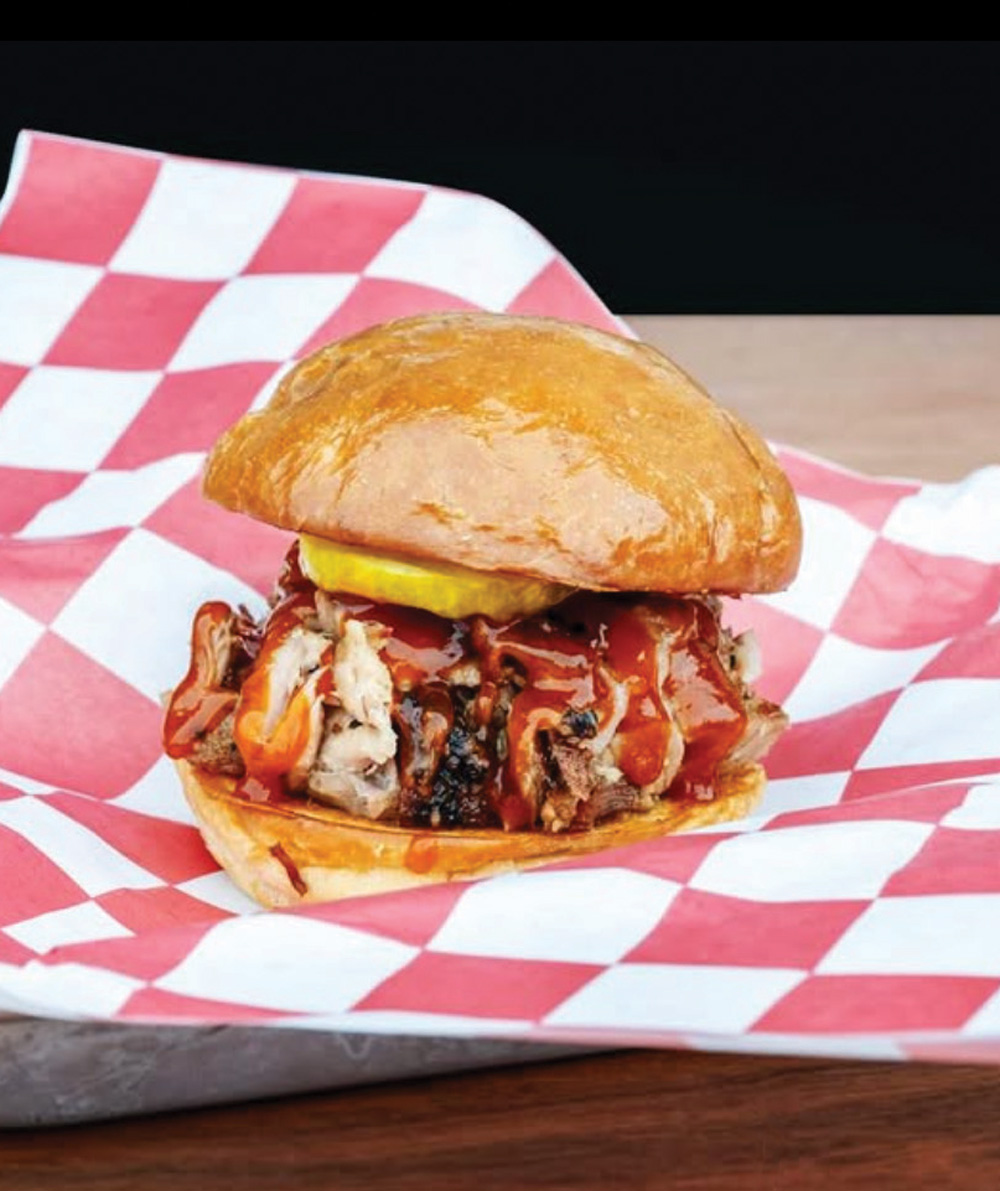
a BBQ sandwich from Broad Street BBQ

Halftime is when you can finally slow down and enjoy some well-earned snacks and bevs. The choices of where to eat and drink have never been greater downtown. Here are some shiny new additions. We’ve listed each restaurant’s walking time from Atlanta Stadium (Mercedes-Benz Stadium) so you can make the most of your day.

Broad Street BBQ

9-minute walk
The World Cup calls for world-class fare, and the team behind Broad Street BBQ (who also created Sammy’s in Adair Park) is bringing its A-game. Jason Furst and Sam Pinner serve Southern barbecue—think smoked pork sandwiches, brisket platters, and wings—at this counter-service joint, adjacent to the Five Points MARTA station on Broad Street in the historic South Downtown neighborhood. Opening June 1, they’ll have traditional sides such as baked beans, mac ’n’ cheese, and hoecakes. Collard green lasagna stands out as a twist on the familiar. There’s also a 16-seat zigzag bar, where cocktails and local beer take center field. Prefer to dine outdoors? A takeout window lets you take your meal to a greenspace.

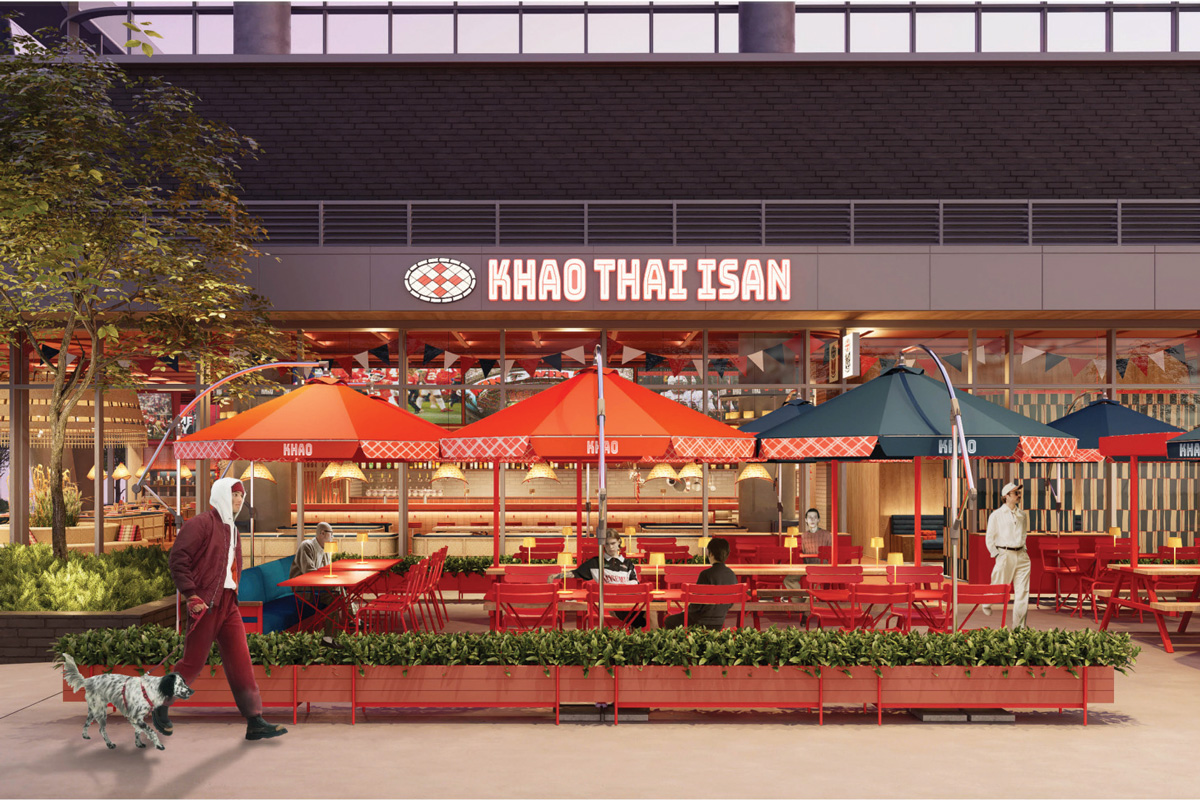
a mockup rendering of the outside of Khao Thai Isan
Khao Thai Isan

Courtesy of Khao Thai Isan

Khao Thai Isan

10-minute walk
Niki and Tanya Pattharakositkul, the sisters behind 26 Thai, Blackjack, and Pink Lotus, bring the bold flavors of northeastern Thailand to downtown. Khao Thai Isan is at Centennial Yards, the brand-new development near Atlanta Stadium. The upscale restaurant focuses on Isan regional cuisine, known for its vibrant, spice-forward dishes. Expect a menu built around shareable plates and Isan specialties, such as laab duck with roasted rice powder and Crying Tiger beef (grilled, marinated beef with tamarind dipping sauce). Saunter up to the bar and order Thai and Laotian beers on tap, craft cocktails, or beer towers meant for a group.

Kitchen Counter

15-minute walk
General Muir chef Todd Ginsberg and Bloom Roadside founder Josh Kim wanted in on the South Downtown action; on June 7, they’ll launch Kitchen Counter, a diner-inspired, counter-service spot on Mitchell Street. Enjoy breakfast all day, including sausage-and-egg sandwiches, bagels and cream cheese with nova lox, and hash browns slathered in cheese with onions and peppers. After 10 a.m., lunch options include Asian specialties such as congee and bibimbap salad as well as toasted sandwiches, including a tuna melt and a roast beef with cheddar. Hot tip: Order the Pick 2 with Ginsberg’s matzo ball soup. It’s a fun twist on what you find at the General Muir.

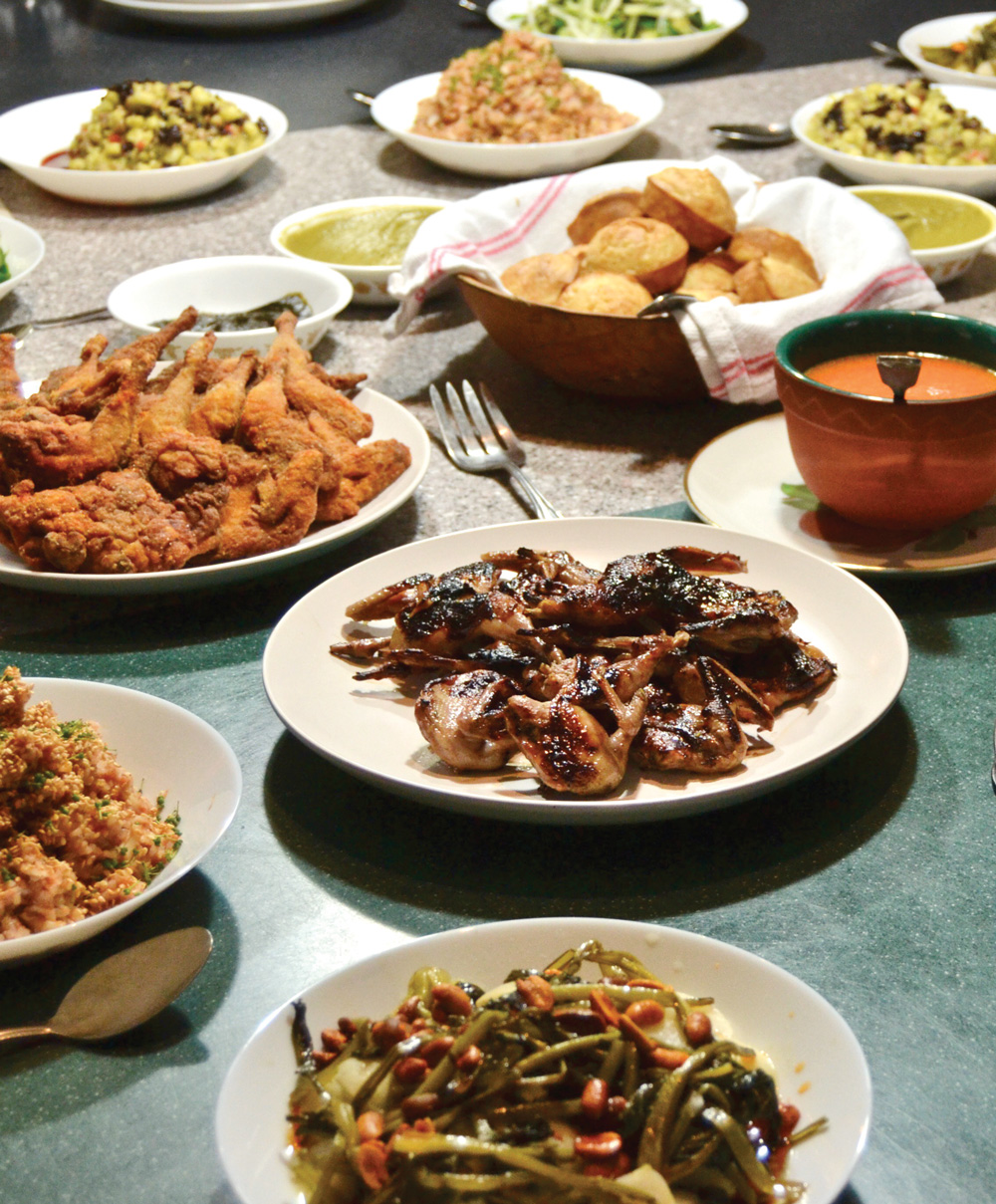
an array of dishes from Mule Train
Mule Train

Photograph by Brad Kaplan

Mule Train

14-minute walk
After years as a pop-up, The Plate Sale has evolved into Mule Train, a Southern-driven restaurant on Broad Street in South Downtown. Husband-and-wife team Michael and Shyretha Sheats will spotlight dishes built around vegetables, beans, and locally sourced meats. The menu may feature items like butter beans, root vegetables, fried quail, and whole roasted pork or duck, encouraging a mix-and-match approach at the table. Lunch follows a classic meat-and-three model, while dinner shifts to both a la carte and four- to six-course prix fixe menus. The addition of a full bar positions Mule Train as a neighborhood gathering place for a casual sit-down experience.

The Irish Exit

10-minute walk
The Irish Exit brings the atmosphere of an authentic Irish pub (albeit a large one—4,735 square feet) to Centennial Yards. Created by the team behind New York’s celebrated bar The Dead Rabbit, the pub pours pints of Guinness, Dead Rabbit’s Irish Coffee, and craft cocktails. The food is comforting and crowd-friendly—traditional ham-and-cheese toasties, sausage rolls, flatbreads—ideal for prematch bites, postwork drinks, and World Cup crowds looking to linger.


Five more newcomers to check out

American Dive
Southern barbecue, 18-minute walk

Jagger Suite
Rooftop bar at Moxy Atlanta Downtown Hotel, 15-minute walk

Mastro’s Steakhouse
upscale steakhouse at The Center, 10-minute walk

Pepper’s Hot Dogs
Grab-and-go lunch, 19-minute walk

The Junction
Subs and salads, 13-minute walk

This article appears in our June 2026 issue.

Follow Us

69,386FansLike
144,836FollowersFollow
493,480FollowersFollow

NEWSLETTERS