
Home 2026

Archives

Chimney cakes have landed in Georgia

0
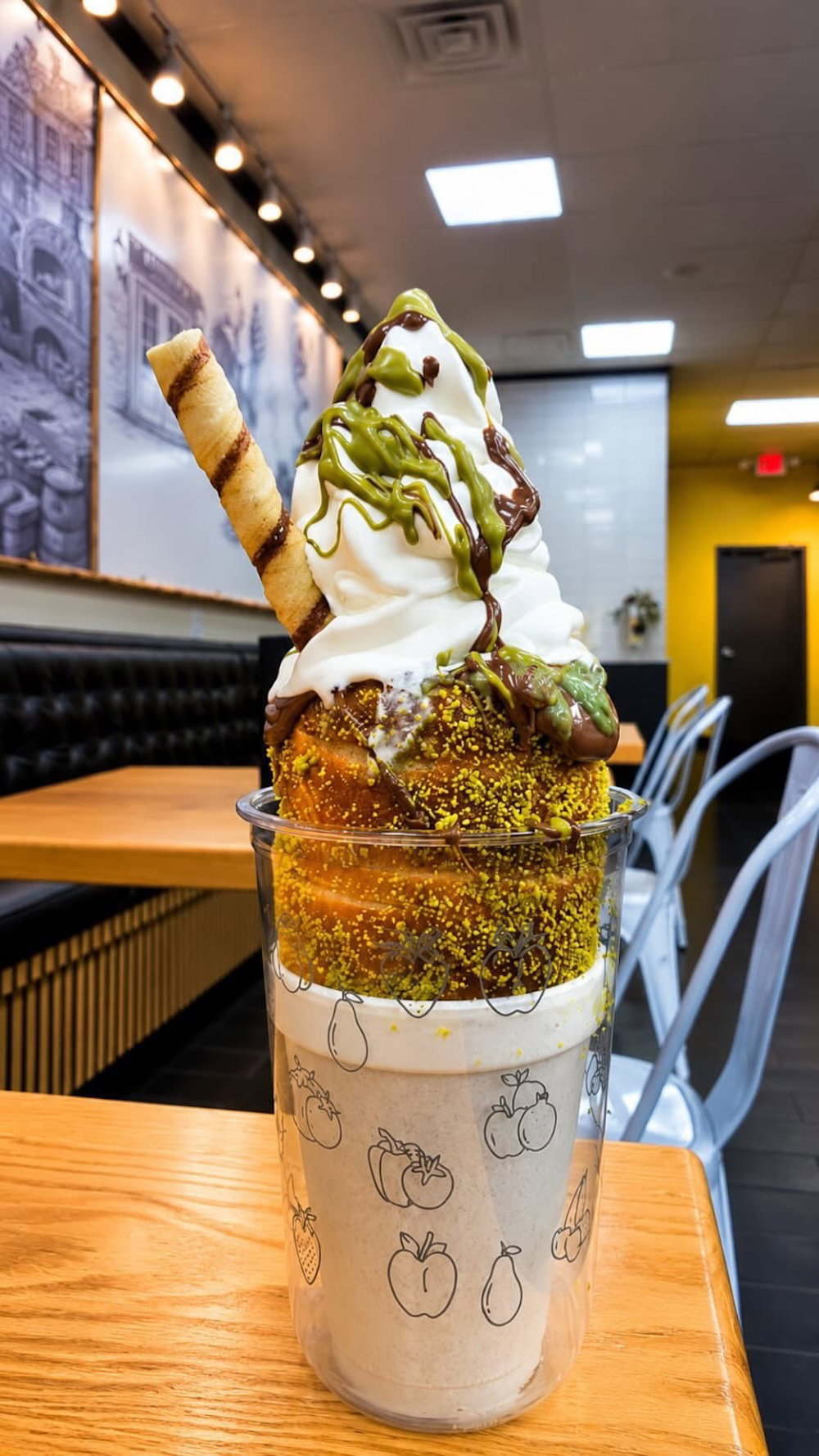
Dubai Chimney Cake

Courtesy of Lumier's

At Lumier’s Chimney Cake in Peachtree Corners, the first thing that hits you is the smell: warm dough, vanilla, and cinnamon sugar drifting from the open kitchen. Behind the counter, the staff wraps strips of dough around cylindrical molds and bakes them to order, turning out golden, hollow pastries in five to seven minutes.

Owner Sahim Haraizeh calls it a “live show,” as customers watch as the cakes are filled, stacked, and finished with soft serve, fruit, chocolate, pistachio, and more. “When you smell it, you want to try it,” he says.

The finished cakes are built for the camera—tall, overflowing and customizable enough to suit any sweet tooth. Some arrive with soft serve swirled high above the warm pastry shell; others are layered with jams, creams, fruit, and candy-like toppings.

Lumier’s bills itself as the first and only dedicated chimney cake shop in Georgia. Haraizeh says the appeal was immediate when he first encountered the dessert in Europe two years ago. “It’s very attractive, and it tastes good,” he says. “You don’t see anything like this.”
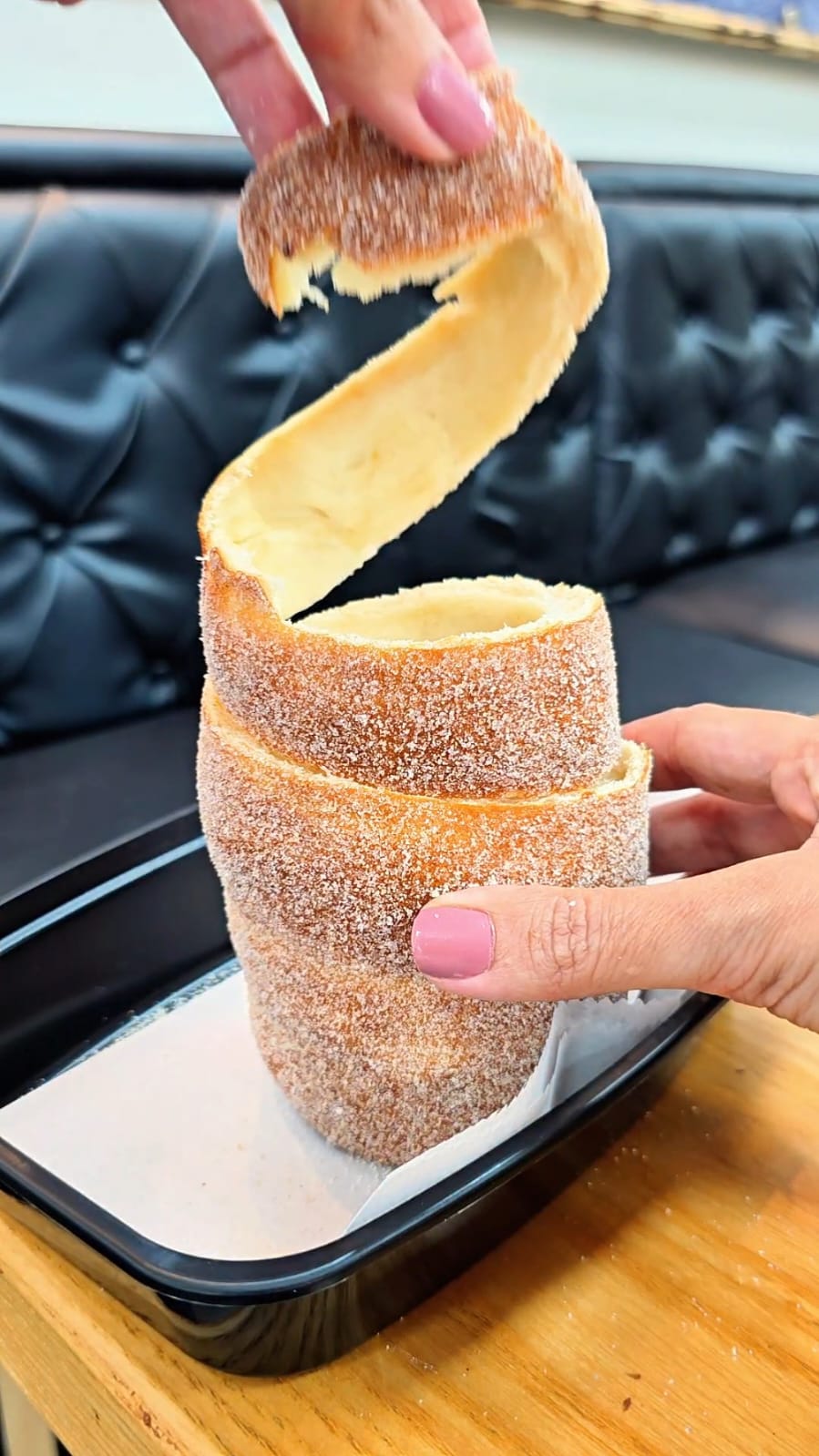
Classic Chimney Cake dough

Courtesy of Lumier's

That novelty is central to Lumier’s draw. Chimney cakes, known in Hungarian as kürtőskalács, are a centuries-old Central and Eastern European pastry with roots often traced to Transylvania. Traditionally, sweet, yeasted dough is wrapped around a spit, rolled in sugar and baked as it rotates, creating a caramelized exterior and soft center. Once a festive pastry served at celebrations, chimney cake has become a popular street food at markets and fairs across Europe.

At Lumier’s, prices run from about $8.50 for a classic to around $15 for a platter meant for two, and with chimney cakes stretching 12 to 15 inches tall.

“They’re loaded,” Haraizeh says.

The most popular order is the Dubai Chocolate Chimney, while the Lumier’s Signature layers chocolate, fruit, vanilla soft serve, with more chocolate on top. Lumier’s also serves coffee, matcha, cold-pressed juices, and milkshakes. The 1,700-square-foot space features Wi-Fi and music, encouraging guests to linger.

Haraizeh and his cousins opened the first U.S. location in Washington, D.C. last year before bringing the concept to metro Atlanta. Additional Georgia locations are already planned, including one near Avalon in Alpharetta and another in Suwanee, with a Midtown location under negotiation.
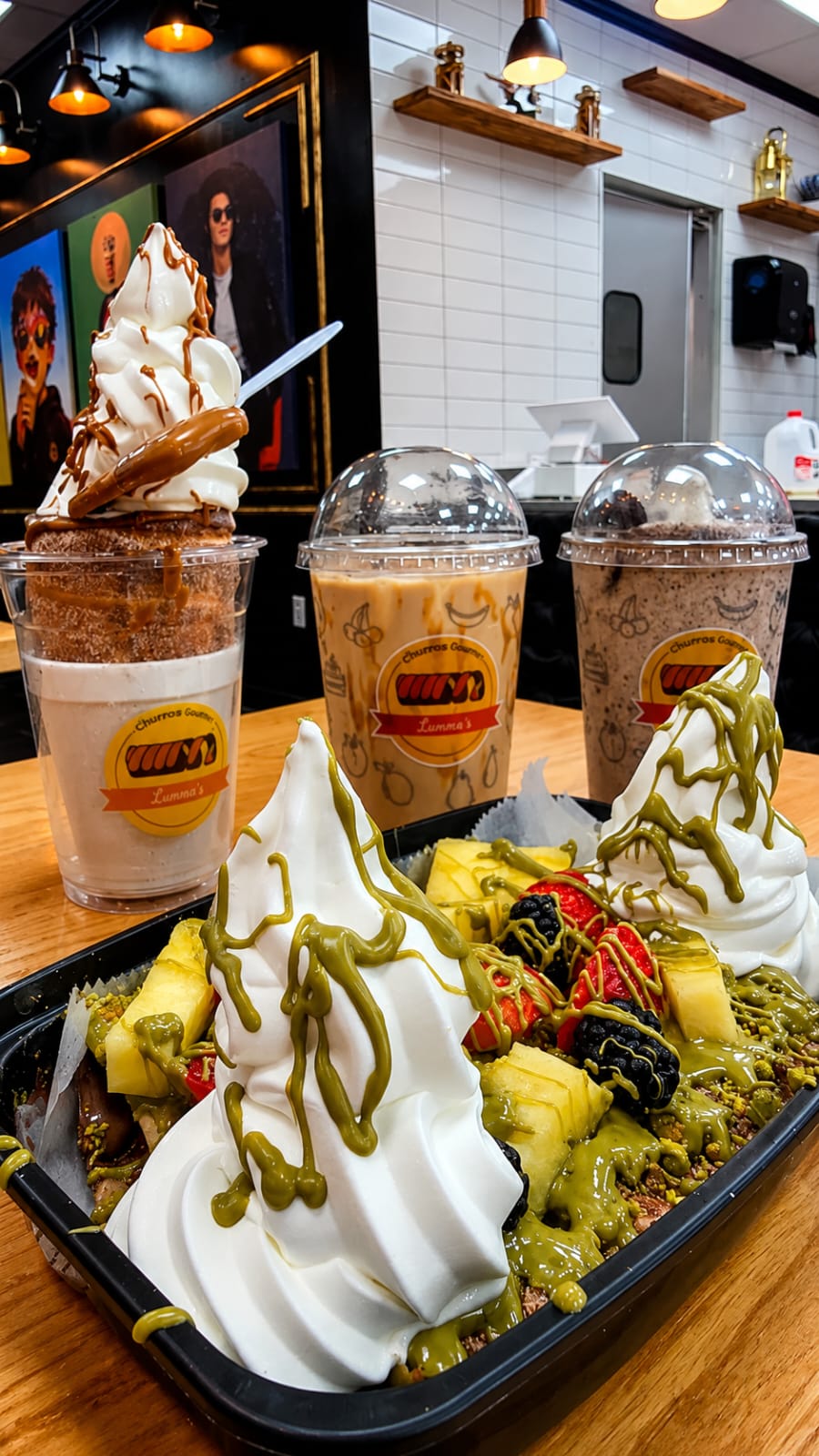
Pistachio Love plate chimney cake

Courtesy of Lumier's
6 coffeehouses fueling Atlanta’s newfound love for Yemeni coffee

0
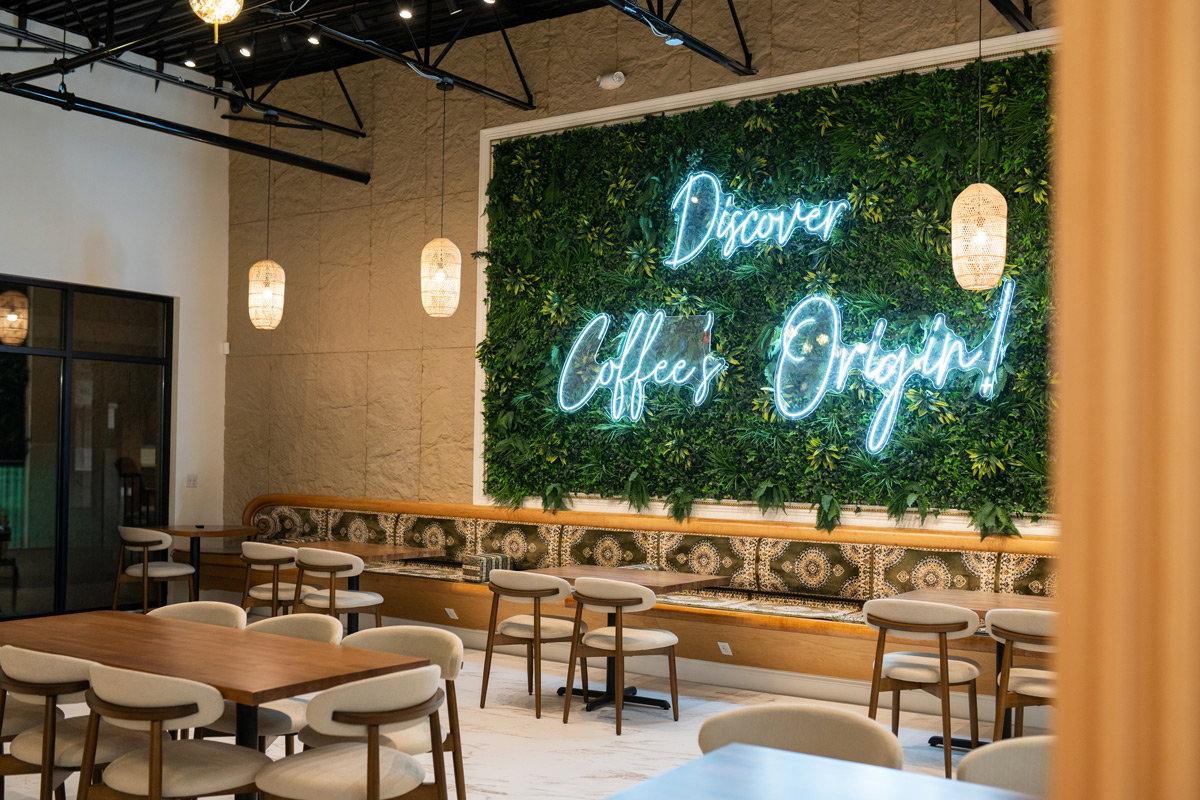
A wall of plants with a neon sign reads "Discover Coffee's Origin!"
Cafe interior at Qamaria Yemeni Coffee Co. in Duluth

Photograph courtesy of Qamaria Yemeni Coffee Co. Atlanta

The first people in the world to brew coffee were from the region that is now Yemen. Five-hundred years later, beans from coffee’s birthplace have arrived in Atlanta in a big way. Of the 100 or so Yemeni coffeehouses across the country, Atlanta has six, all of which have opened in the last five years. Yemeni coffee professionals say their culture is flourishing here because of the rich, nutty taste of their beans and specialty coffee enthusiasts’ insatiable desire to try coffees from origins that are new to them.
Coffee historians generally agree that the beverage’s roots can be traced to Ethiopia, where coffee plants were endemic. Fifteenth-century traders brought the plants across the Red Sea to Yemen, and the Yemenis first brewed them as a beverage. From Yemen’s port of Mokha (where the word mocha originated), coffee spread to the world. While coffee production scaled up in other regions, the industry in Yemen remained small. But today, Yemeni beans are sought for their rustic quality, boldness—and rarity. Importing coffee from Yemen has always been a challenge; the industry there is small, and with war recently intensifying in the region, transport has become even harder.

Local entrepreneur Hesham Abdulla opened Mokhaport in Tucker in 2021; he believes it was the first cafe in Georgia to specialize in Yemeni beans. The menu offers classic drinks like sanani (a comforting blend of Yemeni coffee, cardamom, and brown sugar), as well as traditional Middle Eastern snacks: fatira, a spiced pancake with spinach, or kaliat nahel, a whole-wheat bread stuffed with cheese.

Roswell’s 967 Coffee Co. was founded in 2025 by three cousins who aimed to evoke a “modern-day majlis”—the room in a Yemeni home where guests are entertained and coffee flows freely. It’s open until midnight or later every day, and the night shift is its busiest, serving a need for a safe, sober community space for anyone.

“We want everyone to feel welcome, like they belong,” says Osama Almathil, one of 967’s co-owners. “Our goal is to showcase the culture in a beautiful place, welcoming people from all backgrounds.”

The rest of Atlanta’s Yemeni coffeehouses are locally owned franchises: Shibam Coffee Co. in Alpharetta, Haraz Coffee House in Midtown, and Arwa Yemeni Coffee and Qamaria Yemeni Coffee Co., both in Duluth. Arwa originated in Richardson, Texas, but the rest of these brands have expanded across the country from Dearborn, Michigan—the first Arab-majority city in the United States. Like 967, all of their Atlanta locations are open late at night.

“We aren’t really catering to a morning, heading-to-work kind of crowd,” says Danish Dharani, a cofounder of Qamaria. “In my head, it’s a coffee shop second; it’s a space for people to enjoy first.”

This article appears in our September 2026 issue.

John T. Edge: An Ode to Atlanta’s “On-Ramp,” Buford Highway

0
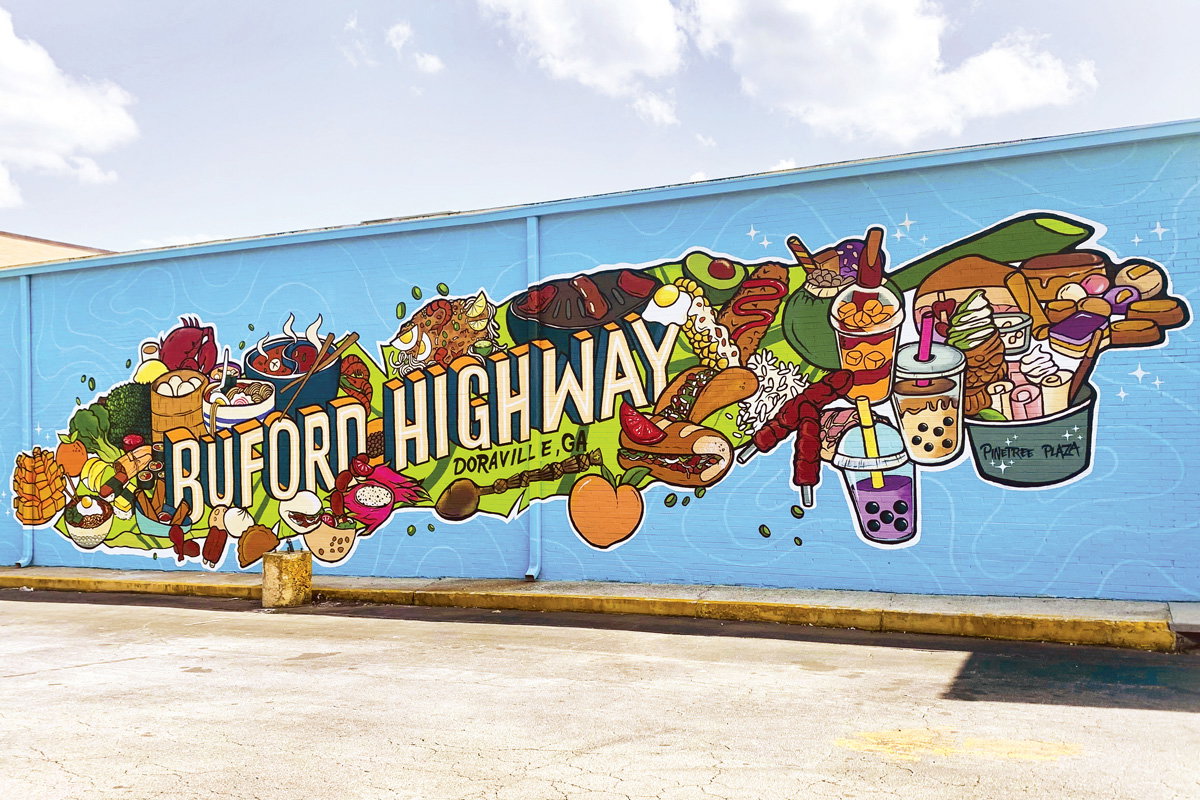
Buford Highway mural at Pinetree Plaza by artist Leah Abucayan

Courtesy of Bluefoot Entertainment

When I lived in Atlanta in the late 1980s and early ’90s, I surfed the wake of Christiane Lauterbach, a now-retired restaurant critic for this magazine and other publications, famous for her keen palate and reviews that could gut a chef like a prison shiv. The cheesecake from one restaurant tasted like “old clothes,” Christiane wrote; the counter in another looked like “shellacked vomit.”

More important, Christiane wrote with curiosity and empathy about the restaurants of Buford Highway, Atlanta’s longtime on-ramp for new arrivals from other countries. Nativity is not the best measure of belonging, her reporting suggested. The true gauge is whether a person contributes to a place.

Born in Paris, France, she explored the immigrant-owned restaurants of Atlanta like a flaneur, luring readers to Buford Highway with reports of char siu bao and larb gai, barbacoa tacos and jjajangmyeon. After I moved to Oxford, Mississippi, to pursue a degree in Southern Studies at the University of Mississippi, I began to write about food and culture. Christiane and I served together for a decade on a restaurant awards committee.

Between debates about our nation’s best pastry chef or bartender, Christiane encouraged me to think about restaurants owned by immigrants and their descendants as essential to the modern Southern story. They were, she believed, inheritors of the mom-and-pop spots across the region that fed country-to-city migrants in the years after World War II. In time, that insight became my angle of approach. A world bloomed into view.

More than three decades have passed since I left Georgia for Mississippi. I can’t now claim to know shape-shifting Atlanta and its kaleidoscopic exurbs as readers of this magazine do. But I still love your city. To renew my acquaintance, I return for Shiny Dimes at Kimball House, tartare on daikon chips at Ticonderoga Club, and body scrubs at Jeju Sauna. And I drive Buford Highway, the place of my awakening to a more expansive idea of home.

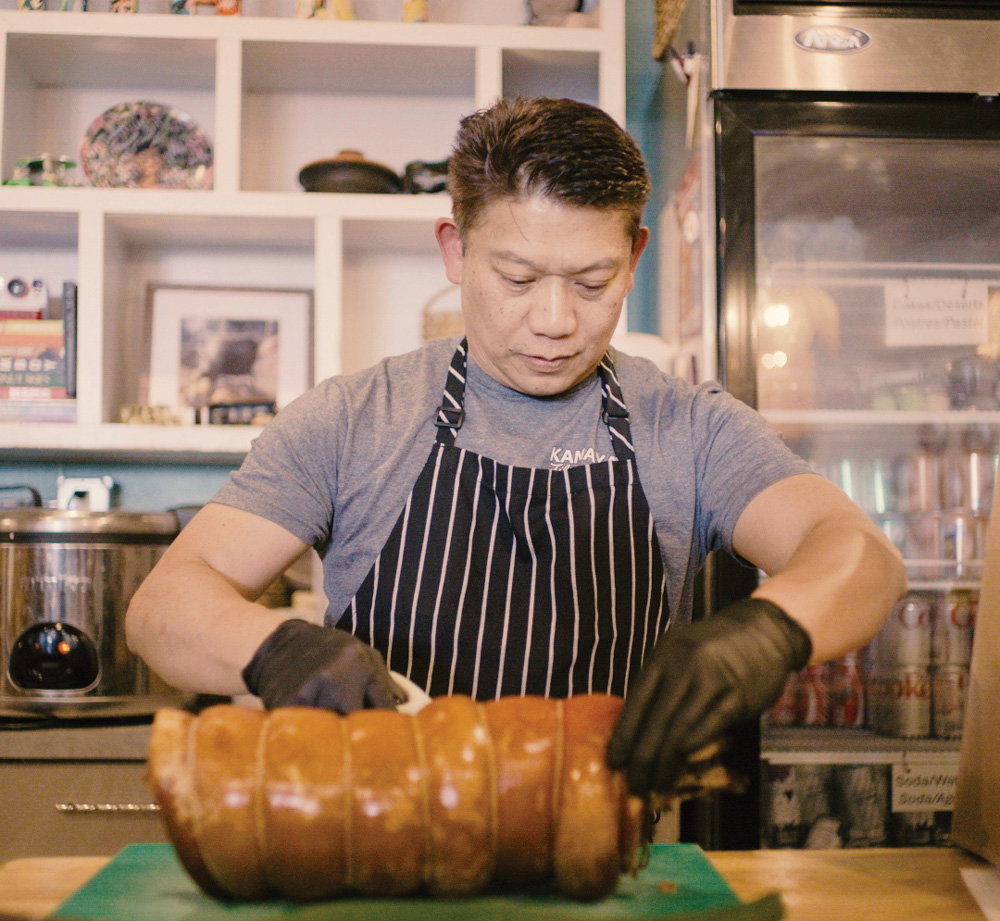
Carlo Gan preparing rolled pork roast at Kamayan ATL

Courtesy of Bluefoot Entertainment

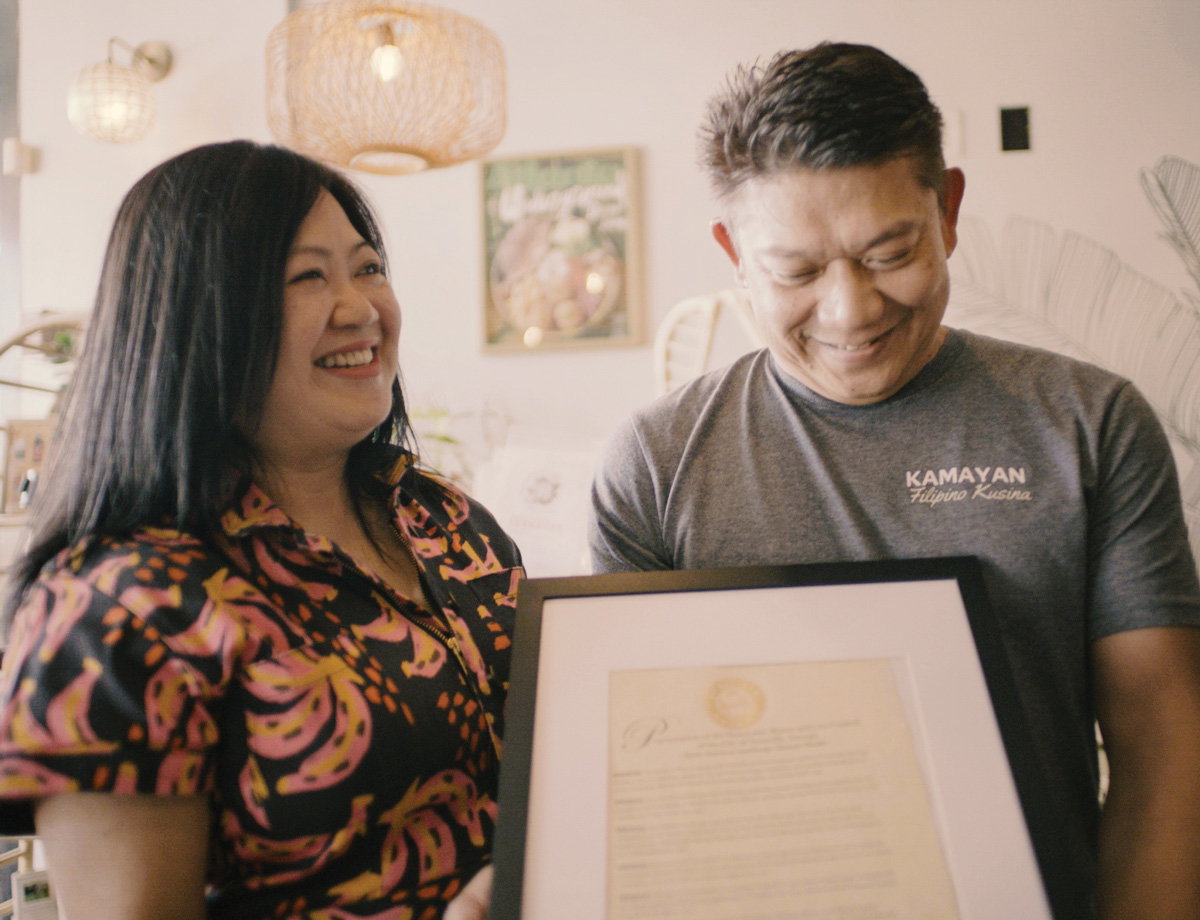
Chef-owners Mia Orino (left) and Carlo Gan at Kamayan
Chef-owners Mia Orino and Carlo Gan at Kamayan

Courtesy of Bluefoot Entertainment

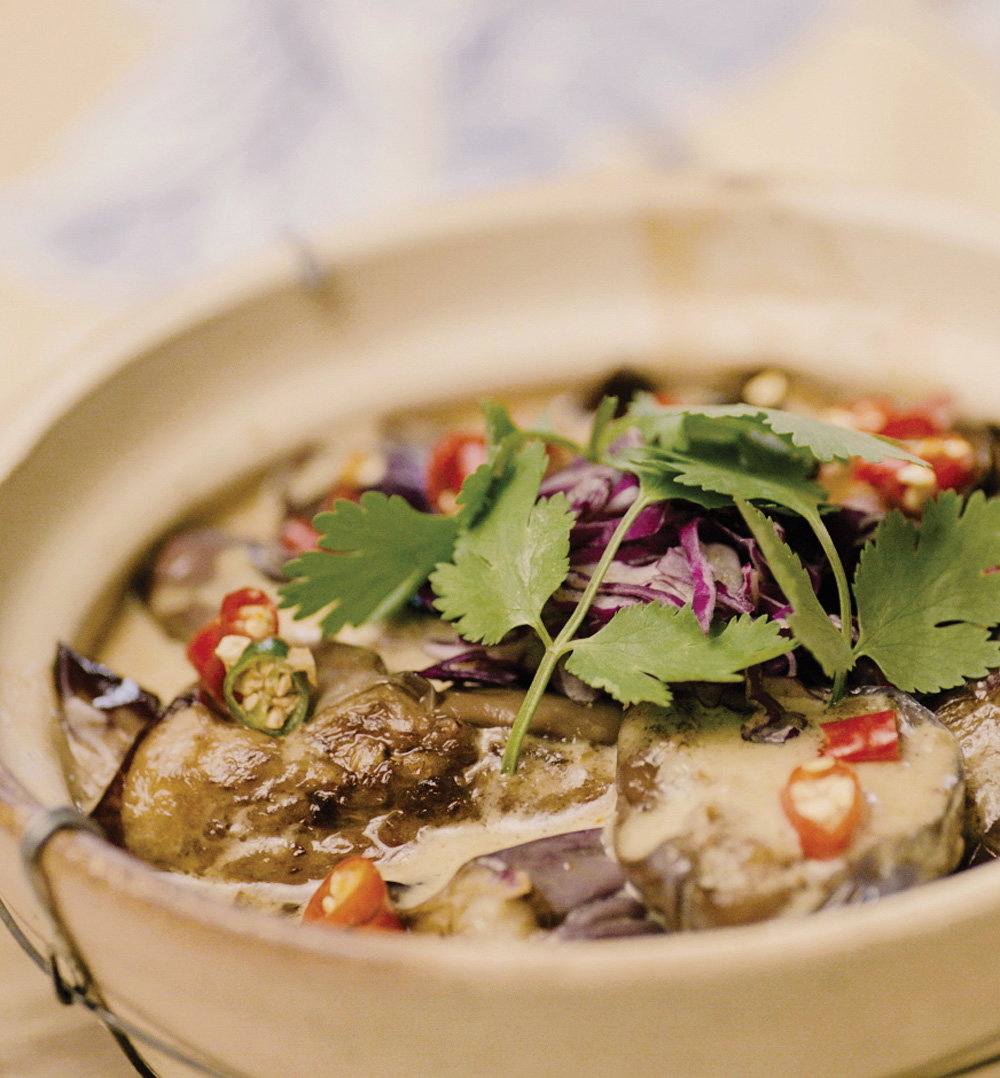
Kamayan’s Ginataang Talong (eggplant coconut curry)

Courtesy of Bluefoot Entertainment

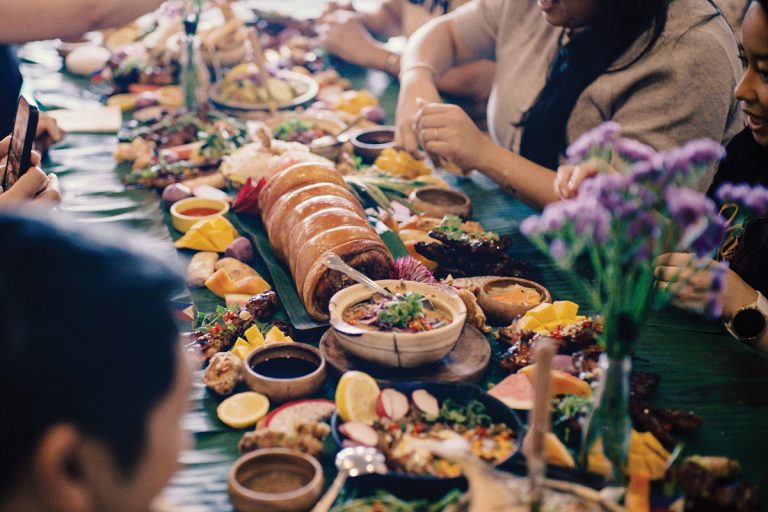
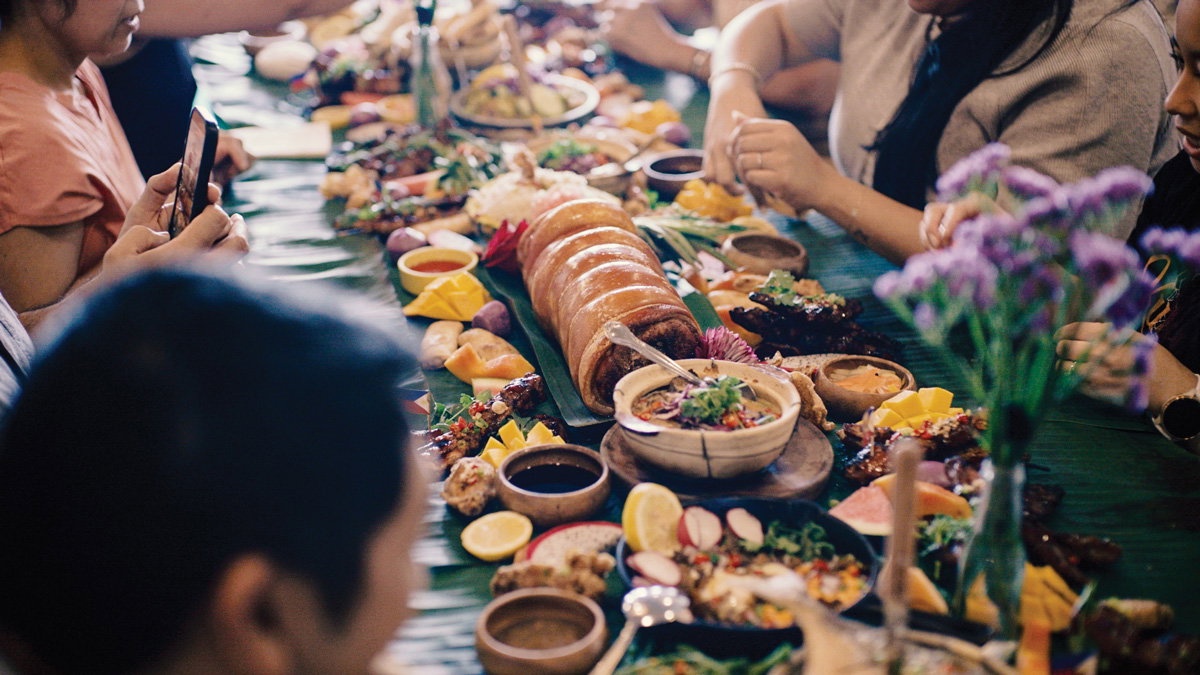
Kamayan’s signature private Filipino feast

Courtesy of Bluefoot Entertainment

This spring, I brought a 10-person crew to film a Buford Highway episode of TrueSouth, the SEC Network food-and-culture show I write and host. We focused on the six-mile stretch that runs north from the Benedit family’s Havana Sandwich Shop (serving Cuban sandwiches, black beans, and yellow rice since 1976) to the intersection with I-285 near the site of an old General Motors plant, the onetime economic engine of Doraville, where workers built Buick Skylarks and Oldsmobile Cutlass Supremes.

I couldn’t rely on Christiane this time. (She moved to Portland, Oregon, a few years back.) So, I listened to Emily Wu Pearson’s WABE reports on Atlanta immigrants and refugees, subscribed to Sophia Qureshi’s newsletter, 285 South, and reread issues of this magazine. I also followed restaurant writer and dumpling entrepreneur Candy Hom on Instagram (you should too; her handle is @soupbelly_atl) and read Down South + East, the new Atlanta-inspired cookbook by Ron Hsu, chef and founder of Lazy Betty.

When it came time to film, I tapped my friend Jim Cobb, the retired University of Georgia history professor. He traced the initial growth of the Buford Highway corridor to the late 1940s, when Black and White workers flocked to that GM plant in search of union jobs. I made new friends, too, like Jack Halpern, whose company leases out storefronts in the 1958-vintage Pinetree Plaza, a strip mall on the Doraville stretch of Buford Highway. He spoke of the social and economic forces that transformed suburban places like Pinetree into sites of global aspiration. And he connected current Atlanta immigrants to his own past: His father immigrated to Atlanta from Poland one year before the Nazis rolled across the border.

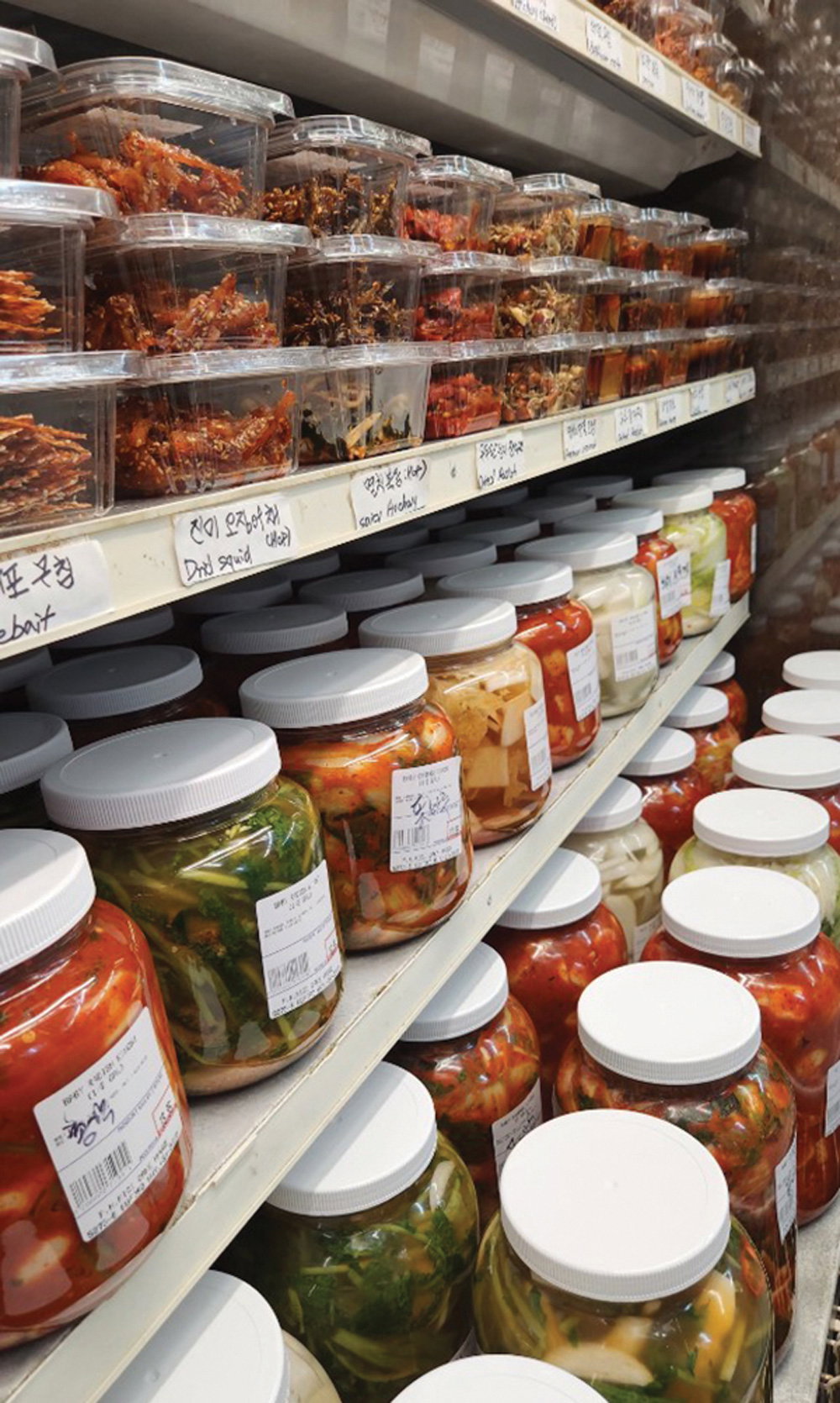
When our show premieres in October, you’ll meet Grace Yu of PN Rice Cake House in Pinetree Plaza. She guided us through her small shop, stocked floor-to-ceiling with a mosaic of housemade Korean banchan in squat glass bottles. And Amormia “Mia” Orino and Carlo Gan of Kamayan ATL, a Filipino restaurant across the road in Asian Square, who fed us green beans blistered in coconut oil and rolled pork roast with skin as sweet and crunchy as peanut brittle. Mia talked through tears of the couple’s shared love for Atlanta and its people.

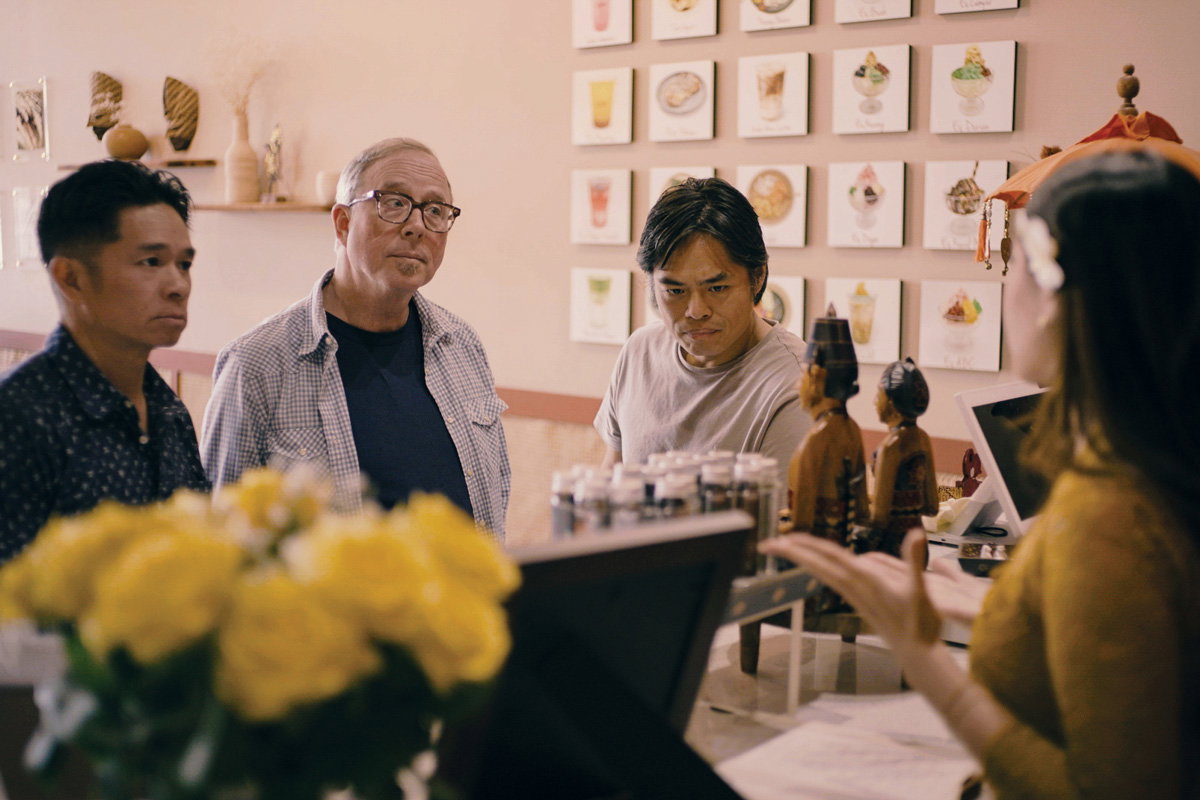
John T. Edge with brothers and restaurateurs Howard Hsu (left) and Ron Hsu (right) at Gula Indonesian Desserts & Snacks

Courtesy of Bluefoot Entertainment

Jars of kimchi and other Korean delights at PN Rice Cake House

Courtesy of Pinetree Plaza

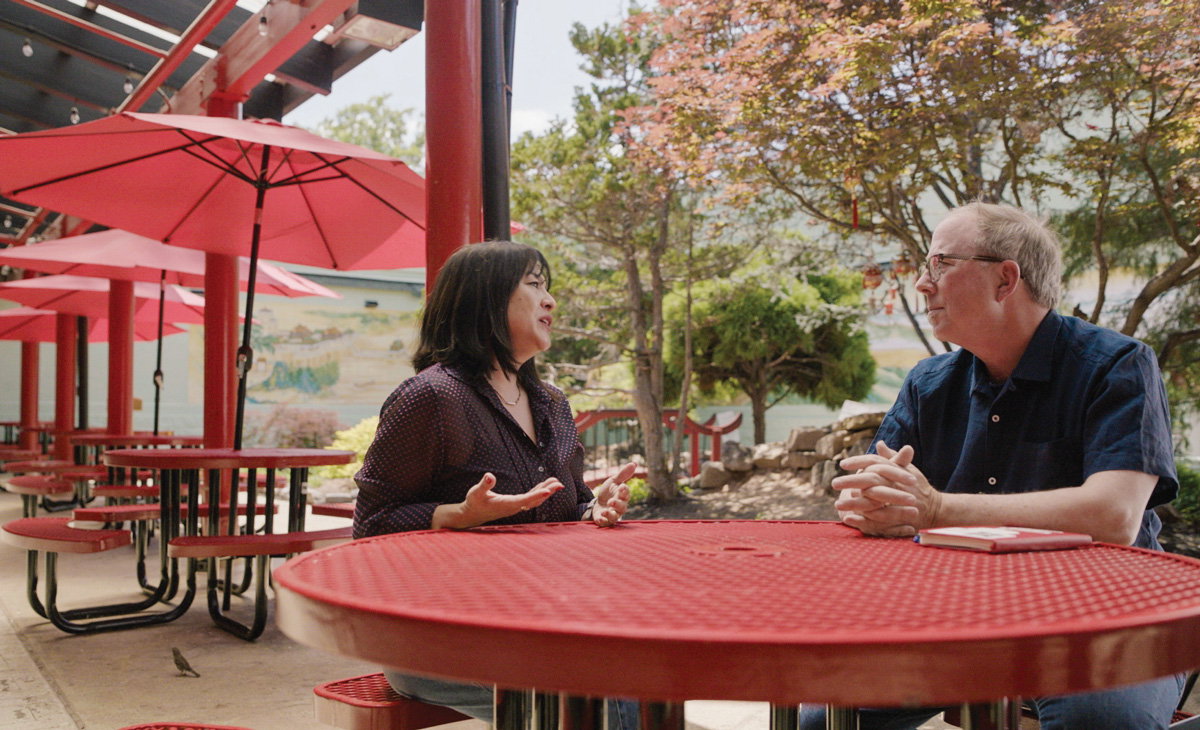
Lily Pabian (left) of We Love Buford Highway with John T. Edge at Atlanta Chinatown courtyard
Lily Pabian of We Love Buford Highway with John T. Edge at Atlanta Chinatown courtyard

Courtesy of Bluefoot Entertainment

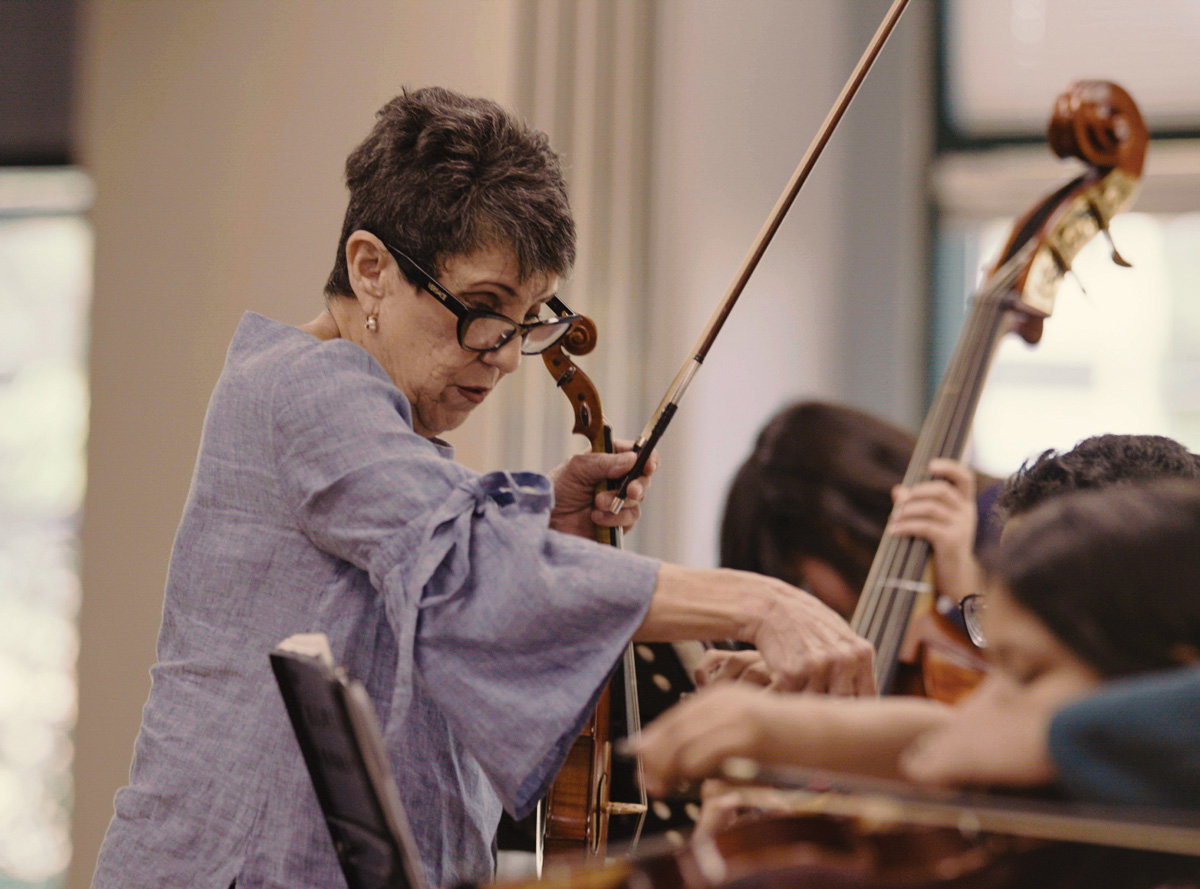
Young players in the Buford Highway Orchestra Project

Courtesy of Bluefoot Entertainment

conductor Juana Alzaga
Conductor Juana Alzaga

Courtesy of Bluefoot Entertainment

Everywhere our crew went, love abounded. So did hard work and big dreams. But a question nagged: Do those ideas Christiane taught still hold true? Or has the cruelty I see modeled by our nation’s current president rewritten the Buford Highway story? I got one answer to that thorny question while documenting the work of Lily Pabian, executive director of the advocacy nonprofit We Love Buford Highway, and Juana Alzaga, who leads the Buford Highway Orchestra Project, a free after-school program.

We were gathered in a conference room for a rehearsal of third, fourth, and fifth graders, most with roots in Mexico or Central America. In the vestibule, an older brother draped his sleeping little sister with his coat. A baby wailed in a basinet. A violinist burst through the door with a box of strawberry doughnuts. When Juana called the students to attention, parents in the back of the room pressed record on cell phone cameras. As the students drew bows across violins and cellos, their eyes shined with promise. As I watched and listened, thinking of the lessons in contributing and belonging the people of Buford Highway have taught Atlanta—and what I’ve learned in the process—my eyes shined with tears.

This article appears in our September 2026 issue.

Chefs behind Michelin-recommended Talat Market will open Thai street food bar in Poncey-Highland

0
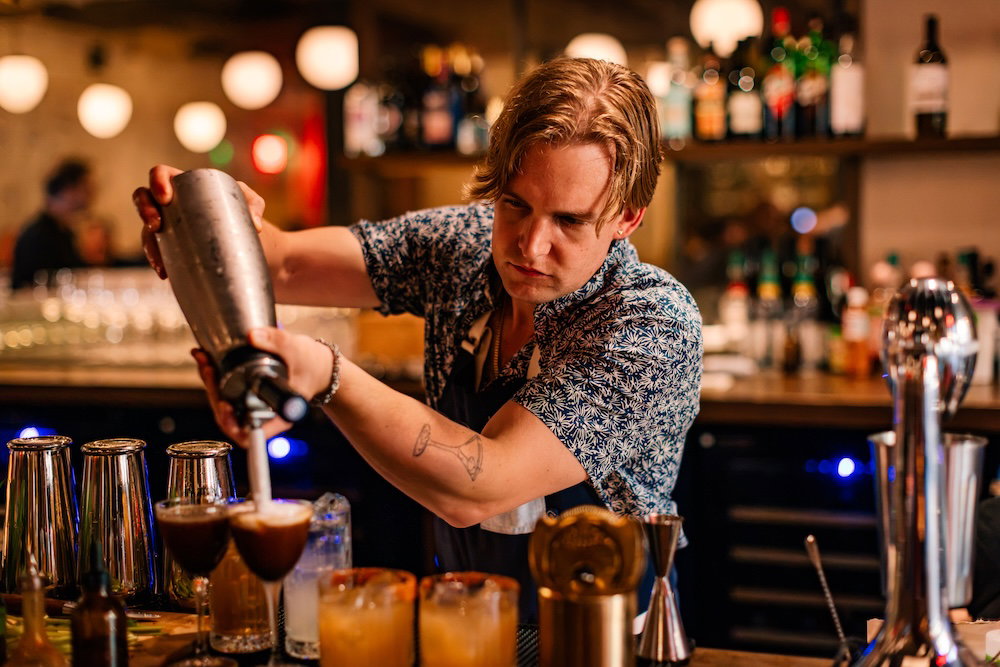
Beverage director Carter Culwell prepares espresso martinis.

Photo by Dustin Chambers

A little luck, a lot of lemongrass: That’s the recipe behind Some Luck, the forthcoming Thai street food bar from the Talat Market team. Opening in October beneath Otto’s in the former Highland Inn, the basement spot will serve small plates, batched cocktails, and Thai beer, with the easygoing energy Poncey-Highland is known for.

Founded by chef Parnass Savang and Rod Lassiter, the duo who created Michelin-recommended Talat Market in Summerhill, Some Luck is more casual than its sibling. Where Talat built its reputation on a tightly edited, frequently changing menu of Thai dishes rooted in seasonal Southern ingredients, Some Luck is meant to feel like the kind of place anyone can drop in on a whim.

“It’s a neighborhood place where people can come and get their favorite items every time,” general manager Ashley Botzis says. That means no reservations, a relatively static menu, and shareable small plates that can stand alone as a snack or add up to a full dinner. She believes the walkable area and surrounding eateries like Madeira Park and Big Softie make it easy for locals to spend a whole evening popping into multiple establishments on the same block.

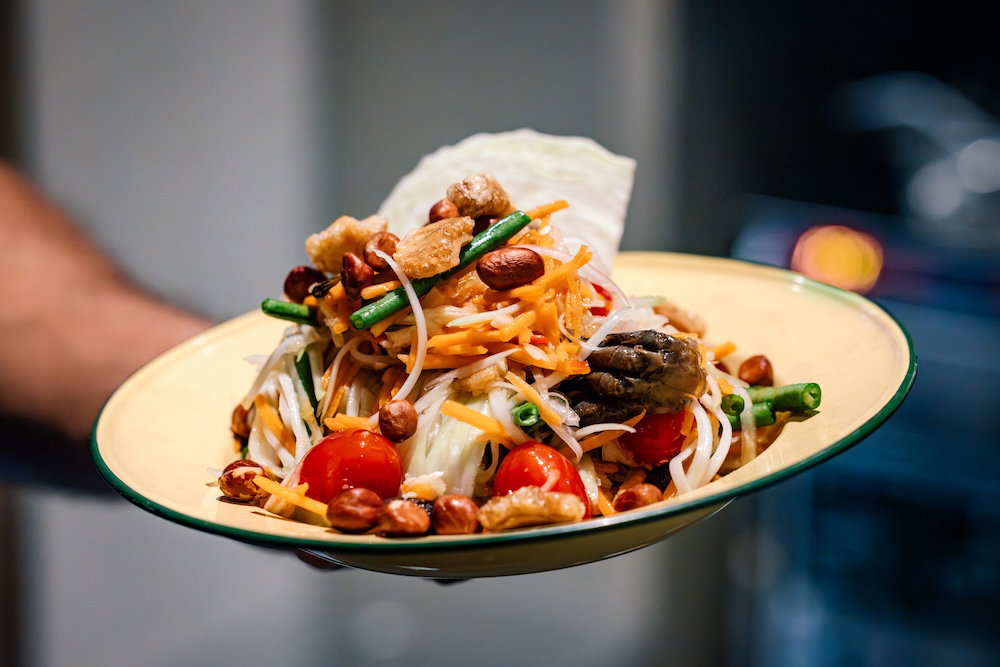
Som Tum Thai (papaya salad)

Photo by Dustin Chambers

The bar’s name comes from Lassiter, who was born on 7/7/77 and has long considered himself lucky. “We’ve had some luck in getting this place open,” Botzis says.

Former Talat chef Josh Rhinehart will lead the kitchen with Savang designing the menu, while Lassiter oversees operations. The opening menu will resemble that previewed during a recent pop-up at Madeira Park, including offerings like papaya salad (both regular and vegan), boat noodles with beef, seafood pancake, shrimp toast, and a Thai-style riff on lemon pepper wings made with white pepper and lemongrass. There will also be fries dusted with Some Luck fry dust—a mix of lemongrass powder and chile powder—served with aioli, plus a nahm prik ong (pork dip) served with potato chips. Many of these items debuted at Talat Market at some point as well.

The menu will include one large-format dish: khao mun gai, the Thai chicken-and-rice staple, that feeds two. Botzis estimates two people might order three to six small plates, while a group of four to six could make its way through nearly the entire menu, doubling up on favorites.

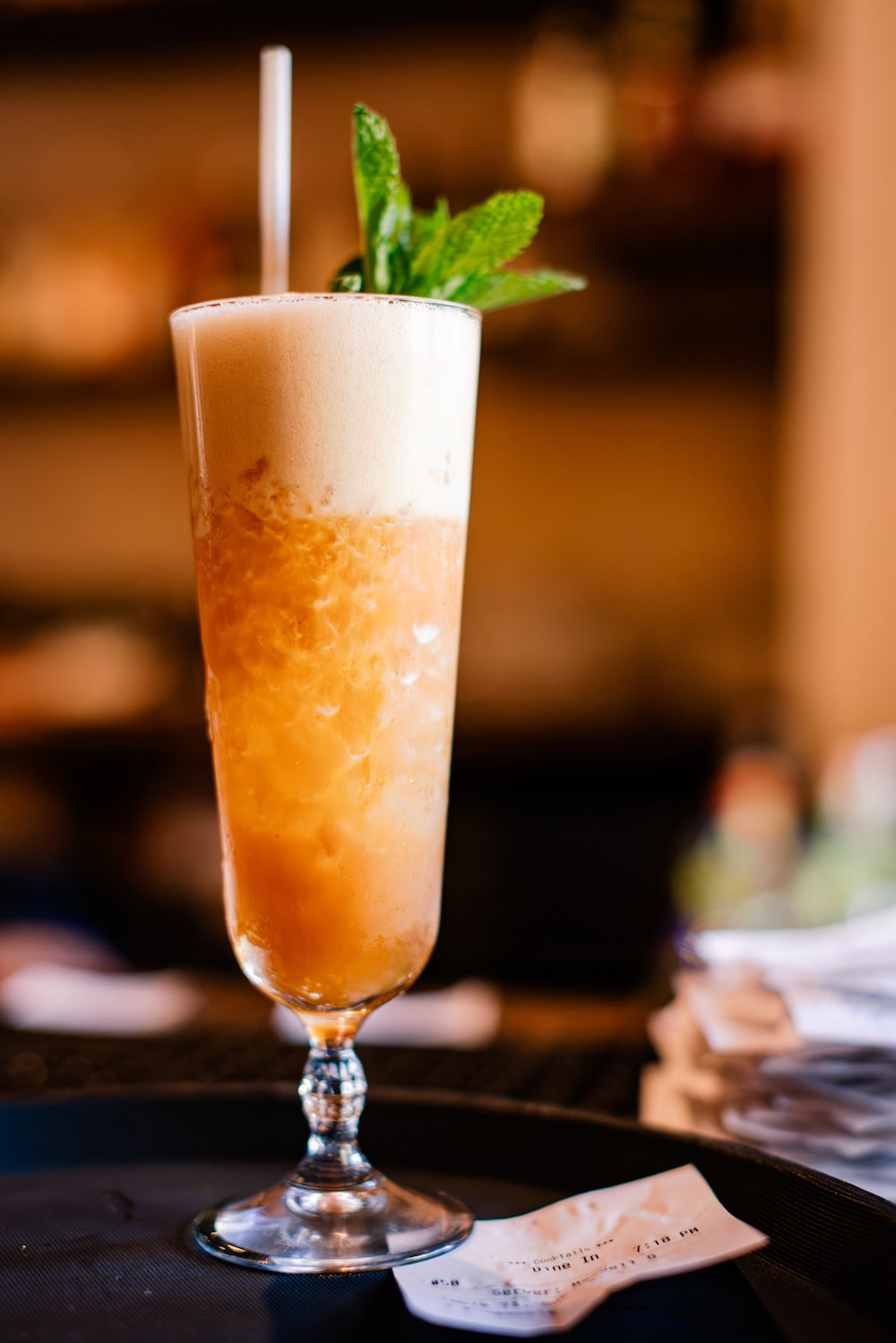
Surfer on Acid pineapple cocktail

Photo by Dustin Chambers

On the drinks side, beverage director Carter Culwell, who oversees the program at Talat, is keeping the focus on cocktails. The bar will offer about 10, many batched in advance to keep service efficient, including a tamarind highball made with Madeira, mezcal, and bubbles, and a banana espresso martini finished with coconut foam. Cocktail names will highlight key flavors and appear alongside their Thai names. The wine list will be intentionally concise: three approachable, European, by-the-glass options, plus a very small by-the-bottle list with a few $100 to $150 selections for a swankier night out. Beer will play a larger role, with Thai labels such as Singha on draft and Leo and Chang by the bottle, plus local, easy-drinking, and nonalcoholic options.

The Some Luck space is meant to feel like a choose-your-own-adventure basement bar. Guests enter through a stairwell off North Highland Avenue, descend to glass-paned doors, and arrive in a small lobby before deciding where to settle. To the right, a darker lounge with booths, tables, and a six-seat bar will serve as the main dining room. Straight ahead, the main bar will feature an L-shaped counter with 16 stools, as well as drink rails and a few high-tops. The design boasts restored black-and-white checkerboard tile in the lobby and main bar, dark green walls, walnut accents, and stadium seats from the former Olympic stadium arranged around small lobby tables. The result, Botzis says, is intended to feel both nostalgic and relaxed—a place with Thai street food flair, neighborhood-bar ease, and, true to its name, a little luck on its side.

Seafood pancakes

Photo by Dustin Chambers

Osteria Bella will bring Calabrian cooking and elevated plating to Halcyon

0
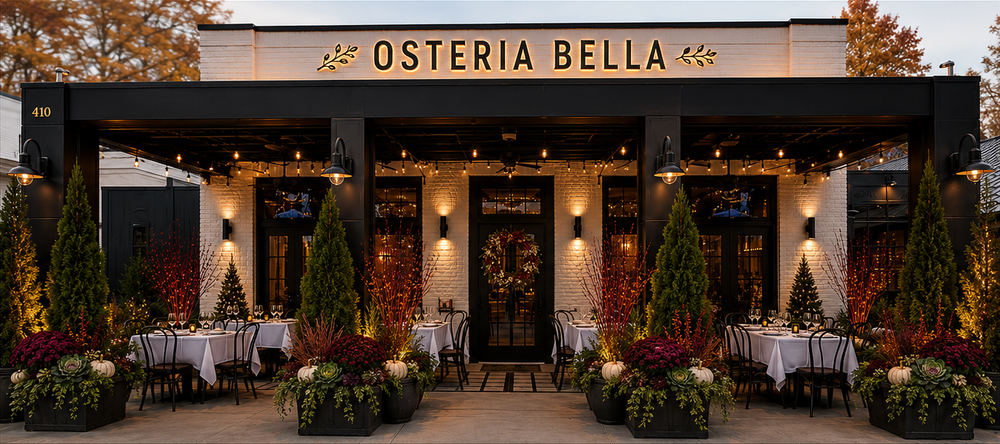
Outside Osteria Bella

Courtesy of Osteria Bella

Chef Daniele Furfaro is getting ready to introduce a more refined version of his family’s Italian cooking to Alpharetta. Come October, he and his wife Bella are opening Osteria Bella at Halcyon, taking over the former Butcher & Brew space.

In the meantime, the Furfaros are changing the name of their other restaurant, Mezza Luna, to Trattoria Bella later this month. Furfaro says the change is designed to more clearly connect the Marietta restaurant with the new Osteria Bella in Alpharetta. (The Smyrna Mezza Luna operates under separate ownership.)

“We’re going to bring the same passion and the warmth of the family and high quality,” Furfaro said. “Restaurants in Italy are elegant. We’re going to make Osteria Bella chic.”

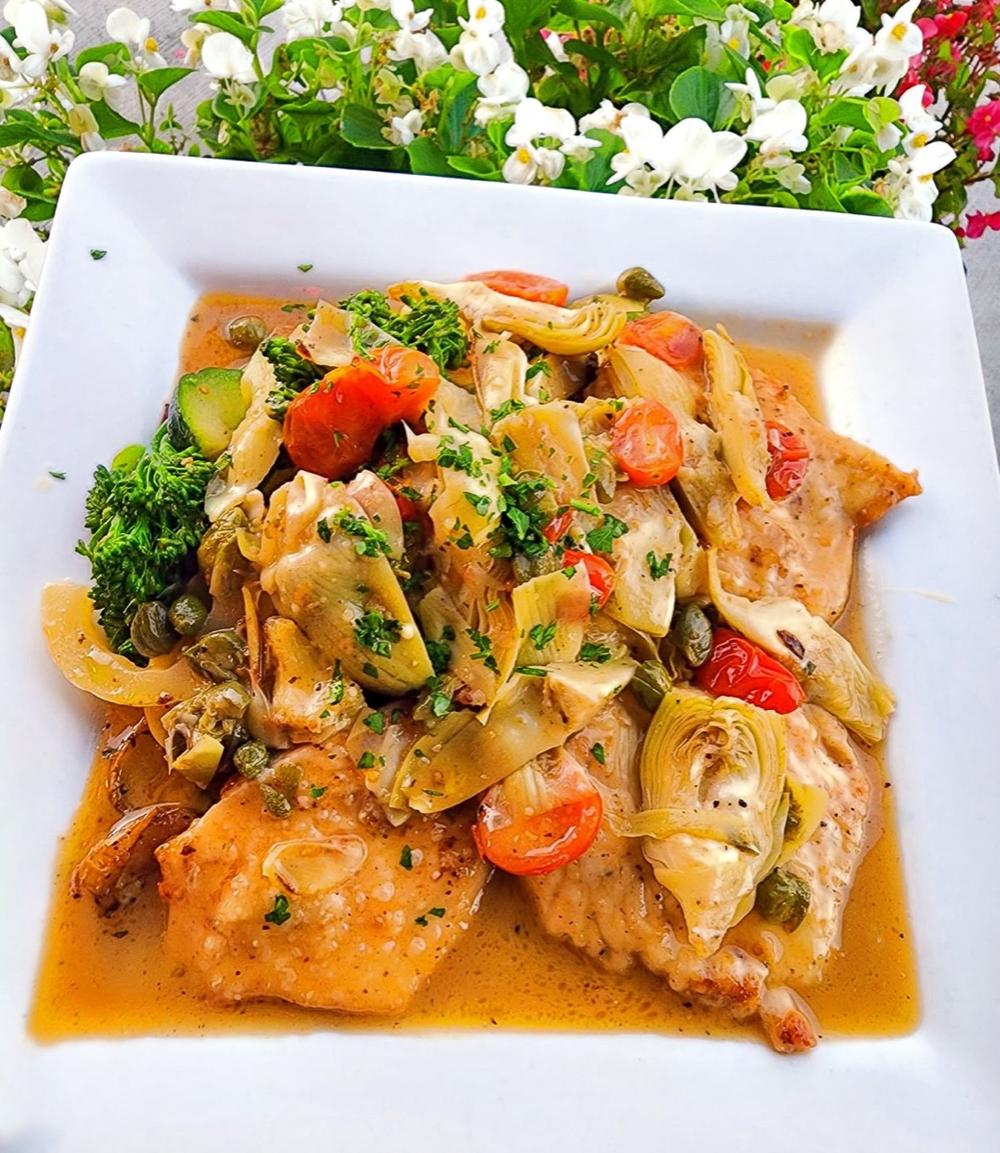
Chicken piccata

Courtesy of Osteria Bella

Born in Calabria in southern Italy, Furfaro attended culinary school there before moving to Georgia with Bella in 2014. The couple became part-owners of Mezza Luna in 2020, then took full ownership in 2023. At the Marietta restaurant, Daniele leads the kitchen while Bella oversees the front of house. Once Osteria Bella opens, Daniele will spend much of his time in Alpharetta working with chef Peter Guertin (Atlas, Bread & Butterfly), while chef Juan Gonzales continues to lead the Marietta kitchen.

Osteria Bella, however, will not be a straight copy of Trattoria Bella. Furfaro describes the Marietta restaurant as more family-oriented, serving a broader menu for lunch and dinner, including familiar Italian-American dishes such as chicken Parmesan, veal Parmesan and fettuccine alfredo. In Alpharetta, he plans to make the menu a little smaller, sleeker and more traditionally Italian.

“Alpharetta is more of a young crowd,” he said. “We’ll have more upscale, sophisticated dishes.”

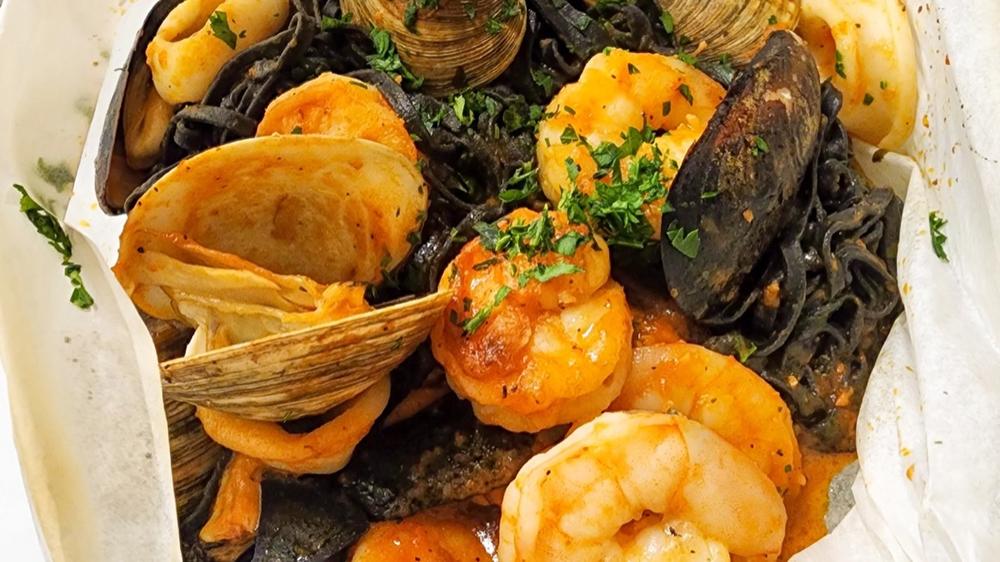
Black squid ink spaghetti

Courtesy of Osteria Bella

About 30 percent of the menu will differ from that at Trattoria Bella, with a tighter lineup, more refined plating and what Furfaro calls a “100 percent Italian menu.” Pastas will be made in house at both restaurants. At Osteria Bella, dishes may include squid-ink tagliatelle with seafood, paccheri with slow-braised duck ragù, and branzino with lemon-butter sauce, capers, and cherry tomatoes. Furfaro also plans to offer specials such as sea bass, lobster, short rib, lamb chops, and veal chops.

Desserts will be made in house, too. While some of the classics may overlap with Trattoria Bella, Furfaro said the presentations will be different. The beverage program will also get its own identity, with a 100 percent Italian wine list, including reserve bottles. There will be a seasonal cocktail menu as well as classics, and after-dinner pours like grappa, amaro and limoncello.

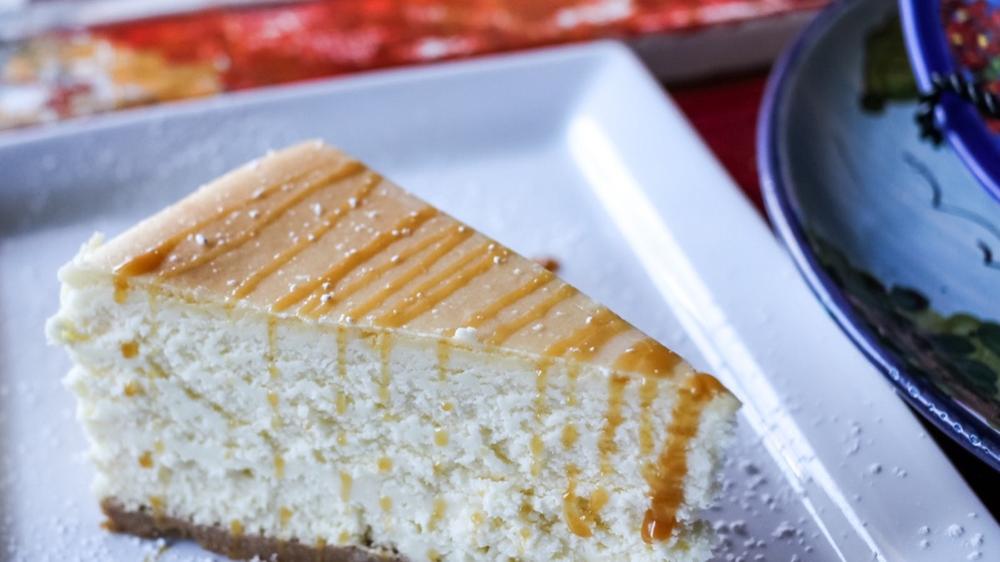
Creme brûlée cheesecake

Courtesy of Osteria Bella

Osteria Bella will open for dinner first, with lunch service possible in the future. Furfaro also plans to offer a reservation-only chef’s menu—five courses that change every few months—in addition to the private dinners and themed events that have become part of the family’s following in Marietta.

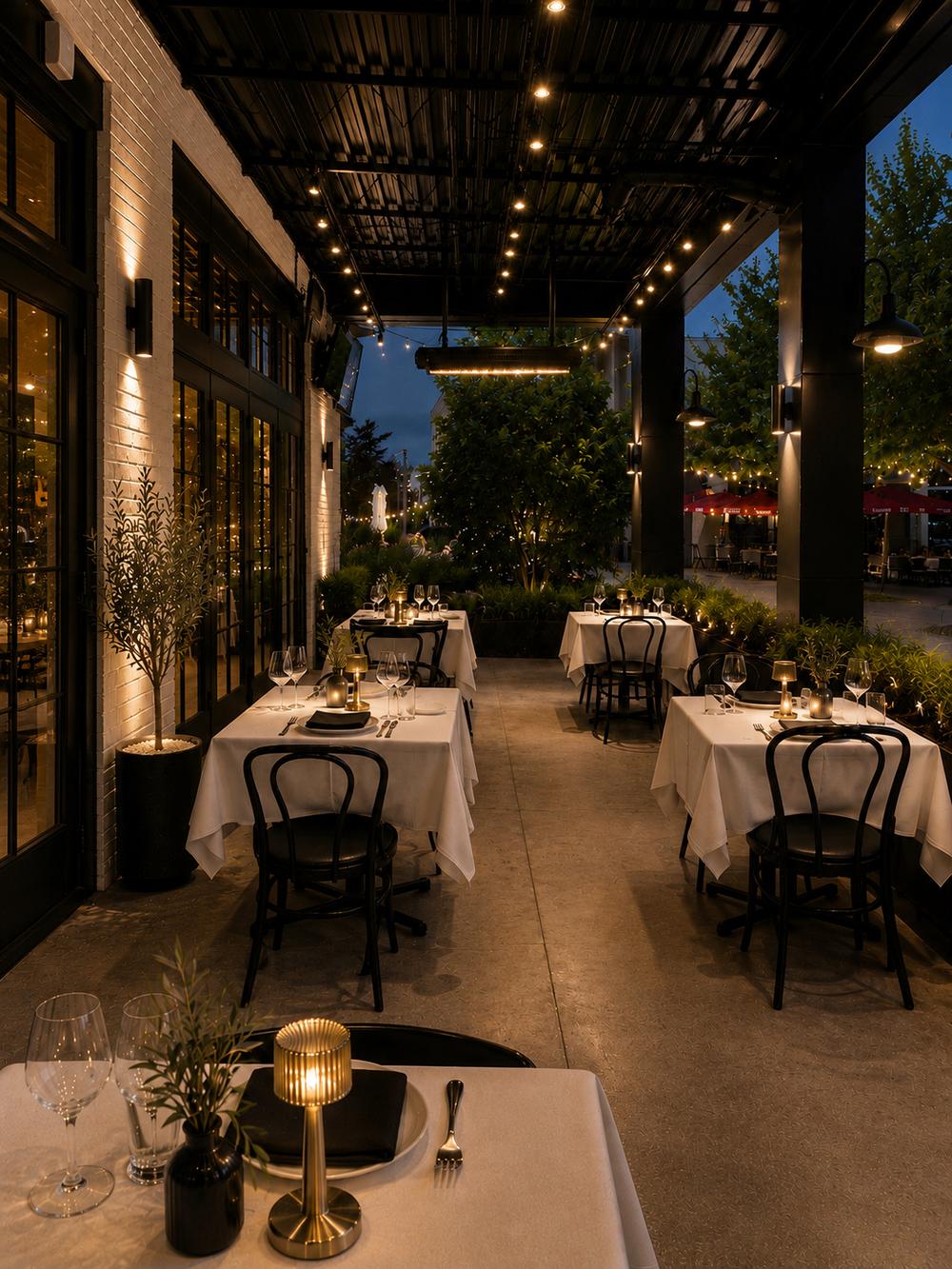
The Osteria Bella space will undergo a major shift. The Furfaros plan to soften the industrial setting with modern Italian décor, warm lighting, and elegant details, like glassware from Italy. The restaurant will seat about 150 people inside, with room for another 50 on the patio.

The patio

Courtesy of Osteria Bella

Furfaro said he wants the finished restaurant to feel like something diners might seek out in Midtown or Buckhead, but with the hospitality that has defined his family’s first restaurant. Construction is expected to begin soon. When it debuts in October, Osteria Bella will add another Southern Italian option to Halcyon’s dining lineup and give the Furfaros a bigger stage for the food, wine, and family-style hospitality that started in Calabria and found an audience in the Atlanta suburbs.

What to expect at the 2026 Atlanta Food & Wine Festival

0
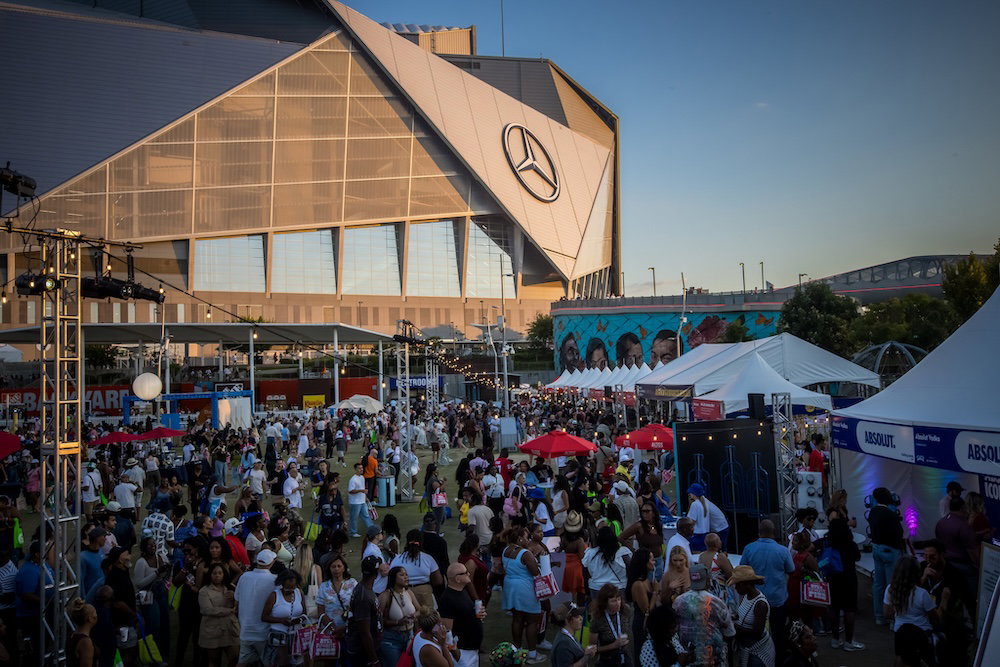
2025 tasting tents

Courtesy of Rafterman

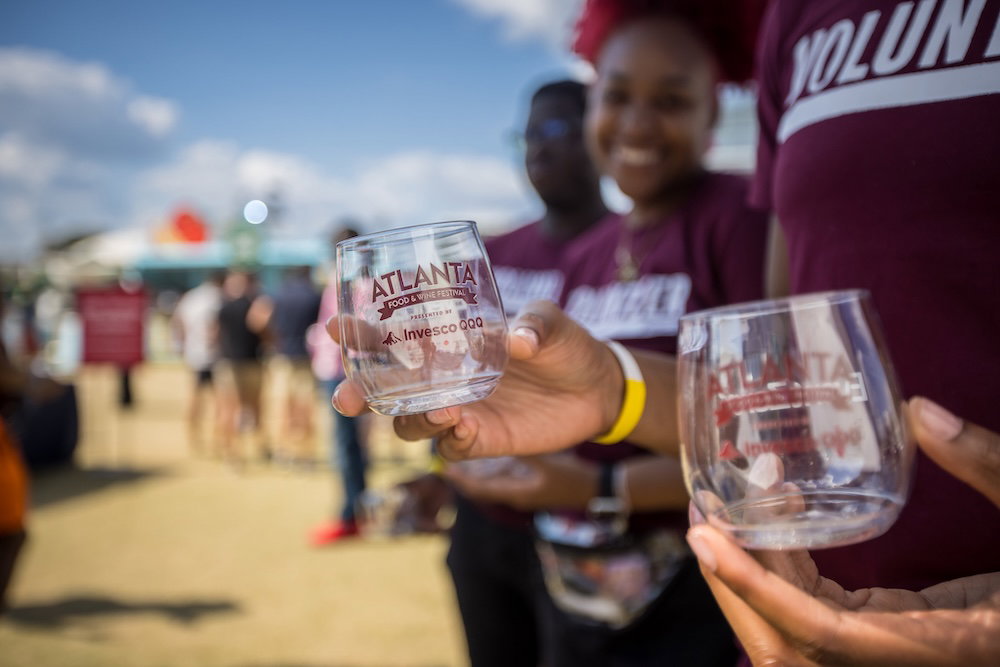
The Atlanta Food & Wine Festival returns September 10-13 with four days of tasting tents, chef appearances, and cooking demonstrations, plus two new events devoted to burgers and fried chicken. Now in its 16th year, the festival is using its expanded schedule to showcase Atlanta’s mix of Southern staples, international influences, and neighborhood favorites.

New this year are two taste-around events devoted to dishes with especially loyal followings: burgers and fried chicken. On Saturday, September 12, Ford Fry hosts Stacked: The Burger Social, a night of creative patties, condiments, toppings, and chef riffs on a classic. Participating chefs include Billy Kramer of NFA Burger and Jonathan and Justin Fox of Fox Bros. Bar-B-Q, with tickets priced at $125 for general admission and $155 for early access.

For Fry, the event is a chance to showcase Atlanta’s burger depth in one place. “Atlanta truly has a ton of fantastic burgers, so I jumped at the offer to do it,” he says. “I’m most excited to try Che Butter Jonez, as I keep hearing such good things!”

Another first for the festival is Southern Fried: A Fried Chicken Affair, hosted by Real Housewives of Atlanta cast member, restaurateur, and cookbook author Kelli Potter. Held September 13, the tasting event stretches beyond traditional Southern fried chicken, pairing buttermilk-brined and Nashville hot styles with Korean, Japanese, and other global interpretations. Joshua Denning of Tandoori Pizza & Wing Co. and Theo Mantzikos of Guys’ Fries are among the participating chefs. As with the Burger Social, tickets cost $125 for general admission and $155 for early access.

Wine glasses at the 2025 festival

Courtesy of Rafterman

Beyond the two new marquee tastings, the festival’s expanded Tasting Tents remain the easiest way to see how broadly Atlanta’s dining scene has grown. And, they’re now spread across all four days at The Home Depot Backyard. Each day has its own host and theme, starting Thursday with The Atlanta Standard hosted by Monti Carlo, author of Spanglish and senior editor for food and dining at the Atlanta Journal-Constitution. The lineup includes Emily James of Miss Conduck and Leonard Yu of Omakase Table.

Friday’s Tasting Tents shift to Flavors of Atlanta, hosted by Andrew Zimmern, with chefs such as Ali Lemma of Ruki’s Kitchen and Vicky Yankomut of Nom Station. On Saturday, caterer Shawn Osbey hosts The Southern Spread, featuring Duane Nutter of Southern National and Cyrei Daniel of Sweet Me Good.

“Atlanta knows how to eat, drink and have a good time, and that’s what makes this festival so much fun,” Osbey says. “You’ve got amazing chefs, great food and people coming together from all over the city.”

On Sunday, Kardea Brown, host of Food Network’s Delicious Miss Brown, leads The Homecoming, a daytime tasting tent that nods to reunion-style cookouts and comfort-driven cooking. Ronald Hsu of Lazy Betty and Rochelle Blackman of A Piece of Me to You are among those appearing.

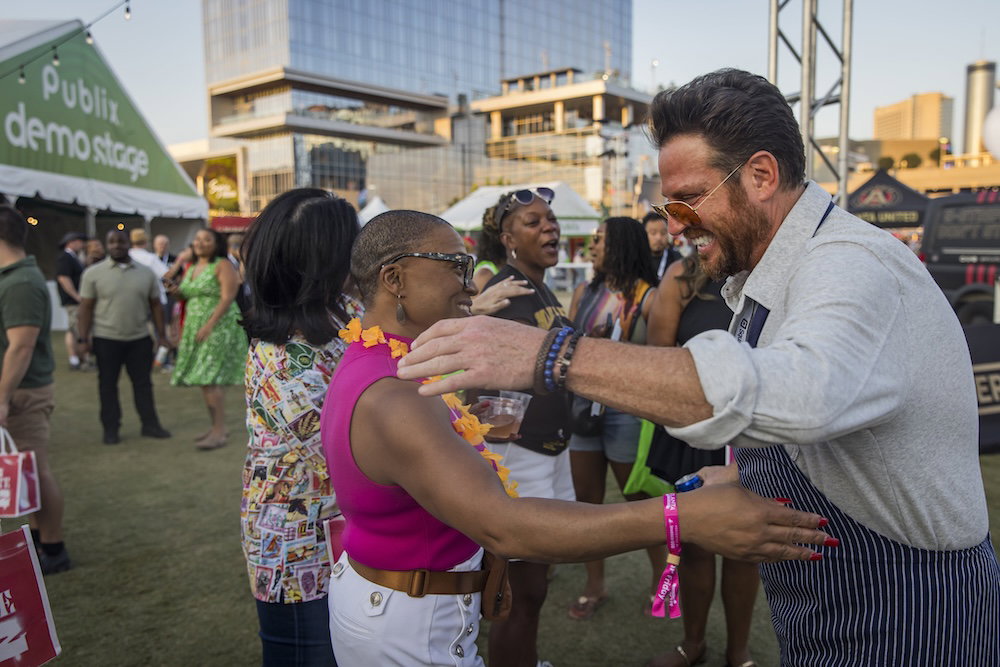
Chef Scott Conant chats with a guest at the 2025 festival.

Courtesy of Rafterman

Single-day tasting tent tickets range from $135 to $205, depending on day and access level. Multi-day passes are available, and tickets may be sold at the door if events have not sold out. All events are limited to guests ages 21 and older.

Also returning is Whiskey & Fire, the festival’s smoke-and-spirit event, held Saturday, September 12, at Guardian Works. Now in its second year, the tasting features wood-fired bites, barbecue, live-fire cooking, and whiskey pours.

If you like to try different foods and drinks and can’t always make it to every new spot when it opens, the Atlanta Food & Wine Festival offers a concentrated way to sample the city’s current dining scene in one take.

Bread & Butterfly owner-chef to open Heritage, an Afro-Caribbean restaurant in Summerhill

0
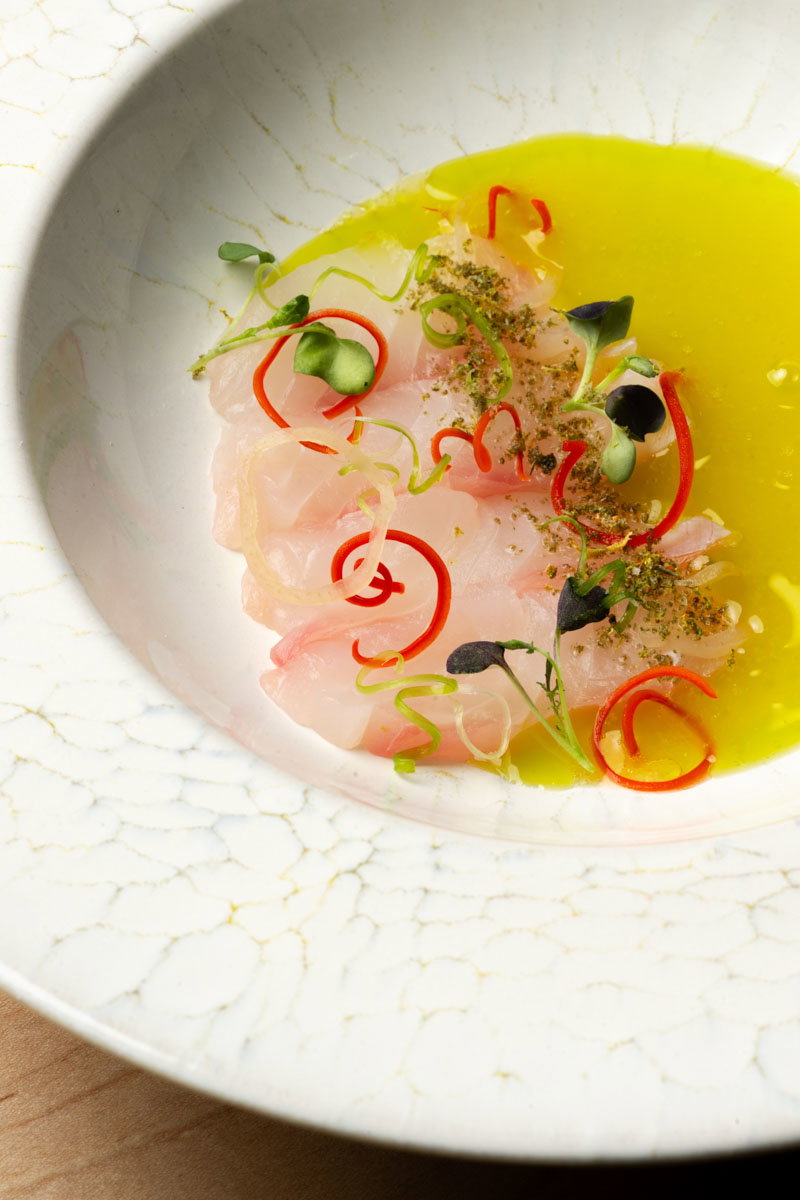
Chef Demetrius Brown’s Crudo on the menu at Heritage, a new Afro-Caribbean restaurant opening September 10.

Photo by Lauren Lynn Foto.

EDITOR’S NOTE: This article was originally published in December 2025. It has been updated with the restaurant’s confirmed opening date and new photographs.

After purchasing French cafe Bread & Butterfly in 2023 and launching an African diaspora-inspired dinner menu, chef Demetrius Brown is turning his focus to his next venture: a full-service Afro-Caribbean restaurant in Summerhill called Heritage. Named for his four-year-old supper club, the tri-level restaurant will offer a tasting menu in the dining room, a la carte fare in the lounge, and dessert in yet another area. Opening September 10, Heritage aims to affect every sense in the body via food, drinks, decor, and music, each carefully chosen to tell a story.

“Bread & Butterfly will always be more French leaning. We limit that to countries like Haiti, Senegal, Congo, French Guyana, and Madagascar—countries colonized by French in the past,” explains Brown, who is of Trinidadian descent. “Heritage is my own memories of food, what Black food was in the past and today. Its areas affected by the diaspora—the Caribbean, all of Africa, Brazil, and the South. This is exactly what we did at the supper club.”

Chef Demetrius Brown

Photo by Alphonso Whitfield

The primary focus of Heritage will be a 7 to 10-course tasting menu with dishes influenced by Brown’s memories of cooking with his great-grandmother. A seating will take two to two-and-a-half hours and include items like Jamaican beef patties and maafe (West African peanut stew), as well as spins on beef Wellington using Afghan ingredients like collard greens, star anise, cloves, black cumin seeds, and suya spice. Another dish will be similar to the coq au vin at Bread & Butterfly but made with chicken thigh meat piped between the skin and meat, dry aged for three days, seared, and finished with hibiscus jus.

“We’re using same local producers as most restaurants here. We’re just adding a little more seasoning to the dishes,” Brown says. “At the end of the day, we want to do something Atlanta doesn’t have. I think this neighborhood will be more receptive to the flavors we have to offer.”

Chef Demetrius Brown’s Melengene.

Photo by Lauren Lynn Foto.

Gratuity will be included in the roughly $200-per-person price tag. Drinks are extra. Expect a 20-bottle wine list featuring as many Black and African producers and distributors as possible. Beer will be local, while classic cocktails are tweaked to fit concept. Examples include a Haitian mule comprised of Haitian-branded rum, lime, and ginger beer with epis powder on top, and an old fashioned infused with plantain skin.

Located downstairs from the entrance, the 40-seat dining room will be modern and airy with marble and large statement lights. It’ll have a “Scandinavian-meets-Afro feel,” Brown says. Look for neutral earth tones with pops of burgundy, yellow, purple, and green.

Demetrius Brown’s modern take on Shepherds Pie.

Photo by Lauren Lynn Foto.

“The space is big. The layout informed the dining experience,” Brown says. “The African diaspora is so wide and varied—relying on one design lens didn’t make sense, so we decided to create different experiences.”

On the main floor is the bar and lounge, where a concise a la carte menu will be offered. Options include shepherd’s pie and roti curry—items Brown refers to as “more approachable” and food he grew up eating on his mom’s side.

“We want it to feel like the brownstone from the ’50s in the Harlem Renaissance with burgundy, leather, brass, and artwork from Civil Rights Era,” he says. There will be soft seating for around 35 people and portraits of Jesse Jackson and Malcolm X on the walls.

Chef Demetrius Brown’s Cassava Frites.

Photo by Lauren Lynn Foto.

Tasting menu desserts will be served in a separate area sectioned off by a curtain when the dining room is full. Here, diners will sit at a bar to enjoy a pre-dessert, dessert, and petit fours. Offerings may include pound cake and vegan cassava cake made with Brown’s great-grandmother’s recipes, and bon bons created with Haitian chocolate.

Music, too, is intended to play a large role in the restaurant. Songs will be paired with the tasting menu items to tell a cohesive story. “Strange Fruit”—the haunting song about lynchings in the South, made famous by Billie Holiday—will play while diners try fried plantain with Kelewele spice and peanut foam, smoked tableside. This references a field trip Brown took in elementary school, where his class visited a plantation and learned about lynching. Brown says he always thought plantains were a strange fruit.

“I want to pay tribute to the slaves,” he explains. “Peanuts are mainstay in Africa, and we hang the dish from a globe and smoke it the way lynched black people were burned. It’s a very deep dish.”

Specialty cocktails on the menu at Heritage.

Photo by Lauren Lynn Foto.

Midtown’s Bon Ton is closing after nine years

0
Bon Ton
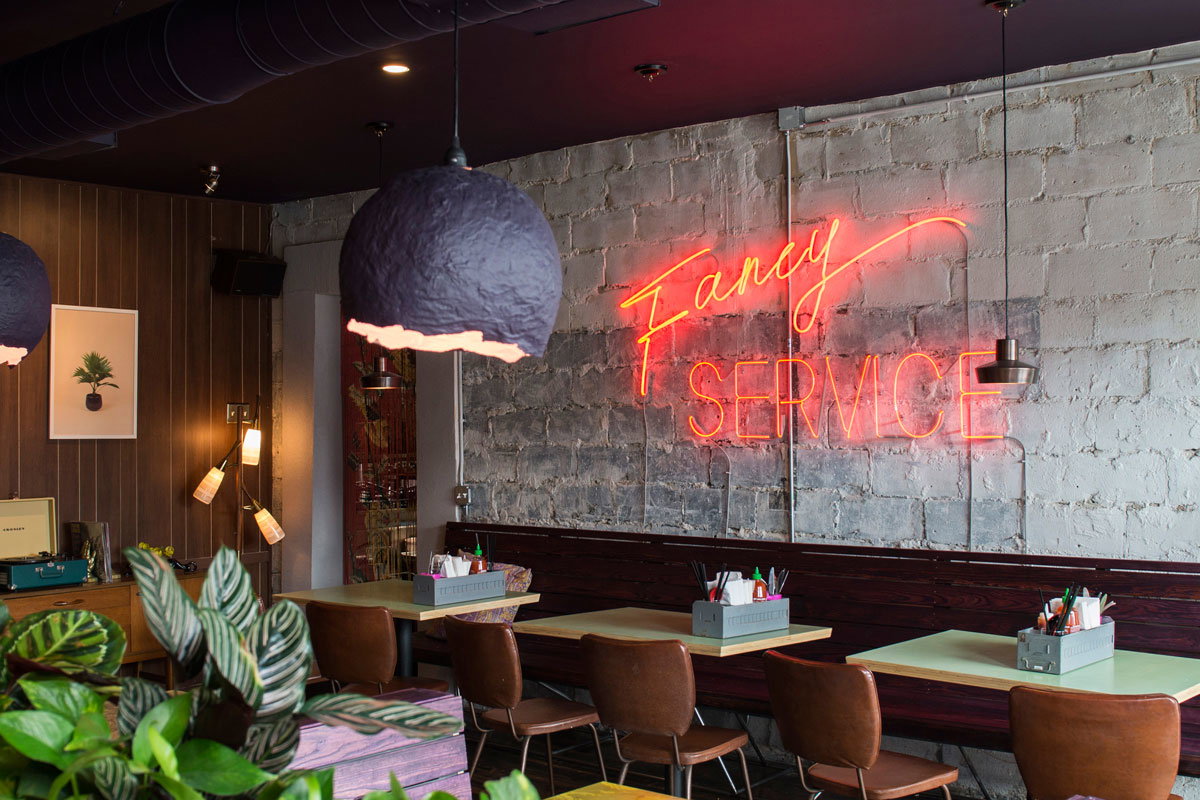
A playful neon sign inside Bon Ton

Photograph by Caroline C. Kilgore

Somewhat off the beaten path on Myrtle Street, Bon Ton has been serving Cajun-Vietnamese fare and creative cocktails for nearly a decade. The eclectic, energetic restaurant and bar opened in January 2017, more than a year after the previous tenant, moody restaurant and bar Top Flr shuttered. Both were started by Darren Carr, attracted loyal followings, and leaned into nightlife.

Bon Ton began with chef Hieu Pham of Buford Highway’s Crawfish Shack as executive chef and partner, with Matt Floyd in the kitchen, and Eric Simpkins, Carr’s business partner known for the Lawrence, leading the bar program. Atlantans came for the fried seafood, Vietnamese cold noodles, and po’ Boys, and stayed for the hurricanes, frozen Pimm’s Cups, and Mai Tais. Over the years, the concept evolved, leaning more into its New Orleans side. In 2023, Carr and Simpkins launched The Waiting Room, a ’70s-themed cocktail lounge and music venue upstairs.

As of last week, The Waiting Room is now closed, and Bon Ton will follow suit after service on September 30.

50 Best Bars: Bon Ton

“It lived its cycle. I believe restaurants live in five-to-six-year cycles like people’s lives. If it’s the place you had your first date, five or six years later, you’re either married or in a different relationship and stage of life,” Carr explains.

“The Atlanta restaurant environment has been challenging since Covid. We’re squeezed in every direction from labor to product. The old model needs to change to modernize and absorb those costs,” he adds.

Carr says he hopes locals will visit Bon Ton for a final celebration. Toward the end of the month, there will likely be Mardi Gras-style parties and live music, though plans are still on the works.

“We’re going to continue to serve great food and drinks,” he says. “I think people want to come and experience the restaurant for what it was, not a completely different environment.”

As for The Waiting Room, expect it to return in some form in October, with a stronger focus on live music. Downstairs in the Bon Ton space, Carr has something new in the works. He’s just not ready to reveal the specifics yet.

Sagra brings Italian wine-bar energy to East Atlanta Village

0
A peek into Sagra

Courtesy of Sagra

When Eric Di Nardo talks about Sagra, the neighborhood wine bar he soft-opened in East Atlanta Village this week, he does not cite trends, square footage, or even beverages. He starts with a feeling of warmth from the convivial gatherings he came to love in Italy, where food, wine, and community spill into one another.

In Italy, a sagra is a local festival, often centered on a harvest or the release of a local wine. For Di Nardo, who minored in Italian at the University of Georgia and lived in Verona for four years, the name captures what he hopes to create: a casual place to gather, eat, drink, and celebrate ordinary pleasures.

“I’m Italian in my spirit,” says Di Nardo, who has built much of his life around the country’s language, food, and hospitality. His wife is Italian, and he says she has been a steady sounding board throughout the years-long process of bringing Sagra to life.

Di Nardo has wanted to open an Italian wine bar for nearly two decades. His restaurant career has taken him from Italy, where he made pizza, to Brazil, Boston, and Washington, D.C. After moving back to Atlanta in 2021, he bought a house in East Atlanta Village and worked as a sommelier at Bacchanalia, an experience he says deepened his appreciation for restaurants with staying power.

“So much restaurant culture is about the new and shiny,” he says. “The opportunity to work at a place executing at such a high level since 1993 gives me perspective on what this business really takes.”

The menu at Sagra

Courtesy of Sagra

At Sagra, Di Nardo is both chef and sommelier, cooking the food, pouring the wine, and telling the stories behind both. The menu leans Italian, with classic cicchetti, focaccia, and a rotating selection of sourdough pizzas meant to be shared. Expect simple small plates such as baccalà mantecato (whipped salt cod spread), anchovies with burrata, charcuterie from Spotted Trotter, and zucchini marinated with mint, vinegar, and lemon.

The pizzas are personal in size but communal in spirit, with rustic rounds inspired by Roman pizza in pala and pasta dishes. Di Nardo expects to offer four varieties at a time, changing seasonally. One early idea is an amatriciana-inspired pizza with guanciale, red onion, pecorino, and red sauce.

At the bar, wine will be the focus. (For now, Sagra is BYOD, while awaiting its liquor license.) Rather than organizing the list strictly by region, Di Nardo wants to highlight Italian grape varieties and the many places they show up, from Italy to the United States and Australia. The bottle list will include roughly 100 selections, along with wines on draft and by the glass. A small cocktail program, local beer, and nonalcoholic options will round out the beverage menu.

The dining room

Courtesy of Sagra

Cocktails will be designed for speed and ease, with four or five batched drinks available, alongside spirits served neat, on the rocks, or with amaro, tonic, or soda. There will be a negroni, but Di Nardo says the cocktail list will not be exclusively Italian. “A cocktail program in Italy isn’t exclusively Italian,” he says.

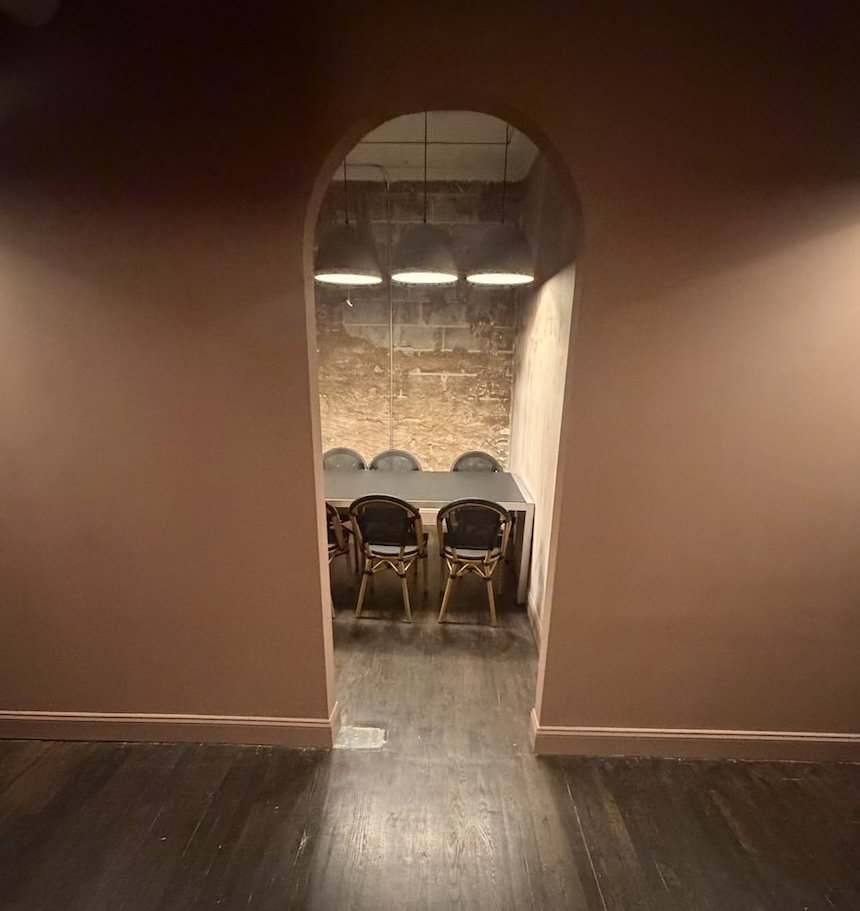
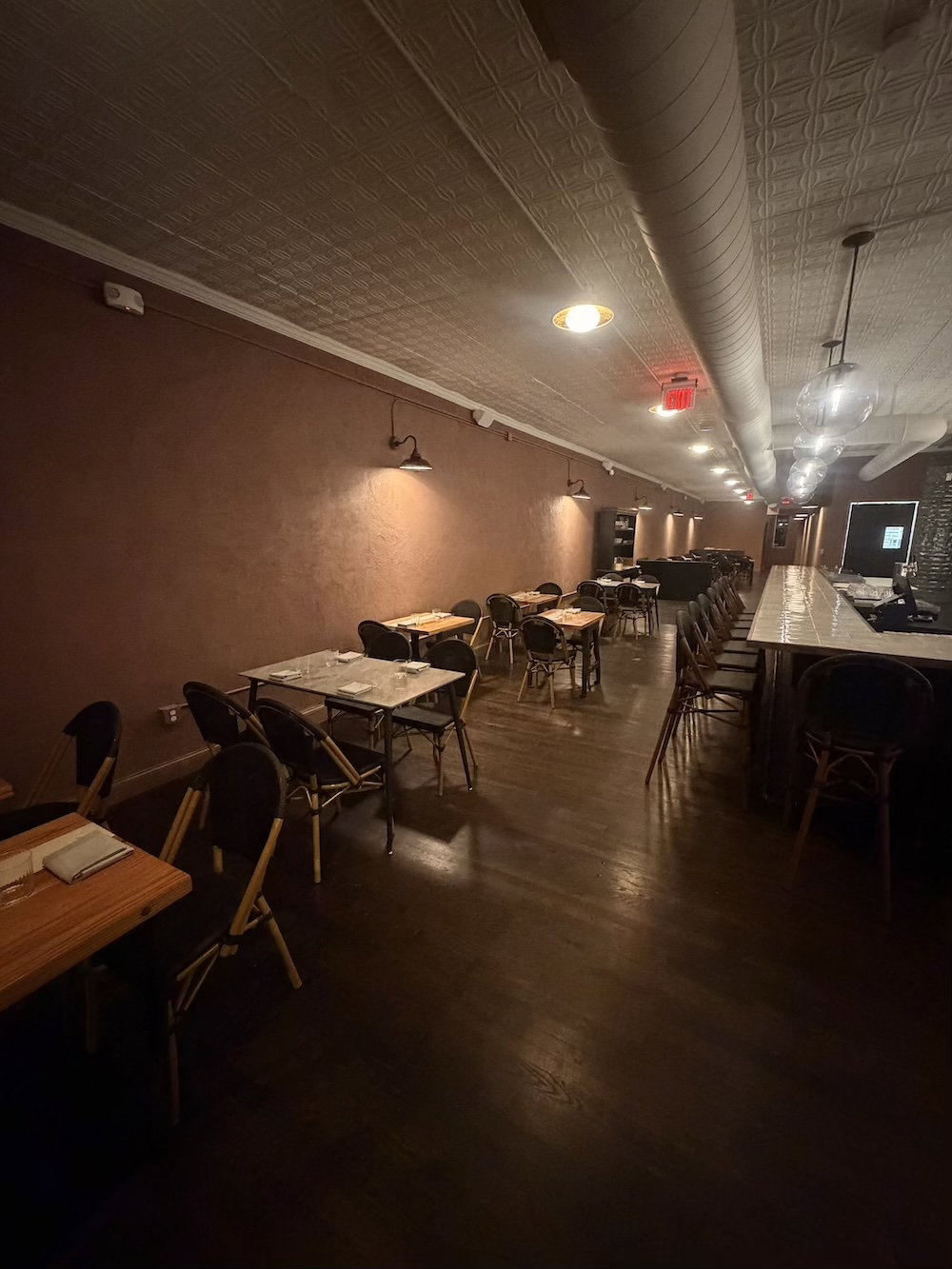
The 2,200-square-foot space, located behind Banshee and across from Octopus Bar, has a dark hardwood floor, white stamped-metal ceilings, exposed concrete, and stucco walls meant to evoke the feeling of ducking into an alleyway in Venice for a glass of wine and a bite to eat. The dining room offers table service. The 10-to-12-seat bar features a tiled top and looks toward an electric pizza oven.

Sagra also havs an eight- to 10-person tasting room that can double as private dining, plus a small shaded back patio with 10 to 20 seats. Reservations only be accepted for the tasting room, and a small retail license will allow guests to bring wine home.

For Di Nardo, the project is as personal as it is professional. He lives half a mile from Sagra and says he is looking forward to walking to work every day. The goal is not a special-occasion restaurant, but a “come as you are” neighborhood spot.

“There’s a need for spaces that present wine and food in a slightly more casual setting,” he says.

Soft serve, grown up

0
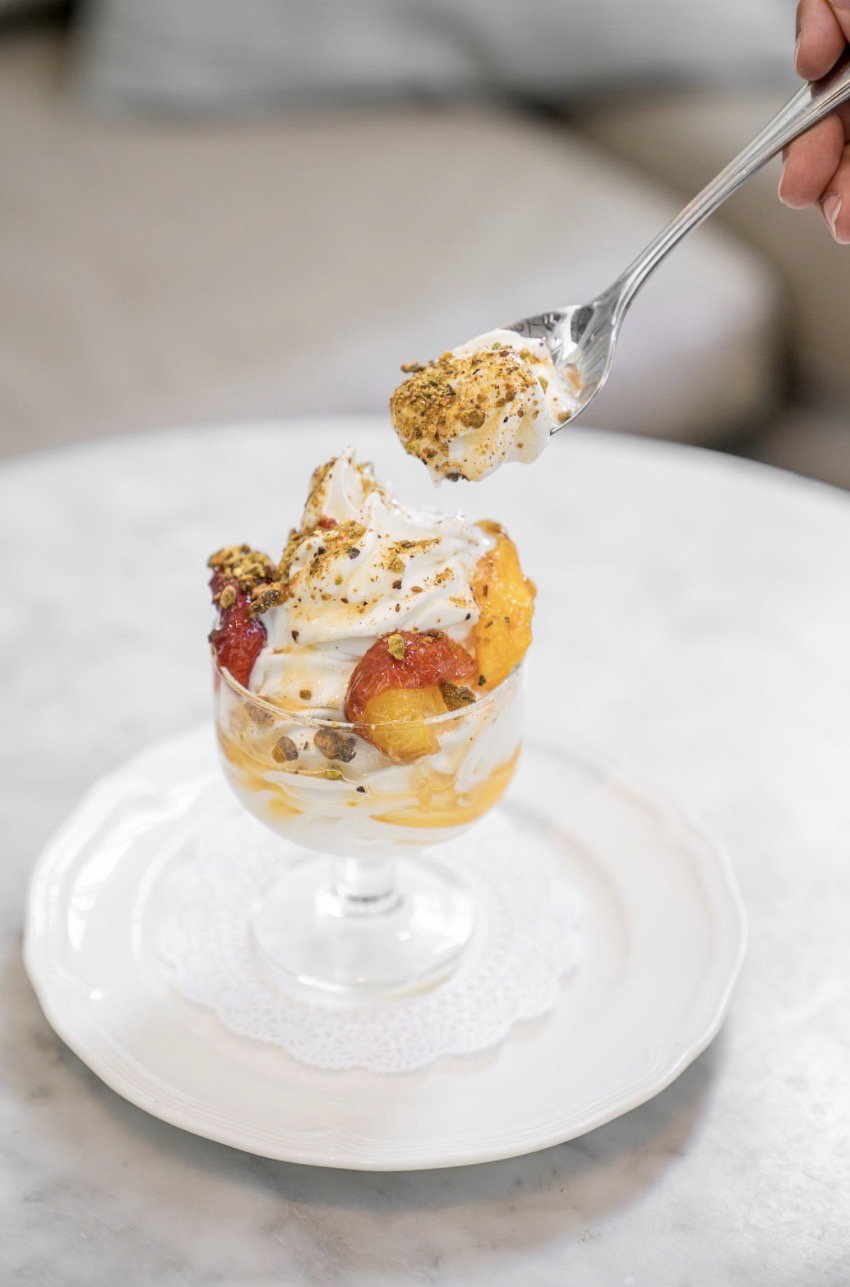
Peach and amaretti soft-serve gelato at St. Cecilia

Courtesy of St. Cecilia

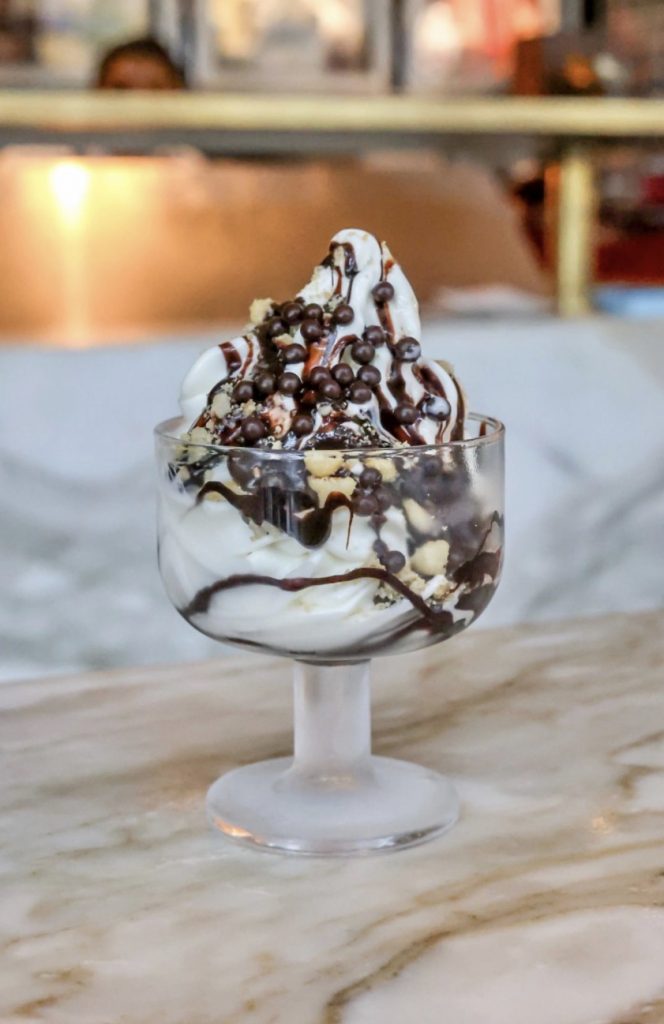
Soft serve may be the stuff of boardwalks and childhood summer nights, but Atlanta restaurants are giving the nostalgic treat a decidedly grown-up glow-up. Across town, sit-down spots are swirling it into elegant finales layered with olive oil, espresso, baklava, and even a little booze—proof that the simplest summer tradition still has plenty of room for reinvention. Here are seven places to cool off with chic soft serve when the Atlanta heat starts to feel relentless.

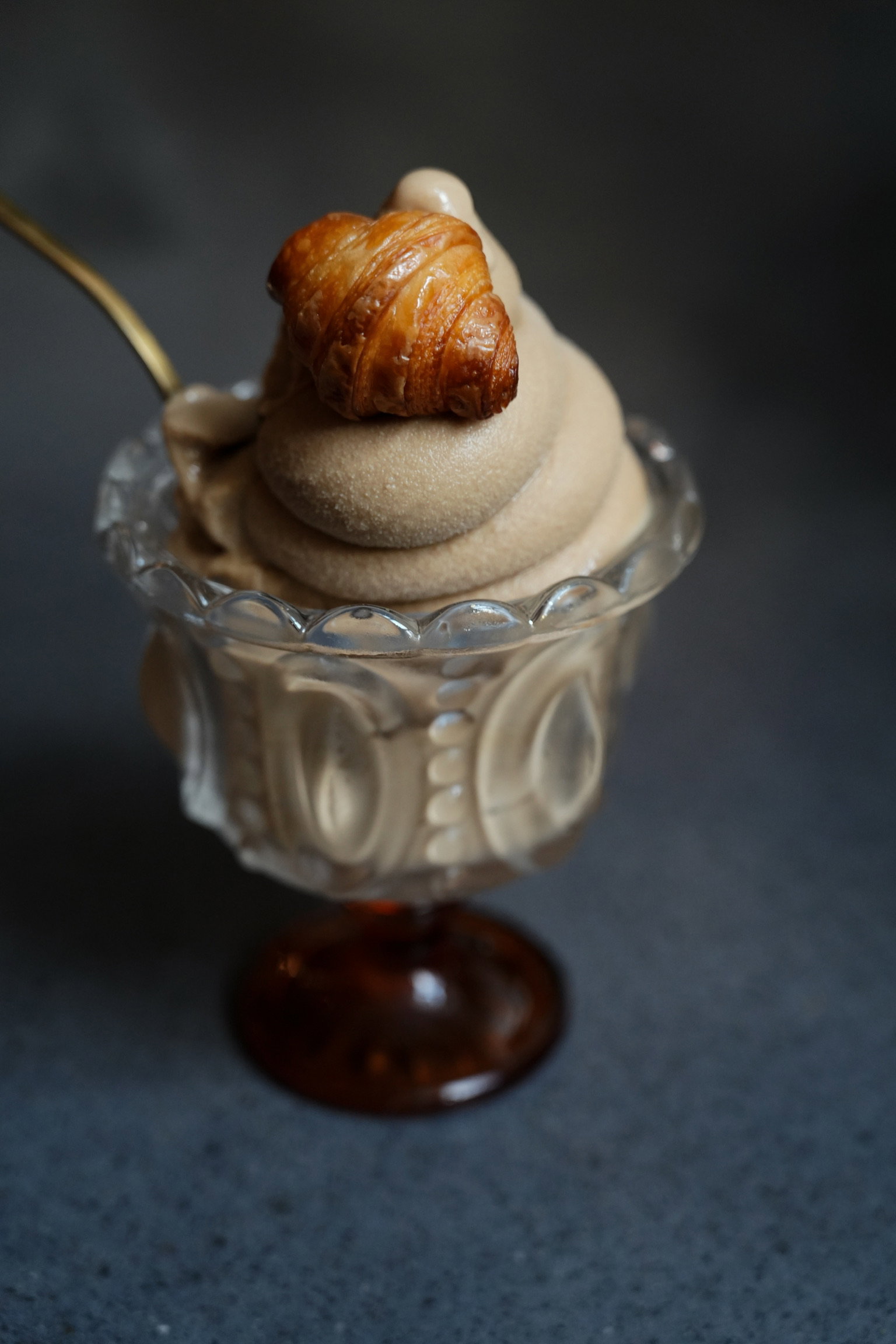
Soft-serve espresso martini at Brush

Courtesy of Brush Sushi

Brush Sushi

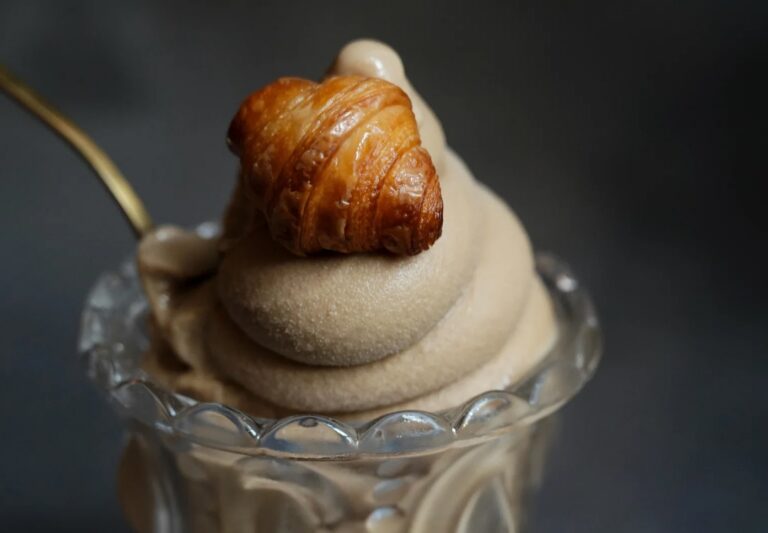
Brush turns soft serve into a cocktail-dessert hybrid with its espresso martini version, made with espresso, vodka, and coffee liqueur. The Buckhead sushi restaurant finishes the boozy swirl with a house-made mini croissant from pastry chef Chingyao Wang, adding a buttery, flaky flourish to the coffee-forward dessert. It’s fun as a drink with dinner or dessert.

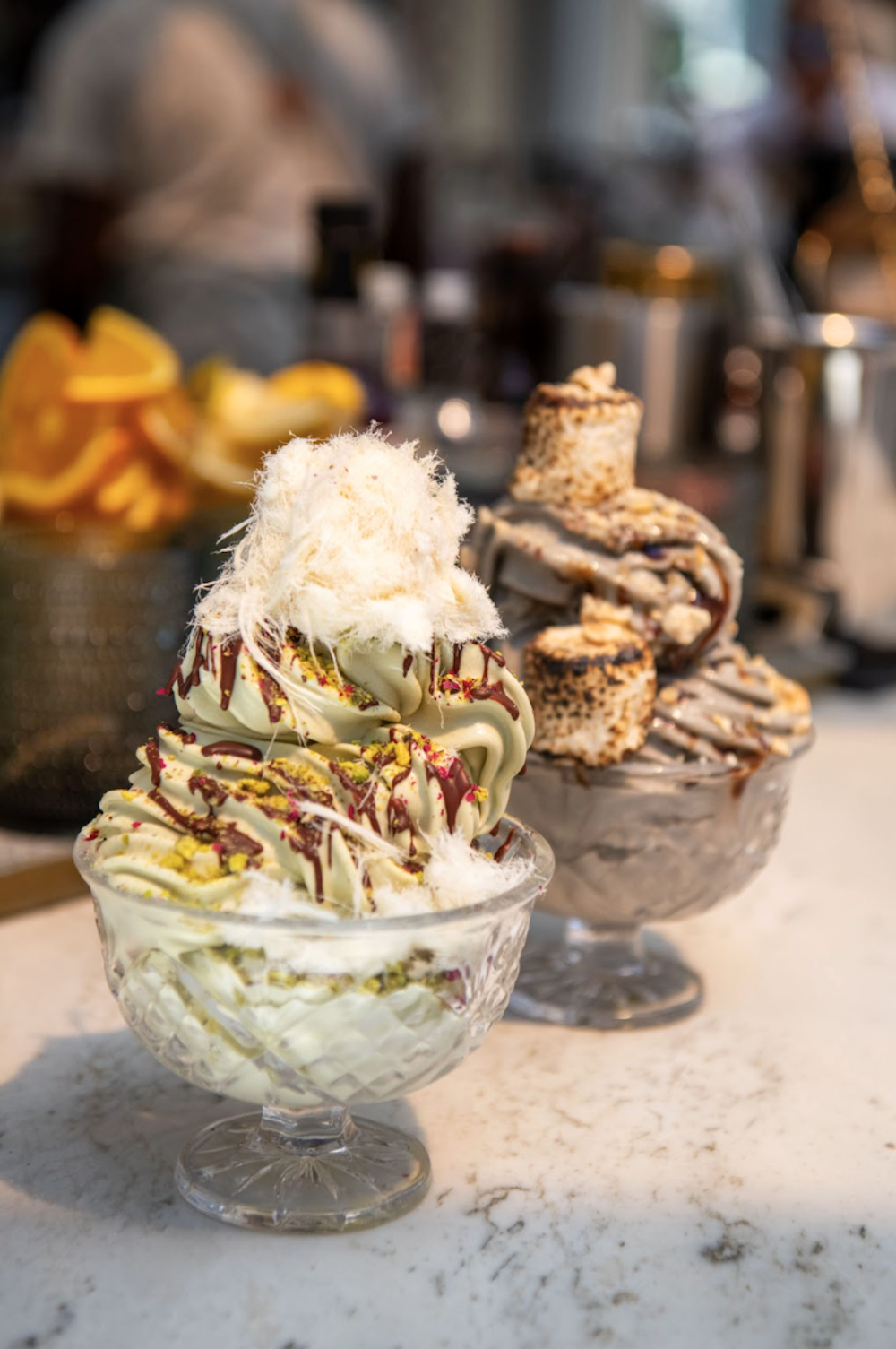
Pistachio (left) and black tahini (right) soft serve at Delbar Buckhead

Courtesy of Orion Media

Delbar

At Delbar’s Buckhead location, soft serve gets filtered through the restaurant’s lush Middle Eastern lens. It’s available all day, from brunch through dinner. The pistachio version leans rich and textural, with dark chocolate, kataifi, smoked sea salt, and halvah floss layered over the creamy swirl. The black tahini option goes a little deeper and nuttier, pairing tahini’s roasted edge with hazelnut, toasted marshmallow, smoked salt, and oat milk for a dessert that feels both playful and polished.

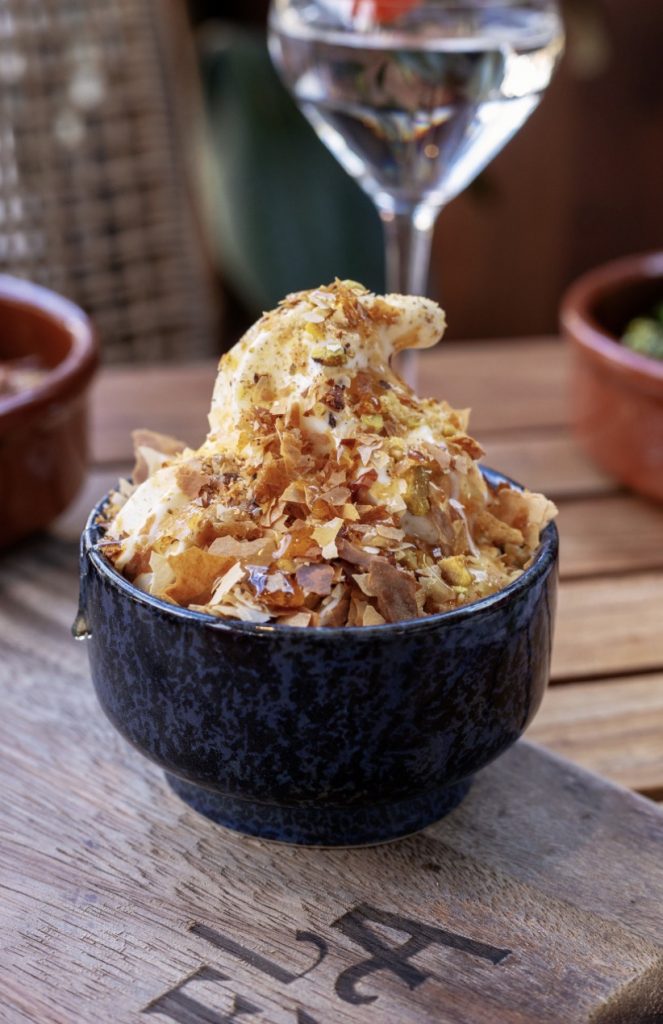
Vanilla soft serve with honey and baklava pieces at Ela

Courtesy of Eli

Ela

Ela keeps its soft serve squarely in Mediterranean vacation mode with Greek fro-yo finished with honey and crumbled baklava. The Virginia-Highland restaurant also offers a couple of choose-your-own-adventure upgrades: a coconut coffee affogato for anyone who wants a chilled caffeine jolt, or boozy cherries for a dessert that edges closer to cocktail hour. It is bright, creamy, and just indulgent enough— a refreshing finish after a meal of mezze and skewers.

Vanilla soft serve with Italian rainbow cookies

Courtesy of Indaco

Indaco

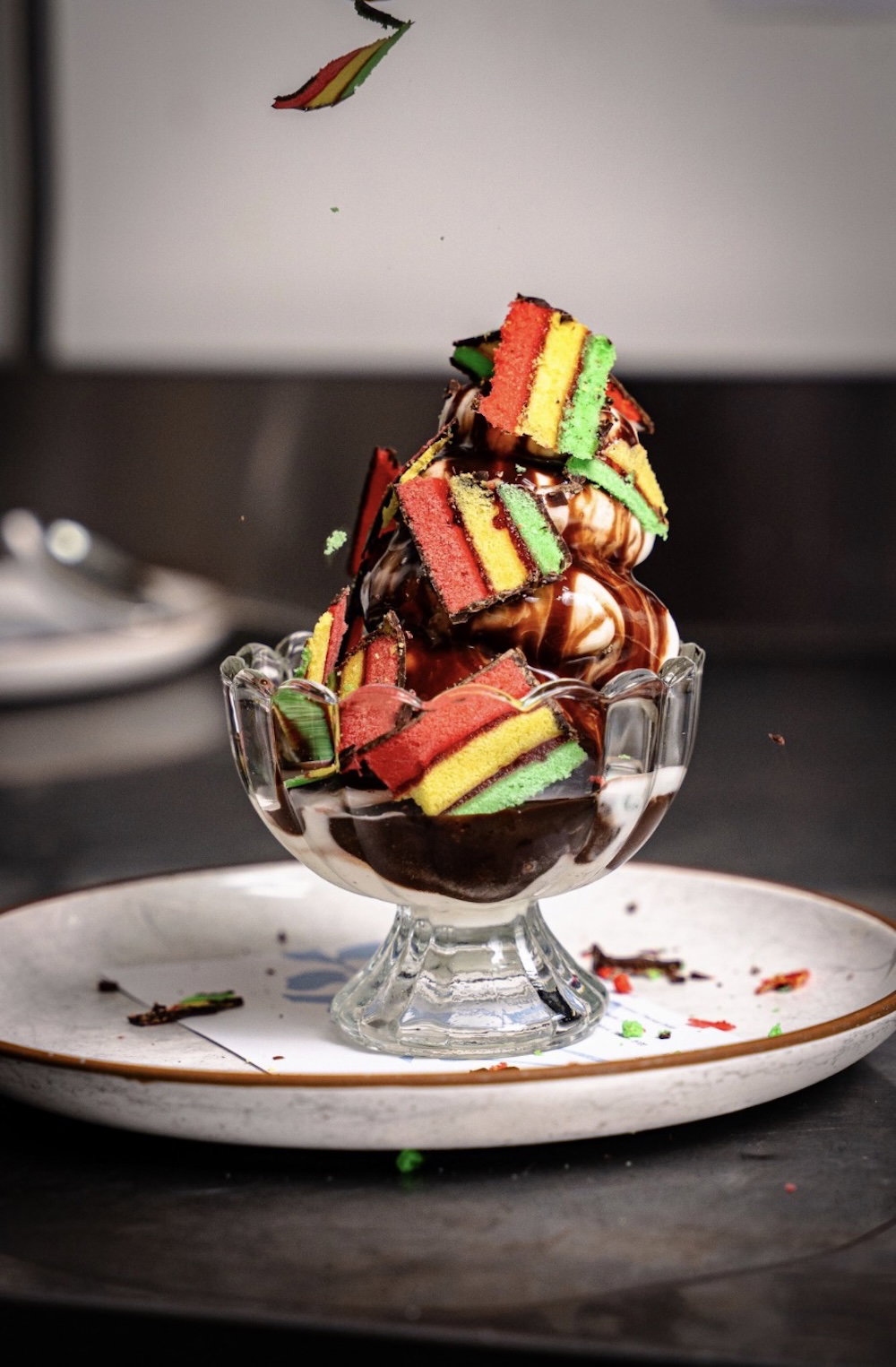
At Indaco on the Beltline, the childhood ice cream truck classic gets an Italian restaurant spin. Vanilla soft serve comes adorned with Italian rainbow cookies, adding a colorful, almond-scented crunch to the creamy swirl. The result is a breezy post-pasta finale with a wink of bakery-case charm.

Jagger Suite’s soft serve comes with plenty of toppings.

Photo by Carly Cooper

Jagger Suite

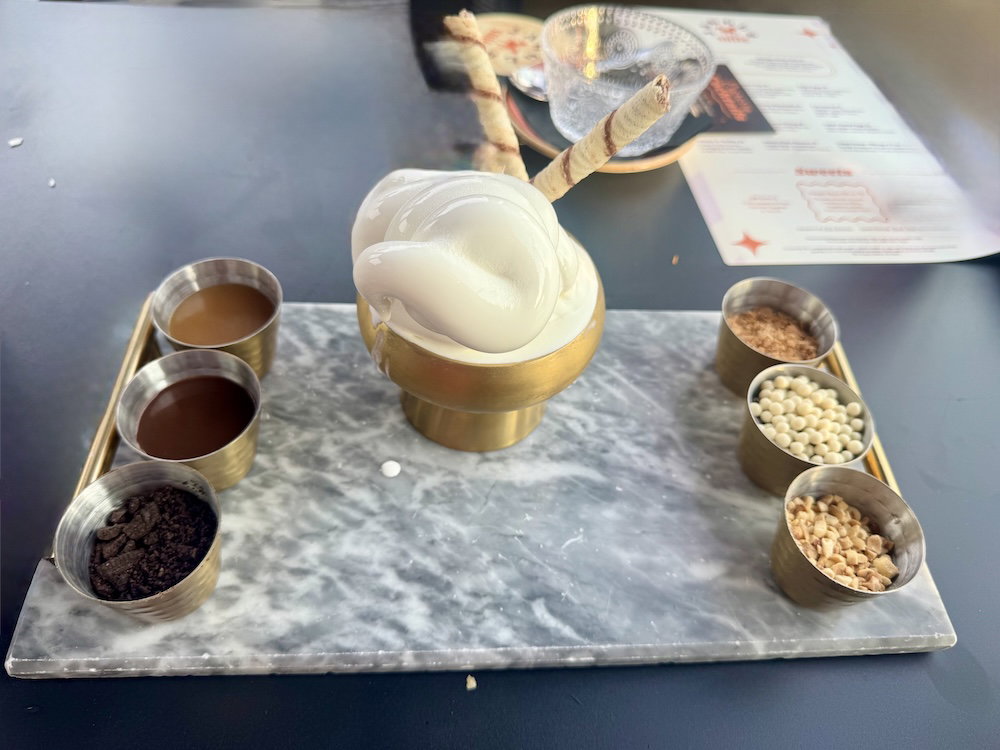
Jagger Suite’s soft serve is a good reason to step away from the rooftop bar’s louder, clubbier energy—think drinks, skyline views, and a rotating disco ball-like unicorn inside—and head outside for a calmer finish. The dessert is generous enough to share, with a chef-selected seasonal flavor that’s currently vanilla. It comes with toppings served on the side, including miso caramel, raspberry sauce, Nutella-chocolate sauce, Oreo cookie crumble, and chocolate and vanilla pearls.
Bananas foster seasonal soft serve at Little Sparrow

Courtesy of Little Sparrow

Little Sparrow

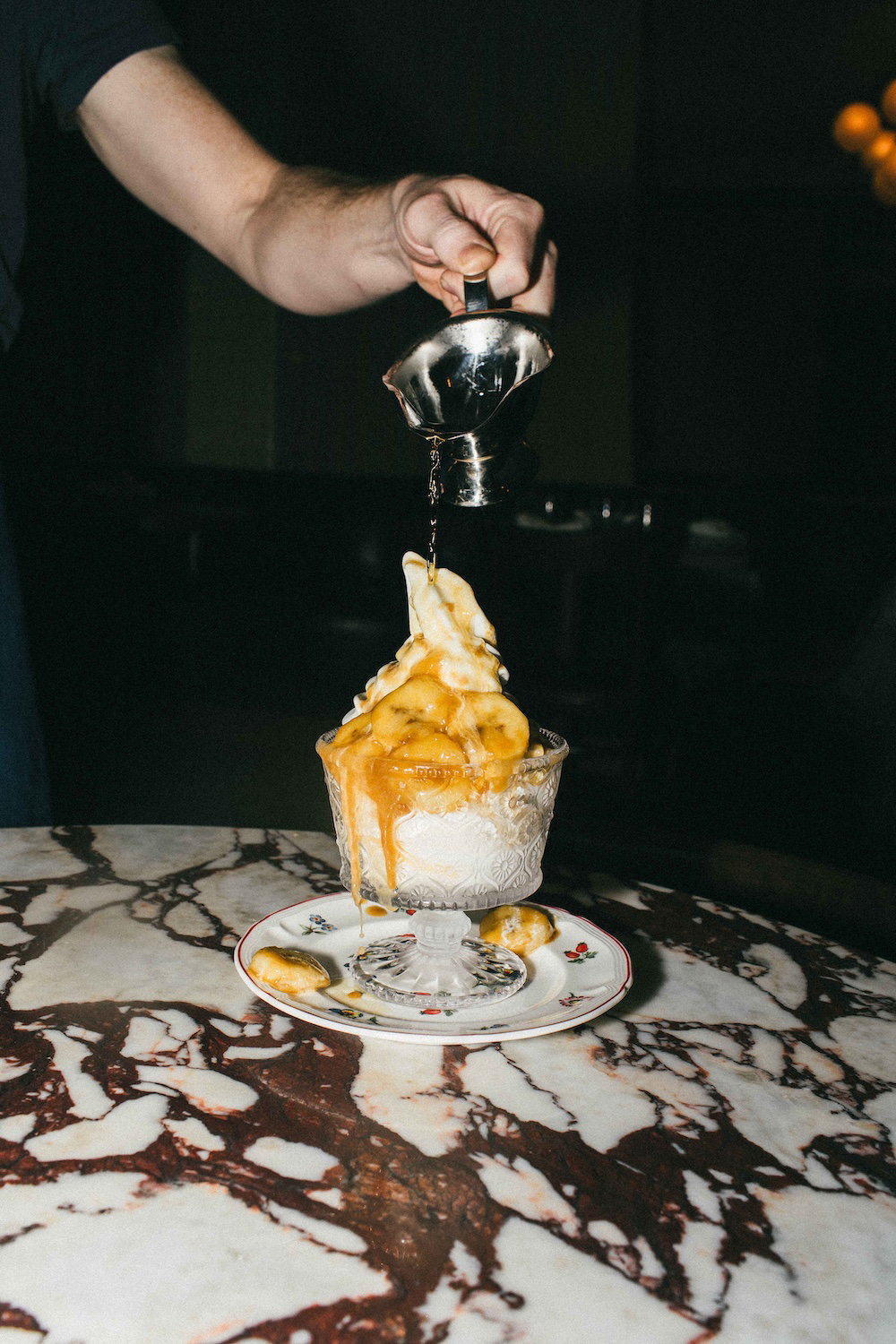
Little Sparrow takes the diner-style comfort of soft serve and dresses it for dinner in West Midtown. The restaurant’s “fancy soft serve” options rotate through toppings  like pistachio with Amarena cherries, peach melba, and the savory-sweet extra virgin olive oil with honey and fennel pollen. Each one keeps the cold, creamy pleasure of original vanilla intact while adding enough chef-y details to make it feel like a proper restaurant dessert.

Chocolate and hazelnut soft-serve gelato at St. Cecilia

Courtesy of St. Cecilia

St. Cecilia

At Ford Fry’s St. Cecilia, soft serve arrives in Italian form: sweet cream gelato with a lineup of toppings that can skew simple, fruity, chocolatey, or buzzy. Honey and olive oil gives the dessert a silky, lightly savory finish, while peach and amaretti brings in a summery stone-fruit crunch. Chocolate and hazelnut brings in a rich, Nutella-like note, and the vanilla bean and espresso affogato version turns the swirl into a graceful after-dinner pick-me-up.

Follow Us

69,386FansLike
144,836FollowersFollow
493,480FollowersFollow

NEWSLETTERS