

Courtesy of Bluefoot Entertainment
When I lived in Atlanta in the late 1980s and early ’90s, I surfed the wake of Christiane Lauterbach, a now-retired restaurant critic for this magazine and other publications, famous for her keen palate and reviews that could gut a chef like a prison shiv. The cheesecake from one restaurant tasted like “old clothes,” Christiane wrote; the counter in another looked like “shellacked vomit.”
More important, Christiane wrote with curiosity and empathy about the restaurants of Buford Highway, Atlanta’s longtime on-ramp for new arrivals from other countries. Nativity is not the best measure of belonging, her reporting suggested. The true gauge is whether a person contributes to a place.
Born in Paris, France, she explored the immigrant-owned restaurants of Atlanta like a flaneur, luring readers to Buford Highway with reports of char siu bao and larb gai, barbacoa tacos and jjajangmyeon. After I moved to Oxford, Mississippi, to pursue a degree in Southern Studies at the University of Mississippi, I began to write about food and culture. Christiane and I served together for a decade on a restaurant awards committee.
Between debates about our nation’s best pastry chef or bartender, Christiane encouraged me to think about restaurants owned by immigrants and their descendants as essential to the modern Southern story. They were, she believed, inheritors of the mom-and-pop spots across the region that fed country-to-city migrants in the years after World War II. In time, that insight became my angle of approach. A world bloomed into view.
More than three decades have passed since I left Georgia for Mississippi. I can’t now claim to know shape-shifting Atlanta and its kaleidoscopic exurbs as readers of this magazine do. But I still love your city. To renew my acquaintance, I return for Shiny Dimes at Kimball House, tartare on daikon chips at Ticonderoga Club, and body scrubs at Jeju Sauna. And I drive Buford Highway, the place of my awakening to a more expansive idea of home.
Courtesy of Bluefoot Entertainment
Courtesy of Bluefoot Entertainment
Courtesy of Bluefoot Entertainment
Courtesy of Bluefoot Entertainment
This spring, I brought a 10-person crew to film a Buford Highway episode of TrueSouth, the SEC Network food-and-culture show I write and host. We focused on the six-mile stretch that runs north from the Benedit family’s Havana Sandwich Shop (serving Cuban sandwiches, black beans, and yellow rice since 1976) to the intersection with I-285 near the site of an old General Motors plant, the onetime economic engine of Doraville, where workers built Buick Skylarks and Oldsmobile Cutlass Supremes.
I couldn’t rely on Christiane this time. (She moved to Portland, Oregon, a few years back.) So, I listened to Emily Wu Pearson’s WABE reports on Atlanta immigrants and refugees, subscribed to Sophia Qureshi’s newsletter, 285 South, and reread issues of this magazine. I also followed restaurant writer and dumpling entrepreneur Candy Hom on Instagram (you should too; her handle is @soupbelly_atl) and read Down South + East, the new Atlanta-inspired cookbook by Ron Hsu, chef and founder of Lazy Betty.
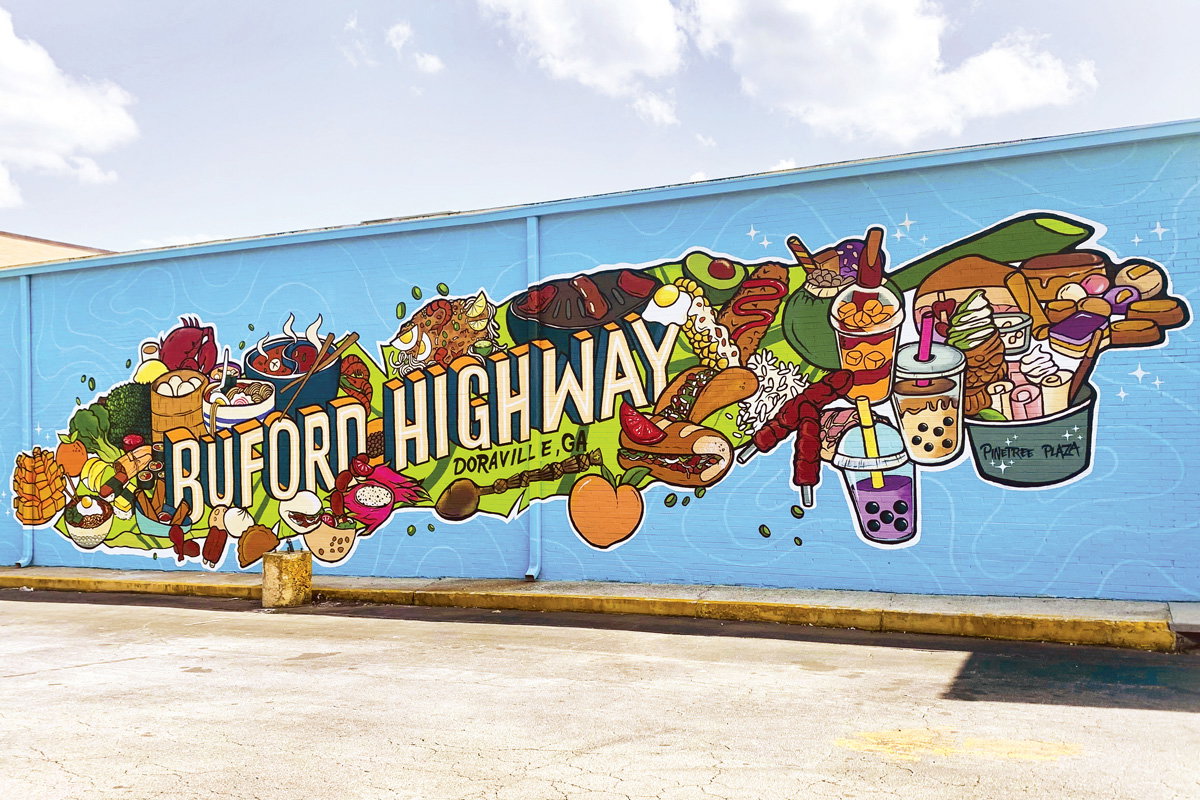
When it came time to film, I tapped my friend Jim Cobb, the retired University of Georgia history professor. He traced the initial growth of the Buford Highway corridor to the late 1940s, when Black and White workers flocked to that GM plant in search of union jobs. I made new friends, too, like Jack Halpern, whose company leases out storefronts in the 1958-vintage Pinetree Plaza, a strip mall on the Doraville stretch of Buford Highway. He spoke of the social and economic forces that transformed suburban places like Pinetree into sites of global aspiration. And he connected current Atlanta immigrants to his own past: His father immigrated to Atlanta from Poland one year before the Nazis rolled across the border.
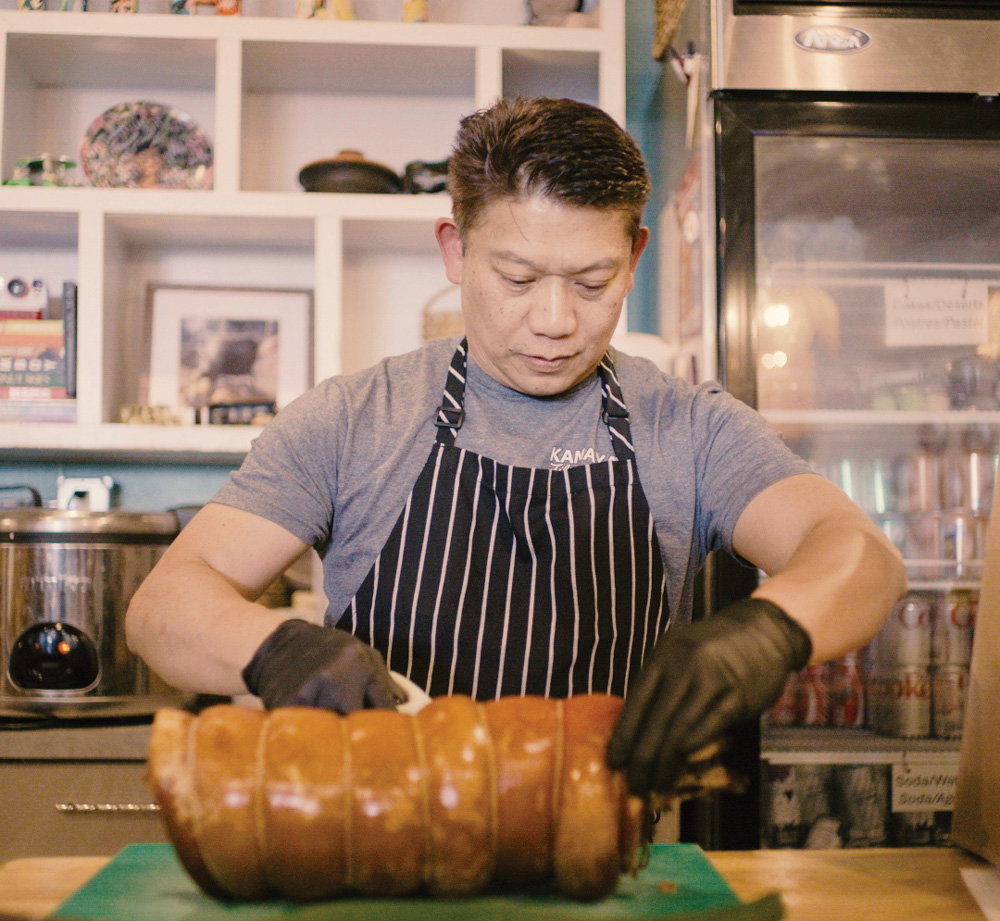
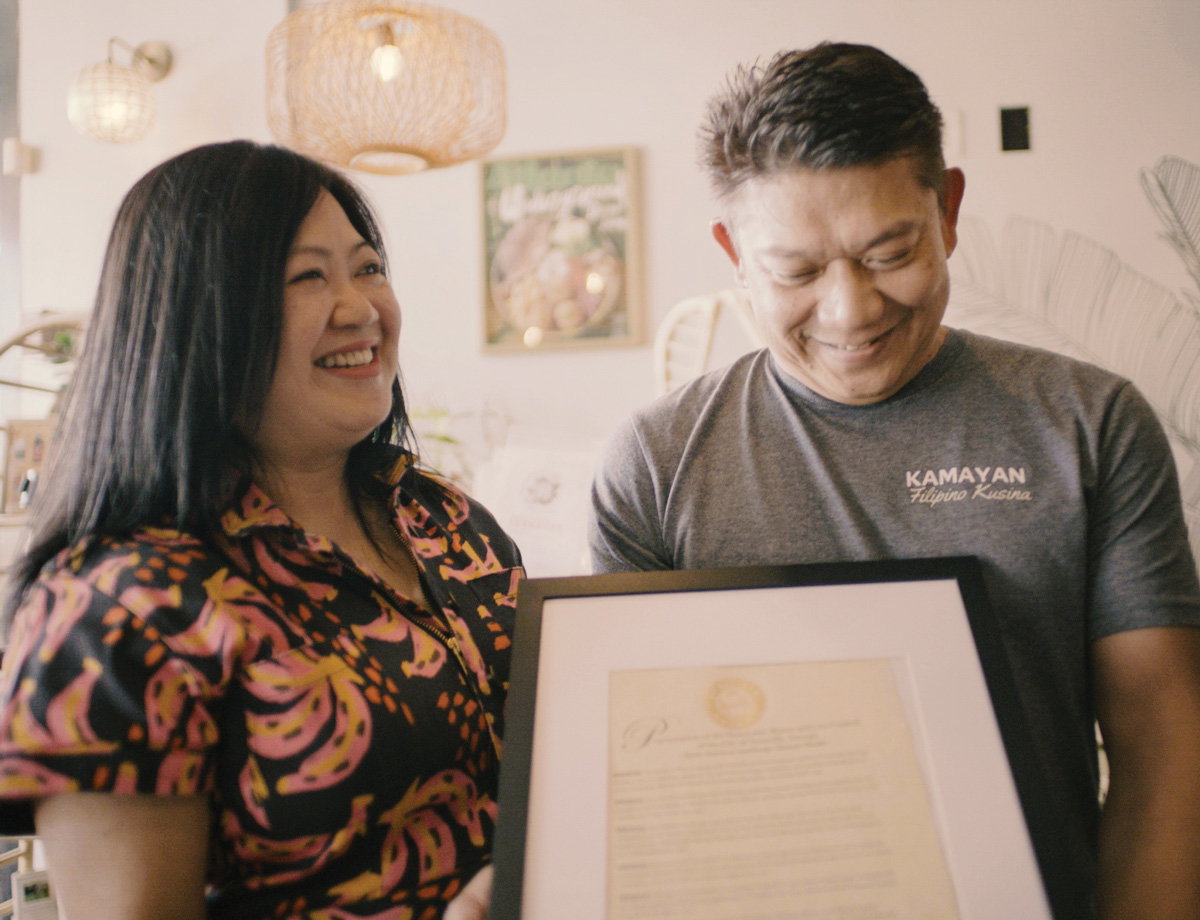
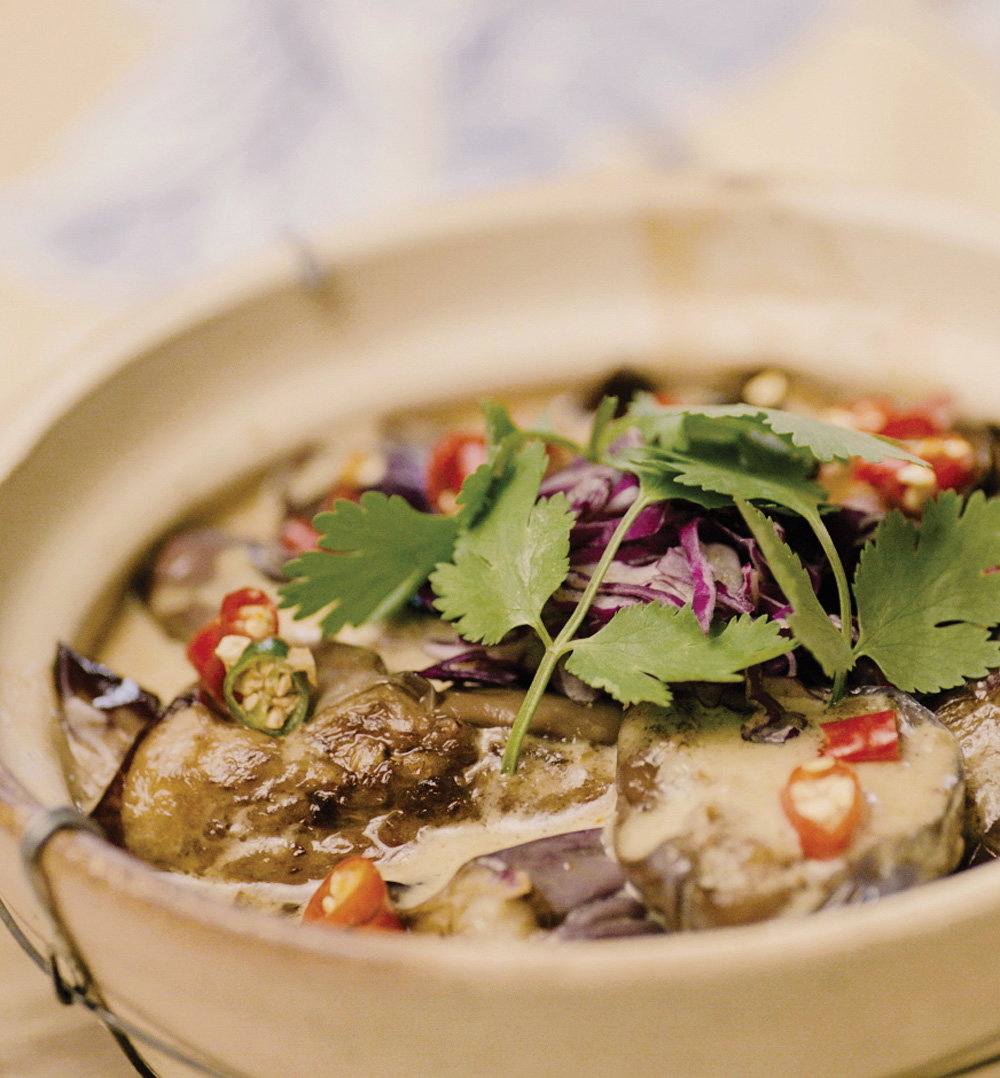
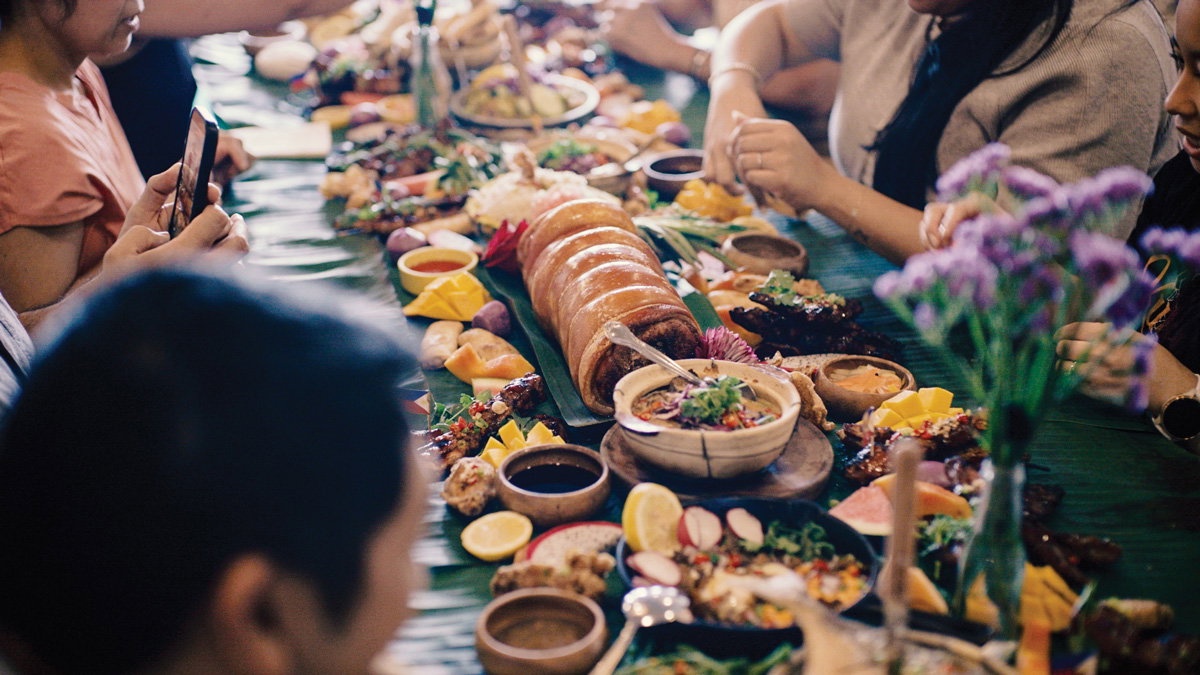
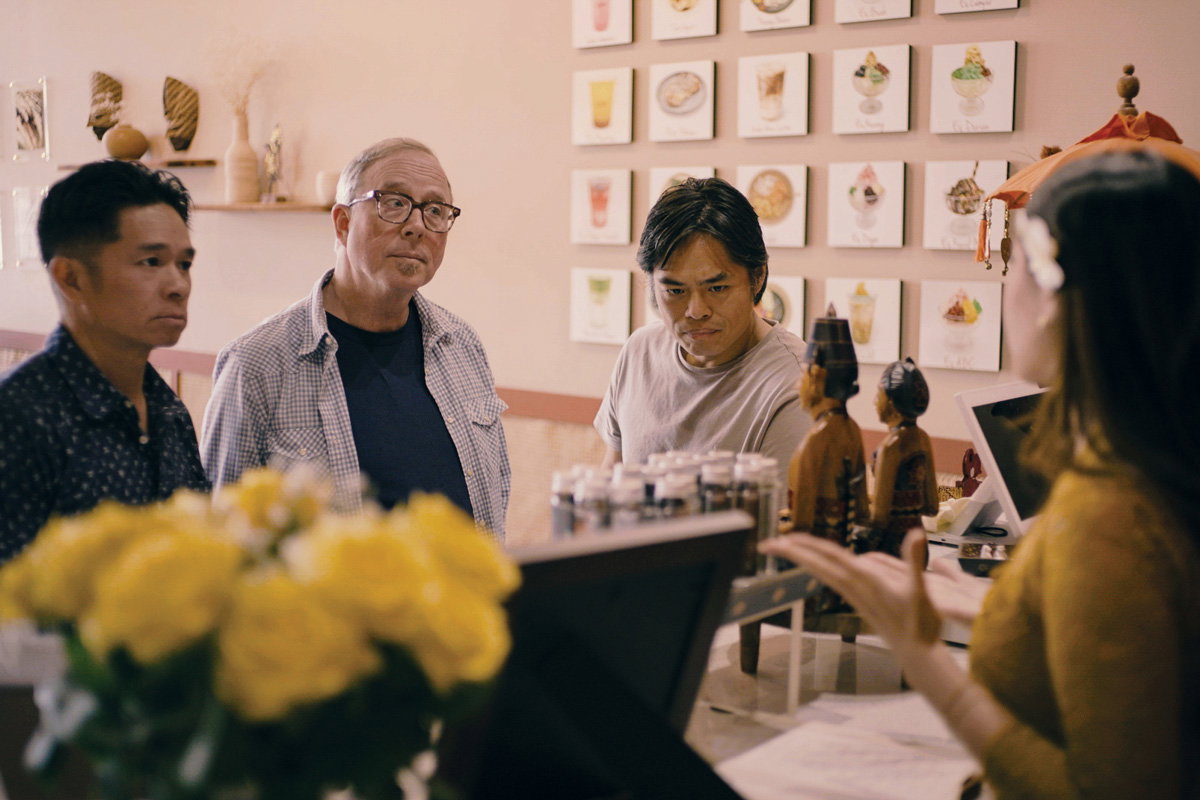
When our show premieres in October, you’ll meet Grace Yu of PN Rice Cake House in Pinetree Plaza. She guided us through her small shop, stocked floor-to-ceiling with a mosaic of housemade Korean banchan in squat glass bottles. And Amormia “Mia” Orino and Carlo Gan of Kamayan ATL, a Filipino restaurant across the road in Asian Square, who fed us green beans blistered in coconut oil and rolled pork roast with skin as sweet and crunchy as peanut brittle. Mia talked through tears of the couple’s shared love for Atlanta and its people.
Courtesy of Bluefoot Entertainment
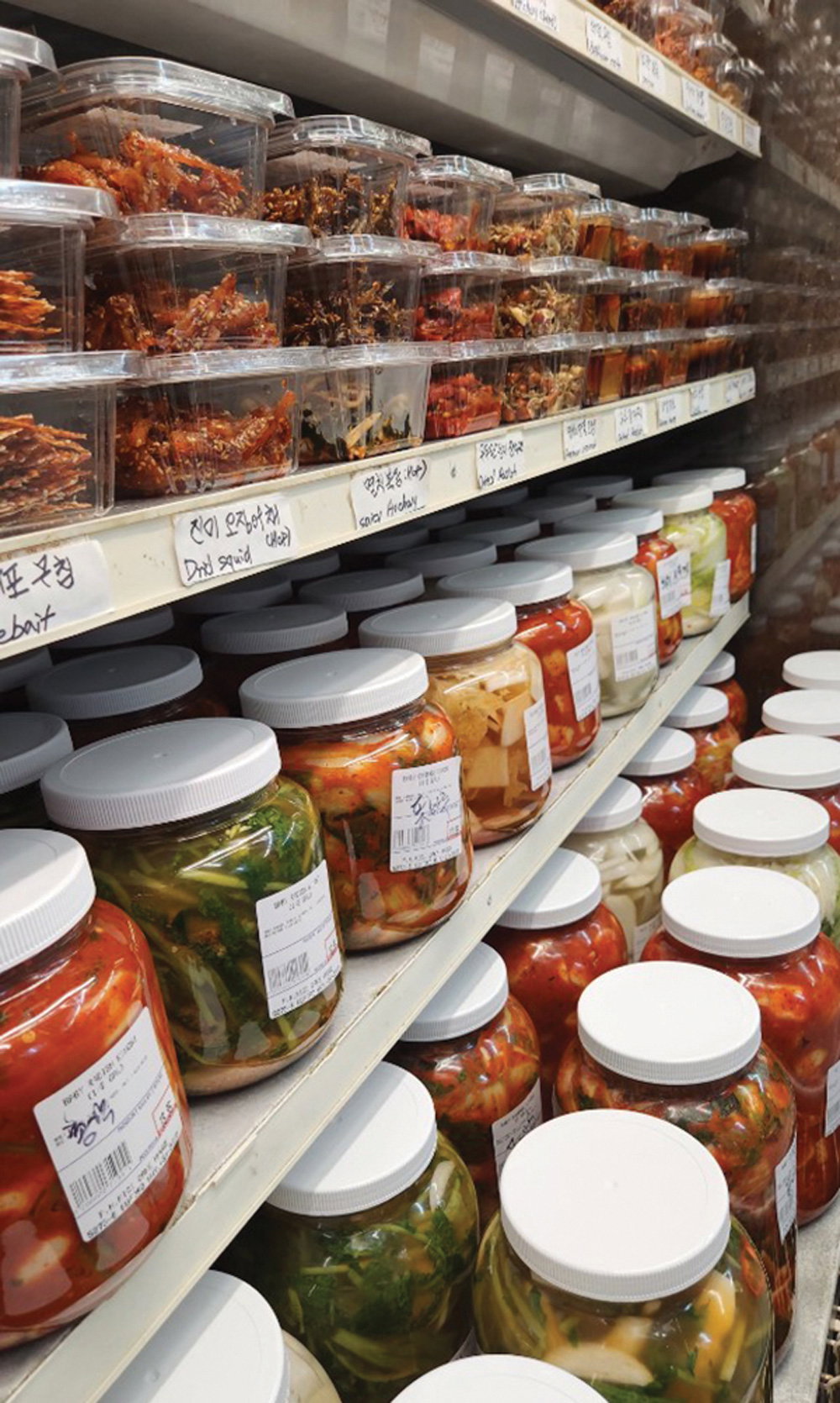
Courtesy of Pinetree Plaza
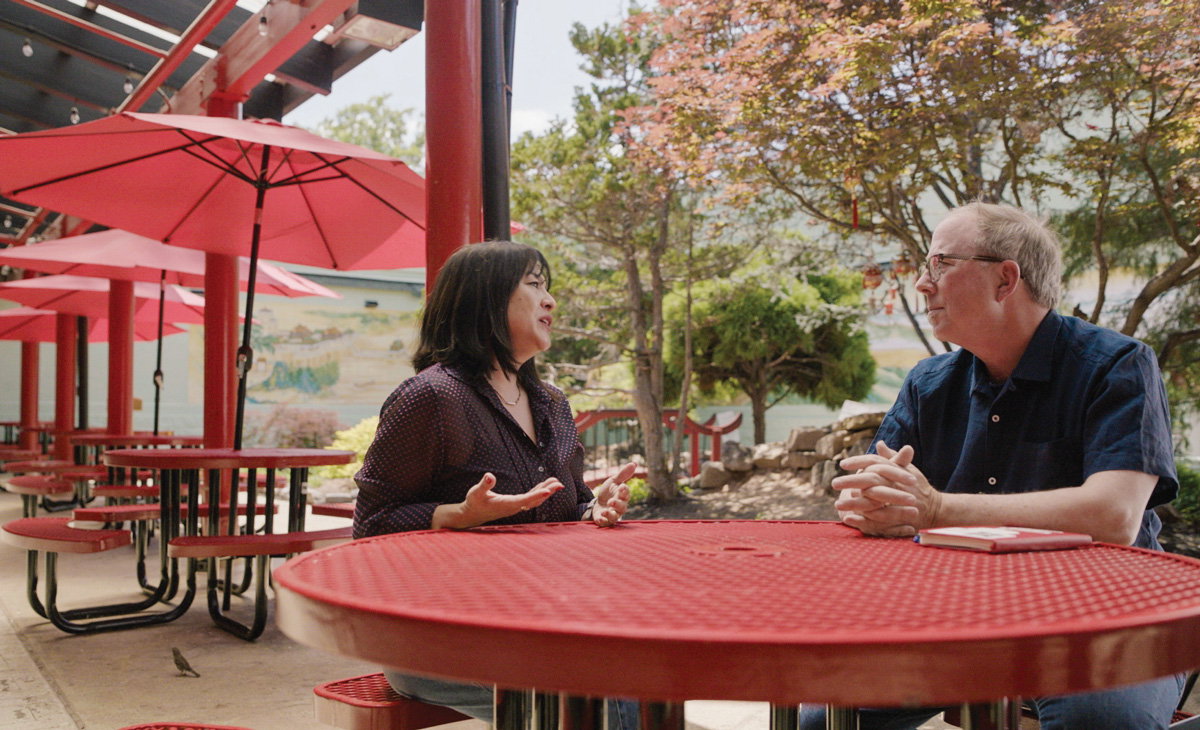
Courtesy of Bluefoot Entertainment

Courtesy of Bluefoot Entertainment
Courtesy of Bluefoot Entertainment
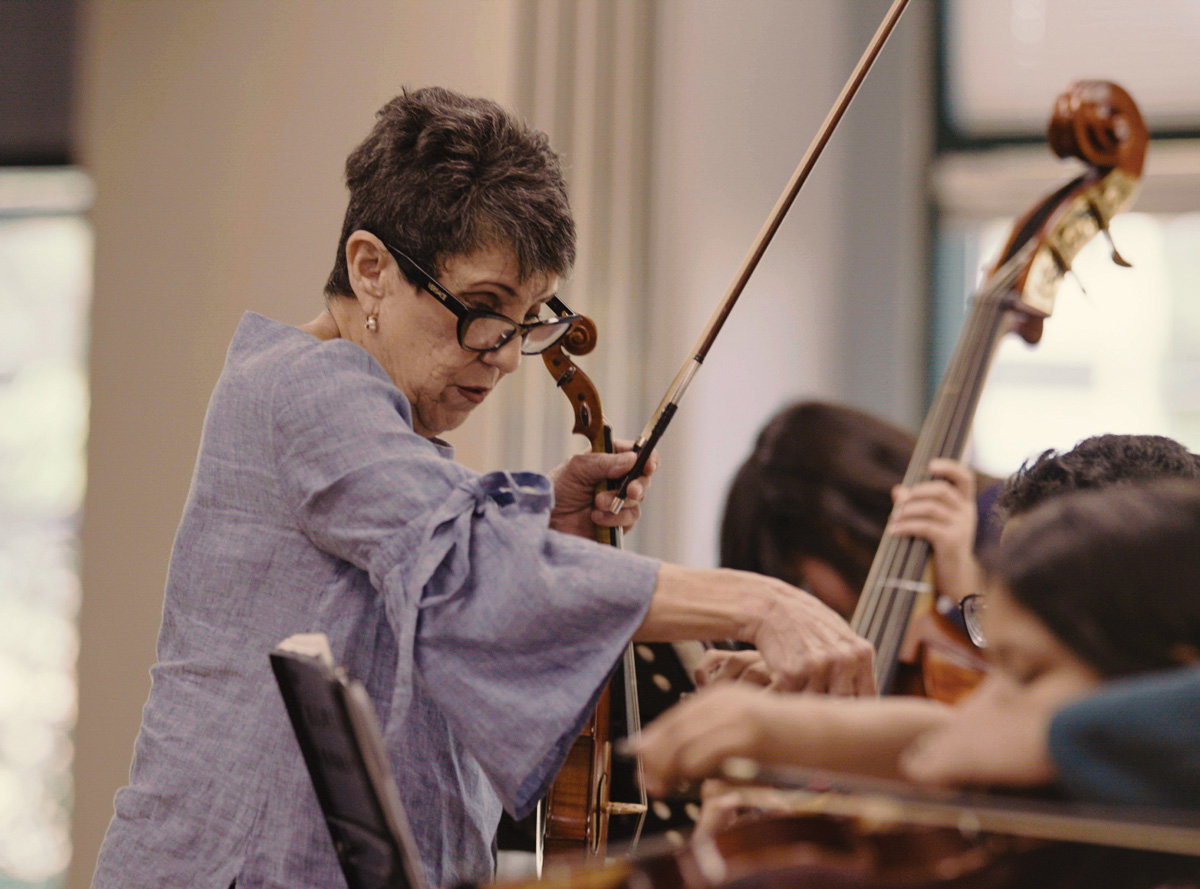
Everywhere our crew went, love abounded. So did hard work and big dreams. But a question nagged: Do those ideas Christiane taught still hold true? Or has the cruelty I see modeled by our nation’s current president rewritten the Buford Highway story? I got one answer to that thorny question while documenting the work of Lily Pabian, executive director of the advocacy nonprofit We Love Buford Highway, and Juana Alzaga, who leads the Buford Highway Orchestra Project, a free after-school program.
We were gathered in a conference room for a rehearsal of third, fourth, and fifth graders, most with roots in Mexico or Central America. In the vestibule, an older brother draped his sleeping little sister with his coat. A baby wailed in a basinet. A violinist burst through the door with a box of strawberry doughnuts. When Juana called the students to attention, parents in the back of the room pressed record on cell phone cameras. As the students drew bows across violins and cellos, their eyes shined with promise. As I watched and listened, thinking of the lessons in contributing and belonging the people of Buford Highway have taught Atlanta—and what I’ve learned in the process—my eyes shined with tears.
This article appears in our September 2026 issue.