Picture 30-plus whiskey distillers and spirit makers serving tastes and cocktails with their finest liquor and local restaurants like 5Church, Auburn Angel, and Girl Diver offering small bites of their best dishes. The Hits Squad plays rock covers, and the Ides of June performs gritty Southern rock songs. In between eating and drinking, play lawn games, learn to roll cigars, and check out a golf simulator. This is Atlanta magazine’s 10th annual Whiskey Festival. Held October 9 at Guardian Works at Echo Street West (775 Echo Street Northwest), the festival offers a premium tasting experience for beverage aficionados.
“It’s become a true Atlanta tradition,” event director Summer Jacobs says. “It’s designed to feel like an exclusive night out.”
Atlanta magazine’s Whiskey Festival 2024
Attendees can meet the distillers and learn the stories behind the bottles.
“We saw an opportunity to highlight Kentucky legends and small batch local makers side by side and give people the chance to taste the brands, ask questions, and discover bottles they might never encounter otherwise,” Jacobs explains. “Whiskey naturally lends itself to storytelling—think of Mad Men or Good Will Hunting. It’s a spirit that people gather around to share experiences.”
One of the cocktails featured at the festival is a New York Sour made with Broadstreet Infamous Legacy Series Bourbon Whiskey, lemon juice, simple syrup, red wine, and lemon zest.
Participating spirit makers include Elijah Craig, Four Roses, Beam Suntory, Widow Jane, and Old Fourth Distillery, among many others. Get ready for cocktails such as Nearest to the Green (Nearest Green whiskey, lemonade, and peach tea), Rhymes with Orange (Bulleit bourbon, triple sec, orange bitters, agave, and soda), and Whiskey Tango Foxtrot (Blue Note bourbon, Tang, aperol, lemon, and simple syrup). Hot? Grab a drink from the ice bar.
Tickets cost $75 for general admission (7 p.m. to 10 p.m.) and $100 for VIP, which provides early entrance 6 p.m. and access to exclusive lounges and special whiskeys. Expect take-home gifts, too.
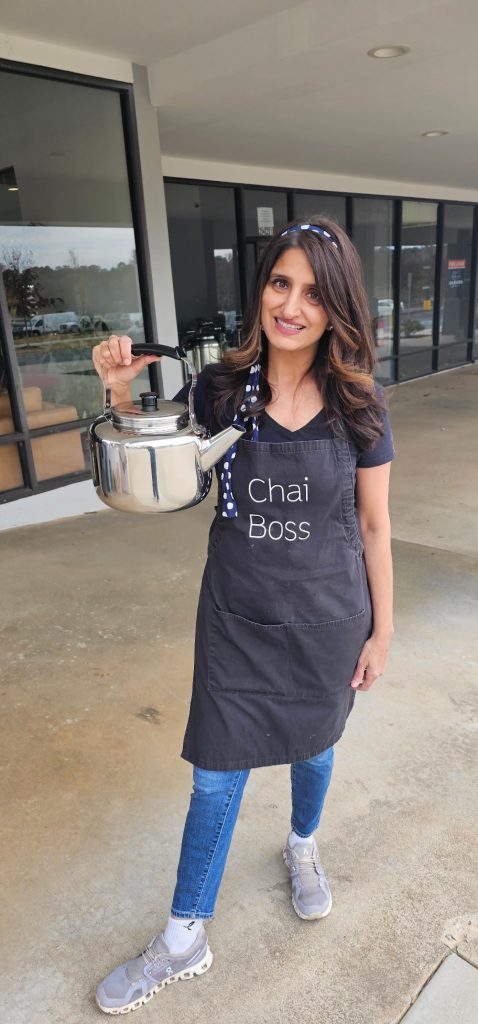
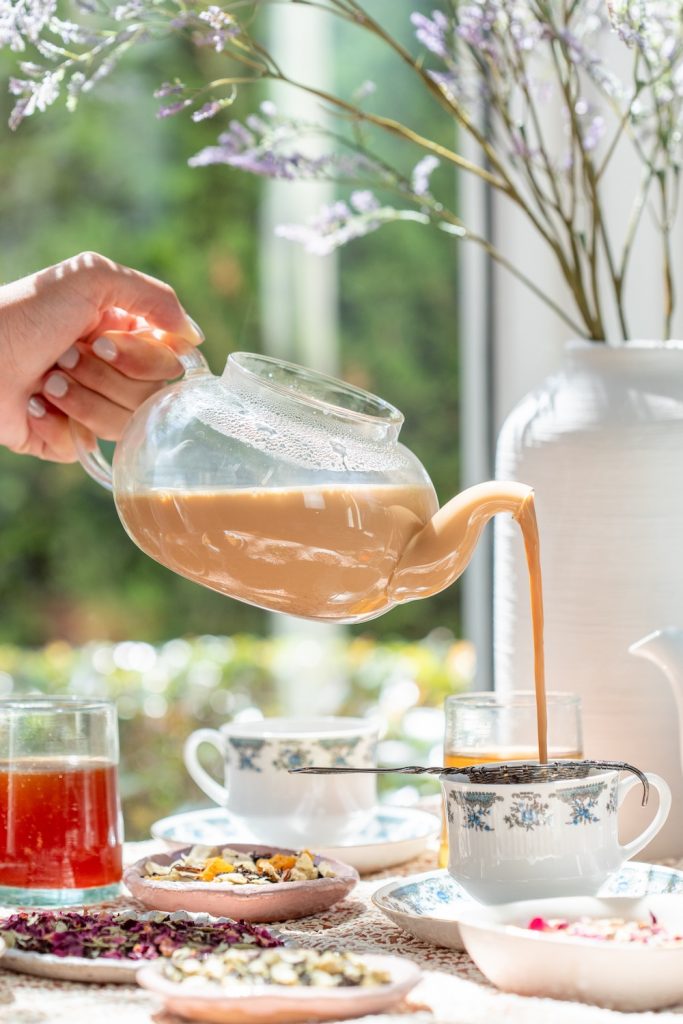
What began as a kitchen ritual passed down from generations in Monica Sunny’s family is becoming a full-fledged cafe. The Chai Box Cafe is set to open in the former Doughnut Dollies space on Howell Mill Road in November. This 625-square-foot Upper Westside shop is the first retail location for Sunny’s nationally recognized chai company—and the only dedicated Indian chai cafe in Atlanta.
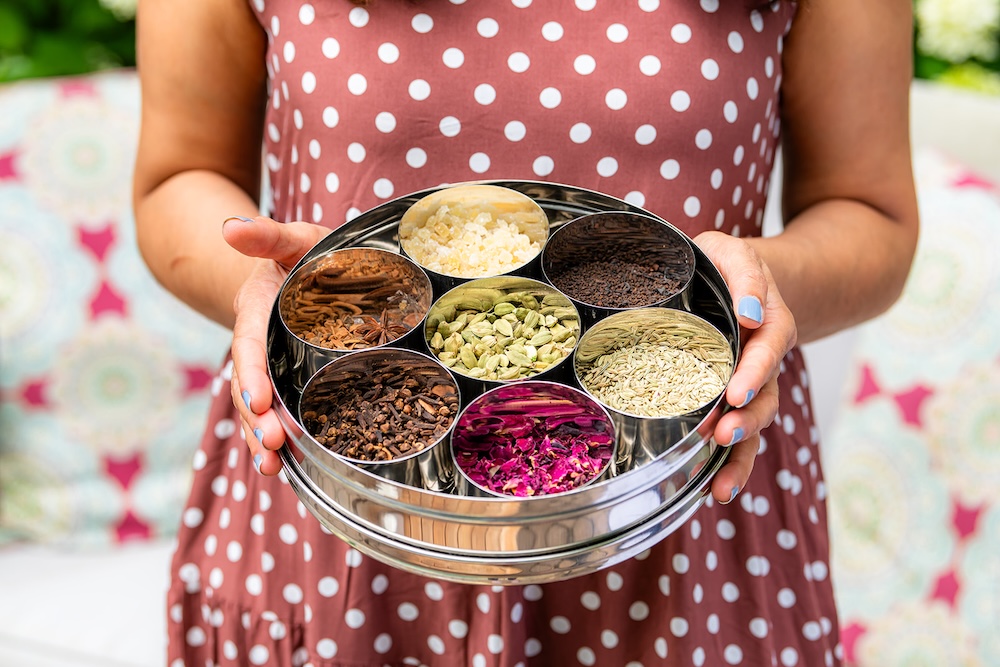
Sunny founded the Chai Box in 2016 and has spent years blending her family’s tea recipes with her own modern twist. When her sons were in elementary school, she began teaching them about chai. Soon their friends’ parents wanted to learn. She kept her spices in “the Chai Box” and wanted to share her family’s special “chai time” with others.
“I started drinking chai when I was two and blending teas at 12,” she says. “For me, chai is more than just a drink—it’s a connection to my heritage.”
The Chai Box
Courtesy of Laurent Liz Photo
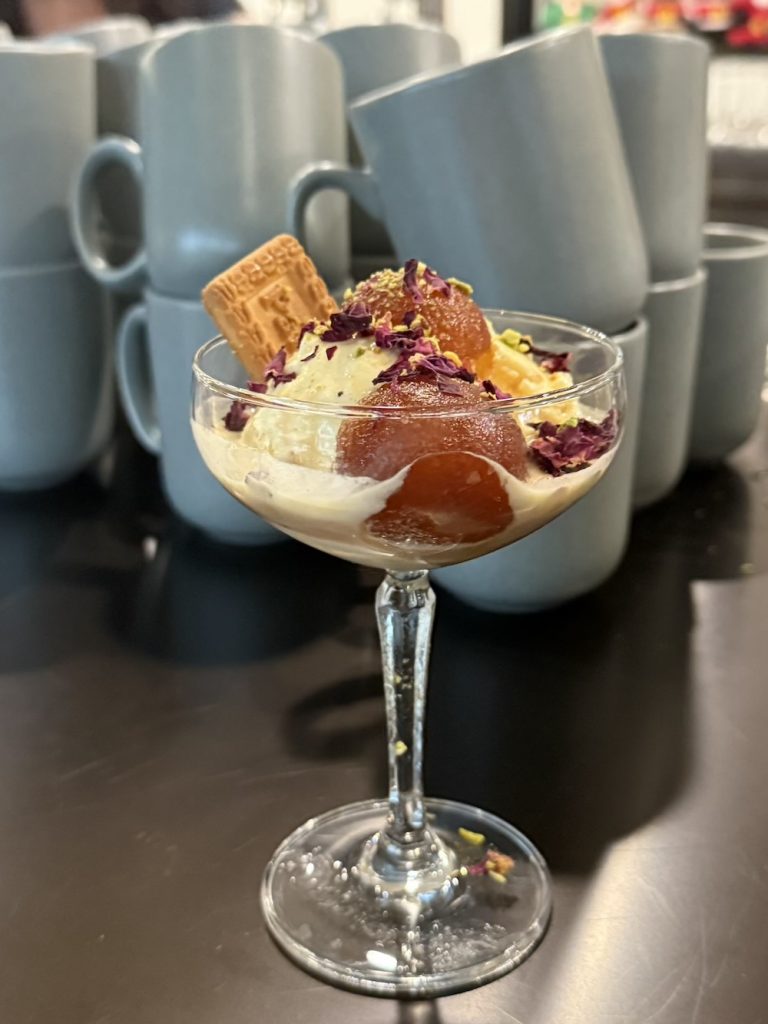
She hopes that connection will permeate the cafe, from the traditional Indian seating and richly colored decor to the scent of hand-ground spices wafting from the chai bar. Guests can choose from four to five rotating chai varieties—served hot or iced—plus espresso drinks, Indian filtered coffee, and seasonal chai lattes infused with house-made syrups like cardamom or rose. There will be a couple of fusion desserts like chai waffles and chai affogato with gulab jamun. Small savory bites such as samosas will round out the concise menu.
Behind the counter, chai will be brewed with intention. The Chai Box uses sustainable and ethically sourced ingredients, working with small farmers in Kerala, India. Every chai blend and concentrate is made in-house in the company’s Marietta facility, where Sunny’s operation has also diverted more than 68,000 pounds of waste into compost that helped grow tens of thousands of tomatoes.
Gulab jamun chai affogato
Courtesy of the Chai Box
The new café will double as a retail shop selling 15 tea blends plus strainers, steepers, cups, and chai-inspired gifts. Sunny also plans to offer educational classes about chai brewing and its health benefits—from digestion to inflammation reduction to circulation.
“I’ve always wanted a little chai cafe like the ones you see on street corners in India,” she says. “We want to be that neighborhood chai shop—where people gather, learn, and enjoy.”
Adjacent to Alici—chef Pat Pascarella’s coastal Italian restaurant in Midtown Promenade—is a new cocktail spot called Bar Pilar. Named after Ernest Hemingway’s boat in “the Old Man and the Sea,” Bar Pilar is intended as a laid-back escape from the hustle and bustle of Midtown.
Soulful and warm with dark walls, leather couches, and literary-inspired framed photos, the 1,350-square-foot space features about 15 tables, plus a full bar. Lead bartender Daniel Schmitz created a concise cocktail list with a clarified Hemingway daiquiri called the Six Toed Cat, a signature martini with shochu and citrus olive oil, and a savory Fitzgerald made with charred green onion vodka, gin, dry vermouth, and pickled onion. There’s an old-fashioned, Manhattan, and negroni, too. Beer offerings include both local and imported varieties. A few wines by the glass are available as well.
Old Havana cocktail
Photo by Megan Simpson
Roasted bone marrow
Photo by Megan Simpson
“At first, it was just a private event spot, but we wanted to turn it into someplace we’d actually want to hang out with killer food, affordable drinks, and none of that fussy, over-the-top stuff. Just give me a great burger and a bao,” says Pascarella, who leads the Porchetta Group in operating Grana, the White Bull, and Alici.
The menu features “snacks” like individual oysters, corn fritters, devilled eggs, and olives marinated with orange, rosemary, and garlic—best for noshing on with a beverage. Slightly larger, the “apps” include a KFC bao bun, roasted bone marrow, crispy oyster roll, and mussels in coconut curry. Those stopping by for dinner may be interested in the crispy chicken sandwich, bangers and polenta, or smashburger.
Bar Pilar is currently first-come, first serve. Guests can enter through Alici and check in with the host.
Monday Night Brewing has come a long way from its humble beginnings in a warehouse on a dead-end street. Its growth and innovation have enabled it to transform into a communal space that caters to both beer enthusiasts and families alike. The latest addition, the Grove, exemplifies this evolution, offering a versatile and welcoming environment along the Atlanta Beltline Westside Trail.
Formerly an old, rusty building, property of Myers Carpet, the Grove boasts a 7,400-square-foot indoor taproom with a seasonal cocktail list and a 17,000-square-foot outdoor area with multiple fire pits and 62 trees. It includes a counter-service eatery serving espresso, pastries, sourdough breakfast sandwiches, wood-fired caprese and turkey and avocado sandwiches, and pizza. Gluten-free options are available. Perhaps most exciting for beer lovers is the tap expansion, going from 12 to 30, enabling Monday Night to showcase many of its seasonal releases.
The Grove pizza truck
Courtesy of Monday Night Brewing
“This way we can have a little something for everybody,” says Joel Iverson, Monday Night Brewing co-founder and chief project officer. “I was inspired by a sabbatical I took in New Zealand, where breweries are more of a communal place.”
The Grove
Courtesy of Monday Night Brewing
With the BeltLine practically running through it, the Grove is definitely designed for the community. It features artificial turf, a 20-foot LED TV screen for movie nights and sporting events, as well as a natural play area with tetherball, a bocce court, and a natural tube slide opening in the fall.
“When we opened 12 years ago, it was illegal to sell food at a brewery. [Monday Night] was primarily a warehouse where we’d do limited tours and tastings,” Iverson explains. “The laws are better now. You can sell food and beer. Consumers are looking for a community space with more offerings. The Grove is a bit more upscale.”
The Grove offers cocktails too.
Courtesy of Monday Night Brewing
On August 23, the Grove will celebrate its grand opening with bands and special release beers. The following day, families are invited to join the party with a farmer’s market, bubbles, and face painting.
It seems like everywhere I look, there’s a new coffee shop. While they each offer a slightly different menu and vibe, options for non-coffee drinkers are usually limited. The Postcard, a new beverage cafe in the former Wave 3 space in Buckhead, is changing that perception with a menu focused on matcha.
“Matcha has a decent amount of caffeine, less than coffee, and it hits smoother without the spike and crash of coffee,” explains Postcard owner Daniel Son. “There are heart health and gut health benefits too.”
Inside the Postcard
Photo by Carly Cooper
A powdered green tea with roots in Japanese rituals and Zen Buddhism, matcha is known for its vibrant color and high antioxidants. In Atlanta, its growing in popularity in lattes, smoothies, and baked goods.
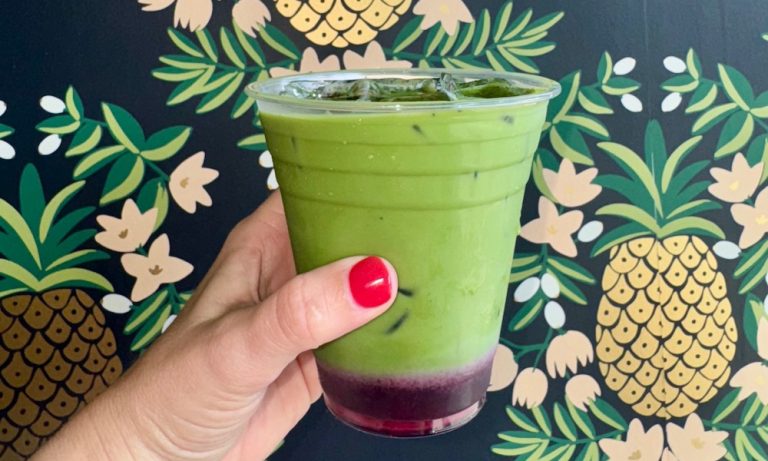
At the Postcard, iced matcha lattes come in flavors such as blueberry lavender, strawberry rose vanilla, and coconut water mango. A strawberry yuzu matcha tonic is also available. Other, off-menu matcha drinks are in the works and offered to regular customers. All are made with Wave 3 powder.
For java afficionados, good ‘ol Joe is available, too. Opo beans make drip coffee, espresso, and flash-brew iced drinks, while Flow beans are used for pourovers and specialty espresso. Syrups, including black sesame, rose vanilla, and saffron, are made in house.
Iced oat milk matcha latte
Photo by Carly Cooper
Flour + Time, a vegan bakery on the Westside, provides croissants, muffins, and oatmeal cream pies. Coffee beans and ceremonial-grade matcha powder are available for purchase as well.
“My main goal is to give people the experience of drinking coffee or matcha in a way that they might have experienced abroad while educating them about where it is from, the processes, how it’s made, and the benefits of matcha,” Son says.
The 700-square-foot space features minimal seating and an understated look with select greenery. “Wave 3 created a good, strong customer base for their matcha drinks. I see it as an opportunity to take it to the next level,” he adds.
The writer reconsiders the much-maligned Beverly soda on a recent visit to the World of Coca-Cola.
Photograph by Martha Williams
If you grew up in Atlanta, wider Georgia, or even a neighboring state, the World of Coca-Cola was likely a favorite field trip of yours. Even before its sparkly upgrade and 2007 relocation to Centennial Olympic Park, the best part of any visit—at least for me—was the sticky-floored tasting room, where I could drink my fill of different Coca-Cola–branded beverages from around the globe.
But there was one name that struck fear in my heart and taste buds. Her name was Beverly.
The Beverly is still a fixture of the Taste It! exhibition, where it elicits pinched noses and puckered tongues for its bitter flavor with notes of grapefruit rind. You’ll often see people standing next to someone trying it for the first time, waiting to see their reaction.
The Italian aperitif soda was created in 1969, designed as a nonalcoholic digestive aid meant to compete with similar brands from Campari and San Pellegrino. Coca-Cola stopped producing it in 2009, after sales slackened. Today, it lives on only through the company’s tasting room at the World of Coca-Cola here in Atlanta, as well as two others, at Epcot in Disney World and the Coca-Cola Store in Las Vegas.
Recently, the Beverly has gained a cult following on TikTok, mainly from younger generations discovering it for the first time. Several Reddit threads offer enthusiastic skewerings of its intense flavor and lingering aftertaste; one poster called it the “worst soda in the world.”
On a recent spring day, I went back to the attraction to see if the Beverly was as bad as I remembered. She was set next to a melon Fanta from Thailand and a Stoney ginger beer from Tanzania and flowed from the tap in a clear fizz. I filled my plastic cup modestly, inhaling the citrus smell before taking a swig, letting the bubbles dance across my tongue. I waited for the reaction I’d recalled from my youth, not to mention the ones I’d seen online (including the occasional real-life spit take). But it . . . wasn’t bad?
The Beverly was light and refreshing, without the overly saccharine flavor of its neighboring sodas. I might have been in the minority in the room, but I imagined how nice it would be paired with a couple of ice cubes and a dash of Aperol or Campari, rounding out a nice spritz. I pictured myself on a piazza in Rome, living my dolce vita.
The truth is, since my last trip to the tasting room, my tastes have changed. I’ve traveled outside the city and the country, sampling flavors outside my comfort zone. My tongue no longer immediately rejects the bitter bubbly.
Honestly, it’s worth a trip back to the World of Coca-Cola just to give it another try. Doesn’t everyone deserve a second chance?
Poor Beverly. Maybe she wasn’t so bad after all—just ahead of her time.
Side Saddle Wine Saloon and Bar, the newest concept from Finca to Filter coffee shop owner Kayla Bellman, is now open with velvet booths, an inclusive feel, and complex cocktails. Female owned-and-operated, it’s intended to be especially welcoming to “women, queer folks, and people of color,” Bellman says. “Everything is going to be well-intentioned, small batch, and eclectic.”
Located next door to Finca in Boulevard Heights near the BeltLine, the bar takes its name from the way women were once expected to ride horses—with both legs off the same side—for the sake of appearing graceful while wearing a skirt, says Bellman, who brings a background in international development and a belief in people-first.
Bellman got her start in coffee after working for Habitat for Humanity in Guatemala, where she met small-scale coffee growers. She returned to the States passionate about sustainability, and launched Finca six years ago. Her appreciation for wine goes back further, to a job at Postino in Phoenix, Arizona.
“I wanted a place that feels like where I used to work: warm, welcoming, and centered on curiosity,” she says.
Pecans by the Pool is a tropical, creamy, tart cocktail made with Tattersall toasted Coconut aquavit, Creole orgeat, lime, passionfruit, and coconut cream, topped with a Georgia pecan
Photo by Rebecca Carmen
Side Saddle’s 1,000-square-foot interior leans sultry and sophisticated: black-and-white checkered floors, terracotta velvet booths, and palm-printed chairs in shades of pink and green. A curved horseshoe bar anchors the space, while the 10,000-square foot shared patio—strung with fairy lights and decorated with flowers—connects the bar to its sister spot.
Wine consultant Jett Kolarik keeps the bottle list focused and flexible. Expect four reds, three whites, one orange, and two sparkling wines by the glass, with 10 to 15 bottles available.
“Everything we pour is made by people we could actually talk to,” Kolarik says. “It should be good for the environment, good for the people making it, and really fun to serve.”
Wine at Side Saddle
Photo by Rebecca Carmen
Natural wine is the focus, but cocktails will get plenty of attention. There are four house drinks designed to be easy-sipping and patio-ready—think spicy mezcal, scratch-made grenadine, and a house Dirty Shirley made with handcrafted soda. Six specialty cocktails lean more layered and playful, including one called Lasso That Pistachio. Beer drinkers will find a small but curated selection: four taps and six cans, mostly local or from like-minded breweries. Non-alcoholic options, including four handcrafted beverages, are also on the menu.
In the kitchen, chef Carla Fears draws on Italian technique with what she calls “a Southern Black girl twist.” A fried Monte Cristo PB&J leans nostalgic and indulgent; seared tuna with tomato and caper water is bright and Instagram-ready. Even the grassfed burger is designed for date night—it comes cut in half for easy sharing.
“We wanted it all to feel really intentional,” says Fears, who collaborates with bar manager Flemming Love to align flavor profiles across food and drinks.
Charred tomato and olives
Photo by Rebecca Carmen
While Side Saddle focuses on dinner and drinks, Finca next door will continue to serve pastries and breakfast. The two spaces also work together for programming—with Side Saddle using the Finca space for events such as Tuesday comedy nights, Wednesday wine education events, and Thursday jazz on the patio. On Fridays, expect funky wines and a party vibe. Down the line, there are plans for drag events, artist markets, and creative wine parties (previous versions included Soupbelly dumplings and Chappell Roan tracks).
Side Saddle also offers Plan B and Narcan for free—no questions asked—thanks to a grant from the Boulevard Heights neighborhood association. “We think it’s so important,” Bellman says. “We keep each other safe.”
Zodiac signs and the importance folks assign to them can be a polarizing. To some, whether you’re a Sagittarius or a Capricorn can make or break a relationship—or at least predict behavioral characteristics. To others, it’s all a little too “woo woo.” Chris McCord and Alex Sher of Bovino After Dark—an underground prix fixe dining experience at Lee + White—decided to explore the New Age perspective with a cocktail bar in Adair Park. Called 7th House, it serves a zodiac-themed cocktail tasting menu three nights a week.
A partnership with the Vine Wine Club next door, it explores natural elements like air, water, fire, and earth through food and drink. Named for the astrological house of love, friendship, and partnership, it offers a rotating tasting menu where each month focuses on a new zodiac sign and the element it represents.
“It really struck a chord with us,” general manager and beverage director Trent Austin explains. “It’s what we believe in.”
General Tso’s-style lion’s mane mushrooms (bottom left), cold oysters with kimchi beurre blanc and wasabi tobiko (top), and baked saag paneer oysters (right)
Courtesy of 7th House
He and Sher launched the experience in late January with a simple goal: take the creativity and atmosphere of Bovino and translate it into a cocktail format. Each $84 reservation includes a welcome cocktail, followed by a three-drink tasting and three small plates—all inspired by the current zodiac season. McCord designs the food to complement each beverage, with all food served at once so guests can enjoy it at their own pace.
“It’s a tasting on your time, not ours,” Austin says.
For Taurus season, a bull-themed menu leans into earthy flavors and classic drinks. “Tauruses enjoy simple pleasures but are somewhat adverse to change, so we based cocktails on very well-known classics,” he says.
One example is the Broken Plates, a riff on a gin martini infused with roasted ramps, green strawberry tops, and strawberry bitters, topped with green garlic oil. It’s both delicate and boozy. Slow Ride is another cocktail, this one comprised of duck fat-washed rye whiskey, blueberry-infused cognac, white port, cynar, and tobacco bitters.
As for food, look for fried lamb ribs with cherry-tamarind barbecue sauce, roasted coconut, mint, and cilantro, cold oysters with kimchi beurre blanc and wasabi tobiko, and General Tso’s-style lion’s mane mushrooms.
Broken Plates is made with roasted ramp-infused gin, green strawberry top blanc vermouth, house-made strawberry bitters, lamb’s quarter, and green garlic oil
Courtesy of Alex Sher and Catalina Selvagn
Slow Ride is comprised of duck fat-washed rye whiskey, blueberry-infused cognac, white port, cynar, and tobacco bitters
Courtesy of 7th House
Reservation are available on Resy, but walk-ins are welcome, especially on Wednesdays when the full tasting is not available. Optional add-ons include wine, dessert, and caviar.
The space seats 24, including eight at the horseshoe-shaped bar. Constellations on the walls, velvet seating, and soft glowing stars above give the room a dreamy, mid-century lounge feel. Notes of blue, silver, and copper emit warmth.
Austin says the team hopes to remain in the space for at least two years. “We want to bring eyes and attention to the West End,” he says. “There’s so much talent here. It’s a great community.”
Fried lamb ribs with cherry-tamarind barbecue sauce, roasted coconut, mint, and cilantro
Atlanta’s zest for nonalcoholic beer has created a bit of a conundrum: The process to create the beer is so complicated that local breweries have struggled to meet the demand.
It’s not a lack of interest preventing more nonalcoholic beer options from being produced. Demand is as high as ever, with nonalcoholic drinks making up an estimated $2 billion industry, according to a study by International Wine and Spirits Record. What’s more, the desire for NA alternatives extends well beyond Dry January, especially as Gen Z continues to come of drinking age. Unlike previous generations, Gen Z drinkers are consuming far less alcohol. And when it comes to nonalcoholic beer, they’re expecting choices beyond O’Doul’s.
“If you can supply [nonalcoholic options] to the customer, [you] make them feel just as special as everybody else that’s getting a beer,” says Jon Shari, founder of Little Cottage Brewery in Avondale Estates, who is working on an NA option.
What inhibits NA beer production are the costs and the complicated process. NA beers are made using techniques such as reverse osmosis, which boils off the ethanol molecules from a traditionally brewed product, and vacuum distillation, which creates lower pressures and temperatures to remove the alcohol. Both tend to be labor intensive and costly and don’t work for every style of beer.
While some people casually interchange the two terms, there’s a difference between alcohol-free beer—which refers to 0 percent alcohol, like those from Guinness and Stella Artois—and nonalcoholic beer, usually 0.5 percent ABV. Those with certain health concerns may prefer the alcohol-free label.
Most NA beers you’ll find will be either dark, hoppy, or light because they are the easiest to re-create in terms of fidelity to the original, says Tim Schiavone, head brewer for Wrecking Bar Brewpub in Little Five Points.
“However long the research goes on for crafters to figure out what’s the best way to make nonalcoholic beer, I guarantee you’ll find it to be some sort of variation of those three,” Schiavone adds.
Halfway Crooks Beer: Sans Alcool
Photograph by Greta Biesel
For Shawn Cooper, co-owner of Summerhill’s Halfway Crooks Beer, it is important that any nonalcoholic beer stands up against the brewery’s existing lineup of German-style lagers. To accomplish this, he uses a mushroom derivative called Chiber, which keeps the yeast static. This is necessary because yeast ferments the sugar in the beverage to create alcohol, and Chiber halts its production. Cooper sent the NA beer to a lab to be tested to find the perfect amount of Chiber that produces the right taste and lengthens shelf life.
“It’s pretty difficult [for NA beer] to taste the same as [alcoholic] beer,” Cooper says. “It’s not beer—it’s kind of a hybrid. You basically have to heat the product up to get to a certain pasteurization unit in order to ensure that there’s no living organisms in the NA product for shelf stability.”
Wild Heaven: Near Wild Heaven
Photograph courtesy of Wild Heaven Beer
Wild Heaven makes Near Wild Heaven, which blends Trident, Centennial, and El Dorado hops for a piney flavor with unique yeast strains, maintaining the bitter and citrus mouthfeel of a traditional IPA.
“Any brewery can make quality NAs with these new [yeast] strains,” says Wild Heaven’s copresident and brewmaster Eric Johnson. “It is a project that me and my head brewer, Josh Franks, put a lot of energy into. There were people that paved the way, like Mitch Steele from New Realm [in the Old Fourth Ward].”
Consumers should be prepared for the costs associated with the difficult brewing process of an NA beer.
“I think a lot of consumers think, It has no alcohol. Why should it cost the same amount as a six-pack that has alcohol? Well, the brewer still had to make a beer. And then they remove the alcohol as a value add to you,” adds Johnson.
Atlanta’s NA beer options will continue to grow as local breweries benefit from the research performed by larger operations. In the meantime, sober beer enthusiasts are finally enjoying more frothy options around town, liberated from the tyranny of O’Doul’s.
WHERE TO FIND IT
If you’re looking for a nonalcoholic pint, these beers from Atlanta breweries are recommended and readily available to enjoy.
Near Wild Heaven Non-Alcoholic IPA
Find the beer at Wild Heaven’s Avondale, Toco Hills, and West End locations.
Brevet Pils Non-Alcoholic German-Style Pils
Visit Halfway Crooks in Summerhill to enjoy this refreshing nonalcoholic option.
Elvis AF IPA, Hazy AF
Hazy IPA, and Punk AF Pale Ale Scottish beer giant BrewDog carries its nonalcoholic options at its Old Fourth Ward outpost.
Jay and Katherine Wolf reflect the casual elegance of Mend Coffee.
Photograph by Bryan Johnson
From the parking lot, Mend Coffee & Goods looks like a typical upscale Buckhead coffee shop. The patio is bustling, and wide windows beckon you inside. Come closer and Bentley-Grace Hicks welcomes you from her wheelchair, while Griffin Brown rolls around collecting dirty dishes. He doesn’t have use of his arms due to cerebral palsy, so his mother outfitted his motorized chair with shelves to allow him to transport used dishes to the kitchen. About half of the Mend staff is disabled, and the cafe is one of the most accessible in Atlanta.
The 2,400-square-foot space looks straight out of a Restoration Hardware catalogue, with soft blue, gray, and sage green walls balancing a marble bar top, oak floors, and brass fixtures. The menu is traditional, featuring Bellwood Coffee, Golda Kombucha, pastries from Alon’s Bakery & Market, and breakfast and lunch items made in-house (think avocado toast, bacon and Swiss quiche, and chicken salad sandwiches). Light jazz plays in the background, and the soothing scent of Mend’s signature candle greets your nose as you enter.
But it’s the carefully crafted details invisible to those outside the disabled community that make the biggest impact. All doors—including the bathrooms—are automated. Tables swivel up and down to meet the height requirements of wheelchair users. The extra-large restroom includes an adult changing table. A private room doubles as a sensory-sensitive space to avoid overstimulation.
Employee Bentley-Grace Hicks embodies the welcoming spirit of Mend Coffee.
Photograph by Becca Cruz
Founders Jay and Katherine Wolf greet each person by name—staff and customers alike. They’re like celebrities here, a place they created to bring together the interabled community (meaning a group of people with different types of abilities, says Jay) and provide respite, hope, and healing. Katherine experienced a massive brain stem stroke in April 2008, when she was just 26 years old. She underwent 12 surgeries, spending 40 days in the ICU and a year and a half in rehab. “I should have died,” she says. Though she survived, her life, and the lives of her family members, was irrevocably changed, as the right side of her body is partially paralyzed, among other impairments.
Rather than focus on Katherine’s limitations, she and Jay, who are also raising two sons, now ages 9 and 17, created Hope Heals, a nonprofit that supports the interabled community and reframes the experience of being disabled. They host four free one-week camp sessions each summer, as well as a weekend retreat in the fall, inviting families to connect and recharge with bonding activities and faith-based sessions.
“It’s a sacred space, an opportunity for people who may have felt left behind in their communities to be together,” Katherine says. She also speaks at conferences around the country and has written three books sharing her story: Suffer Strong, Hope Heals and, the latest, Treasures in the Dark.
All the while, she and Jay operate Mend Coffee & Goods, which they opened in 2024. It features a retail section with ethically sourced items designed to make people feel good. There’s honey lavender sweets from Wildflower Caramels, Mo&Co Home candles, tumblers, greeting cards, bath bombs, and the best-selling “Hope” sweatshirt. Selling these products, as well as renting out Mend for private events, helps support the Hope Heals mission.
“We think about how we can add value into this for this hugely underrepresented population,” Jay says. “How do we create a different kind of story that there’s beauty here, and be a part of showcasing that to the world?”




 What began as a kitchen ritual