
Home 2019

Archives

What we saw at Dragon Con 2019: T-Pain, Scoops Ahoy, and Jon the FedEx Man

0
Dragon Con 2019 what we saw
The crowd at the Marriott Marquis during Dragon Con 2019

Photograph by Matt Walljasper

Another Dragon Con is in the books and downtown has returned to normal after roughly 85,000 fans descended to show off their best costumes and celebrate all things geek. In the four days we spent the convention floor (walking nearly 30 miles, according to our phones), here are some of the things we noticed.

Costumes (and trends) by the numbers:
144 characters from Netflix’s Stranger Things, the largest cosplay outpouring we’ve ever seen for the metro Atlanta-filmed show, which premiered its third season on July 4. Most of the costumes were inspired by season three—Eleven’s geometric romper, Hopper’s pastel J.C. Penney button-up, and of course . . .

72 people dressed as Steve and Robin in their Scoops Ahoy uniforms, and that certainly wasn’t all of them. The blue-and-white sailor suit was arguably the most popular costume at the convention; it was even turned into a meme.

42 characters specifically from Avengers: Endgame, 20 of which were the disheveled “Dude” Thor from the film’s second act. (Only 5 of the Thors we spotted carried a can of Tropicalia, as the God of Thunder actually did in the movie.)

30 Stormtroopers

6 people dressed as Dark Rey, fresh from the new Star Wars: The Rise of Skywalker trailer that debuted last week. (Speaking of Star Wars, Slave Leia, once a convention cosplay staple, has decreased immensely in popularity. We spotted a ton of Reys and Leias in other outfits, but only two sporting the infamous gold bikini. In contrast, we spotted 22 in 2014.)

6 people dressed as the late, great Mr. Rogers

5 people dressed as Flavortown Mayor Guy Fieri

8 characters from Amazon’s Good Omens series, which likely got a boost from star David Tennant attending the convention this year

25 Cult of Marriott Carpet outfits

21 inflatable T-Rexes, which were as entertaining as ever on the dance floor

3 people dressed as Walt Disney, all of whom had a toy Mickey Mouse in tow

3 people dressed as Game of Thrones‘s Daenerys with her dragon, Drogon. Thanks to the widely panned series finale, GoT cosplay was way down this year, but we still saw a good amount of folks from Westeros.

19 portable Bluetooth speakers

28 babies

16 service dogs and 1 cat

4 broken escalators (all of which were fixed pretty quickly)

2 people wearing Orlando City soccer jerseys, by far the most offensive outfit

Photos: Check out the full gallery of our favorite costumes here.

We also noticed:
A surprisingly small amount of people wearing Area 51 raid-themed outfits, only about six or so. Internet memes generally have a strong showing at Dragon Con, but apparently this one had already (Naruto) run its course.

• There was a bar set up underneath the Marriott Marquis’s Pulse lounge devoted to selling Tropicália, encouraging Avengers fans to “drink like the gods.” This was a great opportunity for out-of-town fans to learn that the beer Thor drinks is indeed real and made right here in Georgia by Creature Comforts.

• According to Dragon Con officials, attendance jumped up to 85,000 after holding steady at 80,000 for the past two years. Luckily, for whatever reason, this didn’t lead to a more jam-packed feeling on the convention floor.

For the second year in a row, Dragon Con’s Atlanta United faithful turned out for Saturday’s away match against Philadelphia on Saturday evening, leading a march from the Westin to the Hyatt, where they gathered to watch the game at the hotel’s Twenty-Two Storys bar. The crowd was essentially a mini supporter’s section, with flags made from recycled tifo foils, a plastic crate-turned-drum to keep the beat during chants, and even an inflatable T-Rex dressed in a custom “kit” made from a black t-shirt and duct tape.

• You might not have recognized him in his cosplay of Leroy Smith, a soon-to-be-released downloadable fighter for Tekken 7, but T-Pain attended Dragon Con this year along with his daughter, who sported Red Dead Redemption cosplay. The rapper, who is also a Twitch streamer, posted several videos and photos to Instagram documenting his experience.

• A new character has joined Dragon Con lore, Jon the FedEx Delivery Man. Jon was a cardboard cut-out that stood in the hallway that connects the Peachtree Center food court to the Marriott, advertising the hotel’s FedEx shipping center. On Thursday, the first day of the convention, someone stuck a pair of plastic googly eyes on the cut-out. By Friday evening, Jon had picked up a few stickers, a pair of bunny ears, and a trail of fake blood running from his mouth. But by Sunday night, Jon reached his final form, sporting a yellow floral lei, a handlebar mustache and a unibrow, and countless stickers and badge ribbons. Jon had disappeared by Monday morning, but the cut-out became so popular that we fully expect to see Jon cosplayers next year.
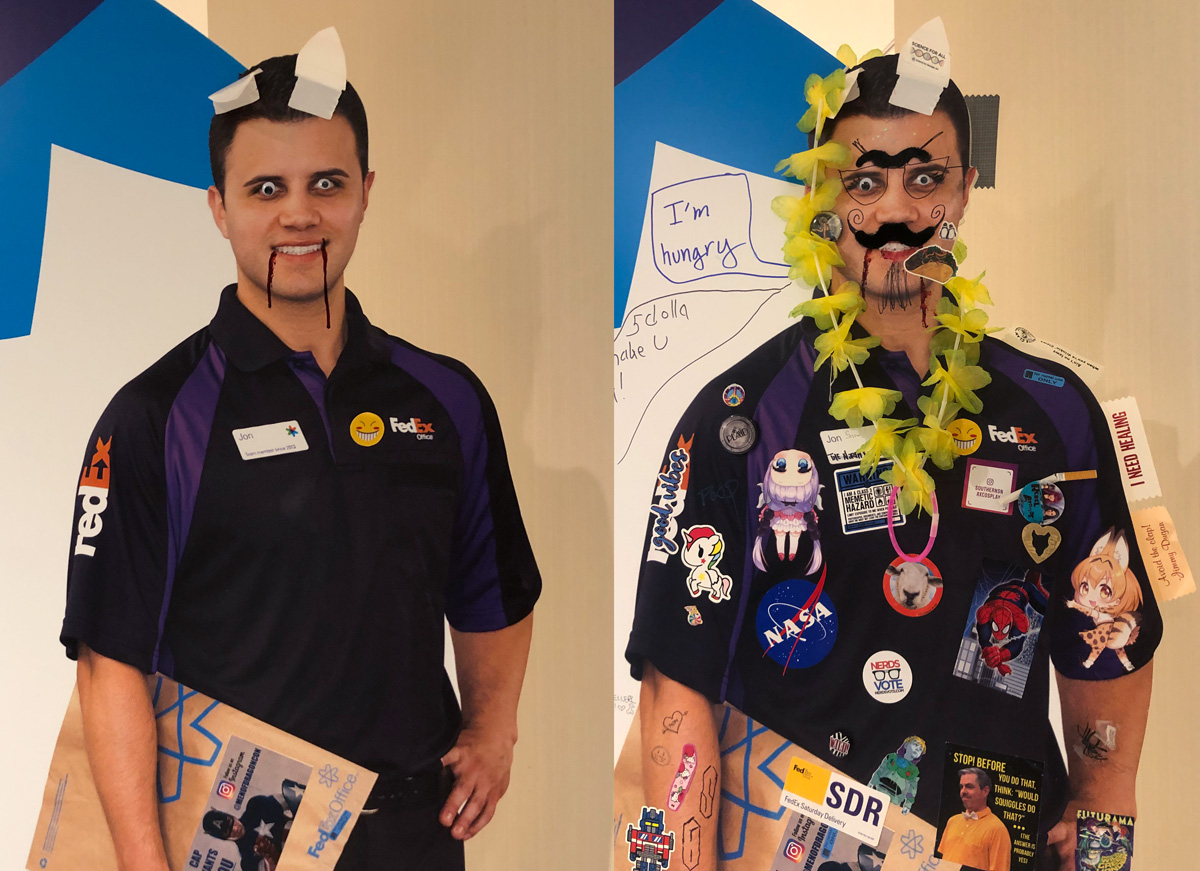
Jon the FedEx Man Dragon Con 2019
Jon’s descent into madness.

Photographs by Myrydd Wells

Speaking of badge ribbons, while the little flags that hang from the bottom of convention badges are not new, they’ve surged in popularity, with some convention goers this year sporting a train of ribbons taller than they were. Many fans order custom ribbons prior to the con and distribute them for free as a collectable—even the con’s official charity for this year, the American Heart Association, gave out their own ribbons. (If you want to learn more about them, there’s a Facebook group: Dragon Con Loyal Order of the Ribbon.)

• As if the Sheraton didn’t have a bad enough year already, a small speaker fire during an Aly & AJ concert caused a partial evacuation of the hotel on Saturday night. (And in true Dragon Con fashion, somebody dressed as the speaker the next day.)

• For the first time that we can recall, the Marriott turned several multi-stall bathrooms into gender-neutral bathrooms for the duration of the convention. As Dragon Con strives to be an inclusive space for all fans, it was great to see this addition.

• Sadly, the beloved Lady Olenna cosplayer, who previously attended the convention in an iron throne-decorated wheelchair while sporting “deal with it” shades, has died, according to a post shared on the official Dragon Con Facebook page. Her wheelchair was adorned with a wreath and marched in the parade as a tribute.

(Costume statistics are approximated and don’t include the parade.)

5 Atlanta events you won’t want to miss: September 4-10

0
Gucci Mane
Gucci Mane performs during the BET Hip Hop Awards 2018

Photograph by Paras Griffin/Getty Images for BET

ONE Musicfest
When:
September 7–8
Where:
Centennial Olympic Park
Cost:
Single day: $75; 2-day: $149
Detail:
For its 10th anniversary, this downtown music festival is pulling out all the stops with an A-list lineup that includes Gucci Mane, Wu-Tang Clan, Rick Ross, Rae Sremmurd, Pharrell, Usher, Tory Lanez, Three 6 Mafia, DMX, Ari Lennox, Busta Rhymes, and T-Pain, among many others.

Center for Puppetry Arts: Animal Amigos

Animal Amigos
When:
September 4–15
Where:
Center for Puppetry Arts
Cost:
$19.50
Detail:
The Mesner Puppet Theater of Kansas City presents this bilingual telling of three Mexican folktales, performed by some adorable animal hand-and-rod puppets. The show is aimed at kids aged 4 and older, and tickets include the opportunity for children to make their own rabbit rod puppet.

Crafted by Collabarét: ATL Edition
When: September 6, 7 p.m.
Where:
SweetWater Brewing Co.
Cost:
$30 in advance; $35 at the door
Detail:
Collabarét, a New York-based events group, is stopping by Atlanta for a one-night artist showcase at SweetWater’s Armour Yards brewery. Expect live music from artists including Wiley from Atlanta, Kashii, and Blanko; a fashion show, live ceramics, live tattooing, local artwork, and of course, craft beer. Each ticket includes a pour of Collabarét IPA, which blends four different SweetWater IPAs with white grape juice.

Atlanta Craft Cocktail Festival
When:
September 7, 6–10 p.m.
Where:
City Winery
Cost:
$55
Detail:
With more than 20 craft cocktails for you to sip on, this festival features local distilleries including Old Fourth Distillery and ASW Distillery. Pair your cocktail with pork wraps, charcuterie, salmon cake sliders, and other food while enjoying live music. Beer and wine are also available.

The Optimist End of Summer Luau
When:
September 8, 3–8 p.m.
Where:
The Optimist
Cost:
$55
Detail:
Known for its stylishly nautical seafood, the Optimist is sending off summer (albeit a few weeks early) in tropical Hawaiian fashion. Expect a pig roast, blue point oysters, pork sliders, shrimp, tuna, tiki-inspired cocktails, and even fire dancers. Tickets include food and two drinks.

Waffle House has an official poet laureate. For real.

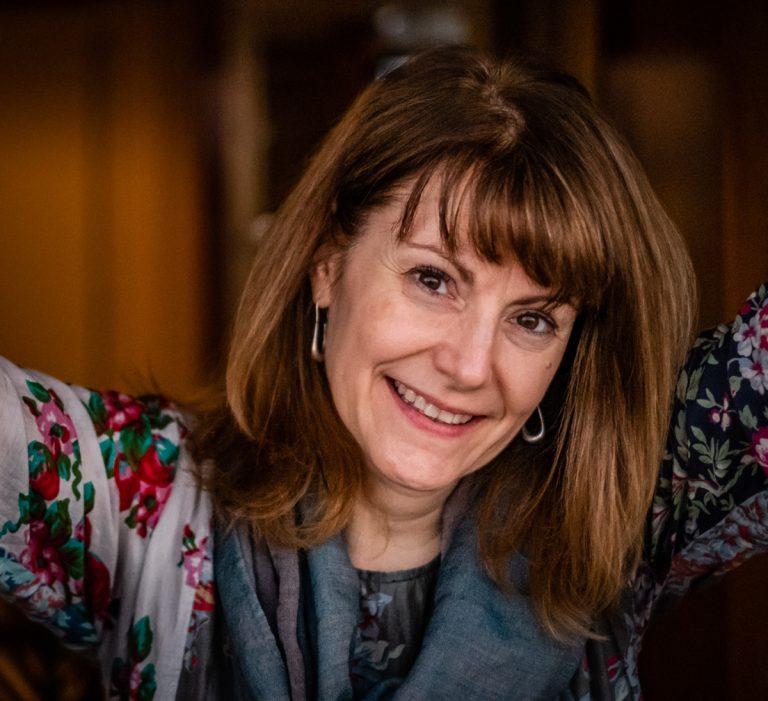
Waffle House Poet Laureate Karen Head
Karen Head is the Waffle House Poet Laureate.

Photograph courtesy of Karen Head

The phrase “scattered, smothered, and covered” has a certain poetic ring, so it’s fitting that Waffle House has its own poet laureate. Georgia Tech poetry professor Karen Head is the first to lay claim to that title. We caught up with the recently anointed scribe in advance of her appearance at this weekend’s Decatur Book Festival:

How did you become Waffle House Poet Laureate?
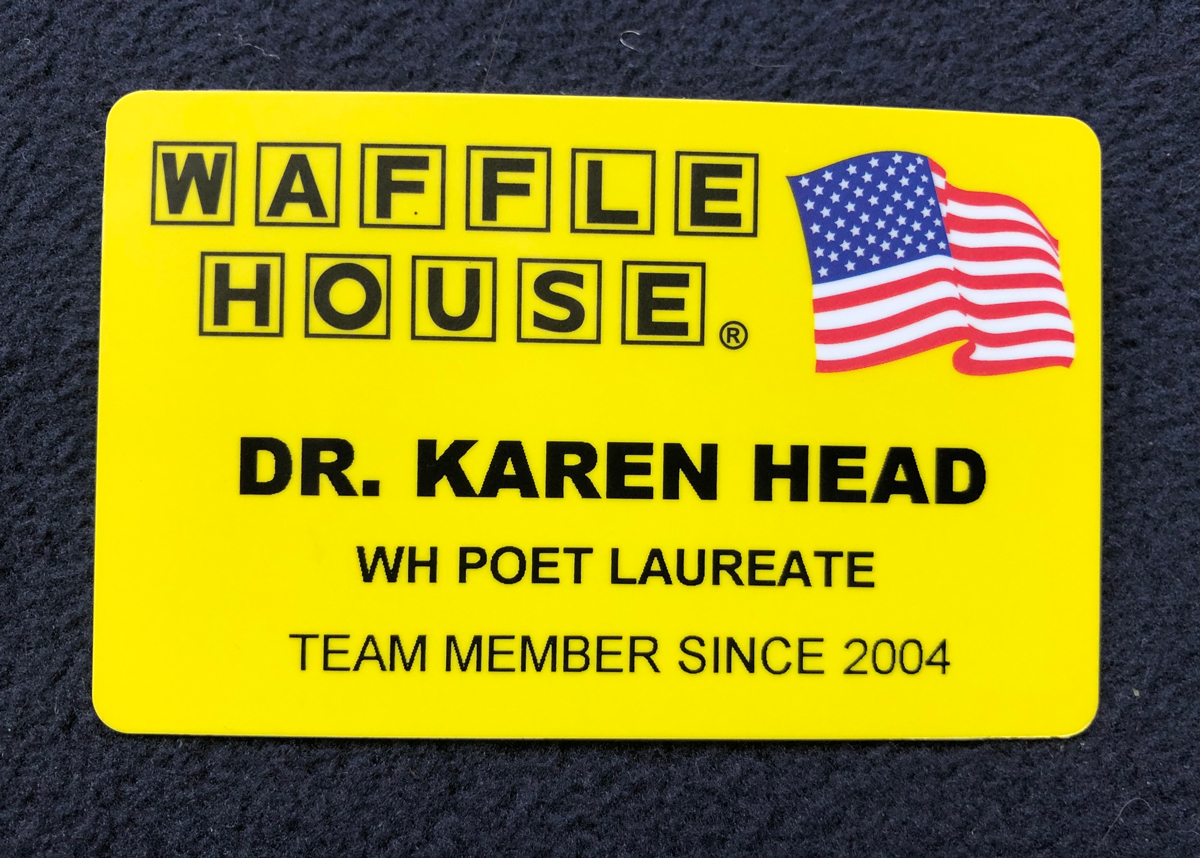
Georgia Tech and Waffle House are very firmly connected. All of the heads of Waffle House have been Georgia Tech graduates. The current CEO Walt Ehmer is a Georgia Tech graduate, and the former CEO Bert Thornton was a Tech graduate. Bert and I got to know each other through some alumni events. We talked about Georgia Tech’s guaranteed admission for any valedictorian or salutatorian in the state. The first year it was offered, there were 37 counties that did not send a single application. Many students just don’t have any examples of someone who has gone to college in their lives. I didn’t. I’m a first-gen college student, Neither of my parents graduated high school. I told Bert I wanted to go out to the most rural schools in the most far-flung counties and talk about arts and poetry. I wanted the students to hear my story about going to college. Bert suggested I write up a proposal for the foundation. I asked for a modest grant to cover travel to 12 schools and a poetry competition, which would pay the winner’s tuition to the state’s online college core program. They agreed to fund my idea and mailed me a Waffle House nametag with an official title, Waffle House Poet Laureate. The idea of it has just sort of caught on. People want to tell me their own Waffle House stories. It’s been fascinating.

Waffle House Poet Laureate Karen Head
Head’s official nametag

Photograph courtesy of Karen Head

I take it you’re a big fan of the restaurants?
Having grown up in a military family, moving around so much, Waffle House has always represented a sense of home for me. When I was getting my PhD in Nebraska, the closest Waffle House was in St. Joseph, Missouri. When I got stuck on my dissertation or just started feeling homesick, I would get in my car and drive the two hours down to St. Joe’s. I would eat, and then turn around and drive back. It would take the better part of a day, but it was just a healthy release. I just like good, solid, reliable food. I don’t really eat waffles. It’s all about the hash browns for me. And when they’re always open, it’s something you can count on. One of my poems is called “Always Open.” It’s about that drive from Kansas City. [Read the poem below.]

Do you ever write poetry at the Waffle House?
I have. I don’t tend to do it as much anymore. Now that I’m in my 50s, I’m much more easily distracted. But, occasionally, you’ll see me at 1885 (I now refer to Waffle Houses by their number; 1885 is the Georgia Tech Waffle House) working in the morning.

Waffle House Poet Laureate Karen Head
Head’s new book, Lost on Purpose

Photograph courtesy of Karen Head

How is a Waffle House like a poem?
I think the connection I would make—and a connection I try to make for students—is that poetry is a made thing. If you can understand something that’s made, you can understand poetry. In that sense, hash browns are a made thing. You can mix it up in different ways: scattered, smothered, covered, chunked. There is a language around it, and once you learn the language it makes sense. That’s really no different than learning the language of a sonnet. Once you learn the rules and understand how it’s put together, then every sonnet you read after that is going to be easier for you to understand. It’s a matter of breaking down the pieces and understanding how it’s made.

Favorite order?
I have the cheese and egg plate, raisin toast, skip the grits, hash browns, scattered, smothered, capped, diced, bacon extra well.

Karen Head will read from her new poetry collection Lost on Purpose at the Decatur Book Festival on August 31 at 1:30 pm on the Local Poetry Stage at Ammazza, 314 East Howard Ave, Decatur.

Always Open

In the dream, I’m back on the road
driving south from Lincoln, NE
toward Kansas City, windows half way
down, Midwest winter air smacking me
awake, reminding me to breathe.
I’m suffering.
Homesickness is the story
I tell, but I know there’s more to it,
this loneliness, these too fast
heartbeats, this need to escape.

Just outside St. Joe, traffic
from the KC airport roars
overhead, and just off the exit
I see it, glowing warm yellow
in the darkness, so I pull in.
This is no photoshopped Hopper
Nighthawks. No, this is home,
always open, always there
waiting for me past any curfew.

I shake snow from my hair,
find the place empty, except for
one counter stool, which begins
to spin and Bourdain tells me to
join him, so I do because
I’ve got nowhere else to be.
I shout, “Scattered, smothered,
covered, diced, and capped,”
and laughter erupts. Now the place
is full of people I couldn’t save.
We are all eating pecan waffles,
telling each other stories, and I say,
“Someday, maybe, I’ll find a way to be happy,”
and Bourdain says, “Don’t you have
somewhere you should be?”
The faint sound of the airplanes
begins to amplify, everything begins to shake.
I dive down, cover my ears,
shut my eyes to the looming shadows—

startled, I find myself back in Atlanta,
you are snoring again,
and, for once, for always, this makes me happy.

Interview has been edited for length and clarity. Poem reproduced with permission of the author.

5 things to know before you go to 29Rooms in Atlanta

What to know before you go to 29Rooms Atlanta
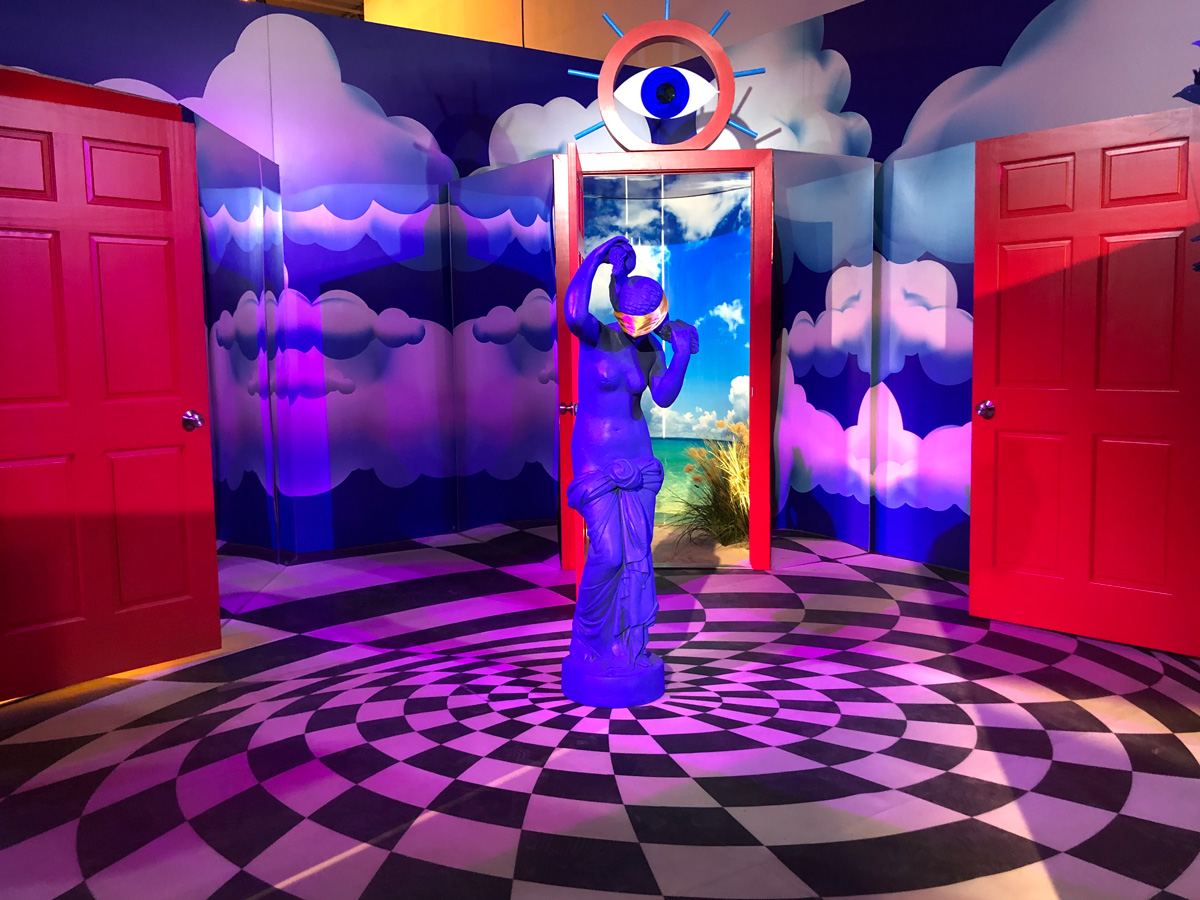
“Dream Doorways”

Photograph by Myrydd Wells

What started a few years ago as an interactive way to celebrate women’s lifestyle website Refinery29’s 10th anniversary has morphed into a full-blown Instagram phenomenon, selling out shows across the country. 29Rooms, the website’s “festival of cause, culture, and creativity” according to Kat Tooley, Refinery29’s SVP of Experiential, is a photography-friendly experience akin to previous Atlanta events such as Santa’s Fantastical and Candytopia. There are plenty of Instagram-worthy backdrops to pose in front of and plenty of staffers to help you take the perfect photo. But Tooley hopes the experience goes further than that.

“We want people to touch the art, feel the art, talk about it. We want people to leave feeling like they were taught something that they didn’t know when they first came in. This is not just a space for pictures. Yes, everything is beautiful here, but it’s also a space to really do things that might be out of your comfort zone,” she said to a small crowd during a media preview Wednesday night at The Works on the Westside, where 29Rooms will run now through September 8.

What to know before you go to 29Rooms Atlanta
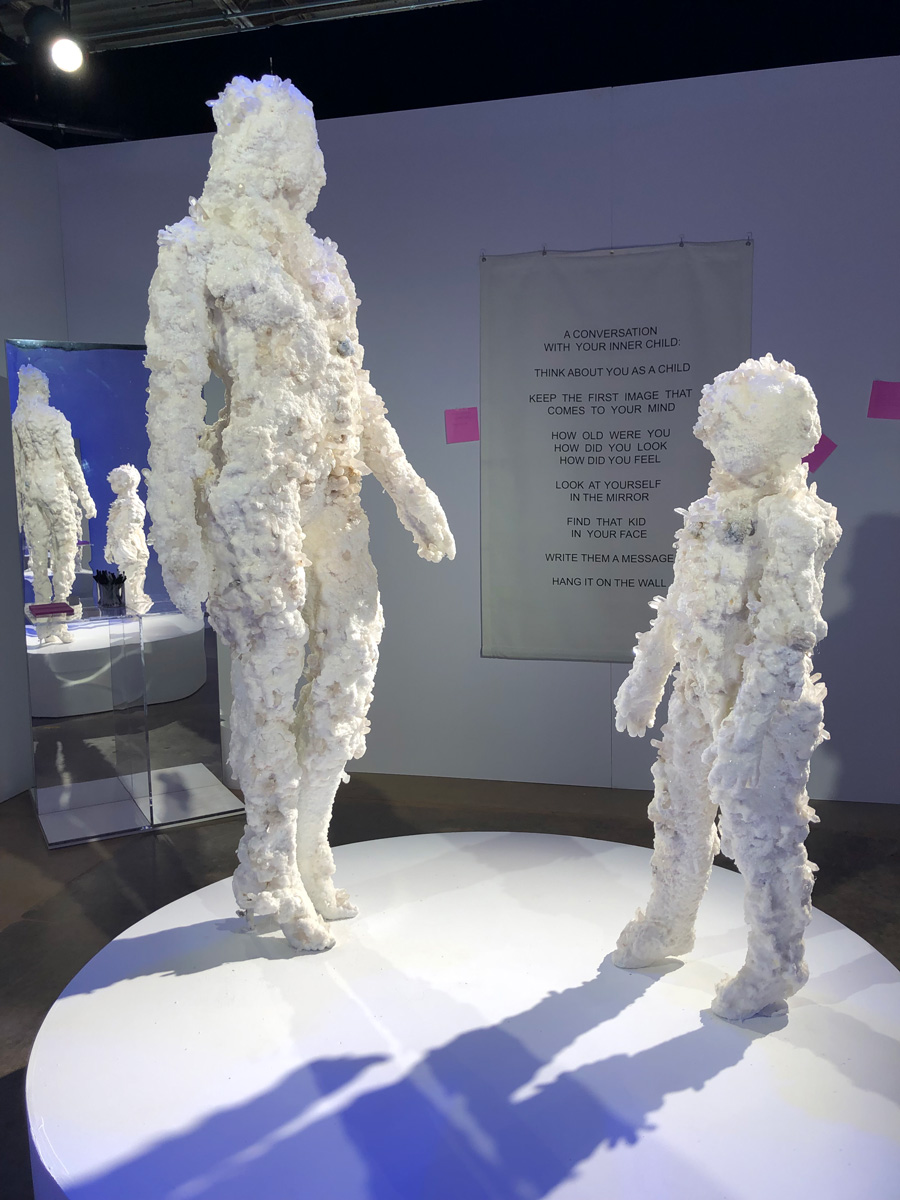
“A Conversation with Your Inner Child”

Photograph by Myrydd Wells

So does the experience succeed in its mission to “expand your reality”? Not quite. Many of the installations are beautiful and engaging—and several will push you out of your comfort zone, as Tooley promised—but the many brand-sponsored exhibitions kind of knock out the magic. Watching people pose with oversized strawberries next to a glittery pink chair at the Panera Bread-sponsored tattoo parlor (where you can get an admittedly cool, very realistic temporary strawberry tattoo) seemed out of place when just around the corner was an ACLU-branded newsstand urging women to stand up for social justice and another installation celebrating the beauty and power of black women. The juxtaposition of art and advertising throws the entire experience off.

But even if 29Rooms doesn’t fully achieve its vision, that doesn’t mean it’s not an entertaining night out. Here’s a few things to know before you go.

What to know before you go to 29Rooms Atlanta
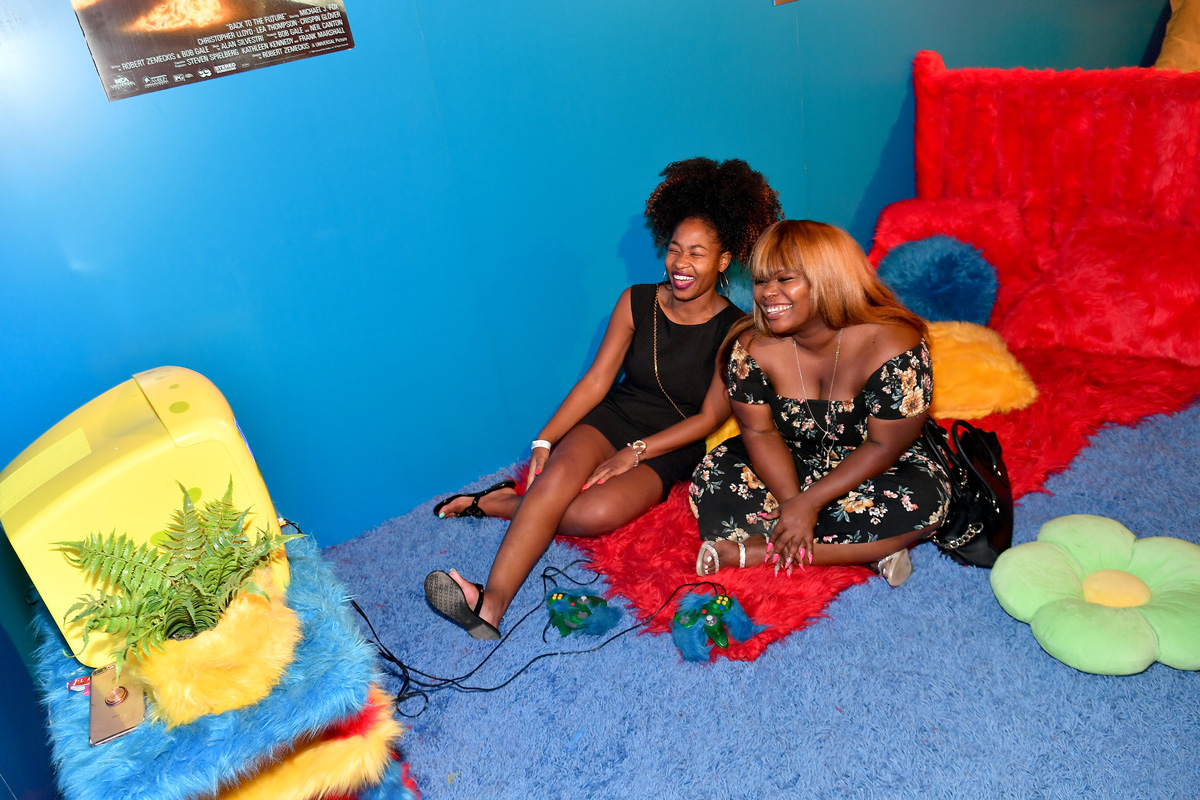
A duo plays video games in the “Teenage Bedroom.”

Photograph by Paras Griffin/Getty Images for Refinery29

1. Bring a buddy—or three.
The first rule of an Instagram experience is to bring a friend. This is especially true at 29Rooms, where many of the installations require more than one person to participate. I made the mistake of going solo and missed out on trying a lot of the activities, including an interactive art area where guests are challenged to draw a portrait of the person sitting across from them without ever looking down at the paper, or play a crafty version of Pictionary where, using polymer clay, they have to sculpt a word printed on a card and have their partner guess what it is.

What to know before you go to 29Rooms Atlanta
The “Make Your Mark” craft area, where you can play artsy games with friends.

Photograph by Myrydd Wells

What to know before you go to 29Rooms Atlanta
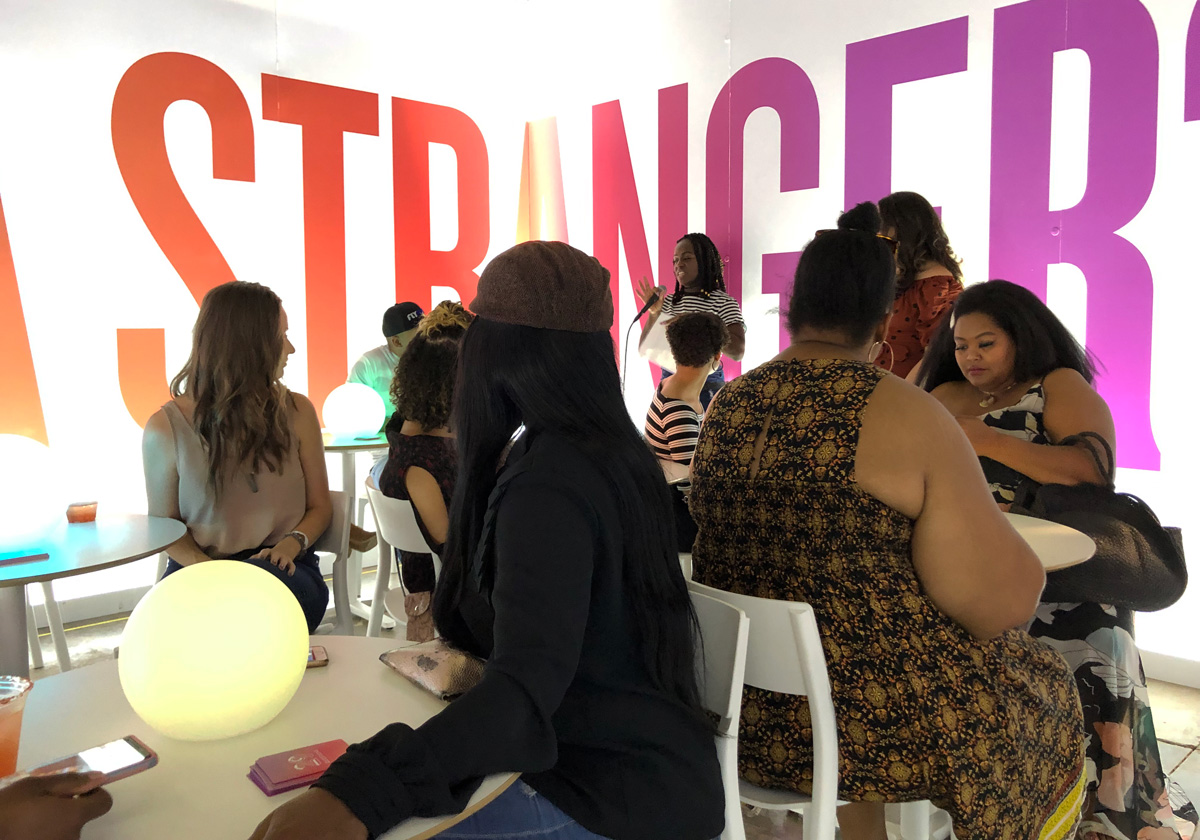
In the “29 Questions” room, you’ll get well-acquainted with a stranger.

Photograph by Myrydd Wells

2. Be prepared to put your social anxiety to the test.
Remember when Tooley mentioned stepping outside of your comfort zone? There are a few rooms that put that to the test. One is 29 Questions, were guests are asked to sit across from someone they don’t know at a tiny plastic table with a crystal ball-esque light in the center. At this table, you’ll be led through breathing exercises, instructed to stare deeply into the eyes of the stranger sitting before you, and then, when you feel good and awkward, each pair will ask questions to each other from a stack of cards on the table. Thankfully the cards aren’t too revealing—What makes you feel beautiful? What’s a recurring dream you have? Where’s your happy place? are a few of the questions I got. But others, such as Who do you miss?, are meant to give people an opportunity to be open with someone who, hopefully, won’t judge. For a shy person like myself, it was adrenaline-inducing, but it was also one of the more enjoyable parts of the exhibition thanks to that shove outside the comfort zone.

Another shove is the palm-reading station, where guests are seated on either side of a wall and asked to slip their hand through a covered window. The person on the opposite side, guided by an audio recording and a chart on the wall, will read your palm and mark symbols on your wrist in magic marker. Then the sides switch, so both people have a turn at reading a stranger’s palm. It’s an odd and intimidating feeling to hold and draw on an unknown hand, knowing the person on the other side of the barrier is probably feeling as awkward as you, but again, these offbeat experiences are 29Rooms’s greatest strength.

What to know before you go to 29Rooms Atlanta
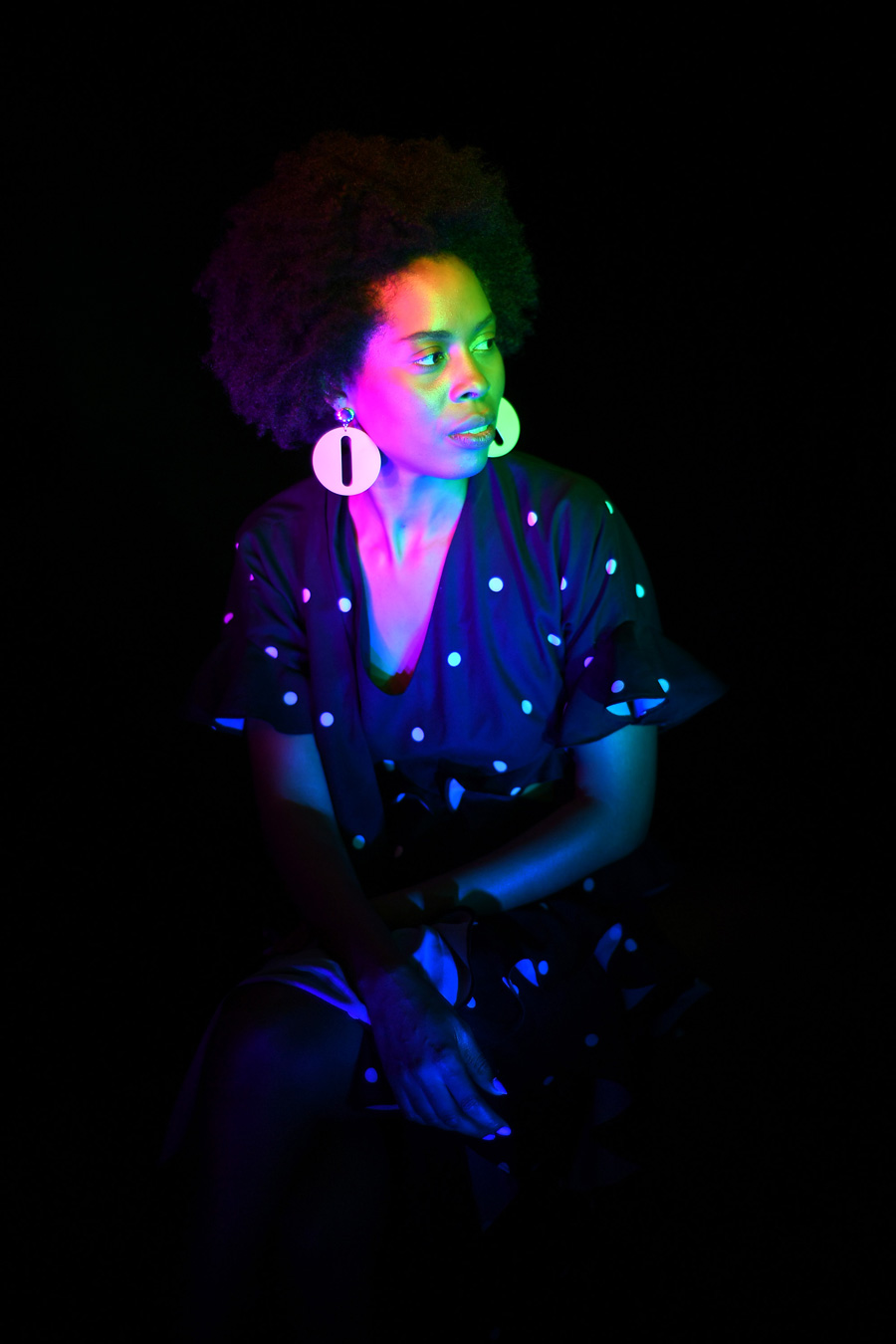
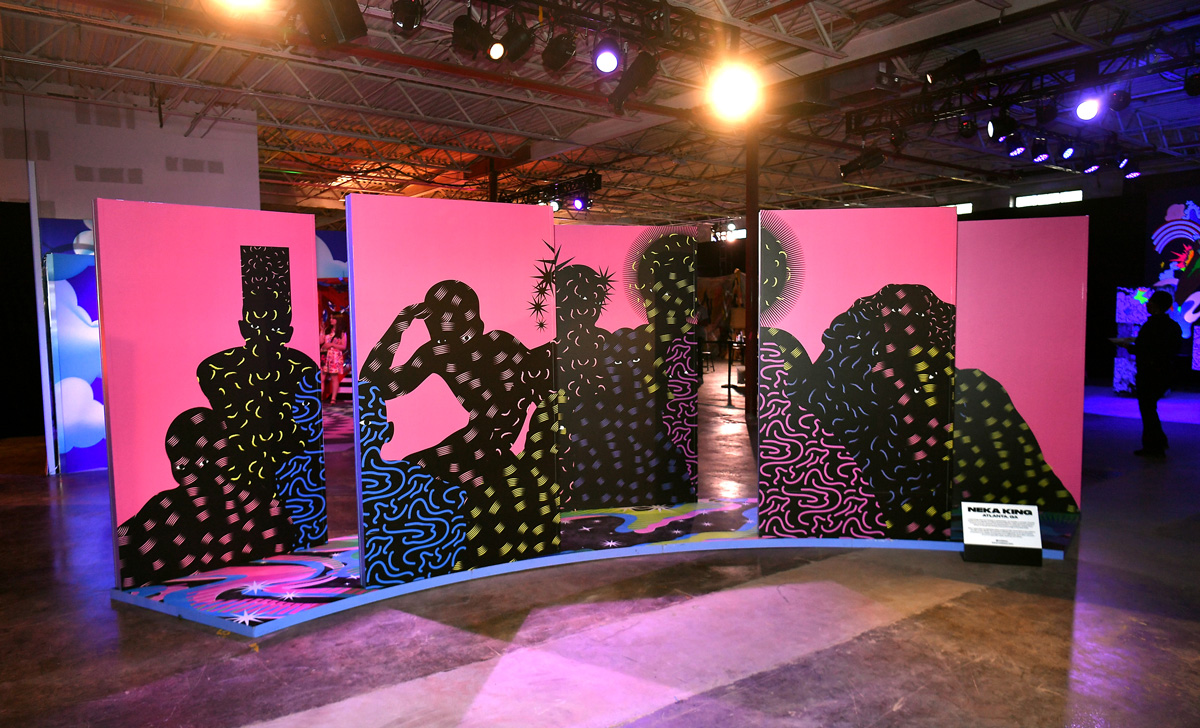
Local artist Neka King is photographed in the “No Filter” area.

Photograph by Paras Griffin/Getty Images for Refinery29

3. But if you’re here for the photos, you’ll get them.
And the photo station you won’t want to miss is the ironically named “No Filter,” which uses flashing lights and changing colors to create some pretty snazzy “rainbow aura” portraits. if you don’t take your own photo, make sure you check your phone’s camera roll before you leave—due to the changing multicolor lights and angles of your face, some photos on my iPhone came out great, while others were a washed out mess. (A side note here—the photos I took on my phone looked better once I got home than they did in the dim lighting of the exhibition.)

What to know before you go to 29Rooms Atlanta
One side of Neka King’s “Expansion”

Photograph by Paras Griffin/Getty Images for Refinery29

What to know before you go to 29Rooms Atlanta
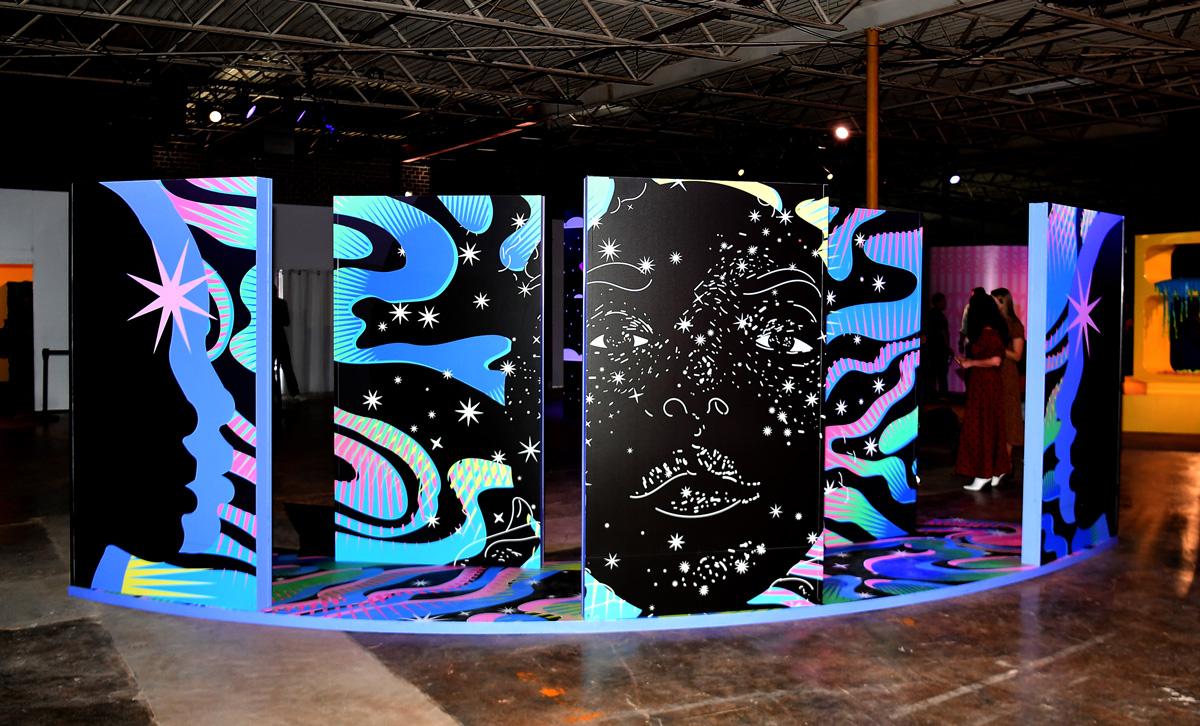
The other side of Neka King’s “Expansion”

Photograph by Paras Griffin/Getty Images for Refinery29

4. Our local artists really shine.
There are two Atlanta-based artists participating in 29Rooms—Neka King, whose piece “Expansion” is part of the exhibition’s traveling art park, and Sarah Emerson, who created a billboard that is exclusive to the Atlanta tour stop. Emerson‘s piece is a colorful, neon explosion that is meant to explore the “psychological landscape” of Atlanta. It glows under a blacklight, as do the boxy towers standing in front it, which guests can color with neon paint. King’s work is a beautiful cosmic illustration that changes depending on which side you view it from. You can also interact with it by walking through the five panels. Both artworks are among the first things guests see when entering 29Rooms—and for good reason.

What to know before you go to 29Rooms Atlanta
Sarah Emerson’s Traveling Billboard

Photograph by Myrydd Wells

What to know before you go to 29Rooms Atlanta
Guests can paint their own bluelight-lit boxes, designed by local artist Sarah Emerson.

Photograph by Myrydd Wells

What to know before you go to 29Rooms Atlanta
Guests write notes to their inner child and stick them on the wall.

Photograph by Myrydd Wells

5. Don’t be afraid to have fun.
29Rooms, like Refinery29’s website, is clearly aimed at millennial women, and millennials are time and time again defined as the generation of anxiety. But the only way to get the most out of 29Rooms is to not be afraid of looking like an idiot. Grab a faux fur-covered controller and play Mario Kart 64 in the “Teenage Bedroom.” Stick a pink Post-It addressed to your younger self on the wall of the aptly named “A Conversation with Your Inner Child.” Get down in the dance break room. The exhibition is meant to be a place to explore, so just enjoy yourself.

What to know before you go to 29Rooms Atlanta
“You are Magic”

Photograph by Myrydd Wells

If you go: 29Rooms will run through September 8 at the Works, 1235 Chattahoochee Avenue Northwest. Tickets start at $34 (there is a discount available for those who book a group of three or more) and grant you a two-and-a-half hour session to explore at your own pace. Purchase tickets here.

What’s filming in Atlanta now? Coming 2 America, After We Collided, The Underground Railroad, and more

What's filming in Atlanta now
A sign for Clint Eastwood’s The Ballad of Richard Jewell

Photograph by Myrydd Wells

It’s August, and even many Atlantans are getting in the last of their summer vacations, there are plenty of film and television productions chugging along around town. Here’s what we saw, plus when and where we saw it this month:

New this month, Coming 2 America (QST), the follow-up to the 1988 comedy, has begun production. Starring Eddie Murphy, James Earl Jones, and Wesley Snipes—along with Leslie Jones, Tracy Morgan and Arsenio Hall, Coming 2 America was spotted filming at Rick Ross’s Fayetteville mansion in early August. Signs were also posted at Fulton Industrial Boulevard and Campbellton Road on August 19. Several days later, on August 22, production moved into downtown Atlanta, near Underground Atlanta. Crews were in Chattahoochee Hills the next day, and back downtown on August 25.

After We Collided (COLIN), a sequel to 2019’s After, and based on a novel of the same name, has also begun production this August. We spotted signs on I-20 at Fulton Industrial Boulevard on August 15. More recently, between the 24th and the 25th, crews worked out of Braselton at the Chateau Elan Winery and Resort. After We Collided stars Selma Blair, Hero Fiennes Tiffin, and Josephine Langford.

Amazon is shooting a new alternate history series, The Underground Railroad (UGRR), in Georgia. The show, based on the Pulitzer-winning novel written by Colson Whitehead, is set in a world where the historical Underground Railroad is literal network of underground trains, tunnels, and rail infrastructure used to help escaping slaves. So far, The Underground Railroad has only shot in Newton County, spotted there on August 23. The show stars Thuso Mbedu, Chase W. Dillon, Aaron Pierre, and Joel Edgerton. It will be directed by Barry Jenkins, director and writer of the Best Picture Oscar-winning Moonlight.

Another new film, Charming the Hearts of Men (1964), starring Sean Astin, Anna Friel, and Kelsey Grammer, has also begun production. The drama sheds light on the discrimination faced by both black and white women in the 1960s and the legal foundation used by the Times Up movement today. Filming started in the middle of the month, and since then, production has stayed in Madison, spotted on August 12, 13, and 21.

Clint Eastwood’s latest directorial project, The Ballad of Richard Jewel (KIKI), shot its pivotal Centennial Olympic Park bombing scene between July 28 and August 1. Signs were placed along Peachtree Industrial Boulevard on August 6. On the 13th, production moved to Third Rail Studios in Doraville.

Netflix’s Ozark (KRAZO) continued shooting this month, starting in Stone Mountain on August 1. Signs were posted in Roswell at Houze Road and Houze Way on the 3rd. Filming took place up in Canton on August 9. Between the 13th and 14th, scenes were shot at Tthe Cheshire Motor Inn and the Colonnade. August 19 took the series to Berkeley Lake. After that, scenes were shot in Norcross on August 22 and 25.

Lovecraft Country Filming Atlanta J.J. Abrams Jordan Peele
The Lovecraft Country set on Mitchell Street / Photograph by Myrydd Wells

The Jordan Peele and J.J. Abrams-produced HBO series Lovecraft Country (RP) spent the end of July and the first week of August in downtown Atlanta, on the Mitchel Street set we stumbled upon late last month. After that, crews spent the second week in Inman Park off of Euclid Avenue. On August 16, they were back downtown in Fairlie Poplar. Most recently, signs were up in Newton County on August 23.

Gerard Butler’s Greenland (GLD) filmed in Jonesboro on July 31. The movie then started August downtown, shooting at AmericasMart. On August 8, crews went OTP, all the way out to the Georgia International Horse Park in Conyers. Between the 9th and the 12th, production moved down to Riverdale.

Netflix’s Slutty Teenage Bounty Hunters (TBH/326H/MCFLY) also filmed in August. On the 5th, filming was spotted near Underpriced Furniture in Norcross. It then moved to Buckhead, with signs spotted at Mathieson Place and Mathieson Drive. The series next spent some time in Stone Mountain Park in the middle of the month. Between August 22 and 23, scenes were shot in Chamblee, and most recently, crews filmed at Mercer University’s Atlanta campus.

Sweet Magnolias (SM), yet another Netflix series (this one focusing on the lifelong friendship between three Southern women), continued production into August. After ending July in Lithonia, the series was spotted in Covington on August 13. Two days later, filming took place in McDonough.

Black Lightning (SIGN) shot in Lithonia from July 29 to August 1. On the 8th, signs were plopped along North Avenue. Additional filming took place in Decatur on August 13, 22, and 27.

The CW’s Legacies (LGC) filmed in Covington Square on July 30. On August 1, they were spotted in Conyers. August 14 brought a basecamp to Covington near Cousins Middle School. On August 17 and 21, the vampire spin-off series was in Stockbridge.

FOX’s The Resident (TR) set up in Conyers between July 29 and August 1. On August 5, the series took a trip in town, filming at the High Museum in Midtown. The following day, crews were back OTP in Covington. Additional scenes would be shot in Conyers on August 12, 19, and 20. On the 27th, filming took place in Austell.

CBS’s MacGyver (EYE) ended July in Lithonia on July 29. Signs were posted on Polk Street Extension and Whitlock Avenue in Marietta on August 3. Crews worked out of Stockbridge on August 6. The production returned to Marietta from the 14th to the 16th. Also on the 16th, filming took place in Grant Park. At the end of the month, from August 26 to the 29th, scenes were shot in Marietta again.

Also filming in August, the CW’s Dynasty (CROSS EYE) shot in Norcross between the 6th and 8th. Signs were posted in East Cobb on Paper Mill Road on August 20. From the 22nd to the 25th, crews returned to soundstages for filming. The DC Universe series Stargirl (JSA) was in Dallas on August 1. Filming took place in Mableton on the 8th. Scenes were shot at Douglas County High School on August 18. Fear Street (FS) set up at Hard Labor Creek State Park in Rutledge on August 7. Indie film The Time Capsule (HECK YEAH) ended July in Marietta Square and in Conyers. Ron Howard’s Hillbilly Elegy (IVAN) shot in downtown on July 28, set up a basecamp in the parking lot of Georgia State Stadium between August 5 and 7, and was at the Cheshire Motor Inn on August 8. The Conjuring 3 (C3) filmed in Fayetteville on August 1 and 5, and was spotted in Westview Cemetery on August 15.

And finally this month, we’re sad to announce that Pinewood is exiting its partnership in the Fayetteville-located Pinewood Atlanta Studios. After an 18 month period, the studio will remain open solely under the leadership of the venture’s other partner, River’s Rock. The biggest potential loss from this decoupling may come from Disney’s continued business with Pinewood all over the world. It’s too early to tell if we’ll lose Marvel projects long term, but it’s not a good sign. In the short term, the Disney+ series Falcon and the Winter Soldier is gearing up at Pinewood, and it’s likely we will have other Marvel projects during the next 18 months. Pinewood stated that its reason for departing was to better focus on international markets.

Q&A: Poet Jericho Brown on Atlanta’s poetry community, black masculinity, and the politics of love

Poet Jericho Brown
Jericho Brown

Photograph by Stephanie Mitchell

Born in Louisiana, Jericho Brown is now an associate professor and director of the creative writing program at Emory University. His poems have appeared in the Paris Review, Time, the New Yorker, and the New York Times, among others. He is the recipient of fellowships from the Guggenheim Foundation, Harvard University’s Radcliffe Institute for Advanced Study, and the National Endowment for the Arts. His first book, Please (2008), was awarded the American Book Award, and his second book, The New Testament (2014), won the Anisfield-Wolf Book Award. He’s currently on tour promoting of his most recent collection of poetry, The Tradition (2019), attempting to (as Brown says) “take the book around the sun.” He’ll give a reading in Atlanta this weekend at the Decatur Book Festival.

Brown’s poetry allows him to shore up the delicacies of love with the inescapable terror of existing as a gay, black man in the South. His ability to harness traditions, history, and myth to bring clarity to the violence and trauma inflicted upon his many subject positions has allowed him to emerge as one of Atlanta’s most prominent poets.

For a brief hiatus in his tour schedule, Brown returned to his Atlanta home, where we sat across from the picture window in his sunlit front room—the place where he often sits on quiet mornings to read, write, and watch the rabbits gather on the front lawn.

The concept of home is undeniably present in most of your poems. What and where is home for you?
Right now, it’s right here. I have a library downstairs where I can get a lot of reading and work done. So I always feel like I’m trying to get back to here so I can sit comfortably and learn to properly take care of myself—and properly waste my time, and properly do stuff [impulsively]. Because you can’t really live your life like that on the road, or even at the university where I work.

What does the Atlanta poetry community look like in your eyes?
It’s changing so much. Katie Farris and Ilya Kaminsky moved here recently and they’re teaching at Georgia Tech, and Beth Gylys, who’s a great poet, is over at Georgia State now. [Emory] just hired two new poets: Robyn Schiff and Heather Christle. But, you know, beyond the academics, there is a huge scene in Atlanta in terms of all kinds of genres of poetry—Collin Kelly, Teresa Davis. I would like for my involvement in [the Atlanta scene] to be more regular than it has been. I think now that this book has come out, I’ll be able to be more a part of it.

Why do you do what you do?
The more I do it, the more it’s really completely selfish, to be quite honest with you. For me, it’s become part of my self care, part of me being able to live in this country. It’s how I talk to myself. It’s partially how I pray. Being able to work on poems helps me walk around in the world. Being honest with myself in this room helps me deal with what I have to deal with in other rooms where I’m asked not to be honest. It’s the best thing that ever happened to me.

I know I’ve been changed by people’s poems, so I know there’s a possibility for people to be changed by my poems. I know that could happen, but I can’t write trying to make that happen. I don’t know what the magic is that makes that happen. I only know the magic that I can do to myself. I can do some self-sorcery.

So my job, then, is to write the best poems that I can write. Then, because I want to participate in the conversation, and because I love poetry so much, I put those poems in the world for people do with whatever they want. But once I put them in the world, my hands are off; I can’t monitor them. You have to let the poems go and really compartmentalize.

Throughout your work, love, power, and violence all intertwine. Do you see love as a political act?
There’s very little I don’t see as a political act. But I think choosing to experience love in the face of so much normalized evil is actually amazing. I don’t think it’s just political; I think it’s pretty radical. Everything about our world is trying to lead us against [love], trying to make us more and more numb to it. It’s very difficult to be vulnerable and to be intimate, and I think more difficult now. It’s sort of a purposeful thing. People laugh at you if you’re caught being vulnerable, but in actuality, I think it’s the only the only way to ever make a connection with folks.

Many of your poems lend an often ignored delicacy and fragility to black men. Why have you chosen to present black masculinity in this way?
I think media, social media, and television give us the wrong ideas over and over again about who we really are. I come from a family where generation after generation, we, for the sake of beauty, tended our houses, our land, our lawns, our flower beds. There were gardens in the backyard where you grew greens, beans, tomatoes, and potatoes, but in the front yard, you had a flower bed for no reason other than the fact that it was beautiful. Those are the kinds of things we don’t know or see about each other, particularly when we think about black men.

That’s who my dad was. He was also a lot of awful, but I have to remember that he taught me that. I can share that feeling with him now because I have a yard; I didn’t understand it before. I remember turning the corner to our house when I was a kid, entering the driveway, and hearing him say, “Ooh that’s pretty.” [There was a sense of] pride because the yard looked nice. I got to see something in him that isn’t what people automatically think about him when they simply think of his image.

This is why I’m interested in this thing called masculinity. I’m interested in the fact that it could exist, but in our minds, in our perceptions, we keep leaving stuff out of it. People have to fall in love. People have to take care of their kids. I want to make sure men know it’s possible for them to have feelings and that those feelings are okay to have. I think our world would have us believe they’re not okay to have.

Your poems are often about difficult and highly politicized parts of your experience as a black, gay, Southern man, but they are simultaneously celebratory and joyful. How do you find that meeting place between terror and joy in your work?
Well, it’s just my life, isn’t it? I’m from Louisiana, which is where you learn to party if you really want to. I am gay and we do have a good time, and I am black and don’t nobody sing and dance like us. At the same time, having all of those identities in a single body means bombardment from people you share identities with.

[The terror and joy] are both there, but I think they’re both there for everybody. I just get the opportunity to see it. W.E.B. Du Bois talked about this when he talked about double consciousness; I get to look outside of myself and see myself having those experiences at one time. Other people are having those same experiences, but they don’t understand that’s how we live our lives.

The trouble white folks are having in this country in particular is not being able to see that things are happening as they are happening. Then, when some result appears, white people experience a surprise and shock that black folks don’t have. Some of us in this country are under the impression that we are being protected, and some others of us understand that protection was never there. And so that’s what I’m talking about. That’s what I’m interested in. That’s what I want to tell the truth about, the way privilege hurts even the people who are supposedly privileged. We’re experiencing the world on fronts where the same thing happening to two people can be seen in two very different, and, for both of them, very dangerous ways.

Do your students at Emory ever surprise you? Do they ever show you something that makes you think about your work in a different way?
Every day. Every time we meet. Every time they turn in a poem. They’re always doing stuff where I’m like, why did you think that? There’s always something audacious happening in their writing. Because they don’t know any better. They’re breaking rules that they don’t even know are rules. So it’s interesting the ways in which they follow the rules. And the things they say are interesting, not just in their work. They will have realizations or they will say things that they don’t even think of as realizations, and I’ll think, That’s what they meant. That’s what that poem I’ve been reading means. They have genius in them; I’m not exaggerating.

Aside from your position at Emory, what keeps you in Atlanta?
There are a lot of black queer folks here, and it’s nice to be around that. Black people here, the South, what I hear. I need the vernacular. I need the colloquialisms that are particular to the South. I need the accent. I need it, quite honestly, in order to make my work. Sometimes, maybe I need to miss it, too. I was able to write a book when I was in San Diego that had to do with the fact that I missed [the South]. But this literary scene has always been good and is about to be at another peak moment. I’m really excited to be a part of that and to give and to contribute to Atlanta.

Jericho Brown will be reading from his latest book, The Tradition at the Decatur Book Festival on Sunday, September 1 at 2:30 p.m. in the Decatur Presbyterian Sanctuary.

How long can we keep Cheshire Bridge weird?

Cheshire Bridge Road history

Cheshire Bridge Road’s long history as one of Atlanta’s most notorious nightlife destinations began as an accident of geography. When I-85 was constructed through the city in the early 1950s, DeKalb County and much of North Georgia still outlawed alcohol sales. As the first southbound exit inside the decidedly non-dry Fulton County, the previously residential street naturally became a magnet for restaurants, bars, and liquor stores. Shopping centers and motor hotels followed.

In 1971, when gay culture was starting to emerge from the closet across the country, Sweet Gum Head replaced the Cheshire Cat go-go club in a back-alley space near Lavista Road, soon becoming the leading drag bar in the South. It was followed by the Hollywood Hots nightclub and other gay-centric businesses—and then by strip clubs such as the venerable Tattletale Lounge, which opened in 1976 on nearby Piedmont Road.

During the next two decades, the Cheshire Bridge corridor solidified its reputation for vice and nightlife, thanks to establishments like the Poster Hut and Starship adult novelty stores; the Chamber, an S&M–themed nightclub; and numerous strip clubs, lingerie shops, and massage parlors. The rest of the street was occupied by a mix of old-school restaurants, head shops, antique stores, car washes, auto repair shops, and iconic gay nightclubs like Deana’s One Mo Time and Heretic.

The strip’s status as Atlanta’s red-light district appeared all but official in 1996 when it effectively became bookended by two prominent adult toy and video stores: Southern Nights on the east and Inserection on the west. By the end of the decade, a group of nearby residents and property owners wanted to make the street more palatable to mainstream businesses and development. City Hall obliged by commissioning a study in 1999, which observed that Cheshire Bridge “remains a seedy and undesirable locale in the collective Atlanta psyche due, in part, to the proliferation of adult businesses and the unkempt nature of the corridor.”

In 2005, during the heat of the city’s crackdown on the Buckhead Village party zone, the Atlanta council approved a measure for the street that barred any new adult businesses from opening. A 2003 citywide rollback of closing times from 4 a.m. to 3 a.m. had put the Chamber out of business. Three years later, the city leveraged an alcohol violation on 24K strip club that led to its demise.

Still, little else about the area changed; even as office towers, condo blocks, and property values rose elsewhere in the city over the next decade, Cheshire Bridge seemed to remain the street time forgot. But in 2013, at the behest of nearby homeowners, then Councilman Alex Wan submitted a draconian proposal to clean up the street by giving existing adult businesses five years to clear out.

The outcry against the “sanitization” of the street was immediate and widespread. Petitions, op-eds, and public comments delivered the message: Yes, Cheshire Bridge is weird and sketchy—and that’s how we like it. The City Council, which voted the measure down, also voiced concern that the implicit attack on “grandfathered” businesses could set a precedent, destabilizing commercial property values citywide.

But battles against individual adult businesses continue. Michael Morrison, who had to fight City Hall in the ’90s to open Inserection (since rebranded Tokyo Valentino), has spent the past four years in and out of court over the city’s claim that the complex’s downstairs video booths—which have served as a cruising spot for 20 years—are illegal. He won an incremental victory in June, when a federal appeals court threw out an injunction against his business and ruled that he can challenge the city’s adult-entertainment ordinance as unconstitutional. Still, Morrison says, it won’t be bureaucrats but builders who put an end to the area’s naughty groove.

“I believe Cheshire Bridge will always be a gay street,” Morrison says. “But the vice will almost certainly go away because of development.”

The evidence looms over him in the form of the six-story Morningside by Windsor apartment complex that went up in late 2015 nearby on Piedmont Road. A short distance to the north, in the triangle bounded by Cheshire Bridge, Piedmont, and the CSX rail line, a developer is completing a subdivision of upscale townhomes, some of which back up to an auto salvage yard, while others sit across the street from the Den, an unobtrusive sex club geared toward black men.

And in 2016, a pair of new apartment buildings—the first built on Cheshire Bridge in nearly 20 years, according to county property records—took out the longstanding Doll House strip club and Alfredo’s Italian restaurant, a landmark for four decades. In order to make the area more appealing to renters, the developer, Netherlands-based Westplan, also bought warehouses on nearby Faulkner Road and declined to renew leases for the 13-year-old Jungle, one of the city’s largest gay nightclubs, and Club Eros, a gay sex club. Manifest4U, another gay sex club in the same complex, was sent packing in late June.

More changes are in the pipeline. Last year, as part of the MARTA expansion approved by voters in 2016, the transit system’s board of directors green-lit the $350 million Clifton Corridor project, which will eventually run a light-rail line from Lindbergh Station to Emory University. Included in the plan is a proposed rail station on the south side of Cheshire Bridge, a facility that would be located next door to—or perhaps in place of—BJ Roosters and Heretic, the street’s two most prominent remaining gay nightclubs.

Chris Coleman, marketing director for Tokyo Valentino, wants to preserve the street’s gay flavor—so much so that he’s bought a property next door to the former Madam Bell psychic shop with plans to open a “high-end lounge” with an infinity pool and expansive patio in late 2020.

More change could be coming. Atlanta-based Selig Enterprises owns a swath of the south side of the street, including the former Life nightclub, Antiques & Beyond antique mall, Cheshire Motor Inn, and the beloved meat-and-three restaurant the Colonnade. Greg Lewis, Selig’s senior vice president for development and acquisitions, says the company has owned some of the parcels for 40 years and has no current plans to redevelop them. To assuage concerns about the future of the Colonnade (established 1927), the firm points out that the company also owns Midtown’s Silver Skillet (established 1956) and Buckhead’s White House diner (established 1948) and undertook the 2016 renovation of Manuel’s Tavern (established 1956).

Even if Selig is content to wait, other developers are certain to continue chipping away at Cheshire Bridge’s uniqueness, one charmingly disreputable chunk at a time.

This article appears in our September 2019 issue.

Follow Us

69,386FansLike
144,836FollowersFollow
493,480FollowersFollow

NEWSLETTERS